
Thailand is the first Southeast Asia trip most people take — and the one most people plan badly by trying to do too much of it. Bangkok, Chiang Mai, Phuket and Krabi look close together on a map; in real life they sit in three different corners of the country, with different weather, different seasons and completely different jobs to do in your trip. This guide fixes that. It is the planning-first starting point for the whole country — the regions explained, the best time to go, how to actually get around, and where to stay — with every one of our in-depth Thailand guides linked in the section where you will need it.
Never forget a thing before you fly. My free 8-page Travel Planning Checklist walks you through the whole trip — 6 planning timelines, 36 checks, from booking windows to travel-day basics. One email, no spam, unsubscribe anytime.
If you only read three things, make them the route advice below, the where-to-stay section, and “What I’d skip” near the end. Thailand rewards travellers who pick fewer bases and stay longer in each. Four bases in ten days is a tour of airports and ferry piers. Three bases in twelve days is a holiday.
Disclosure: This post contains affiliate links. If you book through one of these links, I may earn a commission at no extra cost to you.
Thailand at a Glance
Thailand splits into three natural regions for a first trip. Bangkok and the central plains are the arrival, the temples, the food and the day trips to Ayutthaya and the floating markets. The north, centred on Chiang Mai, is cooler, greener and slower — mountain temples, old-city lanes and ethical elephant sanctuaries. The south is the beach half of the trip, and it comes in two flavours: Phuket, the big, easy, flight-connected island, and Krabi, the mainland coast of limestone cliffs, Railay and island-hopping boats. Almost every classic first trip strings them together in that order: city, mountains, sea.
- Currency: Thai baht (THB). Cards work in cities and resorts; markets, street food, longtail boats and small guesthouses are still cash territory — carry small notes.
- Language: Thai. English is widely spoken in Bangkok, Chiang Mai, Phuket and Krabi’s tourist areas; a translation app earns its keep in markets and local restaurants.
- Entry: Many visitors, including from the US, UK and EU, currently enter visa-free for a stay of up to 60 days, and all foreign arrivals complete the Thailand Digital Arrival Card (TDAC) online before travel. Rules change — check the official Thai immigration and embassy pages for your nationality before you book, not after.
- Time needed: Seven days is Bangkok plus one other base. Ten to fourteen days is the comfortable Bangkok + Chiang Mai + one beach base trip. Do not try to add both Phuket and Krabi in full unless you have three weeks.
The Route Most First-Timers Should Take
Fly into Bangkok and give it three full days — not the one rushed night most itineraries allow. Then fly north to Chiang Mai for three days of temples, food and mountain air. Then fly south — Chiang Mai has direct flights to both Phuket and Krabi — and finish with four or five slow days by the sea, flying home from Phuket or back through Bangkok. That loop needs no backtracking, each leg is a flight of about one to two hours, and the trip ends the way it should: on a beach, not in an airport hotel.
The one honest choice in that route is Phuket or Krabi as your main beach base. Phuket is easier: more flights, more hotels at every price, more tours leaving daily. Krabi is prettier at first sight: Railay’s cliffs, Ao Nang’s boat trips and a calmer pace. Our Phuket and Krabi sections below link both sets of guides so you can compare properly — but pick one as home and visit the other only if time genuinely allows.
Best Time to Visit Thailand
November to February is the best overall window: the cool, dry season brings Bangkok its most bearable temperatures (still warm — think high 20s to low 30s Celsius), clear skies in the north, and the Andaman coast — Phuket and Krabi — in its prime. It is also peak season, so book the where-to-stay picks below early for December and January.
March to May is the hot season, and in Chiang Mai it overlaps with the agricultural burning season, when haze can spoil mountain views — roughly February to April is the window to treat with caution in the north. June to October is the rainy season: short, heavy downpours rather than all-day rain in Bangkok and Chiang Mai, but the Andaman Sea turns rough, some island boat trips cancel, and September–October is the wettest stretch in Phuket and Krabi. If your dates are fixed in rainy season, fewer bases and flexible tour bookings matter more than any packing list.
Bangkok & Central Thailand
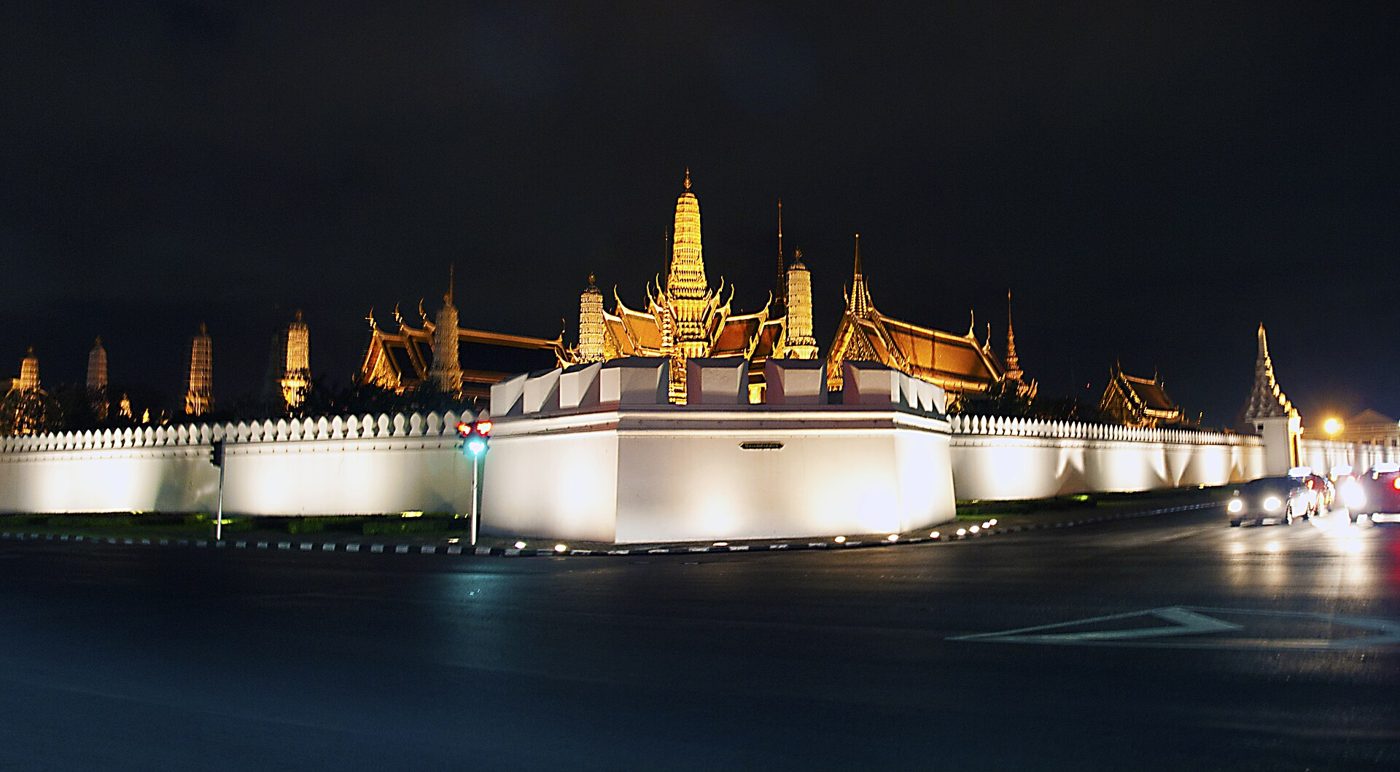
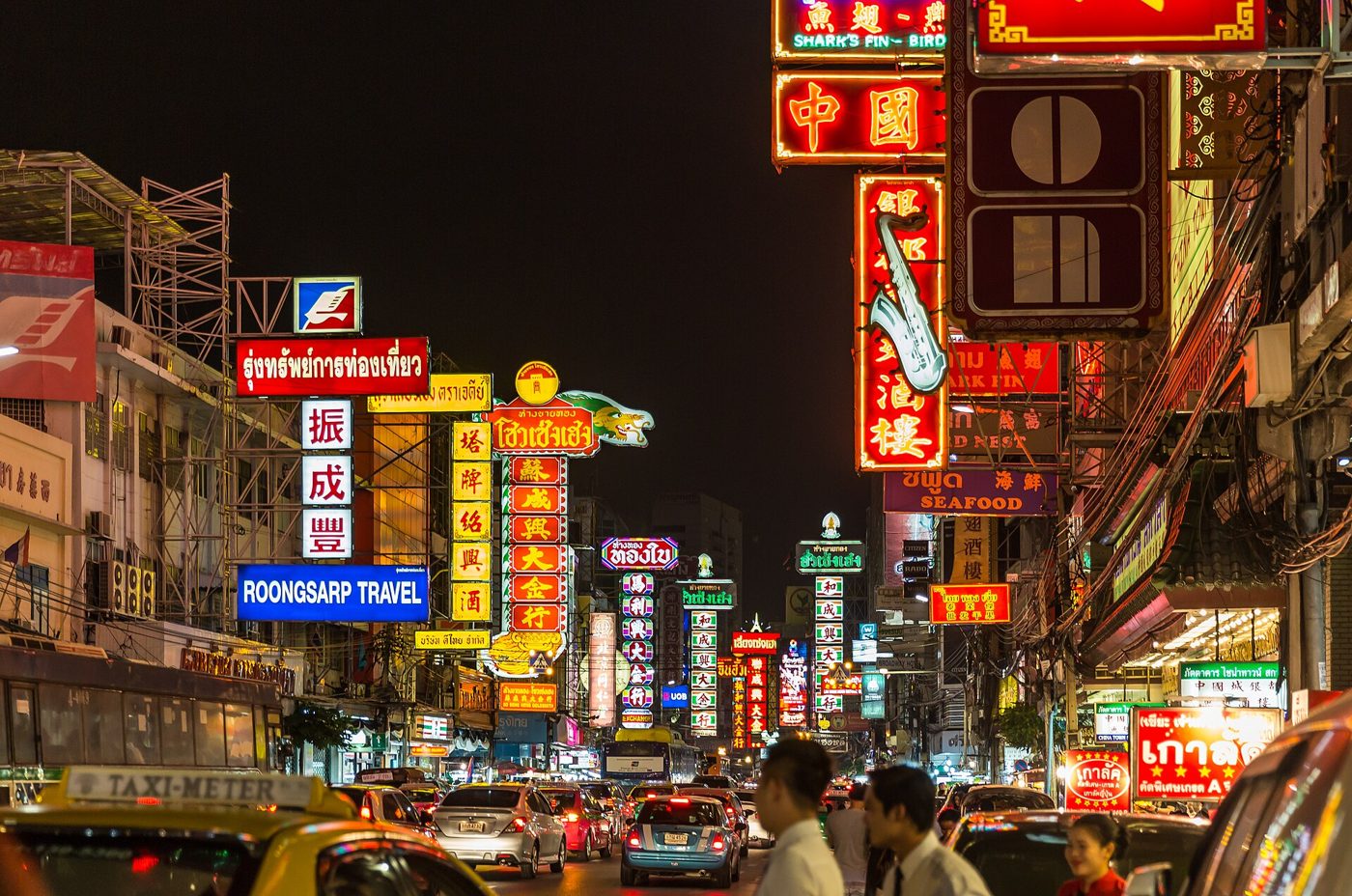
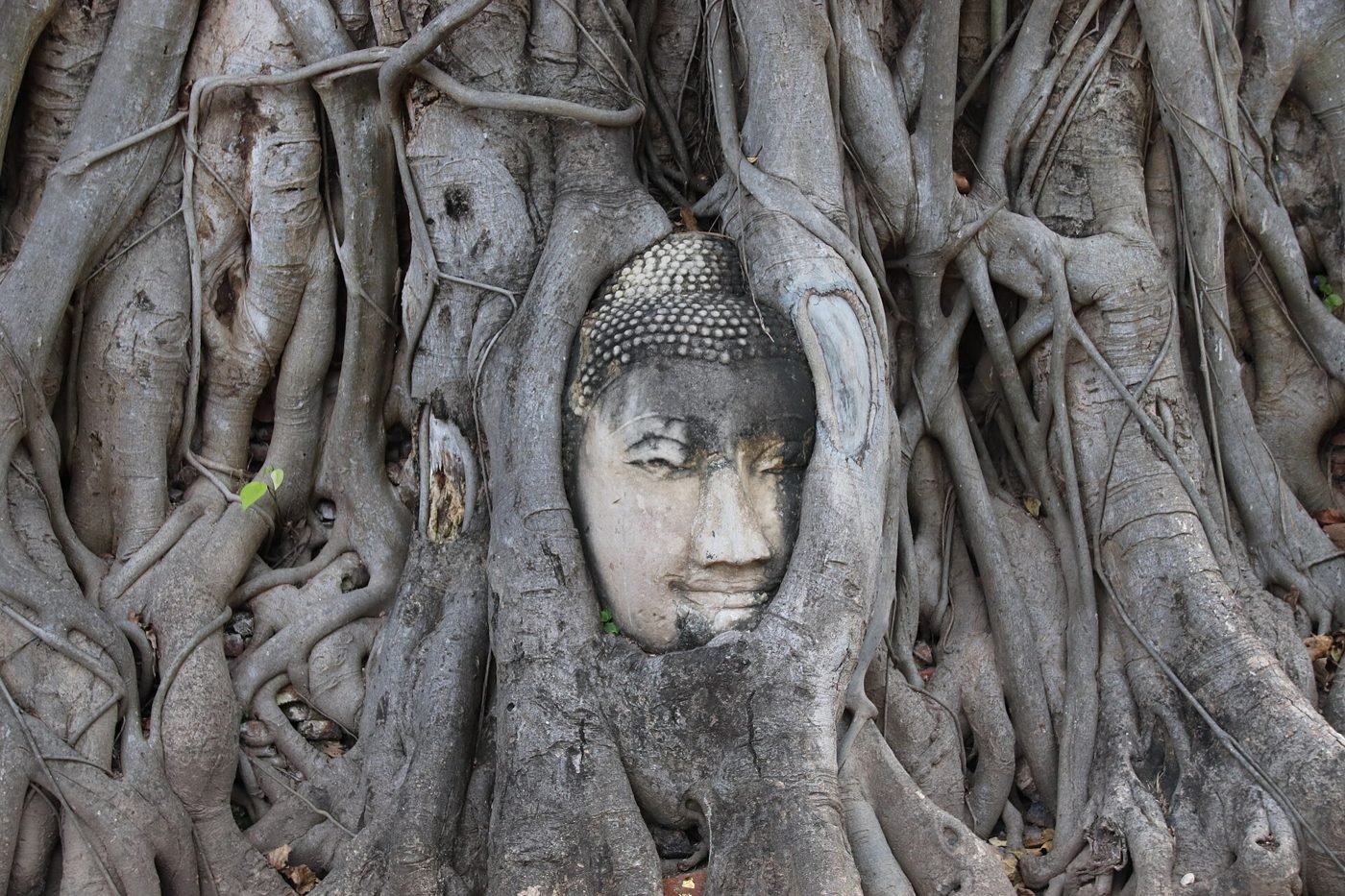
Bangkok is not a stopover. It is a city of golden temples, canal neighbourhoods, Chinatown street-food streets and some of the best-value hotels in Asia — and it is the base for Thailand’s two classic day trips, Ayutthaya’s ruined temples and the floating and railway markets. Start here:
- Bangkok in 3 Days: The Perfect Itinerary for First-Timers (2026) — the day-by-day plan: Grand Palace and Wat Pho, Wat Arun, Chinatown by night, and a day-trip day done properly.
- Where to Stay in Bangkok (2026): Best Neighborhoods & Hotel Picks for Every Traveler — the money decision in Bangkok is the neighbourhood, not the hotel star rating; this guide matches each area to a travel style and budget.
- Best Tours in Bangkok (2026): Floating Markets, Ayutthaya & the Grand Palace — the bookable tours actually worth paying for, compared on price, reviews and what is included.
- Best Day Trips from Bangkok (2026 Guide) — Ayutthaya, the floating markets, Kanchanaburi and more, with honest travel times so you can pick one, not three.
- Must-try Street Food in Bangkok — what to order, where to find it, and how to eat at a street stall with confidence on your first night.
Chiang Mai & the North
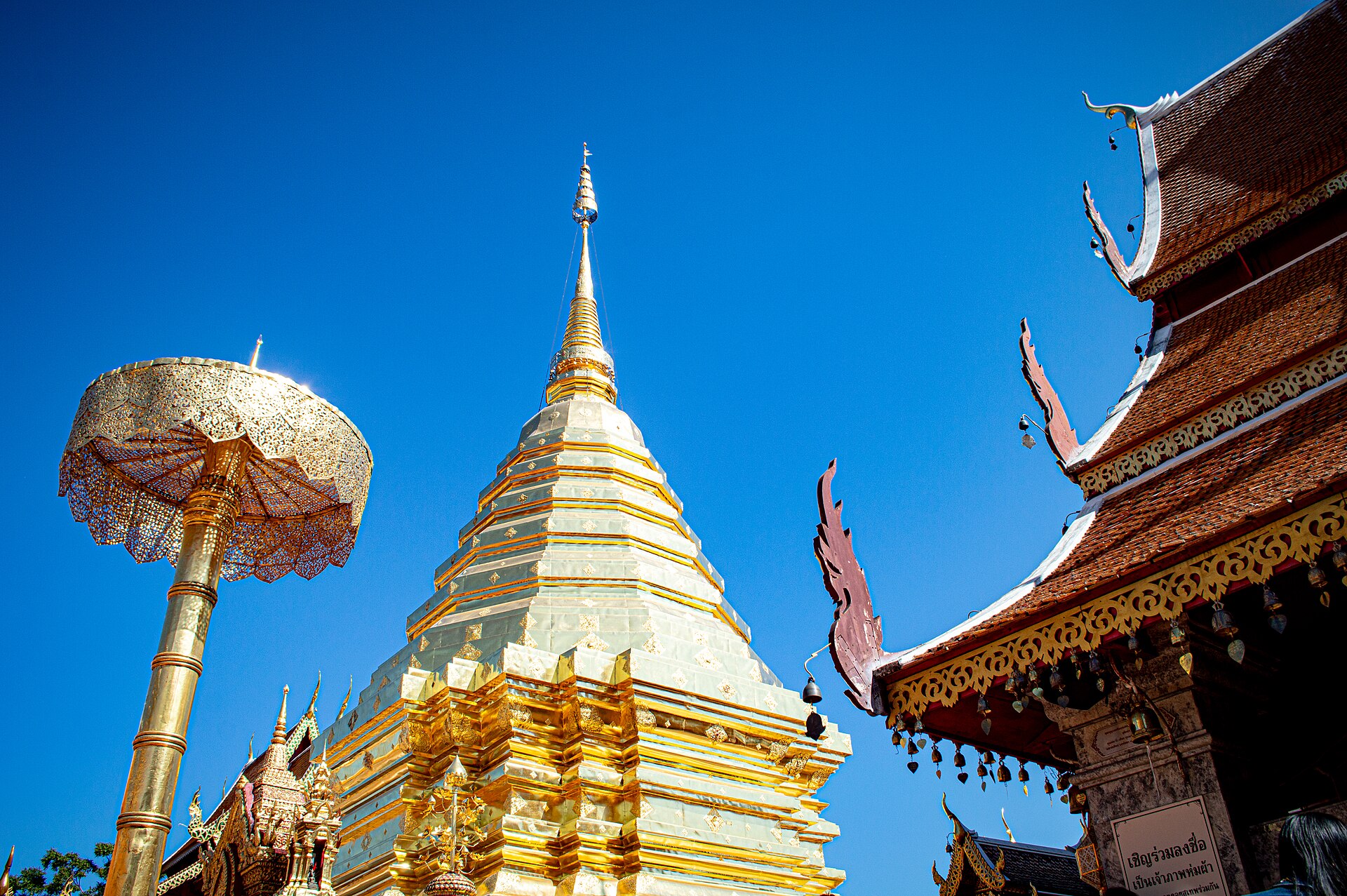
Chiang Mai is Thailand’s reset button: a moated old city of temples you can walk between, a mountain temple above the city at Doi Suthep, night markets that feel local as well as lively, and the country’s best-regarded ethical elephant experiences in the hills around it. It is also the cheapest of the four bases for good hotels and great food. Plan it in the cool season if you can, and be honest about haze season if you cannot.
- Chiang Mai in 3 Days: The Perfect Itinerary for First-Timers (2026) — old-city temples, Doi Suthep, the Sunday Walking Street and a sanctuary day, in a walkable order.
- Where to Stay in Chiang Mai: Best Neighborhoods and Hotel Picks (2026 Guide) — Old City vs Nimman vs Riverside, explained, with hotel picks in each.
- Best Tours in Chiang Mai (2026): Doi Suthep, Ethical Elephants & Cooking Classes — including how to tell a genuinely ethical, no-riding elephant sanctuary from a dressed-up one.
Phuket: The Easy Beach Base
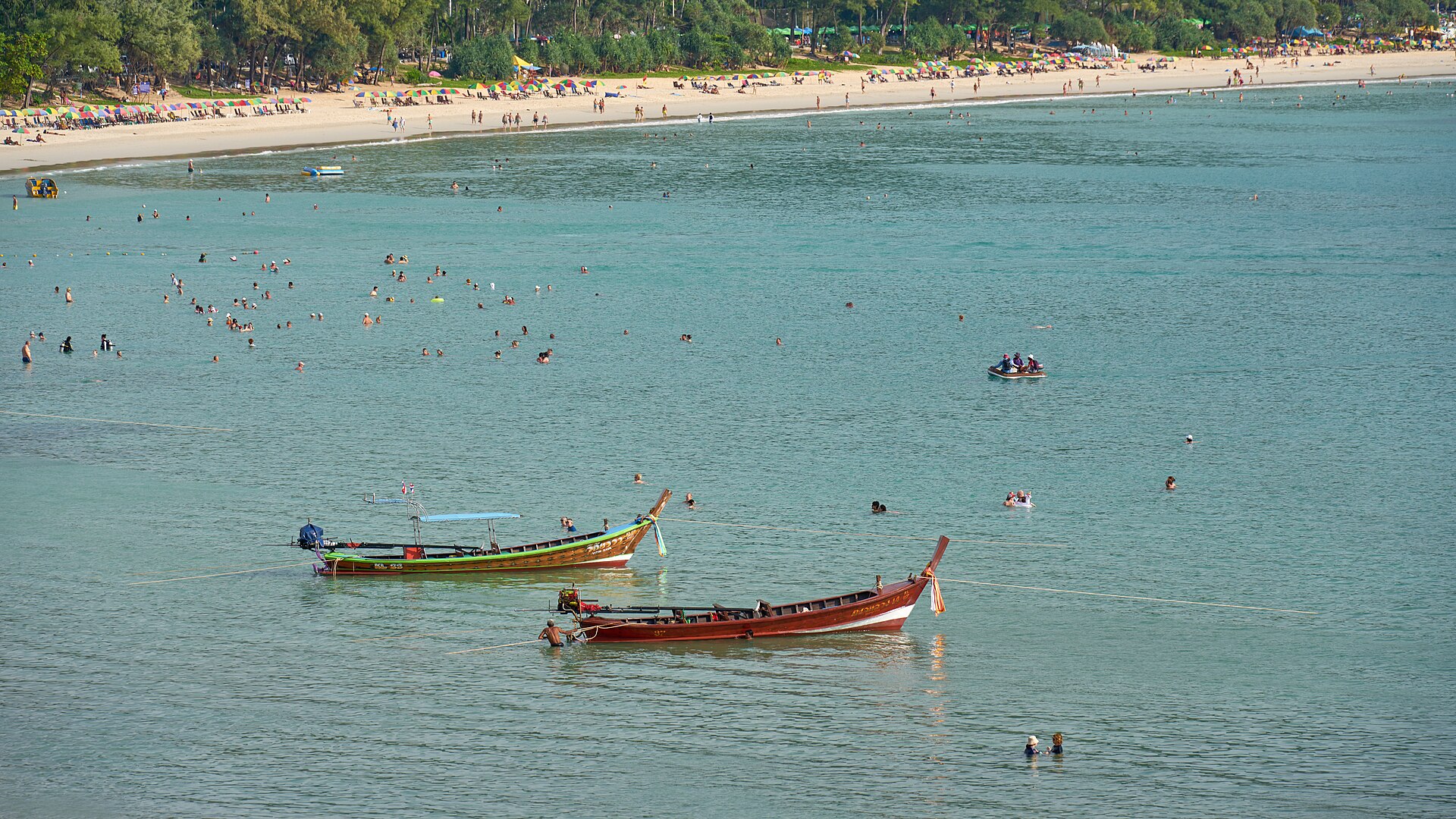
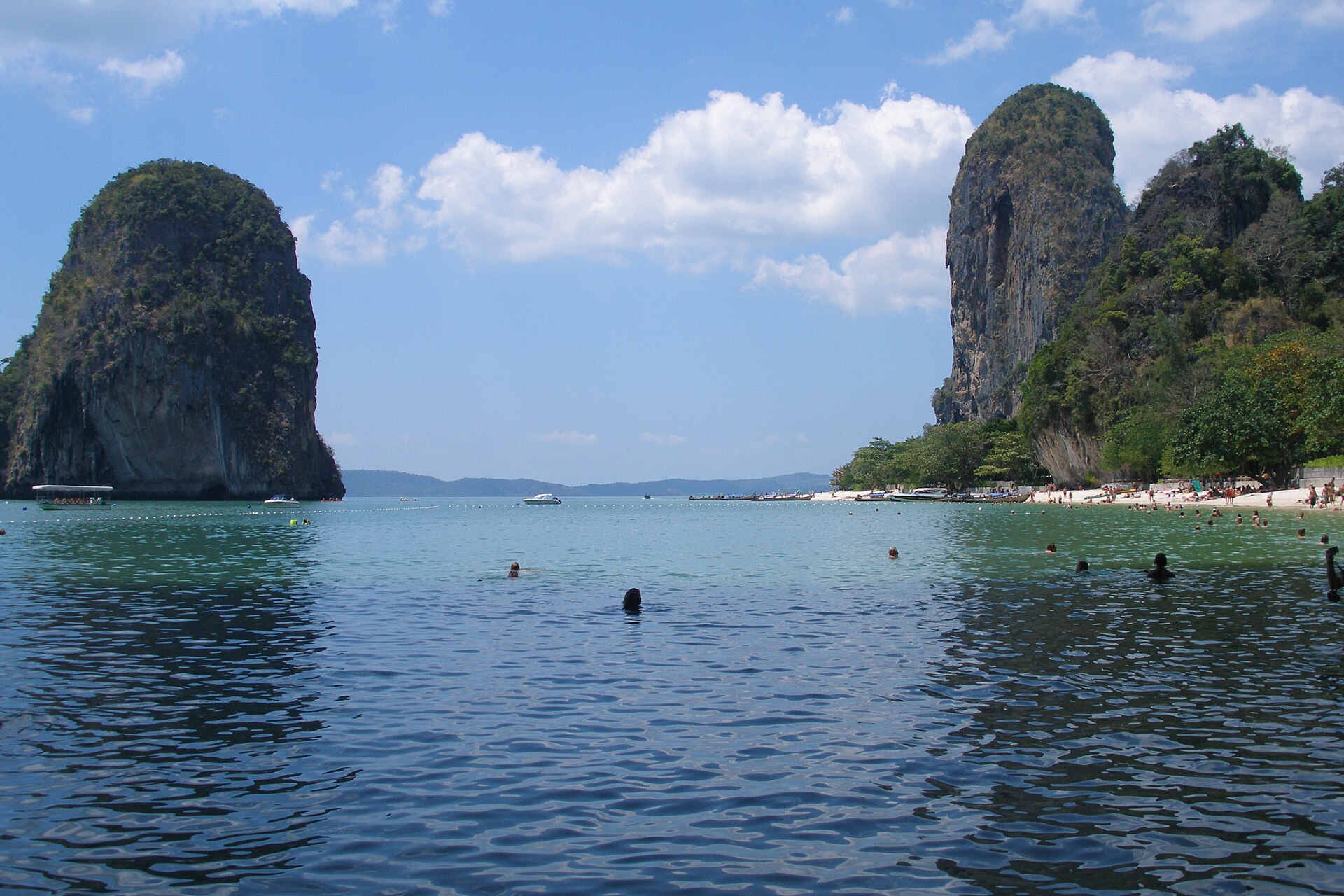
Phuket is Thailand’s largest island and its easiest beach base: an international airport, beaches for every temperament — lively Patong, family-friendly Kata and Kamala, quiet Mai Khao — an old town worth a half-day in its own right, and the departure point for Phi Phi and Phang Nga Bay. If your group cannot agree, or your flights work better, Phuket is the safe, good choice.
- Phuket in 3 Days: The Perfect Itinerary for First-Timers (2026) — beaches, Old Town and one big boat day, without trying to circumnavigate the island daily.
- Where to Stay in Phuket: Best Areas and Hotel Picks (2026 Guide) — beach by beach: where families, couples, nightlife-seekers and quiet-seekers should each base themselves.
- Best Tours in Phuket (2026): Phi Phi Islands, Phang Nga Bay & Ethical Elephants — the island-hopping and bay tours compared, including which boat type suits which traveller.
Krabi: Cliffs, Railay & Island Boats
Krabi is the postcard: limestone karsts rising straight out of turquoise water, Railay’s beaches reachable only by boat, and Ao Nang as the practical base for the Four Islands, Hong Islands and Phi Phi trips. It is smaller and calmer than Phuket, with fewer flights and a little more planning needed — and for many travellers it is the highlight of the whole trip.
- Krabi in 3 Days: The Perfect Itinerary for First-Timers (2026) — Railay and Phra Nang, an island-boat day, and the Tiger Cave Temple and Emerald Pool jungle day.
- Where to Stay in Krabi: Best Areas and Hotel Picks (2026 Guide) — Ao Nang vs Railay vs Krabi Town vs Ko Lanta, with the transfer reality of each spelled out.
- Best Tours in Krabi (2026): Phi Phi, Four Islands, Hong Islands & the Jungle Day — the boat tours compared honestly, including departure times that decide whether you beat the crowds.
Where to Stay in Thailand (Start Here)
Hotels are where a Thailand trip is won on value. The same budget buys a forgettable room in the wrong area or a pool hotel a short walk from everything — and in Bangkok especially, being on the right side of the city saves an hour a day in traffic. These four guides are the money pages of this pillar, and the ones to read before you book anything:
- Bangkok: Where to Stay in Bangkok (2026): Best Neighborhoods & Hotel Picks for Every Traveler — stay near a BTS or MRT station; it matters more than the breakfast.
- Chiang Mai: Where to Stay in Chiang Mai: Best Neighborhoods and Hotel Picks (2026 Guide) — the Old City for first-timers, Nimman for cafés and longer stays.
- Phuket: Where to Stay in Phuket: Best Areas and Hotel Picks (2026 Guide) — pick the beach first, the hotel second; they are different trips.
- Krabi: Where to Stay in Krabi: Best Areas and Hotel Picks (2026 Guide) — Ao Nang for convenience, Railay for the wow factor, with the boat-transfer catch explained.
Getting Around Thailand
Between regions, fly. Bangkok to Chiang Mai is about 1 hour 15 minutes by air versus 9–13 hours by train or bus; Bangkok to Phuket is about 1 hour 25 minutes, and Bangkok to Krabi about 1 hour 20 minutes. Domestic flights booked a few weeks ahead often land in the roughly $30–$70 range one-way before baggage fees — cheap enough that the overnight train to Chiang Mai is a romantic choice, not a money-saving one. Note Bangkok has two airports (Suvarnabhumi and Don Mueang); check which one your domestic flight uses before planning a tight connection.
Inside Bangkok, use the rails. The BTS Skytrain, MRT metro and the Airport Rail Link (about 45 baht from Suvarnabhumi to the city centre) glide over traffic that can swallow an hour in a taxi. Use taxis and Grab for short hops and late nights, agree the meter is on, and treat any tuk-tuk quote near the Grand Palace as entertainment, not transport.
In the south, boats are the transport. Railay is boat-only, island tours leave early, and ferry and speedboat schedules shrink in rainy season. Build slack around boat days, and never book a must-make flight for the same evening as a return ferry.
Practical Tips & What I’d Skip
- Temple dress codes are real: shoulders and knees covered at the Grand Palace and major temples — carry a light scarf or sarong rather than buying one at the gate.
- Cash flow: use ATMs attached to banks in daylight, decline the ATM’s own conversion offer and let your bank convert, and break big notes at convenience stores before heading to markets.
- Elephants, ethically: choose no-riding, observation-first sanctuaries — our Chiang Mai tours guide above explains the checks. If a venue offers riding or performances, skip it.
- What I’d skip: a two-base beach split on a short trip. Phuket and Krabi share the same sea and many of the same tours; moving between them costs a day and buys very little. Pick one, do it properly, and save the other for the return trip Thailand tends to cause.
- What I’d also skip: Damnoen Saduak floating market as a do-it-yourself drive. It is far, it starts early, and it is simply better as an organised day trip paired with the railway market — see the Bangkok day-trips guide — or not at all.
- Book ahead in peak season: December–January hotels in all four bases, and the best-reviewed island tours, sell out. In rainy season, do the opposite: keep tours flexible and book them a day or two ahead, once you can see the sea conditions.
Thailand is not a country you complete in one trip, and that is the point. Do Bangkok properly, slow down in Chiang Mai, pick one perfect beach base — and let this pillar’s guides carry the detail for each stop. The rest of the country will still be there, and if Thailand does what it usually does, you will be back to collect it.