
Chiang Mai rewards a slower pace than Bangkok — temples instead of skyscrapers, a moated Old City you can walk across in twenty minutes, and a mountain watching over everything from the west. Three days is the sweet spot for a first visit: long enough for the great temples, the sacred summit of Doi Suthep, and a day with elephants, without rushing any of them.
Never forget a thing before you fly. My free 8-page Travel Planning Checklist walks you through the whole trip — 6 planning timelines, 36 checks, from booking windows to travel-day basics. One email, no spam, unsubscribe anytime.
This itinerary runs in a simple arc — one day on foot inside the old walls, one day up the mountain, and one day out in the countryside. Start early: mornings are cooler, quieter, and the light on the golden chedis is at its best.
Disclosure: This post contains affiliate links. If you book through one of these links, I may earn a commission at no extra cost to you.
How to use this itinerary — and where to base yourself
Base yourself inside or just beside the Old City. The historic centre is a neat square ringed by a moat and fragments of brick wall, roughly 1.5 kilometres on each side, and almost everything on Day 1 sits inside it. Our guide to where to stay in Chiang Mai compares the Old City with Nimman, the Riverside and the Night Bazaar area, with hotel picks in each.
At a glance — Day 1: the Old City temple loop, ending with an evening market. Day 2: Wat Pha Lat and Doi Suthep, café time in Nimman, an optional cooking class. Day 3: an ethical elephant sanctuary, with the Sticky Waterfall and Doi Inthanon as swaps. Dress for temples: covered shoulders and knees, shoes you can slip off easily.
Day 1: The Old City temple loop
Start at Wat Phra Singh, the city’s most revered temple. Founded in 1345 by King Phayu to house his father’s ashes, it stands at the western end of Ratchadamnoen Road. Make for the small Wihan Lai Kham chapel first: its walls carry gold-on-red murals of Lanna life, and it shelters the Phra Singh Buddha image that gives the temple its name. Go before 9am and you may share the grounds mainly with monks and schoolchildren.
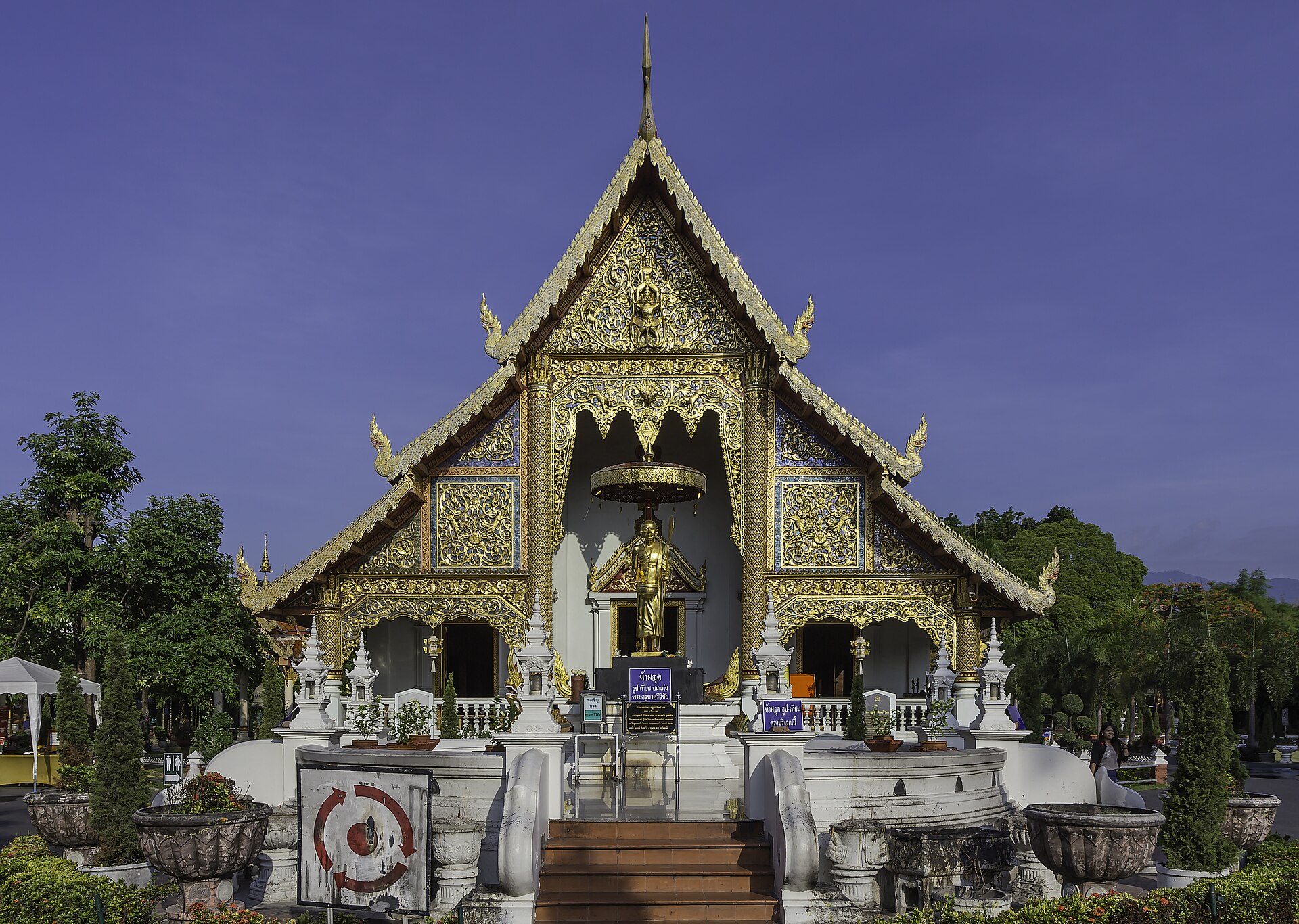
Walk east to Wat Chedi Luang, ten minutes away. You cannot miss it — a vast brick chedi that once rose to around 82 metres, the tallest structure in the old kingdom, and for a time home to the Emerald Buddha. An earthquake in 1545 sheared off its top, and the roughly 60 metres that remain, ringed by stucco elephants, are more moving for being unfinished. Right beside it, duck into Wat Pan Tao, a serene hall built almost entirely of teak, held up by 28 massive teak pillars — the quietest stop on the loop.
Pause at the Three Kings Monument, then finish at Tha Phae Gate. The monument honours the three kings who founded Chiang Mai in 1296. From there, stroll down Ratchadamnoen Road to Tha Phae Gate, the rebuilt eastern gate, where the moat-side plaza fills with pigeons and street performers.
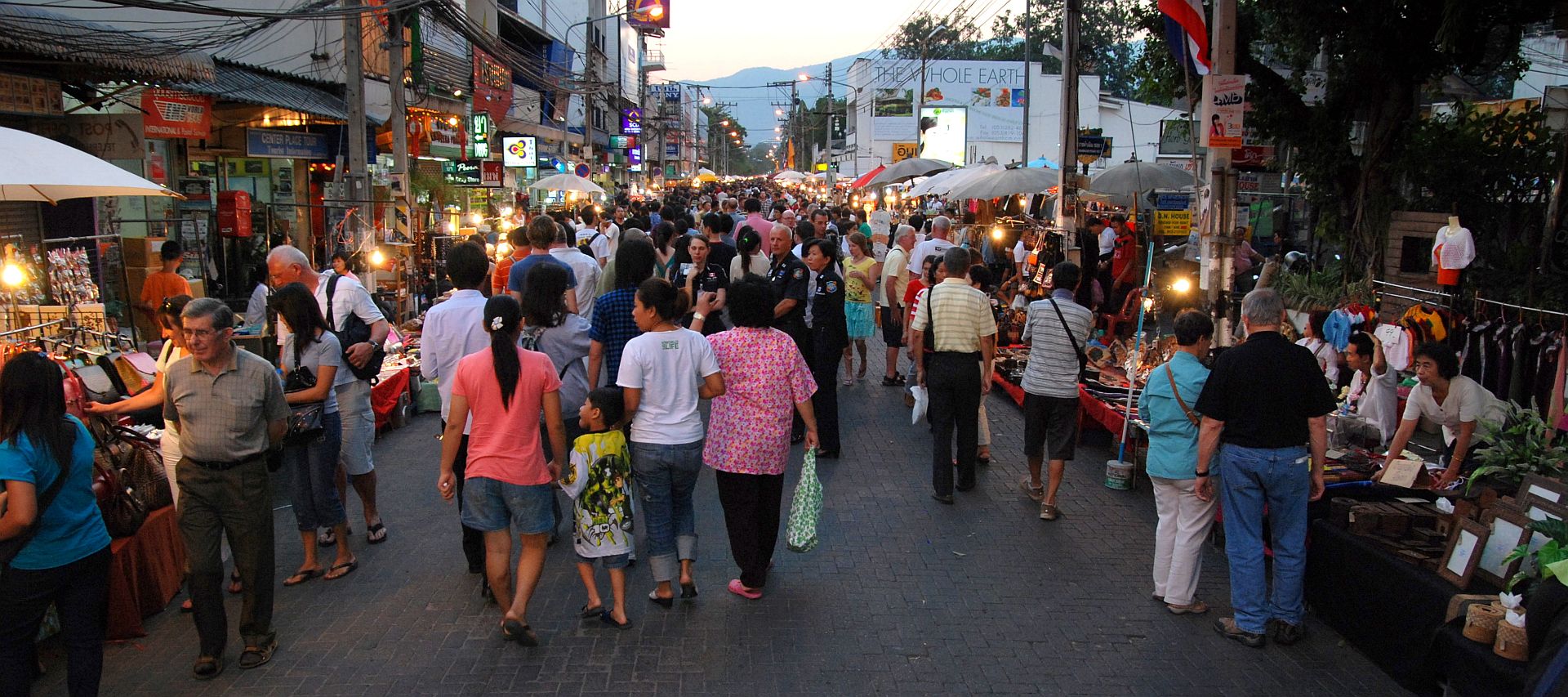
The evening depends on the day of the week — plan around it. On Sunday, from about 4pm, Ratchadamnoen Road closes and the Sunday Walking Street runs for about a kilometre from Tha Phae Gate back to Wat Phra Singh, with temple-yard food courts along the way. On Saturday, the equivalent market takes over Wua Lai Road, south of the moat in the old silversmiths’ quarter. Any other night, head to the Night Bazaar on Chang Klan Road, which trades every evening.
Day 2: Doi Suthep — the mountain temple
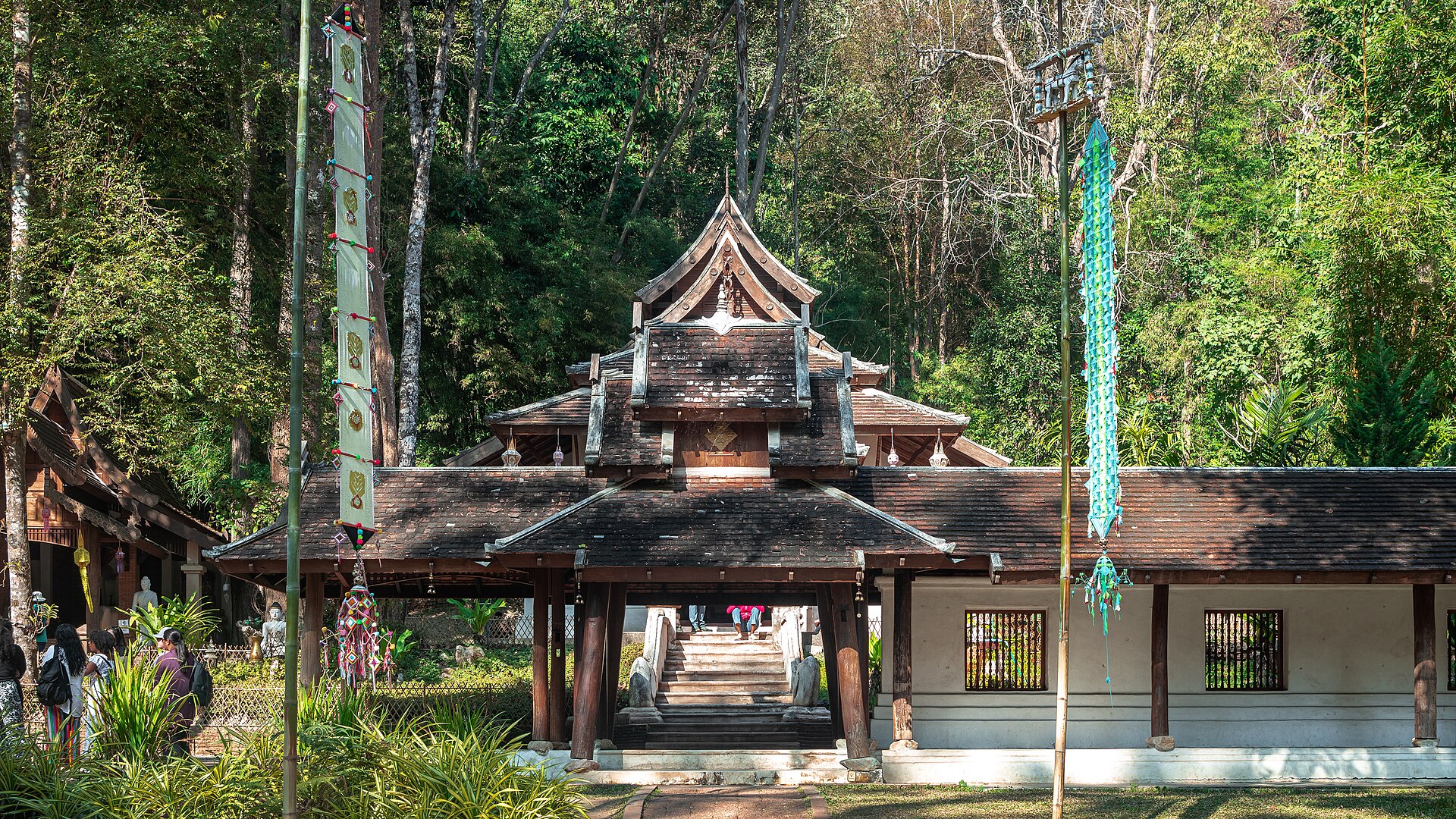
Leave by 8am and stop first at Wat Pha Lat, halfway up. This forest temple began as a resting place for pilgrims climbing to the summit — legend says the white elephant carrying the Buddha relic paused here on the way up. Reached by road or by the shaded Monk’s Trail from behind Chiang Mai Zoo, it is all mossy stone, small shrines and a stream running through the grounds, with a terrace looking out over the city. It is a working monastery, so keep voices low. The temple is free; a national park fee for the trail areas was introduced in late 2025, so carry small cash.
Continue up to Wat Phra That Doi Suthep, about 15 kilometres from the Old City. Founded in 1383 where the white elephant is said to have trumpeted three times and died, this is northern Thailand’s most sacred temple. From the car park, climb the famous 306 steps of the naga staircase, flanked by serpent balustrades (a funicular runs alongside if you would rather ride). Foreign visitors pay a small admission of about 30 THB; the temple is open daily, roughly 6am to 8pm. Walk clockwise around the golden chedi, ring the row of bells, and take in the city from the terrace. Carry on a few minutes up the road to Doi Pui, a Hmong village with a small museum, gardens and stalls selling embroidery and mountain coffee. The simplest way to string it together is a half-day Doi Suthep and Hmong village tour, which handles the winding mountain road for you.
Spend the afternoon in Nimman. The Nimmanhaemin area west of the moat is Chiang Mai’s café quarter — roasters, bakeries and boutiques along leafy sois, perfect for a slow coffee after the mountain. Then finish the day learning the food: an evening session at Zabb E Lee Thai Cooking School starts with a market walk and ends with dishes you have made yourself.
Day 3: Elephants, done the right way
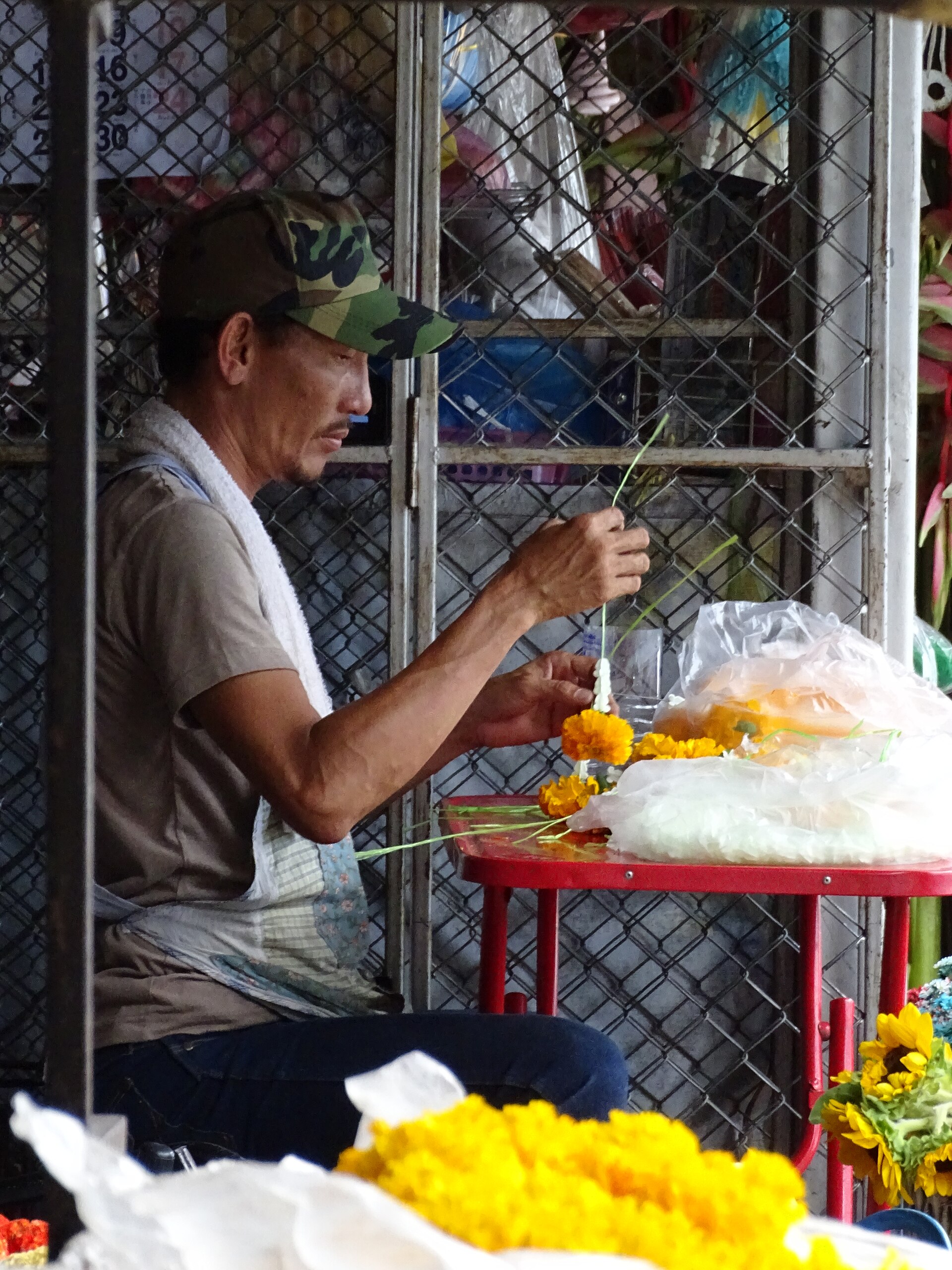
If your sanctuary pickup allows it, start at Warorot Market. Known locally as Kad Luang, this big covered market by the Ping River runs roughly 6am to 6pm daily, and it is where Chiang Mai actually shops: sai oua herb sausage, chilli dips, dried fruit, fabrics and a famously good khao soi. Next door, the Ton Lamyai flower market runs around the clock, stacked with marigolds and jasmine garlands. Come hungry and graze for breakfast.
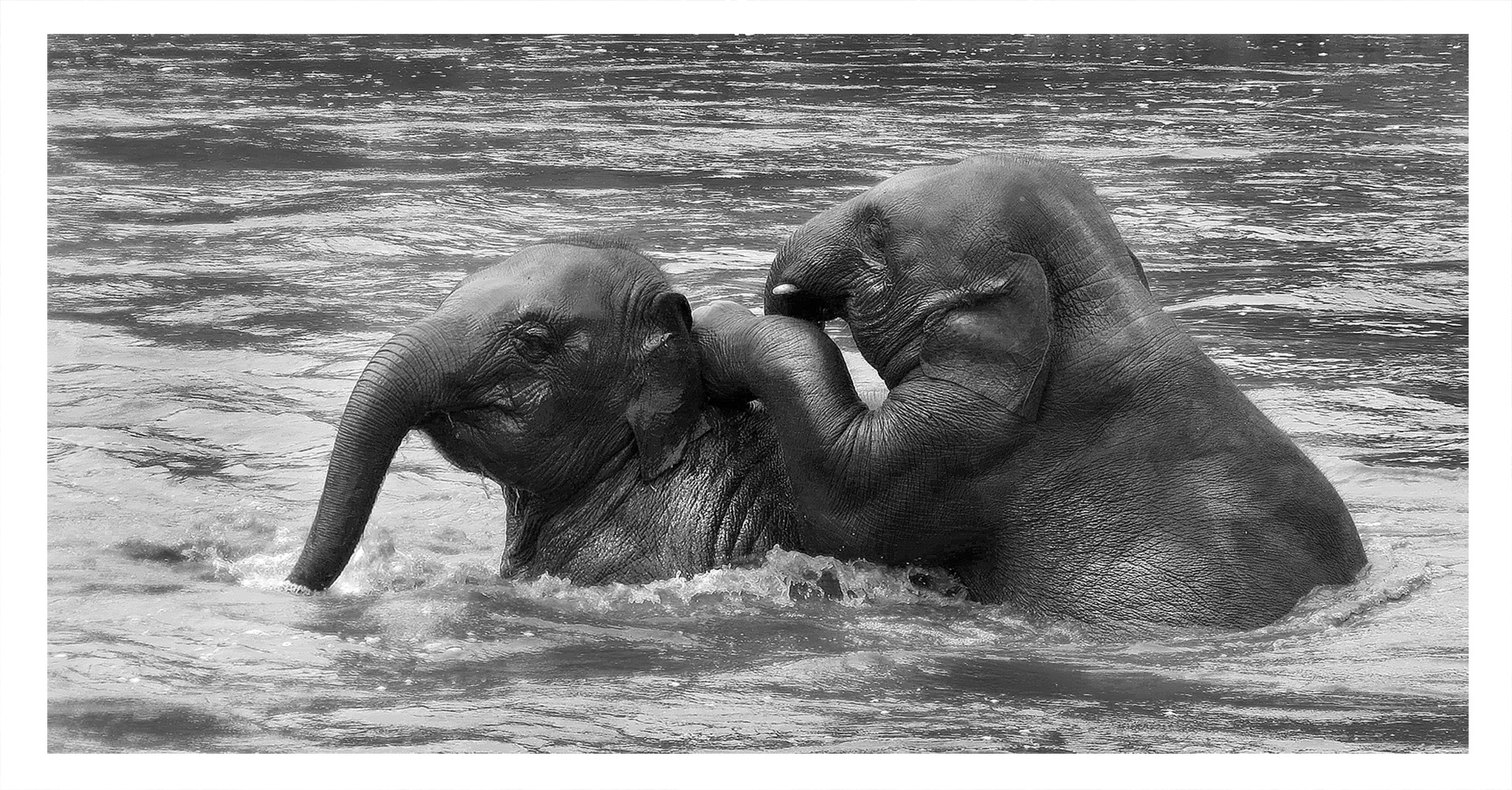
The main plan: a full day at an ethical elephant sanctuary. Choose carefully — a genuinely ethical sanctuary means no riding, no shows and no performances, and the best operators now work on an observation-only basis: you watch rescued elephants roam, forage and bathe in the river on their own terms, learn their individual stories, and help prepare their food. Elephant Nature Park in the Mae Taeng valley, about 60 kilometres north, is the best-known example; expect roughly 2,500–3,500 THB with transport and lunch included, and book ahead in the cool season. A convenient combined option is this elephant sanctuary day with a waterfall swim and bamboo rafting, which pairs time with the elephants with two of the countryside’s simple pleasures.
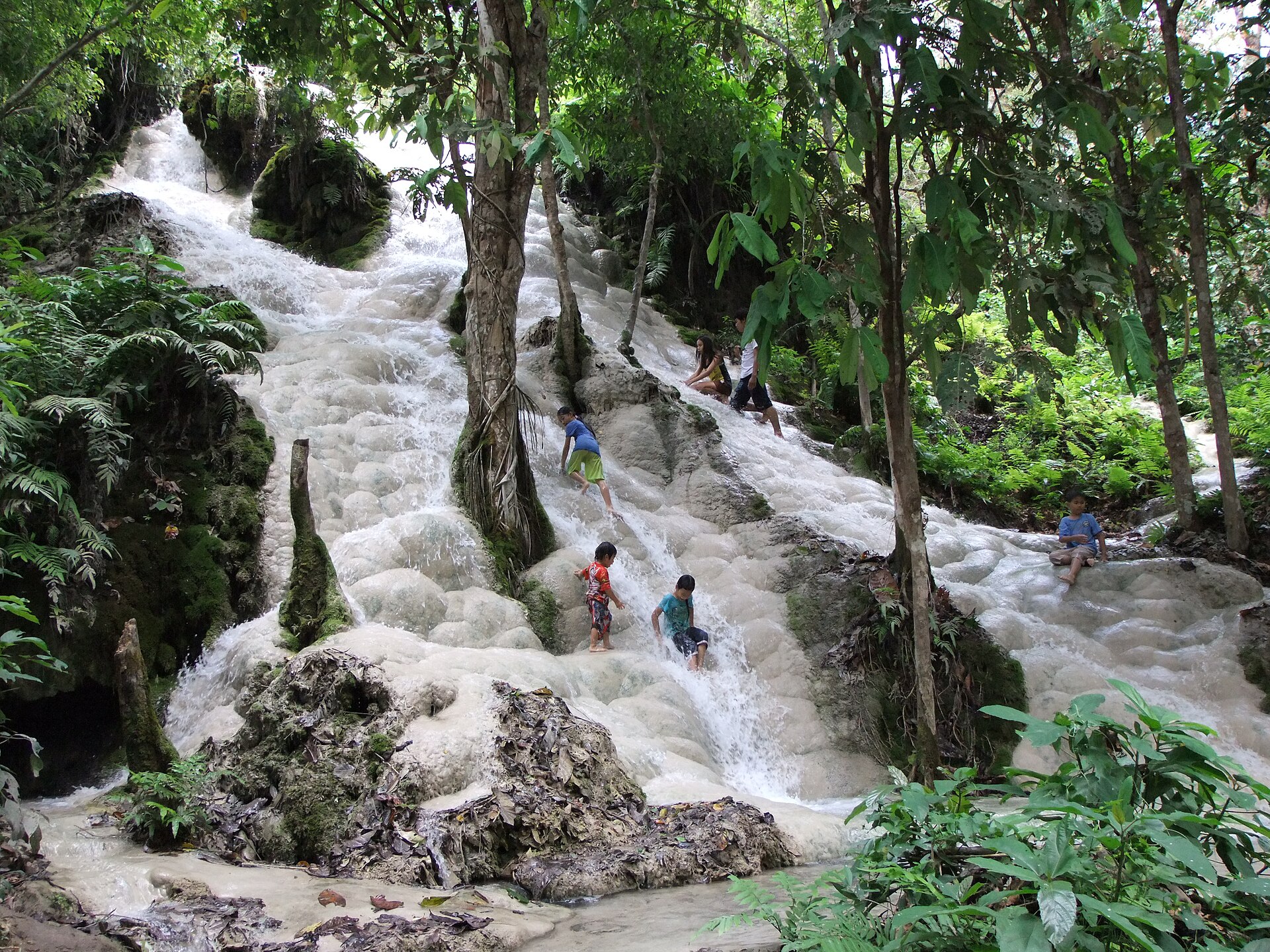
Two swaps if elephants are not your thing. Bua Tong, the Sticky Waterfall about an hour north, is a small wonder: mineral deposits coat the rock in a grippy limestone crust, so you can climb straight up the cascade in bare feet. Or go all in on mountains with Doi Inthanon — at 2,565 metres Thailand’s highest peak, roughly two hours southwest, with twin royal pagodas, cloud forest and big waterfalls. Foreign park entry is about 300 THB, and it is far cooler than the city, so bring a layer.
Practical notes for your 3 days
Getting there. Flights from Bangkok take about 1 hour 15 minutes, with dozens of departures a day. Chiang Mai’s airport sits only about 4 kilometres from the Old City — around 15 minutes by taxi or Grab. The romantic alternative is the overnight sleeper train from Krung Thep Aphiwat station: 12 to 13 hours in a berth, arriving in the morning ready for Day 1. Book sleepers early; they sell out.
Getting around. Inside the moat, walking wins. For everything else, flag down a red songthaew — the shared pickup trucks that loop the city for roughly 30–40 THB per person — or use Grab for a fixed price up front. For Doi Suthep, charter a songthaew at the zoo or Chang Phueak Gate and agree the price first, or take the Day 2 tour.
When to come — and when not to. The best season is November to February: dry, sunny and genuinely cool, with evenings that call for a light jacket. Be cautious with late February to April, the burning season, when smoke from agricultural burning settles in the valley and air quality can turn poor for weeks — check the AQI before booking, and think twice if you have asthma. Our Chiang Mai stay guide has more on picking a base.
Three days will leave you with a favourite temple, a favourite market stall and a reason to come back — Chiang Mai tends to do that. Pairing it with the capital? Our Bangkok in 3 Days itinerary dovetails neatly with this one. And if three-day plans are your favourite way to travel, our Bali in 3 Days itinerary applies the same no-rushing logic to the Island of the Gods.