
Bangkok overwhelms first-timers in the best possible way — and defeats them when they try to cross it twice in one day. This is a city of distinct worlds stitched together by a river and two rail lines: the gilded temples of the old royal island, the neon food streets of Chinatown, the mall-and-market sprawl of Siam and Sukhumvit, and canal neighbourhoods where longtail boats still do the commuting. Three days is enough for a superb first trip if you group each day by area, start early to beat the heat, and let the Chao Phraya River and the BTS Skytrain do the heavy lifting. Here is the plan we would hand a friend.
Never forget a thing before you fly. My free 8-page Travel Planning Checklist walks you through the whole trip — 6 planning timelines, 36 checks, from booking windows to travel-day basics. One email, no spam, unsubscribe anytime.
Disclosure: This post contains affiliate links. If you book through one of these links, I may earn a commission at no extra cost to you.
Before You Start: How This Itinerary Is Organised
Day 1 stays in the historic riverside core — the Grand Palace, Wat Pho and Wat Arun are all within a short walk or a three-minute ferry ride of each other. Day 2 mixes modern Bangkok with its markets and canals, finishing in Chinatown after dark. Day 3 is a proper day trip out of the city, with two strong options depending on your taste. Wherever you base yourself, stay near a BTS or MRT station: the trains are air-conditioned, cheap and immune to Bangkok traffic. Our guide to where to stay in Bangkok breaks down the best neighbourhoods — Sukhumvit and Silom–Sathorn suit most first-timers, while the riverside puts Day 1 on your doorstep.
Two practical rules shape everything below. First, temples are a morning game: gates open around 8–8:30am, tour groups build by 10am, and the midday heat is fierce. Second, carry cash in small notes — Wat Pho and Wat Arun take cash only for entry, and street food, ferries and tuk-tuks are all cash-first.
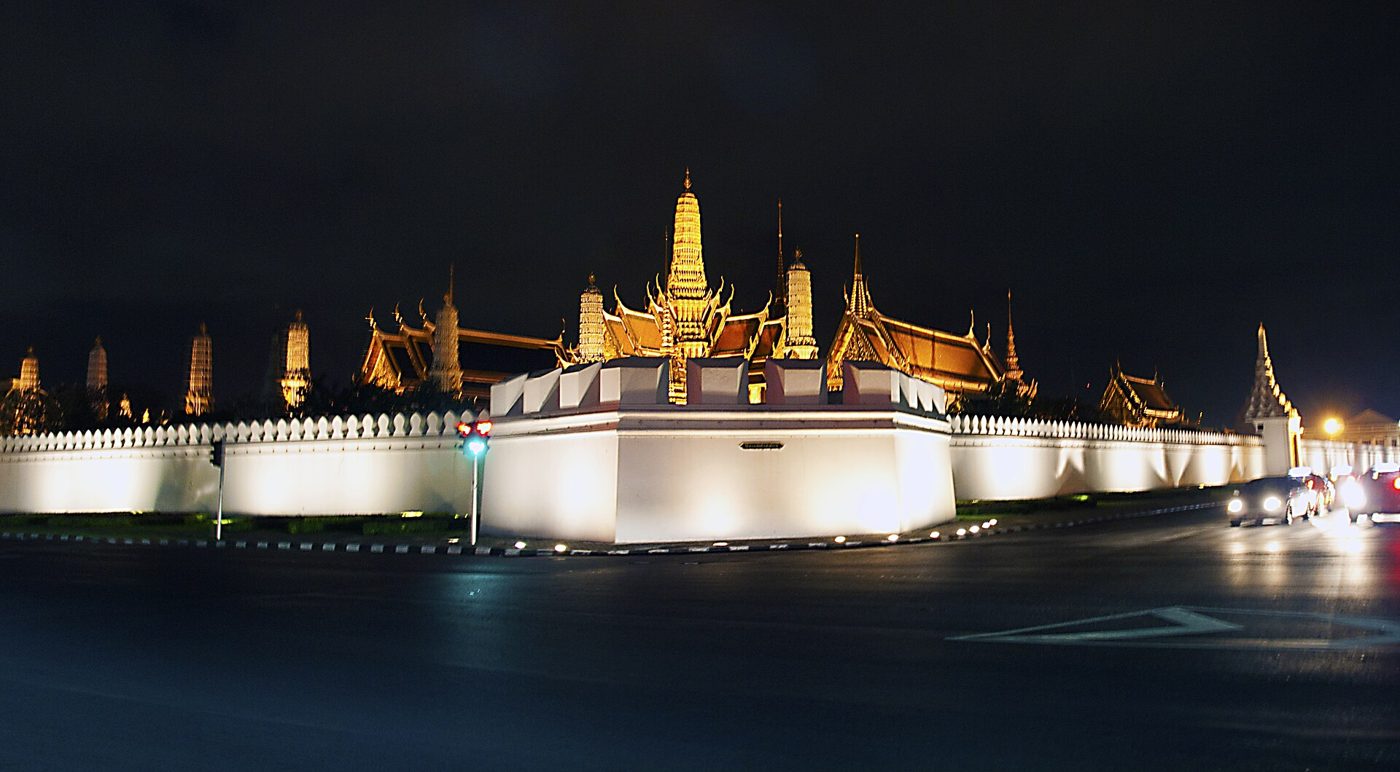
Day 1: The Old City — Grand Palace, Wat Pho and Wat Arun
8:30am — The Grand Palace and the Emerald Buddha. Be at the gate on Na Phra Lan Road when ticket sales open. Entry is 500 baht for foreign visitors and covers Wat Phra Kaew (the Temple of the Emerald Buddha), the palace grounds and the Queen Sirikit Museum of Textiles. The dress code is the strictest in Thailand: shoulders and upper arms covered, legs covered below the knee, no ripped, sheer or tight clothing — a scarf over a sleeveless top does not count, though clothing can be rented at the gate. Inside, give the Ramakien murals and the Emerald Buddha chapel their time, and ignore anyone outside who tells you the palace is “closed today” and offers a tuk-tuk ride instead — that is the city’s oldest scam, and the palace is open daily unless an official ceremony says otherwise.
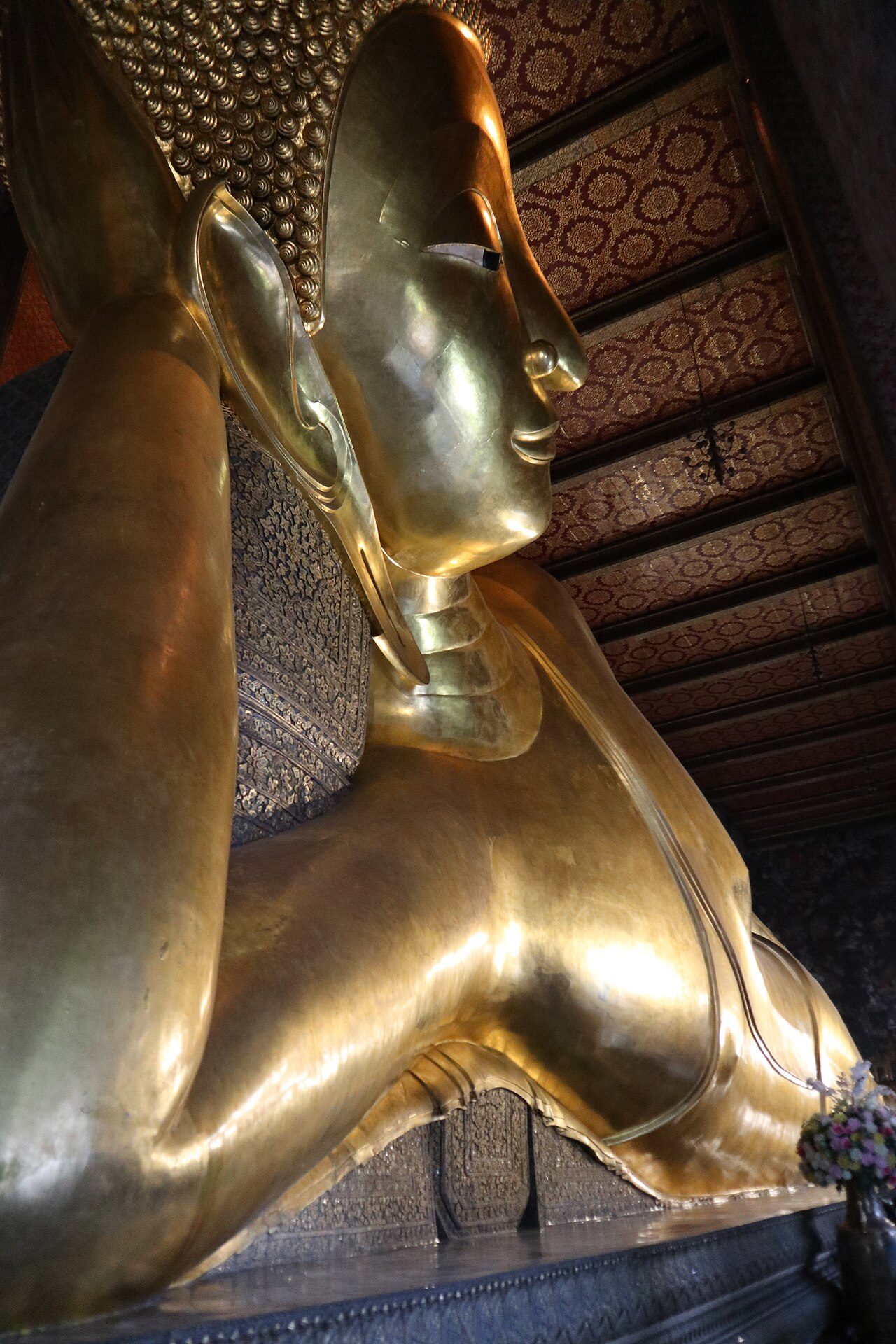
Late morning — Wat Pho. A ten-minute walk south brings you to the Temple of the Reclining Buddha (300 baht, open from 8am). The 46-metre gold-leaf Buddha fills its hall almost wall to wall, but Wat Pho rewards wandering: more than 90 chedis, quiet courtyards, and the traditional Thai massage school founded here — a foot massage in the temple grounds is a genuinely good idea after a palace morning. If you would rather hand the logistics to someone else, the small-group Grand Palace, Wat Pho and Wat Arun guided tour covers all three of today’s sights in about five hours with a licensed guide — at 4.8 stars from more than 5,900 reviews, it is the version we recommend to friends who want the stories, not just the sights. (We compared it with the closest Viator equivalent at roughly four times the price and a fraction of the reviews; GetYourGuide won this one clearly.)
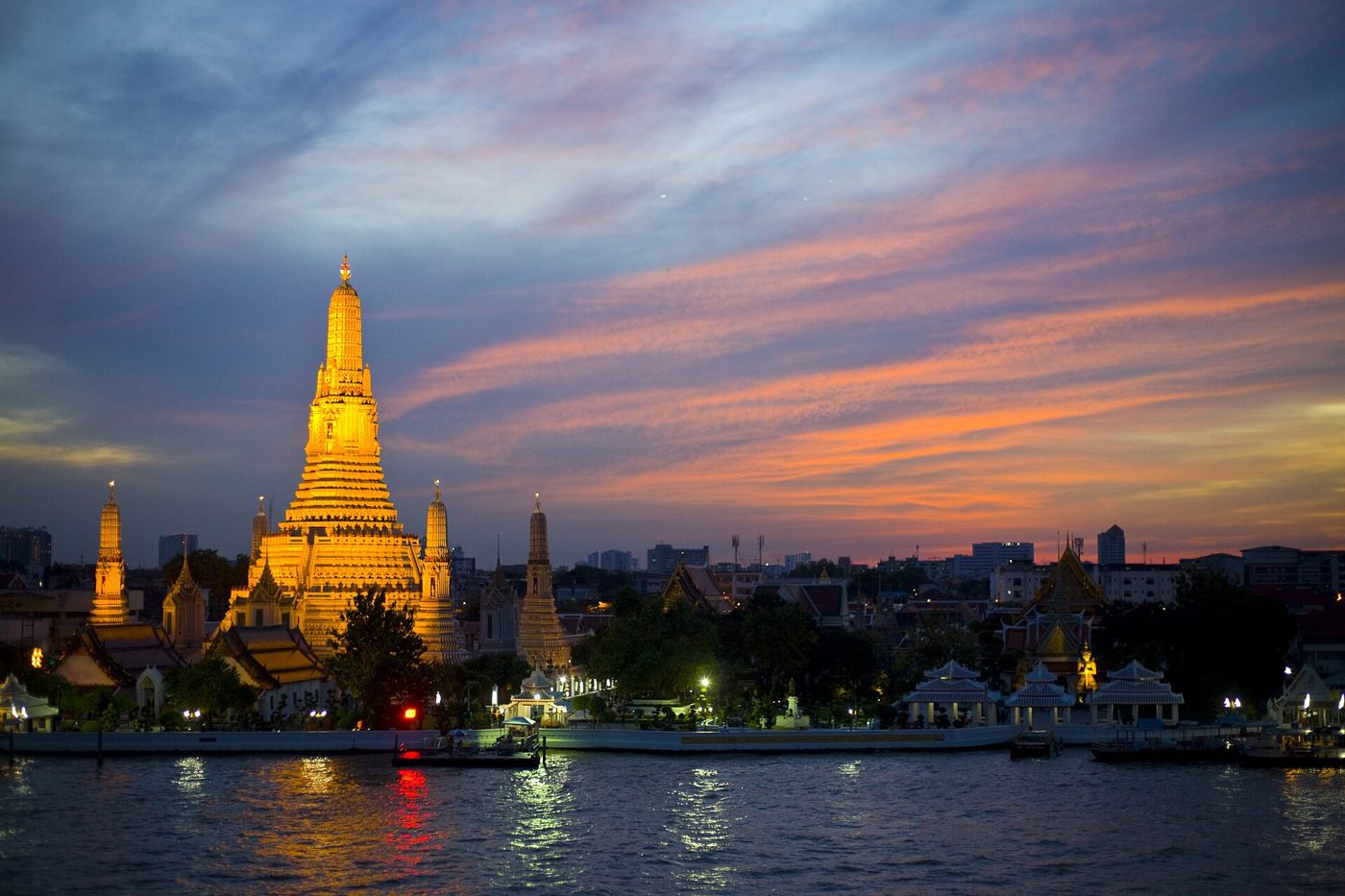
Afternoon — Wat Arun, then a slow evening. From Tha Tien pier, the cross-river ferry takes three minutes to Wat Arun, the Temple of Dawn (200 baht, last tickets around 5:40pm). Its central prang, encrusted with broken Chinese porcelain, is Bangkok’s most beautiful building detail-for-detail — and the lower terrace is as high as visitors climb these days, which is plenty. Time it for late afternoon, then take the boat back across and watch Wat Arun light up from the east bank as the sun drops. Dinner needs no planning: the riverside restaurants around Tha Tien and Tha Maharaj exist for exactly this view. If energy remains, walk twenty minutes north to Khao San Road for one drink and some people-watching — then leave; your Day 2 starts early too.
Day 2: Markets, Canals and Chinatown After Dark
Morning — Jim Thompson House and Lumphini Park. Start in the modern centre. The Jim Thompson House (250 baht, open daily until 6pm, visited on a guided tour) assembles six traditional teak houses in a jungle garden beside a canal — a calm, fascinating hour on the American silk entrepreneur who revived Thailand’s silk industry and vanished mysteriously in 1967. From there, drift through the Siam malls if you want air-conditioning, or head to Lumphini Park, Bangkok’s green lung, where water monitor lizards cruise the lake like small dinosaurs and locals practise tai chi under the palms.
Midday — a canal boat through Thonburi. Bangkok was built on canals, and the fastest way to feel that older city is a longtail boat from Tha Tien or Tha Chang through the klongs of Thonburi, on the river’s west bank: stilt houses, orchid farms, waterside temples and kids swimming where their grandparents did. Boats can be hired by the hour at the piers — agree the route, duration and price before you step aboard.
If it is a weekend, swap in Chatuchak. The Chatuchak Weekend Market runs Saturdays and Sundays only, with some 15,000 stalls across 35 acres — go early, take the MRT to Chatuchak Park or the BTS to Mo Chit, and treat it as a half-day expedition with lunch inside. On a weekday, the gentler substitute is Wat Saket, the Golden Mount (100 baht): climb the 318 steps in the late afternoon for the best old-city panorama in Bangkok.
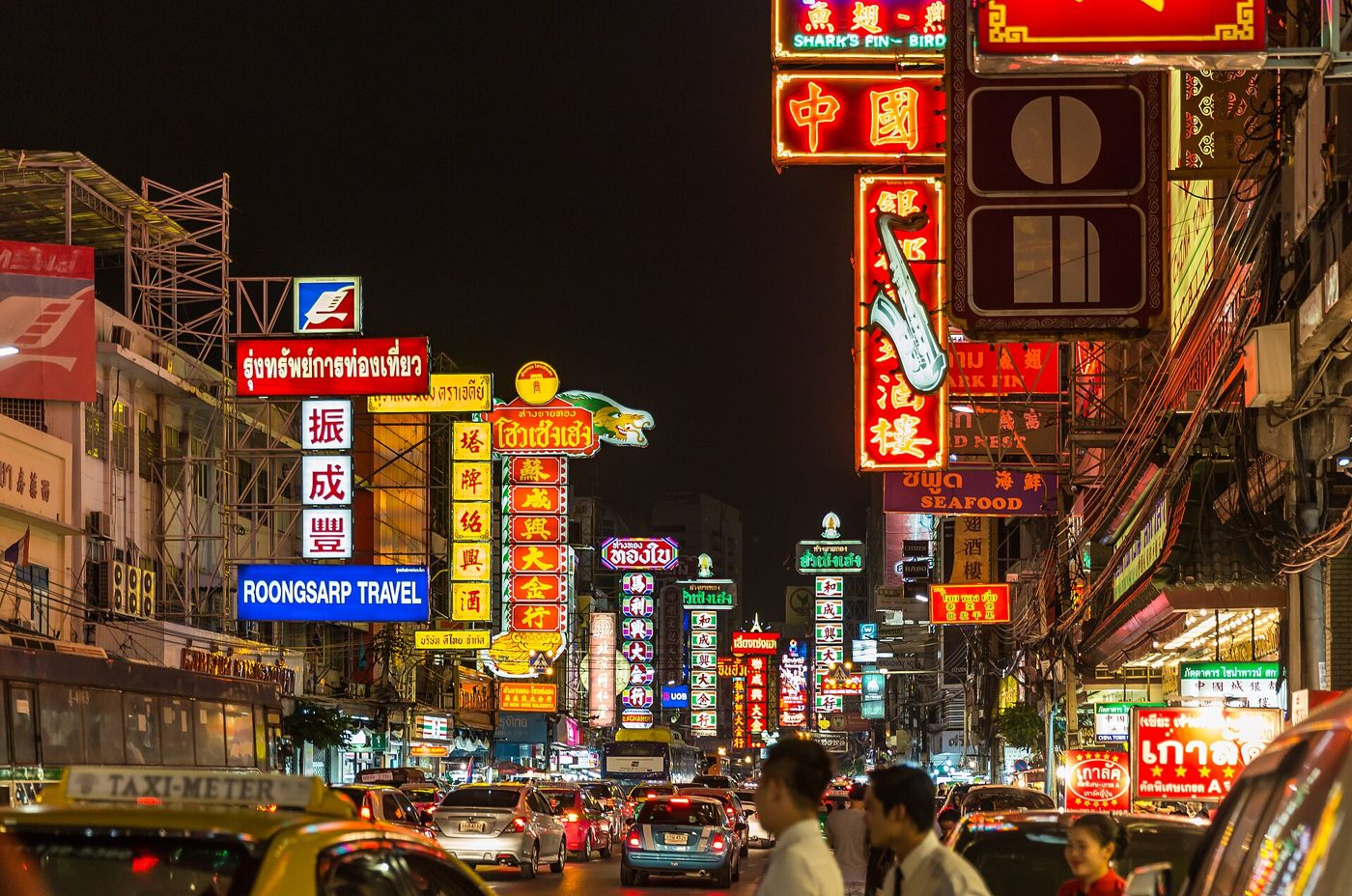
Evening — Yaowarat, Chinatown. Finish the day where Bangkok eats best. As the neon signs flicker on along Yaowarat Road, the street-food stalls take over the pavements: wok-tossed noodles, peppery rolled-noodle soup, grilled seafood, mango sticky rice and Chinese-Thai desserts that have been served from the same carts for decades. Come hungry, order small, and graze. Our older field guide to must-try street food in Bangkok lists the dishes to hunt down — the MRT to Wat Mangkon station drops you right at the top of the road.
Day 3: Choose Your Day Trip — Floating Markets or Ayutthaya
Day 3 belongs outside the city, and the honest choice depends on what you love more: living markets or lost kingdoms. Both tours below leave early and have you back by mid-afternoon, leaving the evening free for a rooftop drink or a Thai massage. Our full comparison of excursions is in our guide to the best day trips from Bangkok.
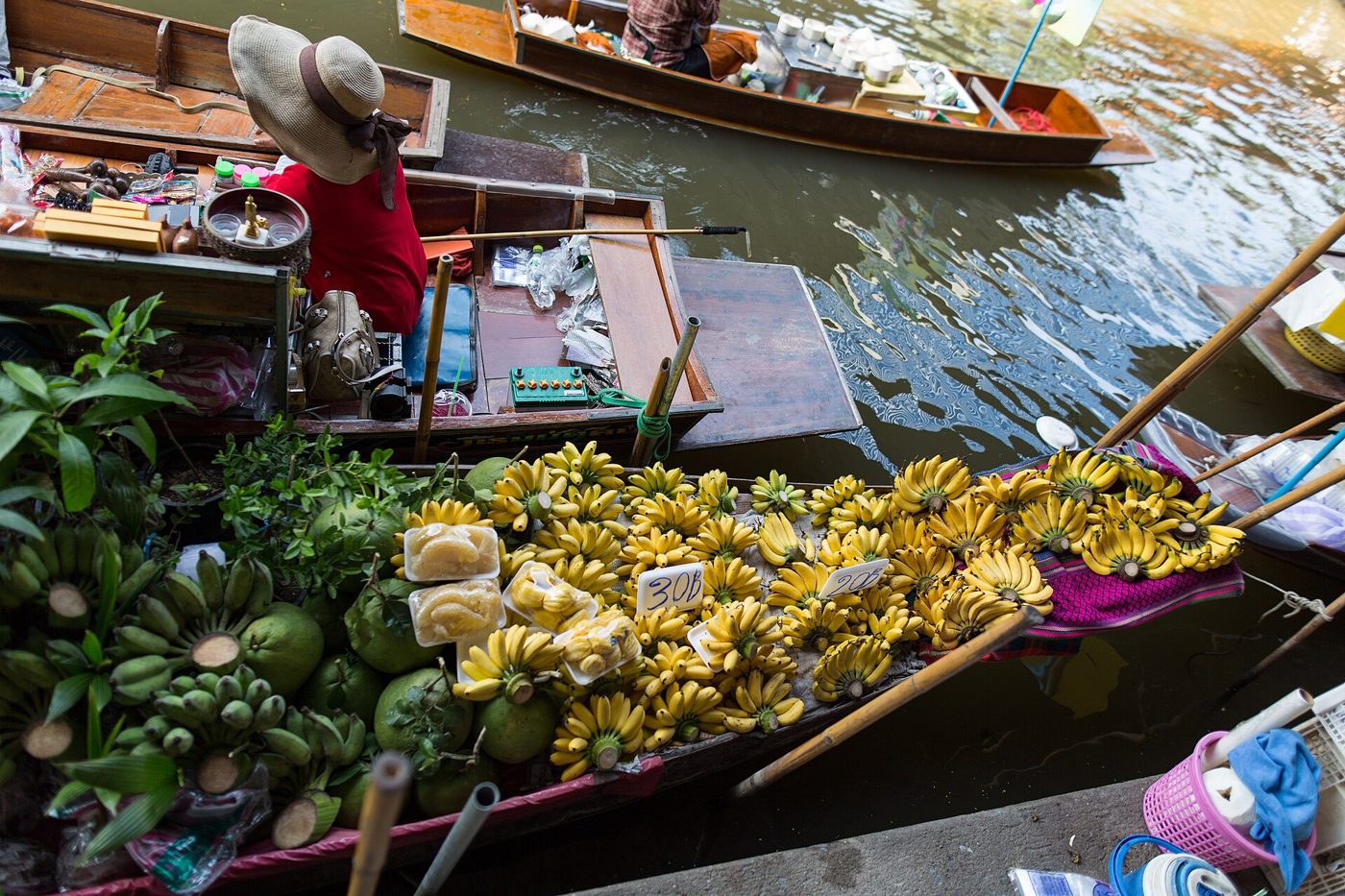
Option A — Damnoen Saduak Floating Market and the Maeklong Railway Market. About 100 kilometres southwest of Bangkok, vendors still sell fruit, noodles and coconut pancakes from wooden boats on 19th-century canals at Damnoen Saduak — touristy, yes, and still like nowhere else on earth. Pair it with Maeklong, where a market sits directly on an active railway line and stallholders fold back their awnings seconds before each train squeezes through. The railway and floating market tour we recommend (4.6 stars, 800+ reviews) runs about seven hours with hotel pickup, a longtail boat ride and free cancellation to 24 hours before — pick this option if markets, food and photos are your thing.
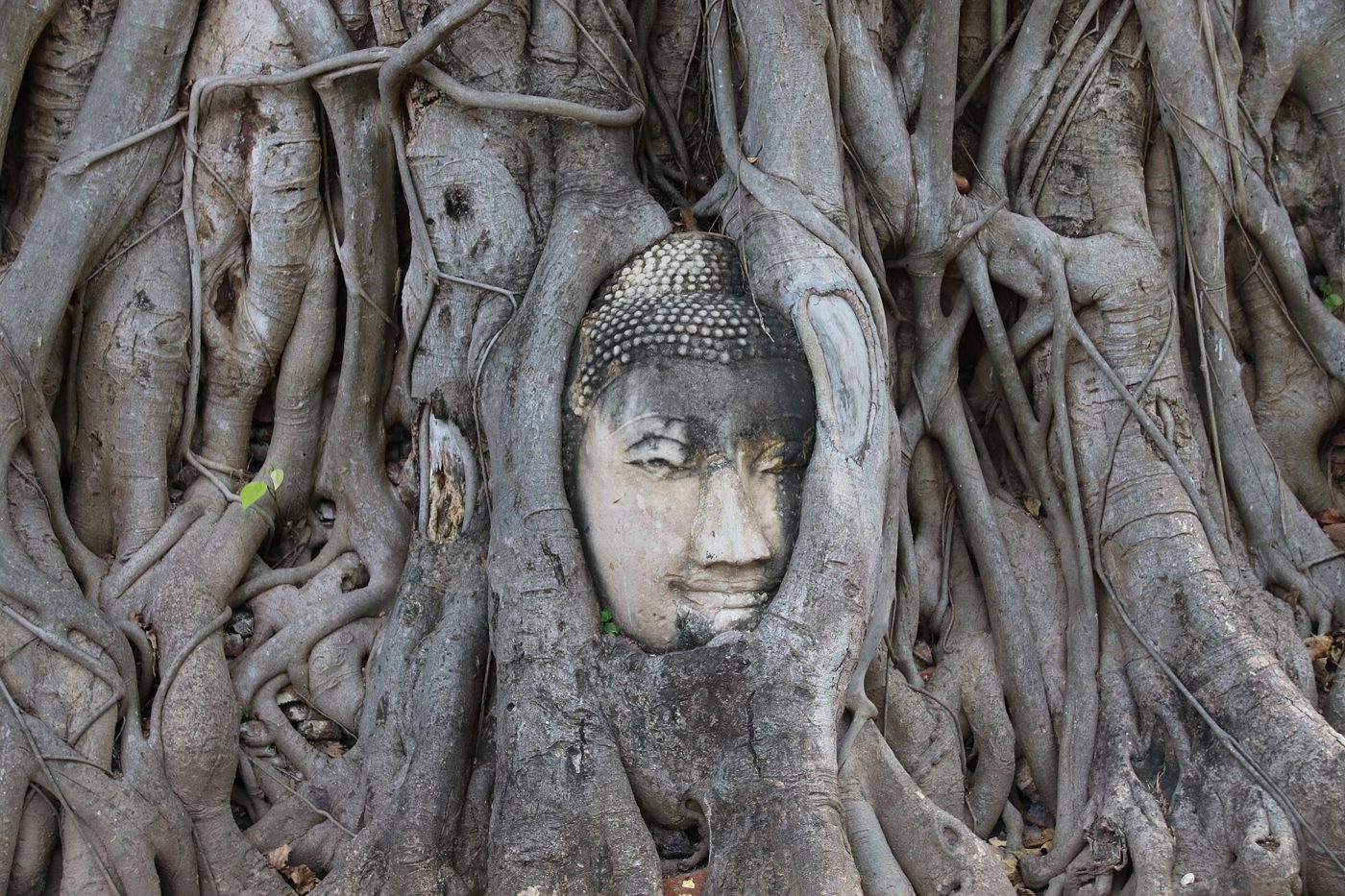
Option B — Ayutthaya, the old capital. Seventy kilometres north, the island city of Ayutthaya was Siam’s capital for 417 years until its destruction in 1767, and its ruined prangs and headless Buddhas now form a UNESCO World Heritage park. The highlights are concentrated: Wat Mahathat’s Buddha head cradled in banyan roots, the three great chedis of Wat Phra Si Sanphet, a 42-metre reclining Buddha at Wat Lokayasutharam, and the Khmer-style riverside towers of Wat Chaiwatthanaram. The Ayutthaya temples guided tour with lunch (4.7 stars from more than 12,000 reviews) covers four temples with an air-conditioned transfer and a local lunch included — pick this one if Day 1 left you wanting more history.
Practical Tips for 3 Days in Bangkok
When to come. November to February brings the coolest, driest weather. March to May is seriously hot — this itinerary’s early starts matter most then — and the June-to-October rains usually arrive as a heavy afternoon downpour rather than an all-day washout.
Getting around. Use the BTS and MRT for anything crosstown, the Chao Phraya Express Boat for the riverside sights, and Grab (the local ride-hailing app) when the trains do not reach. Tuk-tuks are for fun, short hops — agree the fare first, and never accept a “very cheap” ride that detours to a tailor or gem shop.
Money and manners. Budget roughly 1,000 baht per person for Day 1’s three entry fees alone, and keep temple cash separate. Dress modestly at every temple, not just the palace; remove shoes where asked; never point your feet at a Buddha image; and stand respectfully when the national anthem plays in stations and cinemas.
If you have a fourth day. Take the other Day 3 option, or slow down: a cooking class, the Museum Siam and flower market by the river, and an evening Chao Phraya dinner cruise make a fine, unhurried finale.
The Short Version
Day 1: Grand Palace at opening, Wat Pho, Wat Arun at golden hour. Day 2: Jim Thompson House, a Thonburi canal boat, Chatuchak if it is the weekend, and dinner grazing down Yaowarat. Day 3: floating markets or Ayutthaya — then home with a full camera and a serious pad thai habit. Bangkok rewards travellers who plan by neighbourhood and start early; do those two things, and three days is not a compromise — it is a great first trip.