
Japan is the trip everyone plans twice — once in their head, where it’s all bullet trains and lantern-lit lanes, and once for real, where the questions pile up fast. Which Tokyo neighborhood? Is Mt Fuji a day trip or an overnight? How many days does Kyoto actually need? This hub collects the eight Japan guides we’ve published this year into one place, in the order we’d use them ourselves: first the experiences worth booking ahead, then where to sleep in each city, then the day-by-day plans that tie it together.
Never forget a thing before you fly. My free 8-page Travel Planning Checklist walks you through the whole trip — 6 planning timelines, 36 checks, from booking windows to travel-day basics. One email, no spam, unsubscribe anytime.
The classic route runs Tokyo → Kyoto → Osaka, and it earns its reputation. Tokyo is the electric present, Kyoto is twelve centuries of temples and tea houses, and Osaka is where Japan goes to eat. Three days in each is the sweet spot for a first trip, and every guide below is built to slot into that shape — though each one also stands on its own if you’re only visiting one city.
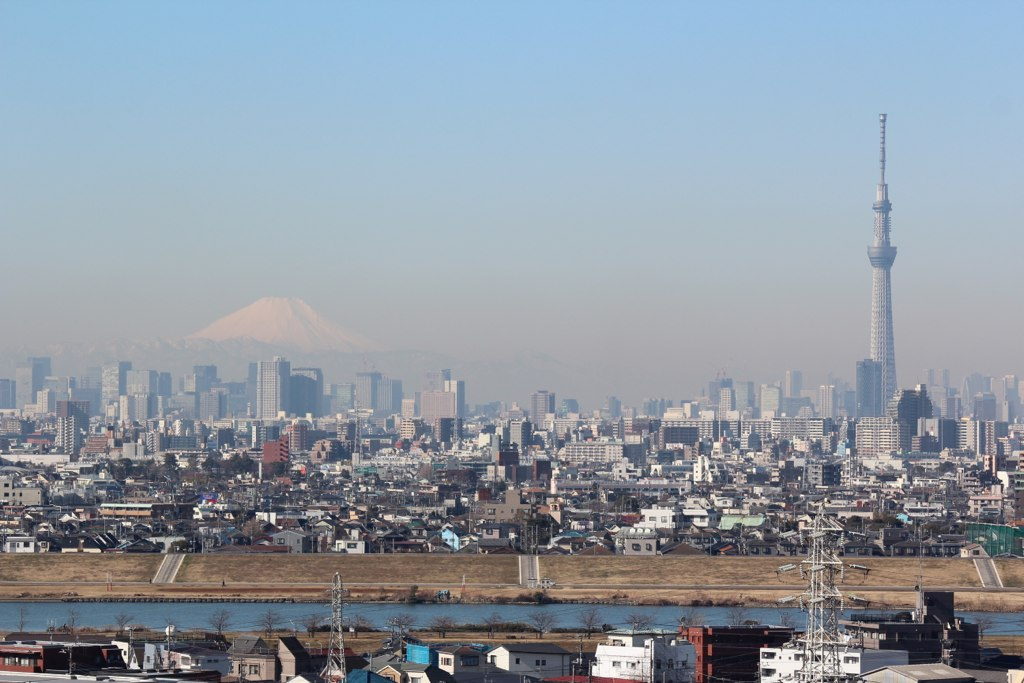
Start with what to book: the best tours in Tokyo
Some of Japan’s best experiences punish walk-ups. Mt Fuji tours leave early and fill up, teamLab Planets sells its timed slots days ahead, and Shinjuku’s best food alleys are a maze you’d never crack alone in one evening. Our Best Tours in Tokyo guide compares the three experiences that clear the bar — a full-day Mt Fuji sightseeing trip, teamLab Planets tickets at the fairest price we could find, and a small-group Shinjuku food tour — with the booking windows and weather hedges that actually matter. Book these before you fly; everything else in this hub can flex around them.
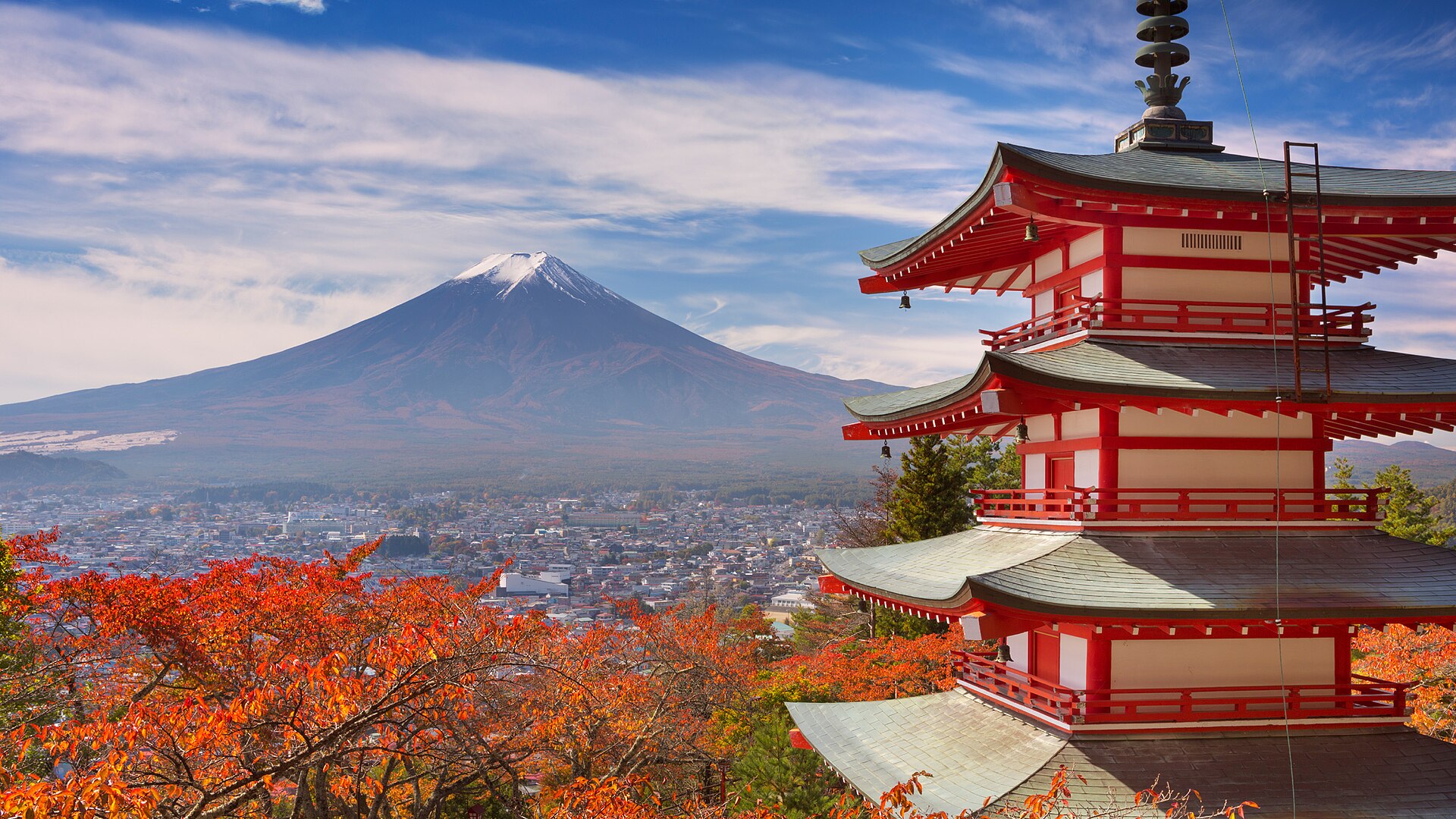
Where to sleep in Tokyo
Tokyo’s neighborhoods are practically separate cities, and picking the wrong base costs you an hour a day in transit. Shinjuku is the transport sweet spot and the best all-rounder, Asakusa keeps the old-town atmosphere, Ginza and Marunouchi put you beside Tokyo Station for day trips, and Ikebukuro quietly undercuts them all on price. Our Where to Stay in Tokyo guide breaks down each area with hotel picks at splurge, mid-range, and budget levels — plus the areas we’d think twice about, and why.
Where to sleep in Kyoto
Kyoto asks a different question: atmosphere or convenience? Gion and Higashiyama put you in the lantern-lit lanes at dawn, before the crowds; Downtown Kawaramachi is the practical pick for restaurants and buses; and the streets around Kyoto Station win if you’re day-tripping to Nara or Osaka. Our Where to Stay in Kyoto guide weighs each base against the temple map, with picks from machiya townhouses to business-hotel bargains.
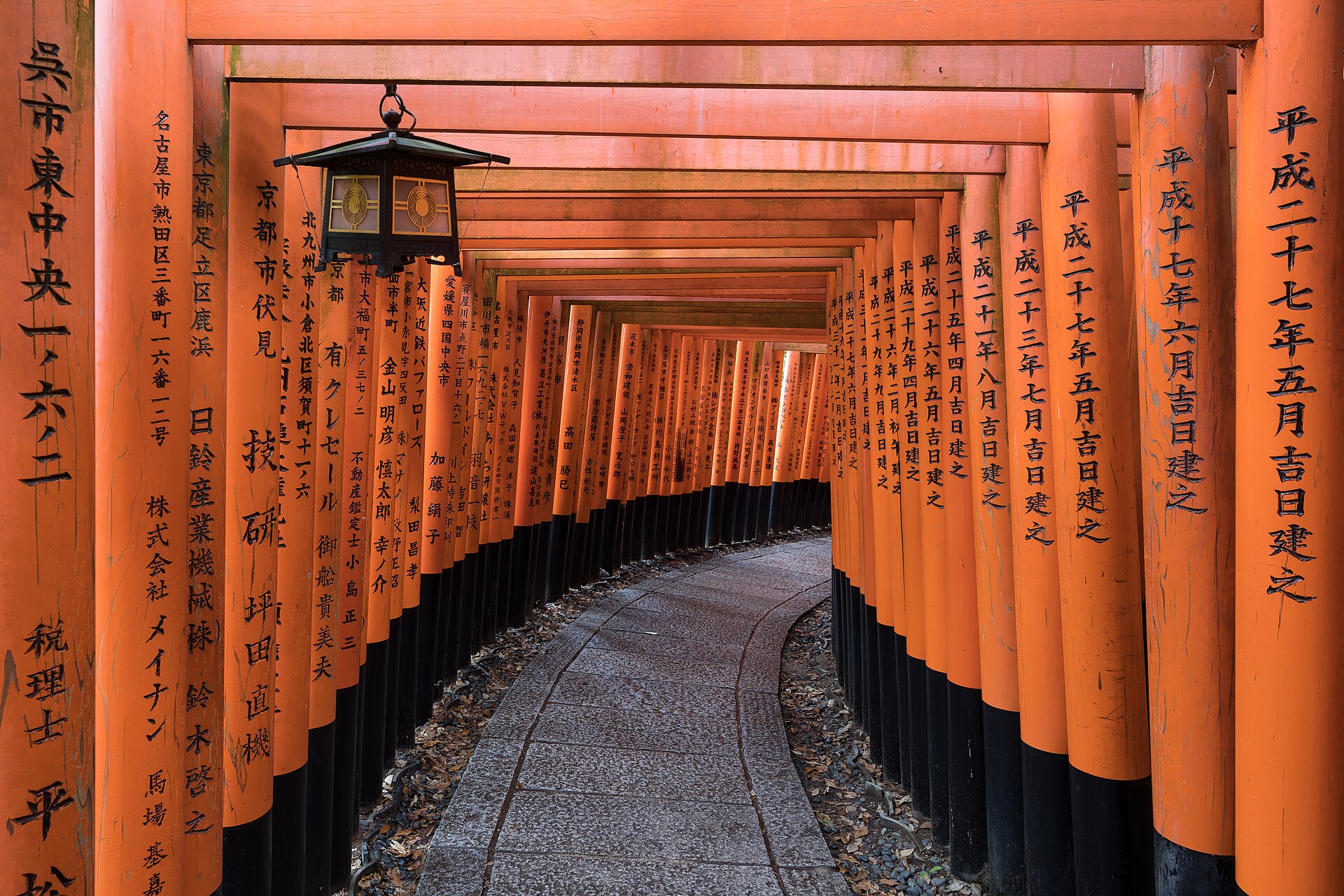
The day-by-day plans
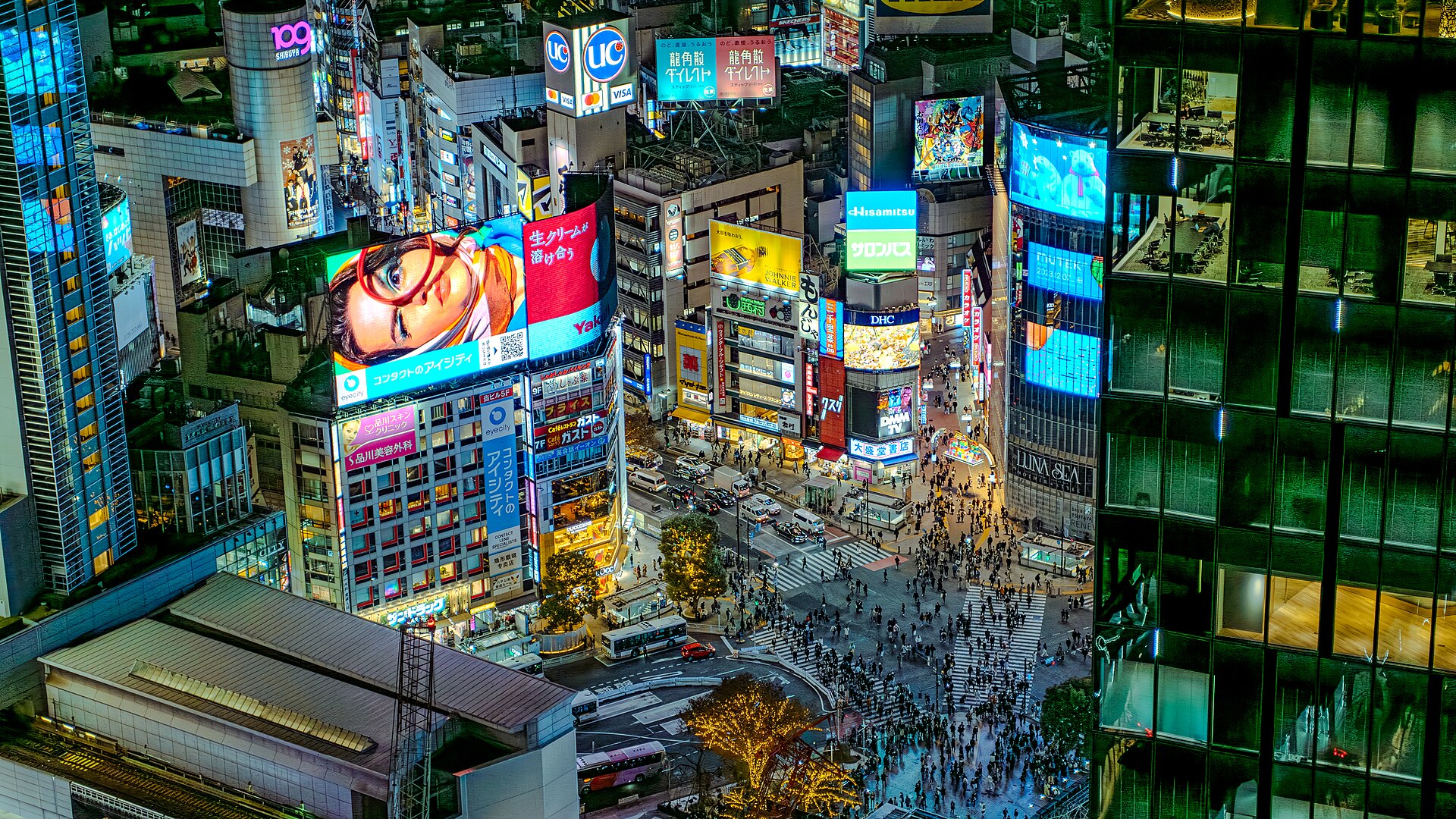
Tokyo in 3 Days. Old Tokyo first — Senso-ji at dawn, Ueno’s museums — then the modern arc of Harajuku, Shibuya, and Shinjuku after dark, finishing with a choose-your-own third day: teamLab, a Fuji day trip, or a slow food-and-gardens day. Our Tokyo in 3 Days itinerary sequences it so you’re never crossing the city twice.
Kyoto in 3 Days. The trick in Kyoto is geography: the sights cluster east, north, and west, and zigzagging between them burns hours. Our Kyoto in 3 Days itinerary gives each cluster its own day — Higashiyama and Gion, then Arashiyama’s bamboo grove, then Fushimi Inari’s ten thousand torii gates with a golden-hour finish — with early starts timed to beat the tour buses.
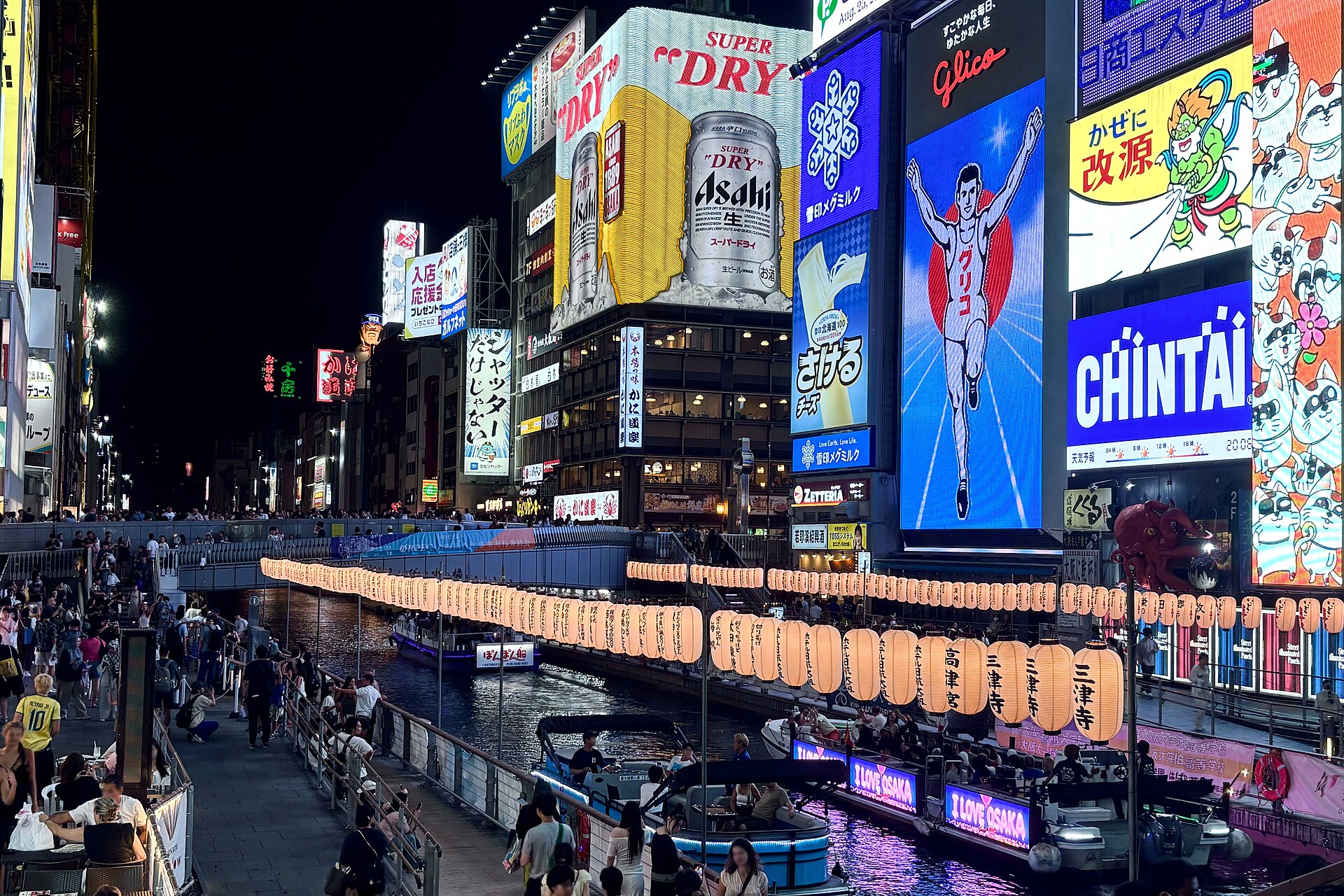
Osaka in 3 Days. Japan’s kitchen rewards a looser plan: the castle and Umeda by day, Dotonbori’s neon canyons by night, and a third day split between the aquarium, the retro streets of Shinsekai, and as much takoyaki as you can manage. Our Osaka in 3 Days itinerary keeps the eating strategic — you’ll need the pacing tips.
Going deeper: beyond the trail in Tokyo and Osaka
Once the greatest hits are handled, Tokyo’s second layer is where many travelers fall for the city properly — quiet shrine forests, retro shopping streets, neighborhoods where the loudest sound is a bicycle bell. Our Tokyo’s Hidden Gems guide rounds up ten of them, all reachable on a normal sightseeing day and none requiring more than a train ride and a little curiosity.
Osaka rewards the same curiosity. Its front room is the castle and Dotonbori’s neon — its back streets are a moss-covered statue one block from the Glico sign, a pre-war shopping street that escaped the air raids, and a mountain temple carpeted in red Daruma dolls. Our Osaka’s Hidden Gems guide rounds up ten of those places, with honest flags about which are true local secrets and which are simply overlooked by international visitors.
How to stitch it together: the 9-day route
Put it in this order and the logistics mostly solve themselves. Fly into Tokyo for three days — long enough to shake the jet lag in the city that never really sleeps — then ride the Tokaido Shinkansen to Kyoto (about 2 hours 15 minutes; sit on the right-hand side for a Mt Fuji cameo on clear mornings). Three days in Kyoto, then the short hop to Osaka — roughly 15 minutes by rapid train — for your final three, flying home from Kansai or riding the shinkansen back to Tokyo. Stay guides first, tours booked ahead, itineraries in hand: that’s the whole system.
The bottom line
Eight guides, one classic trip. Start with the tours that sell out, choose your bases city by city, and let the itineraries carry the days. Japan rewards planners more than almost anywhere else on earth — and with this set, most of the planning is already done.