
Osaka is Japan’s kitchen, its comedy capital, and one of the easiest cities in the country to enjoy on a first visit. It is compact, friendly, and full of flavour, and three days is enough to see its castle, its neon streets, its markets, and its quieter neighbourhoods without rushing. This itinerary is built for first-timers: one classic day in the centre, one day of retro Osaka and local life, and one slower day for gardens, shopping, and a final feast.
Never forget a thing before you fly. My free 8-page Travel Planning Checklist walks you through the whole trip — 6 planning timelines, 36 checks, from booking windows to travel-day basics. One email, no spam, unsubscribe anytime.
Stay somewhere central, such as Namba, Shinsaibashi, or Umeda, so you can walk to restaurants in the evening and reach the main sights by train in the morning. Buy a rechargeable IC card for trains and buses, wear comfortable shoes, and keep mornings for the busiest sights and evenings for food.
Day 1: Osaka Castle, Umeda, and Dotonbori
Start your first day with Osaka’s most famous landmark, then cross the city for a sky-high view, and finish where Osaka comes alive after dark.
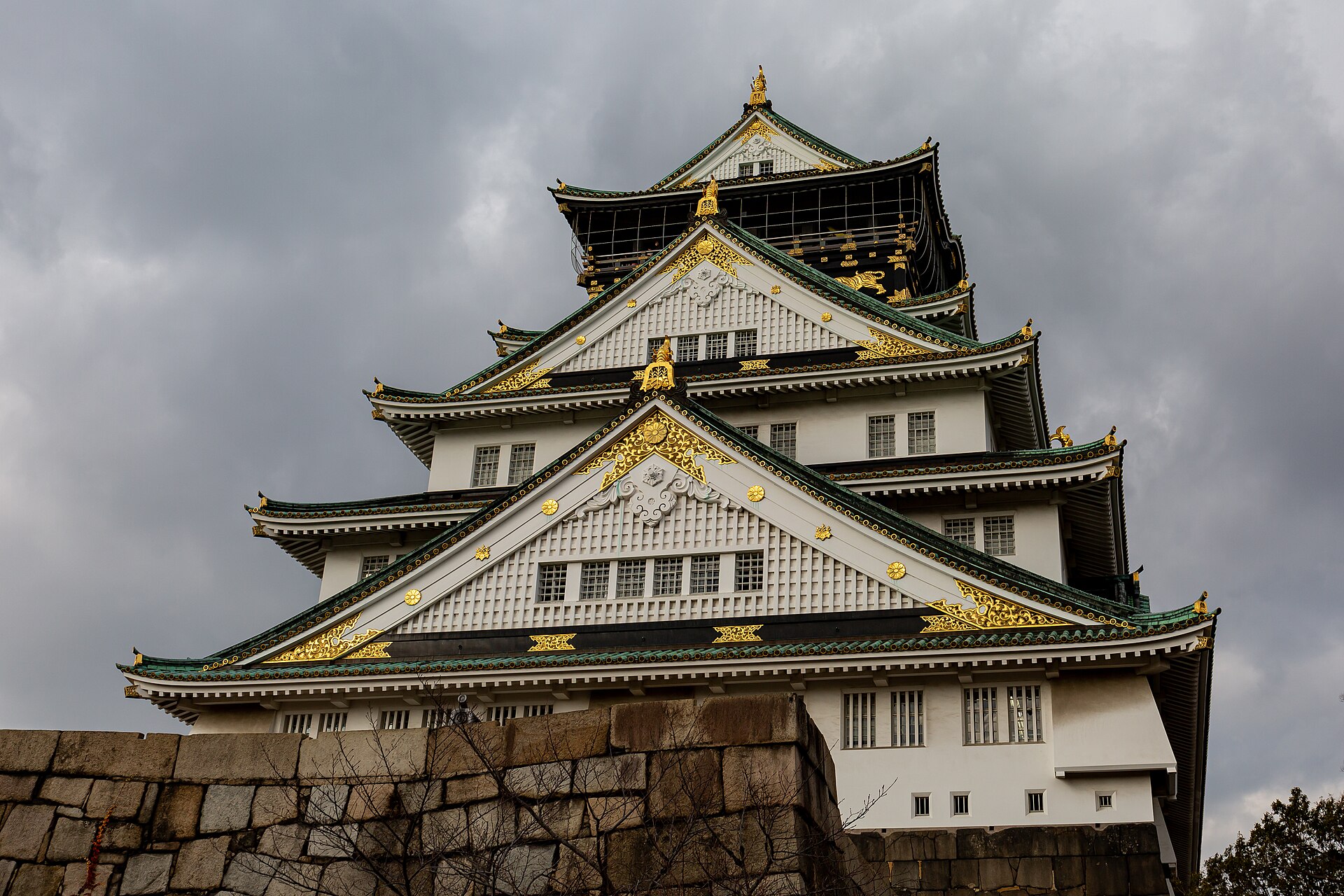
Osaka Castle
Osaka Castle is the best place to begin. Walk through the castle park, cross the moats, and go inside the castle museum to learn how the castle shaped the city. From the top floor, you get a wide view over the park and the modern skyline beyond it. Allow two to three hours, including time in the park, and arrive early if you are visiting on a weekend or a public holiday.
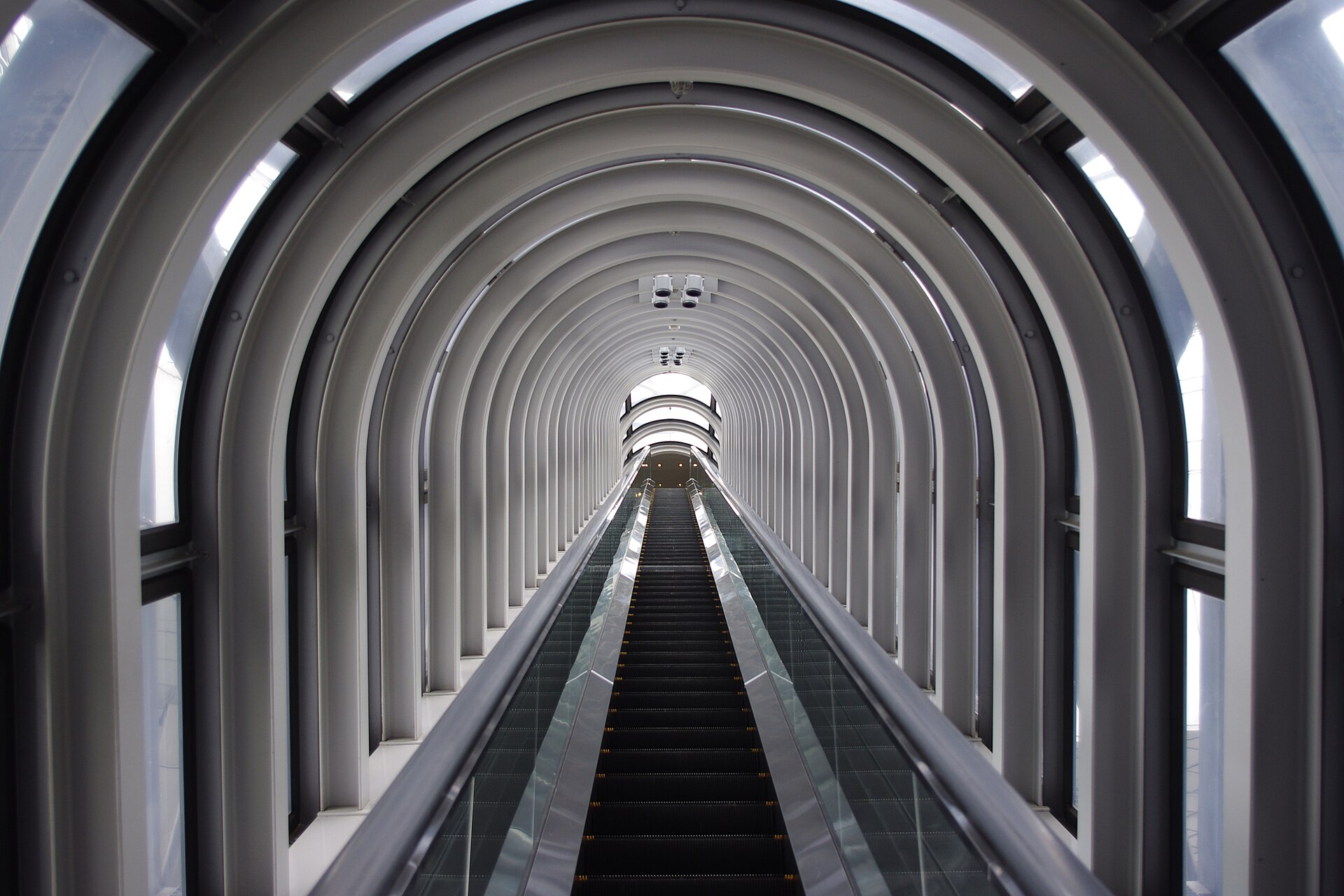
Umeda Sky Building
Next, head to Umeda, Osaka’s northern business and shopping district. The Umeda Sky Building is famous for its Floating Garden Observatory and the open-air escalator that crosses between its two towers. Go in the late afternoon if you can, so you see the city in daylight and then watch the lights come on. The surrounding station area is also a good place for lunch and for browsing department stores.
Dotonbori in the evening
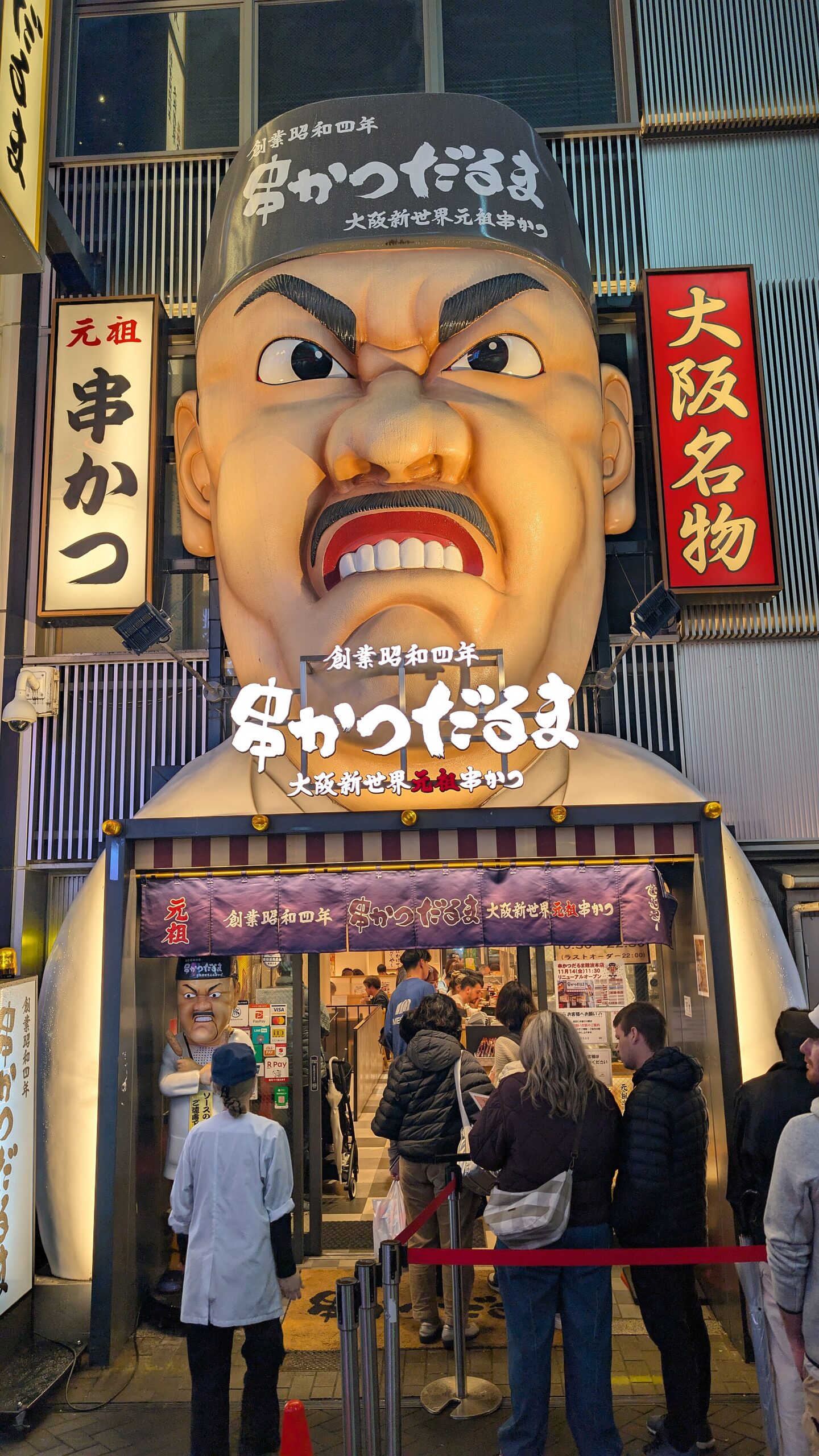
Finish Day 1 in Dotonbori. This is Osaka’s famous entertainment district, full of neon signs, canal-side walkways, and restaurants serving takoyaki, okonomiyaki, kushikatsu, and ramen. Walk along the canal, look for the Glico running man sign, and then choose a small restaurant rather than the busiest place on the main street. Try one or two street snacks first, then sit down for a proper dinner.
Day 2: Shinsekai, markets, and local Osaka
Day 2 is about the Osaka that locals love: retro streets, covered shopping arcades, and neighbourhood markets. It is slower than Day 1, and it is a good day to eat your way through the city.
Shinsekai and Tsutenkaku Tower
Start in Shinsekai, a colourful old neighbourhood built around Tsutenkaku Tower. The streets here feel like a step back in time, with old signs, small restaurants, and shops selling local snacks. Go up Tsutenkaku Tower for a view over the neighbourhood, then walk the streets below and try kushikatsu, skewers of fried meat and vegetables served with a shared dipping sauce rule: no double-dipping.
Kuromon Market and Shinsaibashi
After Shinsekai, visit Kuromon Market for fresh seafood, fruit, and ready-to-eat snacks. It is a good place for a light lunch and for seeing what is in season. In the afternoon, walk north through the covered Shinsaibashi shopping arcade toward Shinsaibashi and Amerikamura. This is the best area for shopping, cafes, and people-watching, and it connects easily back to Dotonbori for dinner.
Day 3: A slower day, gardens, and a final feast
Use your last day to slow down. Start with a park or a garden, revisit a favourite neighbourhood, and leave plenty of time for a long final meal.
Good options include a morning walk in a city park, a visit to a museum or aquarium if you are travelling with family, or a return to a market or shopping street you enjoyed on Day 2. If you want a day trip, Kyoto and Nara are both easy by train, but for a first visit to Osaka, a relaxed third day in the city itself is often more enjoyable than adding another long journey.
In the evening, return to Dotonbori or try a neighbourhood restaurant near your hotel for a final Osaka dinner. Order okonomiyaki to share, try local craft beer or sake if you drink alcohol, and finish with dessert from a department store food hall.
Practical tips for first-timers
- Use trains and subways for most journeys, and walk between sights in the centre where possible.
- Carry some cash, as smaller restaurants and market stalls may not accept cards.
- Book popular restaurants in advance where possible, especially on weekends.
- Check opening hours before you go, as some attractions close on certain weekdays.
- Pack light for day trips, and leave luggage at your hotel or in a station locker.
Three days in Osaka gives you its icons, its food, and its everyday life. You will leave with a good sense of the city, and with a list of places you will want to return to next time.