
Seoul is a city you can happily wander for free — palaces cost a few thousand won, markets feed you for pocket change, and the subway goes everywhere. But a handful of experiences genuinely work better booked: the DMZ, which you cannot visit on your own, a fortress day trip, a cooking class that starts in a real neighbourhood market, and an evening on the Han River that locals treat as a ritual. I compared the same tours on both major booking platforms; these are the six Seoul experiences I would spend money on — three of them new picks that go beyond the obvious.
Never forget a thing before you fly. My free 8-page Travel Planning Checklist walks you through the whole trip — 6 planning timelines, 36 checks, from booking windows to travel-day basics. One email, no spam, unsubscribe anytime.
Disclosure: This post contains affiliate links. If you book through one of these links, I may earn a commission at no extra cost to you.
Two companions to this guide: if you have not settled where to sleep, start with my Where to Stay in Seoul guide, which breaks the city down neighbourhood by neighbourhood. And if you are stitching these experiences into a plan, my Seoul in 3 Days itinerary shows exactly which day each tour below belongs on.
1. The DMZ — the one tour you cannot do yourself
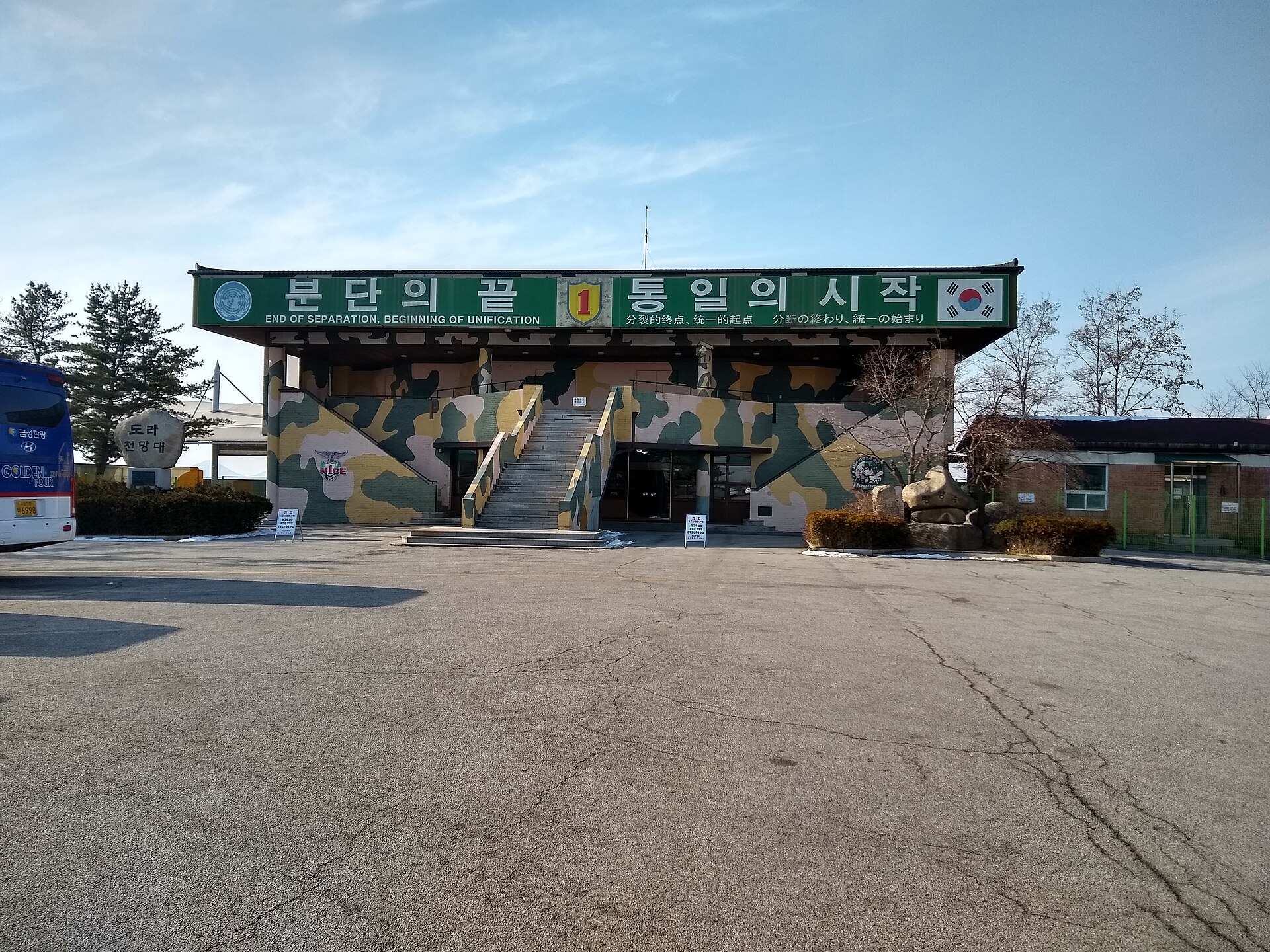
The Demilitarized Zone is the experience every Seoul visitor talks about afterwards, and the one with no DIY option: the Civilian Control Zone is a restricted military area, foreigners must join an authorised tour, and you must carry your physical, original passport — a phone photo will not be accepted, and your booking name must match it exactly. A standard day runs seven to nine hours with an early pickup and takes in Imjingak Park, the Third Infiltration Tunnel — steep, damp and low-ceilinged, so not for everyone — and Dora Observatory, where on a clear day you can pick out a North Korean village through the binoculars. The best versions add a Q&A session with a North Korean defector, the part travellers remember for years.
Two honest warnings. Do not let any operator promise you the blue buildings of Panmunjom: the Joint Security Area has not been part of standard tours since 2023. And book early — operators submit passport details for clearance, and tours can change at short notice for security reasons. Worthwhile DMZ tours run from around $50 with free cancellation; the one I recommend is linked in both my stay guide and my 3-day itinerary above.
2. Palaces in a day — the full-day city tour
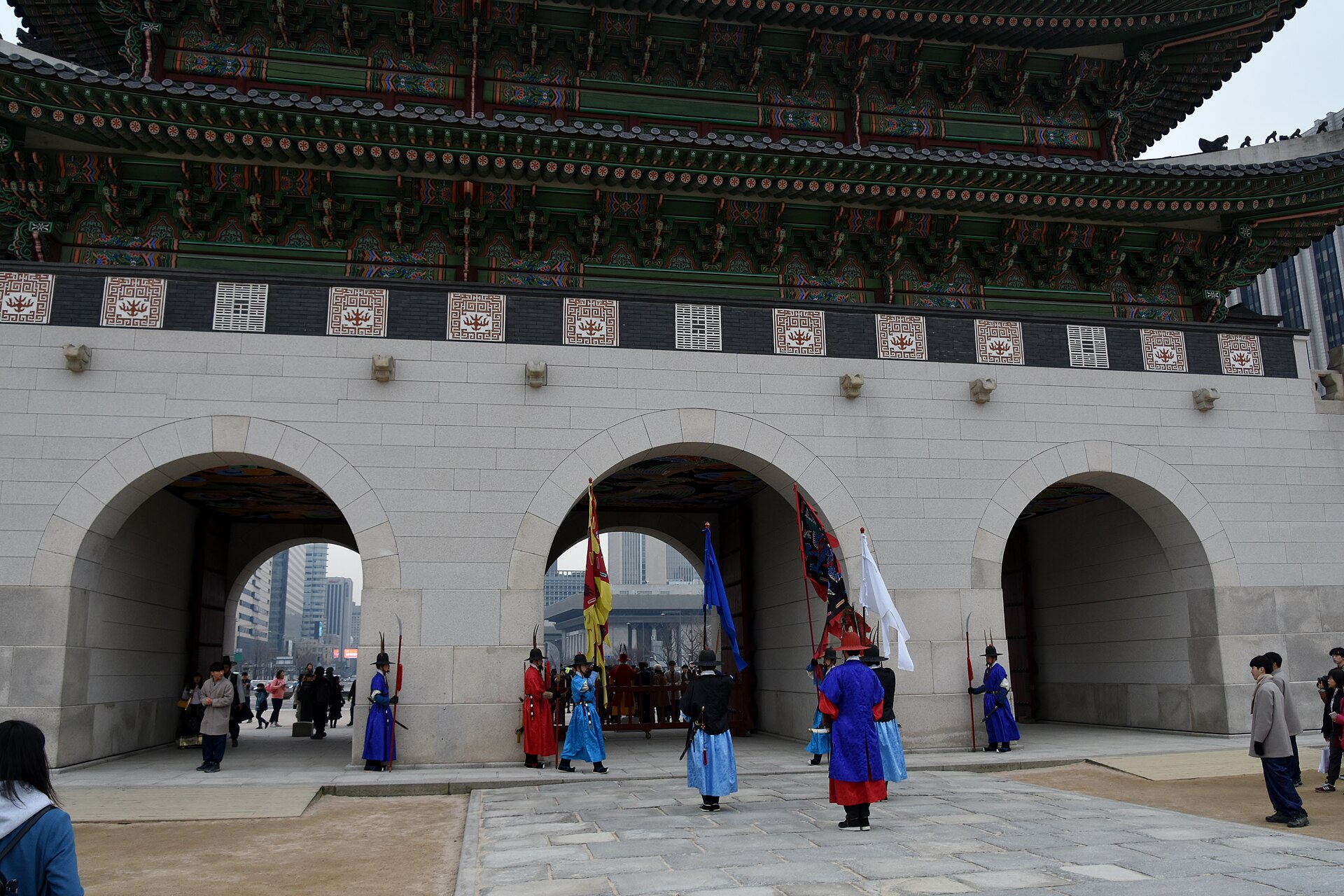
If your Seoul days are short, one guided sweep covers the classic north-of-the-river sights in a single booking: Gyeongbokgung Palace timed for the Royal Guard Changing Ceremony, Bukchon Hanok Village, Insadong’s craft streets, Gwangjang Market and the cable car up to N Seoul Tower. The facts matter — Gyeongbokgung was built in 1395, entry is just ₩3,000 and free if you arrive in a rented hanbok — but the real value is sequencing: a guide who knows the ceremony runs at 10am and 2pm, that the palace closes on Tuesdays, and how to reach the tower for sunset turns a log-jam of transfers into one smooth day.
The best-reviewed version runs from about $30 with downtown hotel pickup and free cancellation — it is the linked recommendation in my Seoul itinerary. If you have three full days, though, do the palaces slowly on foot instead, and spend your tour budget on the three picks that follow.
3. Suwon Hwaseong Fortress, a cave and a giant library — the best day trip most visitors miss
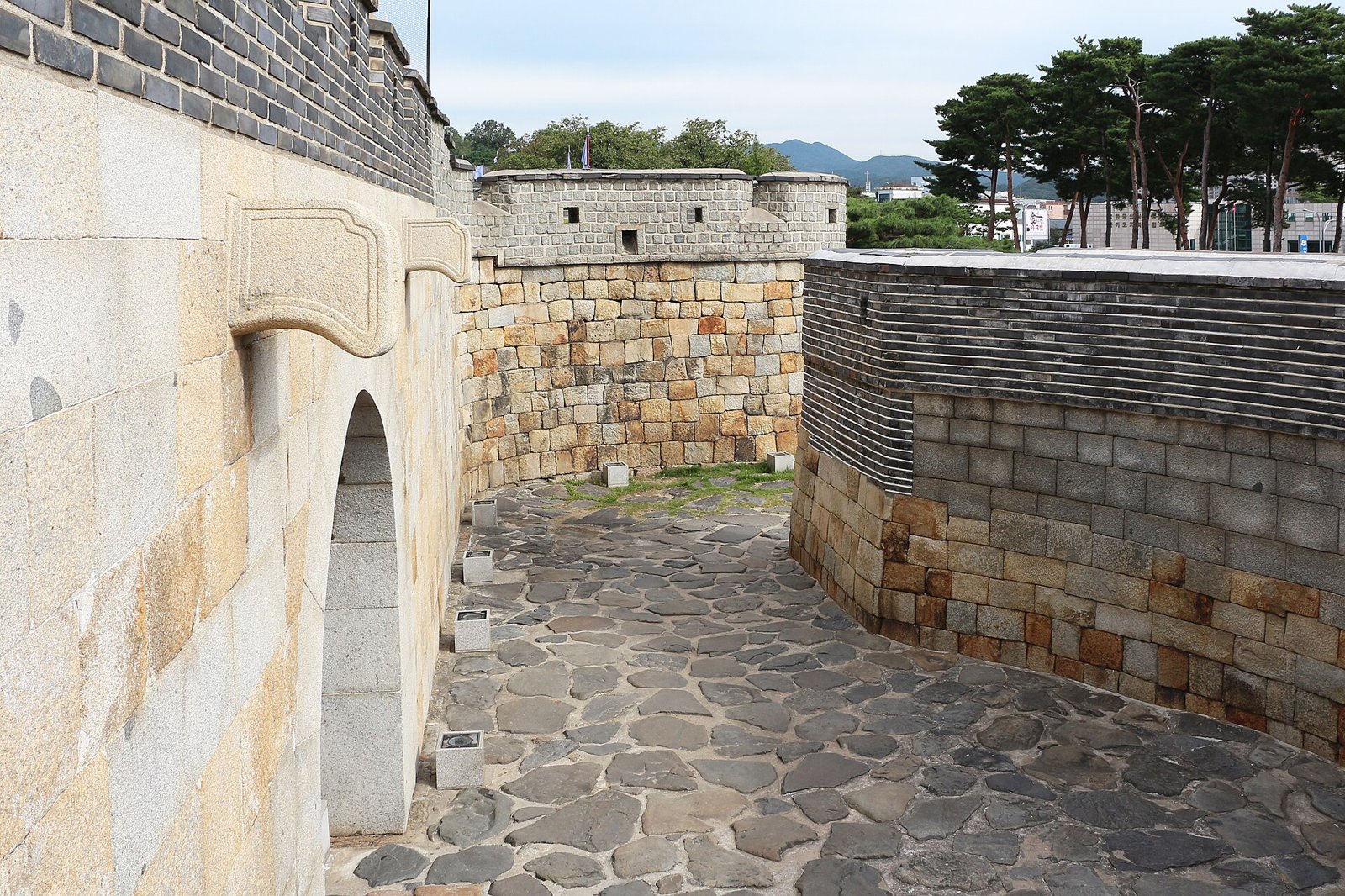
Here is the day trip that expands a Seoul trip beyond the capital. Suwon, about an hour south, is ringed by Hwaseong Fortress — a UNESCO World Heritage Site built in the 1790s under King Jeongjo, and the only completely walled fortress left in South Korea. Walking its ramparts between gates and artillery towers is a different Joseon experience from the palaces: military engineering, built fast with cranes and pulleys, with superb views over Suwon’s rooftops. Inside the walls sits Hwaseong Haenggung, the temporary palace Jeongjo used on his visits south.
The tour I recommend pairs the fortress with two modern curveballs: the Starfield Library in Suwon, a soaring atrium of floor-to-ceiling bookshelves, and Gwangmyeong Cave, a former gold mine turned underground attraction that stays cool all year. I compared this exact tour on both platforms — same operator, same guides — and the Suwon Hwaseong, Haenggung Palace and Gwangmyeong Cave day trip (4.9 stars from 277 reviews, from $61.18, admissions and transfers included, free cancellation to 24 hours) won on Viator for its higher rating and better value per booking. Pickups are from central Seoul.
4. A Korean cooking class that starts in Mangwon Market — the best souvenir is a skill
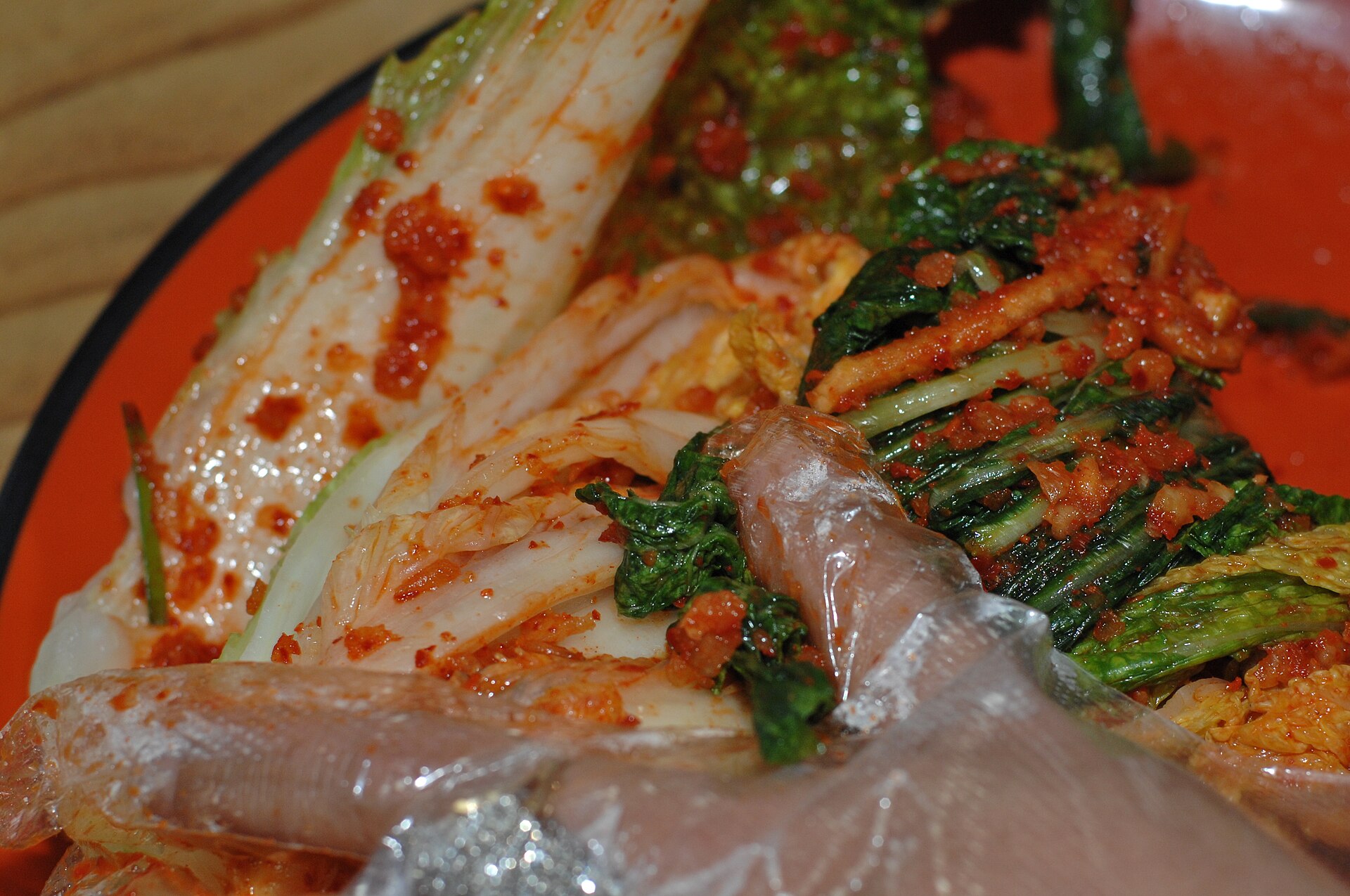
Gwangjang Market is where visitors eat; Mangwon Market, over in Mapo, is where Seoulites actually shop. The cooking class I recommend starts there: you walk the stalls with your host, tasting street food and learning what the chillies, sesame oils and fermented pastes in front of you actually are, then head to her home nearby for a hands-on class of up to ten people. You cook four dishes — bibimbap, dakgalbi, seafood pancakes and a soybean-paste stew are the usual line-up — then sit down to a full Korean table with ten or more side dishes, dessert and makgeolli.
This class runs on both platforms from the same host, and the numbers settled it: the local home Korean cooking class and market tour holds a perfect 5.0 rating from more than 1,100 reviews on Viator, against the same 5.0 from a smaller pool on the other platform. It lasts about three and a half hours, vegetarian, vegan, halal and gluten-free versions are all handled, and you leave with recipes you will genuinely make at home. Book it on a non-palace day — it pairs beautifully with an evening in nearby Hongdae.
5. The Han River at night — picnic, games and a starlight cruise
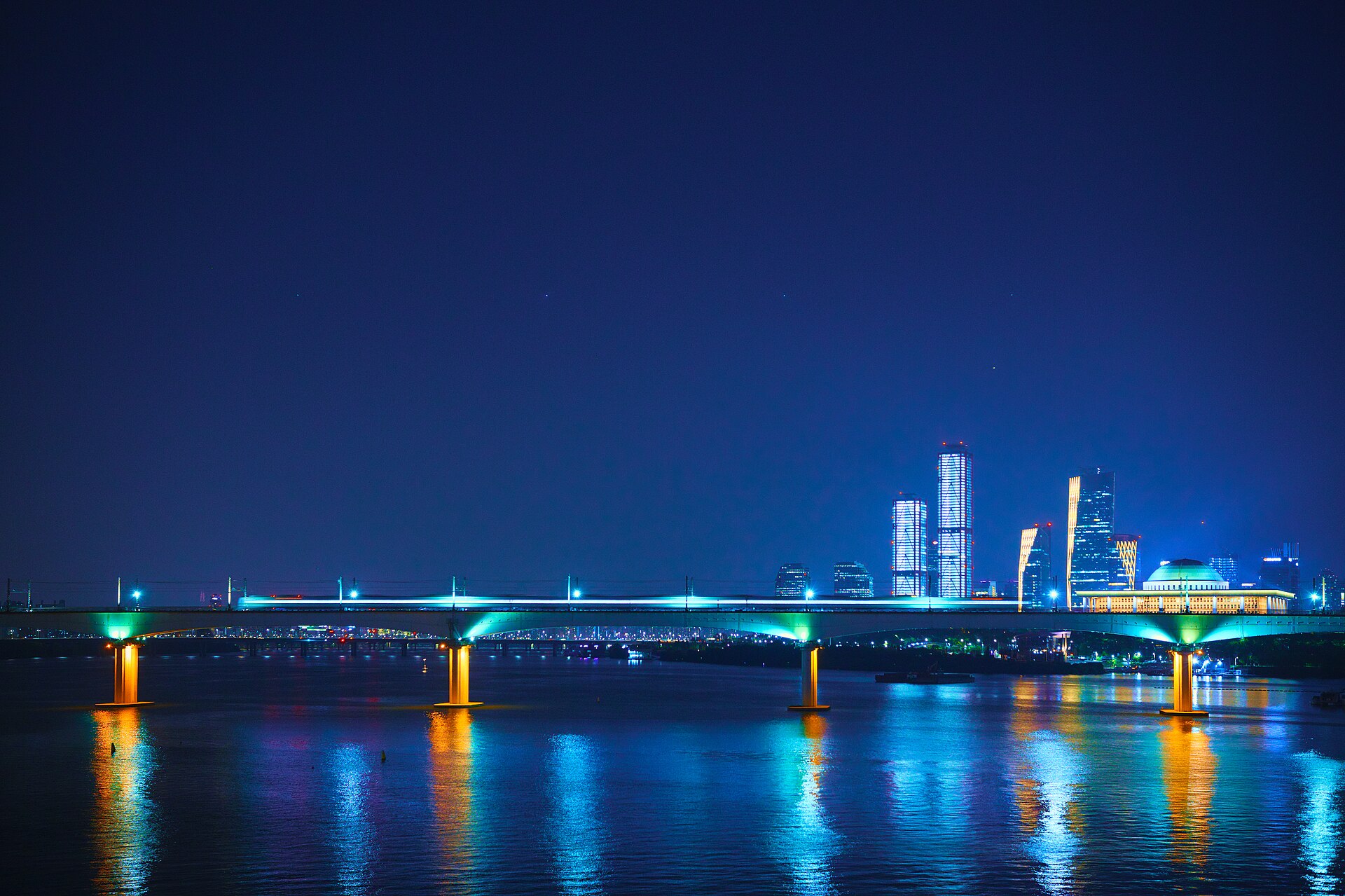
Every evening, Seoul decamps to the banks of the Han River — and this experience plugs you straight into the ritual. You meet at Yeouinaru Station, and at Yeouido Hangang Park a picnic is already set up: chairs, table, lamps, and Korean fried chicken in three styles with beer, soju and soft drinks. Then come the games — ttakji card-flipping and the dalgona candy challenge made famous by Squid Game — hosted by a guide whose real job is turning strangers into friends. The evening finishes on the water with a roughly 50-minute starlight cruise past the illuminated bridges.
One seasonal wrinkle: from November to March the picnic moves indoors to a Korean barbecue buffet at the same price, and the cruise still sails. The same operator sells this evening on both platforms at the same $99, and GetYourGuide’s version rates higher with far more reviews, so book the Han River night picnic and starlight cruise (4.8 stars from more than 500 reviews, free cancellation to 24 hours) there. The DIY alternative costs almost nothing — convenience-store ramyeon and a picnic mat in Banpo Hangang Park under the Moonlight Rainbow Fountain — but the hosted evening is the one I would give a first-timer.
6. Nami Island and the Garden of Morning Calm — the easy green escape
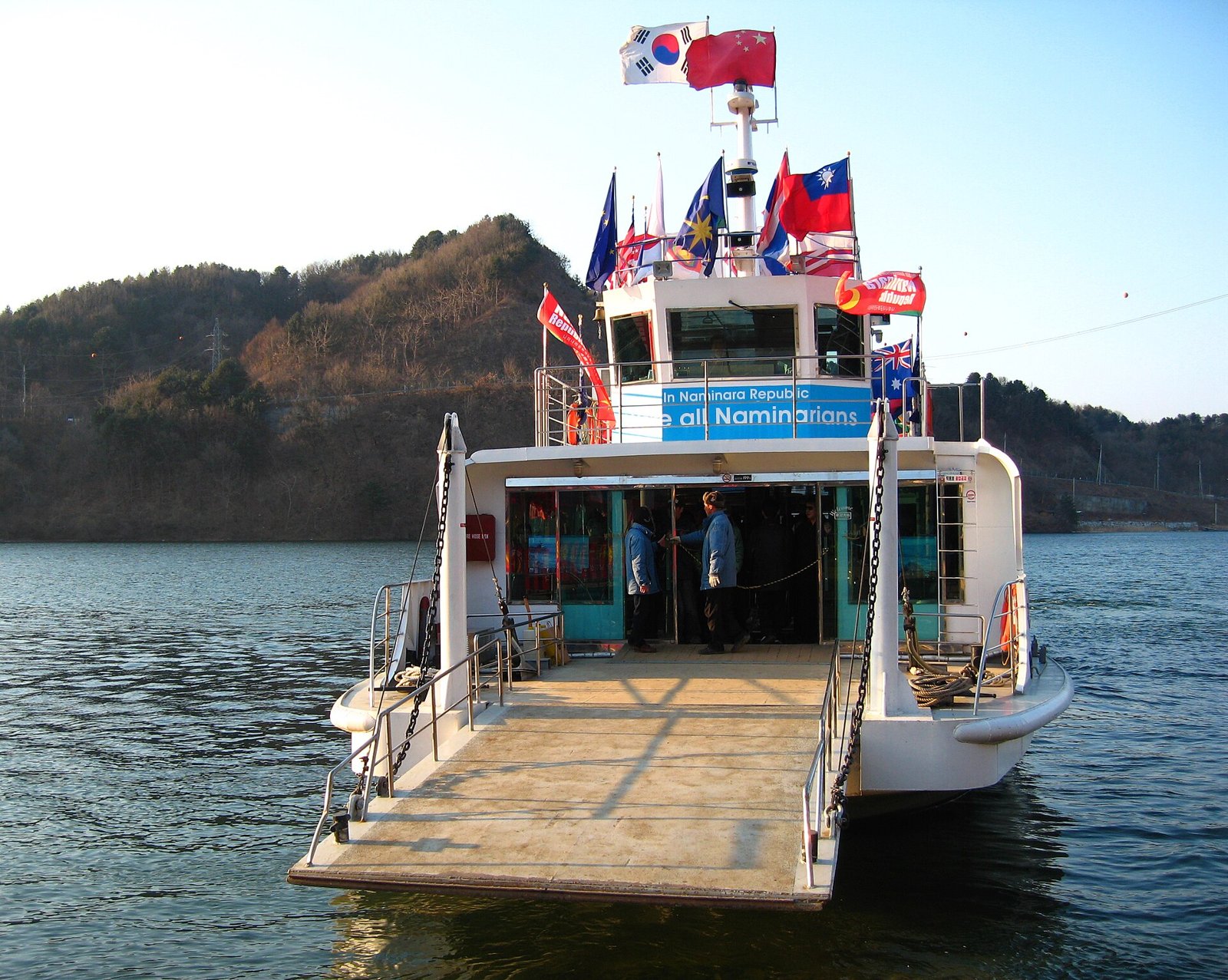
When the city needs balancing with trees, this is the standard answer, and it earns it. Nami Island, a half-moon sliver in the river near Gapyeong, is famous for its formal avenues — metasequoia, ginkgo and pine lanes that change with the seasons — reached by a short ferry ride. The Garden of Morning Calm, Korea’s oldest private garden, packs thousands of plants into themed valleys, best in spring blossom and autumn colour. Most day trips bundle the two with pickups in Hongdae, Myeongdong and Dongdaemun and an optional rail-bike ride, from around $70 per person.
My compared winner for this trip is linked in both of today’s sibling guides, so I will not repeat it here — the planning call is what matters: this is a fourth-day trip, or a swap for the DMZ, not something to squeeze into a tight three days alongside Suwon.
How to choose: booking Seoul tours without wasting a day
Book the DMZ first. It needs passport clearance and sells out — anchor it early so a cancellation can roll to another day. Match tours to your base. Pickups cluster in Myeongdong, Jongno and Hongdae — one more reason my stay guide pushes first-timers north of the river. Mind the palace calendar. Gyeongbokgung closes Tuesdays, Changdeokgung Mondays. One big day trip is enough. Suwon and Nami are both full days out; with three days in Seoul, pick one and keep a day unscripted. Check cancellation before price. Every pick above cancels free to 24 hours before, which matters more than a $3 saving when weather or a DMZ notice can move your plans.
Seoul rewards travellers who book the few things that need booking and wander everything else. Start with where to stay, lay the tours into the 3-day plan, and leave your evenings by the river unscripted — except, perhaps, one.