
Seoul rewards travellers who plan by geography. This is a huge city split by the Han River — the palaces, hanok lanes and great markets of old Seoul sit north of the water, while Gangnam’s malls and temples-in-the-skyline sit south — and zigzagging between the two burns half an hour or more on the subway every time. Group your days properly, though, and three days is enough for a first trip that actually feels complete: a palace day, a market-and-tower day, and one big excursion day.
Never forget a thing before you fly. My free 8-page Travel Planning Checklist walks you through the whole trip — 6 planning timelines, 36 checks, from booking windows to travel-day basics. One email, no spam, unsubscribe anytime.
Disclosure: This post contains affiliate links. If you book through one of these links, I may earn a commission at no extra cost to you.
One decision comes before all the others: where you sleep. Base yourself north of the river in Myeongdong or Jongno and almost everything in this itinerary is walkable or a few subway stops away. I break down the neighbourhoods and the hotels worth booking in my guide to where to stay in Seoul — read that first, then come back here and build your days around your base.
Before You Go: The Rules That Shape This Itinerary
Three scheduling traps catch almost every first-timer, so design around them from the start. Gyeongbokgung Palace is closed on Tuesdays, and Changdeokgung Palace is closed on Mondays — never put the palace day on the wrong weekday. Bukchon Hanok Village, the residential hanok neighbourhood between the two palaces, restricts sightseeing in its core lanes to 10am–5pm, Monday to Saturday, with fines for wandering in outside those hours, so it belongs in the middle of the day, never at sunset. And Changdeokgung’s famous Secret Garden is entered only at a timed session you book in advance — sessions open for booking six days ahead and sell out, so that booking anchors your palace day.
Practical basics: buy a rechargeable T-money card at the airport or any convenience store, top it up with cash, and tap on and off every subway and bus ride. From Incheon Airport, the AREX Express train reaches Seoul Station non-stop in 43 minutes from Terminal 1; the cheaper All-Stop train takes about an hour and also serves Hongik University for Hongdae. For directions, use Naver Map or KakaoMap rather than Google Maps — walking and transit routing is far more reliable in Korea.
Day 1: Palaces, Hanok Lanes and Insadong
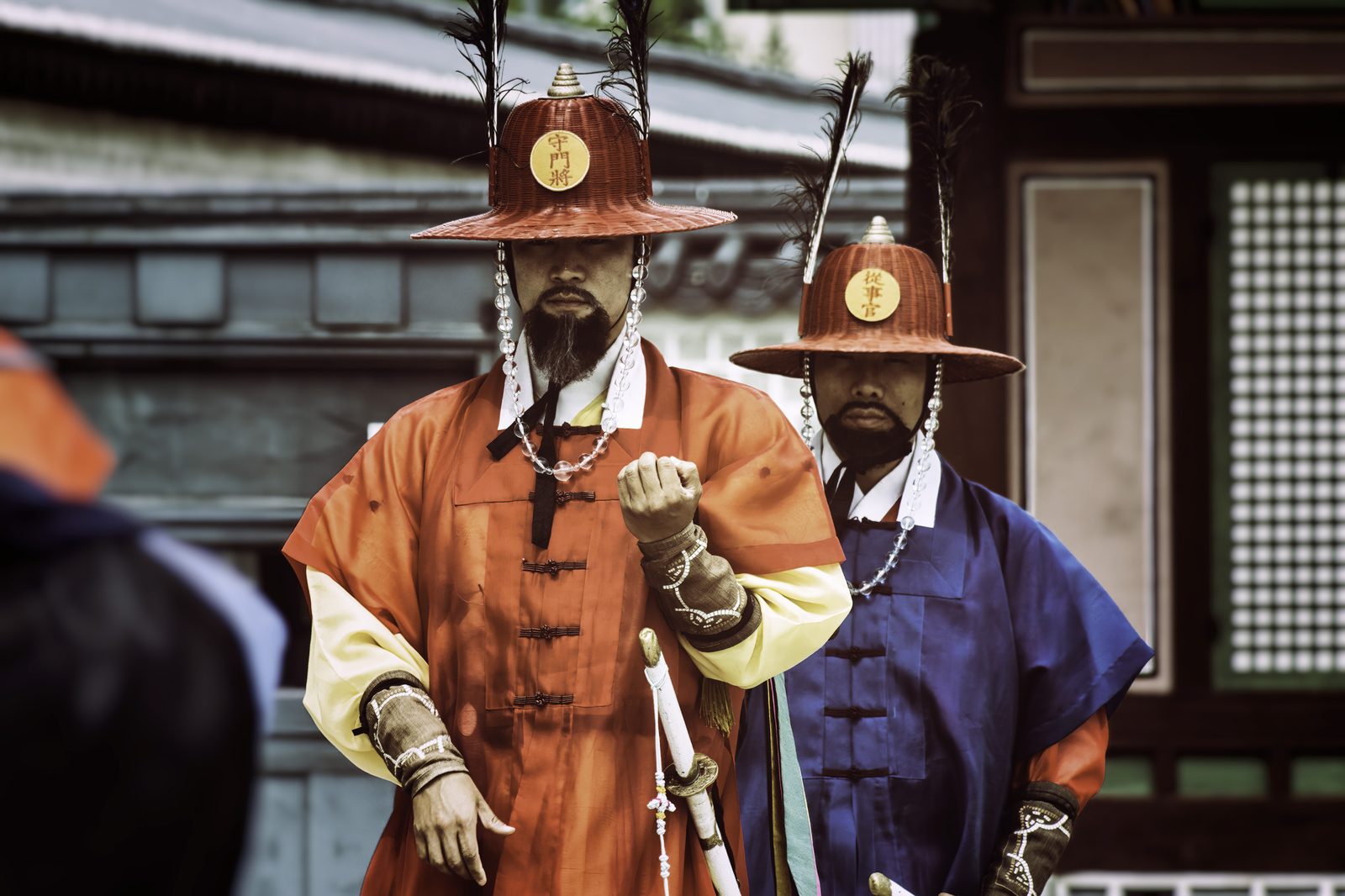
Start at Gwanghwamun Gate in time for the Royal Guard Changing Ceremony at 10am — a colourful, drum-led re-enactment that lasts about 20 minutes and runs twice daily (10am and 2pm, weather permitting, never on Tuesdays). Then walk straight into Gyeongbokgung Palace, the largest and grandest of Seoul’s five Joseon palaces, built in 1395. Adult entry is a bargain at ₩3,000 — and it is completely free if you arrive wearing a full traditional hanbok, which is why the palace grounds are full of visitors in rented silk. Hanbok rental shops line the streets outside, and dressing up is genuinely part of the fun here, not a gimmick. Give the palace two to three hours: the throne hall, the pavilion set on its island pond, and the National Folk Museum in the grounds.
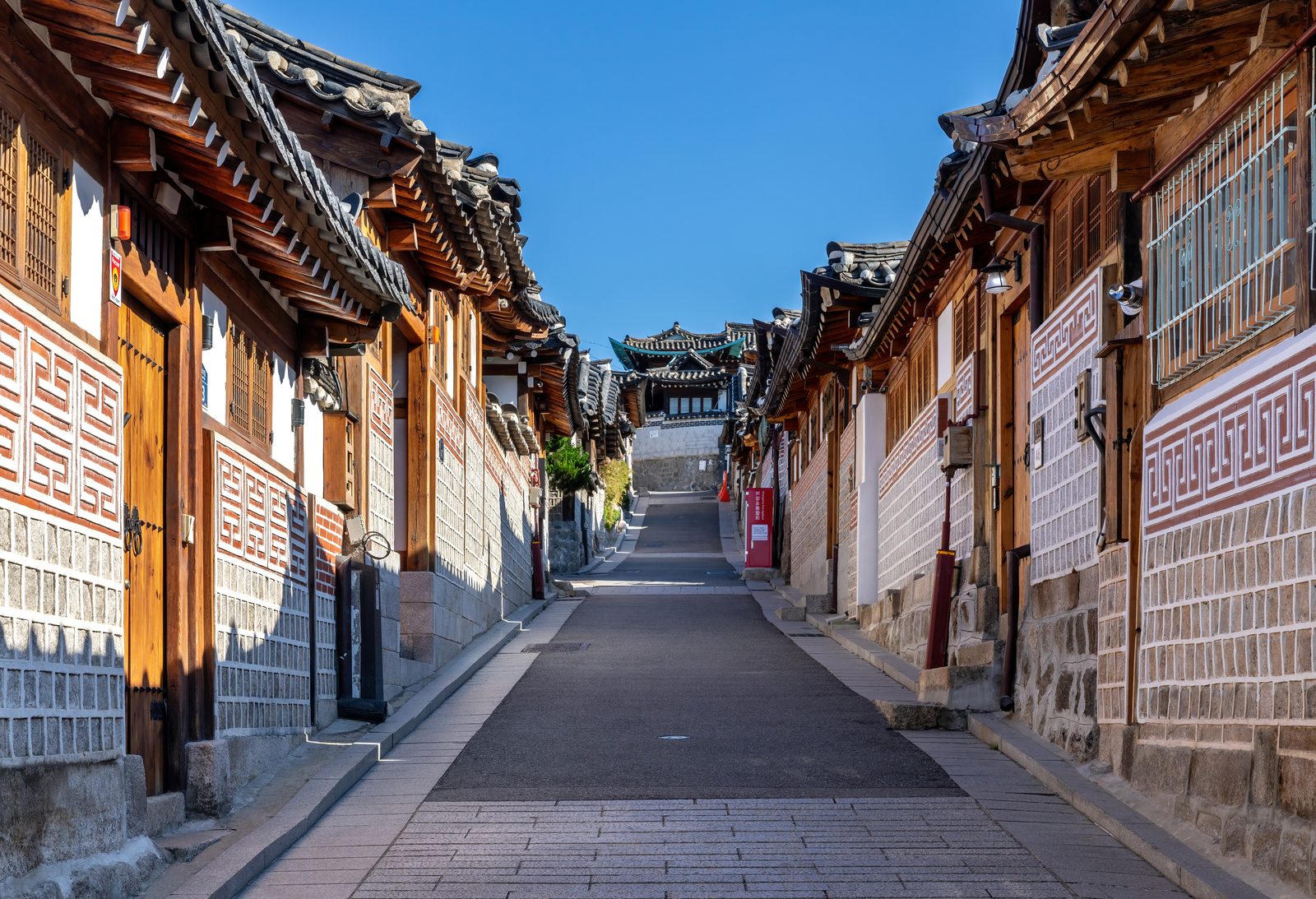
Late morning, walk ten minutes east into Bukchon Hanok Village — well inside its 10am–5pm visitor window. Around 900 traditional hanok houses survive here, and this is a living neighbourhood, not an open-air museum: keep your voice down, stay out of private courtyards, and photograph the lanes and rooftops rather than residents’ doorways. The classic view runs down Bukchon-ro 11-gil, tiled roofs stepping down toward the modern city.
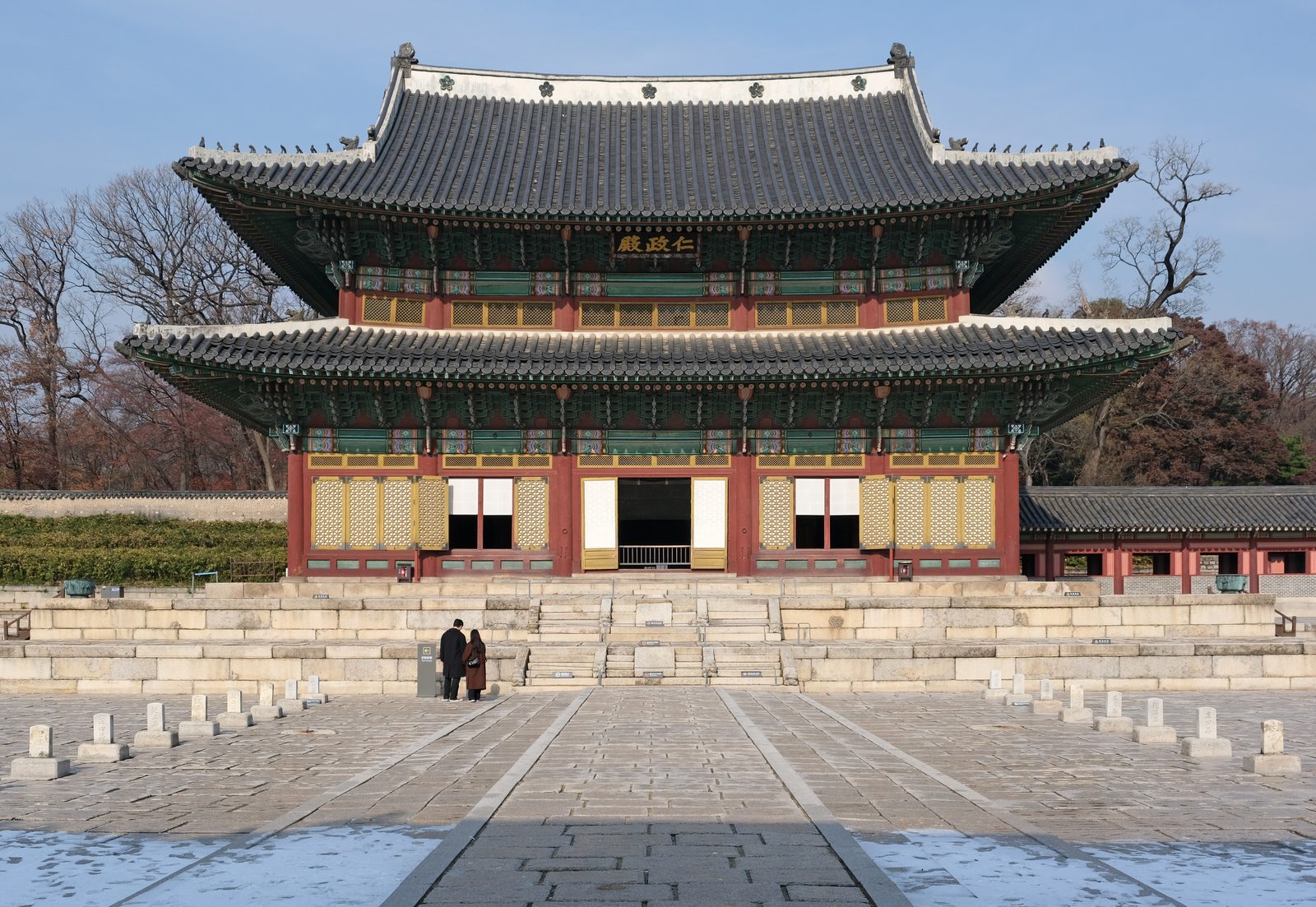
After lunch in the teahouses and craft streets of Insadong, head to Changdeokgung Palace for your pre-booked Secret Garden session. The palace itself (₩3,000) is the best preserved of the five, but the garden behind it — a wooded valley of ponds, pavilions and 300-year-old trees, once reserved for royalty — is the real prize. The garden costs an extra ₩5,000, entry is by timed ticket only, and the tour takes about 90 minutes over hilly paths, so wear proper shoes. End the day in neighbouring Ikseon-dong, where a maze of 1920s hanok alleys has been reborn as Seoul’s loveliest café and small-restaurant district — an easy, atmospheric dinner spot a short walk from both palaces.
If you would rather have the palace day handled for you — guard ceremony, Gyeongbokgung, Insadong, the markets and N Seoul Tower in one guided run — the full-day Seoul city tour with Gyeongbokgung Palace and N Seoul Tower covers most of Day 1 and Day 2’s finale in a single booking, and it is a sensible swap if your three days are tight.
Day 2: Markets, Myeongdong and the Tower at Sunset
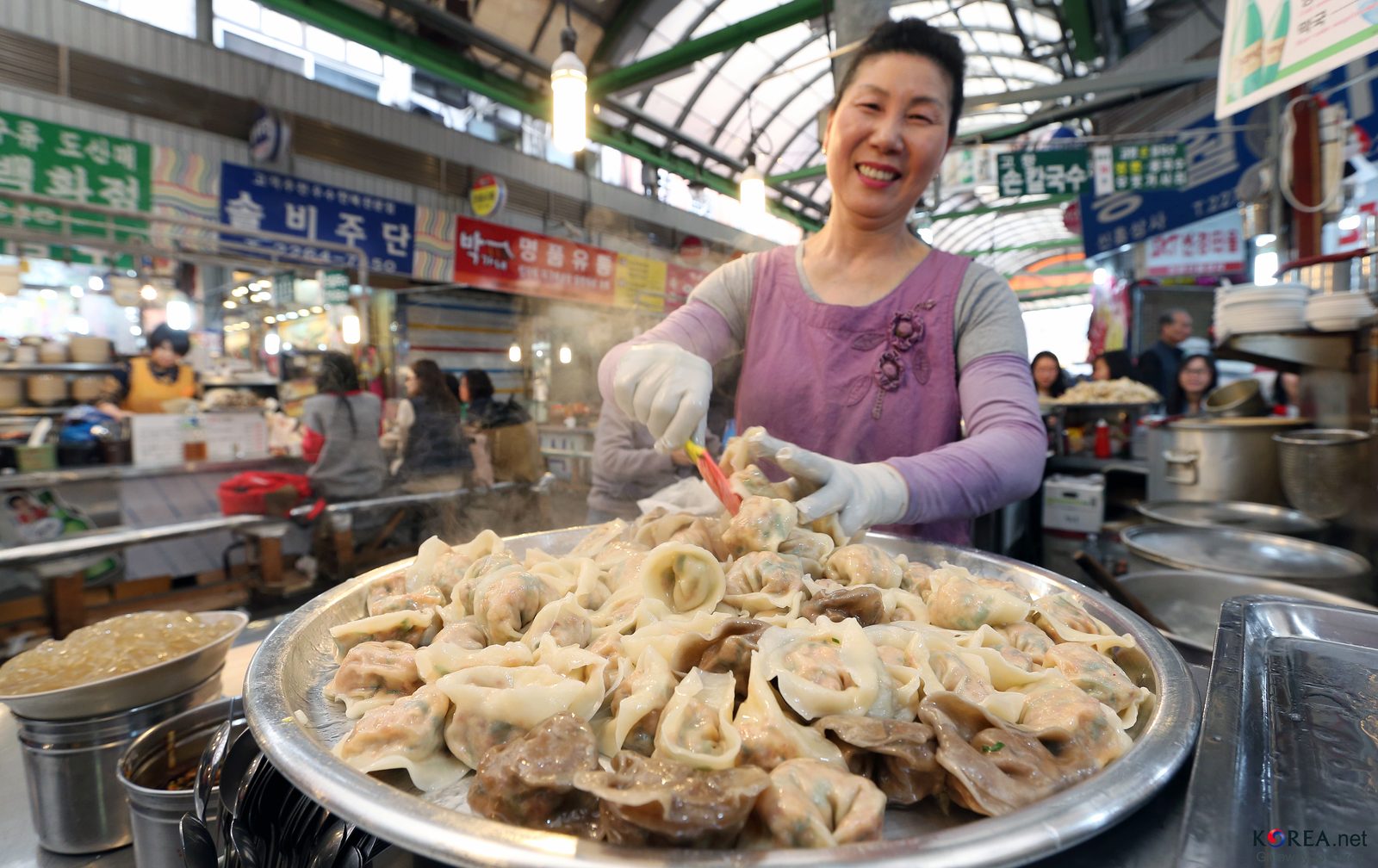
Day 2 is about eating and shopping your way across the old city’s commercial heart. Start at Gwangjang Market, one of Korea’s oldest permanent markets, founded in 1905 and reached from Jongno 5-ga Station. Graze rather than commit: sit at a counter for bindaetteok, the crisp mung-bean pancakes ground and fried to order; try mayak gimbap, the little rice rolls whose name means “addictive”; and be brave at Yukhoe Alley, where Korean beef tartare comes with sesame oil, egg yolk and pear. The hand-cut noodle (kalguksu) stall made famous by Netflix’s Street Food: Asia is here too. The food alleys run roughly 9am to 11pm; arrive hungry and share two or three dishes between two people — that is how the market is meant to be done.
Walk off lunch along the Cheonggyecheon Stream, the restored waterway that threads through downtown, then dive into Myeongdong for the afternoon: skincare flagship stores, street-food carts as the day cools, and the Gothic bulk of Myeongdong Cathedral, Korea’s first. This is also the neighbourhood for any souvenir and K-beauty shopping on your list — do it today, from a north-of-the-river base, rather than hauling bags across the city later.
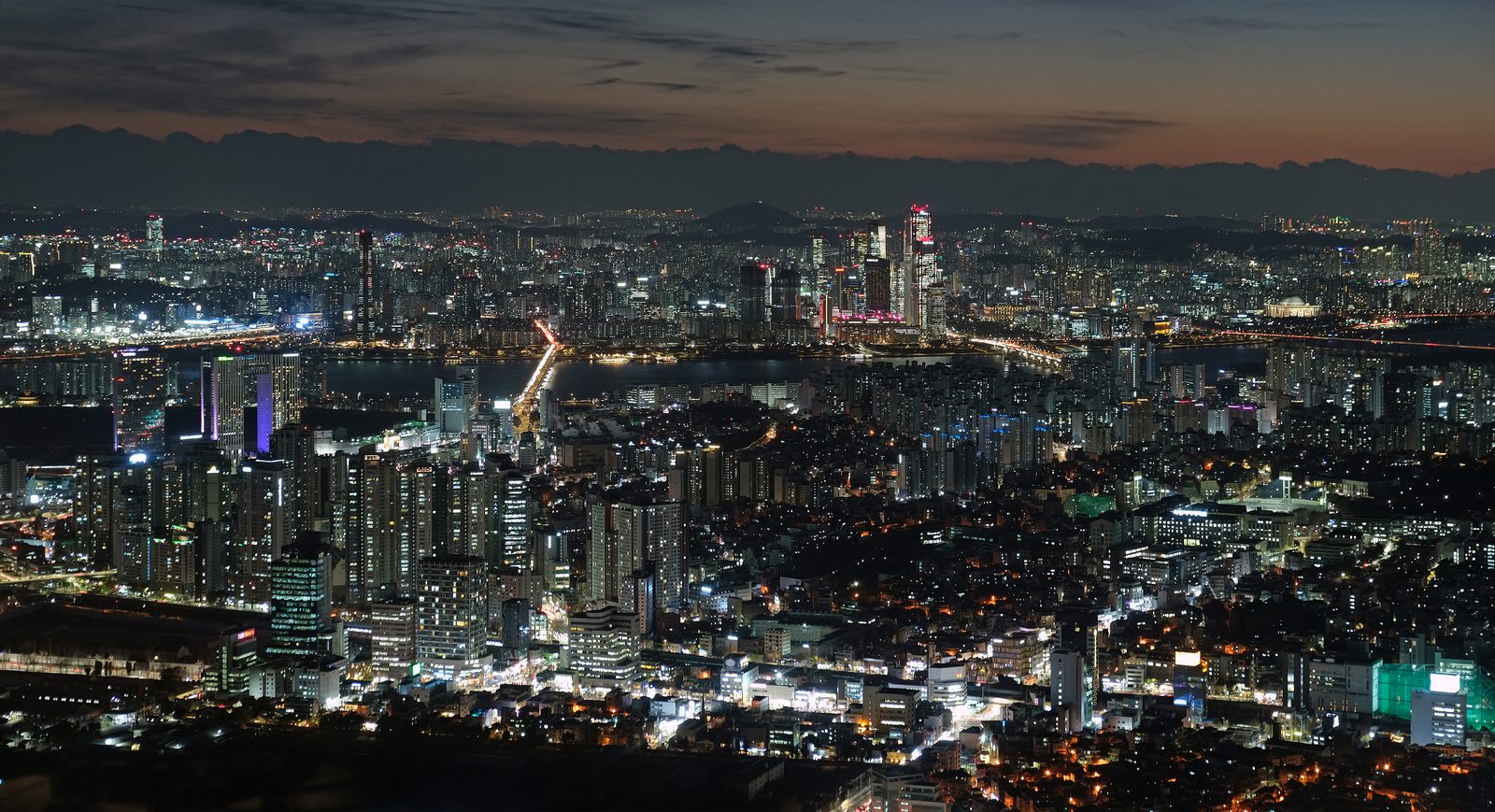
Finish at the top of the city. N Seoul Tower, the 236-metre tower on Namsan mountain, is best at sunset: ride the Namsan Cable Car up from near Myeongdong Station, watch the city turn gold, then stay as the lights come on. The summit plaza, terraces and love locks are free; the observatory (open until 10:30pm on weekdays and 11pm at weekends) is a separate ticket — check the current price on the day, as it has risen recently. Walk or bus down into the evening, and if you still have energy, cross to Hongdae for busking, indie shops and a late dinner among the university crowds.
Day 3: The DMZ — or Gangnam, If You Prefer
For most first-timers, Day 3 belongs to the one trip that puts modern Korean history in front of you: the DMZ. There is no independent way to do this. The Civilian Control Zone is a restricted military area, foreigners must join an authorised tour, and you must carry your physical, original passport — a photo on your phone will not be accepted at the checkpoint, and your booking name must match it exactly. Tours run about seven to nine hours with an early pickup and take in Imjingak Park, the Third Infiltration Tunnel (steep and damp — not suitable for everyone), and Dora Observatory, where on a clear day you can see across into North Korea. Do not let any operator promise you the blue buildings of Panmunjom: the Joint Security Area has not been part of standard tours since 2023, and availability changes without notice. The DMZ tour I recommend after comparing both major platforms is the DMZ tour with a North Korean defector Q&A — hearing a defector answer questions in person is the part travellers talk about for years, and it is included on all its options. Book it early in your planning, not the night before: operators submit passport details for clearance, and tours can be altered at short notice for security reasons.
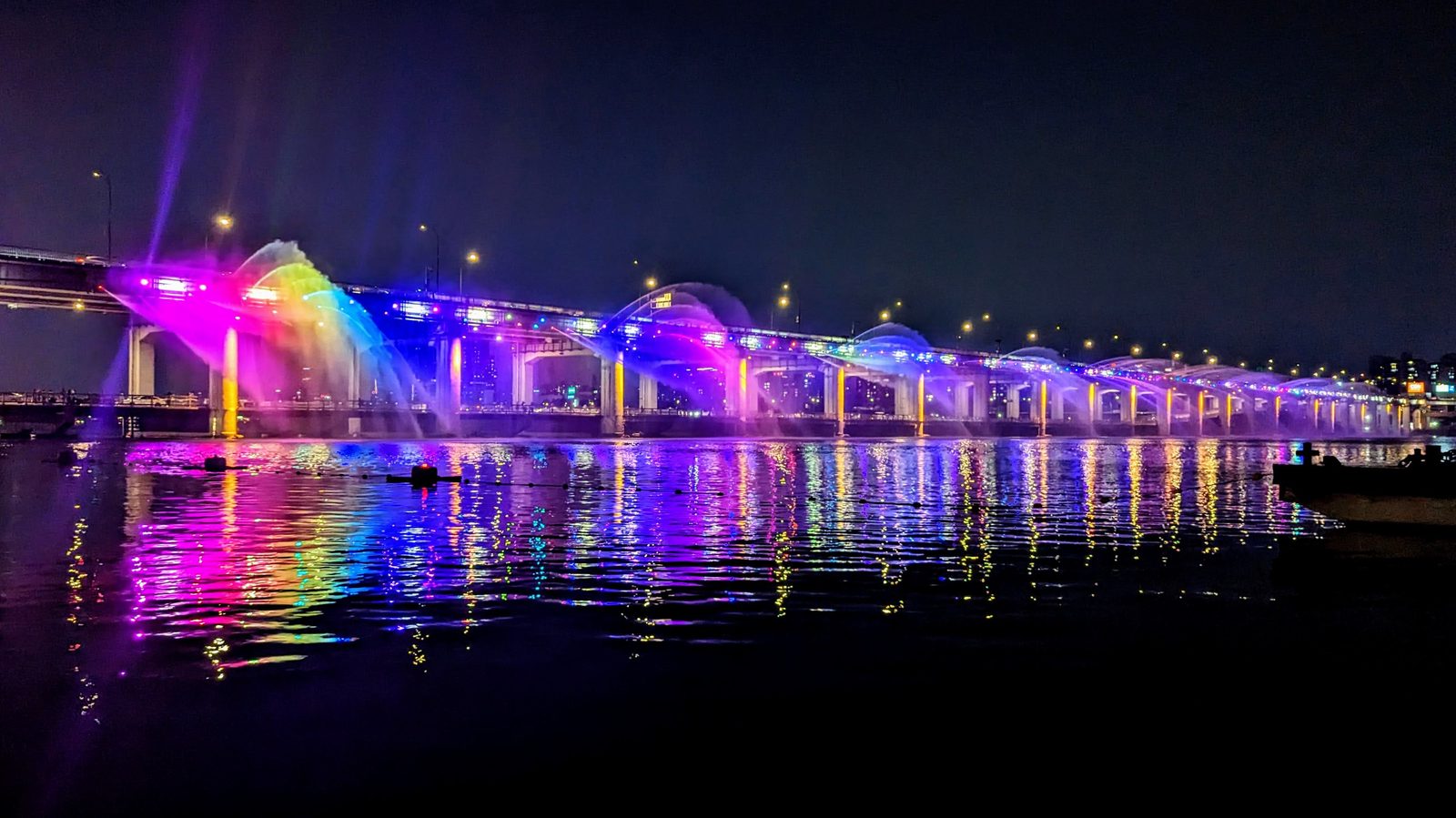
Not for you? Spend Day 3 south of the river in Gangnam instead. The contrast is the point: start at Bongeunsa Temple, a serene Buddhist temple founded in the 8th century, then cross the road into the futuristic COEX Mall and its Starfield Library, a soaring atrium of book towers that has become one of Seoul’s most photographed interiors. Add Gangnam Station’s shopping streets and the boutiques of Garosu-gil in Sinsa, and finish with an evening walk in a Han River park — Banpo, with its rainbow fountain bridge, is the classic choice. It is a completely different Seoul from Day 1’s palaces, and seeing both sides of the river is what makes three days feel well spent.
Back in the city after the DMZ with an evening free? Hongdae is the natural landing spot — or, if you have a fourth day, the day trip out to Nami Island and the Garden of Morning Calm is the easiest add-on: tree-lined lanes, a spectacular arboretum, and an optional rail-bike ride, all handled as one return trip from Seoul.
How This Fits Together
A few final tips. Rent the hanbok on palace morning, not as an afterthought — free entry plus the photos makes it the best-value hour of the trip. Book the Secret Garden session and the DMZ tour before you fly; everything else in this itinerary can be decided on the day. Pack your three days in the order above but stay flexible on which weekday is which: palaces cannot move to a Monday or Tuesday, Bukchon cannot move to an evening, and the tower deserves a clear day — check the forecast on arrival and shuffle Days 2 and 3 if the weather demands it.
Seoul pairs beautifully with the other great East Asian city breaks: my Hong Kong in 3 Days itinerary uses exactly the same group-by-neighbourhood method, and Osaka in 3 Days is the natural next stop if you are stringing this into a longer Asia trip. Three days in Seoul will not finish the city — but done in this order, it will feel like you truly saw it.