
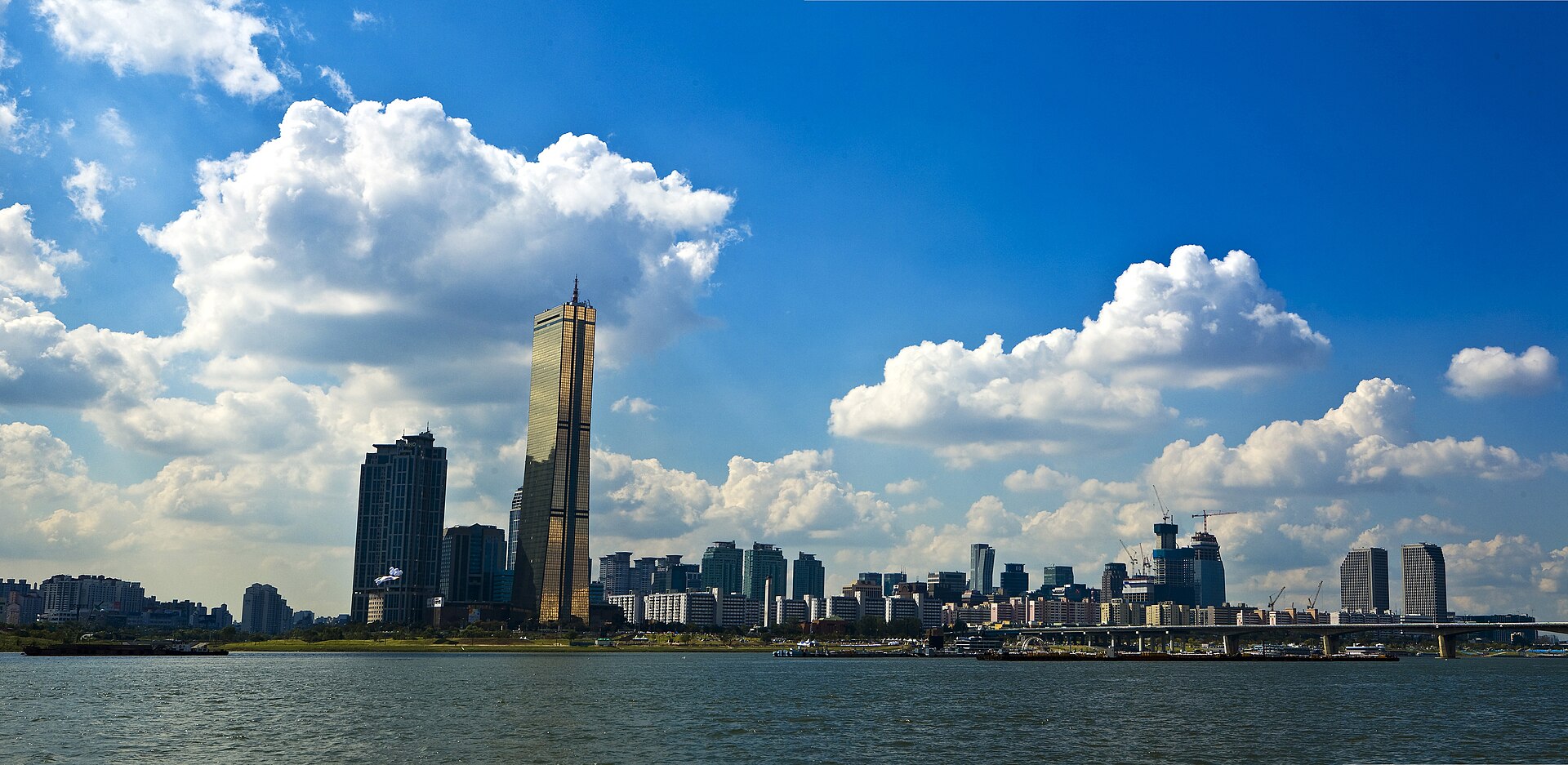
Seoul is two cities in one, and the Han River is the line between them. North of the river is old Seoul: palaces, hanok lanes, temples and markets that have traded for centuries. South of it is new Seoul: Gangnam’s towers, mega-malls and beauty clinics. Where you stay decides which city you wake up in — and for most first-timers, the answer is north. Stay in Myeongdong or Jongno and the classic sights are a walk or one subway stop away; stay in Gangnam and you will spend 30 to 45 minutes on the subway every morning just to get to them.
Never forget a thing before you fly. My free 8-page Travel Planning Checklist walks you through the whole trip — 6 planning timelines, 36 checks, from booking windows to travel-day basics. One email, no spam, unsubscribe anytime.
Disclosure: This post contains affiliate links. If you book through one of these links, I may earn a commission at no extra cost to you.
This guide breaks down Seoul’s best neighborhoods honestly — who each one suits, what it feels like at night, and the catch nobody mentions — with a verified hotel pick at each price point. One rule applies everywhere: stay within a five-minute walk of a subway station. Lines 2, 3 and 4 between them cover almost everything a visitor does.
Quick picks: where to stay in Seoul at a glance
- Easiest first trip: Myeongdong — shopping, street food and the airport bus at your door.
- Most atmosphere: Insadong and Jongno — tea houses, temples and palaces on foot.
- Young, fun and good value: Hongdae — nightlife, indie shops and a direct airport train.
- Business and luxury shopping: Gangnam and COEX — modern Seoul at full gloss.
- Late-night shopping and family value: Dongdaemun — night markets and a design landmark.
- The splurge: a tower-top room in Jamsil, literally above the clouds.
Myeongdong: best for first-timers and shoppers
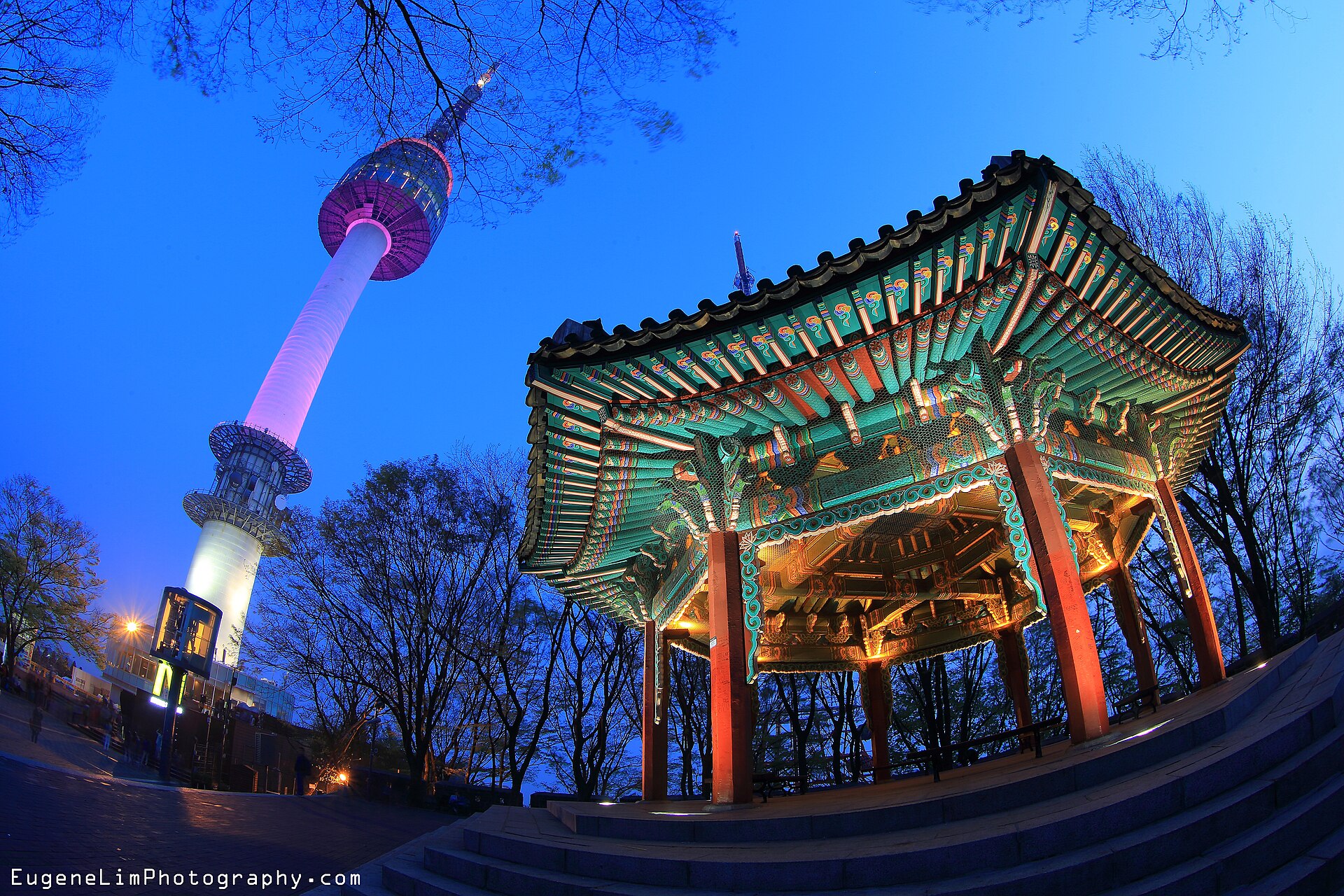
Myeongdong is Seoul’s easiest base. The cathedral anchors one end, Myeongdong Street’s food carts and K-beauty flagships fill the middle, and Namsan Mountain with the N Seoul Tower rises right behind it. Namdaemun Market is a short walk, the palaces are two stops north, and airport limousine buses stop outside the big hotels. The catch: it is touristy, prices run higher, and the streets go quiet surprisingly early once the shops close.
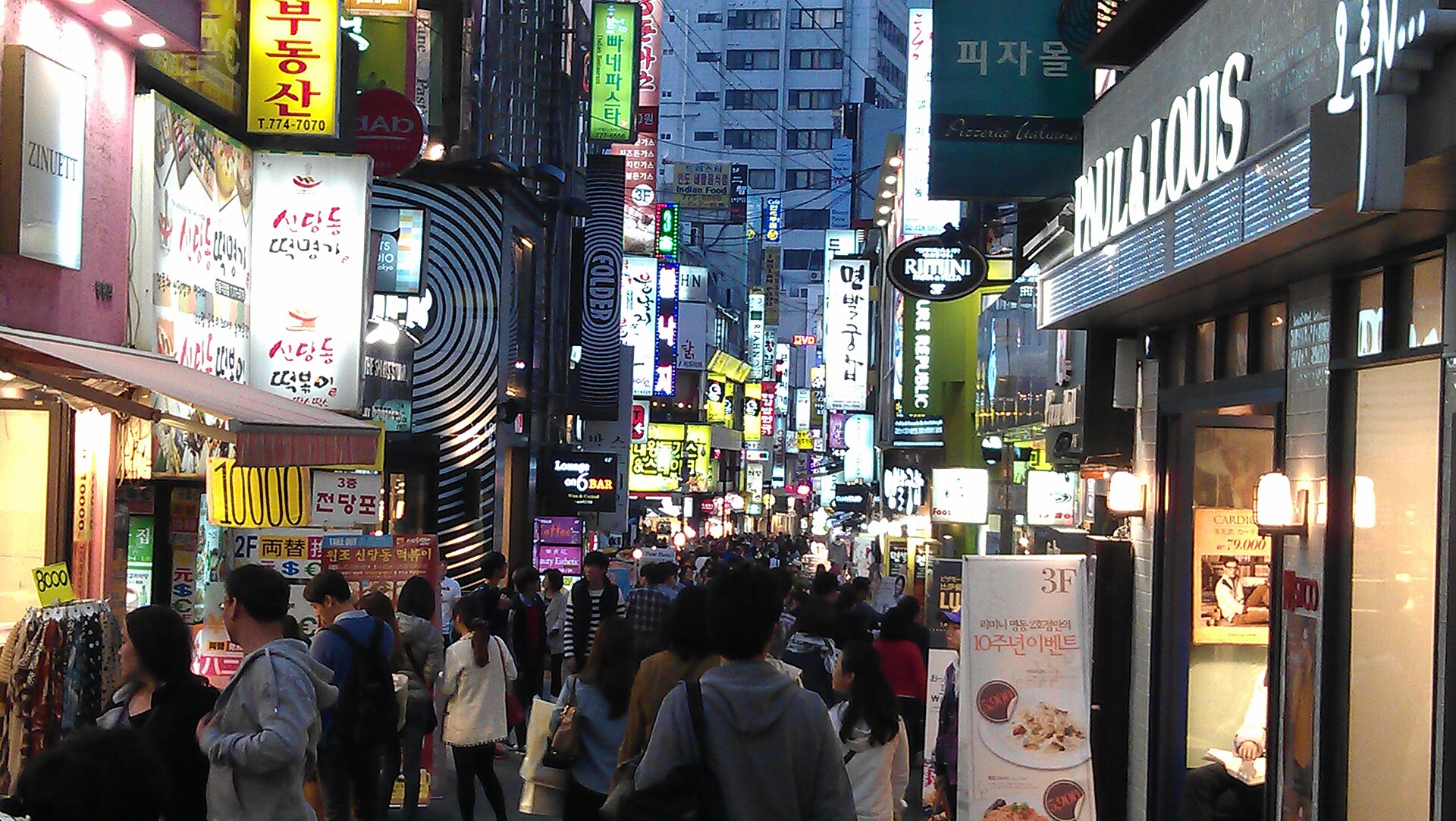
For classic grand-hotel comfort, the Lotte Hotel Seoul — attached to the Lotte Department Store at Euljiro 1-ga station (Line 2) — is the neighborhood’s grande dame, with Namdaemun and the palaces walkable. For something smaller and smarter, Hotel28 Myeongdong is a cinema-themed boutique hotel one minute from Myeongdong Street, a Small Luxury Hotels member with a famously generous free minibar. Just west in Namdaemun, the Courtyard by Marriott Seoul Namdaemun is the reliable mid-range play: modern rooms by Namdaemun Market, handy for Seoul Station and the airport railway.
Insadong, Jongno and Bukchon: best for culture
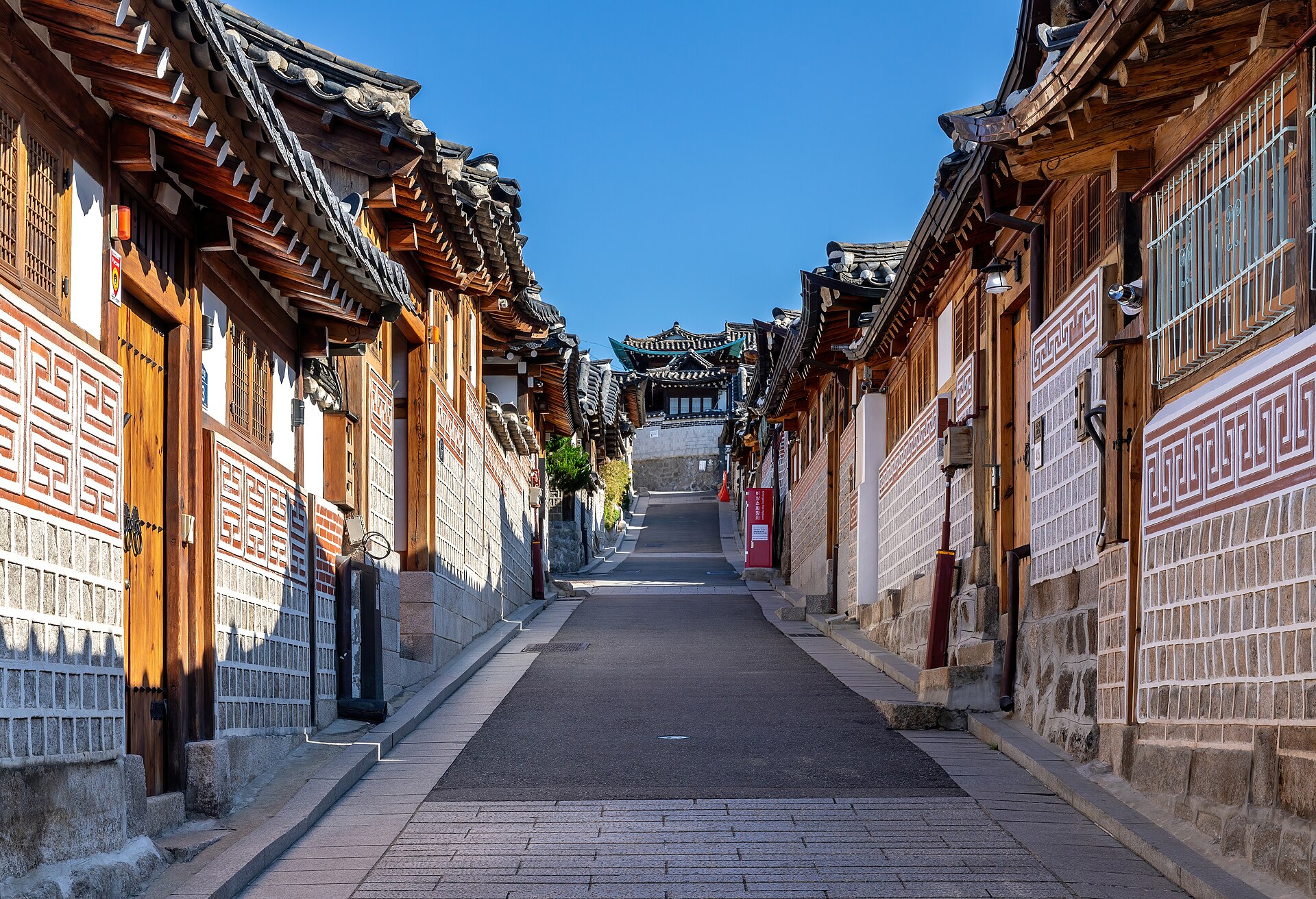
If you came for palaces, stay here. From Jongno you can walk to Gyeongbokgung — Seoul’s grandest palace — along with Changdeokgung, the Bukchon Hanok Village’s tiled-roof lanes, Jogyesa Temple and Insadong’s craft shops and tea houses. Ikseon-dong’s hanok cafes and Gwangjang Market’s food alleys are minutes away. It is quieter at night than Myeongdong or Hongdae, and that is exactly its charm for families and culture-first trips.
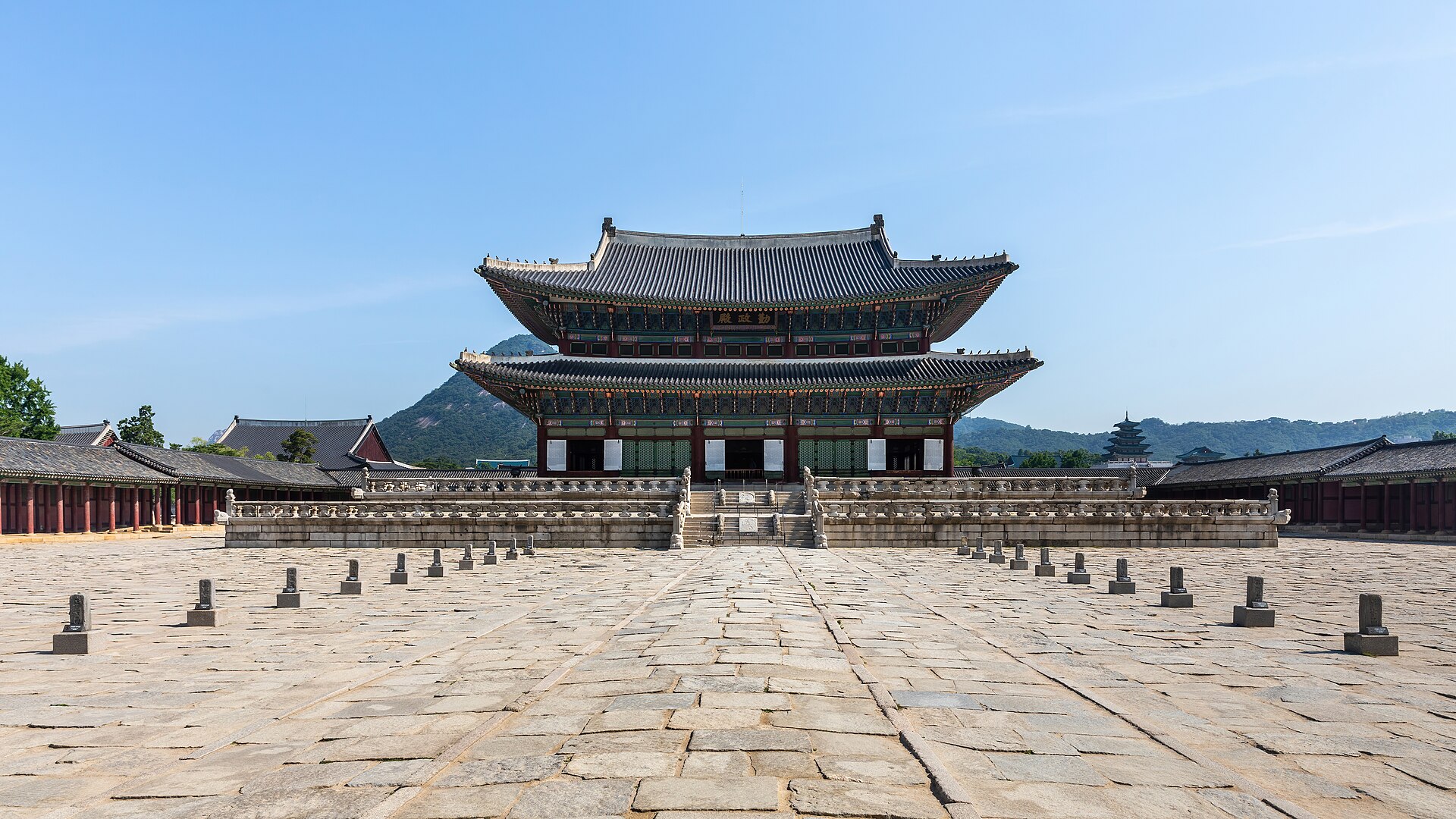
The splurge here is the Four Seasons Hotel Seoul, eight minutes’ walk from Gyeongbokgung at Gwanghwamun, with a spa, indoor pool and service that sets the city’s standard. The smart-value alternative on the same square is the Koreana Hotel: an old-school Gwanghwamun hotel with palace-district views and family rooms at roughly half the luxury price. If a traditional hanok guesthouse tempts you in Bukchon, go in knowing the trade — small rooms, floor bedding and hills — and consider it for a night or two rather than the whole trip.
Hongdae: best for young travelers, nightlife and budget
Hongdae, around Hongik University, is where Seoul goes out. Buskers and indie boutiques fill the main streets, Yeonnam-dong’s cafe lanes and the Gyeongui Line Forest Park soften the edges, and prices for rooms and food run noticeably lower than in Myeongdong. Hongik University station is also a transport jackpot: Line 2, the Gyeongui-Jungang line and the AREX airport express all stop here, so you can ride straight to Incheon Airport with no transfer. The trade-offs are weekend noise and a 25-minute subway ride to the palaces.
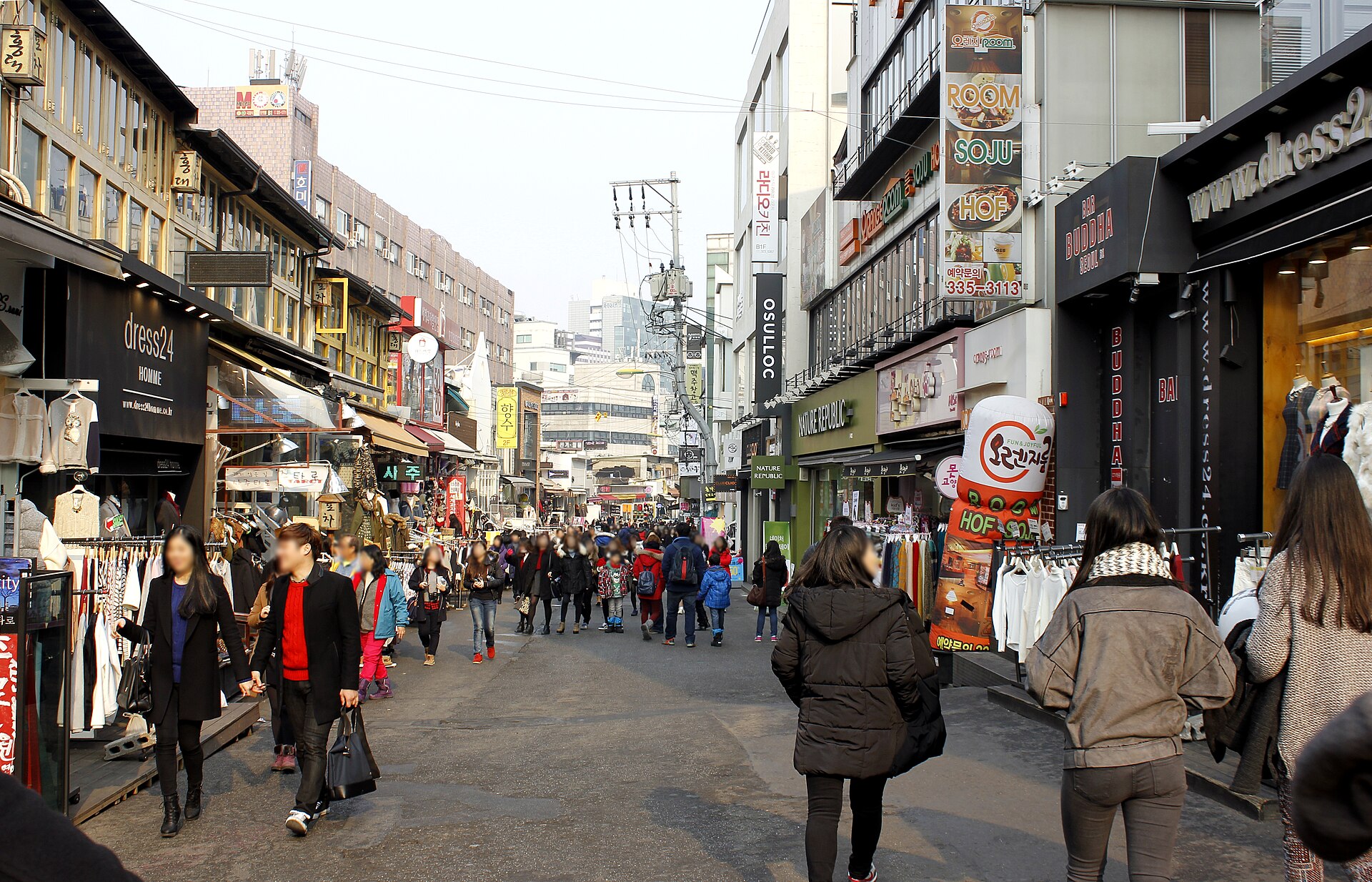
The standout hotel is RYSE, Autograph Collection: an art-filled design hotel three minutes from the station, with deep soaking tubs, a rooftop and proper soundproofing between you and the party below. Budget travelers should look at Hongdae’s many guesthouses and small hotels first — this is Seoul’s best-value sleeping district full stop.
Gangnam and COEX: best for business and modern Seoul
South of the river, Gangnam is the Seoul of glass towers, flagship shopping and K-beauty clinics. Around Samseong station you get the COEX mall and its soaring Starfield Library, the serene Bongeunsa Temple across the street, and Parnas Mall’s dining. Garosu-gil’s boutique street in Sinsa and Apgujeong’s Rodeo are a short ride west. Just be honest about the geography: this is a business and luxury-shopping base, not a sightseeing base — Gyeongbokgung is 30 to 45 minutes away.
The anchor hotel is the Grand InterContinental Seoul Parnas, connected directly to COEX and Parnas Mall and two minutes from Samseong station (Line 2), with renovated rooms and an indoor pool. It is the pick for convention trips, medical-beauty visits and anyone whose Seoul is mostly south of the river.
Dongdaemun: best for night markets and family value
Dongdaemun runs on a different clock: the wholesale fashion malls and night markets peak after dark, under the curves of the Dongdaemun Design Plaza (DDP) and the old East Gate, Heunginjimun. Gwangjang Market and the Cheonggyecheon Stream are walkable, and four subway lines fan out from Dongdaemun History & Culture Park station. By day it is less pretty than Jongno; by night, for shoppers, nothing else comes close.
For five-star calm above it all, the JW Marriott Dongdaemun Square Seoul faces Heunginjimun directly, connects internally to the station, and counters the market chaos with a spa and rooftop bar. Families do better still at the Novotel Ambassador Seoul Dongdaemun, whose residence rooms add kitchenettes and whose rooftop pool is a genuine kid-pleaser, with the DDP and Gwangjang in walking distance.
Itaewon: best for international food and repeat visitors
Itaewon and neighboring Hannam-dong are Seoul’s most international corners — the mosque on the hill, restaurants from everywhere, the Leeum Museum of Art’s serious collections, and Namsan Park behind. It suits repeat visitors, food-first travelers and anyone who wants nightlife with an expat mix. It is hilly, and family-sized hotels are thinner on the ground.
The hotel that changed the area is the Mondrian Seoul Itaewon: a resort-feeling design property with indoor and seasonal outdoor pools and a rooftop bar, about ten minutes from Itaewon station (Line 6) — a place locals book for staycations, which tells you plenty.
The splurge: sleeping in Korea’s tallest building
Over in Jamsil, east Seoul, the Signiel Seoul occupies floors 76 to 101 of the Lotte World Tower, Korea’s tallest building. Every room is a sky room, the pool sits on the 85th floor, and Lotte World, Seokchon Lake and Olympic Park are below you. Jamsil is its own base rather than a central one, so treat Signiel as a one- or two-night finale rather than your whole stay — as finales go, it is unbeatable.
Two more areas deserve an honest mention without a hotel pick: Yeouido, the finance island with Hangang Park, IFC Mall and The Hyundai Seoul, is lovely for river walks and cherry blossom season but quiet on weekends; Mapo and Gongdeok, west of Seoul Station, is a value play for longer stays — AREX airport trains, Mangwon Market and Han River views, with the palaces 15 to 20 minutes away.
Getting around and getting in
From Incheon Airport, the AREX express reaches Seoul Station in about 43 minutes, and regular AREX trains stop at Hongik University for Hongdae. Airport limousine buses serve the Myeongdong, Jongno and Gangnam hotel districts directly. In the city, pick up a T-money card at any convenience store, tap on and off buses and subways, and plan around a network that runs roughly 05:30 to midnight. If you are building a wider Asia trip around Seoul, the same north-of-the-river logic applies elsewhere — compare bases in our where to stay in Hong Kong guide and our where to stay in Osaka guide, and see how a tight city break fits together in our Hong Kong in 3 Days itinerary.
Three Seoul experiences worth booking ahead
The DMZ. The Demilitarized Zone is the one trip every Seoul visitor talks about afterward — the Third Tunnel, Dora Observatory and a question-and-answer session with a North Korean defector. It sells out and requires your passport on the day, so book the DMZ day tour from Seoul (4.9 stars from more than 23,000 reviews, free cancellation to 24 hours) before you fly.
A full-day city tour. If your hotel days are short, one guided sweep covers Gyeongbokgung’s changing of the guard, Insadong, Gwangjang Market and the cable car up to N Seoul Tower. The full-day Seoul city tour (4.9 stars, free cancellation to 24 hours) is the best-reviewed version and picks up from downtown hotels — ideal from Jongno and Myeongdong bases.
Nami Island and the Garden of Morning Calm. For a green day out of the city, the Nami Island and Garden of Morning Calm day trip pairs the famous tree-lined island with Korea’s prettiest arboretum and an optional rail-bike ride, with pickups in Hongdae, Myeongdong and Dongdaemun — whichever base you chose, it comes to you.
So, where should you stay in Seoul?
First trip, short trip: Myeongdong. First trip, culture trip: Jongno or Insadong. Young, social and budget-aware: Hongdae. Business or beauty trip: Gangnam near COEX. Night-owl shoppers and families who want a pool: Dongdaemun. And if the budget stretches to one unforgettable night, finish in the sky at Jamsil. Seoul’s subway is so good that no choice here is a bad one — but the right neighborhood is the difference between seeing Seoul and commuting through it.