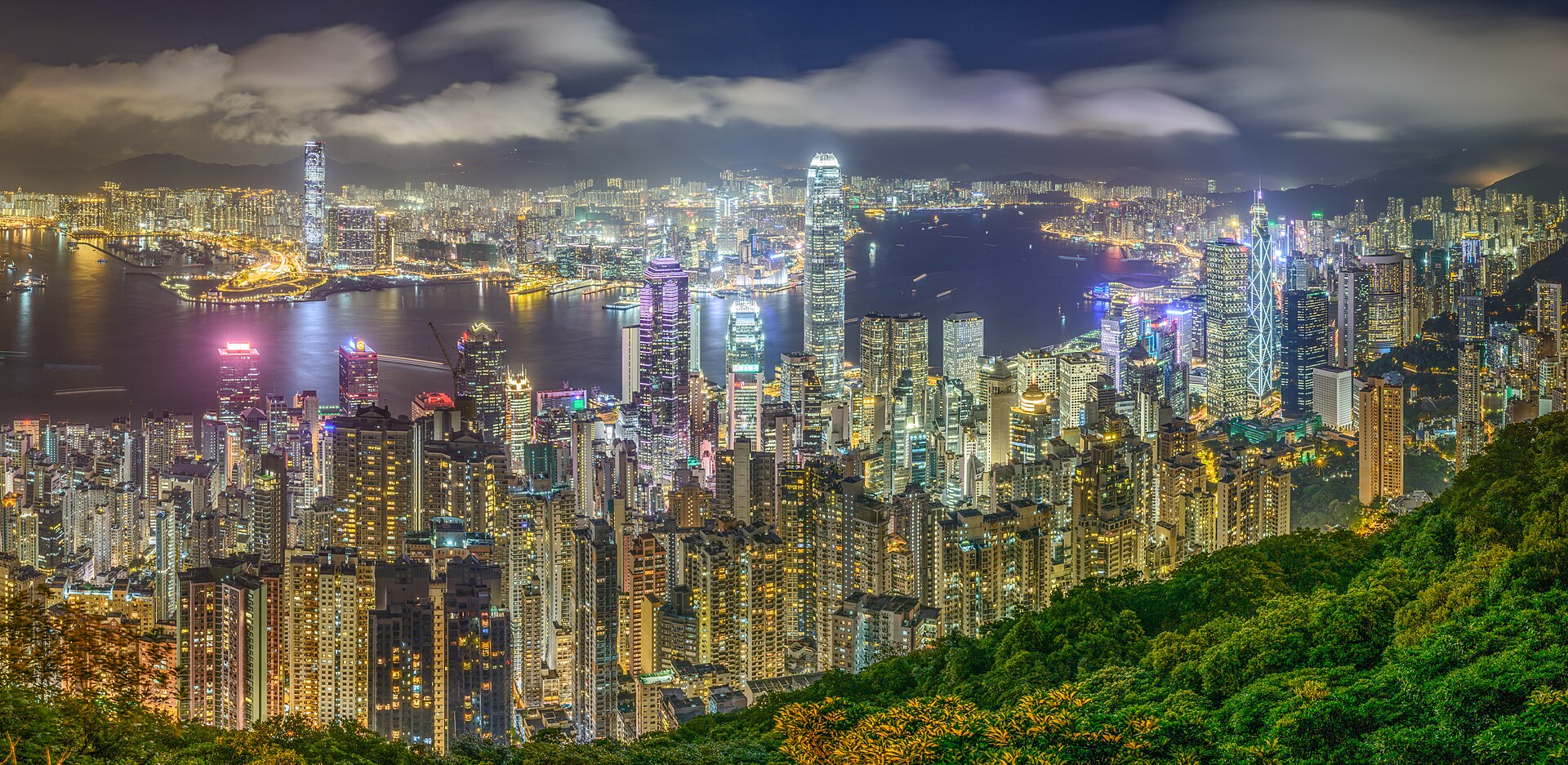
Hong Kong is two cities stitched together by one of the world’s great harbours: the skyscraper canyons of Hong Kong Island on one side, the markets and museums of Kowloon on the other, and a mountain-and-sea island escape — Lantau — waiting out by the airport. Three days is enough to do all three properly if you group your sightseeing by area instead of zigzagging across the water. This itinerary does exactly that: Day 1 on the Island, Day 2 in Kowloon, Day 3 on Lantau, finishing within easy reach of your flight home. And if you are travelling in late October through December, you have picked the sweet spot — mild, dry weather in the 20s Celsius (70s Fahrenheit) and the clearest skies of the year. For where to base yourself each night, see my companion guide to where to stay in Hong Kong.
Never forget a thing before you fly. My free 8-page Travel Planning Checklist walks you through the whole trip — 6 planning timelines, 36 checks, from booking windows to travel-day basics. One email, no spam, unsubscribe anytime.
Disclosure: This post contains affiliate links. If you book through one of these links, I may earn a commission at no extra cost to you.
Before you go: getting around Hong Kong
Start with an Octopus card, Hong Kong’s rechargeable travel card. The on-loan adult version costs HK$150 (a HK$50 refundable deposit plus HK$100 of credit), works on the MTR, buses, trams and ferries as well as in convenience stores, and can be bought at the airport or any MTR station. The Airport Express train reaches Hong Kong Station in Central in 24 minutes (HK$120 paying by Octopus or contactless card) and Kowloon Station in 21 minutes — it is the fastest, least stressful arrival in Asia. Once you are in town, the MTR runs roughly 05:30 to 01:00 with bilingual signs and announcements; Central to Tsim Sha Tsui takes minutes and costs around HK$10.60. US passport holders can enter Hong Kong visa-free for up to 90 days, in a system completely separate from mainland China’s.
Day 1: Hong Kong Island — the Peak and Old Town Central
Go up early. The Peak Tram, climbing from Central since 1888, runs from 07:30 and the queues build fast; an adult return costs HK$116, or HK$182 combined with Sky Terrace 428, the viewing deck 428 metres above sea level on top of the Peak Tower — the highest in Hong Kong. On a clear late-autumn morning the panorama takes in the whole harbour, Kowloon and the green hills behind the towers. Walk a stretch of Lugard Road on the Peak’s flat circular path for the same view without the deck fee, then ride down and start on Old Town Central.
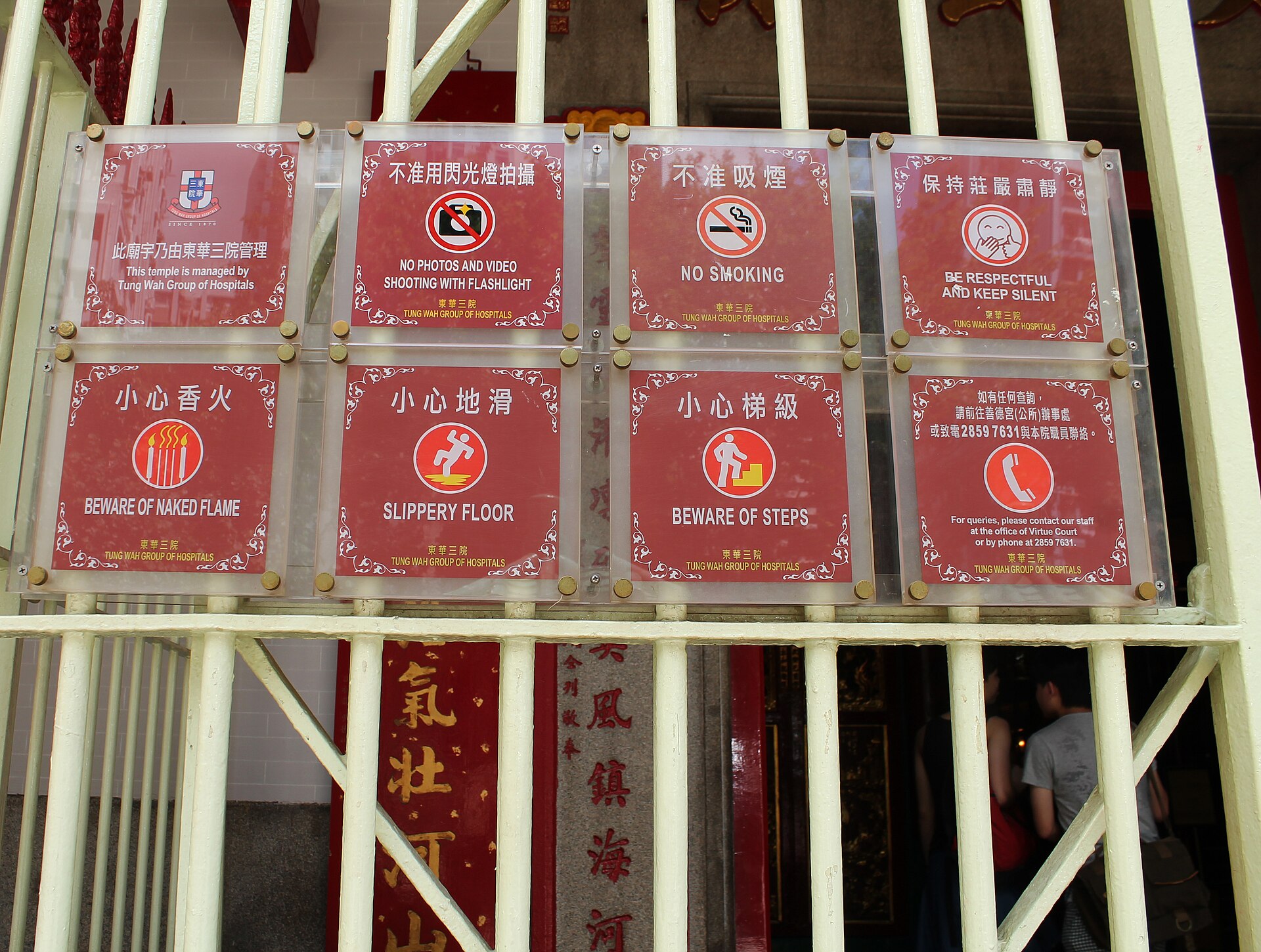
The Central–Mid-Levels Escalators — the world’s longest outdoor covered escalator system, about 800 metres of moving walkways — carry you uphill into SoHo and Sheung Wan for free (they run downhill until 10:00, then uphill until midnight). Step off for Man Mo Temple on Hollywood Road, built in the 1840s, where enormous incense coils hang from the ceiling, each one burning for days and carrying a worshipper’s prayer. A few minutes away, Tai Kwun — the former Central Police Station, magistracy and Victoria Prison, now a free-entry heritage and arts centre — and PMQ, a 1950s police married quarters turned design hub with more than 100 small studios and shops, fill an easy afternoon. Finish with a ride on a “ding ding,” the double-decker trams that have run along the Island’s north shore for over a century: a flat HK$3.30 for adults, and the cheapest sightseeing in the city.
If you would rather have Day 1 led for you, the Hong Kong day tour with priority Peak Tram boarding, an Old Town Central walk and a dim sum tasting covers almost this exact route in 5–7 hours, skips the tram queue, and ends with dim sum at a Michelin-awarded restaurant — a smart trade on a short trip.
Day 2: Kowloon — museums, markets and the harbour at night
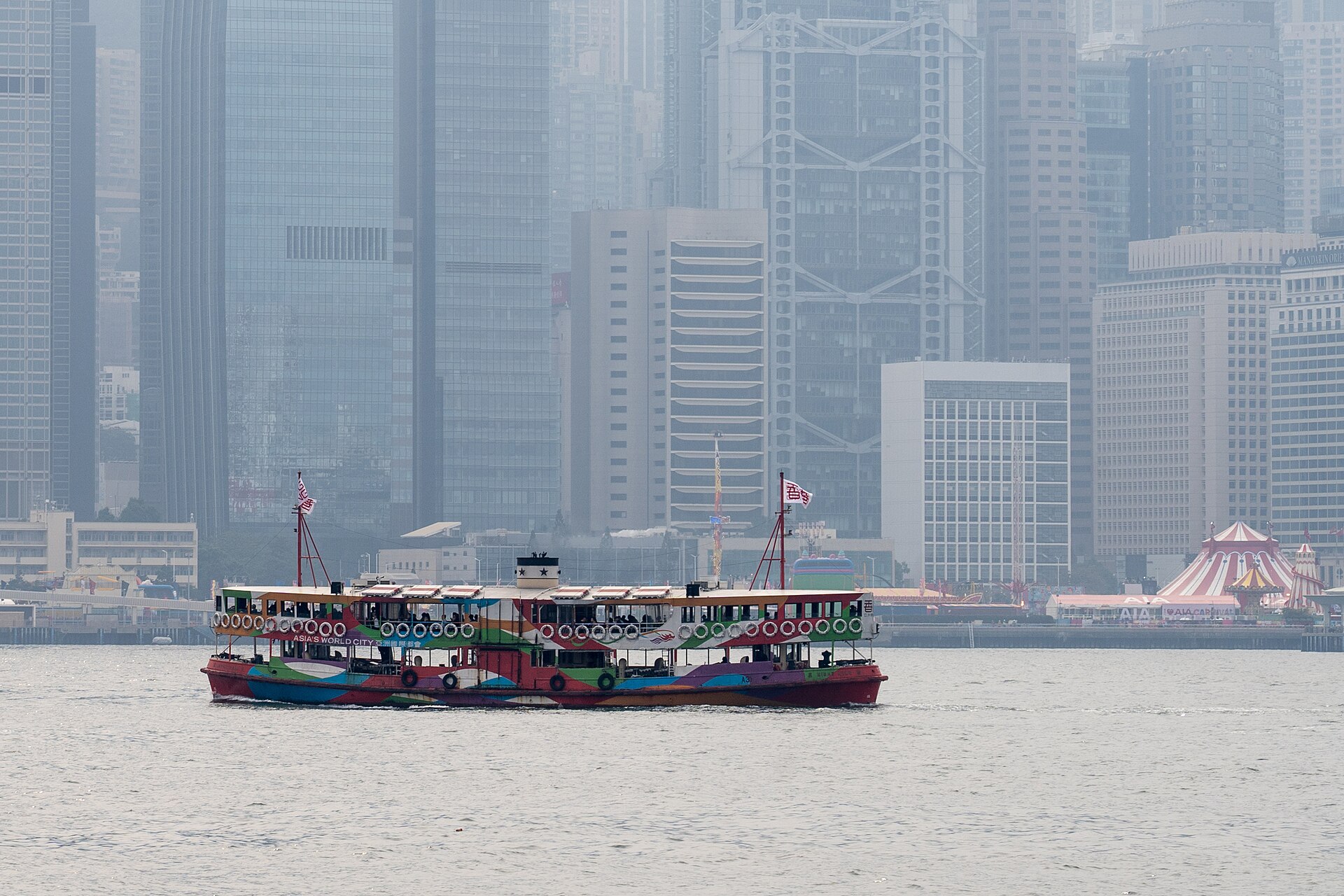
Cross the harbour the old way: the Star Ferry from Central to Tsim Sha Tsui takes about nine minutes and costs HK$5.00 for an upper-deck seat on weekdays — sit on the right-hand side for the best skyline views. Spend the morning on the Tsim Sha Tsui waterfront: the Avenue of Stars promenade, with its film-industry handprints and Bruce Lee statue, then walk ten minutes to the West Kowloon Cultural District. There, M+ is Asia’s major museum of contemporary visual culture, and the Hong Kong Palace Museum displays more than 900 artefacts on loan from Beijing’s Palace Museum. One planning warning that catches people out: M+ closes on Mondays and the Palace Museum closes on Tuesdays, so swap Day 1 and Day 2 if your dates collide.
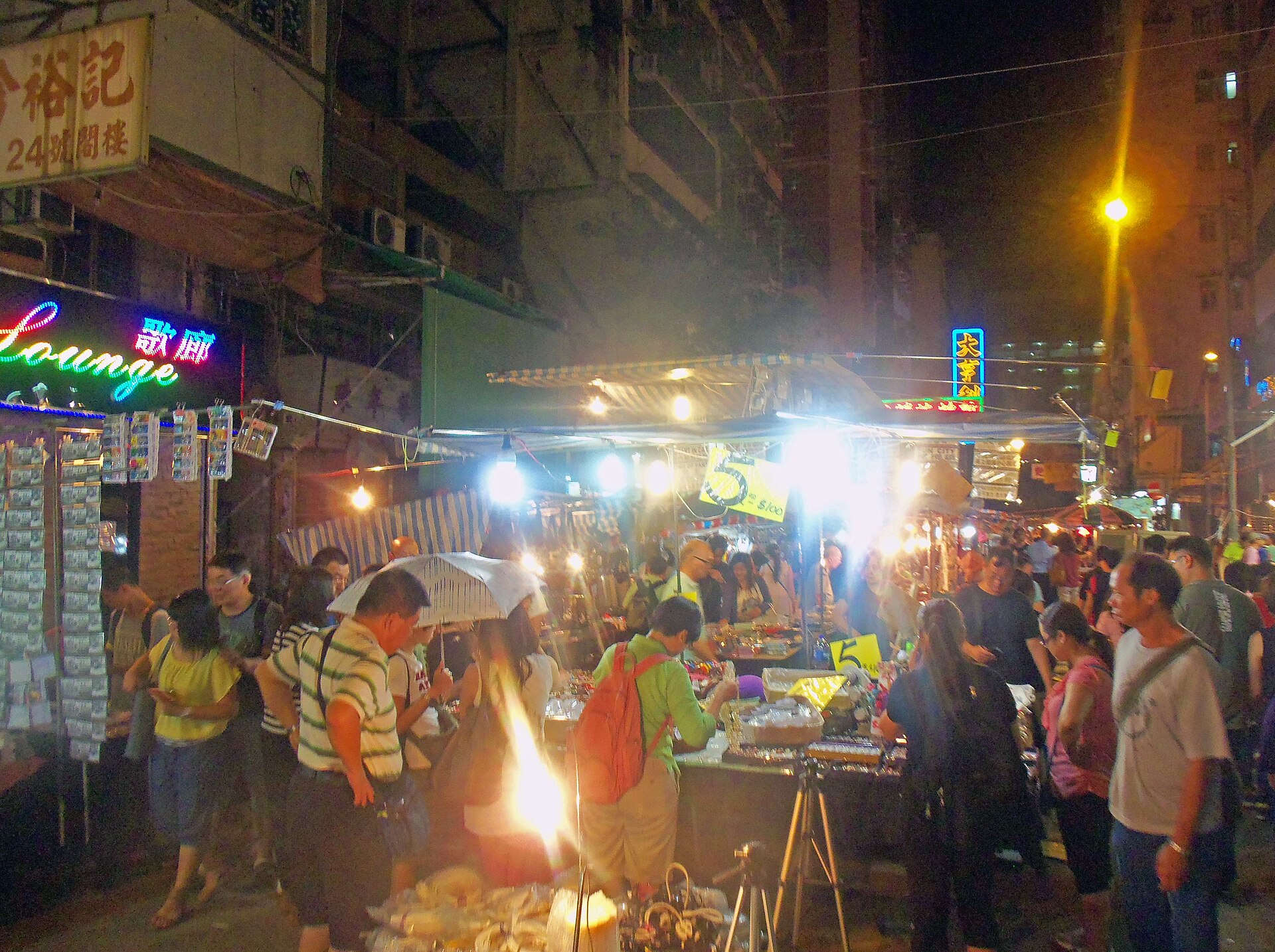
Head north up Nathan Road in the afternoon. Mong Kok is Kowloon at full volume: the Ladies’ Market on Tung Choi Street runs for about a kilometre with more than 100 stalls (bargaining is expected), surrounded by sneaker shops, electronics and some of the best cheap eating in the city. As the light fades, drift south to Temple Street in Yau Ma Tei — Hong Kong’s classic night market, with street-food stalls, fortune tellers and open-air Cantonese opera singers. Then be back on the Tsim Sha Tsui promenade by 20:00 for A Symphony of Lights, the free nightly light-and-sound show played across both sides of the harbour; it lasts about ten minutes and is weather permitting, so check the forecast on stormy days.
Day 3: Lantau Island — the Big Buddha and Tai O
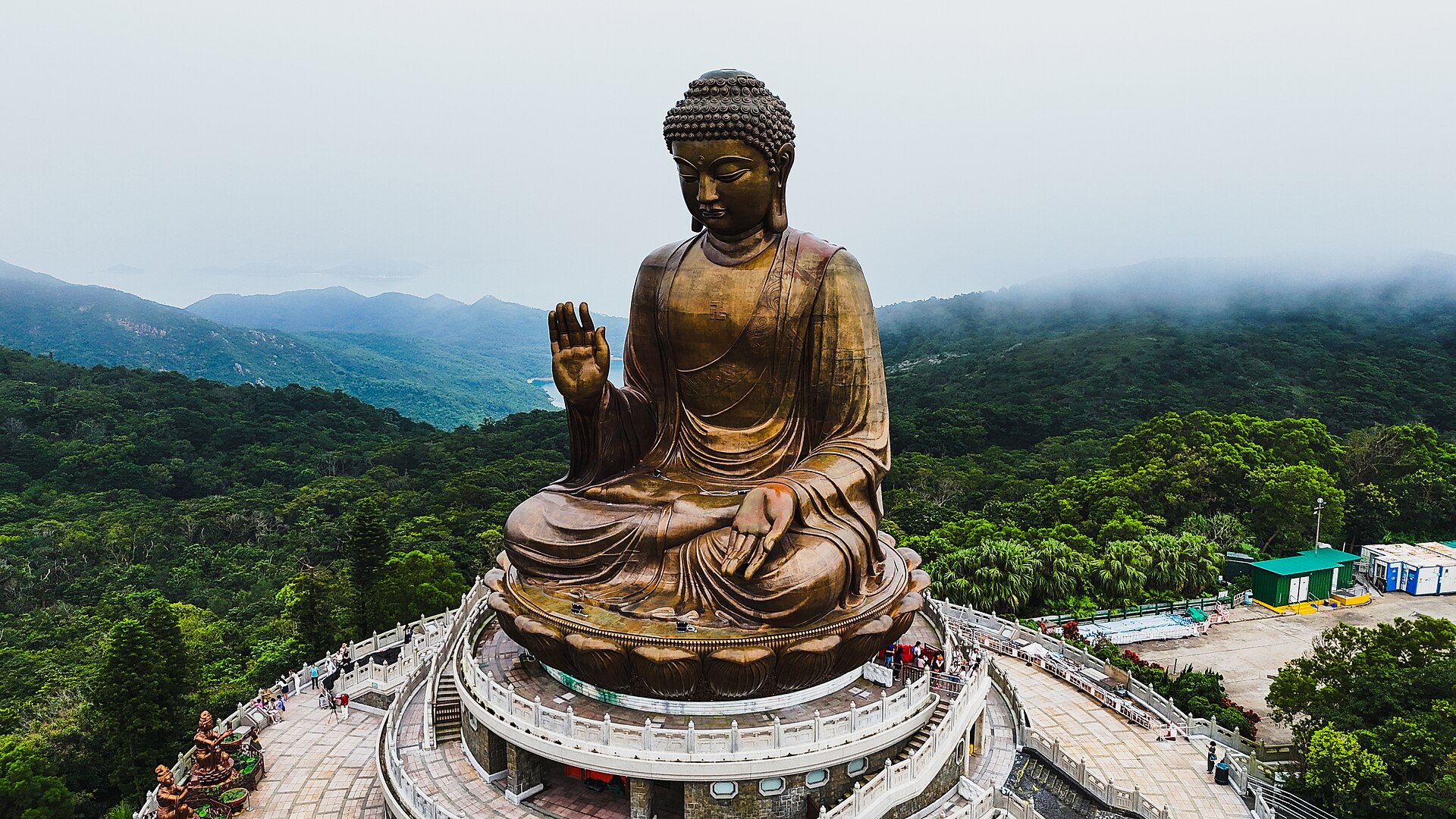
Lantau is Hong Kong’s largest island — and, handily, the airport’s island, which makes it the natural final day. Ride the Tung Chung Line to its end (around 30–35 minutes from Central), then take the Ngong Ping 360 cable car: a 5.7-kilometre, 25-minute glide over the harbour and Lantau’s green ridges, with glass-floor Crystal Cabins if heights do not bother you. At the top, climb the 268 steps to the Tian Tan Buddha — the 34-metre bronze statue, completed in 1993, is free to visit at platform level — and step into neighbouring Po Lin Monastery, one of Hong Kong’s most important Buddhist monasteries, where the vegetarian restaurant is a destination in itself.
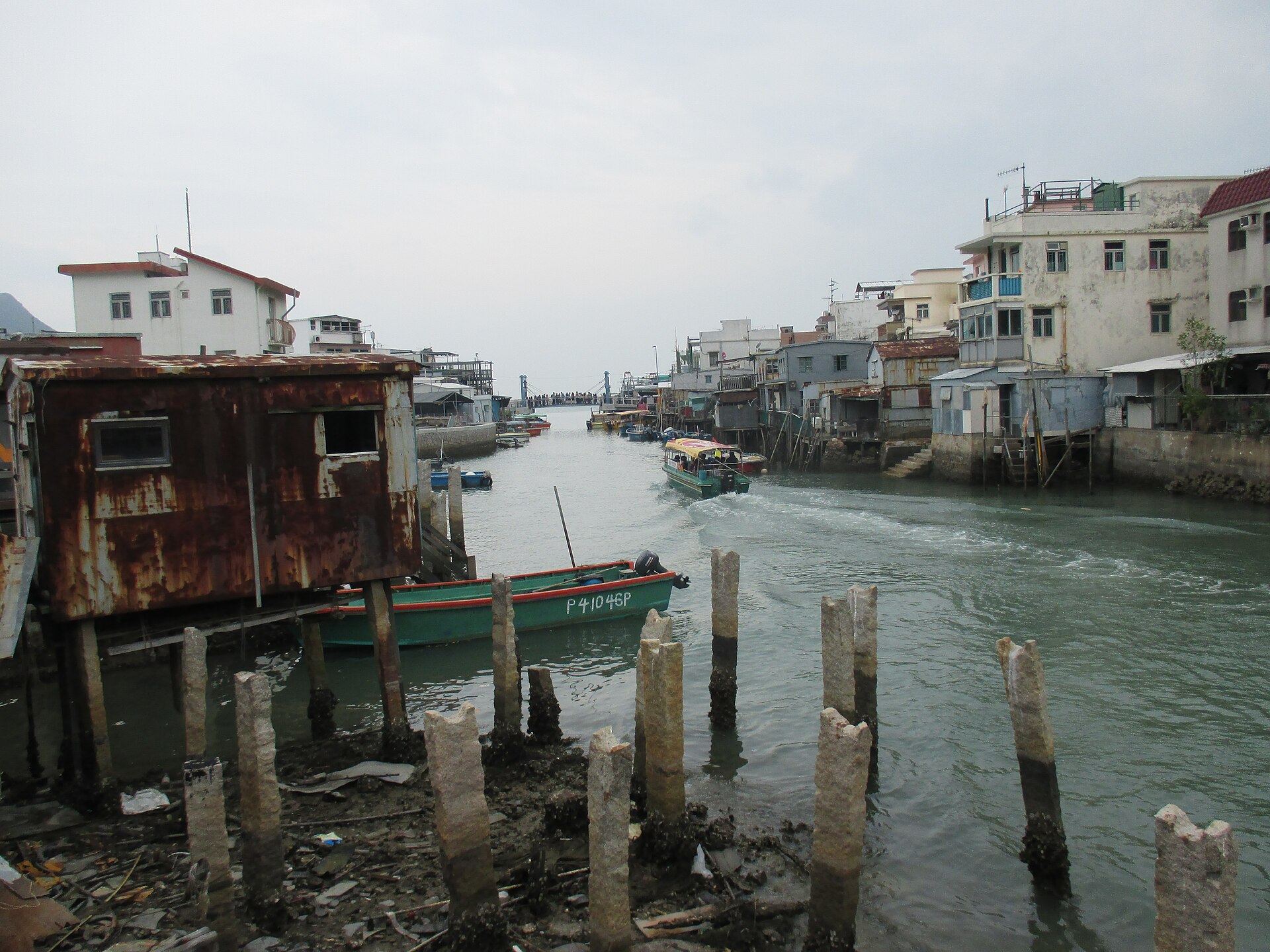
From Ngong Ping, a bus ride of about 20–30 minutes brings you to Tai O, a fishing village of houses built on stilts over the water, famous for shrimp paste, seafood snacks and a slower, older Hong Kong that feels a world away from Central. Allow two unhurried hours here. Doing Lantau independently is straightforward, but the logistics — cable-car queues especially — are exactly what the Ngong Ping 360, Tai O and Big Buddha tour run by the cable car’s own operator removes: priority boarding, the Big Buddha and monastery with a guide, a Tai O boat ride past the stilt houses included, and free cancellation up to 24 hours ahead.
Heading home, you have two easy options: ride the cable car back to Tung Chung and take the MTR and Airport Express to the airport, or check whether your airline offers in-town check-in at Hong Kong or Kowloon Station, which lets you drop your bags in the morning and sightsee unencumbered. Either way, Lantau on your last day means no cross-city dash before a flight.
What to eat in Hong Kong
Build at least one morning around dim sum — the “four heavenly kings” of siu mai (pork and shrimp dumplings), har gow (translucent shrimp dumplings), char siu bao (barbecue pork buns) and the egg tart, whose flaky custard technique is on Hong Kong’s intangible cultural heritage list. For everyday eating, find a cha chaan teng, Hong Kong’s beloved diner-cafés: silk-stocking milk tea strained through cloth, a pineapple bun (no pineapple — the name comes from its crackled top), Hong Kong-style French toast, and yuenyeung, a tea-and-coffee mix that sounds wrong and tastes right. Wonton noodles — springy egg noodles with shrimp wontons in a clear broth — are the other essential bowl; Wellington Street in Central is lined with famous shops. If eating your way through the old town with a local sounds better than queueing alone, the Old Town Central street food and restaurant tour packs 10 or more tastings — dim sum, wontons, barbecue pork, egg tarts and egg waffles — into three hours in Sheung Wan.
Practical tips for your 3 days
When to go: Late October to December is Hong Kong at its best — warm, dry and clear. March and April are the runner-up. The typhoon season runs roughly May to November and peaks in summer; if a Signal 8 is hoisted, transport winds down and outdoor plans stop, so keep one flexible half-day in reserve on summer trips. Money and tipping: The currency is the Hong Kong dollar. Restaurants usually add a 10% service charge, after which no further tip is obligatory; taxi drivers expect you to round up. Pacing: Hong Kong rewards early starts — the Peak, the cable car and the big museums are all calmer before 10:00, and the city is at its best after dark, so plan a mid-afternoon rest rather than an early night.
Three days will not exhaust Hong Kong — it will calibrate it. You will leave knowing which side of the harbour you prefer, which market you would return to, and why the Star Ferry might be the best-value boat ride on earth. Planning a longer Asia trip? Pair this itinerary with Tokyo in 3 days or Kyoto in 3 days — the same one-area-per-day approach works just as well in both.