
Kyoto rewards a second look. Once you have walked the vermilion gates of Fushimi Inari, stood in the Arashiyama Bamboo Grove and seen the Golden Pavilion, the city does not run out of wonders — it just gets quieter. Beyond the headline sights are a temple filled with 1,200 grinning stone statues, a tiny moss garden, a carved wooden bathhouse locals have used since 1923, and a sake district most visitors never reach. Here are ten of them, with what each costs, when it closes, and the honest caveats — a couple are famous in their own right, and one now shuts two days a week.
Never forget a thing before you fly. My free 8-page Travel Planning Checklist walks you through the whole trip — 6 planning timelines, 36 checks, from booking windows to travel-day basics. One email, no spam, unsubscribe anytime.
Disclosure: This post contains affiliate links. If you book through one of these links, I may earn a commission at no extra cost to you.
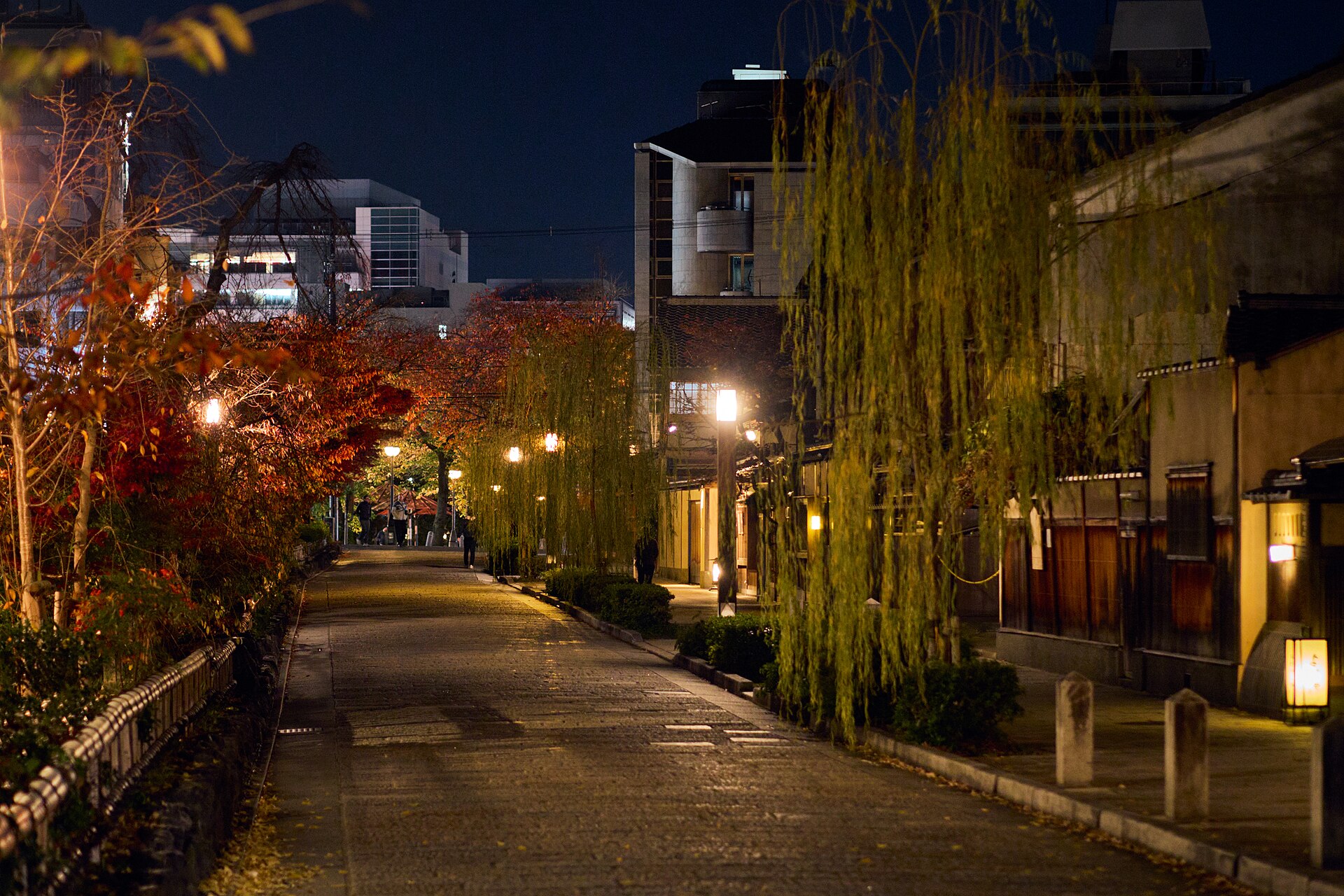
Planning the classic sights too? Start with our Kyoto in 3 Days itinerary, then fill its gaps from this list.
1. Otagi Nenbutsu-ji: the temple of 1,200 smiling statues
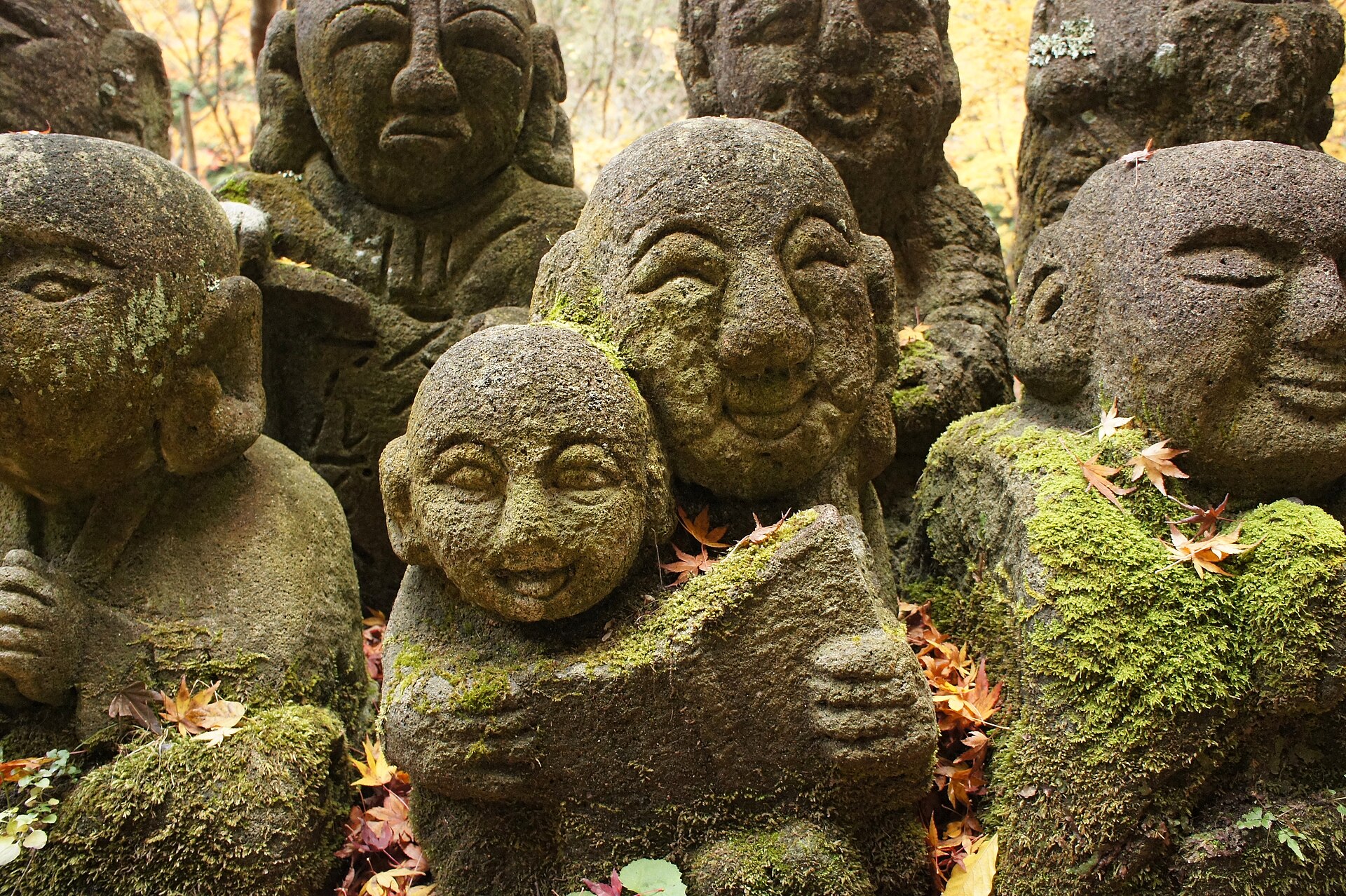
At the far end of Sagano, well past where the Bamboo Grove crowds turn back, Otagi Nenbutsu-ji is covered in more than 1,200 stone rakan statues — disciples of the Buddha carved from 1981 onward not by master sculptors but by ordinary visitors, guided by the temple’s head priest. The result is joyful rather than solemn: statues laughing, raising a sake cup, holding a camera or cradling a cat, all softening under moss.
Entry is ¥500 and the temple is now closed on Wednesdays and Saturdays (a change from November 2025 that older guides miss). It gets busy in peak season — go on a weekday morning. Take the bus from JR Saga-Arashiyama to Otagi-dera-mae, or walk uphill and stroll back down the preserved Saga-Toriimoto street. Bring cash.
2. Gio-ji: a tiny moss garden under the maples
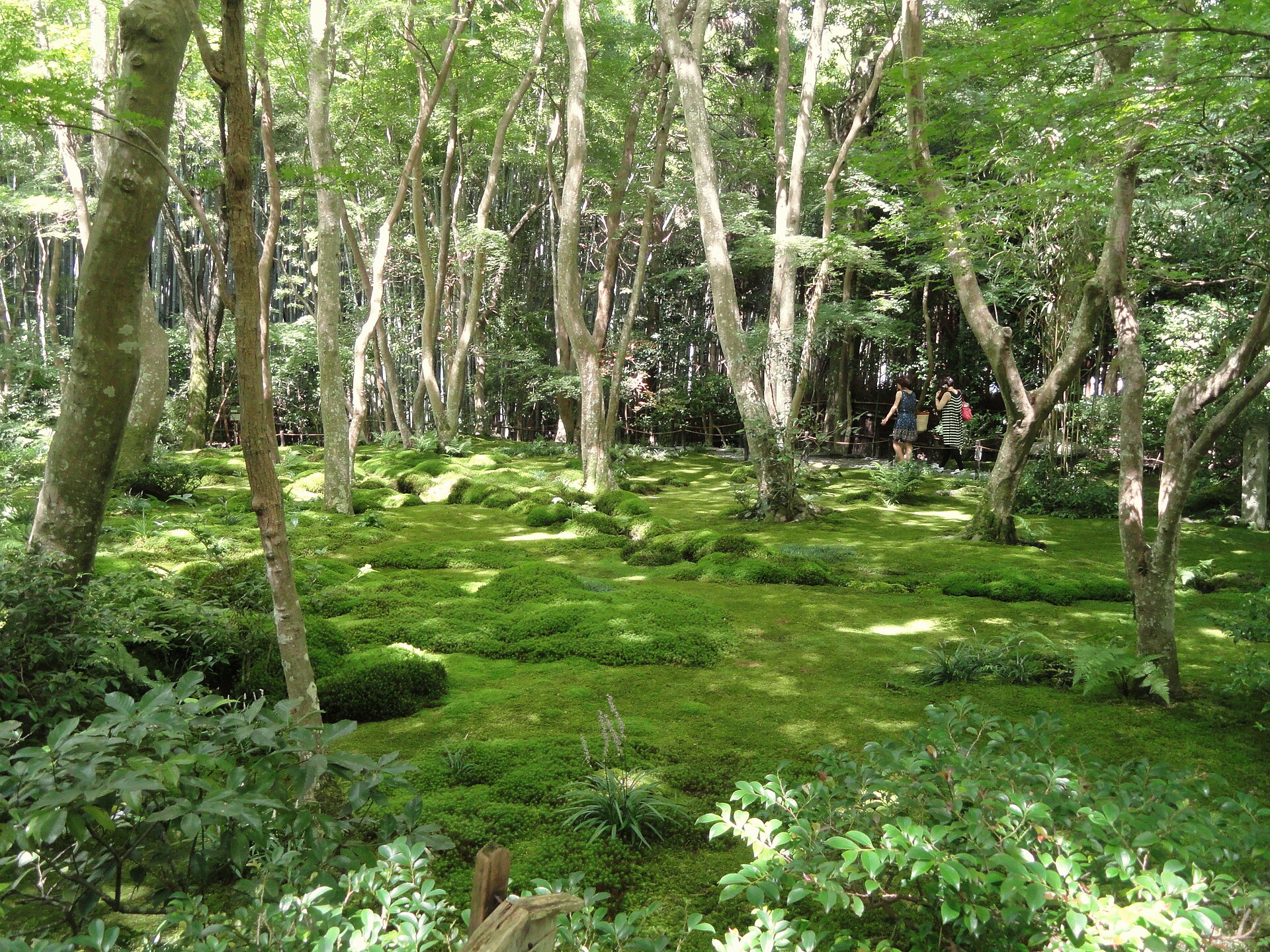
Ten minutes from Otagi Nenbutsu-ji, Gio-ji is the opposite mood: a small former nunnery tied to Gio, a Heian-period dancer who became a nun here, remembered in the Tale of the Heike. There is one thatched hall with a round window and one exquisite moss garden shaded by maples and bamboo — that is all, and it is enough. Entry is ¥300 (a joint ticket with nearby Daikaku-ji is also sold; check the price at the counter), open 9:00–17:00, last entry 16:30. Come after rain, when the moss is greenest, and pair it with Otagi Nenbutsu-ji for a deep-Sagano morning. To explore this side of Kyoto with a guide, this top-rated Arashiyama walking tour covering the Bamboo Grove, Tenryu-ji and the Monkey Park holds a 5.0 rating from more than 1,500 travellers.
3. Funaoka Onsen: Kyoto’s most beautiful bathhouse
Despite the name, Funaoka Onsen is a sento — a neighbourhood bathhouse with heated water, not a natural hot spring — and it is a masterpiece. The 1923 building is a registered cultural property, its changing room lined with carved wooden ranma panels that reportedly took court carvers a decade. Inside are several baths and a sauna, filled mostly with local regulars. Admission is ¥550, cash only; hours are 15:00–23:30 Monday to Saturday and from 8:00 on Sundays, closed Tuesdays. Kyoto’s official public-bath guide lists it as tattoo-OK. Bring or rent a towel, wash before entering the tubs, and take bus 206 from Kyoto Station to Senbon-Kuramaguchi, then walk five minutes.
4. Honen-in: the temple that opens at 6am
Most Kyoto temples open at 9:00. Honen-in’s grounds open at 6:00 — and at that hour you may have its moss-thick thatched gate and forested approach to yourself. The temple, founded in 1680 for Honen, founder of the Jodo sect, is known for two raised white-sand mounds flanking the path, re-raked with seasonal designs; walking between them is said to purify the mind. The grounds are free, 6:00–16:00. The halls and inner garden open only for one special week each in April and November (autumn 2026: 18–24 November, ¥800) — outside those weeks, the gate, mounds and woods are the visit, and they are lovely. Reach it as a detour off the Philosopher’s Path, or by bus 5 to Jodoji plus a 10-minute walk.
5. Shosei-en Garden: the garden hiding by Kyoto Station
Ten minutes’ walk from Kyoto Station, travellers hurry past one of the city’s finest Edo-period gardens. Shosei-en, the detached villa garden of Higashi Hongan-ji Temple, was completed in the 1650s on land donated by Tokugawa Iemitsu: a large pond with islands and bridges, teahouses, plum and cherry trees, wisteria in May and maples in autumn. Admission is ¥700 for adults (¥300 for ages 13–18, free for younger children); March to October it opens 9:00–17:00, last reception 16:30 (an hour earlier in winter). No food or tripods are allowed, which keeps it contemplative. Allow 60–90 minutes and enter via the West Gate — it is the ideal first or last hour in Kyoto.
6. Kurama-dera: the mountain temple of the tengu
Ride the Eizan Railway from Demachiyanagi to its terminus (about 30 minutes, ¥470; the JR Pass does not cover it) and you are in Kurama, a cedar-forested mountain village wrapped in tengu legend — the boy who became Minamoto no Yoshitsune is said to have trained here with the mythical bird-goblins. Kurama-dera’s mountain admission is ¥500; the main hall (9:00–16:15) is reached by a staged climb past shrines and giant cedars. Japan’s shortest cable car covers the steepest stretch for ¥200 when running — a fault has interrupted it, so check the status and wear proper walking shoes either way: the trail has roots and stone steps. Kurama’s open-air onsen, closed since 2021, reopened in November 2024; check its current day-use terms on arrival.
7. Kifune Shrine and Kibune village: Kyoto’s water shrine
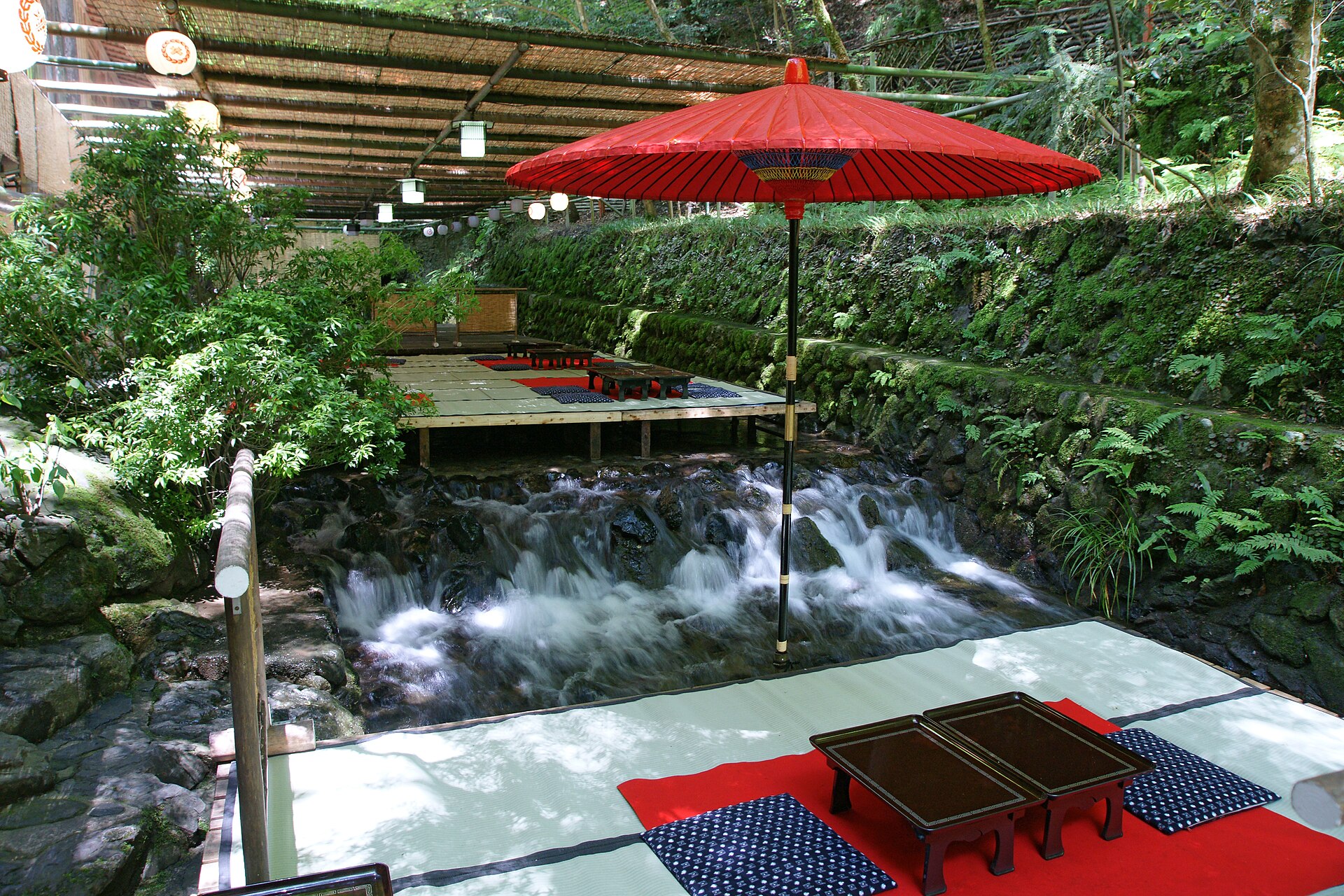
From Kurama-dera’s main hall, the forest trail continues over the mountain to Kibune (about 80 minutes’ walking from the Kurama gate, mostly downhill this way) — note the quirk: the village is read “Kibune,” the shrine “Kifune.” Kifune Shrine honours the water deity across three shrines along the valley road, reached by lantern-lined stone steps. Entry is free; the main shrine opens 6:00–20:00 from May to November (until 18:00 in winter), and its mizu-uranai fortunes (¥200) reveal their text only when floated on the sacred spring water. In summer (roughly May to September), Kibune’s restaurants build kawadoko dining platforms over the river — reservations are essential. Warning: the last bus back to Kibuneguchi Station leaves well before the shrine closes, so check the timetable before you linger. Coming directly: Eizan line to Kibuneguchi, then bus 33 to Kibune.
8. Nanzen-ji’s aqueduct: the famous temple’s free hidden corner
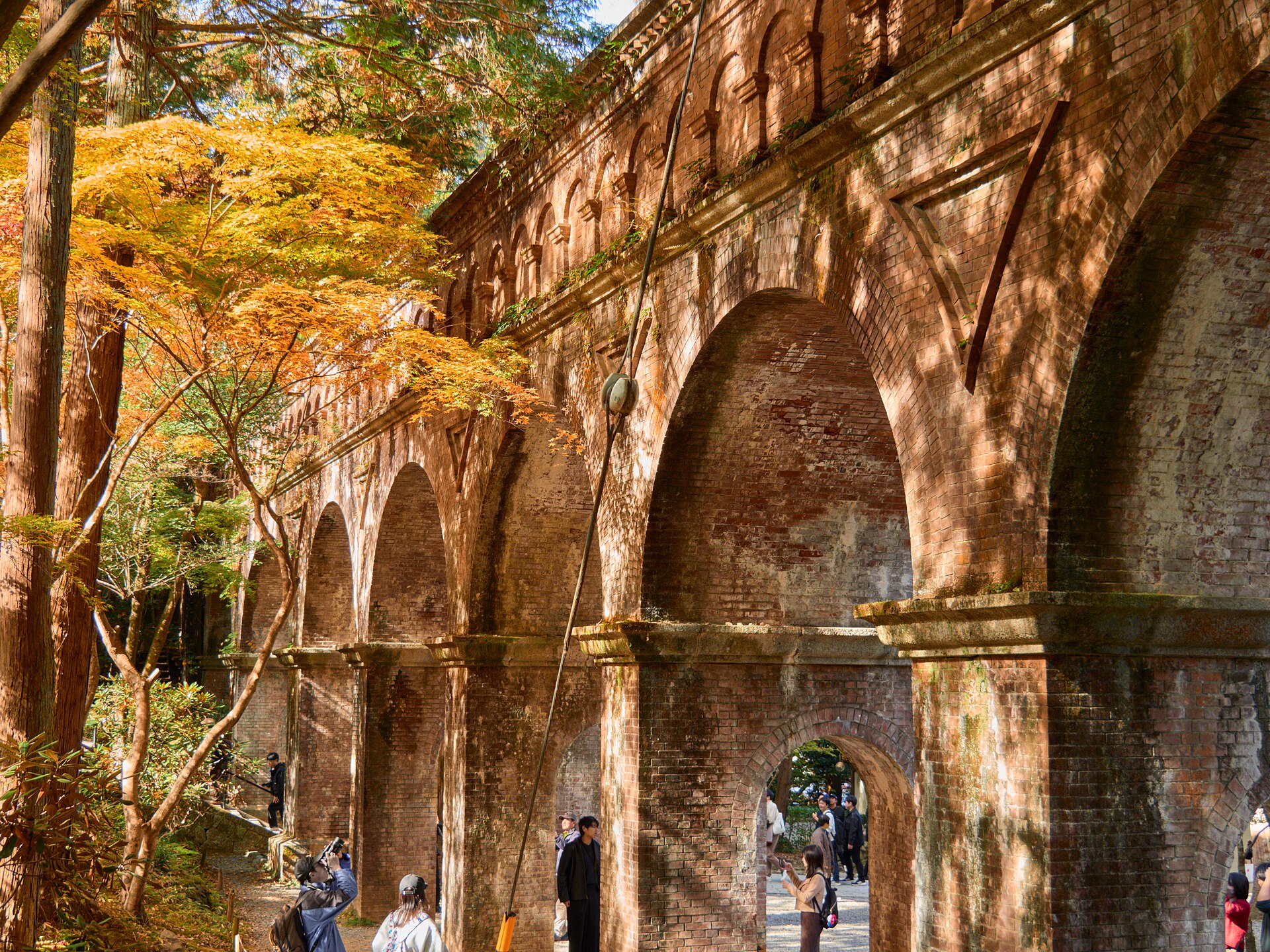
Honesty first: Nanzen-ji is not a secret — it is one of Kyoto’s great Zen temples. The hidden gem is its free layer. Walk under the towering Sanmon gate and you reach the Suirokaku, a Roman-style red-brick aqueduct built in 1890 that still carries Lake Biwa Canal water across the grounds. You can stand in its arches and walk along the channel on top, all without a ticket: the grounds and aqueduct are free, while the Sanmon climb, Hojo garden and Nanzen-in are ticketed separately (budget roughly ¥600–800 each; grounds close 28–31 December). Most visitors pay for one garden and leave; the far arches and sub-temple lanes stay calm, especially before 9:00. Arrive from Keage Station and add the Keage Incline, the disused canal railway slope next door.
9. Kamogawa Delta: where Kyoto hangs out
At Demachiyanagi, where the Takano and Kamo rivers merge, there is no gate and no ticket — just Kyoto’s living room. Locals picnic on the triangular riverbank, musicians practise, and everyone hops across stepping stones shaped like turtles and plovers. Come in the last hour of light with drinks and snacks from near the station, then walk north through the Tadasu no Mori forest to Shimogamo Shrine. Demachiyanagi is also the Eizan line’s terminus, making this the natural start to the Kurama–Kibune day above. Skip the stones when the river runs high after heavy rain.
10. Fushimi sake district: Kyoto’s other Fushimi
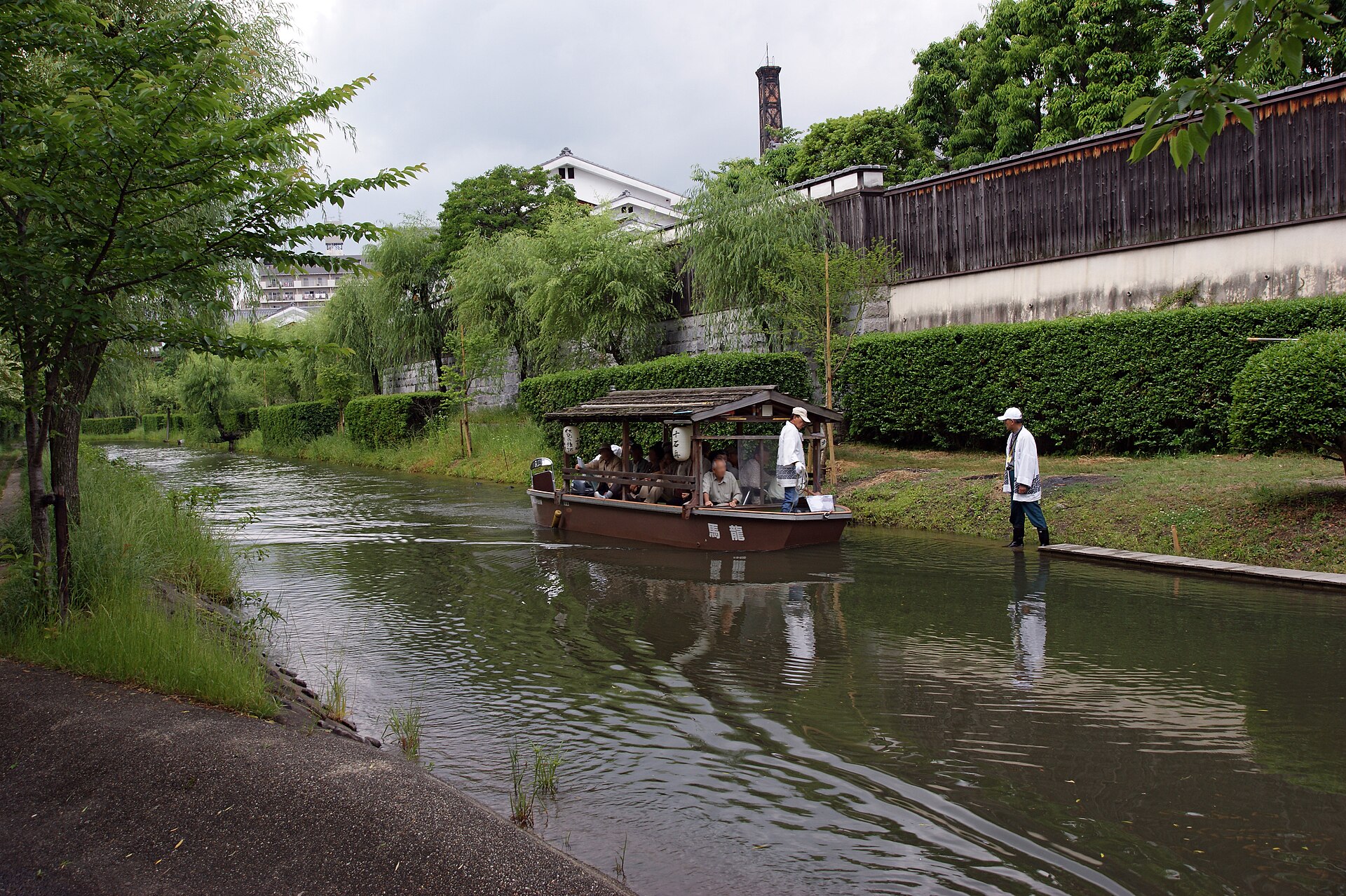
Almost everyone who comes to Fushimi heads for the shrine gates. A few stations further on is the Fushimi sake lovers know: one of Japan’s great brewing districts, built on soft spring water, where Gekkeikan has brewed since 1637. Its Okura Sake Museum occupies a 1909 brewery building filled with historic brewing tools; admission is ¥600 for adults (¥100 for ages 13–19), including three tastings, open 9:30–16:30 with last entry at 16:00 — arrive in the morning, and note payment is cashless. Afterwards, wander the white-walled storehouse streets and willow-lined canals while they are still quiet. The museum is five minutes from Chushojima Station. To combine both sides of Fushimi in one early start, this early-bird Fushimi Inari and Arashiyama tour that beats the crowds (5.0 from 282 reviews, small groups) gets you through the gates before the rush.
How to fit these gems into your trip
Group them geographically and Kyoto slows down beautifully. Deep Arashiyama morning: Gio-ji and Otagi Nenbutsu-ji — never on a Wednesday or Saturday. Northern Higashiyama morning: Honen-in at opening, the Philosopher’s Path south, then Nanzen-ji’s aqueduct and the Keage Incline. Northern mountains day: Kamogawa Delta, the Eizan line to Kurama, the hike over to Kibune and Kifune Shrine. Easy add-ons: Shosei-en beside the station, Funaoka Onsen at the end of any day except Tuesday, and Fushimi’s sake streets as a half-day. After dark, Gion is magical rather than hidden — this magical Gion night walking tour through the geisha district’s hidden alleys (4.9 from more than 5,100 reviews) is the small-group way to see it. For where to base yourself, see our guide to where to stay in Kyoto — and if Osaka is next, our Osaka hidden gems guide does the same there. Kyoto’s famous sights earn their fame; these ten are how you fall for the city itself.