
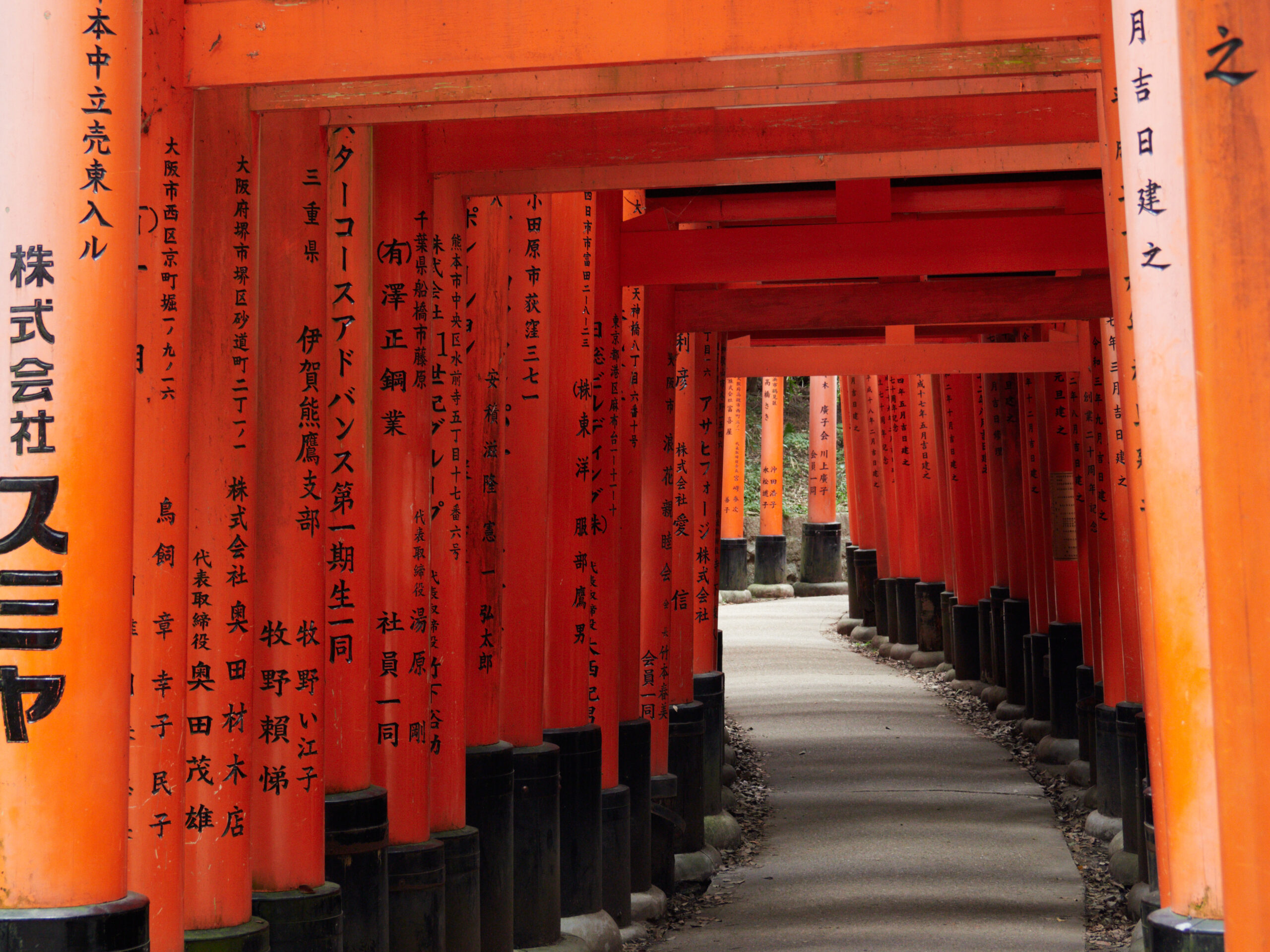
Kyoto is the rare city where your hotel address genuinely changes the trip. The temples everyone comes for are scattered across a wide basin — Kinkaku-ji glitters in the north, Fushimi Inari glows in the south, Arashiyama’s bamboo sways in the west — and the subway only reaches some of them. Pick the wrong neighborhood and you’ll spend your mornings on packed city buses; pick the right one and you’ll be watching the sun hit the Golden Pavilion before the tour buses arrive. Here’s where to stay in Kyoto, with honest pros and cons for each area and hand-picked hotels at every budget.
Planning a trip? Get our free Travel Planning Checklist:
Disclosure: This post contains affiliate links. If you book through one of these links, I may earn a commission at no extra cost to you.
The Short Version: Best Kyoto Neighborhood by Traveler Type
- First-time visitors: Downtown Kyoto (Nakagyo) — the best all-round base
- Best atmosphere: Gion & Higashiyama — temples on foot, lantern-lit evenings
- Multi-city itineraries and budget travelers: Kyoto Station area — unbeatable transit
- Nature and ryokan stays: Arashiyama — bamboo grove before the crowds
- Temple-focused repeat visitors: Northern Kyoto — Kinkaku-ji on your doorstep
- Fushimi Inari at sunrise: Fushimi — a niche pick, not a general base
Downtown Kyoto (Nakagyo): the best all-rounder
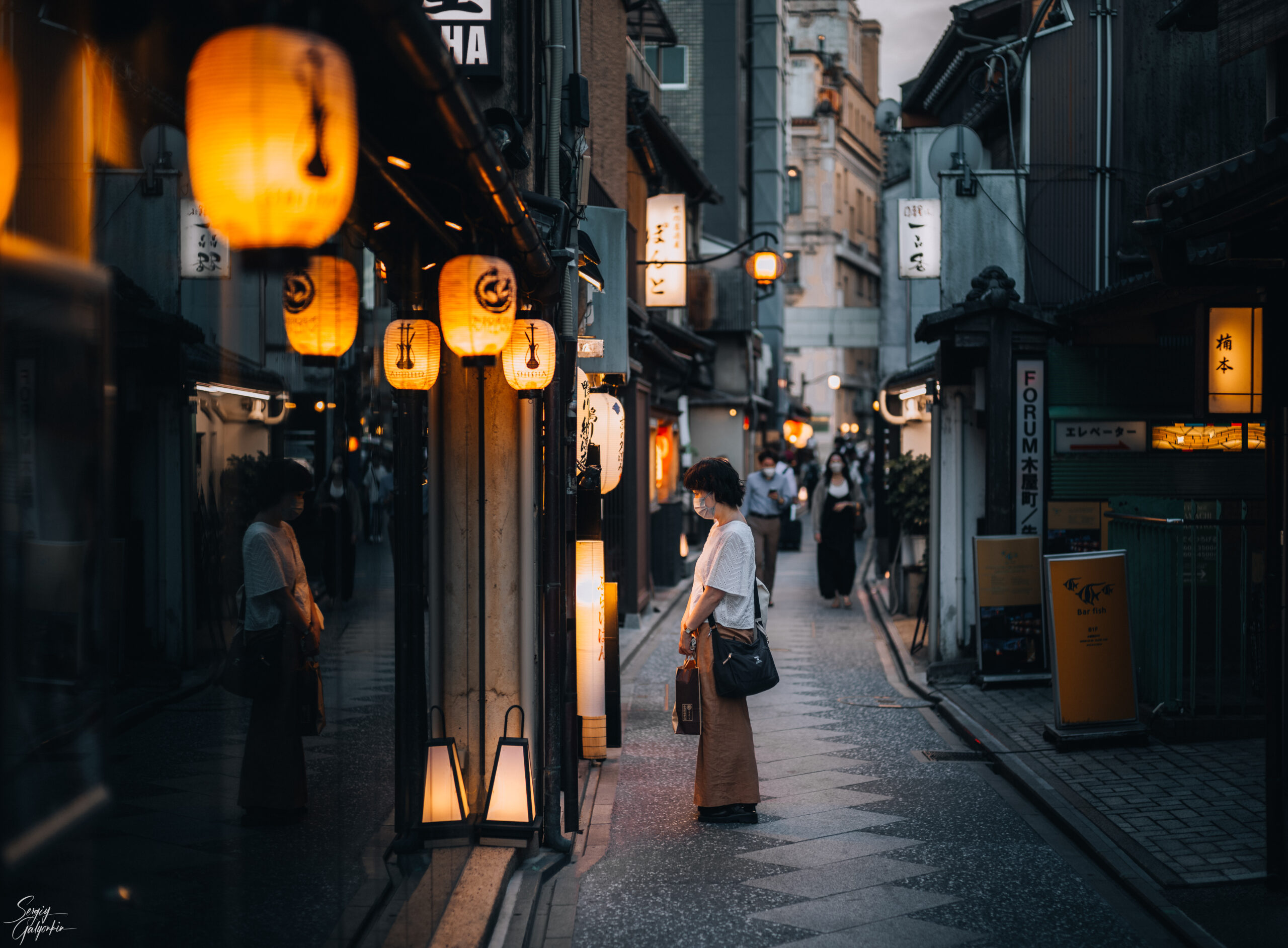
If you only remember one recommendation from this guide, make it this: stay downtown. The Nakagyo district — Shijo-Kawaramachi, Pontocho Alley, the Sanjo shopping arcades, Nishiki Market — is Kyoto’s modern heart, and it’s the neighborhood that asks the fewest compromises. You’re a short walk from Gion across the Kamo River, the dining and nightlife options are the city’s best, and hotel value is better here than in Higashiyama. The trade-off is atmosphere: this can feel like any polished Japanese downtown, and the big temple clusters aren’t walkable. Kawaramachi Station (Hankyu) and Gion-Shijo (Keihan) put most of the city within reach; Kyoto Station is about 10–15 minutes by subway or taxi.
For a splurge with one of the city’s great locations, The Gate Hotel Kyoto sits right beside Pontocho Alley with top-floor dining overlooking the Kamo River. Mid-range travelers should look at Cross Hotel Kyoto, a modern, spacious pick steps from the subway and the Keihan line — the location is the selling point. And for excellent value in the Sanjo arcade near Nishiki Market, Hotel Gracery Kyoto Sanjo is practical, well-run, and usually around $120–170 a night.
Gion & Higashiyama: stay inside the postcard
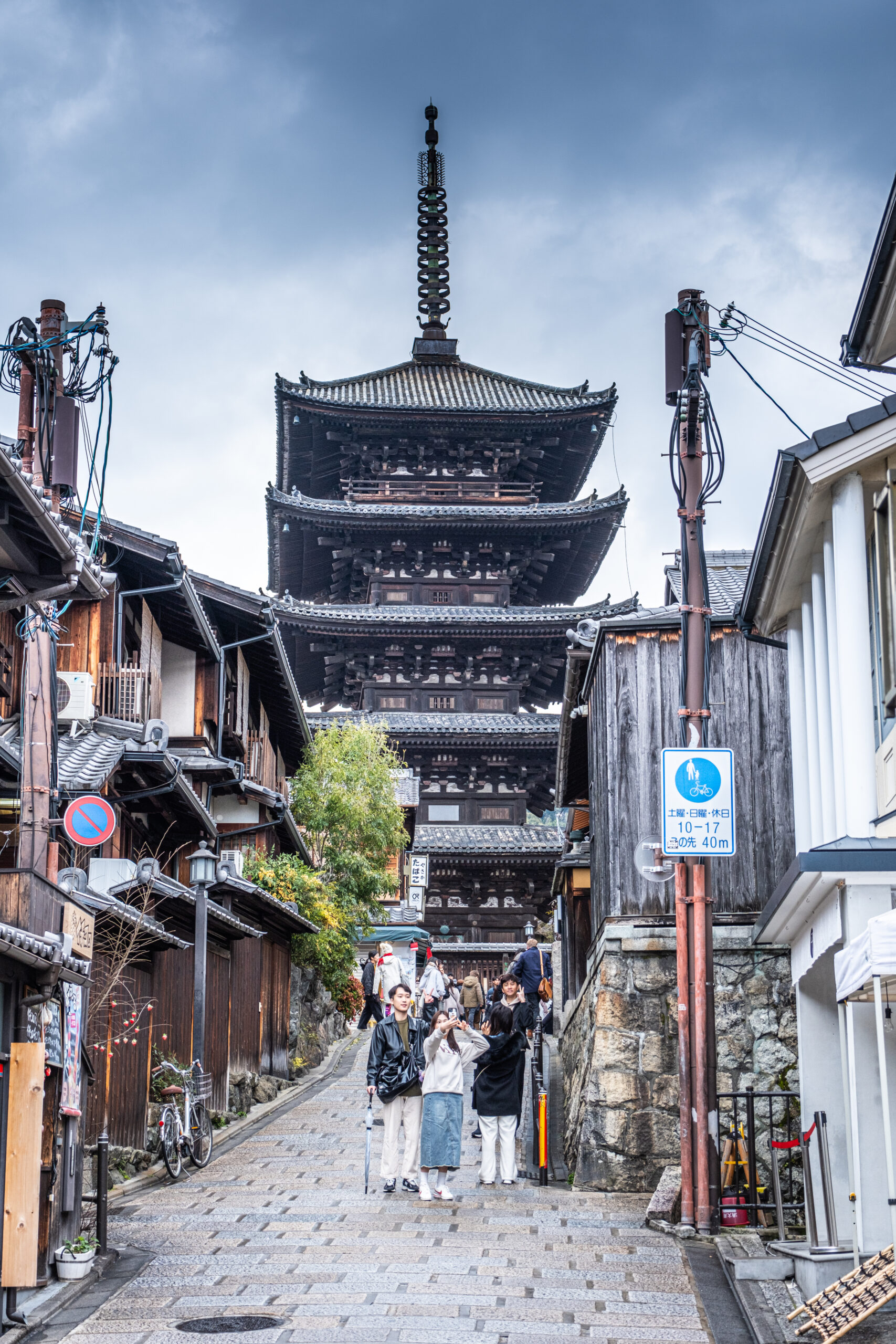
This is the Kyoto of the imagination: wooden machiya townhouses, lantern-lit lanes, Kiyomizu-dera’s great wooden stage, Yasaka Shrine glowing at dusk. Staying in Gion or Higashiyama means walking to Kiyomizu-dera, Sannenzaka, and Maruyama Park before the tour buses arrive around 9am — and experiencing the district’s backstreets after the day-trippers leave, which is when the magic actually happens. You pay for it: mid-range starts around $250, splurge properties run $500–1,500, and the good hotels book out earliest in cherry-blossom and foliage seasons. One etiquette note that matters: Gion’s residents have restricted photography on private lanes, so stick to public streets and never chase or photograph geiko and maiko without consent.
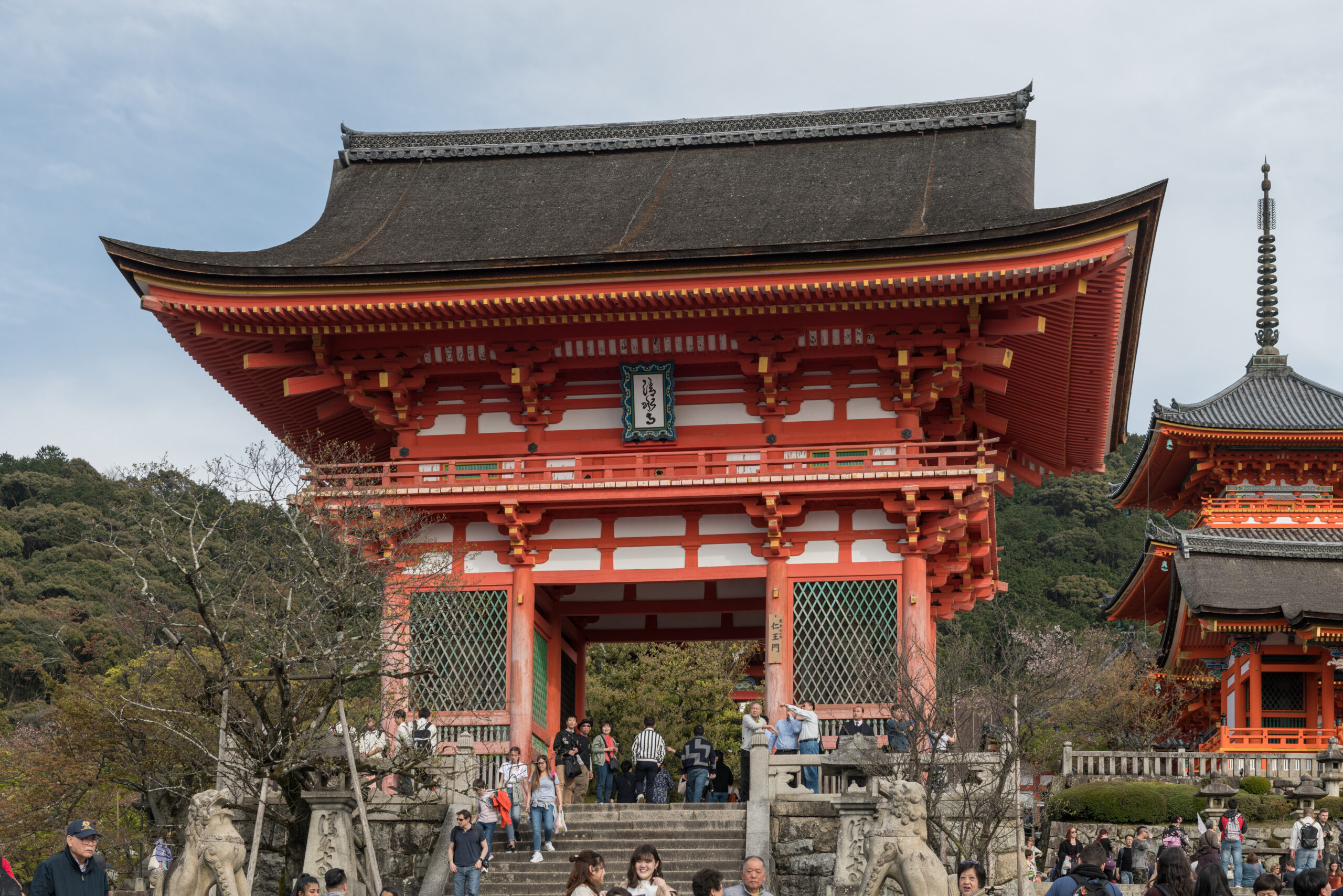
The aspirational pick here is Park Hyatt Kyoto, the city’s flagship luxury stay in the temple district — serene, impeccable, and priced to match. For a mid-range Gion base, Kyoto Granbell Hotel is a long-standing 4-star favorite in the heart of the district with a public bath, while Rinn Gion Hanatouro offers serene townhouse-style rooms on a quiet side street with a strong service reputation.
Kyoto Station area: the transit play
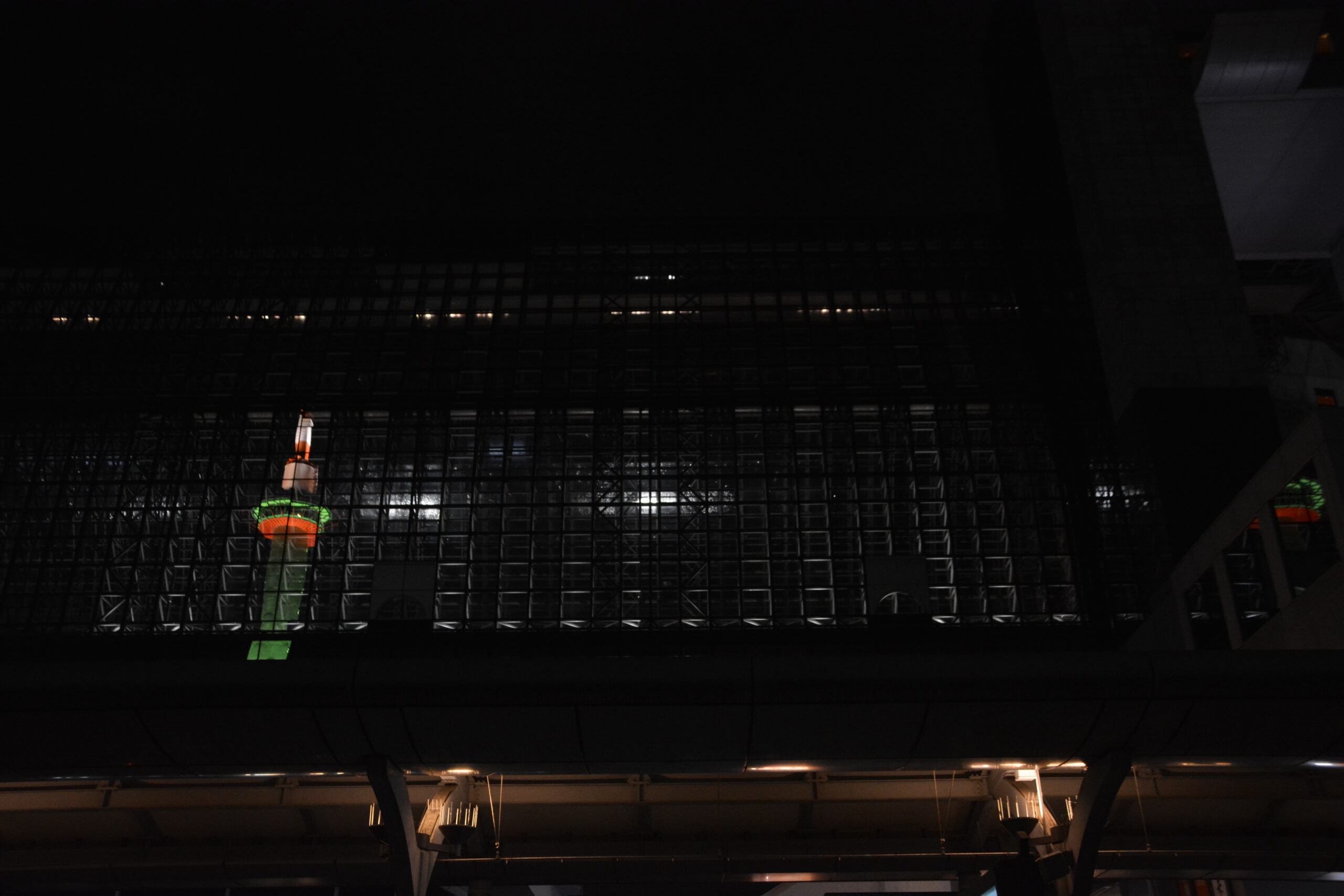
Nobody dreams of staying by the train station — but in Kyoto, the station-area argument is stronger than almost anywhere. Kyoto Station is the hub for everything: the shinkansen to Osaka (about 15 minutes) and Tokyo (about 2 hours 15), JR rapid trains to Nara, the Haruka Express to Kansai Airport (about 75 minutes), and most city bus routes start here. If your trip stitches Kyoto together with Osaka, Nara, or Tokyo, basing yourself at the station saves real time. It also has the city’s widest budget-to-mid hotel selection. The honest downside: it’s the least atmospheric part of Kyoto — functional, modern, shopping-mall energy — and no major sight is walkable.
Hotel Granvia Kyoto is literally above the station and the area’s only true high-end option, with fine dining and spacious rooms. Mitsui Garden Hotel Kyoto Station is a strong mid-range choice three minutes on foot, with a well-regarded Japanese breakfast and a free lounge. On a budget, Hotel New Hankyu Kyoto is a classic reliable pick with breakfast included — it books out months ahead in cherry-blossom and autumn seasons, so don’t wait.
Arashiyama: the quiet, green west side
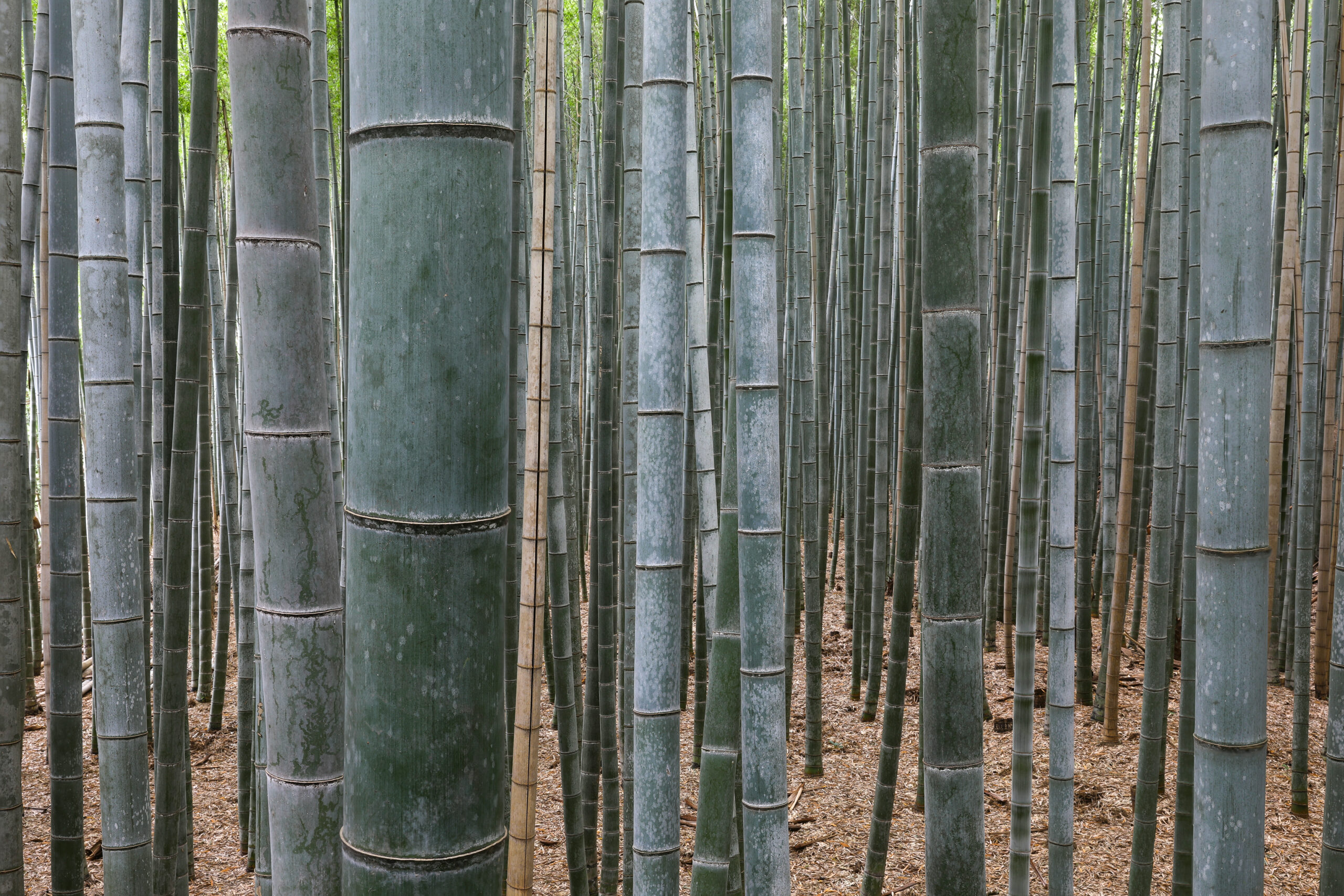
Arashiyama is Kyoto’s nature quarter — the bamboo grove, Tenryu-ji Temple, the Hozu River, and forested hillsides. The reason to sleep here is simple: the bamboo grove is mobbed from mid-morning on, and staying overnight lets you walk it before 8am in near-silence. There are also proper ryokan and onsen options you won’t find downtown. The price is distance: 20–25 minutes by JR to Kyoto Station, 30–45 to Higashiyama, and evenings are quiet with thin dining. This is a wonderful second-visit or slow-travel base, and a superb autumn-foliage one — less ideal if every day needs to cover a different corner of the city.
The special-occasion stay is Suiran, a Luxury Collection Hotel, Kyoto, a ryokan-modern hybrid on the riverside with just 39 suites, private onsen fed by Arashiyama spring water, and kaiseki dining. For the onsen-ryokan experience at a mid-range price, Kadensho, Arashiyama Onsen, Kyoto – Kyoritsu Resort sits near Tenryu-ji and the bamboo grove with deep soaking tubs, hot springs, and consistently excellent guest ratings.
Northern Kyoto: temple country
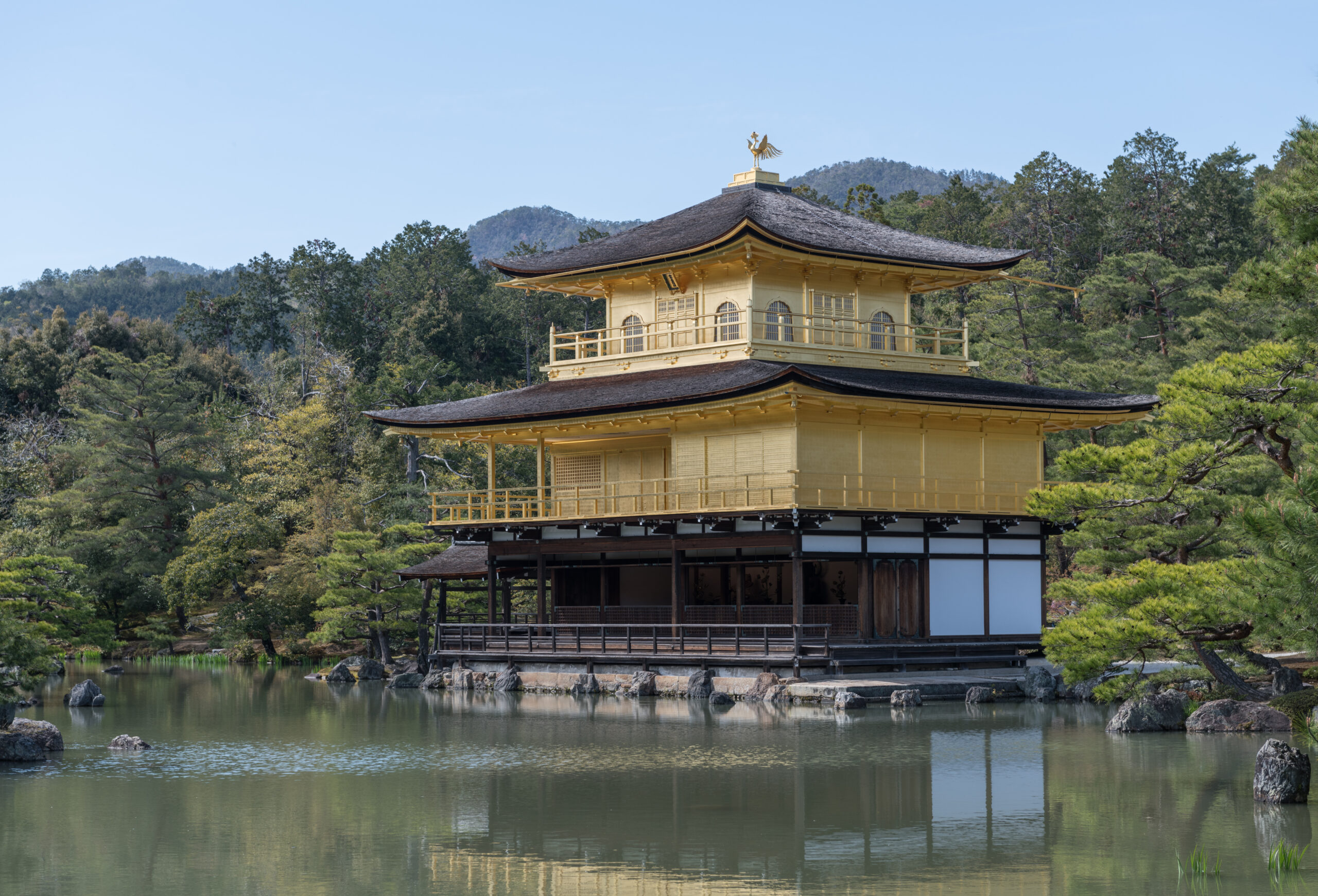
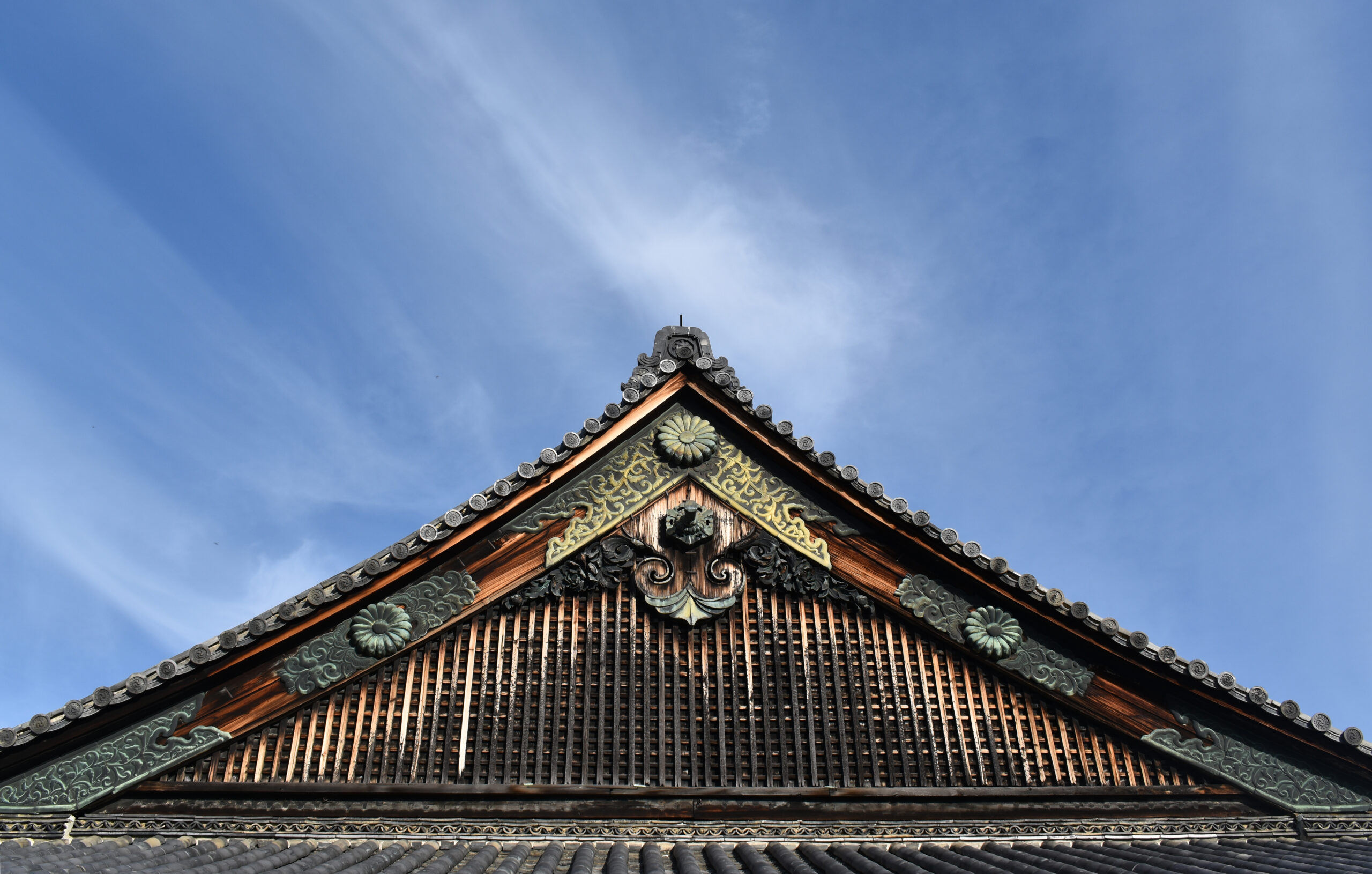
The north of the city is residential, quiet, and dense with heavyweight temples: Kinkaku-ji (the Golden Pavilion), Ryoan-ji’s rock garden, Ninnaji, and Nijo Castle on its southern edge. Staying up here puts the Golden Pavilion within easy reach before the crowds — but be clear-eyed about the logistics. Much of northern Kyoto has no subway coverage, so you’re on city buses (30–40 minutes from Kyoto Station to Kinkaku-ji, and buses get genuinely miserable in peak season) or taxis. Hotel density is thinner and nightlife is minimal. This is a base for temple-focused travelers and repeat visitors, or for one standout luxury-ryokan splurge.
That splurge is ROKU KYOTO, LXR Hotels & Resorts, a Hilton LXR resort with natural hot springs in a garden setting near Kinkaku-ji and a near-perfect guest rating. For a comfortable mid-range northern base, the Kyoto Brighton Hotel near the Imperial Palace offers large rooms and consistently strong reviews at around $180–250 a night.
Fushimi: the sunrise-at-the-shrine niche pick
Fushimi, in the south of the city, is Kyoto’s sake-brewing district and home to Fushimi Inari’s endless tunnels of vermilion torii gates — the shrine on this guide’s cover photo. Here’s the honest take: Fushimi is not a practical base for a full Kyoto itinerary. It’s 20–25 minutes from downtown, dining and nightlife are limited, and the hotel stock is mostly budget business hotels. But it has one killer use case: the lower torii tunnels are shoulder-to-shoulder from 10am to 3pm, and the shrine is open 24 hours. Sleeping in Fushimi lets you walk the gates at sunrise in near-solitude, then spend the day tasting sake on the old brewery streets. If that’s your plan, So Kyoto Fushimi Inari is a design-forward boutique about 1.2 km from the shrine with excellent ratings, and HOTEL TAVINOS Kyoto is a reliable budget brand nearby — both typically well under $100 a night.
Getting around Kyoto: the transit reality check
Kyoto’s transit is good but uneven, and it shapes where you should stay. The JR network centers on Kyoto Station (shinkansen, JR Kyoto/Nara/Sagano lines). Two subway lines — Karasuma (north–south) and Tozai (east–west) — cover downtown, the station, and the Imperial Palace area. The temple districts the subway misses (Higashiyama, Kinkaku-ji) are served by city buses, which are efficient off-peak and crushingly crowded in cherry-blossom and foliage seasons. Your IC card (Suica, ICOCA, or PiTaPa) works on subways, JR, and buses — tap when boarding and alighting on buses. Realistic times from Kyoto Station: Gion 15–20 minutes, Kinkaku-ji 30–40 minutes by bus, Arashiyama 20–25 minutes by JR Sagano line, Fushimi Inari 5 minutes by JR Nara line. Plan temple days around subway and JR plus walking where possible, and save the buses for off-peak hours.
When to visit — and the new accommodation tax
Spring (late March to early April) brings cherry blossoms and the year’s highest prices — book 4–6 months ahead. Autumn foliage usually peaks mid-November to early December, but note the 2026 twist: the season’s first forecast puts Kyoto’s red-leaf peak late this year, around December 11, so early December is the smarter foliage bet. Summer is hot, humid, and cheapest; winter is cold, dry, crowd-free, and also cheap. Three days covers the highlights; four is the sweet spot, with room for Nara.
One cost most guides haven’t caught up with: Kyoto raised its accommodation tax on March 1, 2026, and it’s steeper than before. It’s charged per person per night in five tiers — up to ¥10,000 (roughly $65+) per person per night at the top tier — and it is not included in Booking.com totals; you pay it at the hotel. On a luxury stay it adds serious money across a multi-night trip, so factor it into your budget.
Tours worth booking in Kyoto
Where you sleep handles the logistics; these are the experiences worth reserving ahead — each verified bookable:
- If you’d rather not piece Kyoto’s big three together yourself, this full-day bus tour covers Fushimi Inari, Kinkaku-ji, and the Arashiyama Bamboo Grove in one efficient day (4.8 stars from 5,300+ reviews, from $97).
- To understand Gion after dark, this evening walking tour dives into geisha culture and the lantern-lit lanes with a local guide (4.9 stars, from $23).
- And for the cultural deep-dive, a traditional kimono tea ceremony in Gion is the experience Kyoto visitors consistently rate highest (4.9 stars, from $49, free cancellation).
The bottom line
Kyoto rewards the traveler who chooses a base deliberately. First-timers should default to downtown for the easiest all-round trip; romantics and early risers should pay the premium for Gion and Higashiyama; multi-city itineraries belong at Kyoto Station. Wherever you land, book early for spring and autumn — the city’s best hotels at the best prices disappear months ahead. If you’re pairing Kyoto with the capital, our Where to Stay in Tokyo guide covers the other end of the shinkansen line, and our guide to cultural experiences in Japan is worth a read before you go — a tea ceremony in Kyoto hits differently when you know what you’re looking at. For the practical side of a multi-city Japan trip, see how to pack light for any trip.