
Where to Stay in Tokyo: Best Neighborhoods and Hotel Picks (2026 Guide)
Tokyo is the largest city on earth, and picking the wrong neighborhood can add an hour of train transfers to every single day of your trip. Pick the right one, and the city opens up like a well-designed subway map: the neon of Shinjuku one evening, the temples of Asakusa the next morning, and a Michelin-starred bowl of ramen somewhere in between — all without a painful commute.
Planning a trip? Get our free Travel Planning Checklist:
Disclosure: This post contains affiliate links. If you book through one of these links, I may earn a commission at no extra cost to you.
The quick answer: where should you stay in Tokyo?
If you don’t want to read the whole guide, here’s the short version:
- First-time visitors: Shinjuku — the transport hub that never sleeps
- Nightlife and energy: Shibuya — the scramble crossing is your front yard
- Luxury and location: Marunouchi/Ginza — polished, central, and steps from Tokyo Station
- Traditional Tokyo on a budget: Asakusa — temples, old streets, honest prices
- Best value with great transport: Ikebukuro — big station, smaller bills
- Art, dining, and late nights: Roppongi — galleries by day, clubs by night
- Museums and easy airport access: Ueno — culture plus the fastest Narita connection
Getting from the airport to your neighborhood
Tokyo has two airports, and which one you land at shapes your first hour. Narita (NRT) is about 60 km east of the city; Haneda (HND) is only 15–30 minutes from central Tokyo. If you have a choice of flights, Haneda wins on convenience every time.
From Narita, your main options:
- Narita Express (N’EX): direct reserved-seat trains to Tokyo, Shinagawa, Shibuya, and Shinjuku stations in 55–95 minutes. One-way fares run ¥3,140–¥5,310, but foreign visitors can buy a discounted round-trip ticket (¥5,000 adults) valid for 14 days. Best if you’re staying in Shinjuku or Shibuya with luggage.
- Keisei Skyliner: the fastest option — 36 minutes to Nippori, from ¥2,580 (online foreigner discount ¥2,310). Transfer there to the JR Yamanote Line. Best if you’re staying in Ueno, Asakusa, or Ikebukuro.
- Airport Bus TYO-NRT: ¥1,500 to Tokyo Station and Ginza. The cheapest comfortable option if you’re staying near the station.
- Limousine Bus: ¥3,100–¥3,600 with direct drop-offs at major hotels — worth it if you’re hauling big suitcases.
From Haneda, take the Tokyo Monorail to Hamamatsucho (about 15–20 minutes, ¥500) or the Keikyu Line to Shinagawa (about 15 minutes), then connect to the JR Yamanote Line.
Getting around: the Yamanote Line is your lifeline
The JR Yamanote Line is a green loop connecting nearly every neighborhood in this guide — Shinjuku, Shibuya, Ikebukuro, Ueno, Tokyo Station, and more. Trains run every 2–4 minutes, and a full loop takes about an hour. Pick a hotel within a 5–10 minute walk of a Yamanote station and you’ll rarely need anything else.
Get a rechargeable IC card (Suica or Pasmo) on arrival — it works on trains, subways, buses, and even convenience stores. Skip the JR Pass unless you’re leaving Tokyo: at ¥50,000 for 7 days since the 2023 price hike, it only pays off with long-distance shinkansen trips. For a Tokyo-only stay, the IC card wins.
Shinjuku: the best all-rounder for first-timers
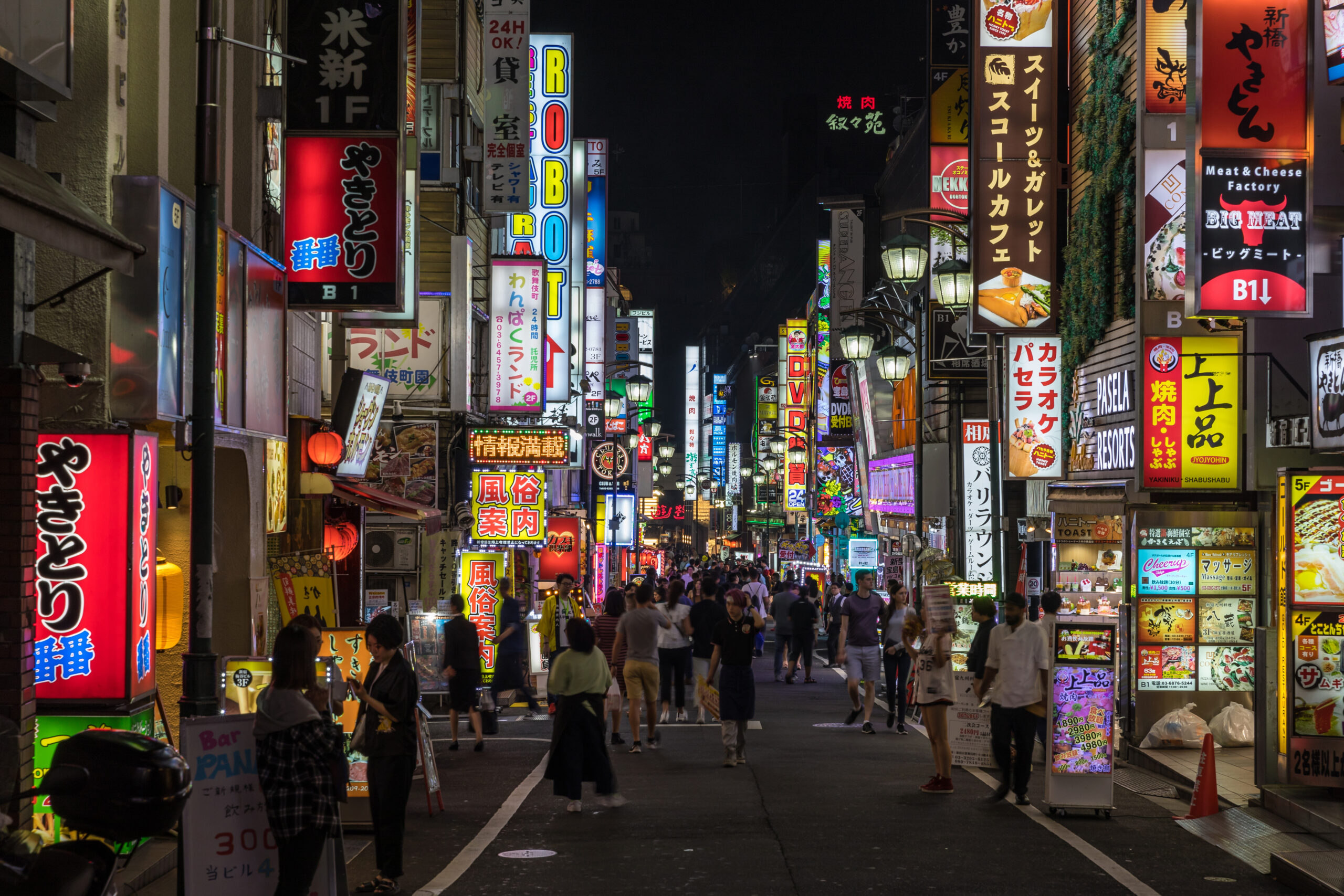
Shinjuku is Tokyo’s beating heart and its busiest transport hub — the station handles over 3 million passengers a day, making it the busiest railway station in the world. That sounds intimidating, but for a visitor it’s a superpower: direct Narita Express trains, endless subway connections, and a neighborhood that stays awake around the clock. Golden Gai’s warren of tiny bars, the observation decks of the Tokyo Metropolitan Government Building (free entry), and the neon chaos of Kabukicho are all on foot.
- Splurge: Park Hyatt Tokyo — the “Lost in Translation” hotel, freshly reopened in December 2025 after a 19-month renovation, with the legendary New York Bar on the 52nd floor.
- Mid-range: Keio Plaza Hotel Tokyo — a Shinjuku landmark with skyline-view rooms and a rooftop pool, minutes from the station.
- Budget: APA Hotel Shinjuku-Kabukicho Tower — a sleek high-rise in the middle of the action with surprisingly reasonable rates and a top-floor bathhouse.
Shibuya: stay where the energy is
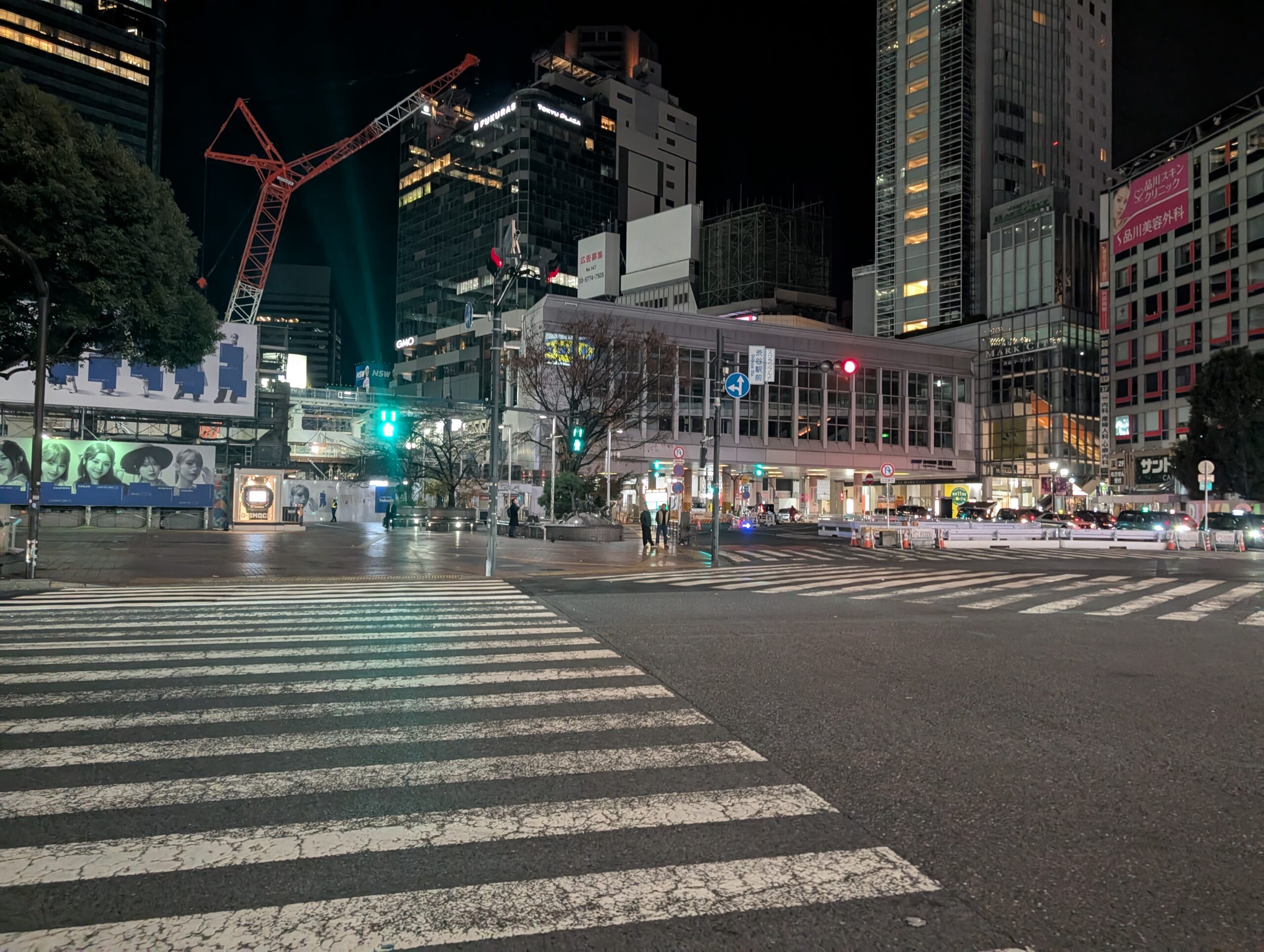
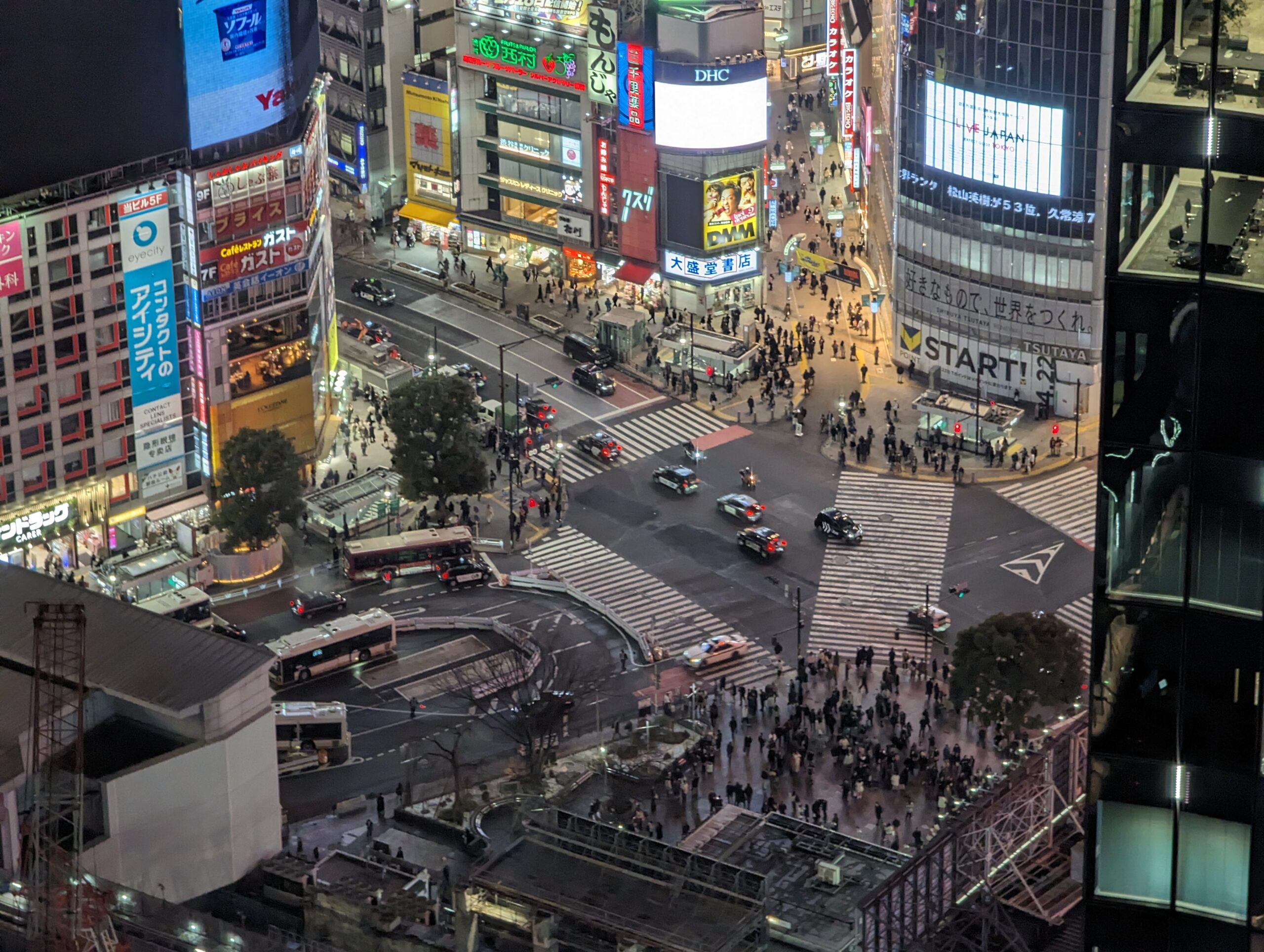
Shibuya is Tokyo’s youth-culture capital: the famous scramble crossing, Shibuya Sky’s open-air rooftop 229 meters above it all, endless vintage shops, and a restaurant scene that runs from conveyor-belt sushi to hidden izakayas. It’s loud, young, and relentlessly fun — and the Yamanote Line puts Shinjuku 7 minutes away and Harajuku’s Meiji Shrine one stop in the other direction.
- Mid-range: Shibuya Excel Hotel Tokyu — built directly above the station, with “scramble view” rooms overlooking the crossing itself.
- Splurge: Cerulean Tower Tokyu Hotel — a serene high-rise with a jazz bar and some of the best skyline views in the city.
- Budget: The Millennials Shibuya — a smart capsule hotel with pod beds, a 24-hour lounge, and free beer hour.
Ginza & Marunouchi: polished luxury by Tokyo Station
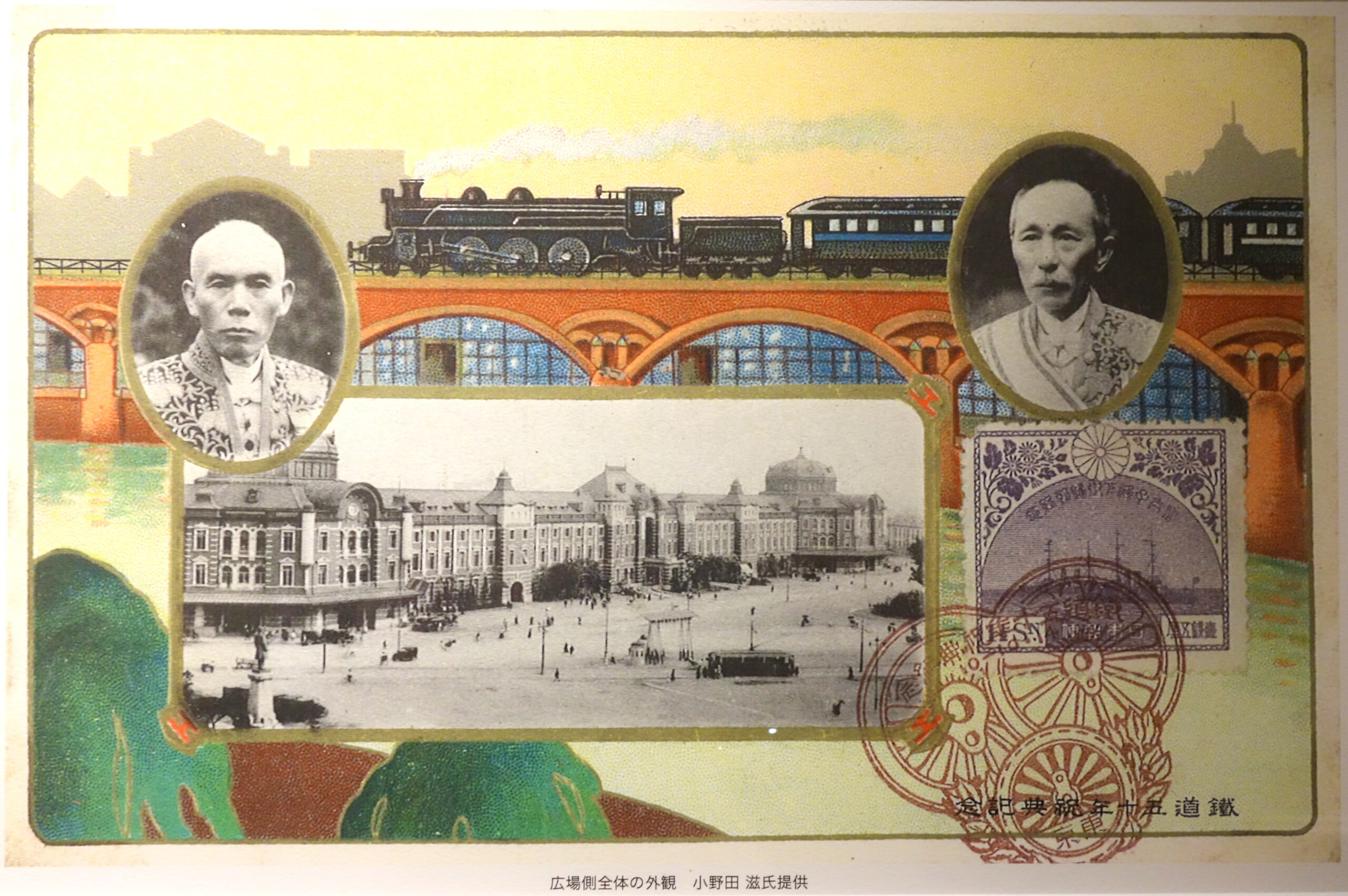
This is Tokyo at its most refined: Ginza’s flagship department stores and art galleries, Marunouchi’s grand boulevards, and Tokyo Station — the launchpad for every shinkansen in Japan. It’s the priciest area on this list, but the location is unbeatable: the airport buses stop here, the Imperial Palace gardens are a short walk, and nothing in Japan is more than a bullet train away.
- Splurge: The Tokyo Station Hotel — a landmark hotel inside the station’s historic red-brick 1914 building, with domed atrium suites.
- Splurge: Palace Hotel Tokyo — overlooking the Imperial Palace moat, widely considered the finest hotel address in the city.
- Mid-range: Mitsui Garden Hotel Ginza Premier — big-for-Tokyo rooms and a 16th-floor terrace with sweeping city views, at a fraction of the palace-district prices.
Asakusa: old Tokyo, honest prices
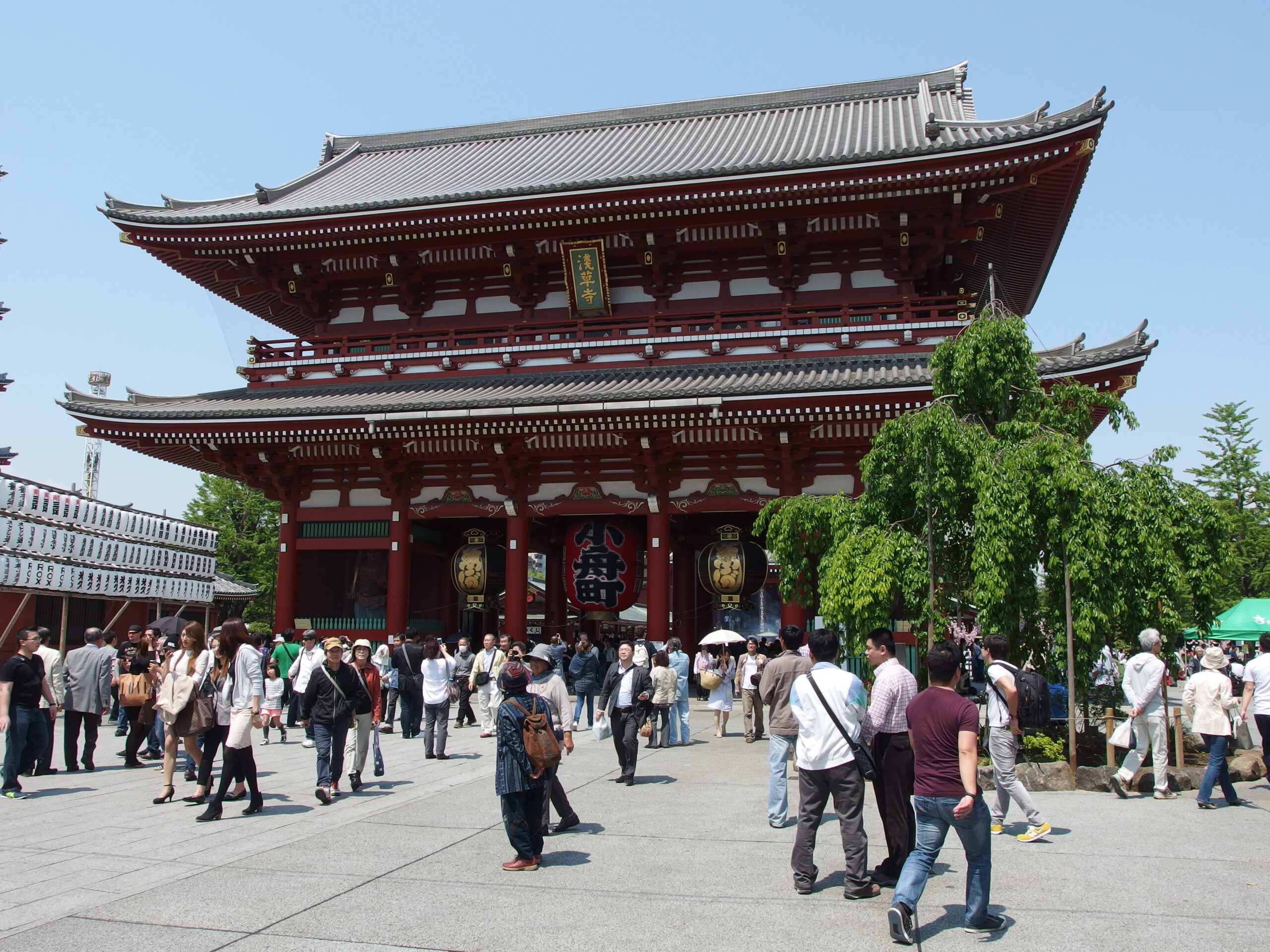
Asakusa is where Tokyo’s past lives on: the 1,400-year-old Senso-ji Temple, the Nakamise shopping street selling ningyo-yaki cakes and folding fans, rickshaw pullers in traditional dress, and the Tokyo Skytree looming across the river. It’s one of the most affordable central areas, with a retro shitamachi (old downtown) atmosphere you won’t find in Shinjuku. The trade-off is distance — it’s 20–30 minutes by train to the west-side hubs — but the Ginza and Asakusa subway lines keep you connected.
- Design pick: The Gate Hotel Kaminarimon — a stylish design hotel steps from the famous Kaminarimon gate, with a rooftop terrace facing the Skytree.
- Budget: Khaosan World Asakusa with a rooftop bar overlooking Senso-ji, perfect for meeting fellow travelers.
Asakusa is also the best base for experiencing traditional culture — morning prayers at Senso-ji before the crowds arrive are unforgettable. For more ideas, see these cultural experiences in Japan.
Ikebukuro: the value play with a mega-station
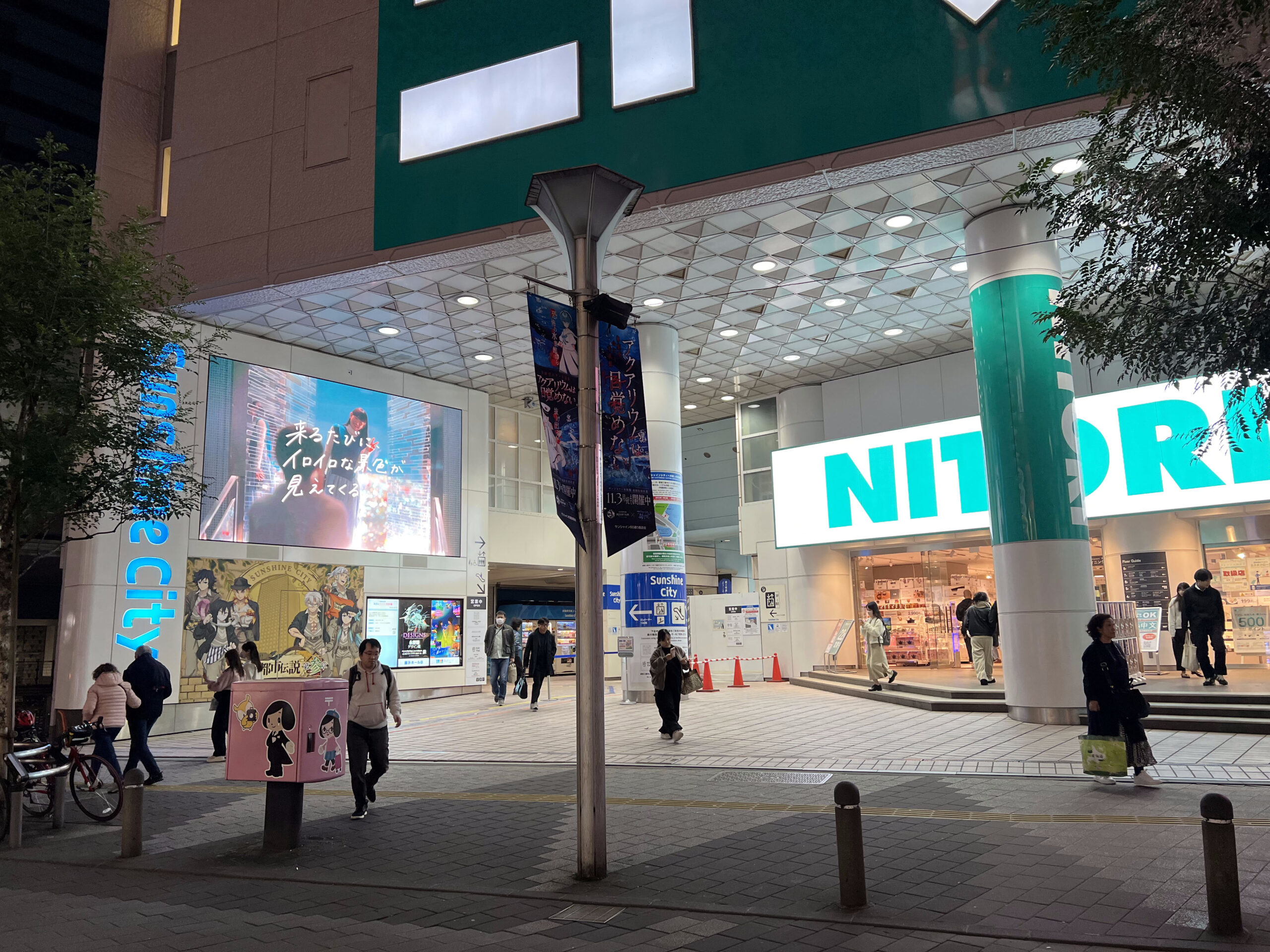
Ikebukuro doesn’t make the postcards, which is exactly why savvy travelers stay here. Its station is one of Tokyo’s biggest — Yamanote Line, multiple subways, and direct trains to Chichibu and beyond — yet hotel prices run noticeably lower than Shinjuku or Shibuya. Sunshine City (with its aquarium and 60th-floor observatory) anchors the east side, and the area is the heart of Tokyo’s anime and otaku culture.
- Mid-range: Hotel Metropolitan Tokyo Ikebukuro — JR East’s flagship, directly above the station with polished rooms and an excellent breakfast.
- Budget: Sakura Hotel Ikebukuro — a friendly budget hotel with a 24-hour cafe, popular with international travelers.
Roppongi: art, dining, and Tokyo’s late night
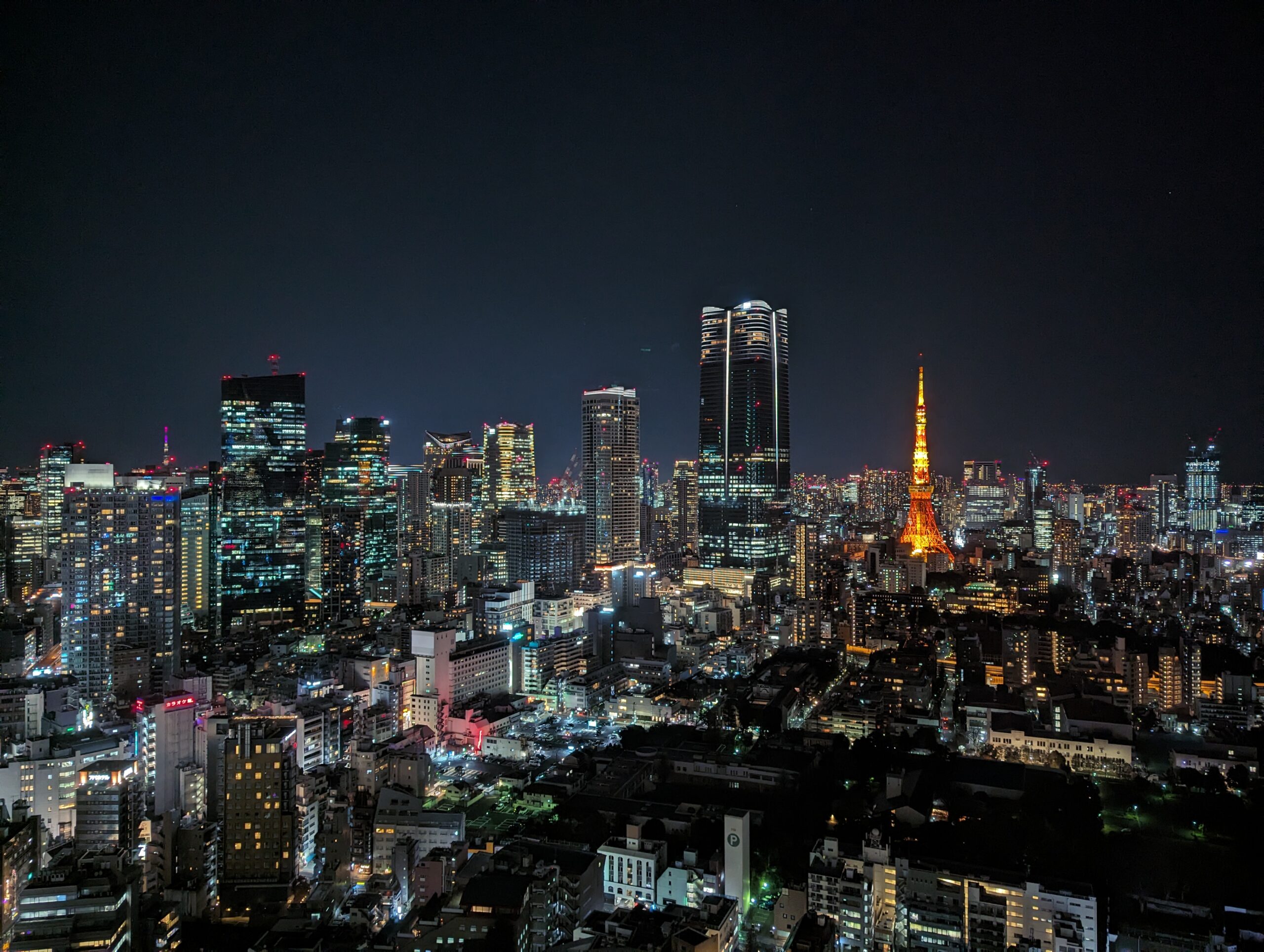
Roppongi wears two faces: by day it’s Tokyo’s art district, home to the Mori Art Museum, the National Art Center, and the brand-new Azabudai Hills complex with teamLab Borderless; by night it’s the city’s most international nightlife strip. The Tokyo Tower — still the city’s most romantic landmark — glows orange over it all. Stay here if world-class dining and late nights matter more than early temple visits.
- Splurge: Grand Hyatt Tokyo — the social heart of Roppongi Hills, with a superb spa and restaurants that draw locals, not just guests.
- Splurge: The Ritz-Carlton, Tokyo — occupying the top floors of Tokyo Midtown, with a 53rd-floor lobby and views that stretch to Mount Fuji on clear days.
Ueno: museums, parks, and the fastest Narita link
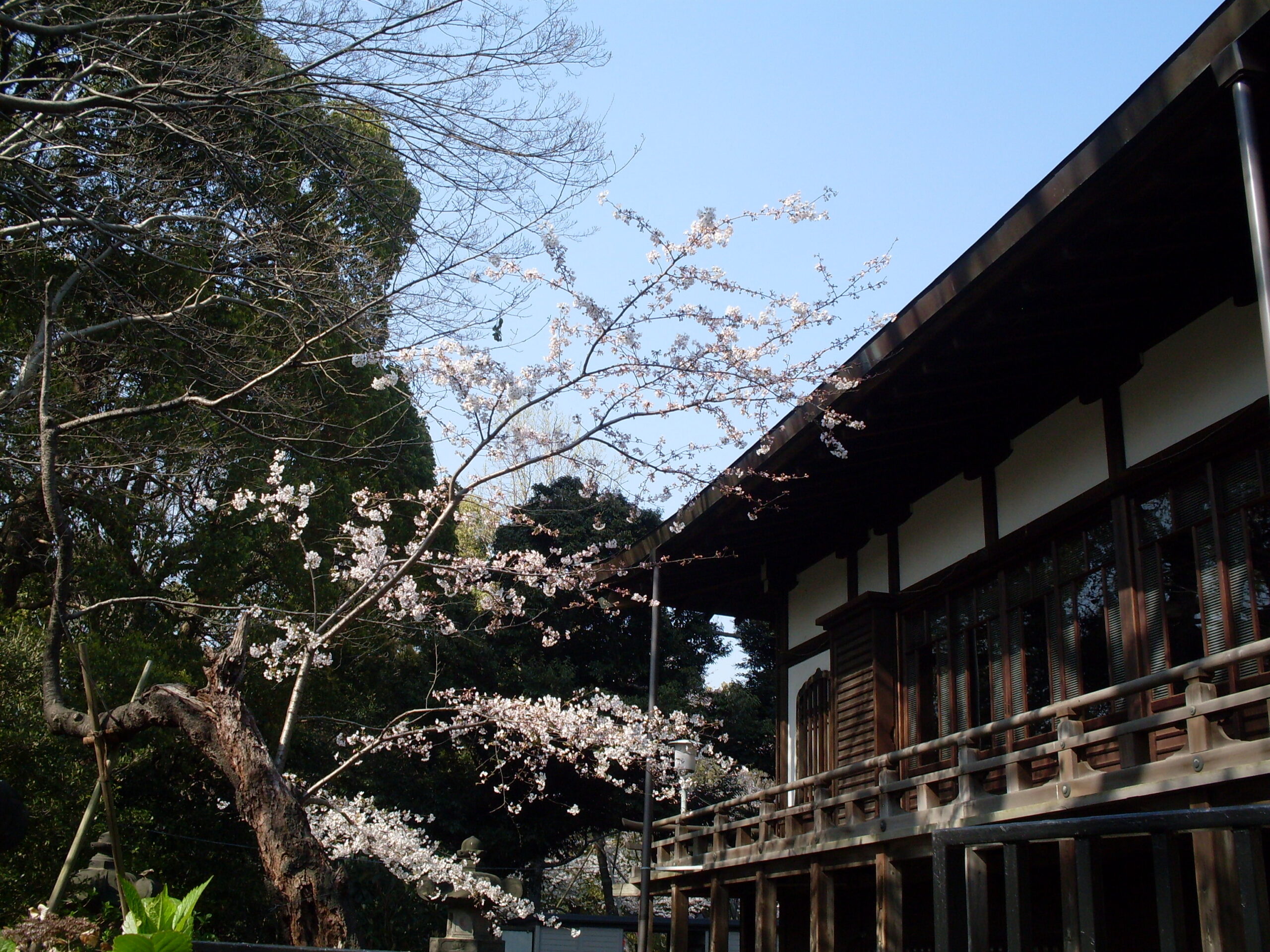
Ueno is Tokyo’s cultural quarter: the National Museum, the National Museum of Nature and Science, Ueno Zoo, and a park that becomes the city’s best hanami (cherry-blossom viewing) spot each spring. It’s also the terminus of the Keisei Skyliner, making it the fastest, cheapest base for Narita arrivals. The Ameya-Yokocho market street next to the station is a great budget food crawl. Choose Ueno if museums and value top your list — just note the nightlife is quieter here.
- Mid-range: Hotel Sardonyx Ueno — a modern, design-forward hotel minutes from the park and the Skyliner terminal.
- Budget: APA Hotel Keisei Ueno Ekimae — right beside Keisei Ueno Station: roll off the Skyliner and into your room.
Areas to think twice about
Odaiba looks tempting on the map — waterfront malls, teamLab Planets, the giant Gundam — but it’s a man-made island 30+ minutes from everywhere else, and the last trains leave early. Visit for a day; don’t base yourself there. Shin-Okubo (Tokyo’s Koreatown) is fun for food but thin on quality hotels. And while Tokyo is one of the safest big cities in the world, the areas around some east-side stations get very quiet at night — stick to well-lit main streets after midnight, as with any big city (see these safety tips for traveling overseas).
Booking tips for Tokyo hotels
- Rooms are small — pack accordingly. A “double” in Tokyo is often 15–18 m², and budget rooms can be tighter still. A big suitcase can genuinely not fit. Packing light isn’t just advice here; it’s logistics.
- Book early for sakura season and autumn. Late March–early April (cherry blossoms) and November (fall colors) sell out months ahead, with prices doubling. Summer and January–February are the value windows.
- Check the breakfast situation. Japanese hotel breakfasts — grilled fish, miso soup, rice, plus Western options — are famously good and often cheaper than eating out.
- Business hotels are the secret weapon. Chains like APA, Dormy Inn, and Toyoko Inn offer clean, well-located rooms with public baths for a fraction of international-brand prices.
Tours worth booking from your Tokyo base
A great neighborhood is your launchpad — these are the experiences worth leaving it for:
- teamLab Planets TOKYO fast-track entry ticket — the digital art museum in Toyosu sells out days ahead; this fast-track ticket (4.4★, from US$53.42) skips the standby line.
- Mt. Fuji and Hakone 1-day tour with bullet-train return — the classic day trip (4.8★, 32,000+ reviews, from US$159.56): Fuji 5th Station, Hakone, and a shinkansen ride back to Tokyo.
- Shinjuku evening food tour — eat your way through local izakayas with a guide (4.9★, 9,800+ reviews, from US$84.26).
The bottom line
First visit and want it easy? Shinjuku. Want the energy? Shibuya. Celebrating something? Marunouchi or Ginza. Watching the budget without sacrificing the experience? Asakusa or Ikebukuro. There’s no wrong answer among these seven — only the wrong commute. Pick the neighborhood that matches your trip, book near a Yamanote Line station, and Tokyo will do the rest.