
Disclosure: This post contains affiliate links. If you book through one of these links, I may earn a commission at no extra cost to you.
Never forget a thing before you fly. My free 8-page Travel Planning Checklist walks you through the whole trip — 6 planning timelines, 36 checks, from booking windows to travel-day basics. One email, no spam, unsubscribe anytime.
Da Nang is the easiest big city in Vietnam to love quickly. The airport sits inside the city, the beach is ten minutes from most hotels, and in a single day you can climb marble caves in the morning, ride one of the world’s longest cable cars after lunch, and watch a dragon breathe fire over the river at night. It is also the perfect base for central Vietnam: Hoi An’s lantern-lit old town is about 30 kilometres south — since the July 2025 merger of Da Nang and Quang Nam, it is officially part of the same city — and the imperial sights of Hue lie north over the Hai Van Pass.
Three days is the sweet spot for a first visit. This itinerary pairs Da Nang’s own highlights sensibly — one big outing per day, beach time built in, and evenings on the Han River — and it is honest about the one thing that decides everything here: the weather. The dry season runs roughly February to August. September to December is the wet season on the central coast, when rain and occasional typhoons can reshuffle any plan, so keep Day 2 and Day 3 swappable.
Day 1: My Khe Beach, the Marble Mountains and the Dragon Bridge
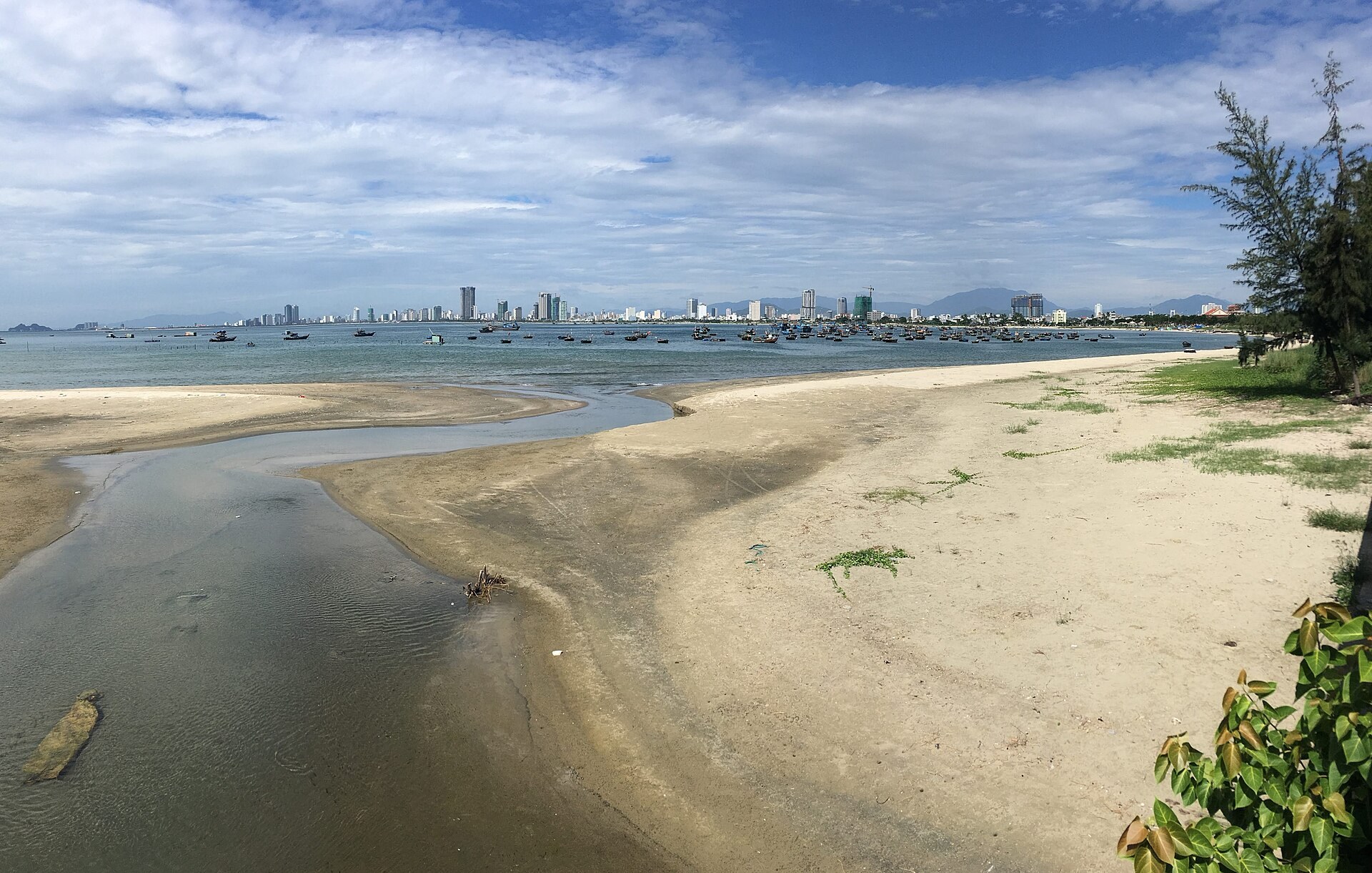
Start the way Da Nang starts: at sunrise on My Khe Beach. The long, pale sweep of sand facing the East Sea fills with locals swimming, playing football and doing tai chi before the heat builds — join them for a swim, then take breakfast and a Vietnamese coffee at a beachfront café as the city wakes up.
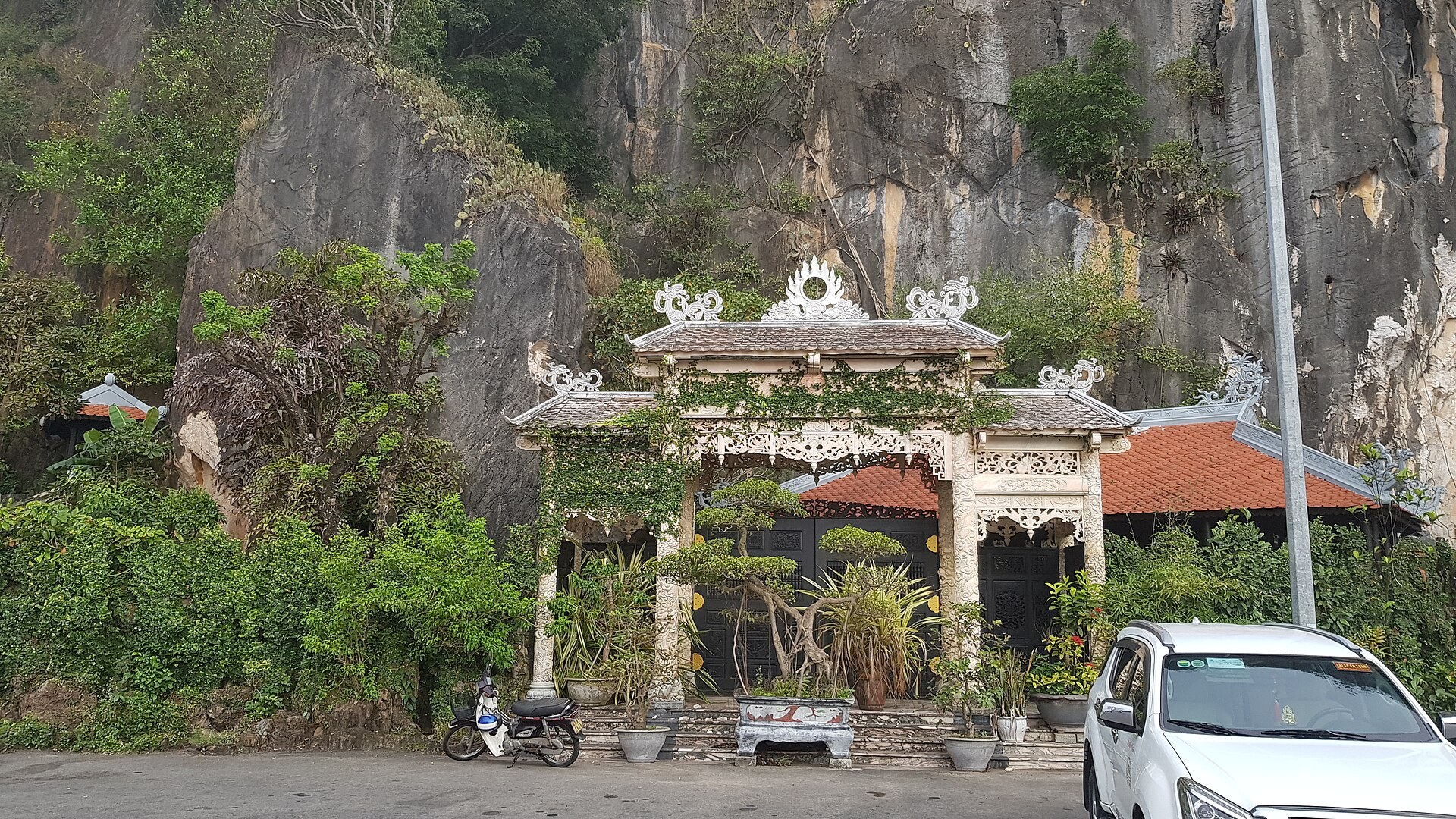
By mid-morning, head about 8 kilometres south to the Marble Mountains (Ngu Hanh Son), five limestone and marble hills named for the five elements — metal, wood, water, fire and earth. Only Thuy Son (Water Mountain) is fully open to visitors, and it rewards the climb: 156 stone steps (or a glass elevator part-way) lead to pagodas, shrines and a string of caves, the finest of them Huyen Khong, a huge chamber where shafts of sunlight fall through holes in the roof onto a seated Buddha. Entry is about 40,000 VND, the elevator about 15,000 VND one way, and the Am Phu Cave — a vivid, theatrical depiction of the Buddhist afterlife at the foot of the hill — is a separate ticket of about 20,000 VND. Allow two to three hours, go before midday heat, and wear shoes with grip: the marble steps are polished smooth by centuries of feet.
If you would rather not piece the logistics together yourself, a small-group Marble Mountains, Lady Buddha and Da Nang by night tour strings the mountains, the Am Phu Cave, the Lady Buddha and an evening Han River cruise into one afternoon and evening, with hotel pickup from Da Nang or Hoi An.
Spend the late afternoon back in the centre: the Museum of Cham Sculpture, by the Han River, holds the world’s finest collection of sandstone art from the Champa kingdom that ruled this coast for centuries — it makes everything you saw at the Marble Mountains, and will see if you visit My Son, make far more sense. Then wander through Han Market for dried mango, coffee and tailor-made souvenirs.
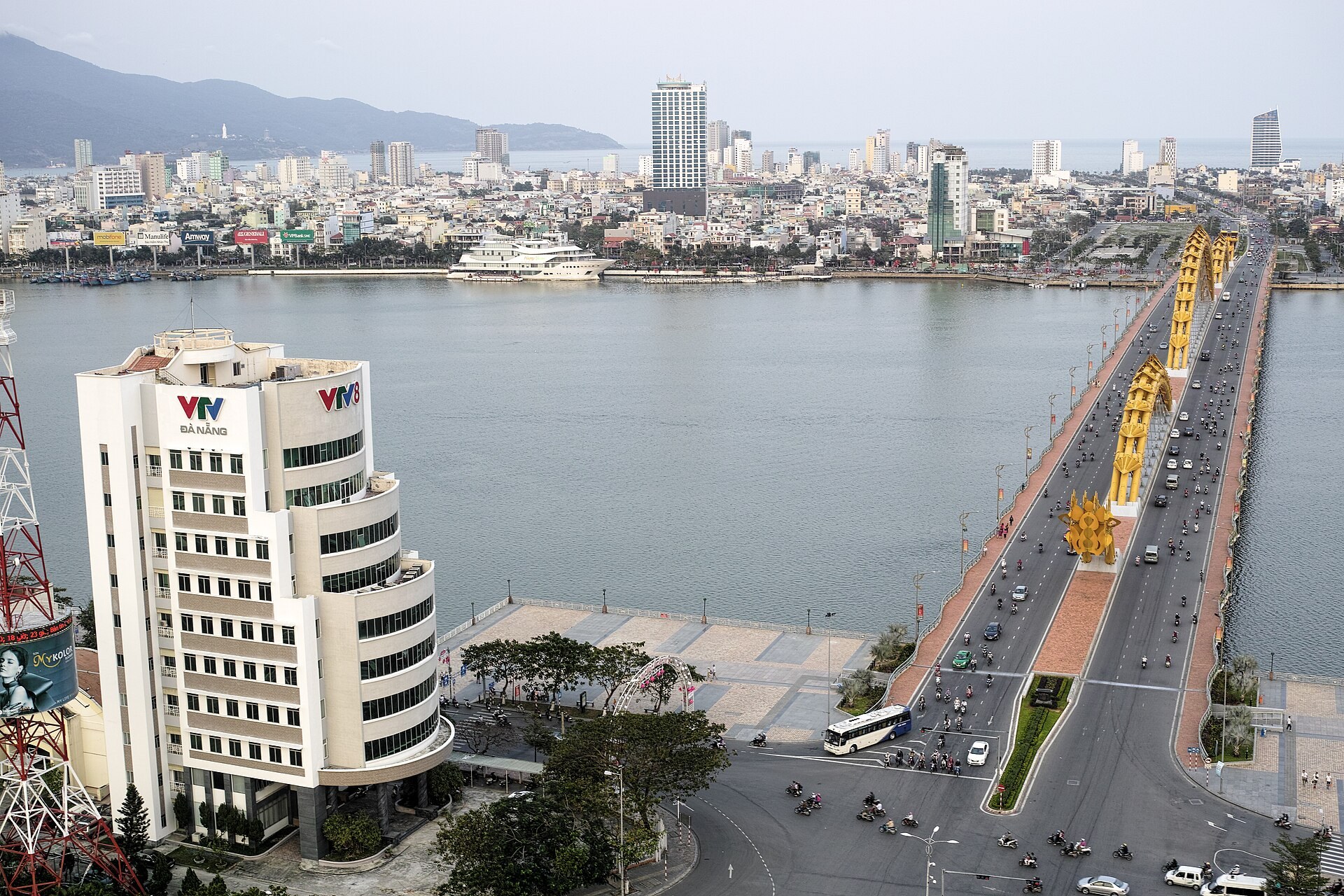
Finish on the river. The 666-metre Dragon Bridge, opened in 2013, is the city’s symbol, and on Friday, Saturday and Sunday nights at 9pm the dragon’s head breathes fire, then sprays water, for about 15 minutes. Watch from the east-bank promenade for the full silhouette, and arrive by 8:30pm on a Saturday — the crowds are real. The riverside bars and the Son Tra night market, just across the bridge, keep the evening going afterwards.
Day 2: Ba Na Hills and the Golden Bridge
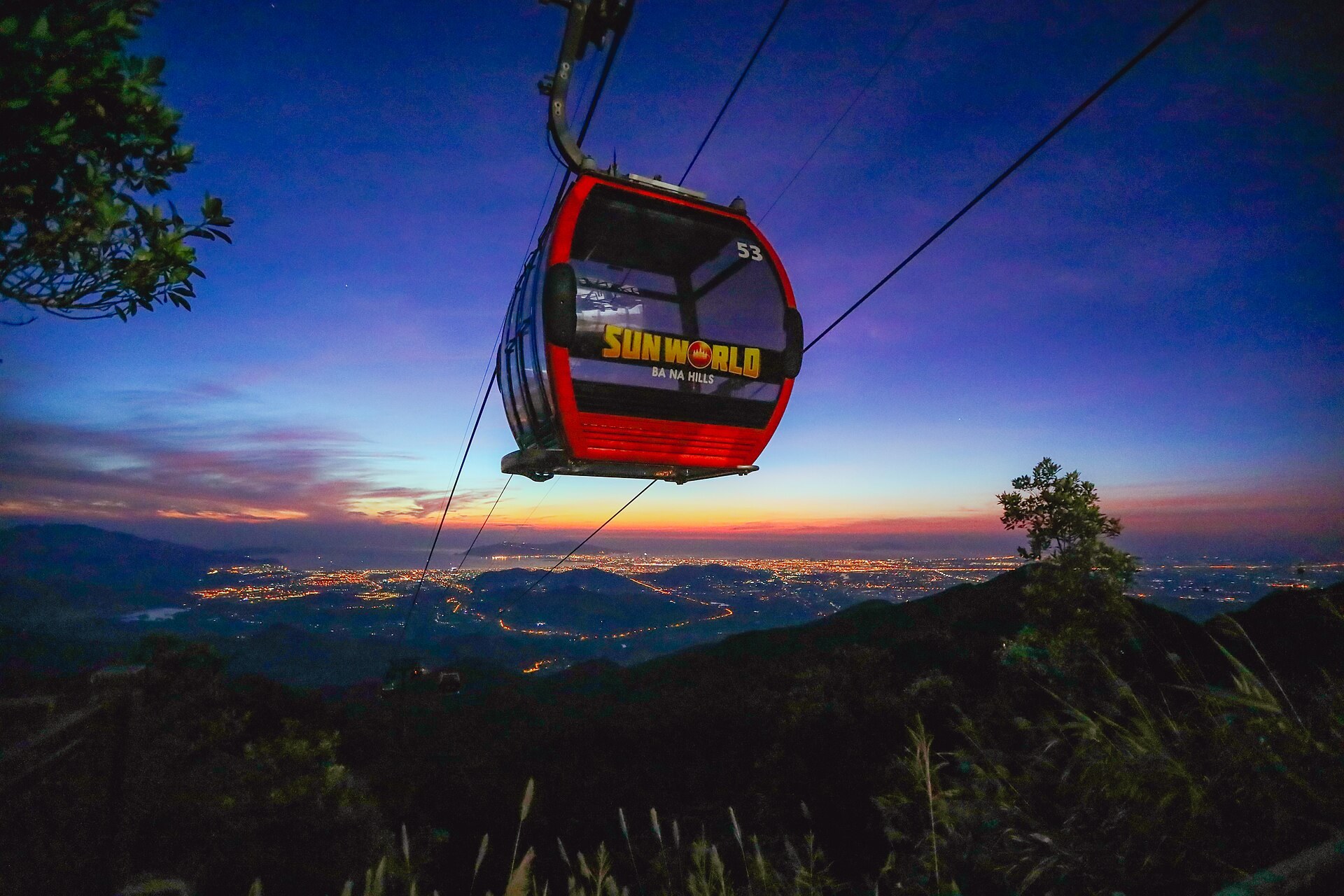
Today is the big one, so start early. Ba Na Hills, a former French hill station about 25 kilometres west of the city at 1,487 metres above sea level, is now a mountain resort reached by a cable-car system whose main span runs some 5.8 kilometres over jungle — among the longest in the world. At the top, the temperature drops noticeably (bring a light jacket even in summer) and the cloud rolls in and out by the minute.
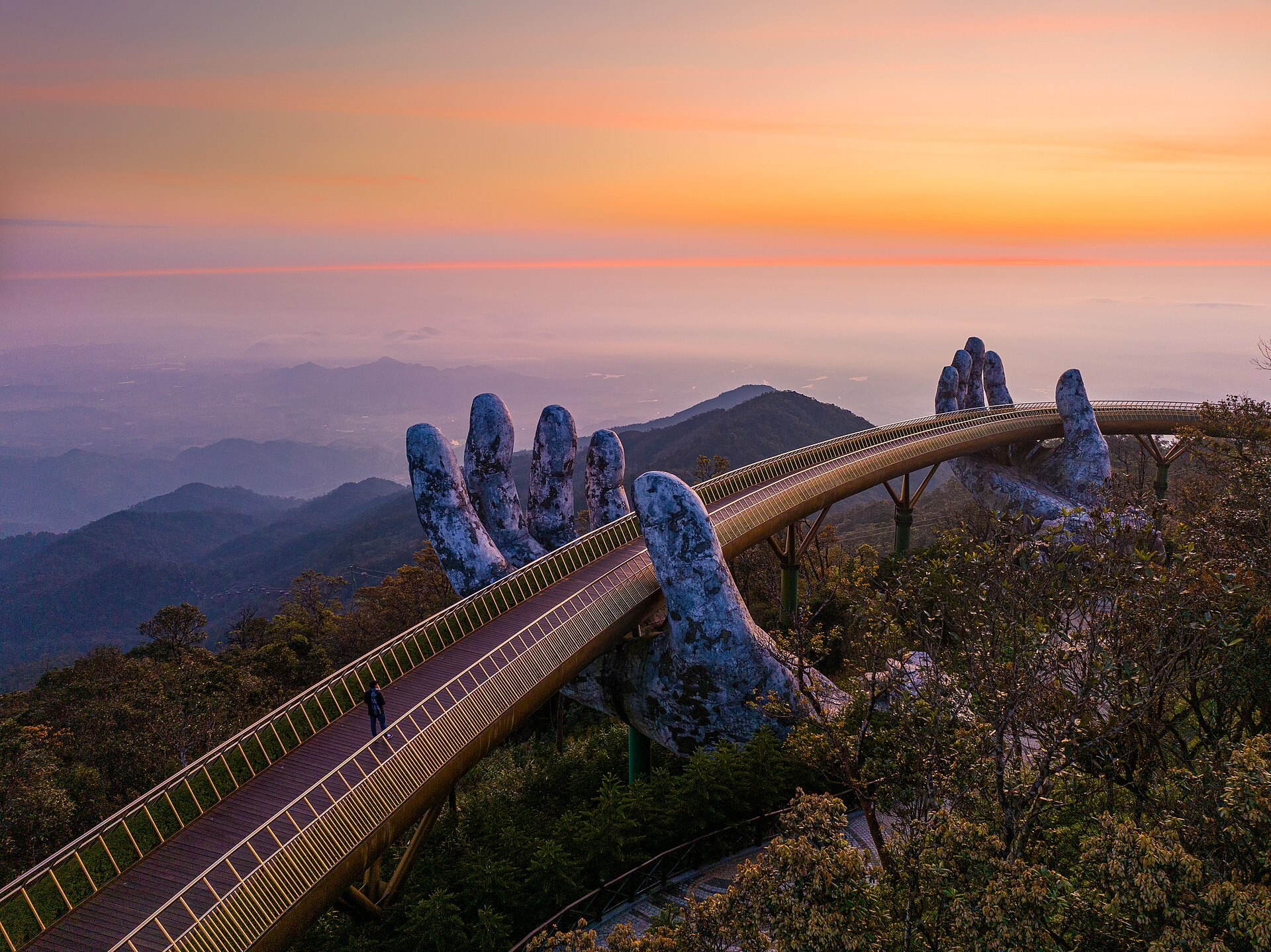
The headline sight is the Golden Bridge: a 150-metre curving walkway, opened in 2018, held aloft by two enormous weathered stone hands. Go straight there from the cable car, ideally before 9am — by mid-morning the bridge carries hundreds of people at once, while early on a clear day you may share it with a few dozen, with mist drifting through the fingers. Beyond the bridge, budget your time: Le Jardin d’Amour flower gardens and the Linh Ung Pagoda on the lower station, then a second cable car up to the French Village, a cheerful pastiche of Normandy squares and Gothic churches, and Fantasy Park’s 90-plus indoor rides and games, which are a genuine blessing if the summit clouds over.
An adult cable-car ticket for international visitors costs about 1,000,000 VND and includes the bridge, gardens and Fantasy Park; recent tickets have been valid for up to three consecutive days, which takes the sting out of a cloudy first attempt — confirm the current terms when you book. The simplest way to do the day is a Ba Na Hills and Golden Bridge full-day tour from Da Nang, which bundles hotel pickup, the cable car and a guide who knows which station to run for when the weather turns. However you go, treat Ba Na as a full day — you will be back in Da Nang by late afternoon, ready for nothing more ambitious than dinner.
For that dinner, eat what Da Nang eats: mi Quang, the city’s signature turmeric-tinted noodle dish with pork, shrimp, herbs and a crisp rice cracker, served with just a little rich broth. The stalls and small restaurants around Con Market do it best and cheapest.
Day 3: Son Tra Peninsula, the Lady Buddha and a Hoi An Evening
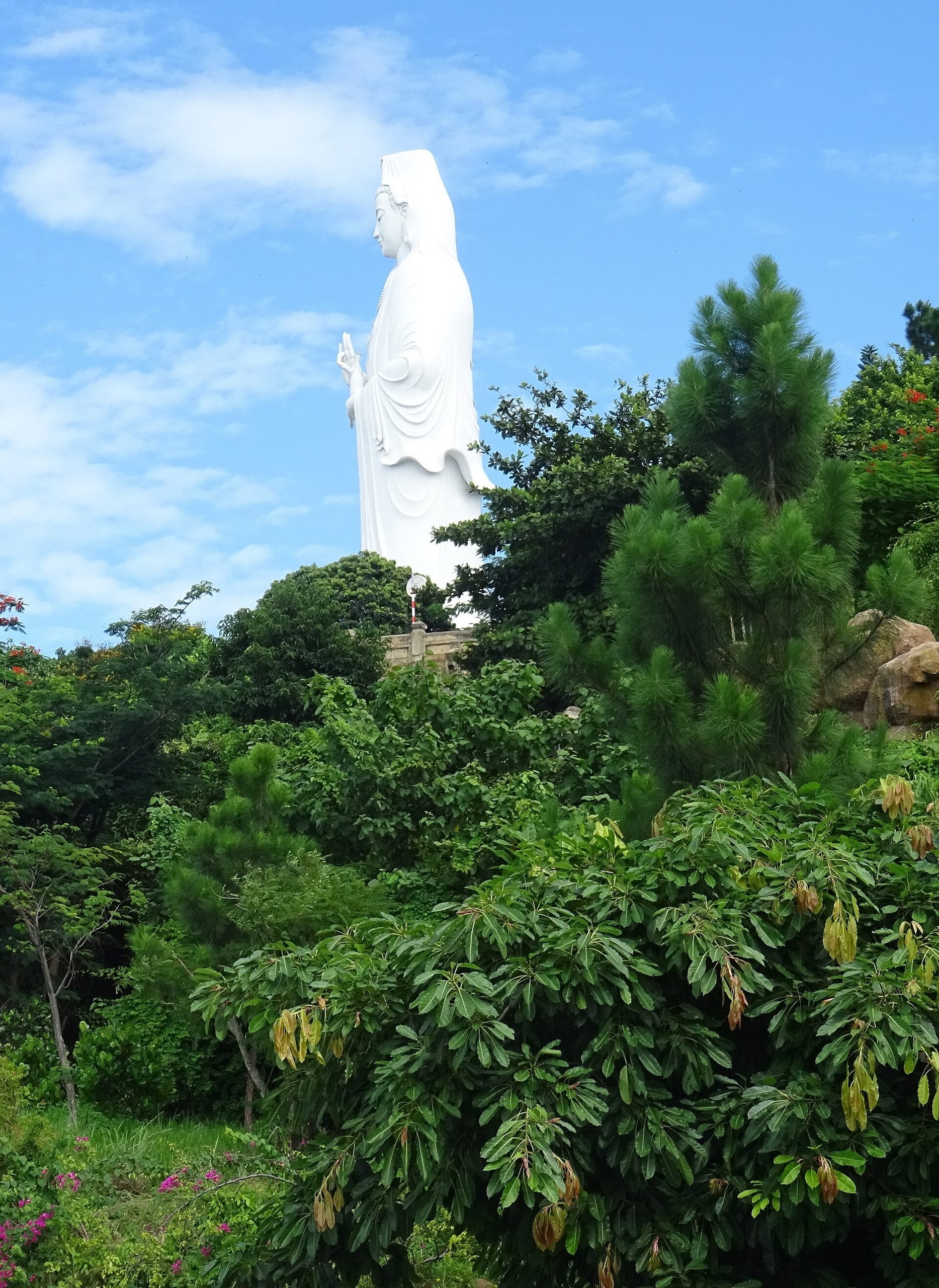
Keep the last day slow and coastal. Drive the winding road up the Son Tra Peninsula — Monkey Mountain — to Linh Ung Pagoda, where the 67-metre Lady Buddha, the tallest Buddha statue in Vietnam, gazes out over the bay. The pagoda grounds, with their bonsai gardens and sea views back across My Khe to the Marble Mountains, are at their best in the morning light, and the peninsula road beyond passes troops of monkeys and quiet viewpoints over the East Sea. Entry is free; dress modestly, as it is an active place of worship.
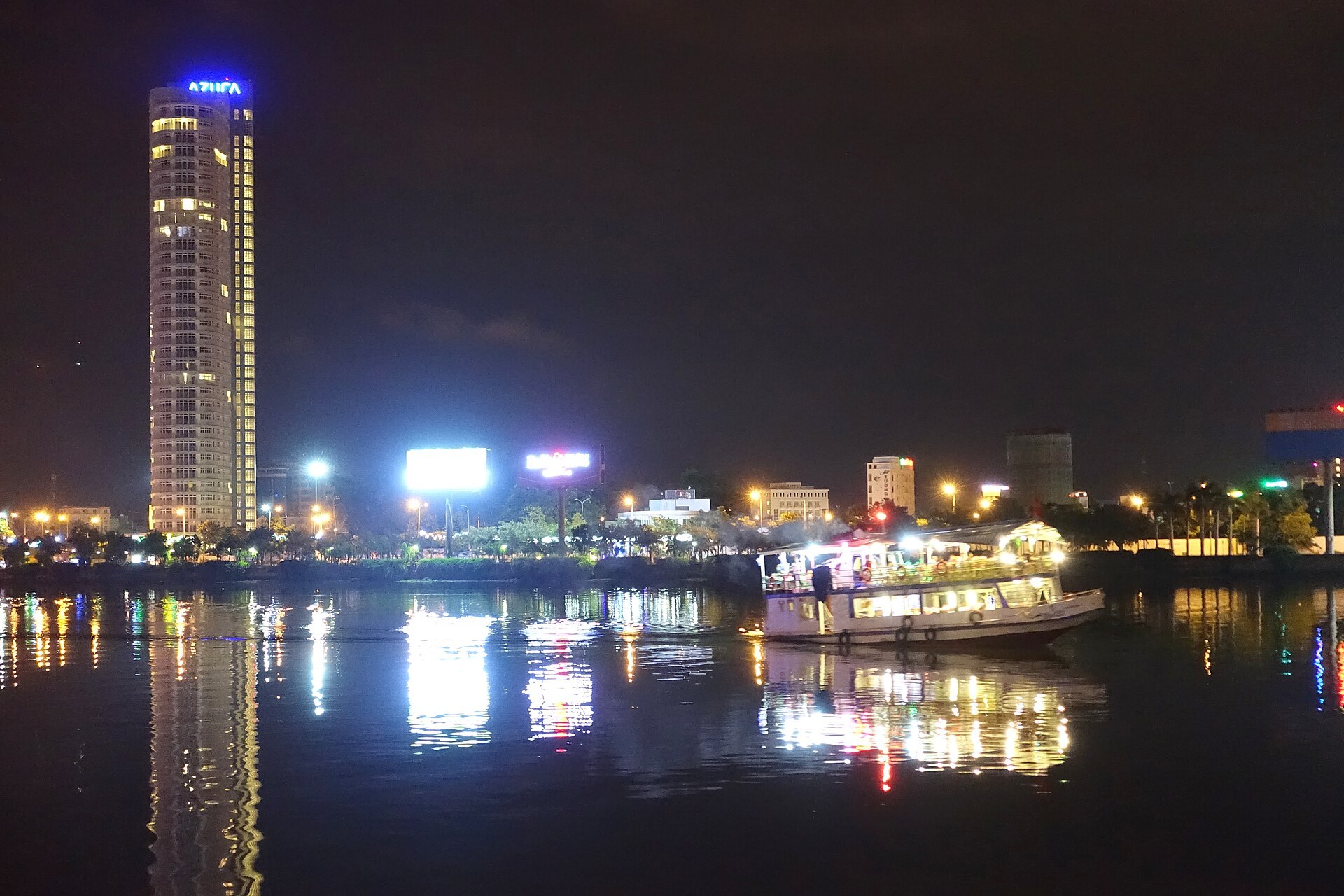
Back in town, the afternoon is yours: a second swim at My Khe, a coffee-tasting crawl through the centre’s excellent cafés, or a food tour. Da Nang’s street food is central Vietnam on a plate — banh xeo (crisp turmeric pancakes you roll in herbs and dip in peanut sauce), bun thit nuong (grilled pork over vermicelli) and pho all claim local versions. A Da Nang food tour with a Han River cruise works through five or six local dishes at stalls you would never find alone, visits Con and Han markets, and finishes on the water under the lit-up bridges — time it for a weekend and it ends with the Dragon Bridge fire show.
If you have the energy for one last outing, swap that evening for Hoi An. The Ancient Town is at its most beautiful after dark, when the cars stop, the silk lanterns come on and boats drift down the Thu Bon River — and it pairs so naturally with Da Nang that many visitors sleep in one and day-trip to the other. My Hoi An in 3 days itinerary shows how to give it the time it deserves if you can extend your stay. For the bigger picture — how Da Nang and Hoi An fit with the rest of the region — browse my best Southeast Asia guides, which gather every itinerary, stay guide and tour roundup in one place.
Practical Tips for 3 Days in Da Nang
- Getting in: Da Nang International Airport is inside the city, about 10–15 minutes from the beach hotels and the riverfront. Grab (the ride-hailing app) is the easiest way around; fares across town are small.
- Where to base yourself: the My Khe beachfront for sea views and resort hotels, or the Han River side of Hai Chau district for markets, cafés and the Cham Museum. The two are ten minutes apart.
- Weather strategy: February to August is dry and swimmable. In the wet months (September to December), put Ba Na Hills on your clearest forecast morning — the Golden Bridge in fog is atmospheric, but the cable-car views are the point — and keep the Marble Mountains and food tour as your rainy-day swaps.
- Money: sight prices here are low — Marble Mountains entry is roughly the price of a coffee — so the budget decisions are Ba Na Hills and tours. Cards are accepted at hotels and larger restaurants; carry small dong notes for markets and stalls.
- Combine it: Da Nang + Hoi An is the classic central Vietnam pairing, and Hue (about 2.5 hours north via the Hai Van Pass) adds easily as a fourth or fifth day.
Da Nang does not demand much of you — a beach, a mountain of caves, a bridge in the clouds and a dragon that breathes fire on weekends. Give it three days, keep one eye on the sky, and it will quietly become the part of Vietnam you recommend first.