You can hire a tuk-tuk at the gate and wander Angkor on your own — plenty of people do. But Siem Reap is one of those places where a good guided tour genuinely changes what you see. The temples are vast, the carvings are a written language most of us cannot read, and the difference between arriving at Ta Prohm in cool, quiet morning light and arriving with the midday crowds is the difference between two completely different trips. The three tours below are the ones I recommend to first-timers: a sunrise small-circuit tour for the icons, a two-day tour that adds the Grand Circuit and Banteay Srei without rushing, and a full day out to sacred Phnom Kulen, jungle-swallowed Beng Mealea and the floating village of Kampong Phluk.
Never forget a thing before you fly. My free 8-page Travel Planning Checklist walks you through the whole trip — 6 planning timelines, 36 checks, from booking windows to travel-day basics. One email, no spam, unsubscribe anytime.
Disclosure: This post contains affiliate links. If you book through one of these links, I may earn a commission at no extra cost to you.
All three pair naturally with my Siem Reap in 3 days itinerary, which sequences these exact days, and with my guide to where to stay in Siem Reap, since every tour here picks up from central hotels. One cost sits on top of every temple tour: the Angkor Pass ($37 for one day, $62 for three days, $72 for seven days), sold by Angkor Enterprise — buy it online or the afternoon before so a 4:30am start is not spent in a ticket queue. Phnom Kulen has its own separate entry fee, covered in that section below.
1. Angkor Wat Sunrise Small-Group Tour — The Essential First Day
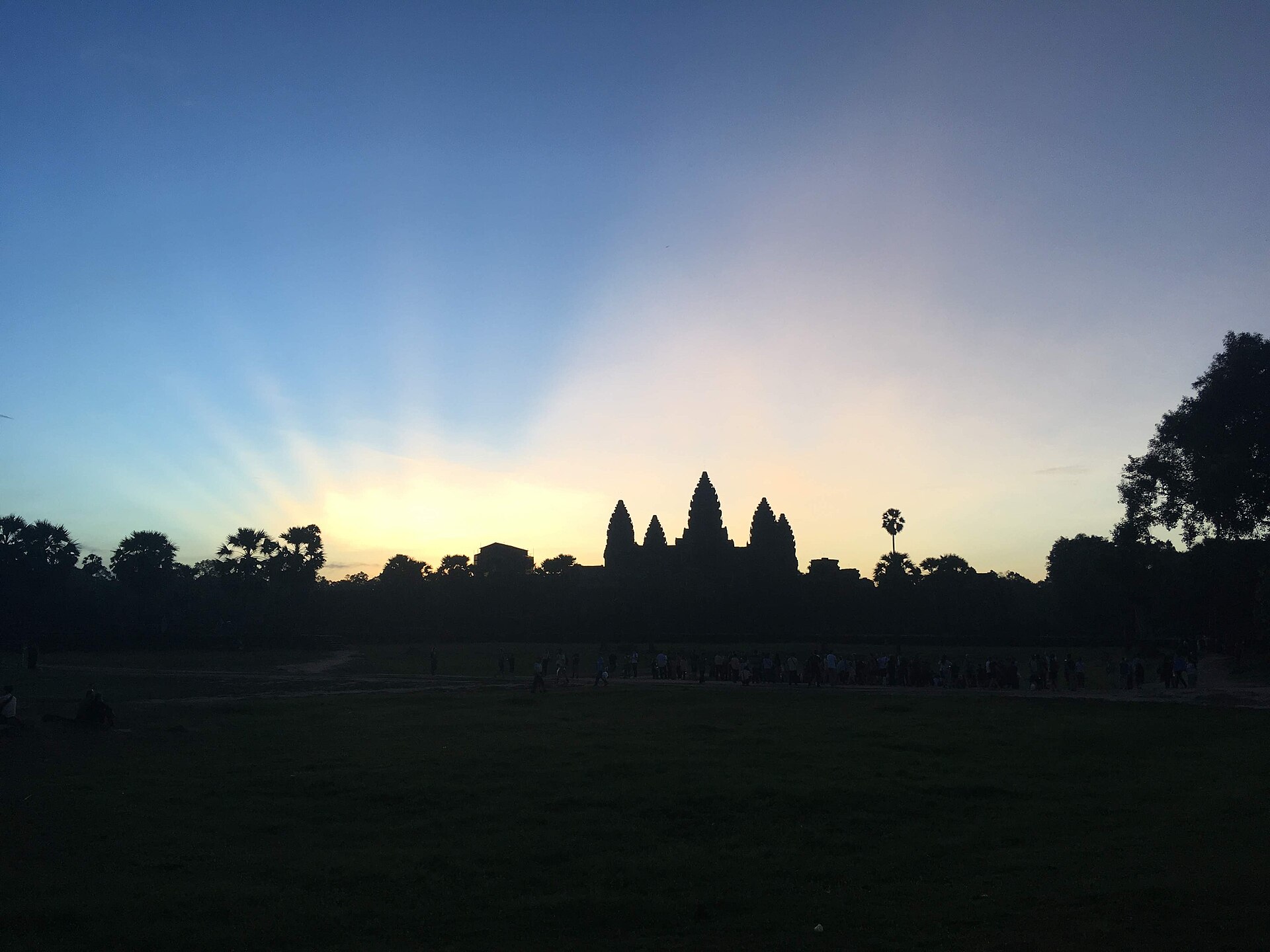
If you book only one tour in Siem Reap, make it this one. The small-group Angkor Wat sunrise tour collects you from your hotel in the dark, walks you to the reflection ponds in front of Angkor Wat, and puts you in position as the sky turns pink and orange behind the five lotus-bud towers — the single most famous view in Cambodia, earned rather than stumbled into.
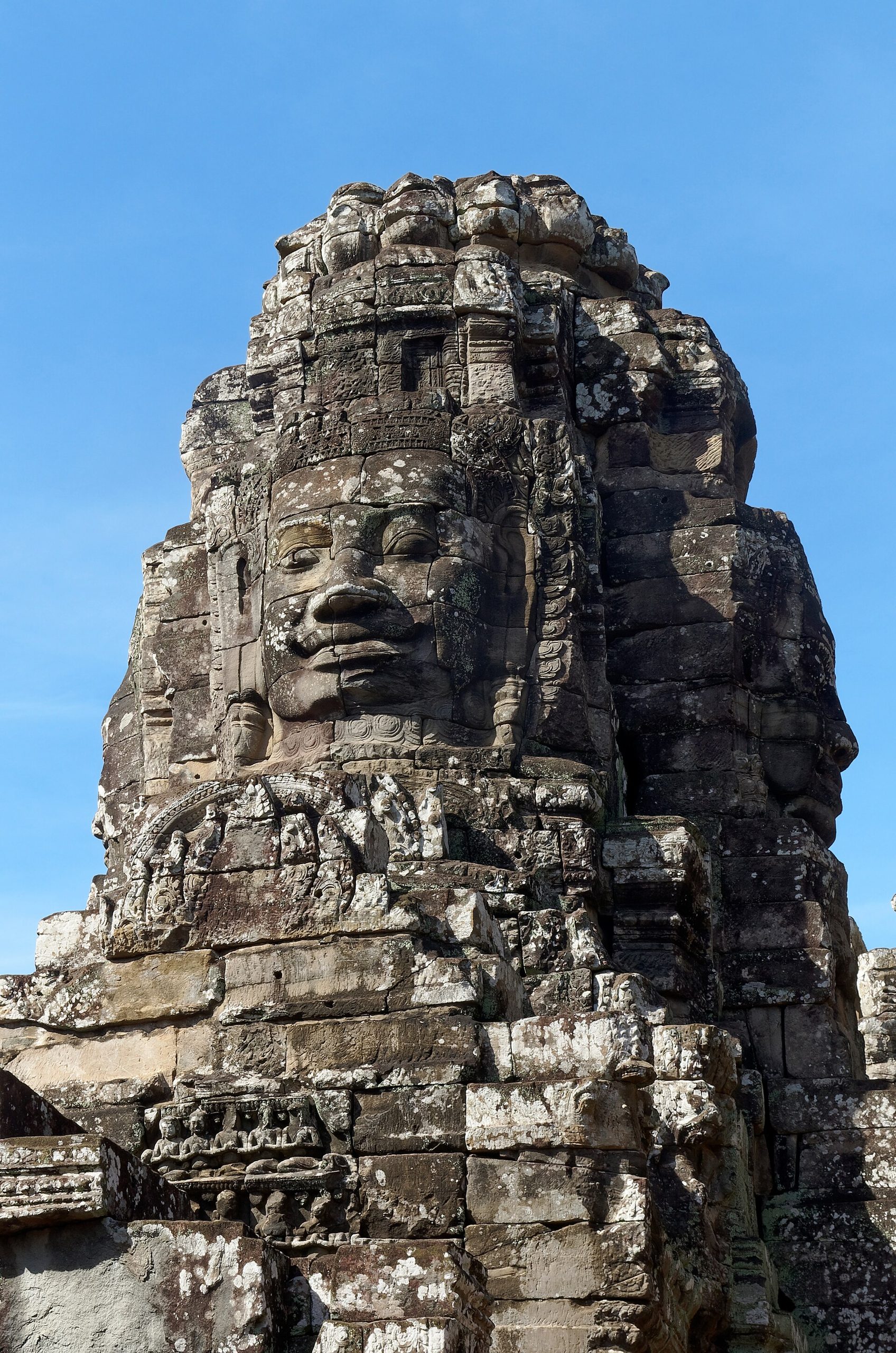
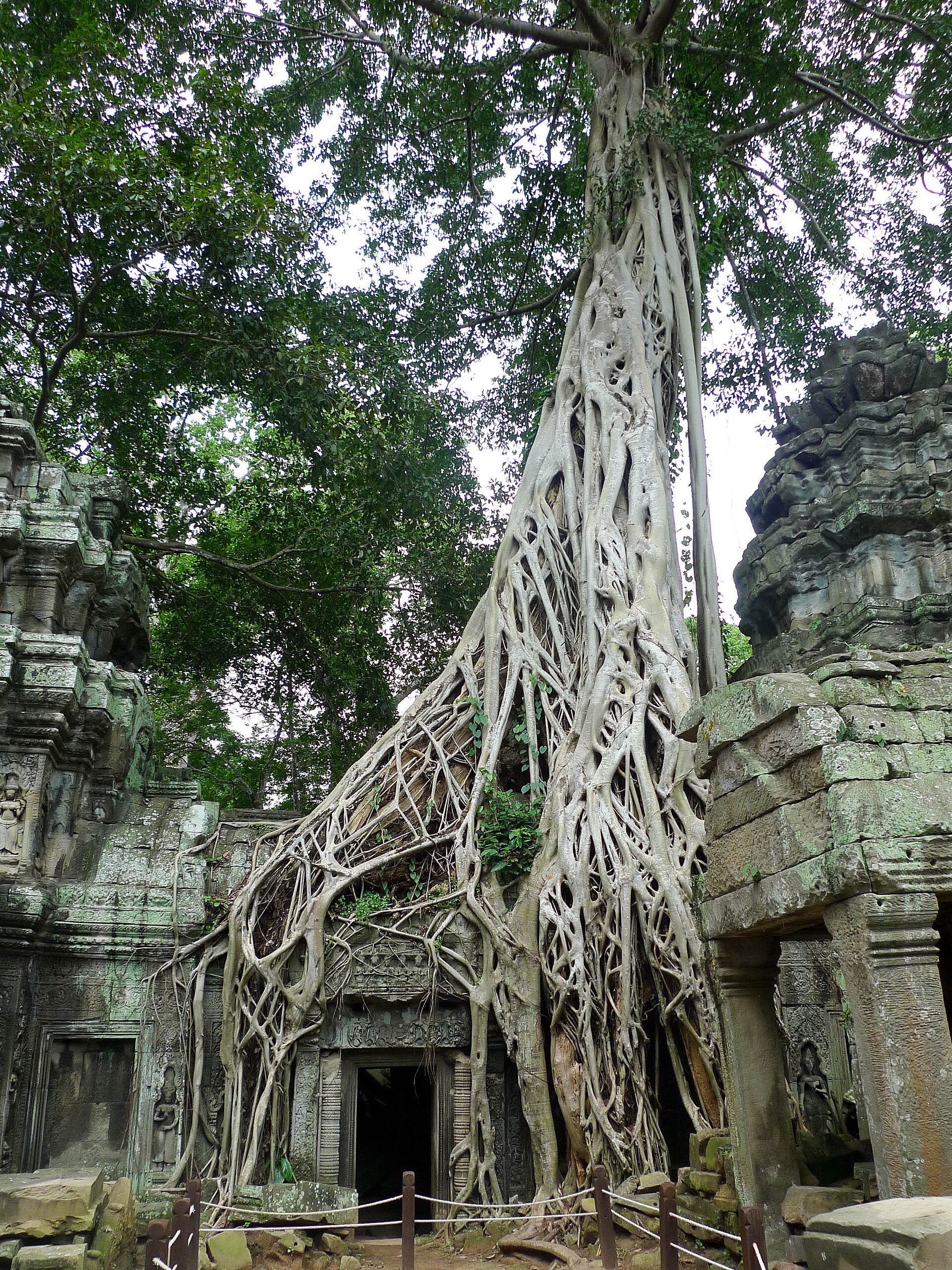
After sunrise, while self-guided visitors are still orienting themselves, your guide leads you inside: through the long bas-relief galleries that retell Hindu epics in stone, up toward the upper levels (shoulders and knees covered — the dress code is enforced), and out before the worst heat. The tour continues around the classic small circuit: the walled city of Angkor Thom, the Bayon with its dozens of serene carved faces looking out in every direction, and Ta Prohm, where silk-cotton tree roots pour over the doorways of a temple left much as the jungle was found holding it.
Why a small group rather than a private splurge or a big bus? You can actually hear the guide, ask questions, and move at temple pace rather than flag pace — and at around $15 per person at the time of writing, it is remarkable value for a full guided day at a Wonder of the World. A sunset version runs the same circuit in reverse if you truly cannot face the alarm; the sunrise start is cooler, quieter and, frankly, the one you will remember.
2. Two-Day Angkor Wat Tour with Sunrise — Grand Circuit and Banteay Srei
Most visitors stop after the small circuit, which means they miss the temples many guides quietly call their favourites. The two-day Angkor Wat small-group tour with sunrise solves the pacing problem elegantly: day one covers Angkor Wat at sunrise and the small-circuit highlights, and day two heads out on the Grand Circuit — the longer loop that strings together Preah Khan, a sprawling monastic complex of corridors and garuda-carved walls; Neak Pean, a small temple set on an island in a reservoir; Ta Som, with its face-tower gate strangled by a fig tree; East Mebon, guarded by stone elephants; and Pre Rup, a temple-mountain whose top tier is one of the best sunset viewpoints in the park.
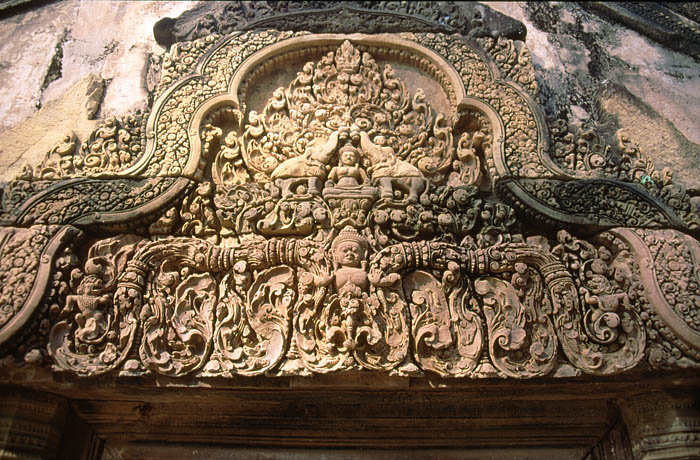
The second day also drives about 25 kilometres northeast of the main park to Banteay Srei, and it is worth every minute of the ride. Built in 967 CE from pink sandstone — centuries before most of Angkor — this small temple is covered in carvings so fine and deep they look embroidered rather than chiselled. Because it is compact, a good guide can walk you through its stories lintel by lintel, and because it sits out in the countryside, the drive there doubles as a glimpse of rural Cambodia: sugar palms, stilt houses and roadside stands selling palm sugar.
Practically, the two-day format is also the kindest way to do Angkor. You are back at your hotel for the hottest hours, you are not trying to cram twelve temples into one exhausted blur, and your three-day Angkor Pass covers both days with a day to spare. If your time in Siem Reap is short, this single booking effectively organises your whole temple plan — just slot a free morning or the Phnom Kulen day below around it, exactly as laid out day-by-day in the 3-day Siem Reap itinerary.
3. Phnom Kulen, Beng Mealea and Kampong Phluk — The Great Day Beyond Angkor
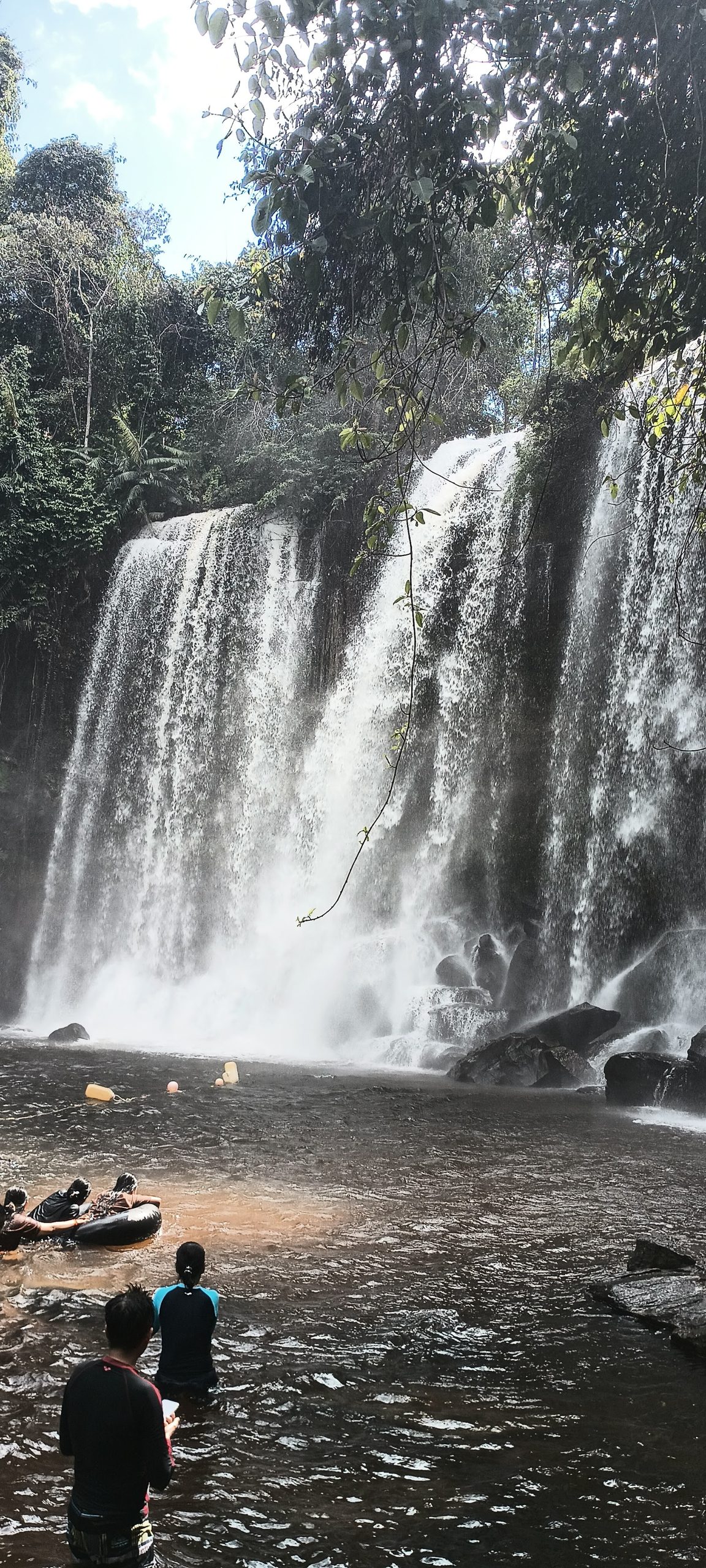
On day three, leave the main park behind. The Kulen Mountain, Beng Mealea and Tonle Sap full-day tour strings together three places that show you a completely different Cambodia. Phnom Kulen, about 50 kilometres northeast of Siem Reap, is the sacred mountain where Jayavarman II proclaimed himself god-king in 802 CE, founding the Khmer Empire that would later build Angkor. Pilgrims still climb to the reclining Buddha carved into a boulder at the summit temple, monks bless visitors by the spring, and in the riverbed below, hundreds of lingas were carved into the rock — the famous River of a Thousand Lingas, visible through clear shallow water.
Then you swim. The Phnom Kulen waterfall drops in two tiers through the jungle, and after a hot morning of temples there is no better reset in Cambodia. Bring swimwear, a towel and dry clothes for the ride on. Note that Phnom Kulen sits in its own national park with a separate entry fee (around $20), not covered by the Angkor Pass — budget for it and do not let it be a surprise.
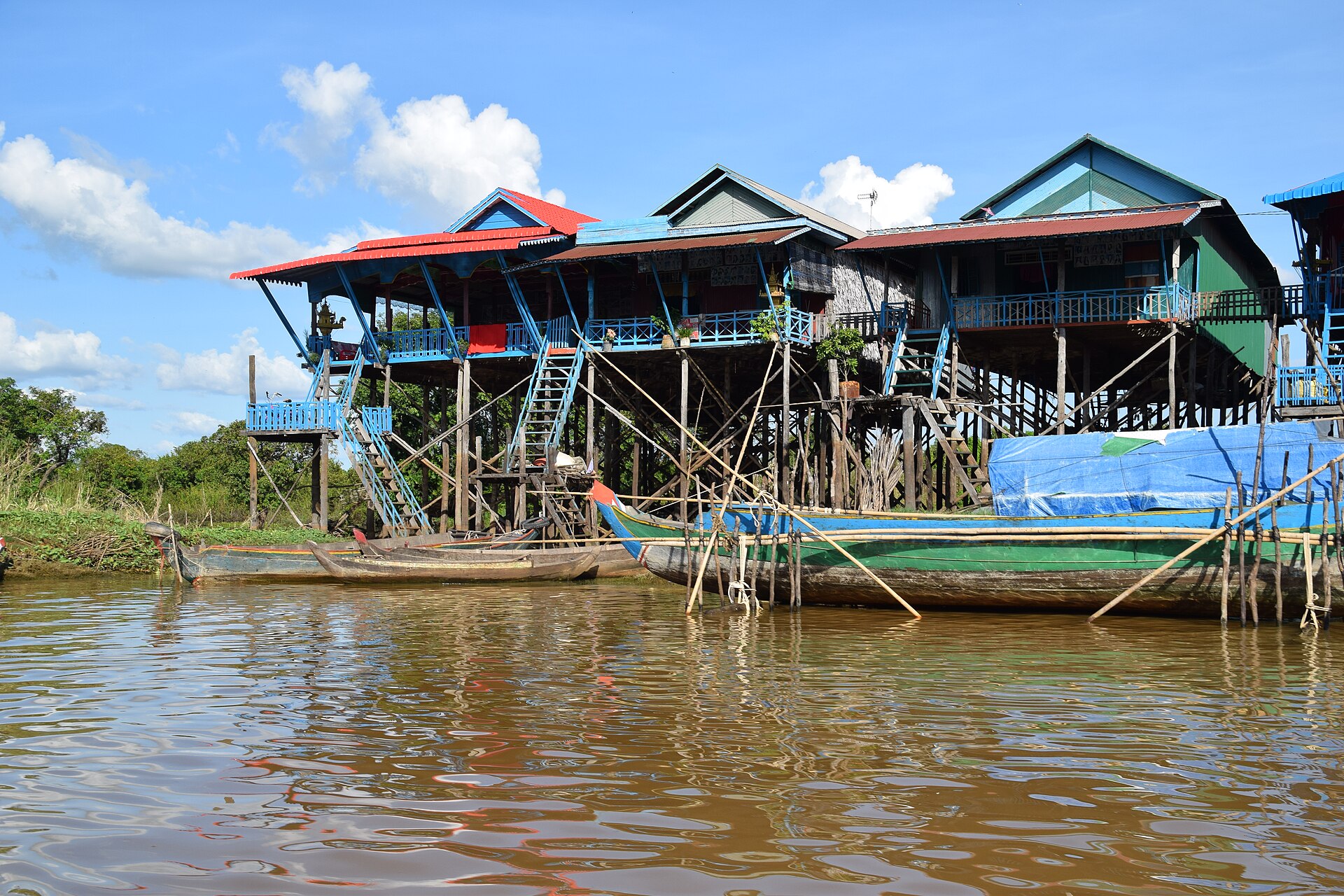
The afternoon pairs two contrasts. Beng Mealea is Angkor as the jungle left it: a vast 12th-century temple, built to roughly the same plan as Angkor Wat, explored via wooden walkways over tumbled galleries and root-split walls — atmospheric in a way the restored icons cannot be. Kampong Phluk, on the Tonle Sap lake, is a working stilt village where houses rise eight metres or more on wooden poles to ride out the wet-season floods, and a small boat takes you past the school, the pagoda and out toward the open lake. In flood season (roughly August to January) the flooded forest is navigable by rowboat; in the dry season you see the full, astonishing height of the stilts instead. Either way, it is the day that turns a temple trip into a Cambodia trip.
Which Siem Reap Tour Should You Book?
Short on time? Book the sunrise small-group tour. It is the highest-value half-to-full day in Siem Reap and covers Angkor Wat, the Bayon and Ta Prohm with a guide who makes the stones talk.
Three days and temple-hungry? Book the two-day tour for days one and two, then add the Phnom Kulen day. Together they are, almost exactly, the route in my Siem Reap itinerary — and between temples you will want a base with a pool for the midday heat, so check the hotel picks in where to stay in Siem Reap before you book rooms.
Travelling with kids or temple fatigue? Do the sunrise tour, skip the second temple day, and take the Phnom Kulen trip instead — waterfalls, a boat ride and a village on stilts break up the ruins beautifully.
A few booking tips apply to all three: reserve the sunrise tour at least a day or two ahead in high season (November to February), confirm your hotel pickup the evening before, carry small US dollar bills for drinks and tips, and keep shoulders and knees covered on temple days. For the wider trip — combining Siem Reap with Thailand, Vietnam or Bali — browse my full roundup of Southeast Asia guides, where this cluster sits alongside the region’s other itineraries, stay guides and tour picks.
The Bottom Line
Angkor rewards preparation more than almost any site in Asia. A sunrise small-group tour gives you the icons at their best, a two-day Grand Circuit tour gives you depth without exhaustion, and the Phnom Kulen, Beng Mealea and Kampong Phluk day gives you the Cambodia beyond the postcards. Book those three, buy the three-day pass, and Siem Reap stops being a box you ticked and becomes what it should be: the highlight of your whole Southeast Asia trip.