
Siem Reap is a small, flat, easy town — and yet where you stay shapes the whole Angkor trip. Base yourself by the Old Market and your evenings are night markets, street food and a short stroll home. Sleep across the river in Wat Bo and the same town feels leafy and local. Stay up the road toward Angkor and your sunrise starts ten minutes closer to the towers. None of these is wrong; they just suit different travellers, budgets and alarm clocks.
Never forget a thing before you fly. My free 8-page Travel Planning Checklist walks you through the whole trip — 6 planning timelines, 36 checks, from booking windows to travel-day basics. One email, no spam, unsubscribe anytime.
The practical frame first. Flights now land at Siem Reap–Angkor International Airport (SAI), which opened in October 2023 about 45–50 km east of town: allow roughly an hour by road (a taxi runs about $35, the official airport bus about $8), because the old in-town airport is closed. Angkor Archaeological Park begins about 7 km north of the centre — 15 to 20 minutes by tuk-tuk from most hotels — and the Angkor Pass costs $37 for one day, $62 for three days or $72 for seven days, with the multi-day passes usable on non-consecutive days. My Siem Reap in 3 days itinerary assumes a central base, which is still my recommendation for a first visit: temple days start early wherever you sleep, but central evenings need no planning at all.
Disclosure: This post contains affiliate links. If you book through one of these links, I may earn a commission at no extra cost to you.
Old Market & Pub Street: For First-Timers and Walking to Dinner
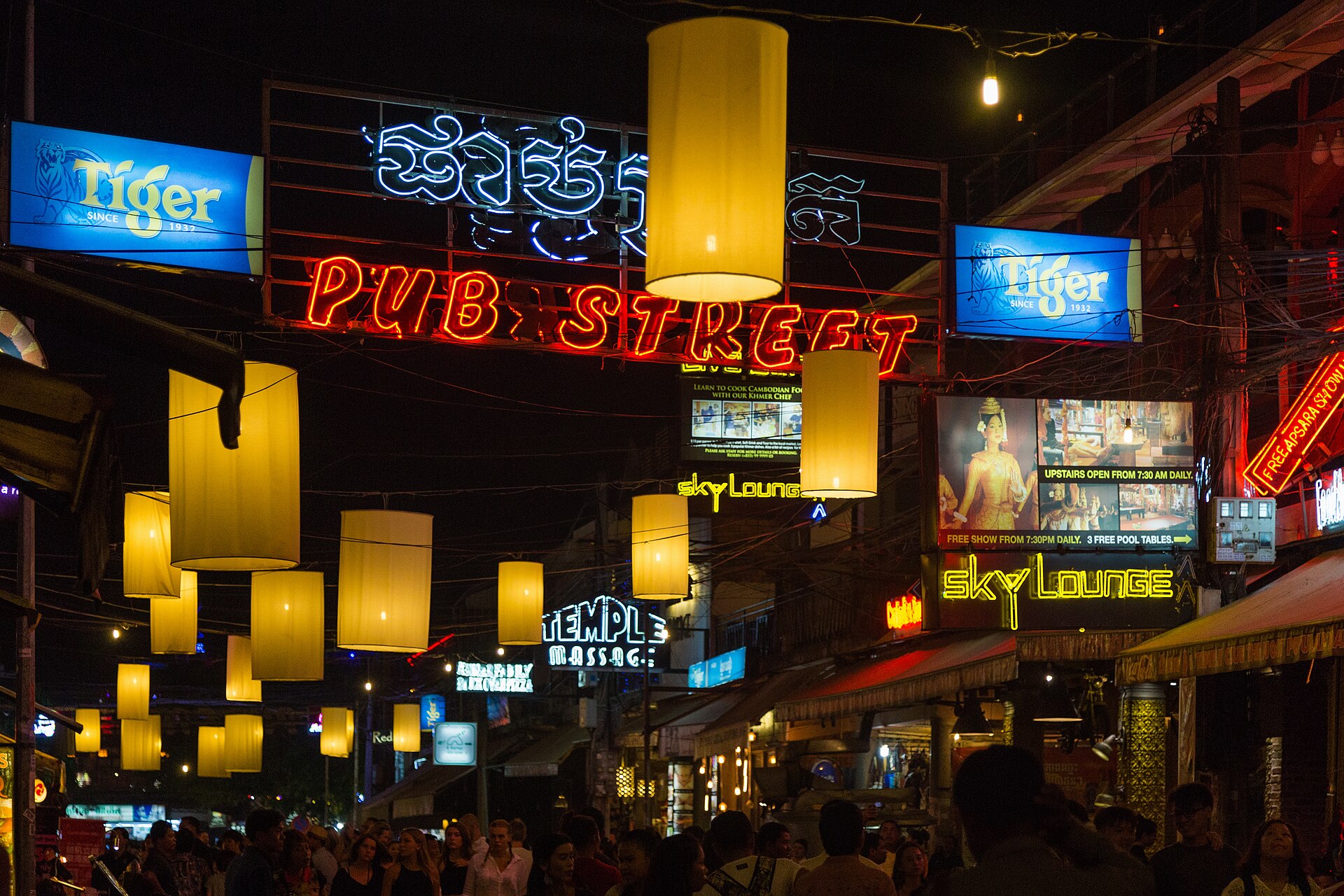
This is the Siem Reap most people picture: the Old Market (Psar Chas) selling everything from spices to silk, the Angkor Night Market across the footbridge, and Pub Street — officially Street 08 — glowing a few blocks north. Stay here and everything is walkable: dinner, a foot massage, a tuk-tuk rank, the riverside. The trade-off is noise — music from Pub Street runs late, so light sleepers should pick a hotel a street or two back rather than directly on the strip.
The landmark luxury address is the Park Hyatt Siem Reap: 104 rooms on Sivutha Boulevard in the Art Deco building that was the Hotel de la Paix, a minute’s walk from the Old Market and the night market. It pairs a central location with a quiet interior courtyard, a pool and one of the best breakfasts in town — the five-star answer for travellers who want to walk everywhere and still sleep well.
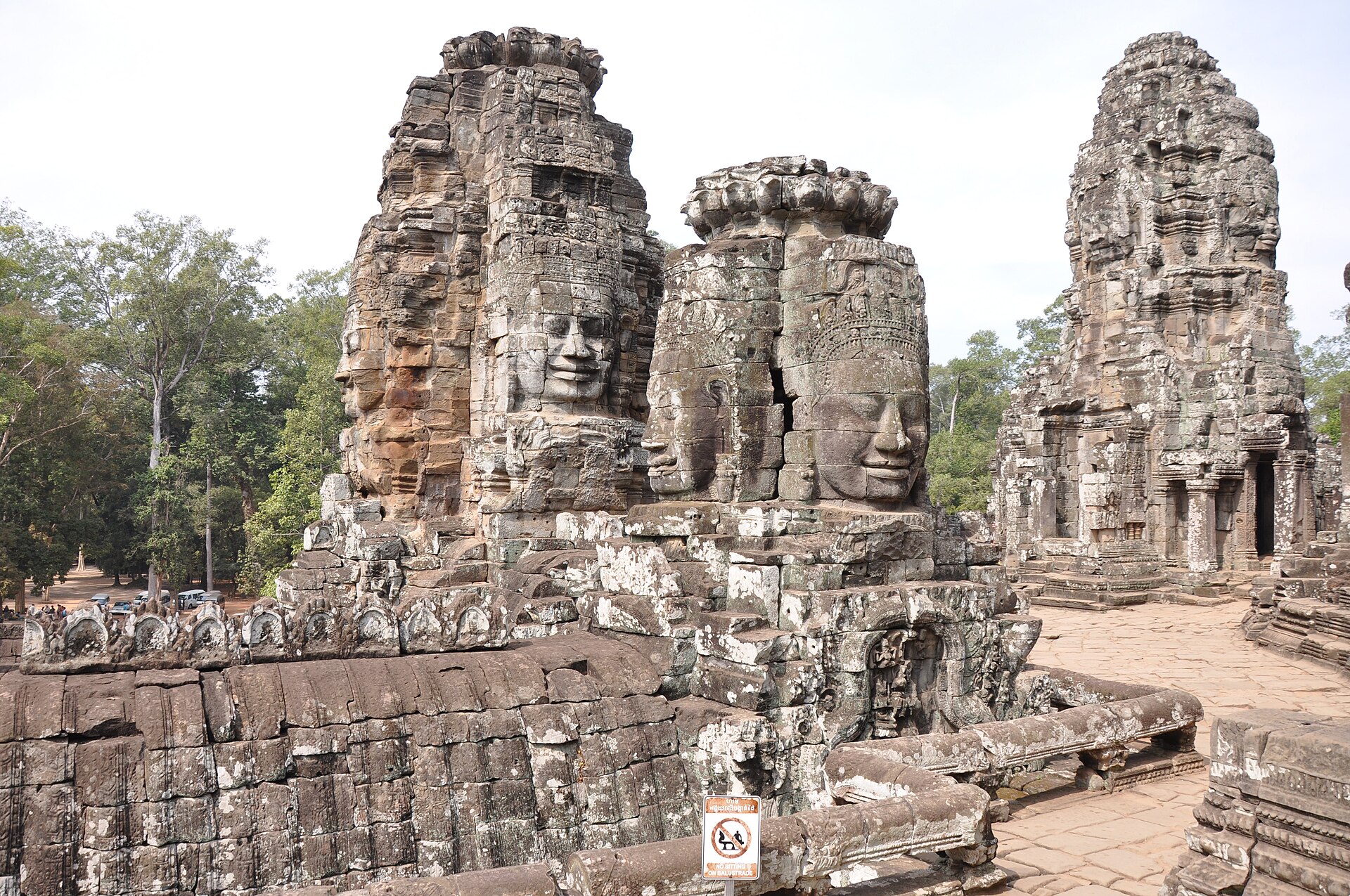
Temple days from here are simple: most visitors start with the small-group Angkor Wat sunrise tour, which picks up from central hotels before dawn and covers Angkor Wat, the Bayon and Ta Prohm in a single morning — exactly the first temple day the itinerary above is built around.
The Old French Quarter & Royal Gardens: For Boutique and Colonial Character
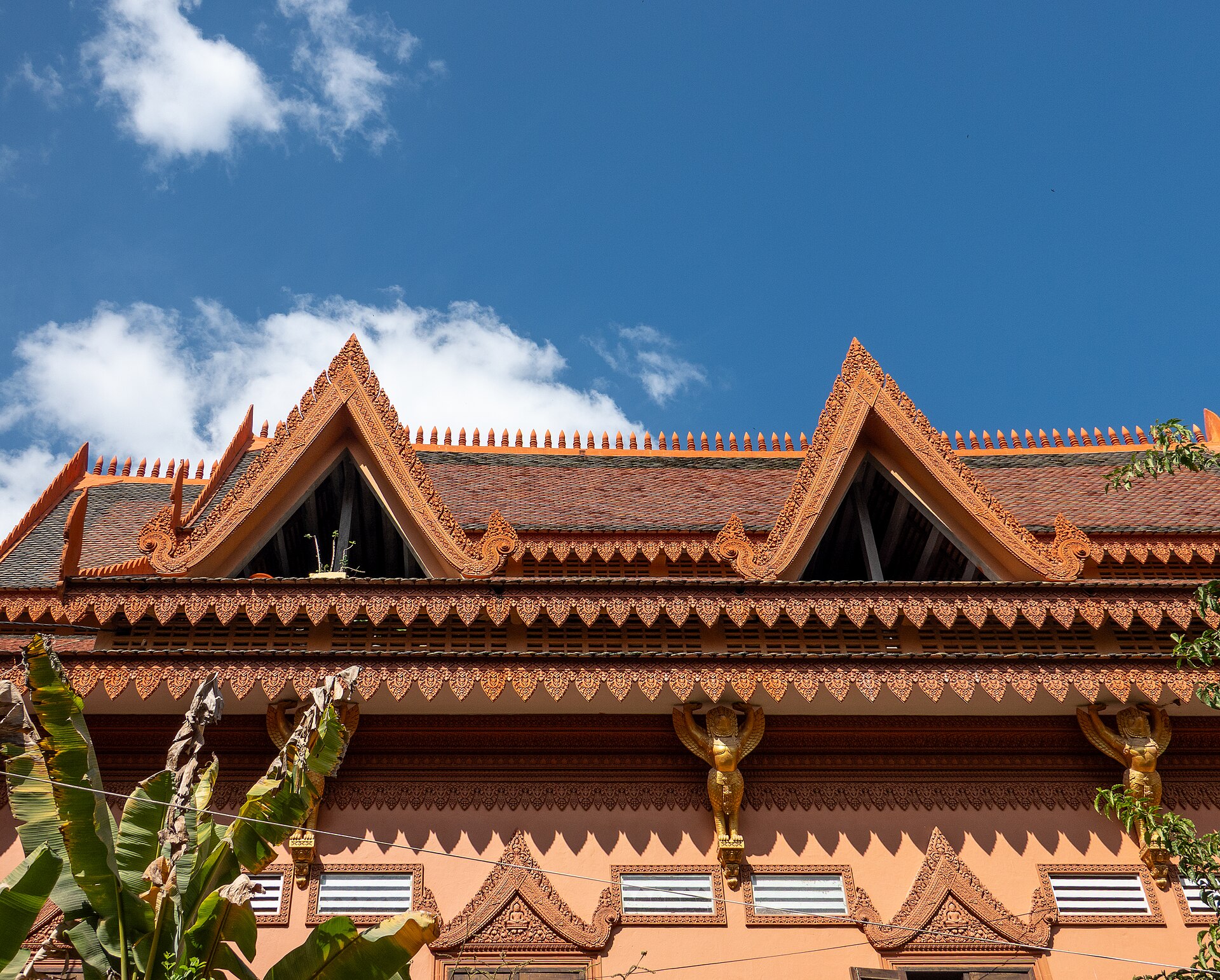
Walk five minutes north from the Old Market and the town changes key: broad avenues, the Royal Gardens, the Royal Residence, and the grand hotels of the colonial era. This is Siem Reap’s most elegant district — still an easy stroll to Pub Street, but with space, trees and a slower pulse. It suits couples, return visitors and anyone whose hotel is part of the trip, not just a place to sleep.
The grande dame is the Raffles Grand Hotel d’Angkor, at 1 Vithei Charles de Gaulle facing the Royal Gardens: opened in 1932, with 119 rooms, a famous cage elevator, and one of the largest pools in Cambodia set in tropical grounds. Beside the Royal Residence on Pokambor Avenue, FCC Angkor by Avani (mentioned as plain text — no verified Expedia listing was available at publishing) occupies the former French governor’s residence: 80 rooms and suites around a saltwater pool, with the old Foreign Correspondents’ Club mansion as its restaurant and bar. A few streets away, the Bill Bensley-designed Shinta Mani Angkor (also plain text here) is the design-lover’s splurge, all bold geometry and private plunge pools in its Bensley Collection villas.
Wat Bo & Wat Damnak: The Quiet East Bank, Best for Couples and Slower Stays
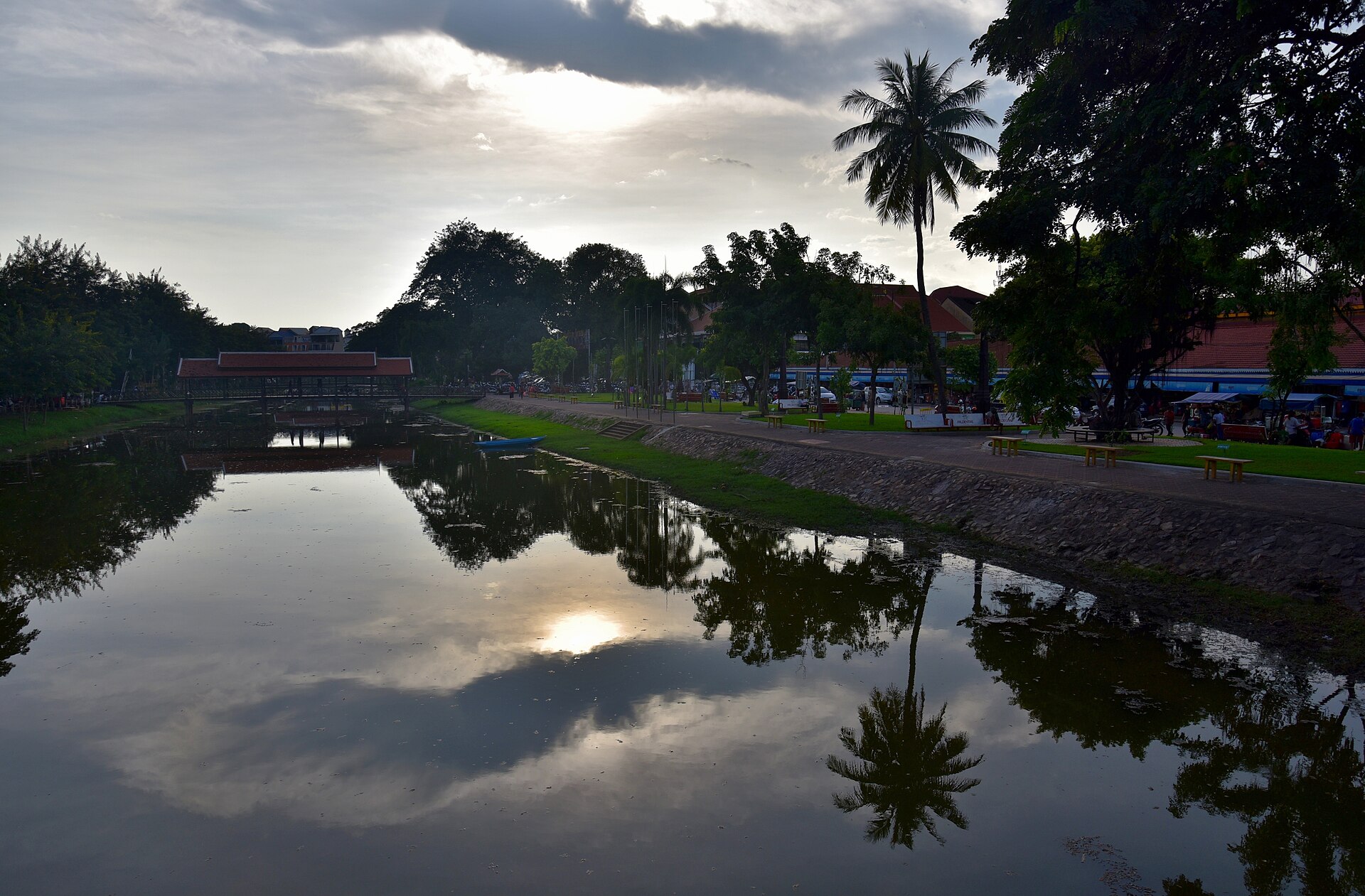
Cross the river and you are in Wat Bo and Wat Damnak, the east-bank villages named for two of the city’s oldest pagodas. Wat Bo Road runs parallel to the river through a neighbourhood of garden guesthouses, small design hotels, cafés and yoga studios — close enough to walk to the Old Market in ten minutes, far enough that nights are genuinely quiet. For many repeat visitors this is now the favourite base in town, and it is where I would stay on a second trip or a longer one.
The boutique benchmark here is the Heritage Suites Hotel, a 26-room colonial-style hideaway near Wat Polangka, built in 2006 around a saltwater pool and known for its jazz evenings and personal service. The area’s other beloved name, Viroth’s Hotel (plain text — no verified Expedia listing at publishing), is a 35-room 1950s-inspired design hotel on Street 24 in Wat Bo Village with a rooftop pool and an art gallery. For a small, calm, wellness-leaning stay south of the centre in Wat Damnak, the Golden Temple Retreat keeps things deliberately low-key — a small retreat-style property a short ride from the Old Market, better suited to early temple starts than late Pub Street finishes.
Charles de Gaulle Boulevard & National Road 6: Closest to Angkor, Best for Resorts and Families
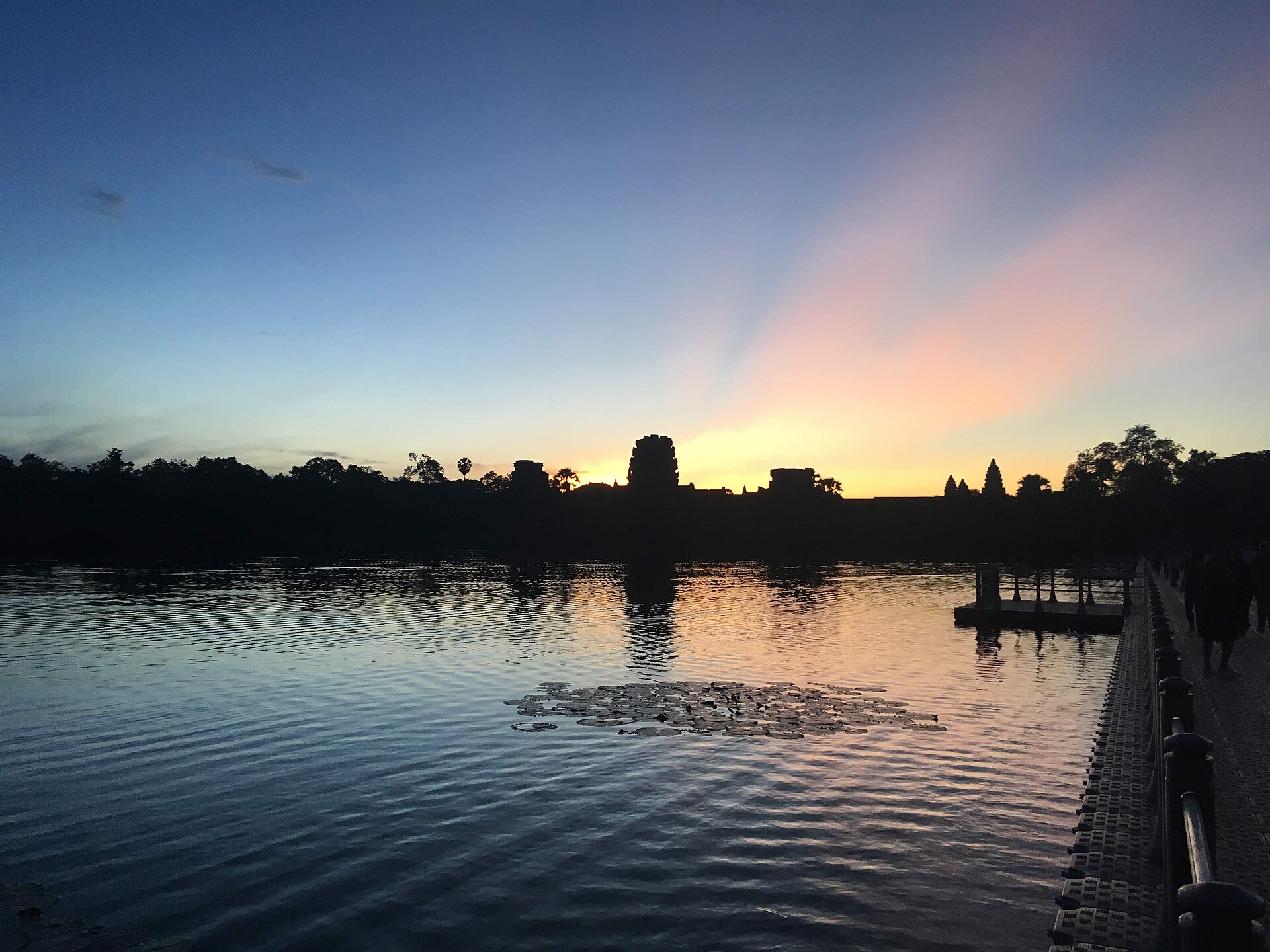
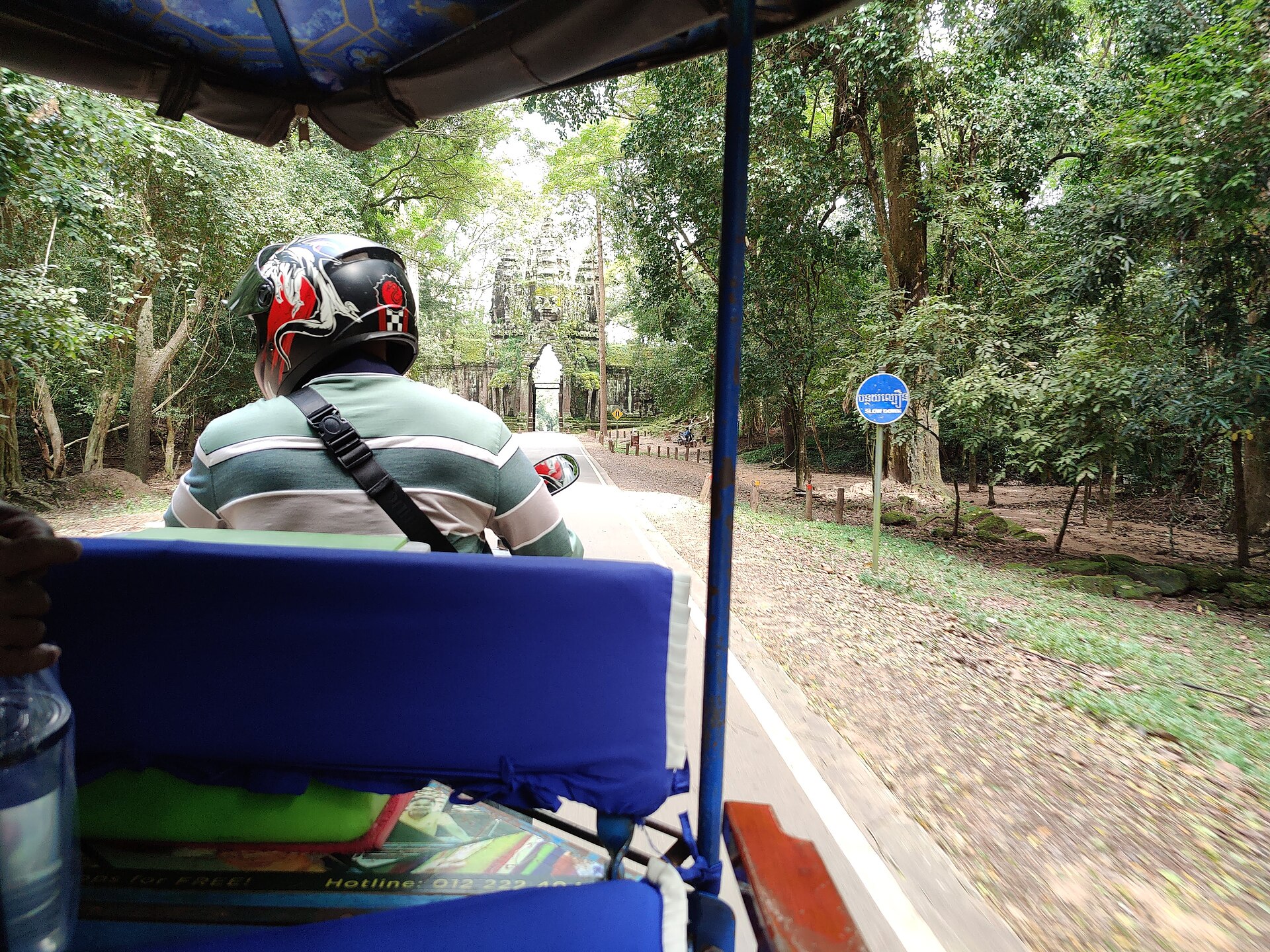
The road north out of town — Charles de Gaulle Boulevard, continuing as National Road 6 — is the route every temple day takes, and it is lined with Siem Reap’s resort-scale hotels: big pools, spas, gardens and room rates that buy a lot of space for the money. Staying here trims the sunrise drive and gives families a proper resort to come home to between temple sessions; the cost is that evenings mean a short tuk-tuk ride into town rather than a stroll.
On the river road heading north, the Jaya House River Park is the thoughtful splurge: a small five-star in Treang Village with two pools, a strong environmental record and a location that splits the difference between town and temples. Out on National Road 6, the Borei Angkor Resort & Spa is the classic big-resort pick — Khmer-style architecture, a large outdoor pool plus a children’s pool, and the Mudita Spa for post-temple recovery. The road’s other giant, Sokha Angkor Resort & Spa (plain text here), adds 276 rooms and a saltwater pool at the junction with Sivatha Street.
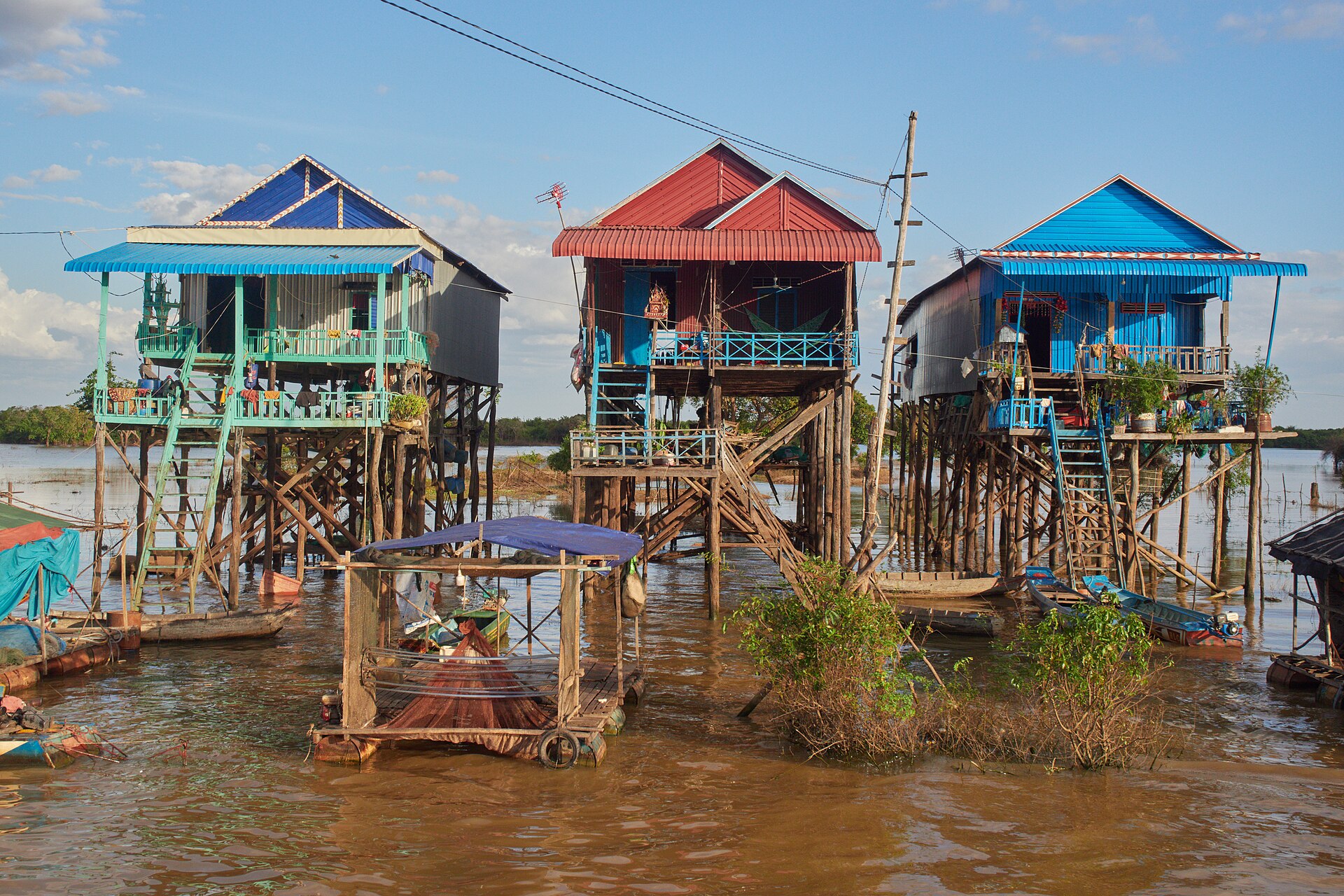
From a northern base, build the longer days around the temples: the 2-day Angkor Wat small-group tour adds the grand circuit and pink-sandstone Banteay Srei to the sunrise day, while the Kulen Mountain, Beng Mealea and Tonle Sap day trip is the day out beyond the park — waterfall, jungle temple and floating village in one run.
Which Area Is Right for You?
First visit, three days, temples by day and markets by night: stay near the Old Market, a street or two back from Pub Street itself. Travelling as a couple or celebrating something: the French Quarter grand hotels or a Wat Bo boutique, depending on whether you want grandeur or garden quiet. With kids, or planning pool time between temple sessions: a National Road 6 resort. On a second visit, or staying a week: Wat Damnak, where Siem Reap feels most like a place people live, not just visit.
Whichever base you choose, the rhythm is the same: dawn at the temples, a long slow lunch and a pool in the heat of the day, then back out for the golden hour. For more bases like this across the region, see my Langkawi stay guide and the full collection in the Southeast Asia guides hub — and if your plans stretch beyond the temples, the floating villages of Tonle Sap and the waterfall at Phnom Kulen deserve a day of their own.