
Singapore, Kuala Lumpur and Bangkok are the three cities almost every first Southeast Asia trip is built from — and they work best as a set, with Ho Chi Minh City as the energetic add-on. Each one is a short, cheap hop from the others, yet no two feel alike: Singapore is the polished, easy-landing city-state where everything runs on time; Kuala Lumpur is the laid-back capital where five-star hotels cost half as much and dinner is the main event; Bangkok is the glorious sensory overload, all temples, river ferries and street food. Ho Chi Minh City runs hotter and louder than all of them — motorbikes, markets and late nights. Hanoi, up north, is the thousand-year-old counterpoint — trade streets, colonial boulevards and lakes at the end of every other road. And Bali, the island leg, trades city grids for rice terraces, surf breaks and cliff-top temples. String them together and you get the region in miniature, in about ten days, without a single long travel day.
Never forget a thing before you fly. My free 8-page Travel Planning Checklist walks you through the whole trip — 6 planning timelines, 36 checks, from booking windows to travel-day basics. One email, no spam, unsubscribe anytime.
This roundup gathers all thirteen of our guides to the six destinations in one place — where to stay, which tours are actually worth booking, and a day-by-day plan for each. Start with the city that matches your travel style, or use the routing notes at the end to combine all six.
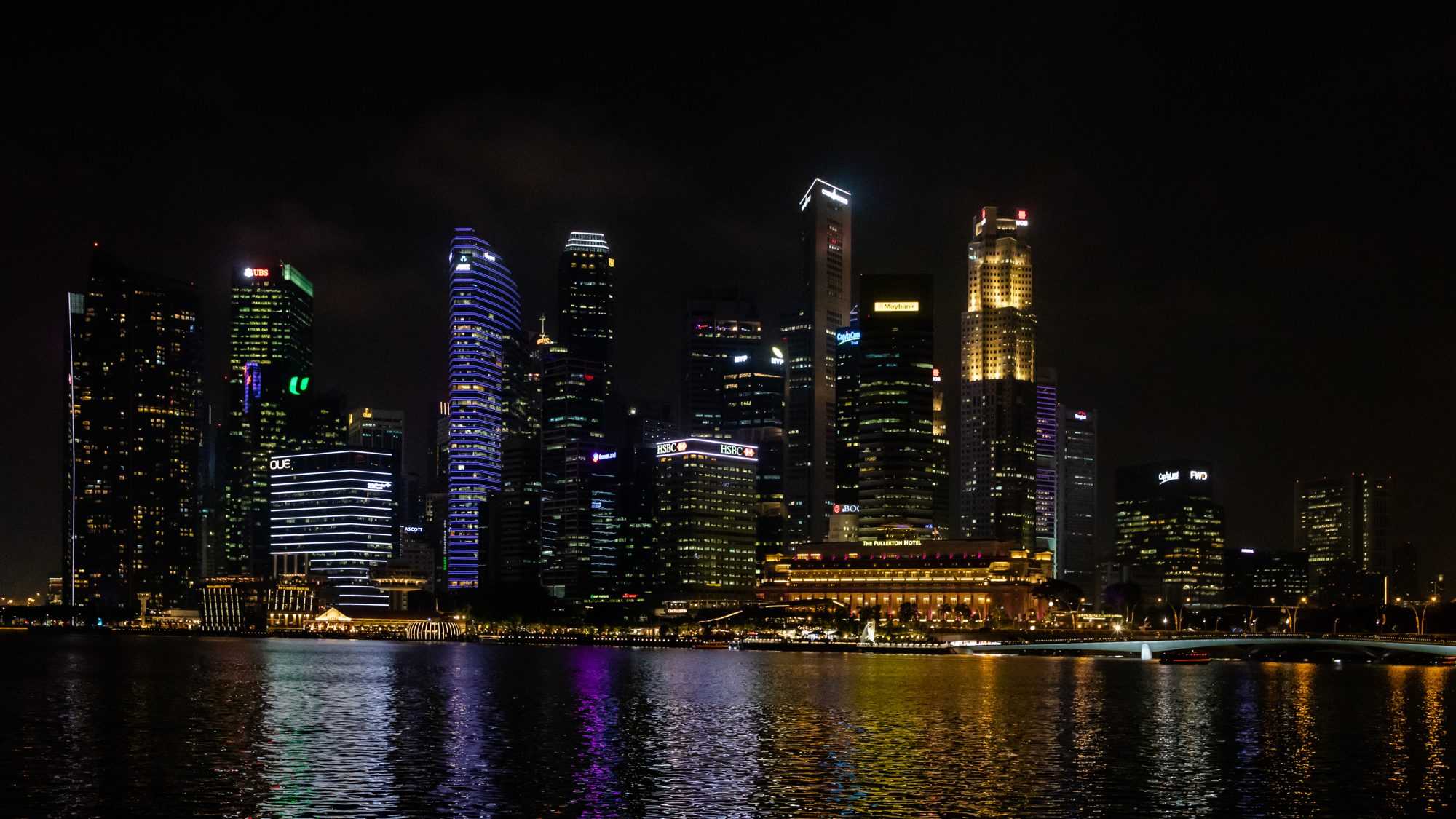
Singapore: the easy landing
Where to sleep. Singapore’s transit is so good that almost any central base works — which makes the neighbourhood itself the real decision. Our guide to where to stay in Singapore breaks the island down area by area: Marina Bay for the skyline, Chinatown for lantern-lit lanes and hawker food on your doorstep, Sentosa for a beach-resort pace, plus the hotel picks we’d book in each.
What to book. Most of Singapore is a joy done on your own, but three experiences are ticketed, timed, and genuinely worse winged. The best tours in Singapore guide covers arriving on Sentosa by cable car instead of in a taxi queue, the Night Safari when the animals are actually awake, and Universal Studios without the first-hour ticket line — including the honest cases where you should skip them and keep your money.
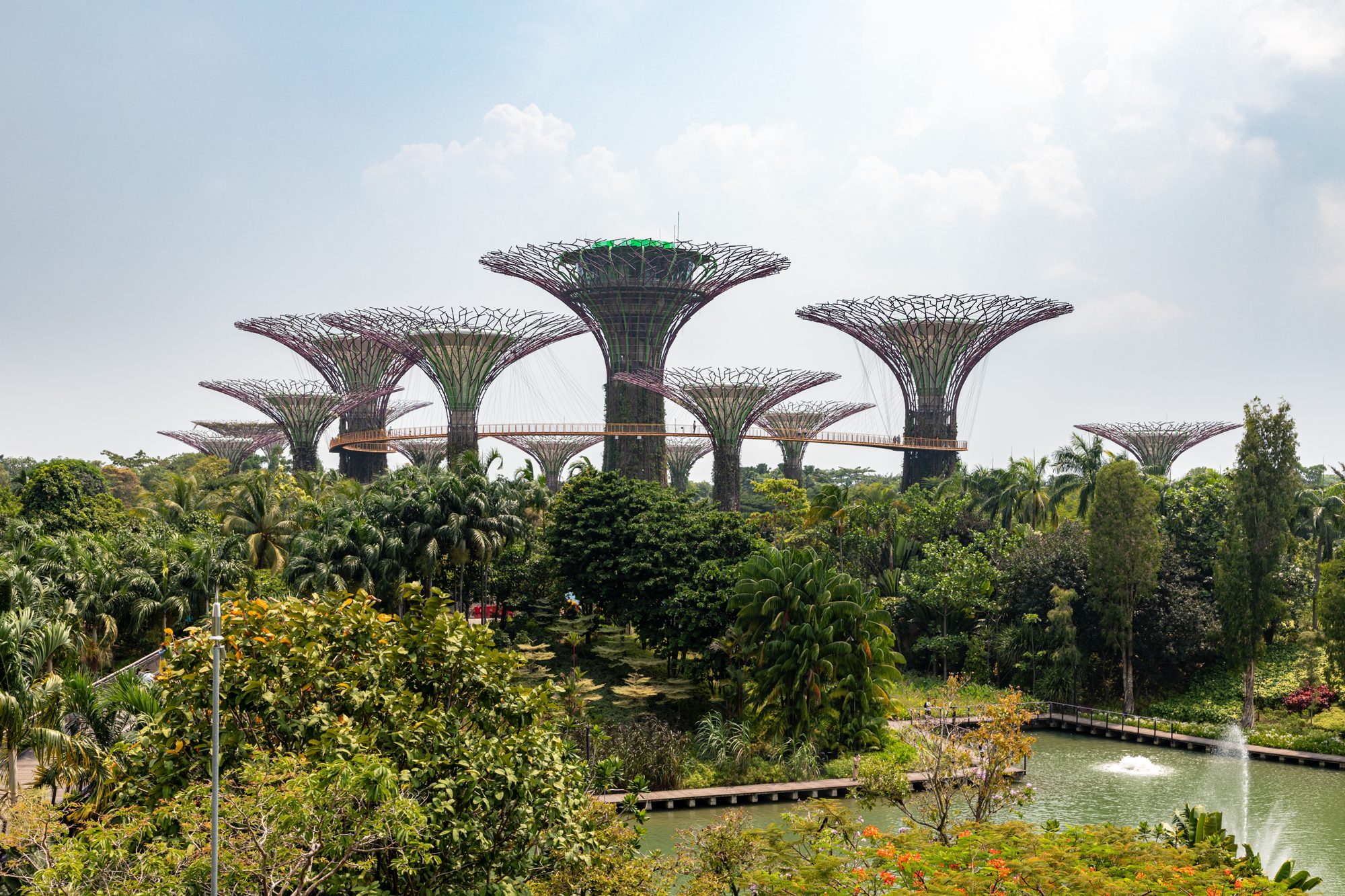
The plan. With the booking sorted, the Singapore in 3 Days itinerary is built around sequencing: the Gardens by the Bay conservatories at opening time, the heritage districts in the cooler mornings, hawker centres for most meals, and both light shows stacked into a single evening so nothing gets doubled up.
Kuala Lumpur: the value stop
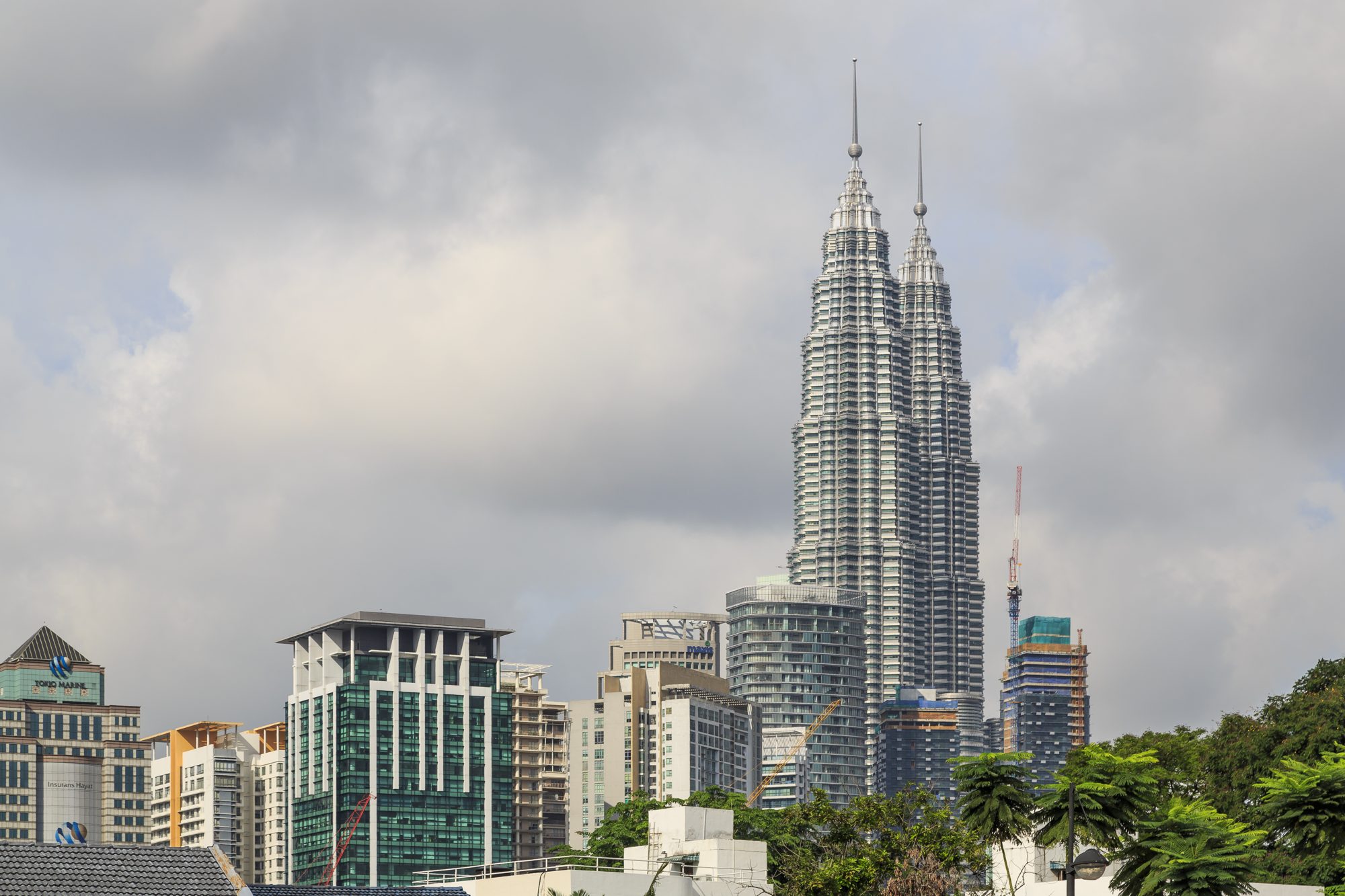
Where to sleep. KL is one of Southeast Asia’s great hotel cities — five-star rooms routinely cost half what you’d pay in Singapore — but it’s a sprawling, traffic-tangled capital where the wrong base costs you an hour a day. Our guide to where to stay in Kuala Lumpur sorts the neighbourhoods — waking up under the Petronas Towers in KLCC, the shopping-and-street-food buzz of Bukit Bintang, heritage shophouse districts and leafy local suburbs — with the hotels we’d actually book in each.
What to book. The best tours in Kuala Lumpur are about removing friction: timed Petronas Towers deck tickets that sell out, a street-food-by-night tour through stalls with no English menus, and a Malacca day trip to a completely different, older Malaysia two hours south.
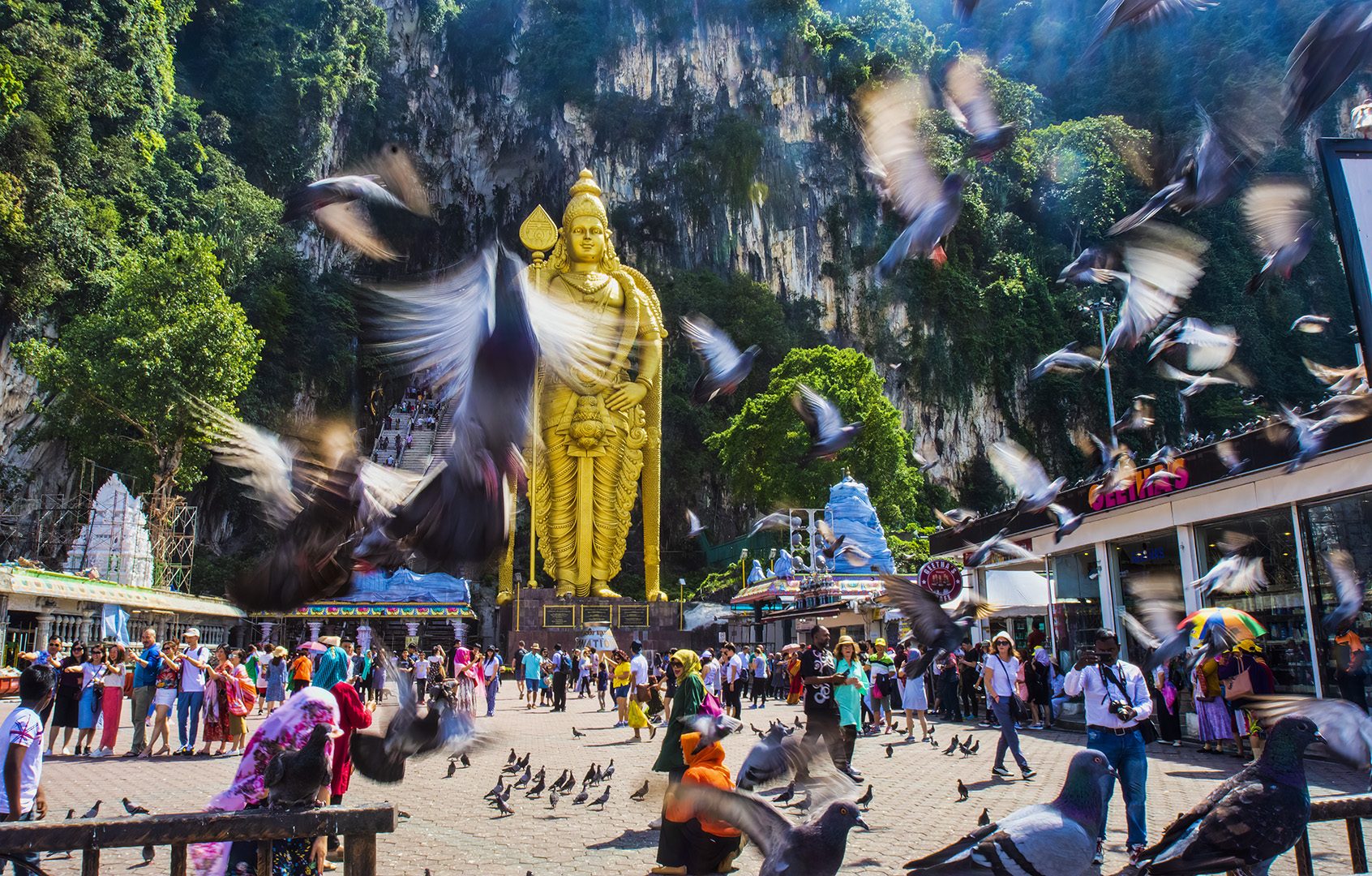
The plan. The Kuala Lumpur in 3 Days itinerary groups the city by neighbourhood so the tropical heat never catches you zigzagging across town: old KL and KLCC on day one, Batu Caves and the temples on day two, and museums, gardens and food neighbourhoods on day three — with time left over for a teh tarik.
Bangkok: the grand finale
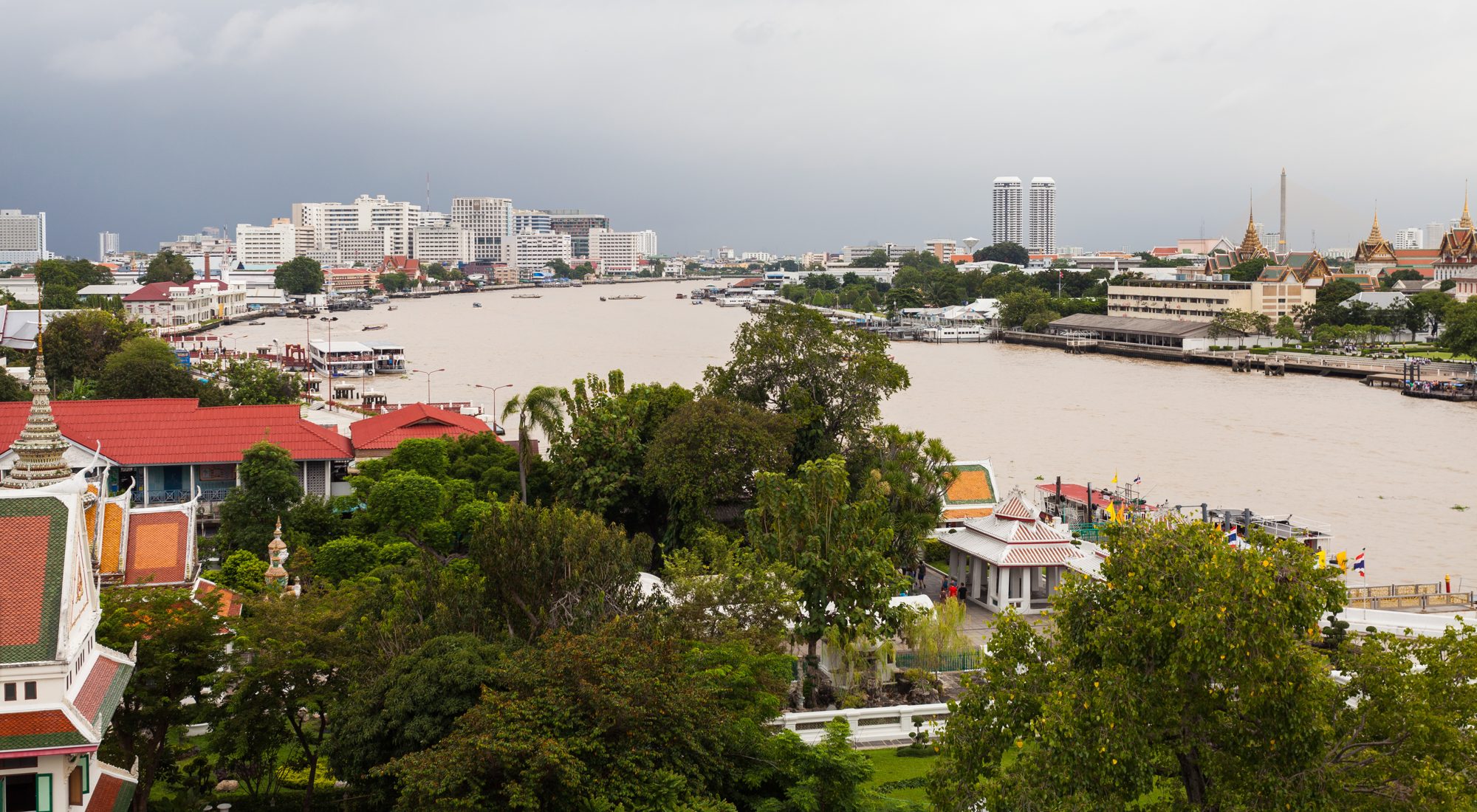
Where to sleep. Bangkok is enormous, and the neighbourhood choice decides whether the Skytrain, the river ferries and a thousand street-food stalls are within easy reach — or whether your trip disappears into the city’s infamous traffic. Our guide to where to stay in Bangkok runs from the neon buzz of Sukhumvit (the cheat-sheet pick for first-timers) to the old-world calm of the riverside, with honest hotel picks for every budget.
What to book. Three Bangkok experiences genuinely work better booked: the Grand Palace with a guide who turns gold leaf and murals into a story, the floating and railway markets that run on train timetables outside the city, and the ruined former capital of Ayutthaya. Our best tours in Bangkok guide compares the strongest version of each. And if you’d rather range wider, the best day trips from Bangkok adds Kanchanaburi — the River Kwai railway bridge and a swim under the seven tiers of Erawan Falls.
The plan. The Bangkok in 3 Days itinerary stitches the city’s distinct worlds together by area: the gilded temples of the old royal island, Chinatown’s neon food streets, the Siam and Sukhumvit sprawl, and the canal neighbourhoods — starting early to beat the heat and letting the Chao Phraya River and the BTS do the heavy lifting.
Ho Chi Minh City: the energetic add-on
Where to sleep. Ho Chi Minh City is really several cities wearing one name, and the district decides the trip: District 1 puts the colonial landmarks at walking distance, District 3 is leafy and local, Thao Dien trades sightseeing for river air and brunch cafes, and District 7 is calm, wide and planned. Our guide to where to stay in Ho Chi Minh City sorts all six districts by traveler type, with hotel picks in each — and the three tours most worth booking from there: the Cu Chi tunnels, a Mekong Delta day, and a motorbike street-food tour through the districts after dark.
Hanoi: the thousand-year-old counterpoint
Where to sleep. Hanoi does not do bland, and where you stay decides which version you get: the Old Quarter puts the 36 trade streets, Hoan Kiem Lake and a street-food stall on every corner at your door; the French Quarter is wide boulevards, the Opera House and the grand hotels; Ba Dinh is the ceremonial district — the Mausoleum, the Temple of Literature, bigger rooms for the money; and Tay Ho, around West Lake, is the slow, local base for longer stays. Our guide to where to stay in Hanoi breaks down all four areas with hotel picks in each — and the three days out most worth booking from there: a Ha Long Bay day cruise, Ninh Binh’s Hoa Lu and Tam Coc, and a small-group street-food walk through the Old Quarter.
Bali: the island leg
Where to sleep. Bali is not one base but six, and picking wrong costs you hours in traffic: Ubud is the inland culture-and-rice-terraces base; Seminyak is the upscale beach strip; Canggu is surf breaks and cafes; Uluwatu is cliffs and sunset surf on the Bukit; Nusa Dua is the calm, gated resort enclave; and Sanur is the slow sunrise coast. Our guide to where to stay in Bali breaks down all six areas with two hotel picks in each — and the three days out most worth booking from any of them: a Mount Batur sunrise hike, a full-day Ubud highlights tour, and a Nusa Penida day trip to swim with manta rays.
How to combine all six
The classic routing is an open-jaw loop: fly into Singapore, finish in Bangkok (or the reverse), and put Kuala Lumpur in the middle. Singapore to KL is a one-hour flight — or roughly five hours by comfortable express bus if you’d rather watch the peninsula roll past — and KL to Bangkok is a two-hour flight. Budget airlines run both hops constantly, so the whole triangle is usually cheaper than one long-haul detour home. Ho Chi Minh City bolts onto either end: short direct flights connect it with Bangkok (about 90 minutes) and Kuala Lumpur (about two hours), and two to three nights is enough for a first taste — which makes the full loop an eleven-to-thirteen-day trip, or lets you swap it in for one of the triangle cities on a shorter one.
Hanoi pairs with Ho Chi Minh City as a Vietnam open-jaw — fly into one and out of the other rather than backtracking; direct flights connect the two in about two hours, and three nights in Hanoi covers the Old Quarter, a Ha Long Bay day and an evening of street food.
Give it nine to ten days if you can: three nights per city, following each itinerary guide as written. Short on time? A seven-day version works by trimming Singapore and KL to two nights each and keeping Bangkok at three — Bangkok rewards the extra day most, and its day trips need the breathing room. Either way, book the inter-city flights early, keep the first afternoon in each city light, and let each stay guide put you in the neighbourhood that matches how you actually travel.
Two planning notes that save grief. First, order matters less than pacing: the loop works in either direction, but starting in Singapore eases you in gently — English everywhere, spotless transit, hawker food without the chaos — before the volume rises through KL and Bangkok, and peaks for real if you finish in Ho Chi Minh City. Second, weather is forgiving but not identical: November to February brings Bangkok and KL their cooler, drier weeks, while Singapore stays hot and humid year-round with short, sharp showers. Pack for heat in all three, keep a light rain layer handy, and schedule the big walking days for the mornings wherever you are.
Bali does not bolt onto a mainland loop by land — you fly in and out. It pairs most easily after Singapore, Kuala Lumpur or Bangkok as the beach-and-culture finish, and it deserves at least four nights: the six areas are spread around the island and traffic between them is slow, so pick one base (two at most) rather than hotel-hopping.
The bottom line
Six destinations, thirteen guides, one very doable trip. Pick your bases with the stay guides, lock in the handful of tours that are better booked, and let the itineraries handle the day-to-day. Southeast Asia trips get more ambitious from there — but this loop is where they should start.