
Kuala Lumpur rewards travelers who plan by neighborhood, not by checklist. The Petronas Towers, the old colonial core, Chinatown, and Batu Caves are all easy to reach — but they sit in different corners of the city, and the tropical heat punishes anyone who zigzags across town in the middle of the day. This 3-day itinerary groups each day sensibly: old KL and KLCC on Day 1, Batu Caves and the temples on Day 2, and the museums, gardens, and food neighborhoods on Day 3. You will see the icons, eat exceptionally well, and still have time to sit down with a teh tarik and watch the city go by.
Never forget a thing before you fly. My free 8-page Travel Planning Checklist walks you through the whole trip — 6 planning timelines, 36 checks, from booking windows to travel-day basics. One email, no spam, unsubscribe anytime.
Disclosure: This post contains affiliate links. If you book through one of these links, I may earn a commission at no extra cost to you.
Before You Start: Getting Around and Where to Base Yourself
Most visitors land at Kuala Lumpur International Airport (KLIA). The KLIA Ekspres train is the fastest way in: non-stop to KL Sentral in 28 minutes from Terminal 1, RM55 one way at current fares, running roughly every 20 minutes. From KL Sentral, the LRT Kelana Jaya line takes you straight to KLCC and Masjid Jamek, the MRT serves Bukit Bintang and Pasar Seni (Chinatown), and KTM Komuter trains run direct to Batu Caves. Pick up a Touch ‘n Go card for tap-and-go rail fares, and use Grab for short hops when the heat wins — fares across the center are usually modest.
Base yourself in KLCC for the classic first-timer experience, Bukit Bintang for shopping and nightlife, or Chinatown for value and heritage. My full breakdown of neighborhoods, trade-offs, and hotel picks is in Where to Stay in Kuala Lumpur — choose your base before you finalize this itinerary, because Day 1 works best on foot from any of the three.
Day 1: Old Kuala Lumpur, Chinatown, and the Petronas Towers
Morning: Merdeka Square and the Colonial Core
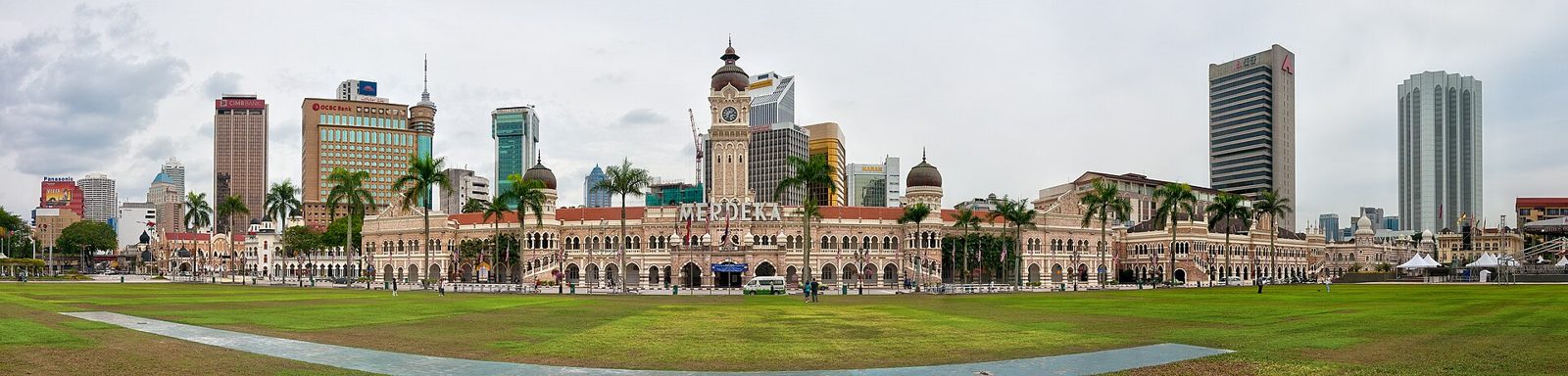
Start at Merdeka Square (Dataran Merdeka), where Malaysia’s independence was declared in 1957. Across the square stands the Sultan Abdul Samad Building, completed in 1897, with its copper domes, clock tower, and Moorish arches — still the most photographed historic building in the city. Walk five minutes to Masjid Jamek, the city’s oldest surviving mosque, set where the Klang and Gombak rivers meet. The mosque and the square are best in the morning light, before the midday heat builds.
Late Morning: Central Market and Petaling Street
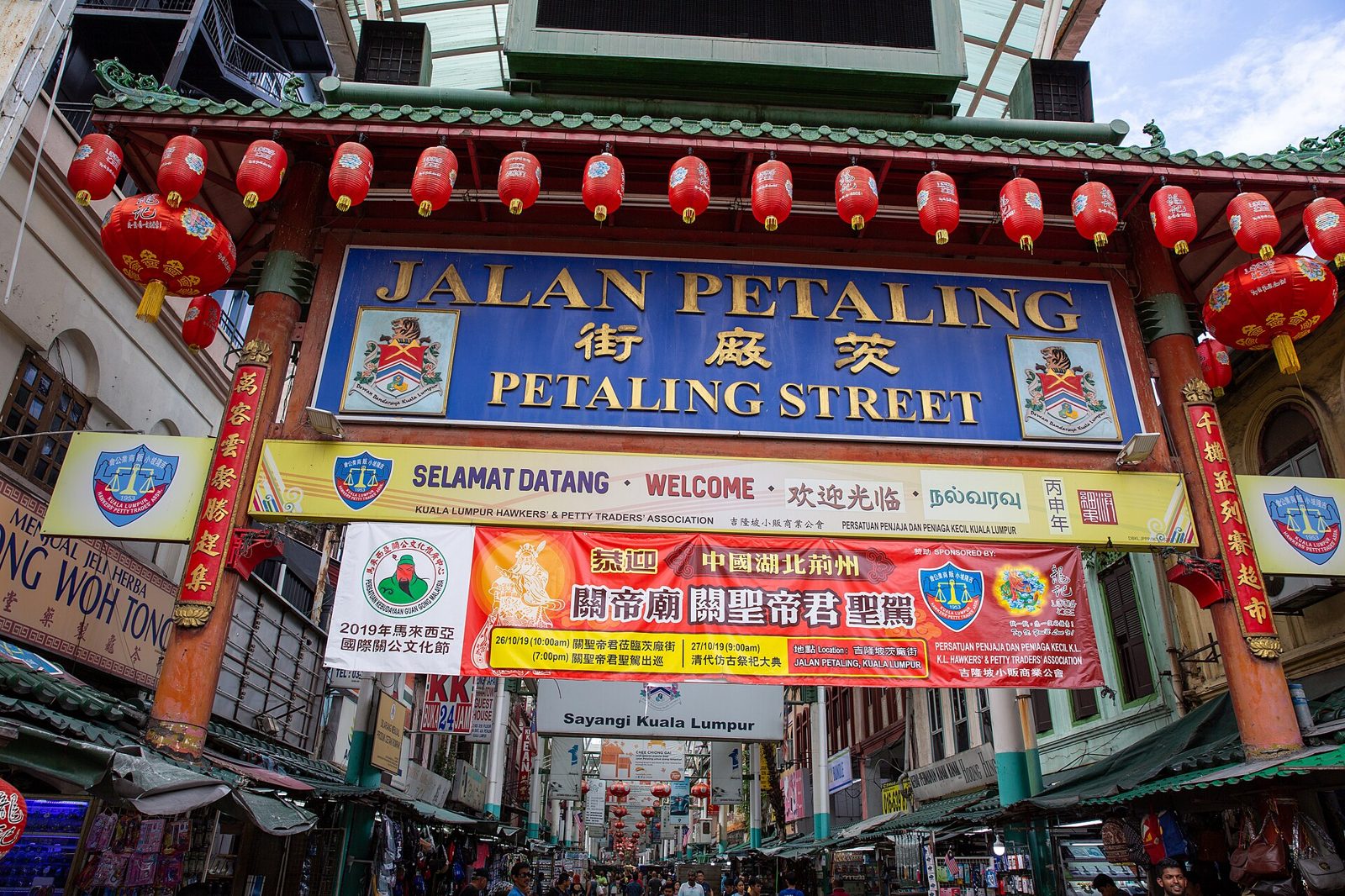
From the mosque, it is a short walk to Central Market, a heritage building from 1888 that now houses Malaysian crafts, batik, and souvenirs — a good, air-conditioned pause. Then dive into Petaling Street, the heart of Chinatown: market stalls, kopitiams, and some of the city’s best cheap eats. Look for the Sri Mahamariamman Temple on Jalan Tun H.S. Lee, Kuala Lumpur’s oldest Hindu temple, with its towering, sculpture-covered gopuram, and duck down Kwai Chai Hong, a restored back lane with murals telling stories of old Chinatown life.
Afternoon and Evening: KLCC and the Towers
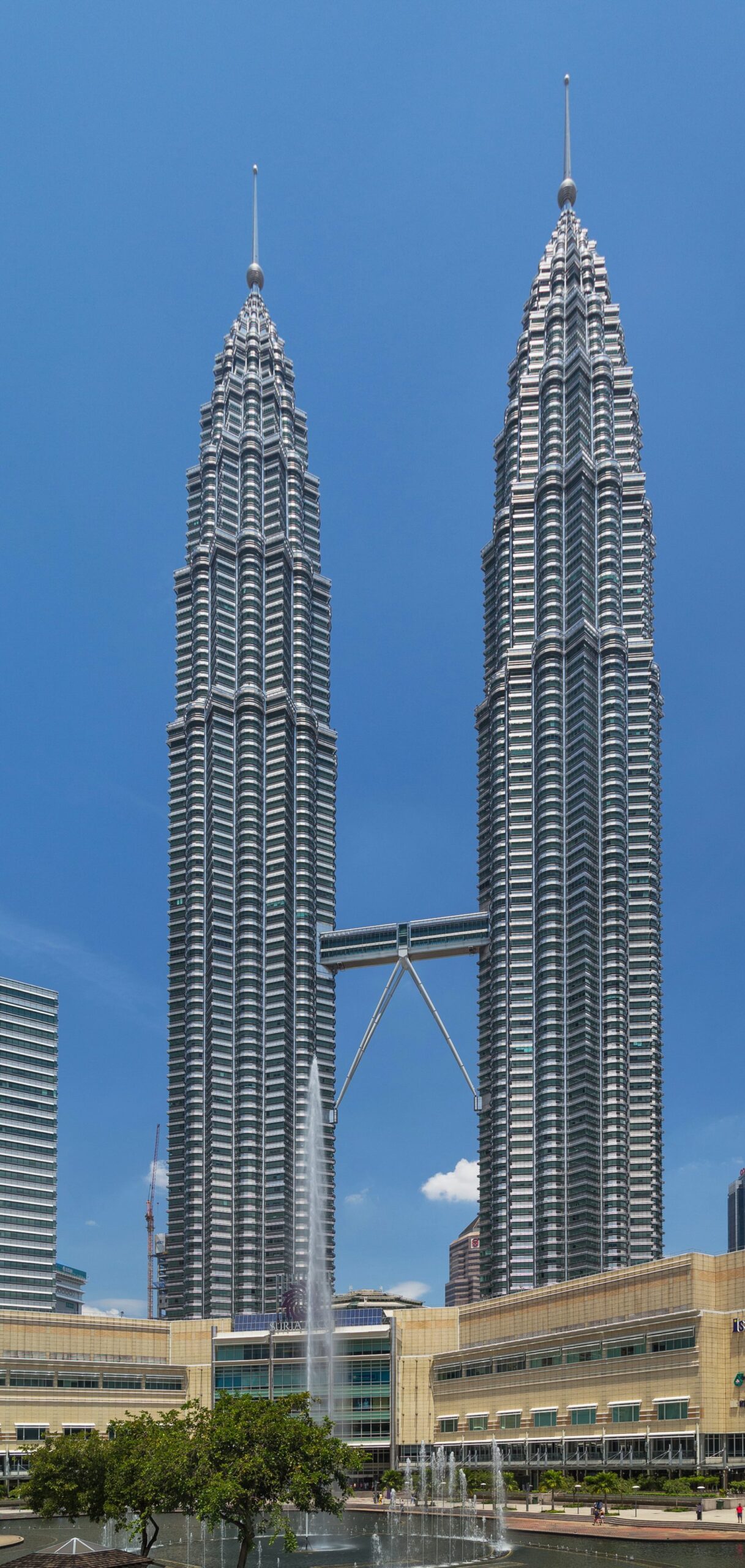
Take the LRT from Pasar Seni to KLCC. Inside Suria KLCC you will find Aquaria KLCC if you are traveling with kids, but the main event is above you. The Petronas Twin Towers — 452 metres, still the tallest twin towers in the world — run timed visits to the Skybridge on levels 41–42 and the observation deck on level 86. Book your slot online days ahead: popular times sell out, and the visit is closed on the first and third Mondays of each month (it opens on the second, fourth, and fifth Mondays with shorter hours), so check your dates before you build Day 1 around it.
If you would rather have the logistics handled, this private Kuala Lumpur tour with Petronas Towers observation deck entry and Batu Caves (4.9/5 from 1,183 reviews, from $110) covers the towers, Merdeka Square, Central Market, and Batu Caves in one private day with hotel pickup — a sensible splurge if your three days are really two and a half.
Finish Day 1 in KLCC Park as the light fades. The Lake Symphony fountains play in the evening, the towers light up, and the park gives you the classic postcard angle without a crowd jostling your tripod.
Day 2: Batu Caves, Thean Hou Temple, and a Night of Hawker Food
Morning: Batu Caves, Early
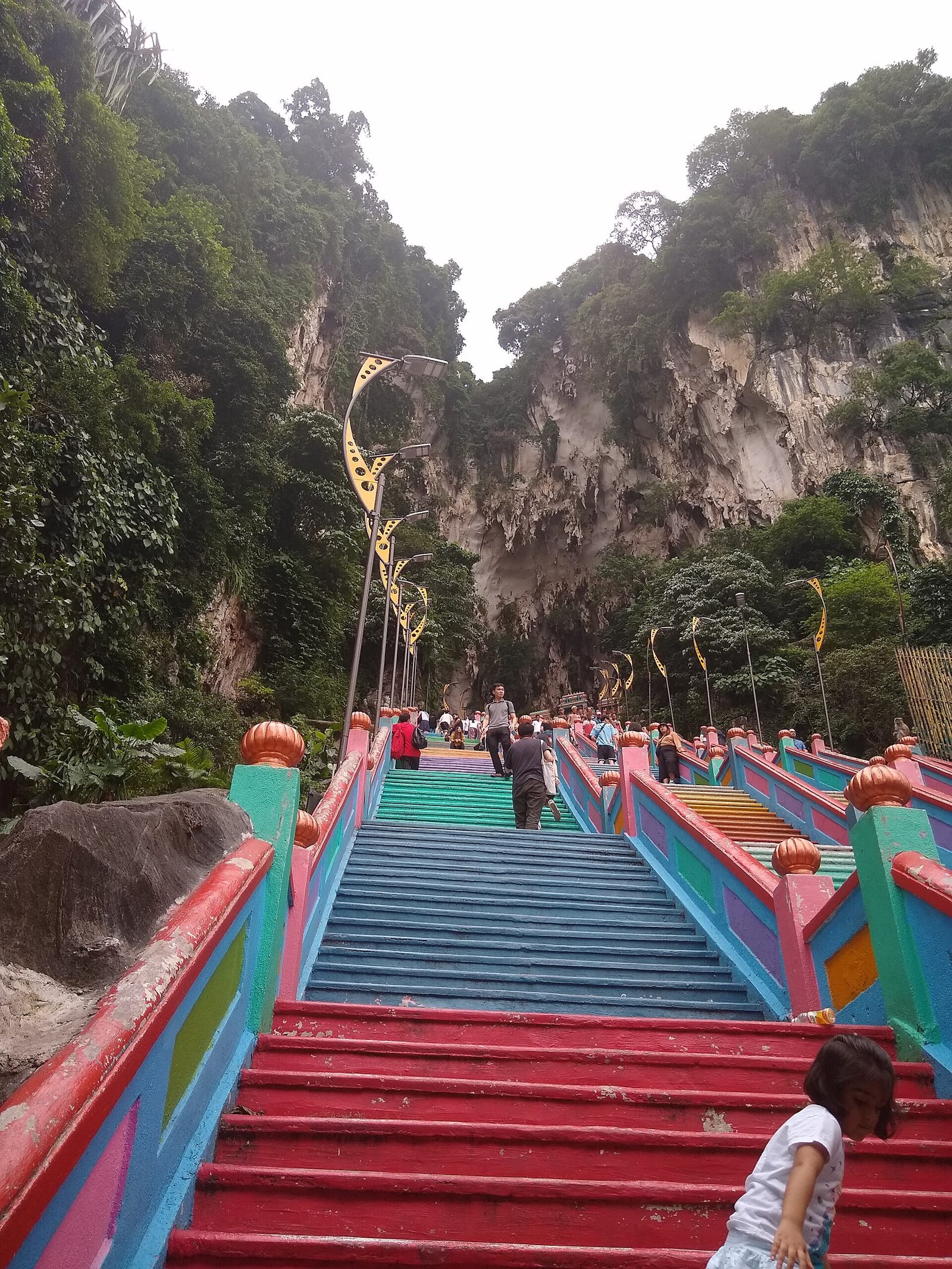
Go early — aim to arrive before 9am. Batu Caves sits 13 km north of the center in Gombak, Selangor: a 400-million-year-old limestone hill housing one of the most important Hindu shrines outside India. The direct KTM Komuter train from KL Sentral takes about 30–35 minutes and drops you a short walk from the entrance. At the base stands the 42.7-metre golden statue of Lord Murugan; above it, 272 rainbow-painted steps climb to the Temple Cave, a cathedral-sized cavern with shrines under a natural skylight. Entry to the Temple Cave is free, but dress modestly — knees and shoulders covered — and keep food and shiny objects away from the resident macaques.
Prefer not to navigate the trains? This Batu Caves half-day tour with pick-up option (4.5/5 from 4,852 reviews, from $11.96) runs 3.5 hours, includes the climb and a batik workshop stop, and has you back in the city by lunch.
Afternoon: Thean Hou Temple and Little India
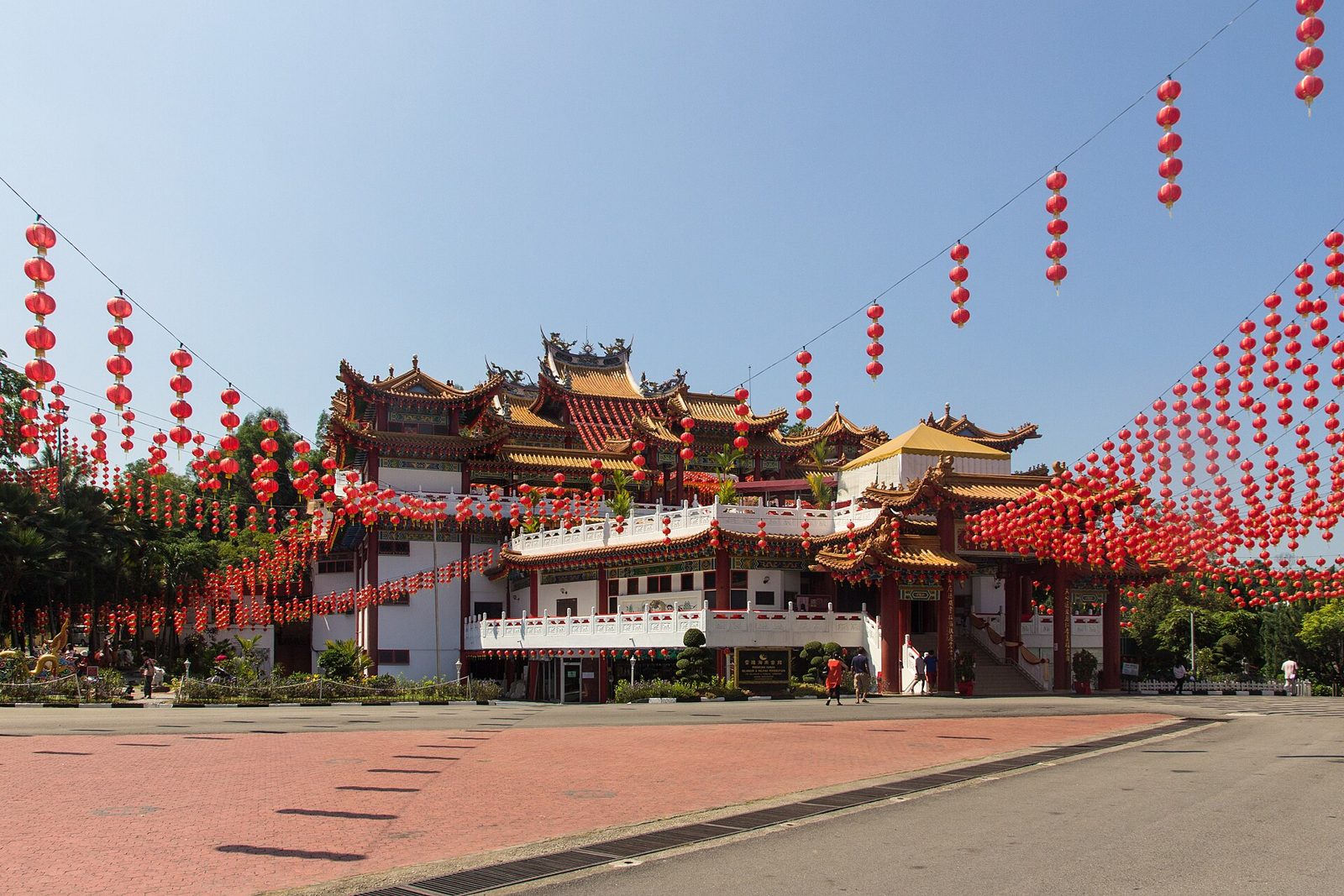
Back in the city, take a Grab to Thean Hou Temple, a six-tiered Chinese temple dedicated to the goddess Tian Hou, perched on a hill in Robson Heights. Its red lanterns, ornate roof ridges, and city views make it one of KL’s most beautiful — and least crowded — sights. From there, drop into Brickfields, the city’s Little India, for a banana-leaf lunch along Jalan Tun Sambanthan, then walk to the National Mosque (Masjid Negara) and, if energy allows, the Islamic Arts Museum Malaysia next door (open daily 9:30am–6pm), the largest museum of Islamic art in Southeast Asia, set on the edge of the Perdana Botanical Gardens.
Evening: Eat Like a Local
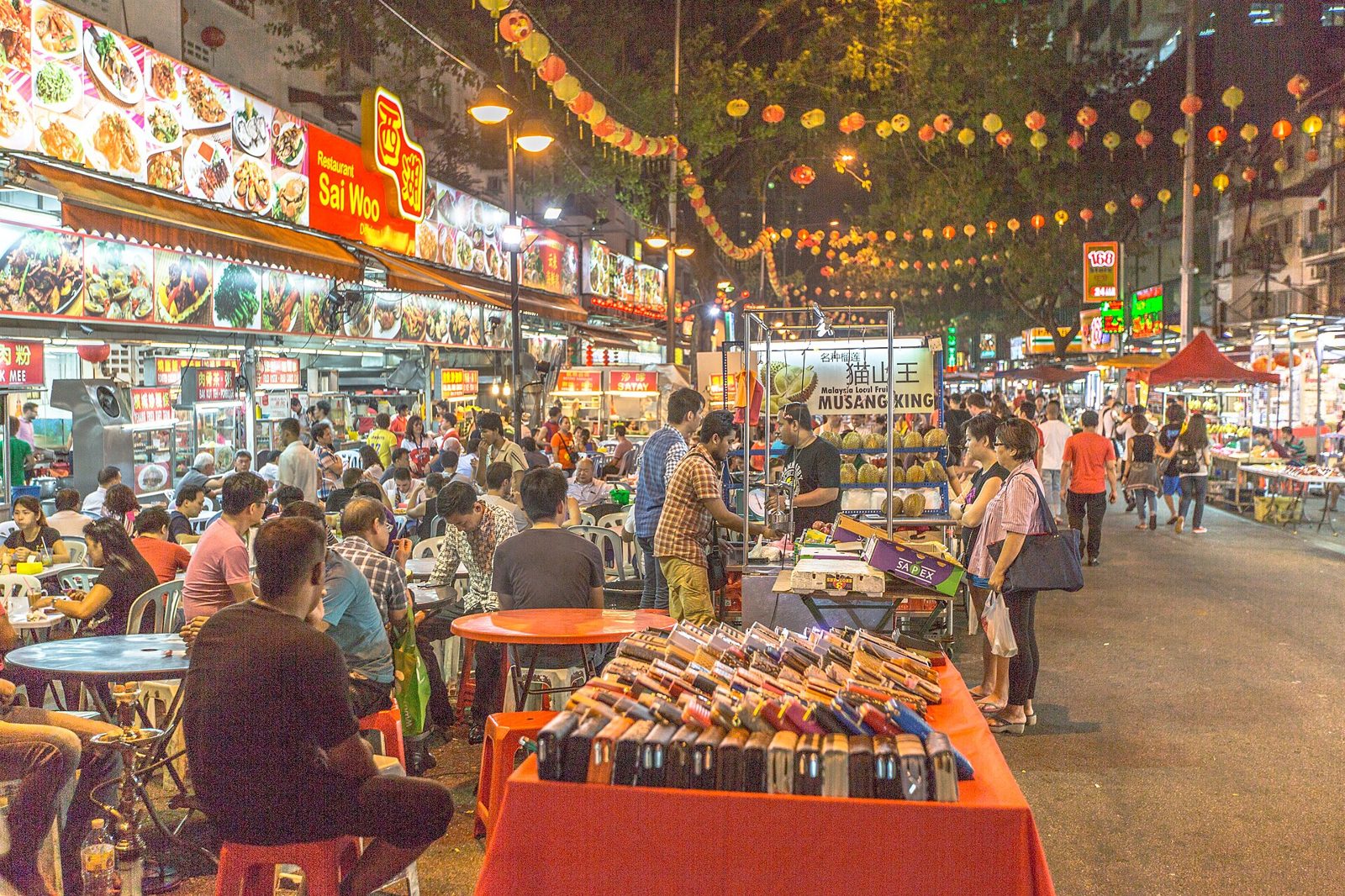
Day 2’s evening is for eating. Jalan Alor in Bukit Bintang is the famous choice — a whole street of hawker stalls grilling satay, char kway teow, and barbecued seafood under strings of lights. Go hungry, order small plates from several stalls, and share everything.
For a deeper cut, this Eat Like a Local hawker centre and street food tour by night (4.8/5 from 210 reviews, Badge of Excellence, 4 hours from 7pm) takes a small group to mamak stalls, hawker centres, and hidden-gem restaurants in neighborhoods like Bangsar, Petaling Jaya, and Brickfields, with all tastings and non-alcoholic drinks included. It is the single best shortcut to understanding how Malay, Chinese, and Indian food traditions meet on one KL table — book it for Day 2 so you can use what you learn on Day 3.
Day 3: Gardens, Kampung Baru, and Bukit Bintang — Plus Your Escape Hatch
Morning: Perdana Botanical Gardens and Kampung Baru
Start slow in the Perdana Botanical Gardens, KL’s green lung beside the Islamic Arts Museum — lake paths, a deer park, and blessed shade. Then cross town to Kampung Baru, a Malay village enclave that has held its ground in the shadow of the towers. Wooden houses on stilts, roadside stalls selling nasi lemak and kuih, and the famous view of traditional rooftops against the Petronas skyline make it feel like another city entirely. It is a gentle, human-scale morning after two big sightseeing days.
Afternoon: KL Tower or Bukit Bintang, Your Call
Two good options. If you skipped the Petronas deck — or loved the view — the KL Tower (Menara Kuala Lumpur) offers its own observation deck and a small forest reserve, KL Forest Eco Park, at its base, with a canopy walkway through real rainforest in the middle of downtown. If you would rather shop and snack, head to Bukit Bintang: Pavilion Kuala Lumpur and Lot 10 for malls, Lot 10 Hutong for a curated basement of famous hawker stalls in air-conditioned comfort, and a foot massage afterward. You have earned it.
If You Have a Fourth Day
Use it for a day trip: Putrajaya, Malaysia’s planned administrative capital with its pink-domed Putra Mosque and lakes, is an easy half-day by train; historic Melaka, a UNESCO-listed port city about two hours south, deserves a full day. Both pair naturally with a longer Malaysia trip — and if you are stringing cities together, my Bangkok in 3 Days itinerary follows exactly the same neighborhood-by-neighborhood logic, and Where to Stay in Singapore covers the other classic stop on this route.
Practical Tips for Your 3 Days
Weather: Kuala Lumpur is hot and humid year-round, with short, heavy afternoon downpours. Sightsee early, plan indoor stops (museums, malls, long lunches) between 1pm and 4pm, and carry water and a small umbrella.
Money and phones: Cards are widely accepted, but carry some ringgit cash for hawker stalls and market vendors. An eSIM or local SIM makes Grab and maps effortless.
Dress codes: Mosques and temples require modest dress — covered knees and shoulders; some provide robes at the entrance. Batu Caves enforces its dress code at the stairs.
Book ahead: Petronas Towers timed tickets first, then any tour with small groups — the food tour above caps at small numbers and the private city tour’s tower tickets are subject to availability on last-minute bookings.
The Bottom Line
Three days in Kuala Lumpur is enough to do the city properly if you group your sightseeing: icons and old town first, Batu Caves and temples second, gardens and food neighborhoods third. Stay central, start early, eat everything — and let the city’s mix of Malay, Chinese, and Indian cultures, rather than any single sight, be the thing you remember. Selamat jalan!