
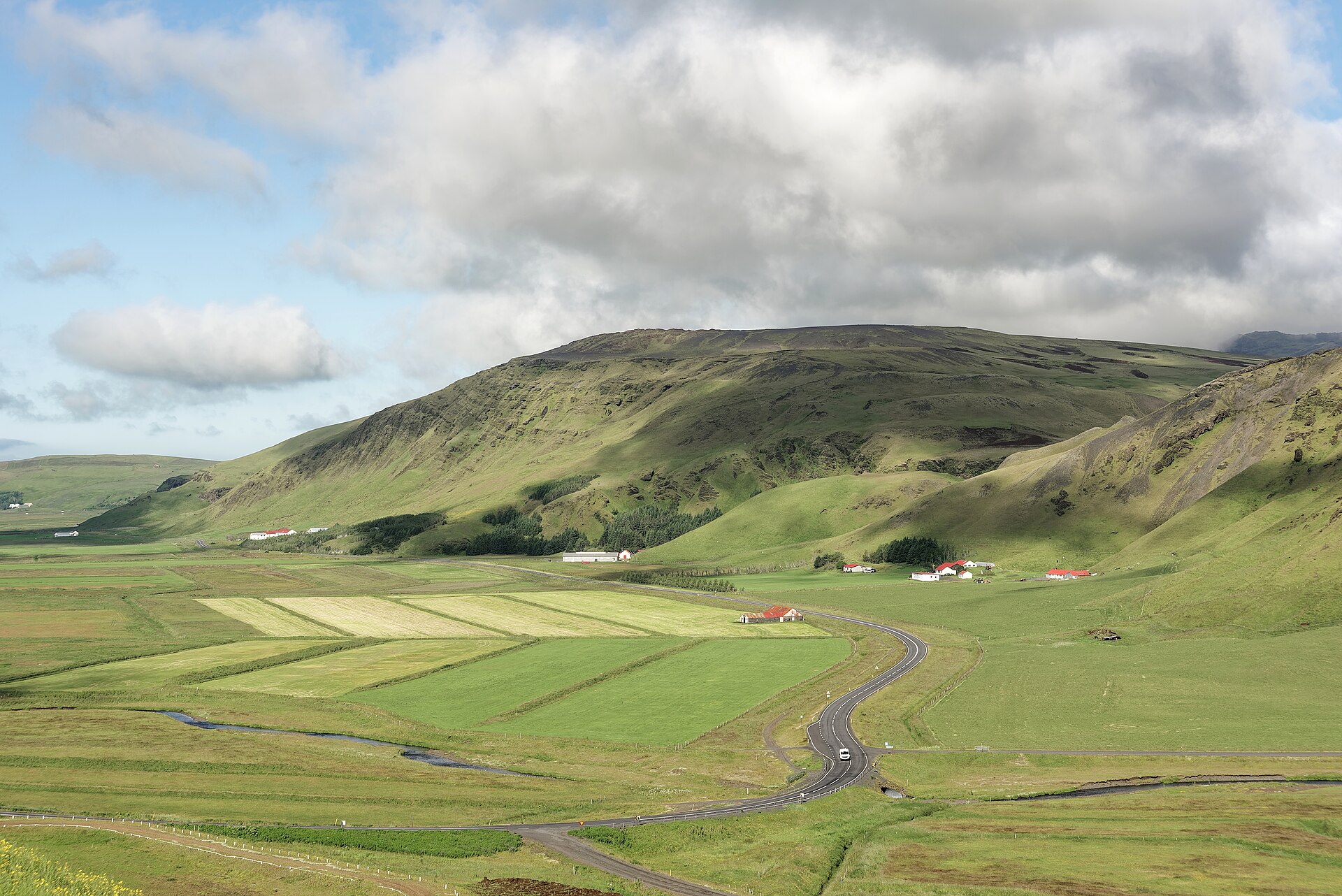
Iceland is one of the easiest countries in the world to fall in love with — and one of the trickiest to figure out how to actually get around. Distances are long, the weather changes its mind every twenty minutes, and some of the best places sit at the end of roads that barely qualify as roads at all. Here is an honest comparison of every way to get around Iceland — rental cars, day tours, buses, and domestic flights — with real costs, rules, and trade-offs, so you can pick the option that fits your trip, your budget, and your tolerance for steering through a horizontal rainstorm.
Never forget a thing before you fly. My free 8-page Travel Planning Checklist walks you through the whole trip — 6 planning timelines, 36 checks, from booking windows to travel-day basics. One email, no spam, unsubscribe anytime.
Disclosure: This post contains affiliate links. If you book through one of these links, I may earn a commission at no extra cost to you.
Renting a Car in Iceland: Maximum Freedom, Maximum Responsibility
Renting a car is the most popular way to see Iceland. The Ring Road (Route 1) circles the entire island, most headline sights — waterfalls, black-sand beaches, glaciers, hot springs — sit along or near it, and having your own wheels means you can stop wherever the light looks good. Which, in Iceland, is roughly every five minutes.
If you are planning to drive the full loop, our Iceland’s Ring Road in 7 Days itinerary lays out the perfect week-long route.
What it costs
Prices swing hard with the season, but as a rough 2026 guide: a small economy 2WD car typically runs around $60–$120 per day (less in winter, more in summer), while a 4×4 SUV usually lands somewhere between $120 and $200 a day in the peak months. Automatics cost about 10–20% more than manuals, and peak season is roughly mid-May to mid-September, so book early if you are traveling in summer. Renting at Keflavík Airport saves you the cost of getting into Reykjavík first.
Fuel is the part that stings. Petrol currently costs around 270 króna per liter — roughly $8.40 a gallon — so a full tank on a compact car works out to about 10,000–12,000 króna (around $75–$90). Iceland’s 2026 road tax adds a small per-kilometer charge that rental companies pass on, so budget fuel for the long Ring Road loop accordingly.
When you are ready to price it out, compare rental-car prices on Booking.com to see what is available for your dates — summer cars sell out, so earlier is always better.
2WD or 4×4?
Here is the simple rule: if you are sticking to the Ring Road, the Golden Circle, and the South Coast in summer, a regular 2WD economy car is completely fine. The Ring Road is fully paved and easy driving. If you are visiting in winter, or you want to venture into the Highlands, get a 4×4 — winter rentals typically come with studded tires, and you will want the extra grip.
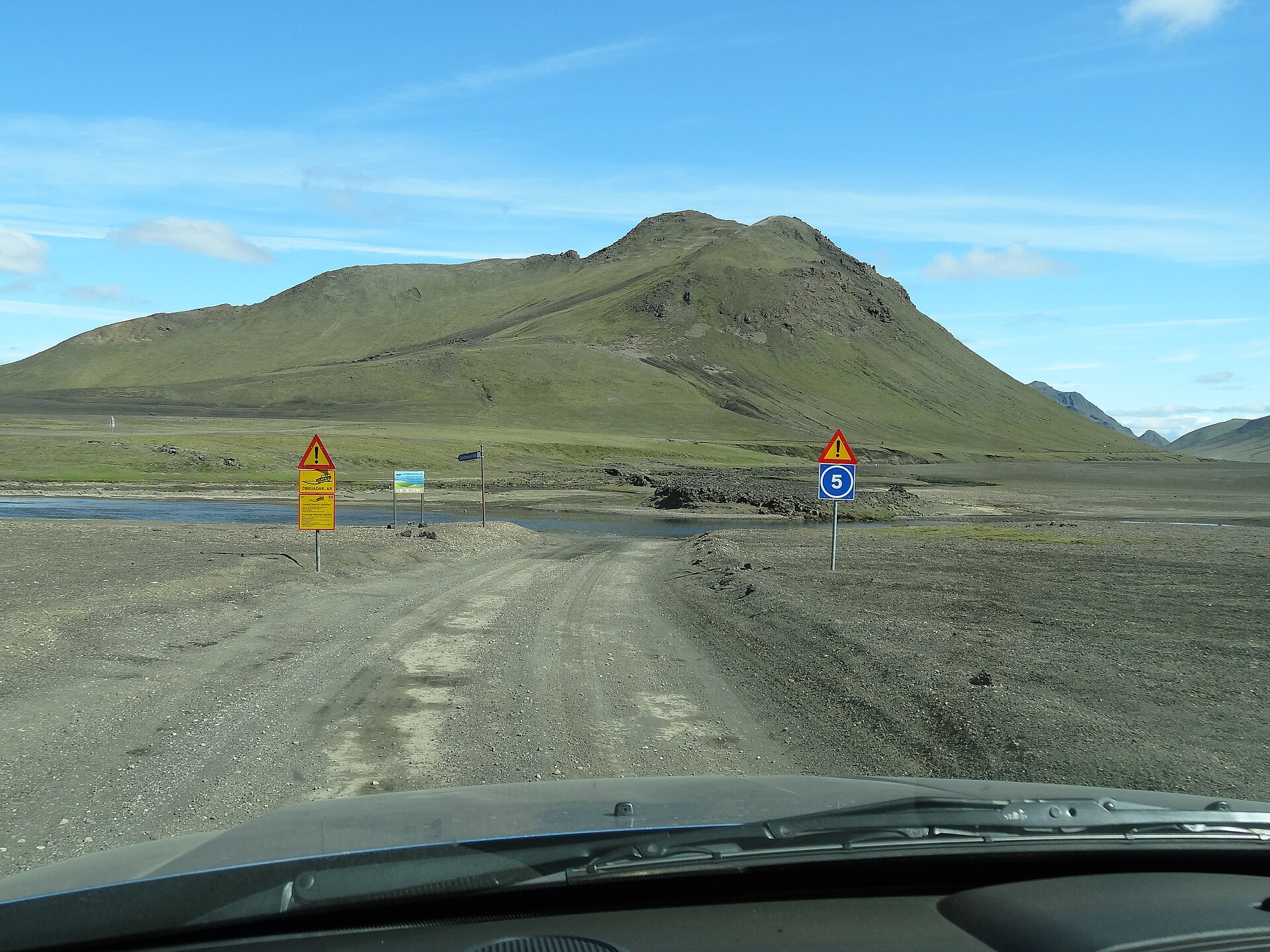
One non-negotiable: F-roads are 4×4-only by law. The mountain roads of the Icelandic Highlands (marked with an “F” prefix, like F225 to Landmannalaugar) are illegal to drive in a 2WD car, and doing so voids your rental insurance on top of the fines. F-roads are also summer-only — usually open from late June to early September — and many include unbridged river crossings. If you are unsure, do not go.
Driving Rules You Need to Know Before You Go
Iceland drives on the right, speed limits are in kilometers, and the rules are straightforward — but a few catch visitors out every year:
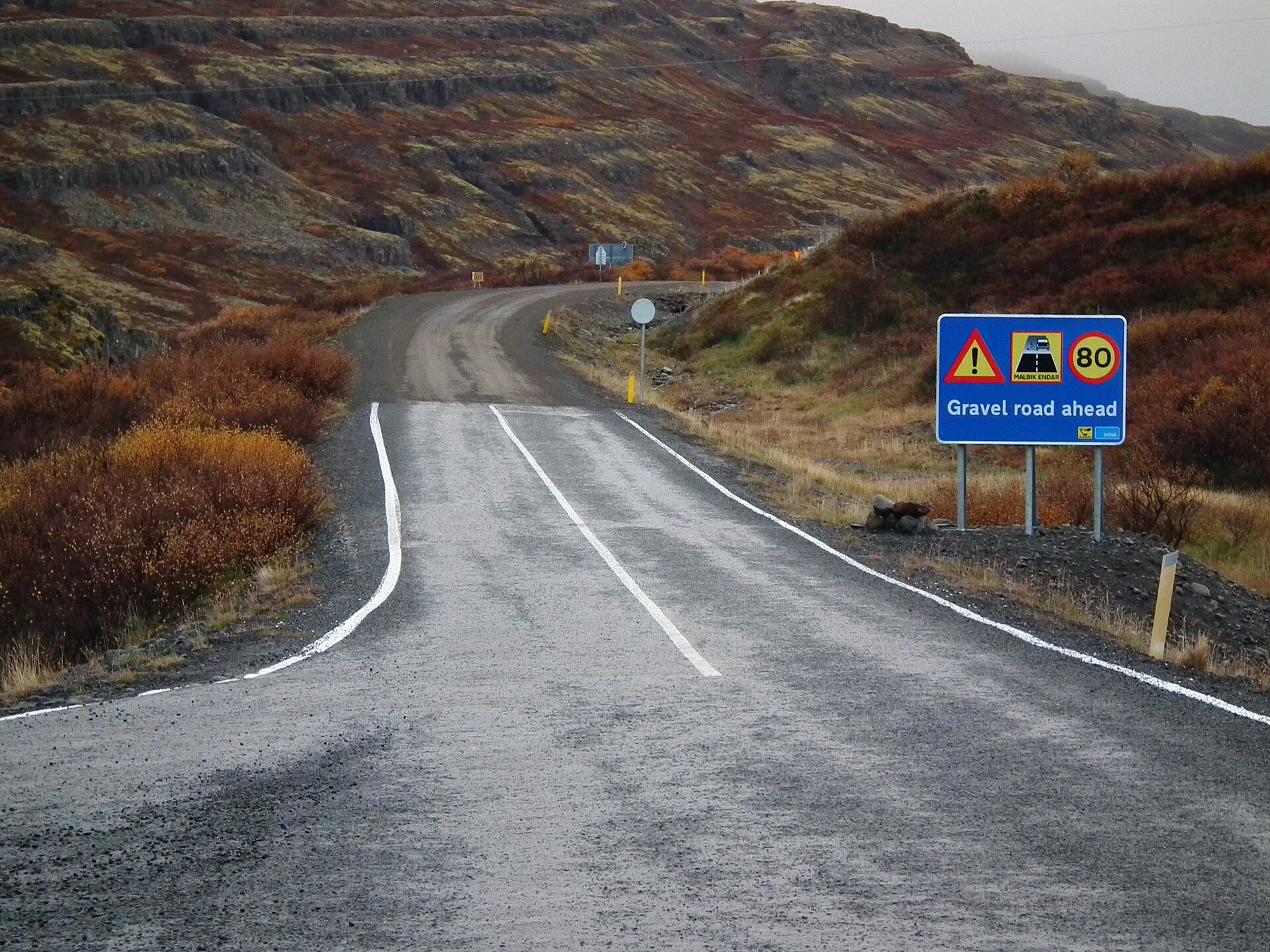
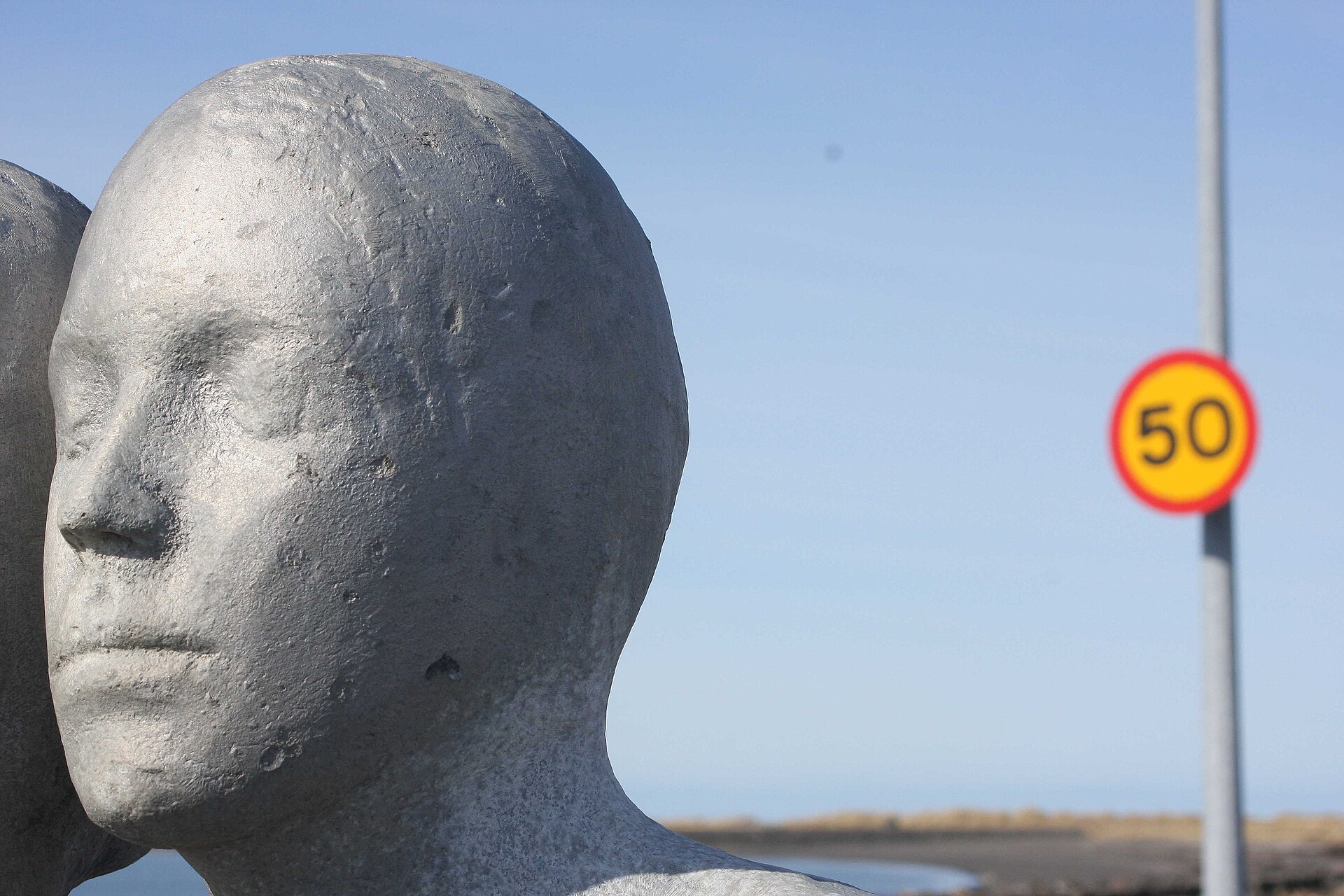
- Speed limits: 90 km/h on paved rural roads, 80 km/h on gravel roads, 50 km/h in built-up areas (30 km/h on residential streets). Fines are steep and cameras are common.
- Headlights on at all times — day and night, by law.
- Off-road driving is illegal. Driving off marked roads or tracks damages Iceland’s fragile moss and vegetation, which can take decades to recover, and the fines are heavy. Stay on the road.
- Single-lane bridges are common outside the cities; the car closest to the bridge has right of way.
- Seatbelts are mandatory for everyone, and your phone needs to be hands-free.
- Check conditions every single day. Look at road.is (road conditions) and vedur.is (weather) before you drive. Iceland’s weather can turn genuinely dangerous fast — high winds, sudden ice, ash storms — and road closures are real. If conditions look bad, wait it out.
A quick word on insurance
Iceland’s rental companies offer extras like Gravel Protection, and it is worth reading what your policy actually covers: sand and ash damage is often excluded from basic coverage, and Iceland has plenty of both.
Day Tours: Let Someone Else Do the Driving
If the idea of white-knuckle winter driving or single-lane bridges makes your stomach drop, day tours from Reykjavík are the easy button. You get picked up, an experienced driver-guide handles the conditions, and you just look out the window. The trade-off is flexibility: you go where the tour goes, when it goes.
Two tours cover the classics. The Golden Circle Classic Day Trip hits Þingvellir National Park, the Geysir geothermal area, and Gullfoss waterfall in one long, very full day. And from September through April, the Northern Lights Hunt with Aurora Viking chases clear skies away from the city lights. Pair that with our complete Northern Lights guide to understand the season and the odds.
Day tours make the most sense for shorter trips (3–4 days) and winter visits when you would rather not drive in the dark. For a week-long Ring Road adventure, though, a rental car will take you far beyond what any day tour reaches.
Buses and Public Transport
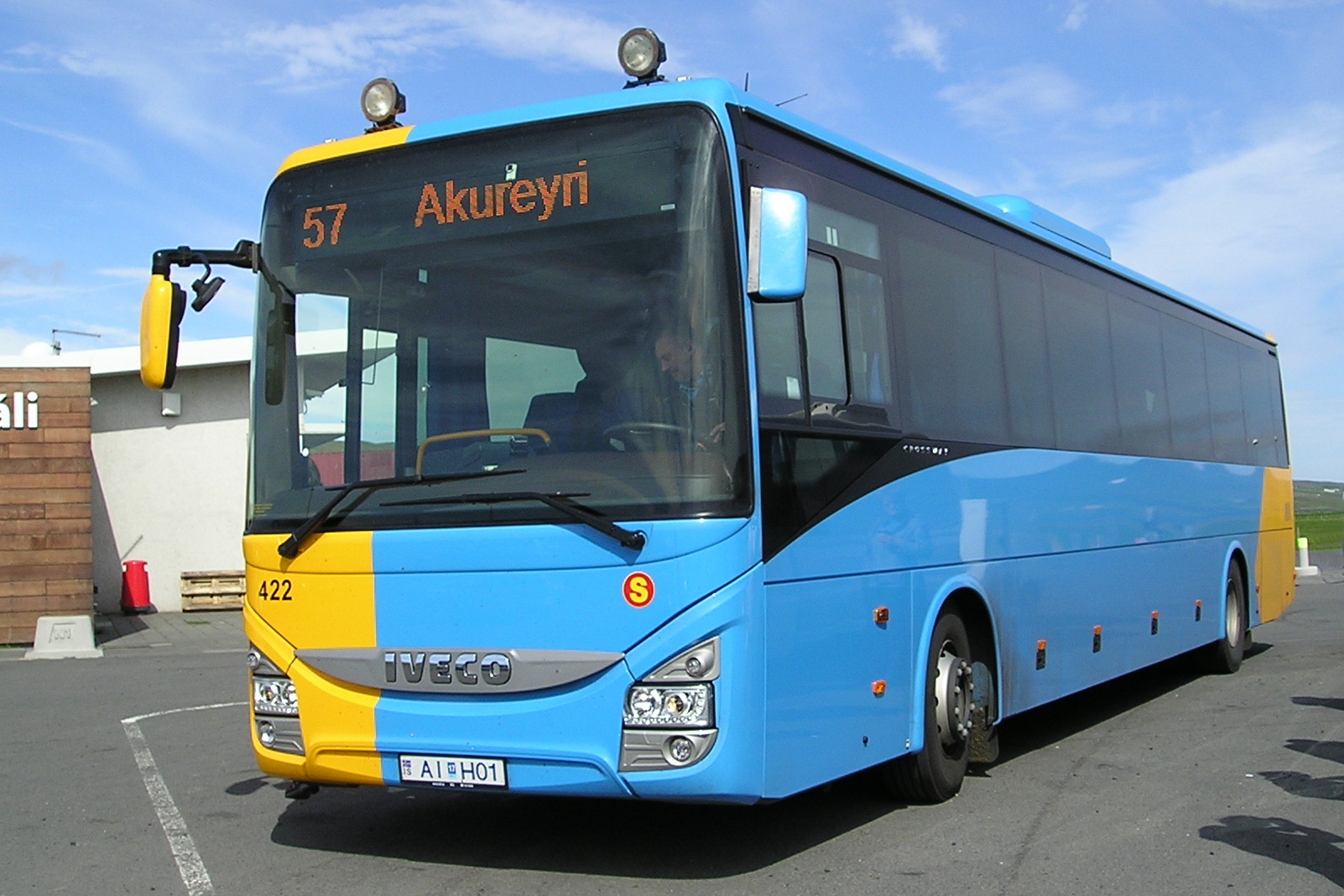
Let us be honest: Iceland is not a public-transport country. There is no rail network, and intercity bus service is thin, slow, and seasonal on many routes. But buses absolutely have their place.
Getting from the airport to Reykjavík
Keflavík International Airport sits about 50 km (a 45-minute drive) southwest of Reykjavík, and the Flybus is the default way into town. A one-way adult ticket to the BSI bus terminal costs around 3,999 króna (roughly $30), or about 5,299 króna with hotel drop-off — the bus meets every arriving flight. The cheapest option is Strætó bus 55, the public bus, but it is slow and infrequent. A taxi runs 22,500–35,000 króna, so the Flybus wins on value unless you are a group splitting the fare. (There is no Uber or Lyft in Iceland.)
Strætó in and around Reykjavík
Within the capital area, Strætó city buses work fine and now accept contactless cards. A few intercity routes connect larger towns, but schedules are sparse, connections eat whole days, and many routes do not run in winter. Public buses are a solid budget supplement to a tour-based trip — not a substitute for a rental car on a cross-country itinerary.
Domestic Flights: Skip the Long Drives
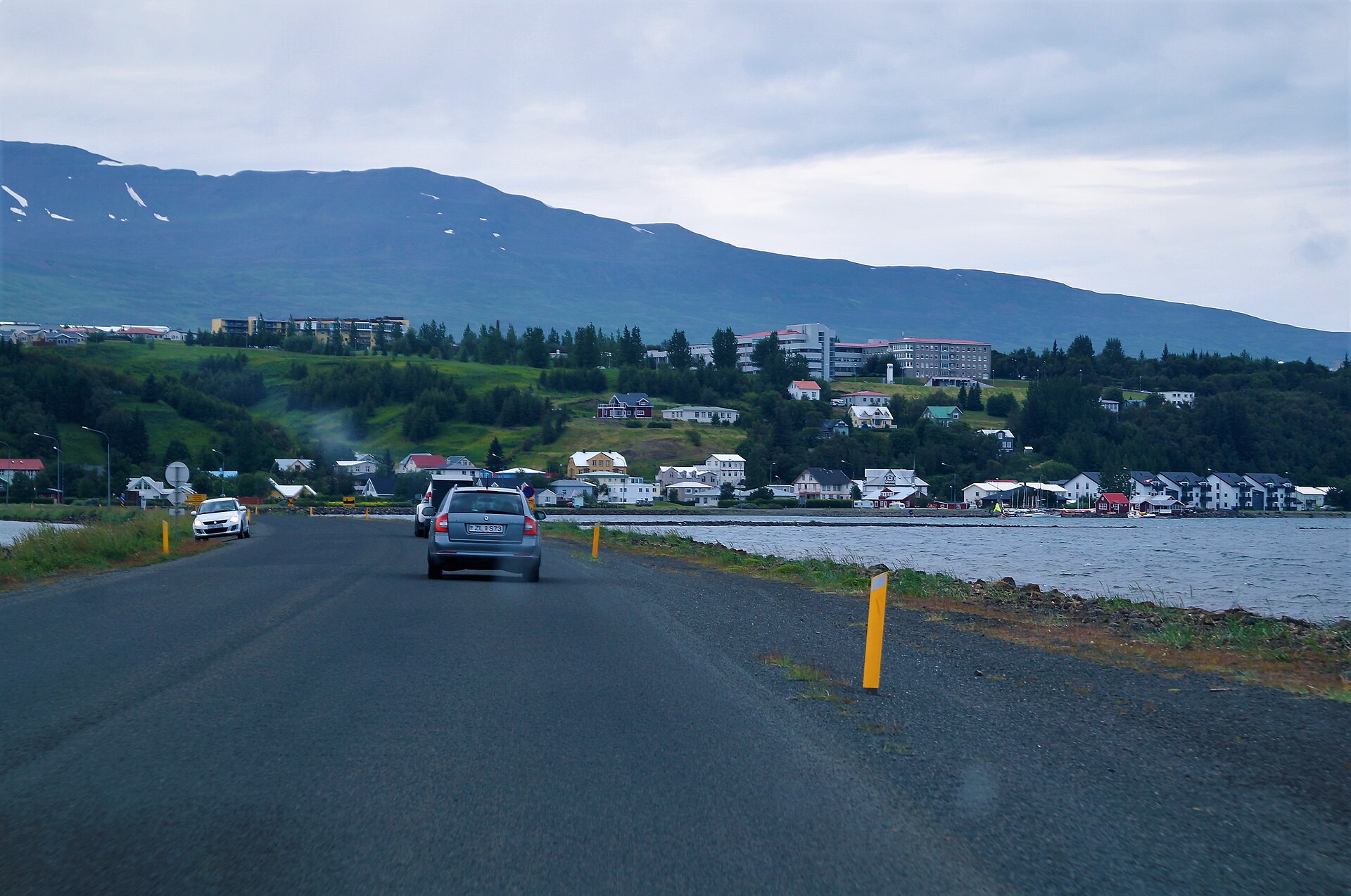
Icelandair flies from Reykjavík Airport (the small domestic airport, RKV — not Keflavík) to Akureyri in the north, Egilsstaðir in the east, and Ísafjörður in the Westfjords. The Reykjavík–Akureyri hop takes about 45 minutes and typically costs from around $100–$120 one way.
That matters because the drive to Akureyri is five to six hours each way. If you have a long weekend and want to see both the capital and the north, flying one leg saves a full day of driving.
How the Options Compare
| Option | Typical Cost | Flexibility | Best For |
|---|---|---|---|
| Rental car (2WD) | ~$60–$120/day + fuel | ★★★★★ | Summer Ring Road trips, Golden Circle, South Coast |
| Rental car (4×4) | ~$120–$200/day + fuel | ★★★★★ | Winter travel, Highlands, F-roads in summer |
| Day tours | ~$80–$150/person per tour | ★★☆☆☆ | Short trips, winter, non-drivers |
| Flybus / airport coach | ~$30/person to Reykjavík | ★★★☆☆ | Airport transfers, city-based trips |
| Strætó public buses | Cheap (city/intercity fares) | ★★☆☆☆ | Budget travelers with time, capital area |
| Domestic flights | ~$100–$120 one way | ★★★☆☆ | Skipping long drives (Akureyri, East Iceland) |
What I’d Do
If this were my trip and I had a week in summer, I would rent a 2WD car at Keflavík, drive the Ring Road slowly, and check road.is every morning like it was my job — because in Iceland, it kind of is. If I only had a long weekend in winter, I would base myself in Reykjavík, book the Golden Circle and a northern lights hunt, and let professional drivers handle the ice. The car gives you the country; the tours give you the highlights without the stress.
However you get around, build slack into every plan — Iceland rewards the flexible and humbles the rigid. And if you are spending a few days in the capital, our 3-day Reykjavík itinerary pairs perfectly with any of the options above.