
Reykjavik is the kind of capital that spoils you. It’s compact enough to cross on foot in twenty minutes, yet it sits at the edge of some of the wildest landscapes on Earth — erupting geysers, thundering waterfalls, and black-sand beaches are all day-trip distance. Three days is the sweet spot for a first visit: one day for the city itself, one for the Golden Circle, and one for the South Coast, with a geothermal lagoon and (in winter) the northern lights tucked into the evenings.
Planning a trip? Get our free Travel Planning Checklist:
No rental car required: every day trip below runs as a guided tour with Reykjavik pickup, and downtown is flat and walkable.
Disclosure: This post contains affiliate links. If you book through one of these links, I may earn a commission at no extra cost to you.
Day 1 — The City: Hallgrímskirkja, Laugavegur & the Waterfront
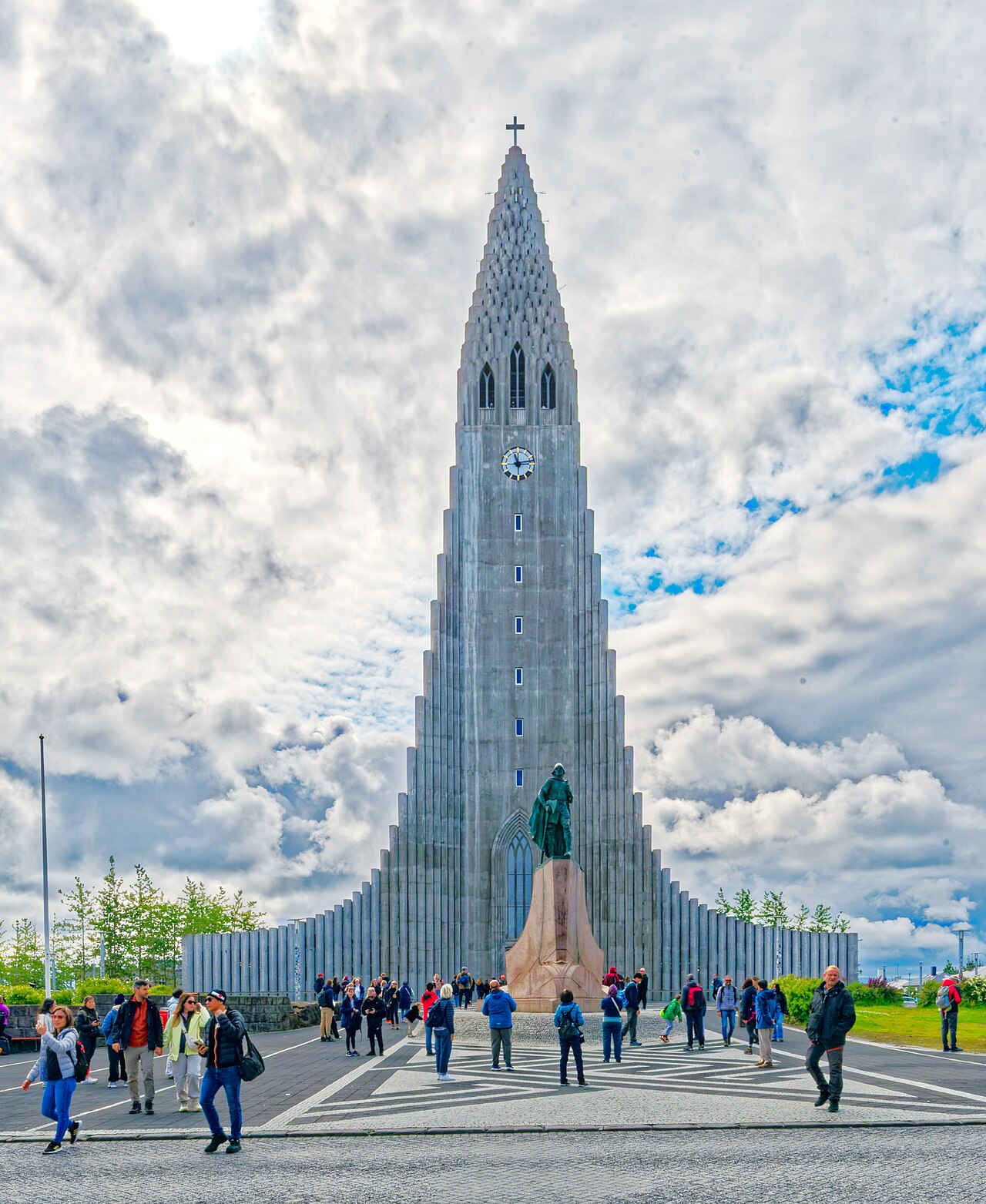
Start where every Reykjavik visit should start: Hallgrímskirkja, the soaring concrete church that dominates the skyline. Its stepped facade was designed to echo Iceland’s basalt columns, and the 73-meter tower delivers the best panorama in the city — the whole sweep of colored rooftops out to the bay. Church entry is free; the tower elevator costs a small fee (around 1,000 ISK for adults, roughly $7–8). Go before 10am to beat the crowds, and note the tower closes during Sunday service.
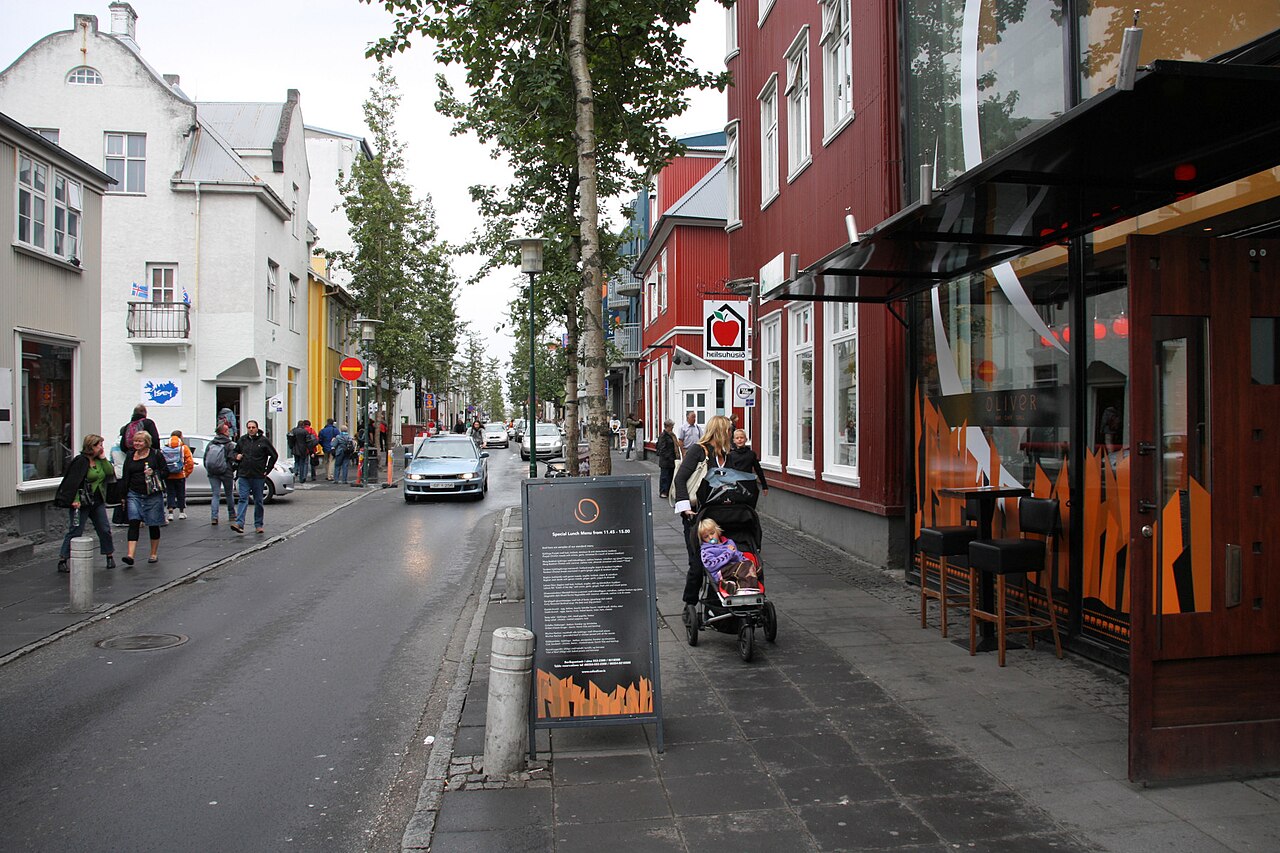
From the church, stroll down Skólavörðustígur — better known as Rainbow Street for its painted crosswalk — toward Laugavegur, Reykjavik’s main shopping street. This is the city’s living room: outdoor-gear shops, design boutiques, bookstores, and cafes line the route. It’s the natural lunch stop. For the classic cheap eat, detour to Bæjarins Beztu Pylsur, the tiny hot dog stand that’s been serving since 1937. Order “eina með öllu” — one with everything: sweet mustard, remoulade, and fried onions. Bill Clinton and Anthony Bourdain both made the pilgrimage; the queue of locals tells you it’s the real deal.
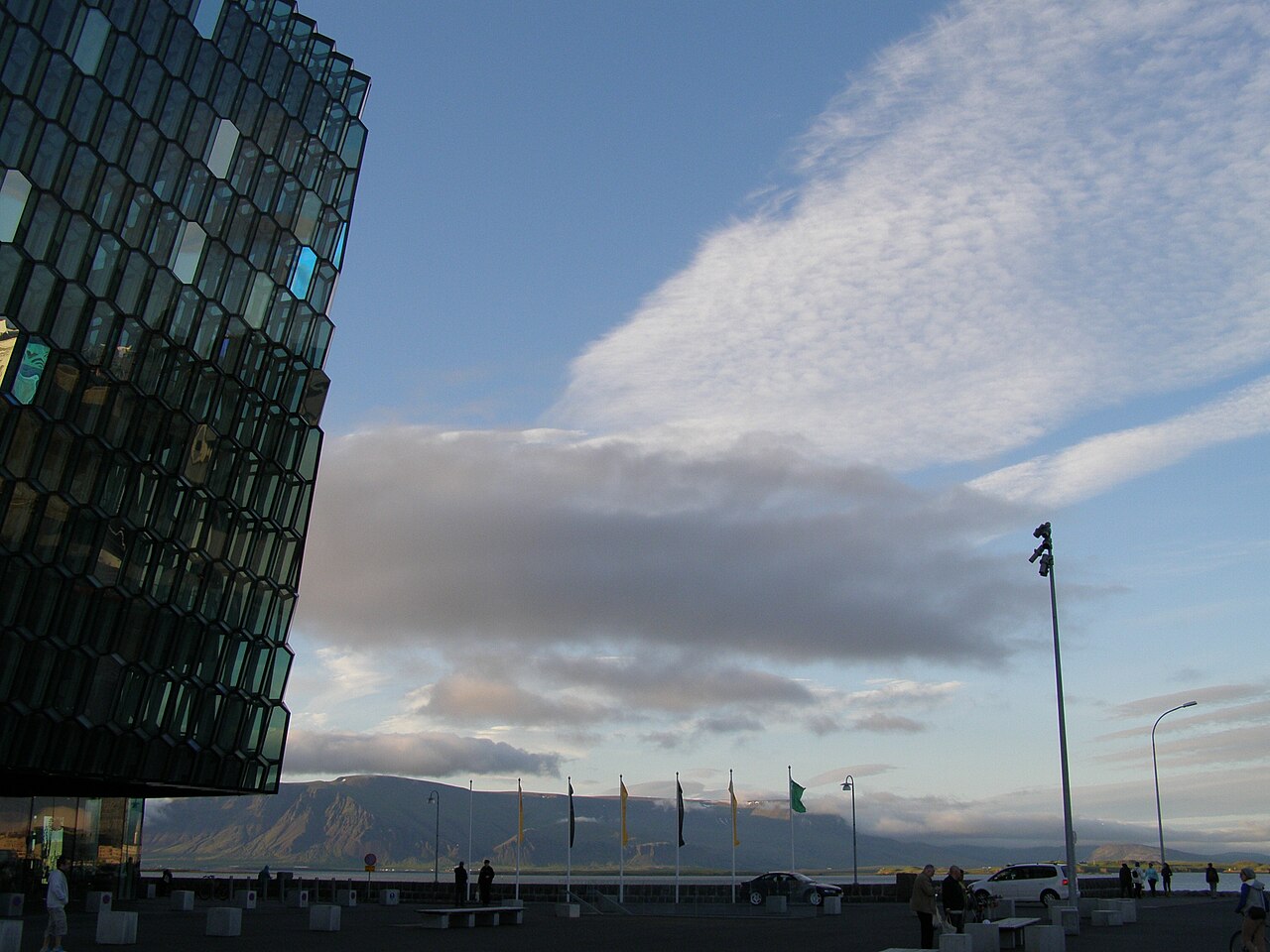
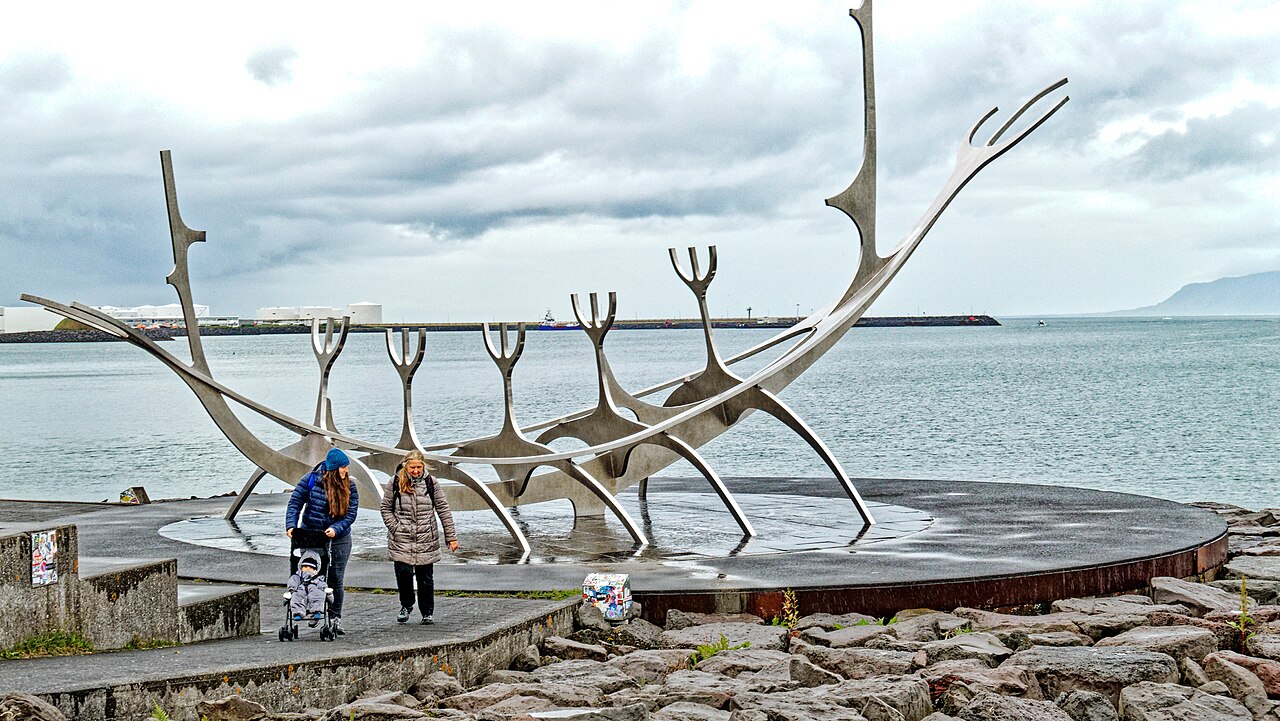
Spend the afternoon on the waterfront. Harpa, the concert hall that opened in 2011, is worth a visit even without a performance — its honeycomb glass facade by artist Ólafur Elíasson shifts color with the light, and the bay views are superb. From Harpa, the promenade runs east to the Sun Voyager, Jón Gunnar Árnason’s gleaming steel Viking-ship sculpture — an easy eight-minute walk and one of Iceland’s most photographed spots.
Finish the day in the Old Harbour (Grandi district), where whale-watching boats, seafood restaurants, and the FlyOver Iceland virtual flight ride cluster around the old docks. If the weather turns, FlyOver Iceland is the ideal backup, and Perlan‘s exhibitions sit just above the city with wide views. End the evening with a soak: the Sky Lagoon is only about 10–15 minutes from downtown, making Day 1 the easiest night for its seven-step ritual (more on the lagoon choice below).
Day 2 — The Golden Circle: Þingvellir, Geysir & Gullfoss
The Golden Circle is Iceland’s greatest-hits loop: roughly 300 kilometers covering the country’s three most famous natural sights. Most guided tours run 7–8 hours with Reykjavik hotel pickup.
Þingvellir National Park comes first. This rift valley is where the North American and Eurasian tectonic plates are visibly pulling apart — you can literally walk between continents — and it’s also where Iceland’s parliament, the Alþingi, was founded in 930 AD. The combination earned it UNESCO World Heritage status.
Next is the Geysir geothermal area, where the original Geysir (the one all geysers are named after) mostly rests these days, but its neighbor Strokkur erupts every few minutes, hurling boiling water up to 30 meters into the air. Time your photos for the split second the bubble domes before it bursts.
The finale is Gullfoss, the “Golden Falls” — a two-tiered cascade where the Hvítá river plunges into a deep canyon, close enough in summer to feel the spray. Many tours add a bonus stop at the Kerið volcanic crater or the Friðheimar tomato farm, where lunch is served inside a working greenhouse.
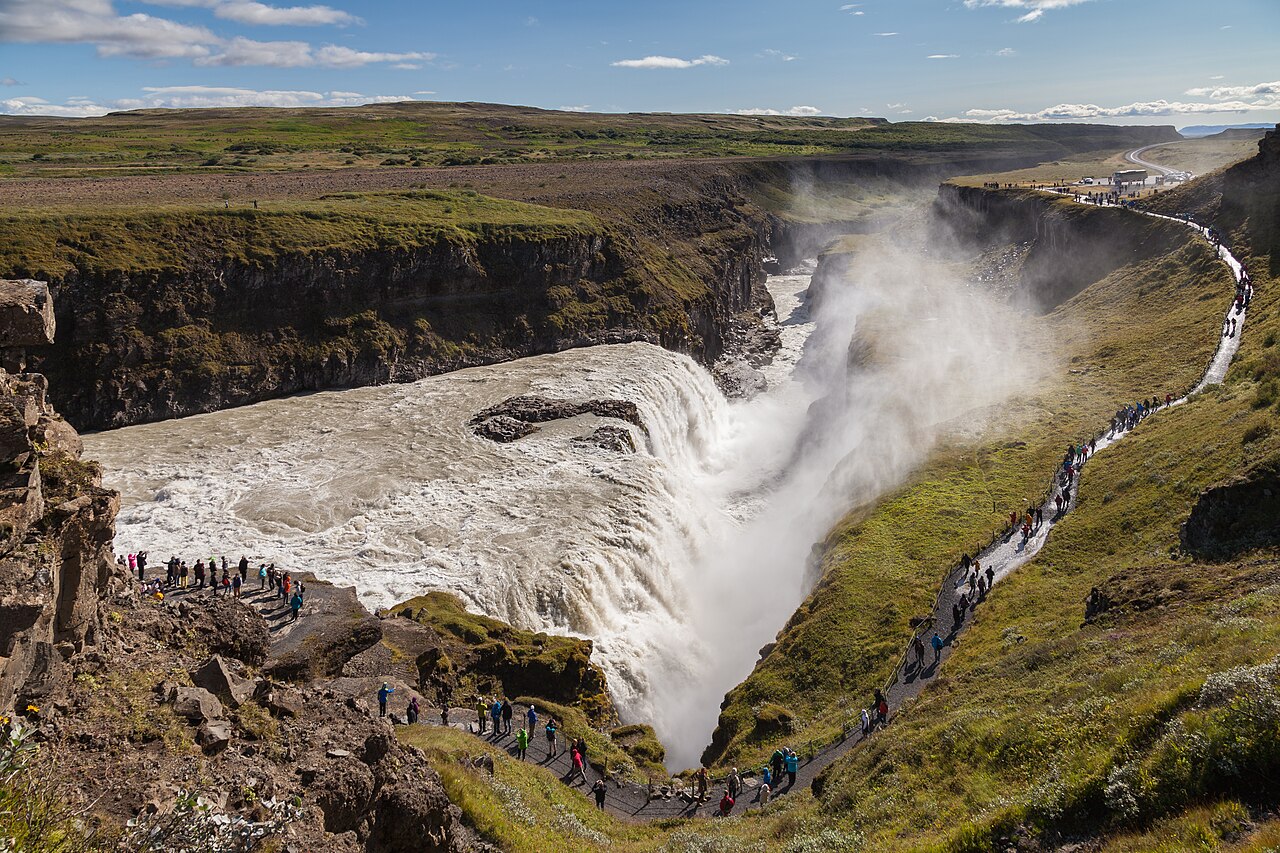
If you’d rather not self-drive, this small-group Golden Circle tour from Reykjavik covers Þingvellir, Strokkur, and Gullfoss plus the tomato farm and Kerið crater in about nine hours, with free cancellation up to 24 hours ahead.
Tempted to keep going? The Golden Circle is just the first chapter — our 7-day Ring Road itinerary shows how to extend this trip into the full 1,332-kilometer loop around the island.
Day 3 — The South Coast: Waterfalls, Glaciers & Black Sand
Day 3 heads southeast along the coast, and honestly, this might be the best single day of the three — an absurd density of scenery in one long day:
- Seljalandsfoss — a graceful waterfall you can walk behind (bring a rain jacket; you will get soaked and you will love it).
- Skógafoss — a 60-meter wall of water that throws near-permanent rainbows on sunny days. Climb the staircase beside it for the view from the top.
- Sólheimajökull — the snout of an outlet glacier, blue ice cracking against black volcanic sand.
- Reynisfjara — the famous black-sand beach with towering basalt columns and sea stacks. Admire the waves from a safe distance: the sneaker waves here are genuinely dangerous.
Standard tours run about 10 hours with a lunch stop in Vík, Iceland’s southernmost village. This full-day South Coast tour hits all four stops with pickup from Reykjavik, and it’s one of the highest-reviewed day trips in the country for good reason.
Add an Evening: The Northern Lights (September–April)
If you’re visiting between September and April, dedicate at least one evening to the aurora. Guided hunts leave the city glow behind and chase clear skies wherever the forecast points.
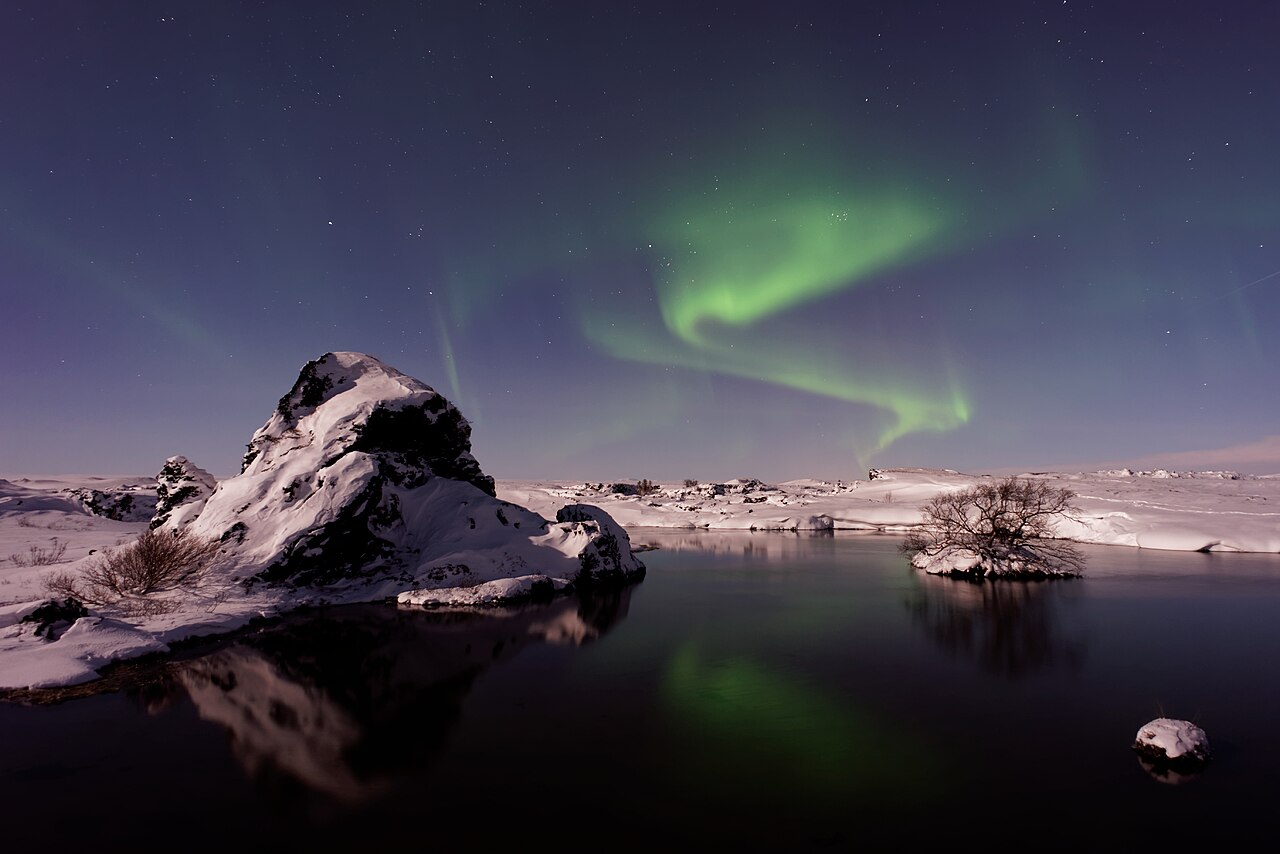
Practical tip: book your aurora hunt for your first night in Reykjavik. If the clouds win, this Northern Lights hunt includes unlimited free retries — you simply go out again on another night until you see them, plus professional photos and hot cocoa while you wait. Dress far warmer than you think necessary: you’ll be standing still in the dark, and the wind off the lava fields is no joke.
Fitting In a Lagoon: Sky Lagoon vs Blue Lagoon
You don’t have to choose — many visitors do both — but here’s the honest breakdown:
Sky Lagoon sits in Kópavogur, 10–15 minutes from downtown — the easy evening add-on. Its 70-meter infinity-edge pool faces the open ocean, and every ticket includes the seven-step Skjól ritual. Minimum age is 12, so it’s the more tranquil, adult-oriented option. Tickets start around 14,990 ISK.
Blue Lagoon is the icon: a vast milky-blue expanse across a black lava field in Grindavík, about 45–50 minutes from Reykjavik but only 20 minutes from Keflavík Airport — perfect for your arrival or departure day. The silica-rich water, included mud mask, and kids-welcome-from-age-2 policy make it the better family pick. Entry starts around 11,990 ISK.
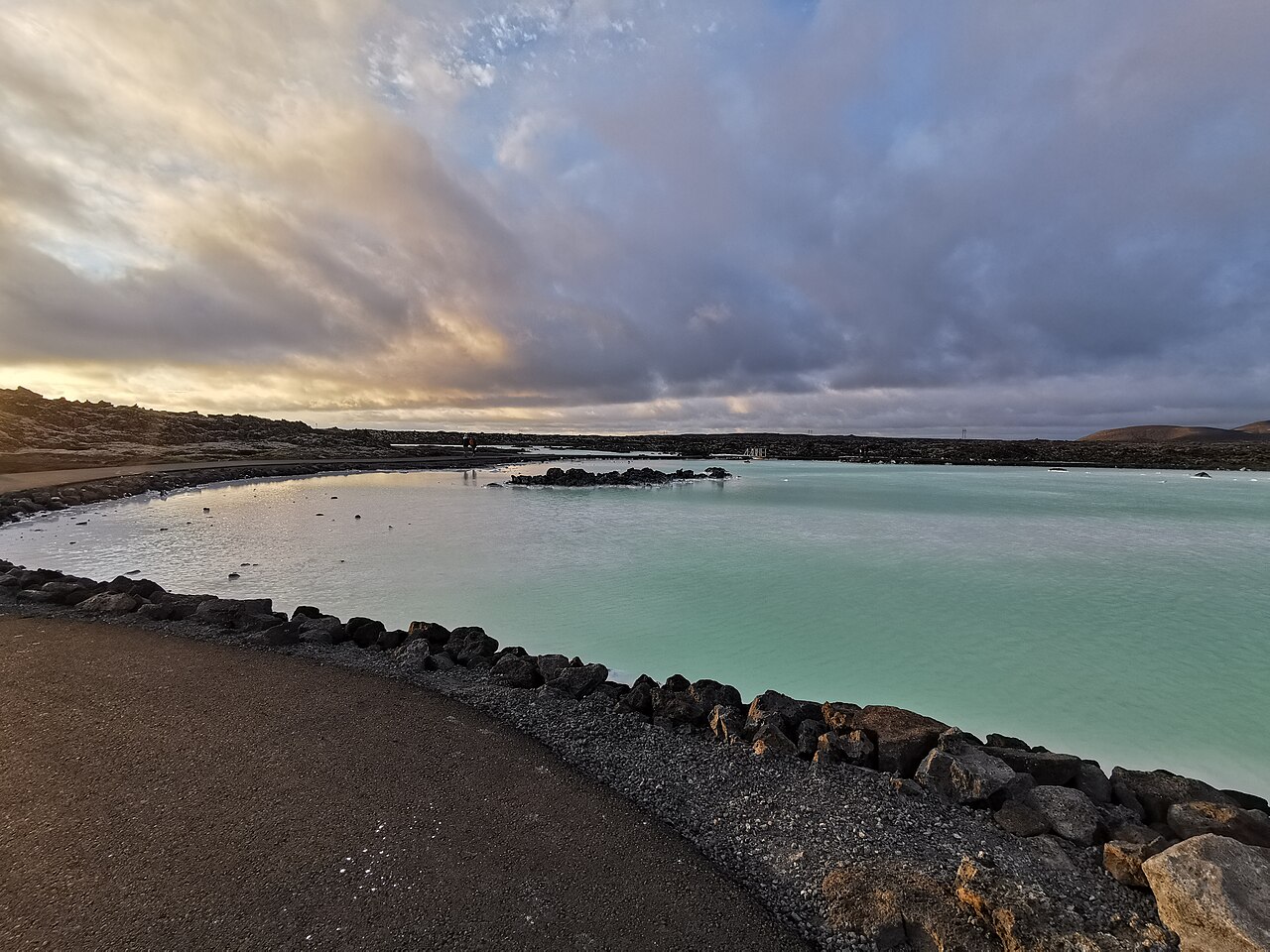
Whichever you pick, book your time slot online in advance — both lagoons regularly sell out, especially in summer.
Getting Around Reykjavik
Downtown Reykjavik is genuinely walkable — Hallgrímskirkja, Laugavegur, Harpa, the Sun Voyager, and the Old Harbour all sit within a compact, flat area. For anything farther, Strætó city buses are reliable. And virtually every day tour offers pickup from downtown hotels and bus stops, so you can skip the rental car entirely.
Keflavík International Airport is 45–50 minutes by road from the city; the Flybus and other airport shuttles meet every flight and drop at hotels and bus terminals.
Where to Stay in Reykjavik
Base yourself in Miðborg (downtown) — anywhere near Laugavegur, Hallgrímskirkja, or the harbour puts every Day 1 sight within walking distance and nearly all tour pickups within minutes. Prioritize a spot near a designated tour bus stop, since large coaches can’t navigate the narrowest old-town streets.
If this trip leaves you wanting the full loop, our Iceland Ring Road where-to-stay guide breaks down the best overnight stops around the entire island, segment by segment.
The Bottom Line
Three days in Reykjavik gives you a first taste of Iceland: a walkable, characterful capital on Day 1, the geological greatest hits of the Golden Circle on Day 2, and the waterfall-and-black-sand drama of the South Coast on Day 3 — with a lagoon soak and, in winter, the northern lights woven into the evenings. Come in summer for the midnight sun and long hiking days, or in winter for the aurora and frozen waterfalls; the itinerary works either way.
And if three days isn’t enough — it won’t be — the island rewards a longer trip, and a different flavor of short trip awaits in our Santorini in 3 days itinerary.