
Strasbourg is two cities stitched together by one river. On the Grande Île, the island old town wrapped by the Ill, you get the medieval version: a rose-pink Gothic cathedral, half-timbered lanes, and tanners’ houses leaning over canals. A short tram ride northeast, the same city runs the European Parliament, where laws for a continent are debated in a glass ship of a building on the riverbank. Three days is exactly enough to do both justice — one day for the old town, one for the European and imperial quarters, and one for the Alsace wine villages that begin almost at the city limits. This itinerary is sequenced so you never cross the city twice, and it works in every season — with notes throughout for the Christmas-market weeks, when Strasbourg becomes the most festive city in France.
Never forget a thing before you fly. My free 8-page Travel Planning Checklist walks you through the whole trip — 6 planning timelines, 36 checks, from booking windows to travel-day basics. One email, no spam, unsubscribe anytime.
Disclosure: This post contains affiliate links. If you book through one of these links, I may earn a commission at no extra cost to you.
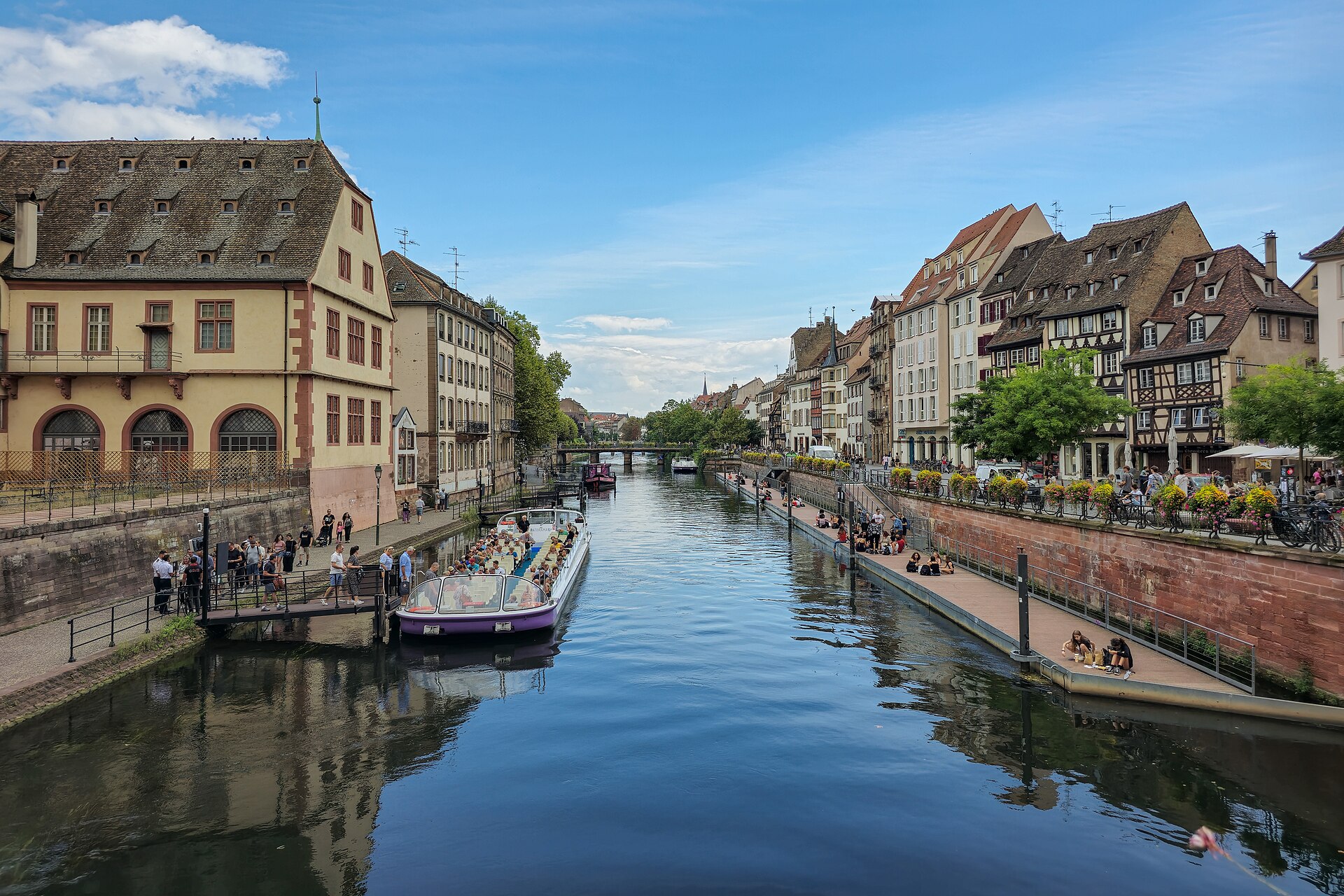
Before You Go: Getting There and Getting Around
Strasbourg is one of the easiest French cities to reach by train. Direct TGV services from Paris take about 1 hour 46 minutes, and the station sits a ten-minute walk west of Petite France, so most visitors never need a taxi on arrival. Once you are in, the Grande Île is barely a kilometre across — 15 to 20 minutes end to end on foot — and the modern tram network covers everything beyond it, including the European Quarter. Buy tram tickets at the machines on each platform and validate before you ride.
Two timing traps are worth knowing before you fix your days. First, most of Strasbourg’s city museums close on Mondays, so if your three days include a Monday, make it your day-trip day. Second, one beloved museum is off the table entirely for now: the Alsatian Museum, the folk-culture museum in three old houses by the river, is closed for renovation until 2028. Everything else in this plan is open year-round.
Day 1: The Grande Île — Cathedral, Kammerzell and Petite France
Start at the cathedral, and start early. Strasbourg Cathedral took more than four centuries to build, from 1015 to 1439, and its single spire — the second was never built — made it the tallest building in the world for over two centuries. Arrive before 10am and you can walk the nave in relative quiet, studying the rose window and the slender stone screen of the west front without the tour-group surge. Then plan your late morning around one fixed point: the astronomical clock in the south transept. The clock’s figures parade at 12:30pm, preceded by a short film at noon, and tickets are sold on the day, so be in the queue well before 12. If you have the legs, climb the 332 steps to the viewing platform, 66 metres up, for the definitive Strasbourg view — cathedral roof, old-town lanes and, on a clear day, the Vosges and the Black Forest on either horizon.
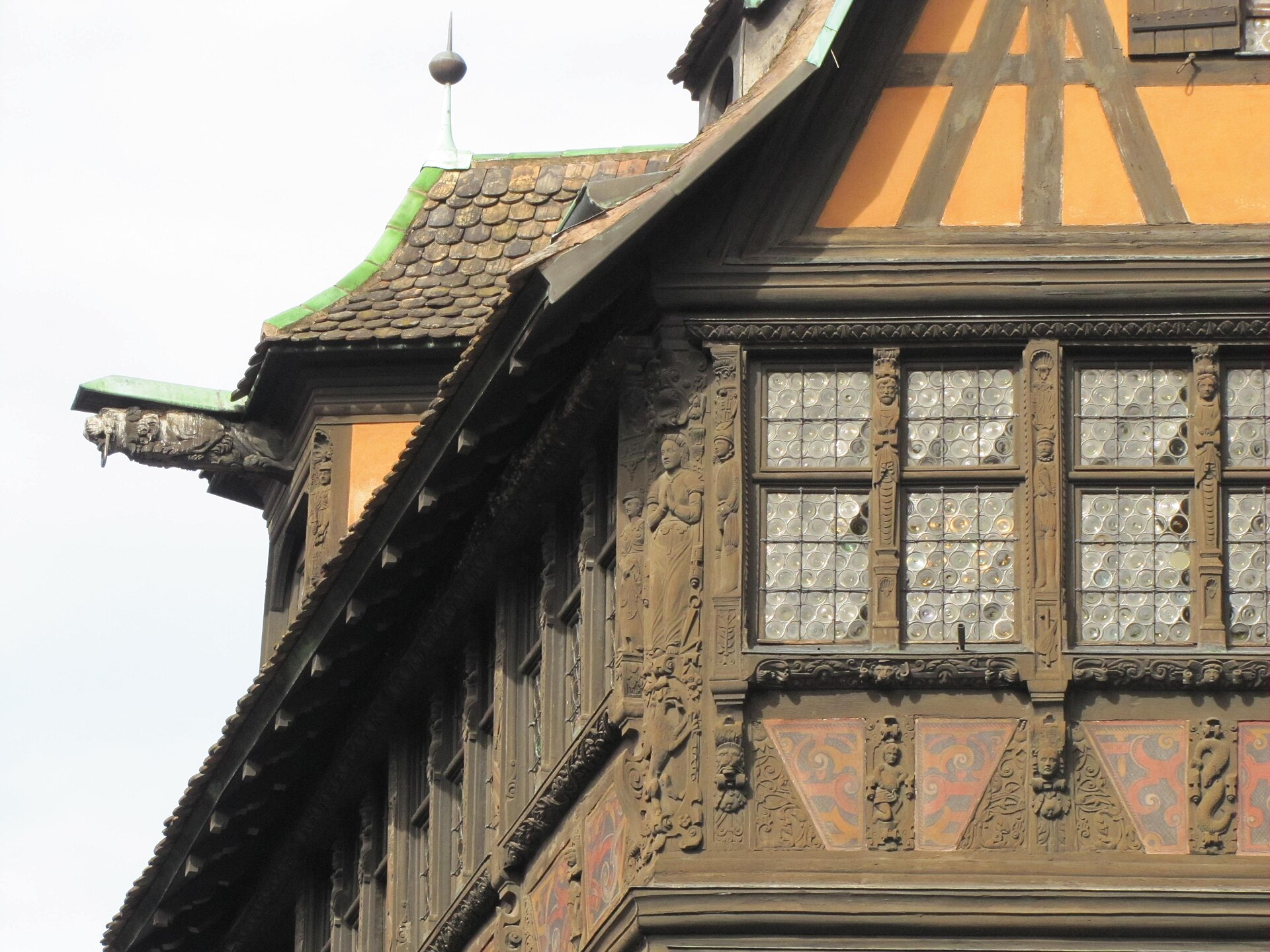
Step back outside and look left: the Maison Kammerzell, on the cathedral square, is the city’s most famous house, a carved and painted half-timbered merchant’s home whose oldest timbers date to 1467. A few steps south, the Palais Rohan — an 18th-century palace nicknamed Strasbourg’s little Versailles — holds three museums under one roof: Fine Arts, Decorative Arts and Archaeology. Pick one, not all three; the day is better spent outdoors. If you would rather have the old town’s stories told to you as you walk, a small-group walking tour of Strasbourg with a local guide covers the cathedral quarter, Place Kléber and Petite France in a single morning and ends with restaurant tips you will actually use.
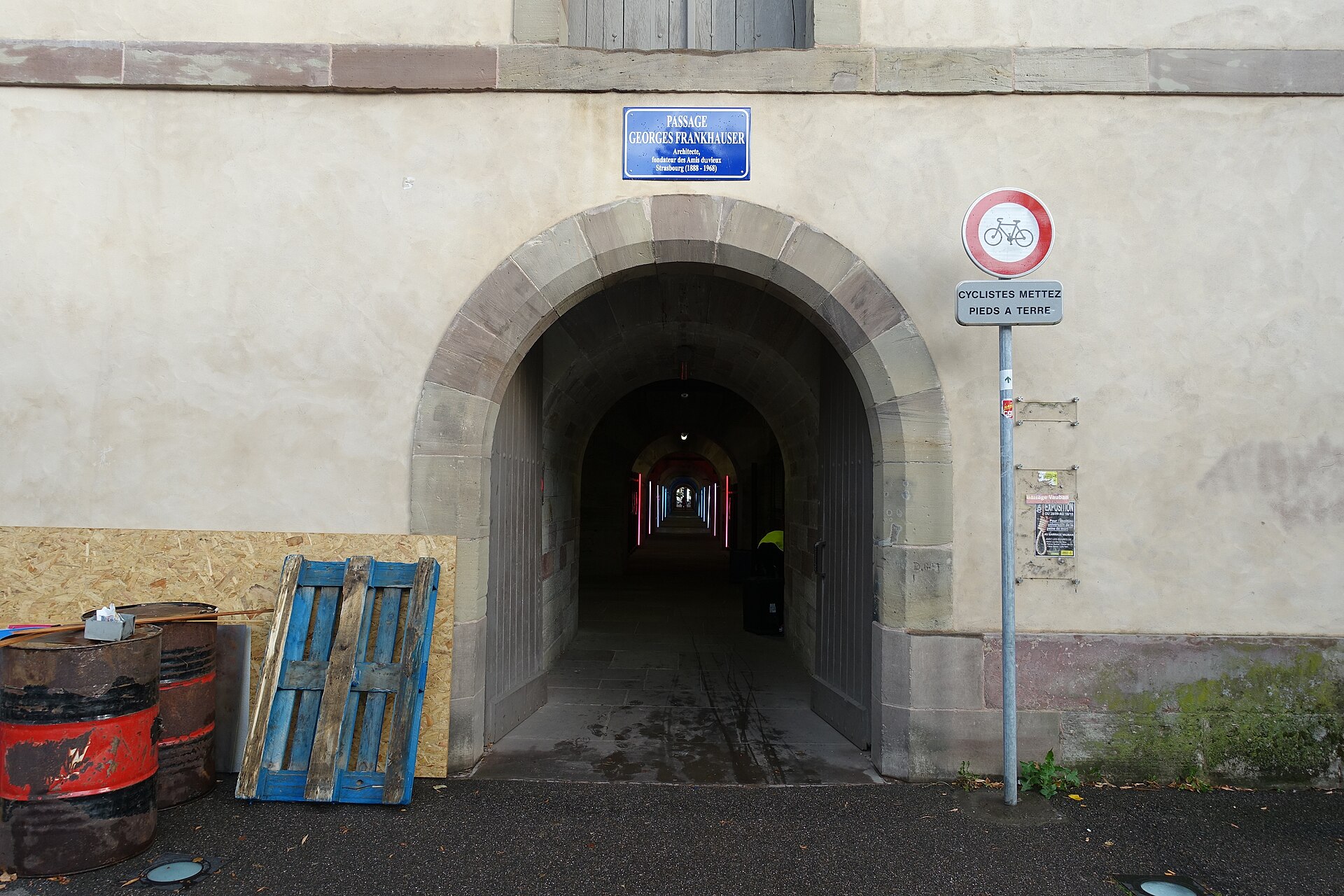
Spend the afternoon in Petite France, the quarter at the island’s western tip where tanners, millers and fishermen once worked the channels of the Ill. It is now the prettiest corner of the city: whitewashed houses with steep roofs, geraniums on every bridge, and the slow swing bridge of Pont du Faisan still turning for boats. Walk out to the Ponts Couverts, the three covered bridges guarded by medieval towers, then climb to the free panoramic terrace on top of the Barrage Vauban, the 17th-century dam just beyond them. From up there, at golden hour, you get the postcard in one frame: bridges, towers, Petite France rooftops and the cathedral spire behind. Finish the day the Alsatian way, in a winstub — the cosy, wood-panelled taverns of the old town — with a tarte flambée, the region’s thin, onion-and-bacon flatbread, blistered in a wood oven.
Day 2: The Neustadt, the European Quarter and the Orangerie
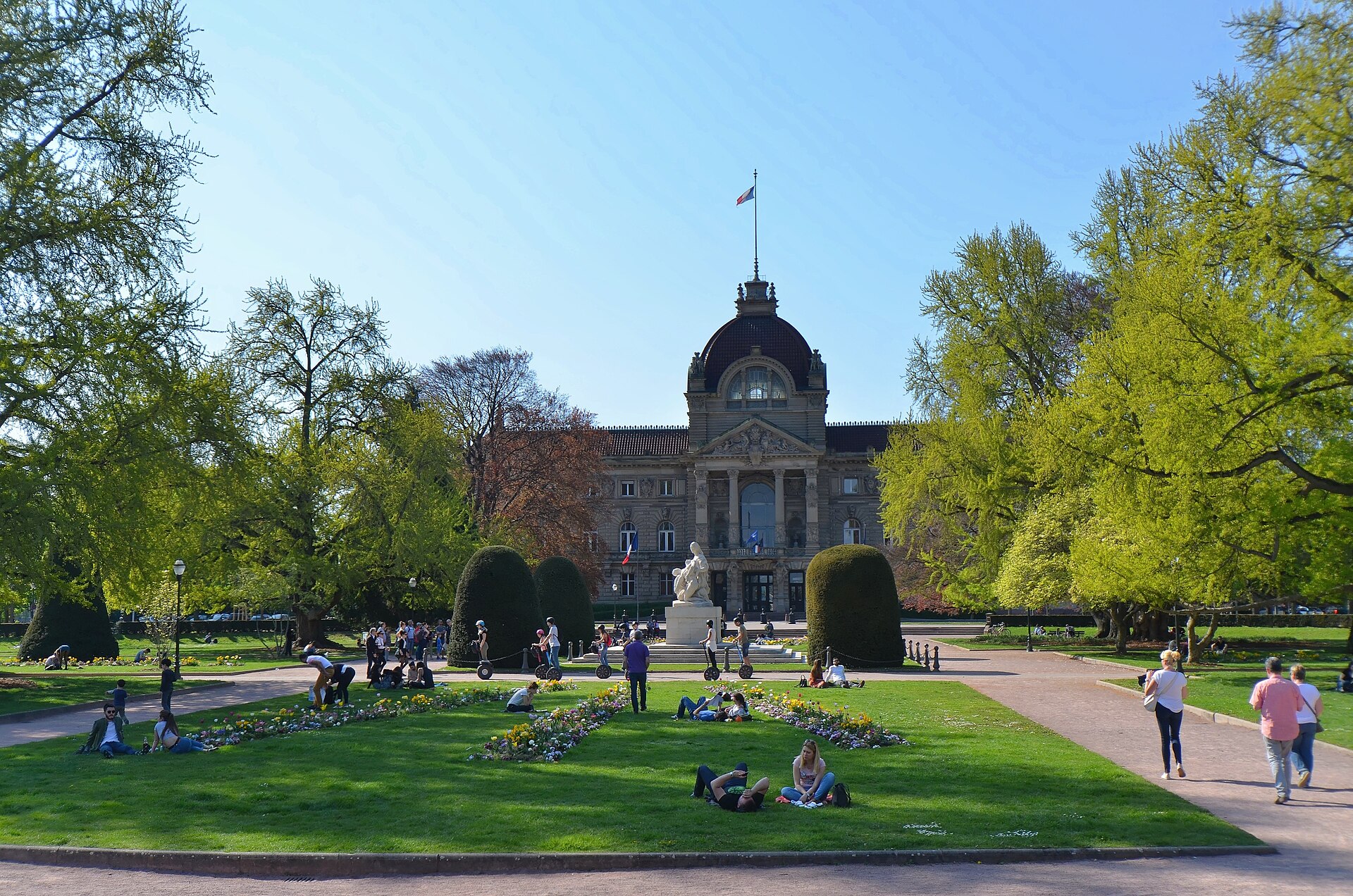
Day 2 shows you the Strasbourg most visitors miss. Take the tram to Place de la République, the hinge between the old town and the Neustadt, the imperial German quarter built after 1871 and added to the UNESCO World Heritage list in 2017. The square is ringed with grand stone institutions, chief among them the Palais du Rhin, the former imperial palace, fronted by gardens where locals picnic in summer. The Neustadt’s broad avenues and stone apartment blocks are a deliberate contrast to the Grande Île’s lanes — walk a few streets and you can read the city’s Franco-German tug-of-war in its facades.
From there, continue northeast to the European Quarter, strung along the Ill and the Marne-Rhine canal. The Louise Weiss building, seat of the European Parliament, is an elliptical glass tower meant to evoke a ship; Strasbourg is the parliament’s official seat, and its hemicycle hosts the monthly plenary sessions. Individual visitors can tour the building and hemicycle for free outside session weeks, but book ahead online and bring original photo ID — copies are not accepted — and note that the parliament is closed on Sundays. Across the water stand the Council of Europe and the European Court of Human Rights, making this quiet riverside district one of the most politically significant square kilometres in Europe.
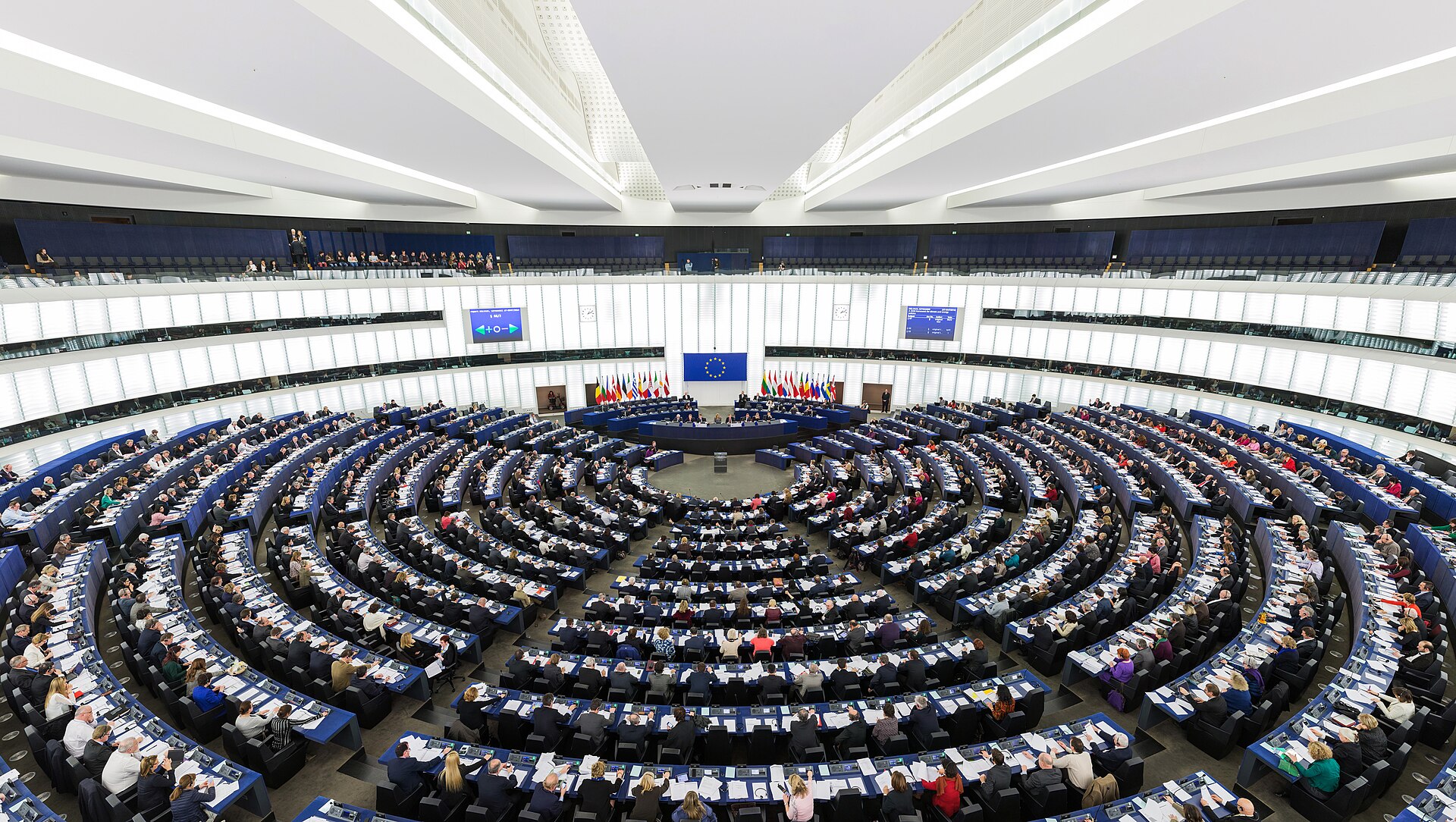
Balance the institutions with the Parc de l’Orangerie, Strasbourg’s oldest and best-loved park, just across from the parliament. There are lawns, a lake with rowing boats, a small zoo and farm, and — the real draw — white storks, the emblem of Alsace, nesting on the chimneys and in the park’s stork centre, where the birds were reintroduced after nearly vanishing from the region. In the late afternoon, see the city from the water: the glass-covered boats that leave from beside the Palais Rohan run a route of a little over an hour that loops the Grande Île and continues out to the European Quarter, giving you Day 1 and Day 2 in a single sitting.
Visiting between 27 November and 24 December? Your evenings change completely. Strasbourg’s Christkindelsmärik, held since 1570, spreads eight markets across the Grande Île, open daily from 11am to 9pm (from 2pm on opening day, and until 6pm on Christmas Eve). Do Place Broglie, the historic market, and the cathedral squares by day, then return after dark for the Great Christmas Tree on Place Kléber and the quieter stalls in Petite France. For the full picture, see our guide to Europe’s 10 best Christmas markets and our data check of European Christmas market hotel prices and dates before you book. A small-group Christmas market tour by night, with a mulled wine included, is the smartest way to find the locals’ corners on your first evening, when the market maze is at its most disorienting.
Day 3: The Alsace Wine Route — Colmar, Riquewihr and Haut-Koenigsbourg
On day three, leave the city. Alsace’s wine route runs south from Strasbourg through a corridor of vineyards and storybook villages at the foot of the Vosges, and it is the region’s essential day out. You have two good ways to do it. The independent version is simple: trains from Strasbourg reach Colmar in about 30 minutes, and Colmar alone can fill a happy day — the canals of Little Venice, the timbered Rue des Marchands, and the Unterlinden Museum, home to the Isenheim Altarpiece. What the train cannot easily do is string the villages together: the castle and the smallest wine towns have no stations, and buses are infrequent.
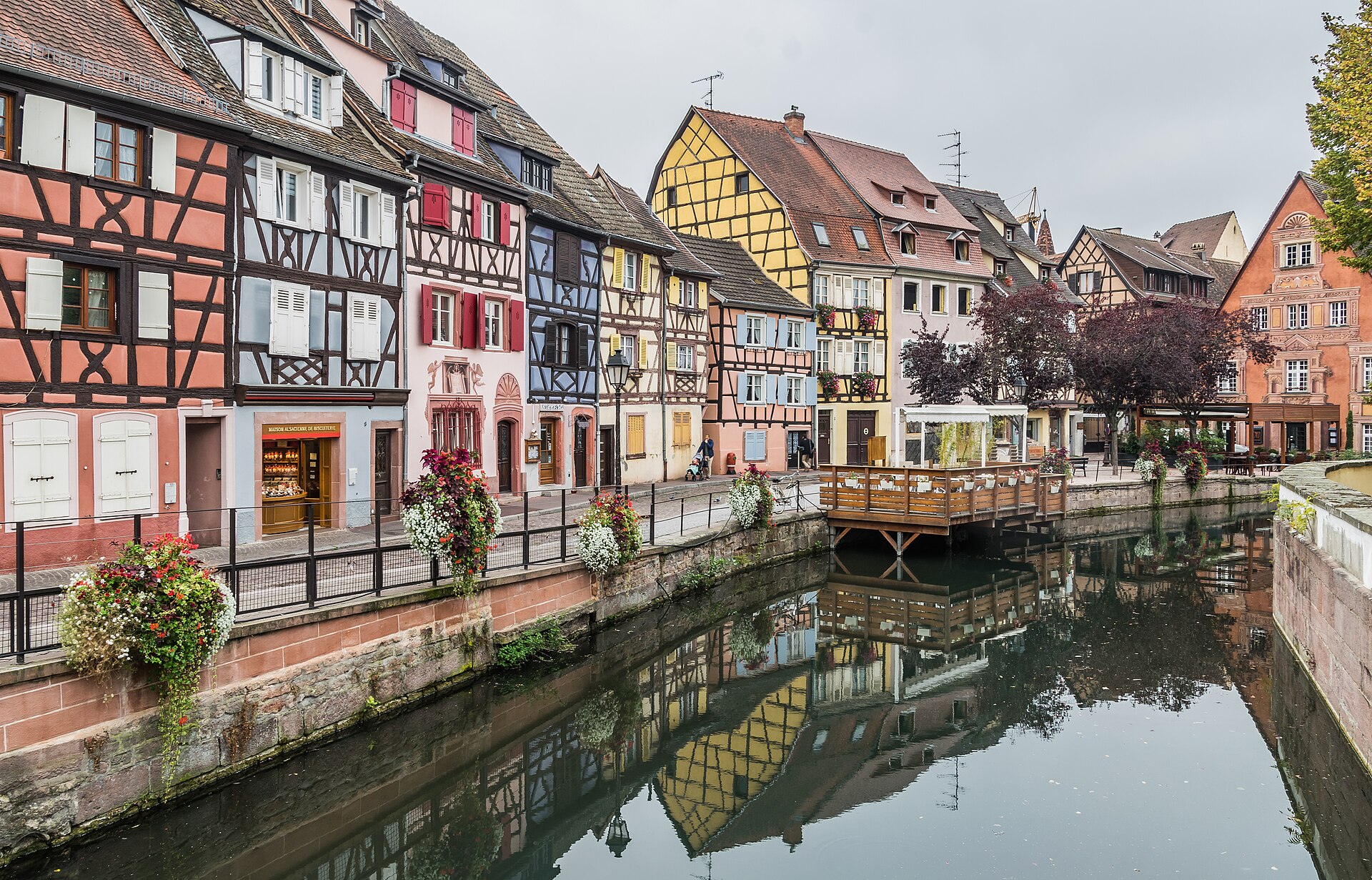
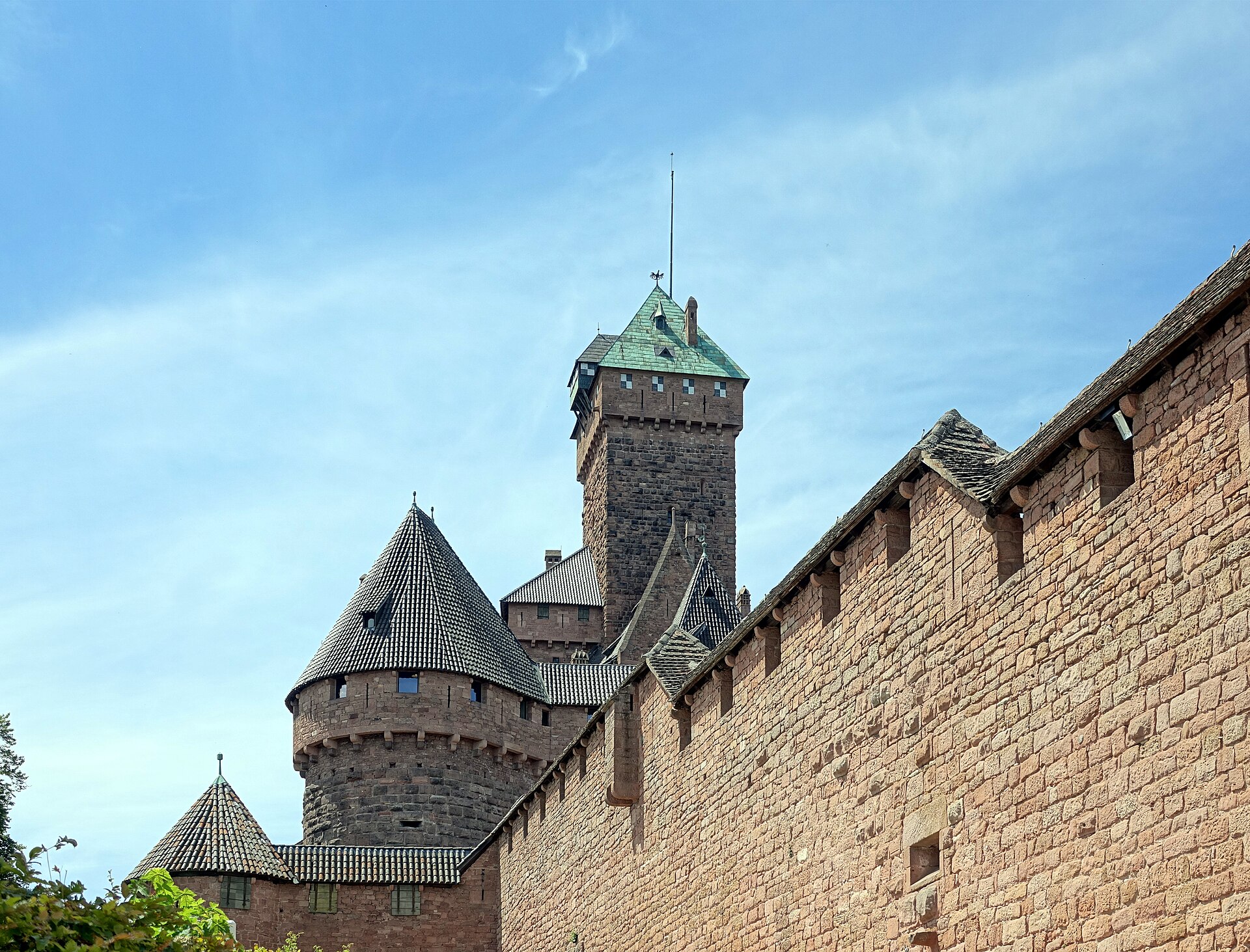
That is the case for the guided version. A full-day Alsace tour from Strasbourg links the four stops that matter in one loop, with castle admission included: the Château du Haut-Koenigsbourg, a 12th-century mountain fortress rebuilt in the early 1900s, whose ramparts survey the whole Rhine plain; Riquewihr, a walled wine village that looks much as it did in the 16th century; Kaysersberg, with its fortified bridge and half-timbered main street; and Colmar to finish. It is a driver-and-audio-guide format, so you explore each stop at your own pace rather than following a flag — for many travellers, that independence is the point. Whichever way you go, taste as you travel: a glass of dry Riesling or aromatic Gewurztraminer in the village where it was grown is Alsace in miniature.
What to Eat in Strasbourg
Alsatian cooking is where French technique meets German appetite, and three days is just enough to cover the essentials. Beyond the tarte flambée of day one, order choucroute garnie once — sauerkraut mounded with sausages, smoked pork and potatoes, ideally in a winstub around the cathedral or in Petite France. Baeckeoffe, a slow-baked casserole of three meats, potatoes and white wine, is the dish locals cook for Sundays. For something sweet, look for kougelhopf, the tall, almond-topped brioche you will see in every bakery window — order it by the slice with coffee. And in December, the markets add their own menu: bredele, the little spiced Christmas biscuits baked in dozens of shapes, plus vin chaud, bretzels still warm from the stall, and roasted chestnuts eaten standing up, with the cathedral lit above the rooftops.
Practical Tips for Your 3 Days
When to come. Late spring and early autumn bring the best walking weather and full museum schedules. December is the city’s high season despite the cold — book market-season hotels early, because Strasbourg fills faster than almost any French city that month. Base yourself on or near the Grande Île and everything in days one and two is walkable; the station area is the practical alternative if you are day-tripping by train. Sequence around closures: museums shut on Mondays, the cathedral nave closes around the midday clock show, and the European Parliament is closed on Sundays — this itinerary’s order already dodges all three. Carry small cash for market stalls and the clock tickets, and dress for the river: even in summer, evenings by the Ill cool down fast, and in December you will want your warmest layer for the markets after dark. Three days will not exhaust Strasbourg — but it will show you both of its souls, the medieval island and the European capital, and send you home understanding why this border city belongs to both France and Germany, and entirely to itself.