
There is a specific smell that means Christmas in Europe: hot spiced wine, roasted almonds, pine needles, and chimney smoke, all swirling together in freezing air. I have wandered Christmas markets from the Baltic to the Rhine, and no two feel the same — Vienna does imperial grandeur, Strasbourg does half-timbered fairy tale, Tallinn does medieval quiet. If a winter market trip is on your 2026 list, now is the moment to plan it: several cities have already published their official 2026 dates, and the best-located hotels sell out months ahead.
Planning a trip? Get our free Travel Planning Checklist:
Disclosure: This post contains affiliate links. If you book through one of these links, I may earn a commission at no extra cost to you.
Below are the ten markets I would build a trip around, with verified 2026 dates where the organizers have announced them — and an honest flag wherever dates are still projections. I checked every date below against official market sites and city tourism boards in late September 2026, but do a final check before booking non-refundable travel, since a few cities publish late.
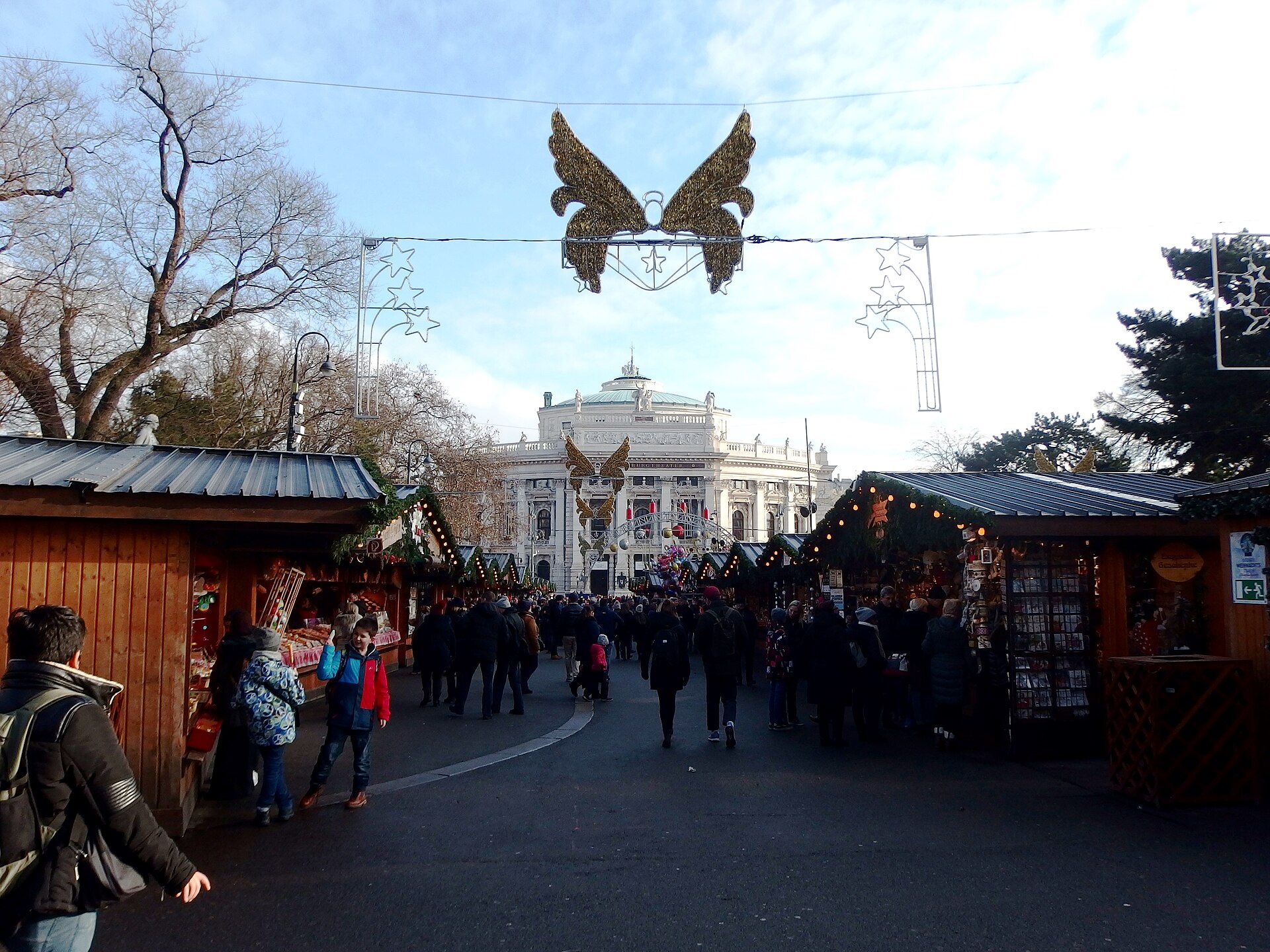
1. Vienna, Austria — Christkindlmarkt at Rathausplatz
2026 dates: November 13 to December 26 (confirmed on the market’s official site). Vienna’s main market is one of the biggest and most beautiful in Europe: more than a hundred stalls spread across the park in front of the floodlit neo-Gothic City Hall, a giant tree strung with thousands of lights, and the “Ice Dream” skating rink right beside it (the rink runs through January 6, 2027). Order a Punsch and a bag of Maroni (roasted chestnuts) and do a full lap before you buy anything — the craft stalls at the back are the best ones.
Two things worth knowing for 2026: the romantic Schönbrunn Palace market runs even longer, November 6, 2026 to January 6, 2027, and the Belvedere Palace market is not taking place this year, so don’t build plans around it. If you’d rather be guided than wander, this small-group evening Christmas tour of Vienna visits several of the city’s top markets with a local guide. Pair the markets with my 3-day Vienna itinerary to fill the daylight hours.
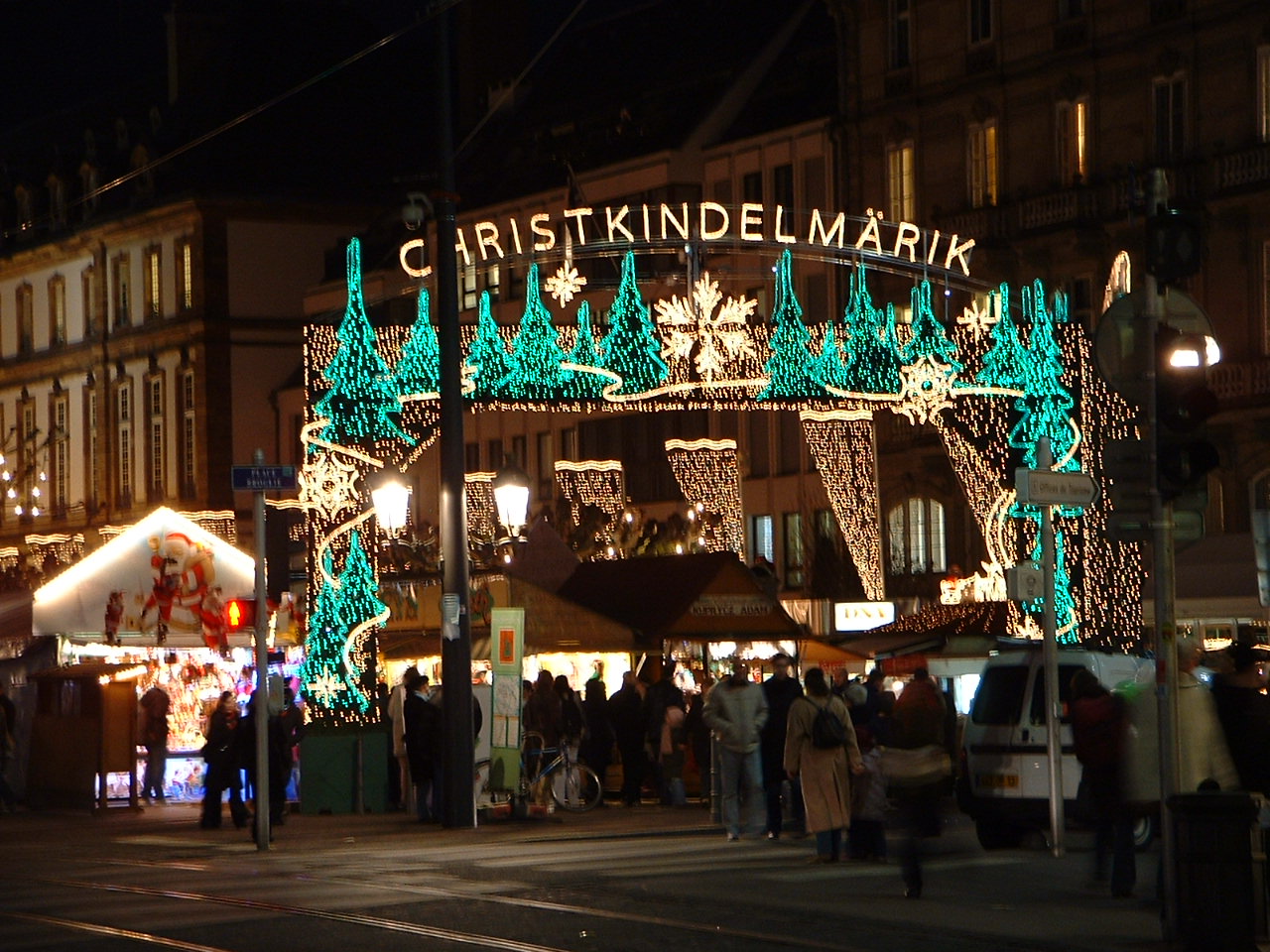
2. Strasbourg, France — the “Capital of Christmas”
2026 dates: expected late November to December 24 — Strasbourg had not published official 2026 dates as of late September, but the market traditionally opens in the last week of November (local tour operators cite November 26). The Christkindelsmärik dates to 1570, making it the oldest Christmas market in France, and today it sprawls across eleven squares of the UNESCO-listed old town with roughly 300 wooden chalets. The centerpiece is the Grand Sapin, a 30-meter giant tree on Place Kléber with an evening light show, and the stalls beneath the cathedral facade are the most photographed corner of the city.
Eat above the usual sausage-and-pretzel level here: tarte flambée, bredele biscuits, and hot Gewürztraminer. One caveat — weekends after dark get genuinely packed in the narrow lanes, so aim for a weekday in late November or early December, and book a hotel inside the Grande Île six to nine months out if you can. This highly rated Strasbourg Christmas market walking tour (4.8 stars, mulled wine included) is a smart first-evening move to get your bearings.
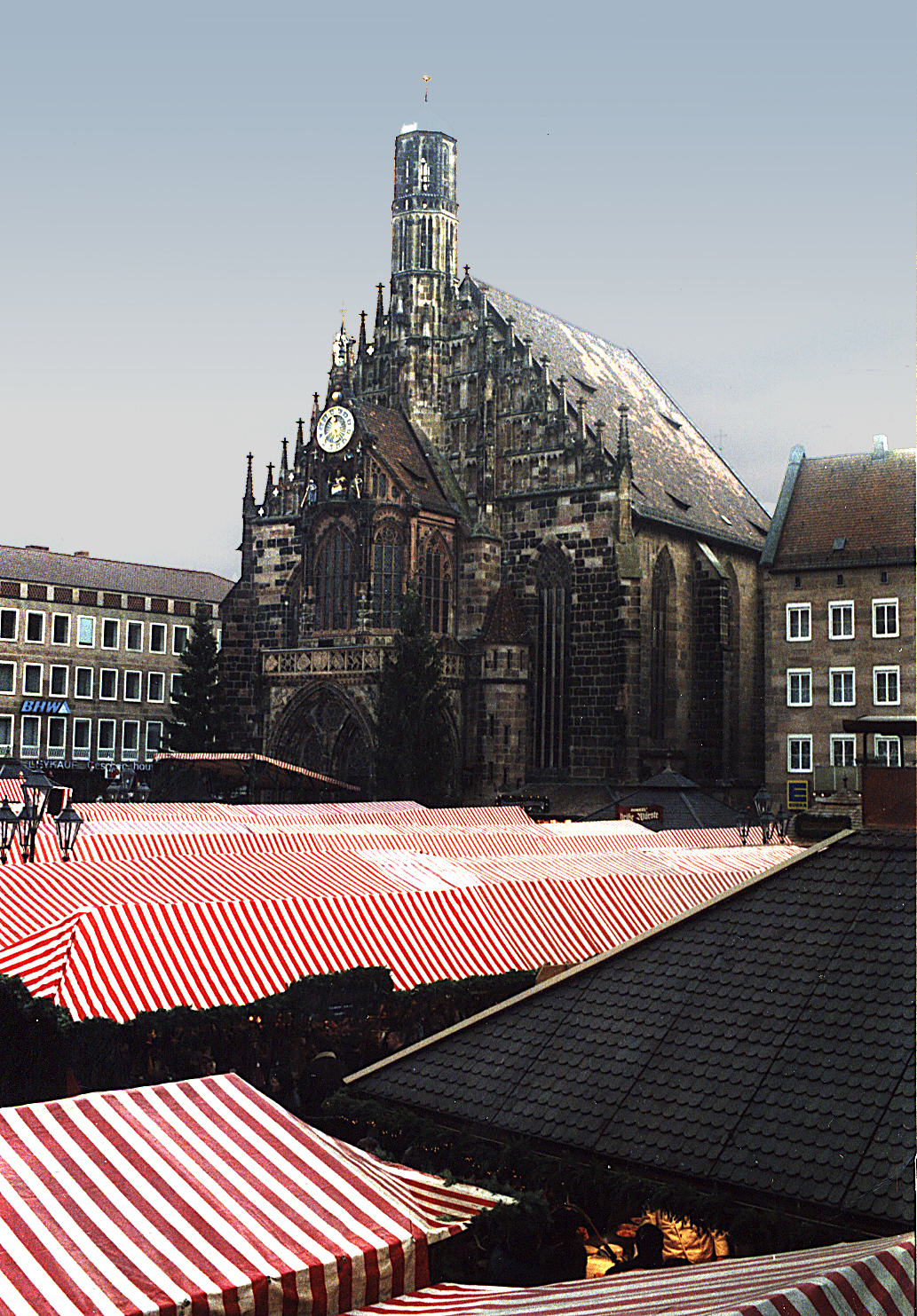
3. Nuremberg, Germany — Christkindlesmarkt
2026 dates: November 27 to December 24 (confirmed). Germany’s most famous market opens the way it has for generations: on the Friday before the first Advent, the Christkind delivers her prologue from the balcony of the Frauenkirche — in 2026 that’s November 27 at 5:30 pm. Around 180 wooden stalls with red-and-white canvas roofs fill the Hauptmarkt with handmade ornaments, nutcrackers, and gold-foil angels, plus a dedicated children’s market at Hans-Sachs-Platz.
The non-negotiable tasting order: Nürnberger Lebkuchen (the local gingerbread), then the city’s tiny grilled Rostbratwürste, then a Feuerzangenbowle if you’re feeling brave. Note the market closes at 2 pm on Christmas Eve. For the stories behind the stalls, a guided Christmas market walk with a local (5.0 stars) covers the market’s history along with the tastings.
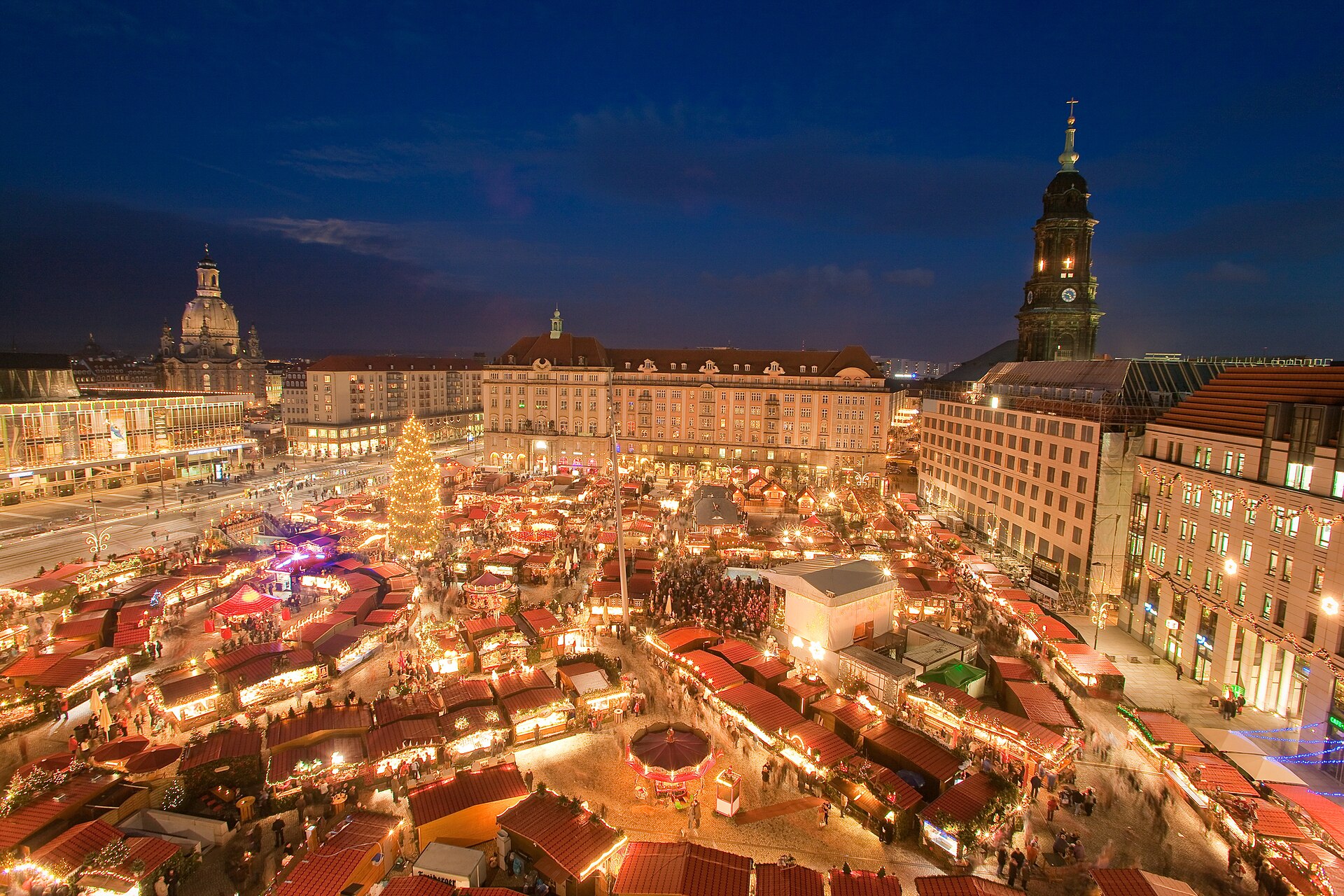
4. Dresden, Germany — Striezelmarkt
2026 dates: November 25 to December 24 (confirmed). This is the oldest documented Christmas market in Germany, running since 1434 — the 2026 edition is the 592nd. The Altmarkt setting is pure Saxon tradition: the world’s tallest Christmas pyramid, the original Dresdner Christstollen (buy it from the licensed Stollen bakers’ stall), and a noticeably local crowd compared to the international crush in Nuremberg.
Practical note: on opening day the market only runs 4 pm to 9 pm, and on Christmas Eve it closes at 2 pm — plan around that if your trip is short.
5. Cologne, Germany — the Cathedral market
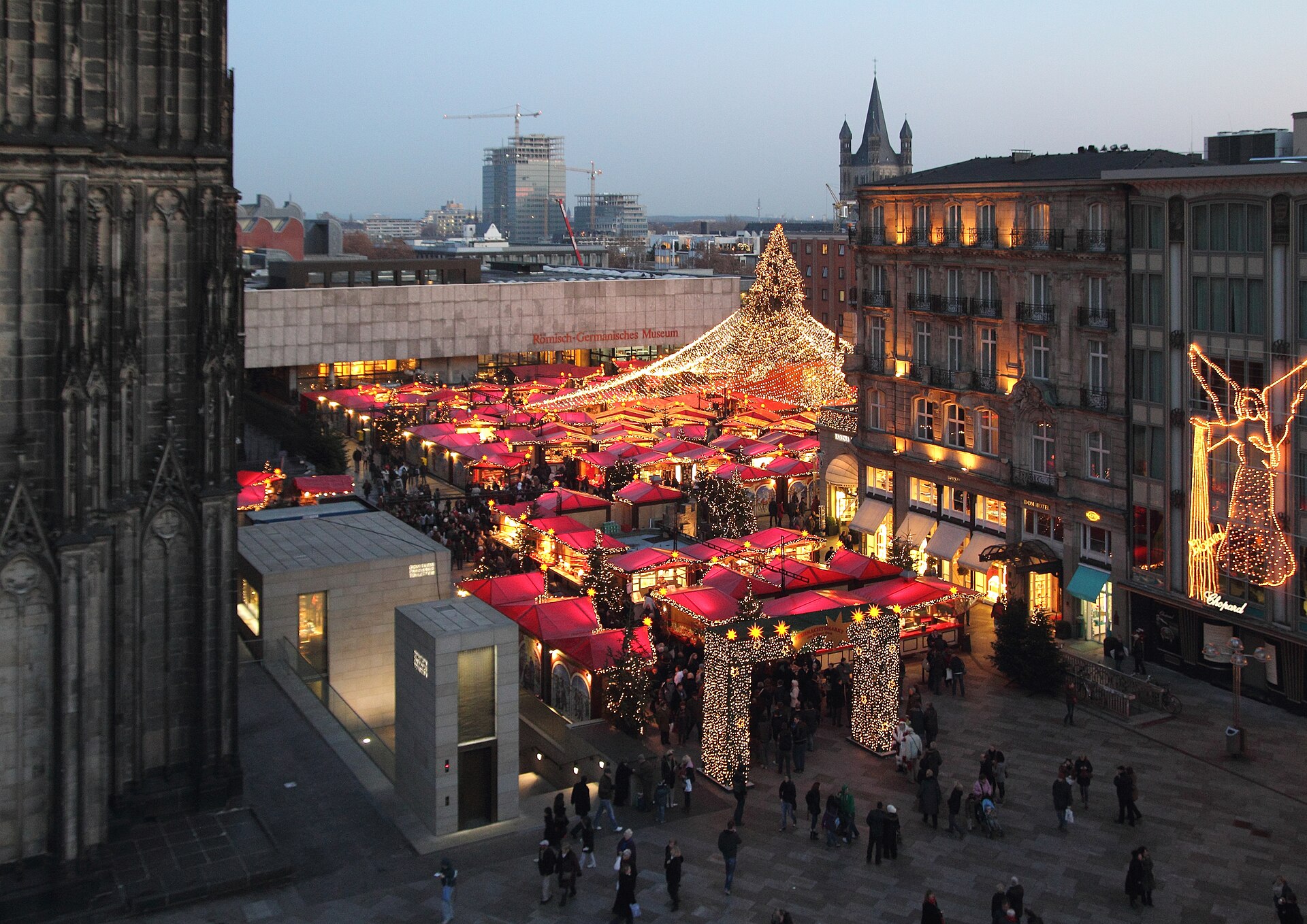
2026 dates: still provisional — the organizer’s own page lists mid-to-late November through December 23 but flags the dates as provisional, so verify before booking. What isn’t in doubt is the setting: the main market sits directly beneath the twin spires of Cologne Cathedral, and the city runs six or seven themed markets (the Harbor market, the Angels’ market, the gay-and-lesbian Heavenue market) within easy walking distance of each other.
Try Reibekuchen (crispy potato pancakes with apple sauce) with your Glühwein, and remember the markets close entirely on Sunday, November 22 for Totensonntag, the German day of remembrance.
6. Brussels, Belgium — Winter Wonders (Plaisirs d’Hiver)
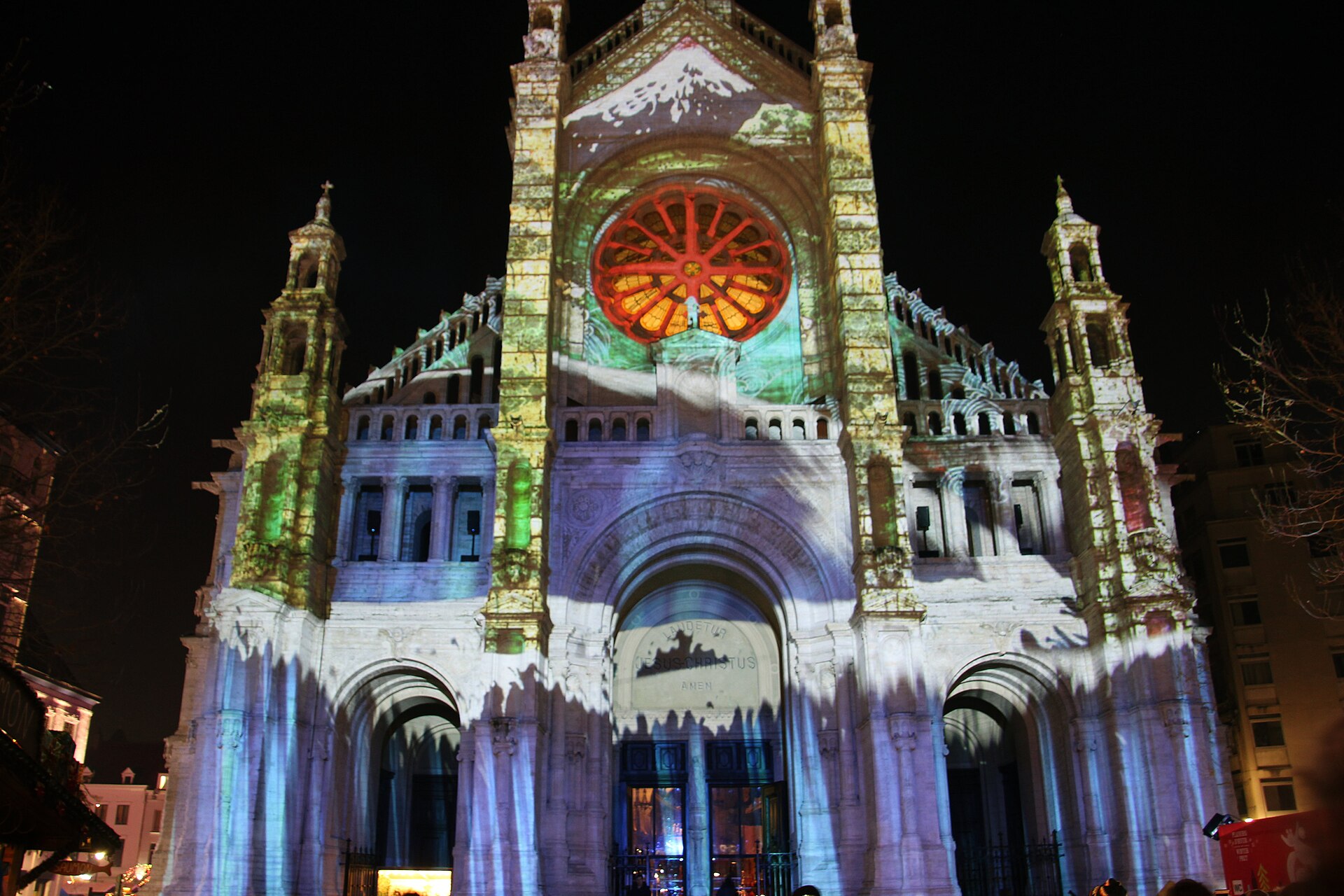
2026 dates: November 27, 2026 to January 3, 2027 (confirmed). Brussels does Christmas on a grand civic scale: a route of chalets winding through the center, a towering tree and the famous sound-and-light show projected onto the guildhalls of the Grand-Place, a Ferris wheel, and an ice rink. It’s one of the few great markets that runs well past New Year, which makes it a strong pick for a between-Christmas-and-New-Year trip.
Belgium’s contribution to the food game is elite: fresh Liège waffles, frites, and thick hot chocolate. Go after dark, when the Grand-Place show is running.
7. Prague, Czechia — Old Town Square
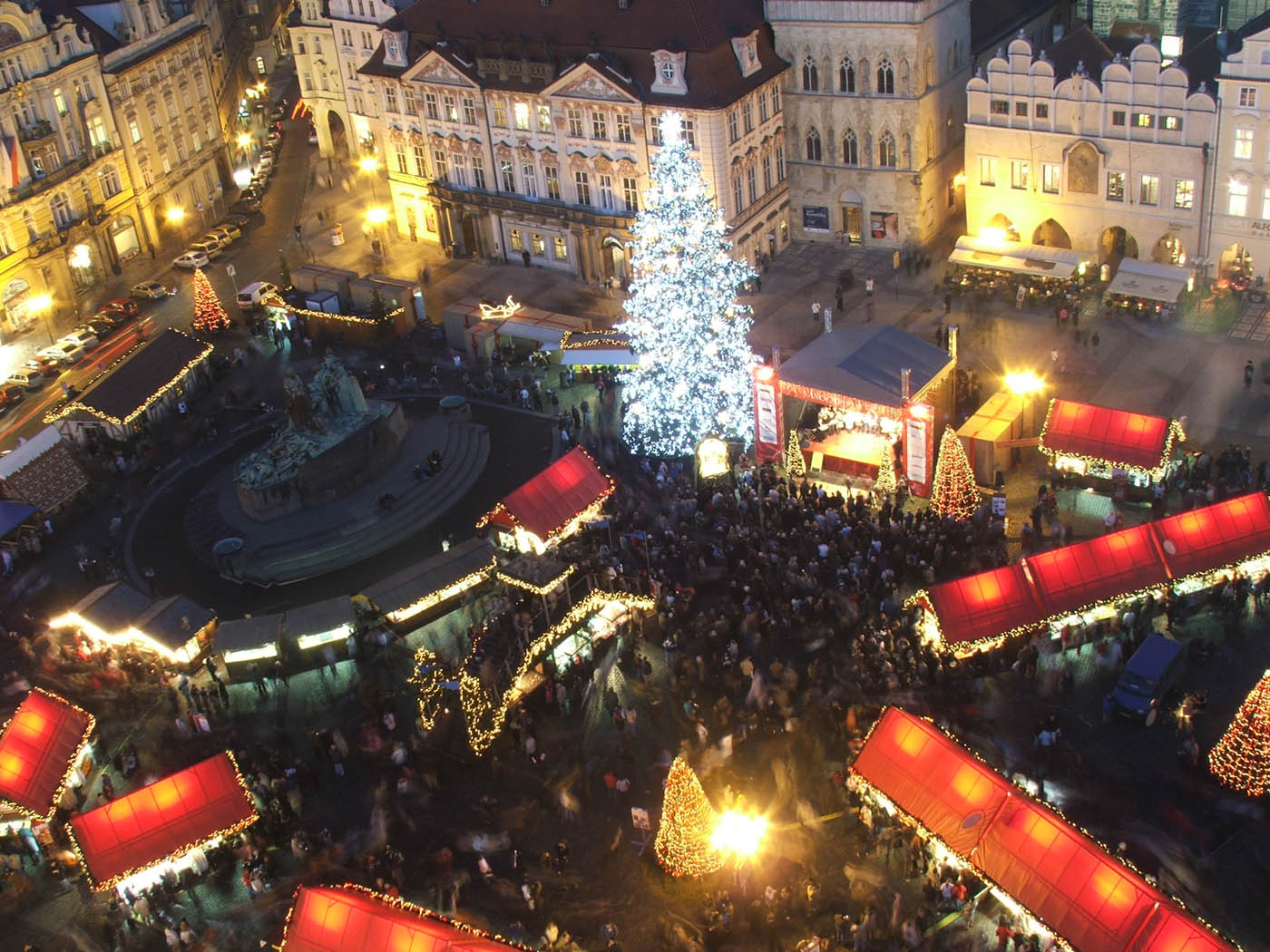
2026 dates: expected late November 2026 to January 6, 2027 — widely reported but not yet officially confirmed, so double-check closer to the season. The market beneath the Astronomical Clock and the Týn Church spires is the most cinematic in this list, with a giant tree, a nativity scene with live animals, and choir concerts most evenings. Because it runs into early January, Prague is one of the best options if you want the market magic without the pre-Christmas crowds — and January hotel rates are kinder. See where to stay in Prague for the neighborhoods I’d pick.
Drink svařák (Czech mulled wine), and yes, the trdelník chimney pastries are touristy — they’re also delicious warm in cold air. Watch your pockets in the evening crush; pickpocketing is the one real downside here.
8. Budapest, Hungary — Advent Basilica
2026 dates: expected mid-November 2026 to January 1, 2027 — not yet officially announced. Budapest’s signature market sits in front of St. Stephen’s Basilica, and its party trick is a 3D light show projected directly onto the basilica facade every evening. The Vörösmarty Square market nearby is the traditional counterpart. This is the market to pair with something no other city on this list offers: an evening soak in the Széchenyi thermal baths after a day in the cold.
Eat kürtőskalács (chimney cake) fresh off the spit, and budget a full evening — the light show plus the baths plus dinner is a perfect winter day. Stretch it into 3 days in Budapest and you won’t regret it.
9. Tallinn, Estonia — Town Hall Square
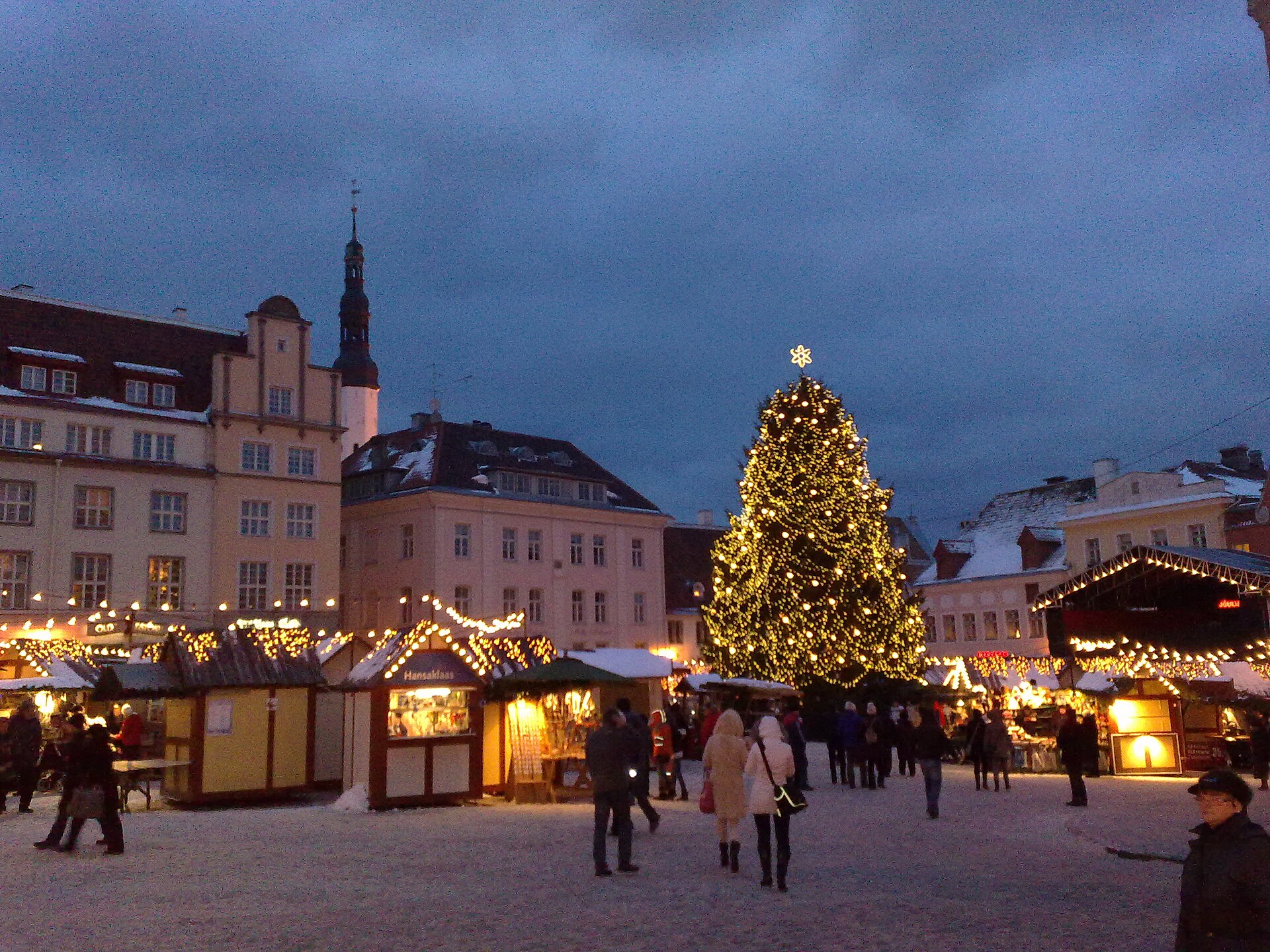
2026 dates: November 20, 2026 to January 6, 2027 (confirmed — announced back in May). Tallinn’s market is small, and that’s its charm: a ring of wooden stalls around a giant spruce on the medieval Town Hall Square, named Europe’s best Christmas market in 2019. The city claims the first public Christmas tree in Europe was erected here in 1441, and on a snowy evening the whole square looks like an elf village.
Warm up with hõõgvein (Estonian mulled wine, with or without alcohol) and gingerbread, and don’t come only for the market — combine it with a long winter weekend in the UNESCO-listed Old Town, which is arguably at its most beautiful under snow and lights.
10. Copenhagen, Denmark — Tivoli Gardens
2026 dates: November 13, 2026 to January 3, 2027 (closed Christmas Eve). Tivoli is the outlier on this list: a 19th-century amusement park dressed for Christmas, with around sixty market stalls, rides running in the dark, fireworks on select nights, and a skating rink. Entry is ticketed (unlike every other market here), but the after-dark atmosphere — thousands of lights on the historic pavilions — justifies it.
Eat æbleskiver (Danish pancake balls) with gløgg, and stay until well after sunset; that’s when Tivoli earns its reputation. The city’s free markets, including the one at Højbro Plads (November 14 to December 20), make easy daytime companions, and Malmö’s Swedish markets are a short train ride across the bridge.
7 tips for planning a Christmas market trip in 2026
1. Book hotels the moment dates are confirmed. Strasbourg’s central hotels book out six to nine months ahead of December, and Vienna and Nuremberg aren’t far behind. If you’re eyeing a specific market, set a calendar reminder for when its dates are announced.
2. Go on a weekday. Nearly every market on this list is meaningfully calmer Monday to Thursday. Strasbourg’s narrow lanes and Nuremberg’s Hauptmarkt both get genuinely uncomfortable on December weekends.
3. Carry some cash. Cards are widely accepted now, but small craft stalls and mug deposits are smoother with euros (or koruna, forint, and krone — not every market city uses the euro).
4. Learn the Pfand system. At German and Austrian markets you’ll pay a small deposit on your Glühwein mug on top of the drink. Return the mug for your money back — or keep it, since the annual designs are collectible souvenirs.
5. Dress for standing around, not walking. You’ll spend hours mostly stationary, sipping and browsing. Thermal base layers, a proper winter coat, and warm waterproof boots matter more than fashion.
6. Consider early January. Tallinn, Prague, Tivoli, Schönbrunn, and Brussels all run past New Year. The lights are still up, the crowds are gone, and hotels are cheaper — it’s the connoisseur’s window.
7. Recheck dates before booking non-refundable travel. As of late September, Strasbourg, Budapest, Prague, and Cologne had not published official 2026 dates. The windows above are based on firm tradition and organizer guidance, but confirm before you lock in flights.
If this is your first Christmas market trip, start with Vienna or Strasbourg: Vienna for the sheer scale and the imperial backdrop, Strasbourg for the fairy-tale old town. If you’ve done the big ones, Tallinn or Dresden will remind you what the quieter, older tradition feels like. Wherever you go, go hungry — and bring an extra tote bag. You’ll need it.