
Budapest is really two cities wearing one name — hilly, romantic Buda on the west bank of the Danube and flat, buzzing Pest on the east — and three days is just enough to fall for both. This is the itinerary I’d give a first-timer: the grand landmarks of Pest, the castle-topped hills of Buda, a proper soak in the famous thermal baths, and one unforgettable night in the ruin bars. Every price and opening hour below is checked for 2026, because there’s nothing worse than planning around a bathhouse that’s closed for renovation.
Planning a trip? Get our free Travel Planning Checklist:
Disclosure: This post contains affiliate links. If you book through one of these links, I may earn a commission at no extra cost to you.
Before You Go: Budapest in 30 Seconds
The Danube splits the city, and the metro and trams make crossing it easy. From the airport, the 100E Airport Express bus runs around the clock to Deák Ferenc tér for 2,500 HUF (~$8), or grab the official Főtaxi for roughly 11,000 HUF (~$30) to the center. Hungary uses the forint, not the euro — expect roughly 317 HUF to the dollar, though the rate moves around.
Three things worth knowing before you plan: the Gellért Baths closed for a full renovation in October 2025 and won’t reopen until around 2028, so any older guide recommending it is out of date — Széchenyi is your iconic soak instead. The Central Market Hall is closed on Sundays. And the Hungarian National Gallery is closed on Mondays. If your trip starts on a weekend, just shuffle the days around; the order below is a suggestion, not a law.
Wondering about the Budapest Card? At 16,990 HUF for 24 hours (21,990 for 48h, 27,990 for 72h) it covers unlimited public transport, 40+ museums, and a free entry to Lukács Baths — but not the Parliament tour, Széchenyi Baths, or the 100E bus. It’s worth it for museum-heavy trips; if you’re mostly doing free sights plus Széchenyi, buy the big tickets separately.
Day 1: Pest — Parliament, Basilicas, and the Market Hall
Start where Budapest is at its most cinematic: the riverside.
Morning: Hungarian Parliament tour
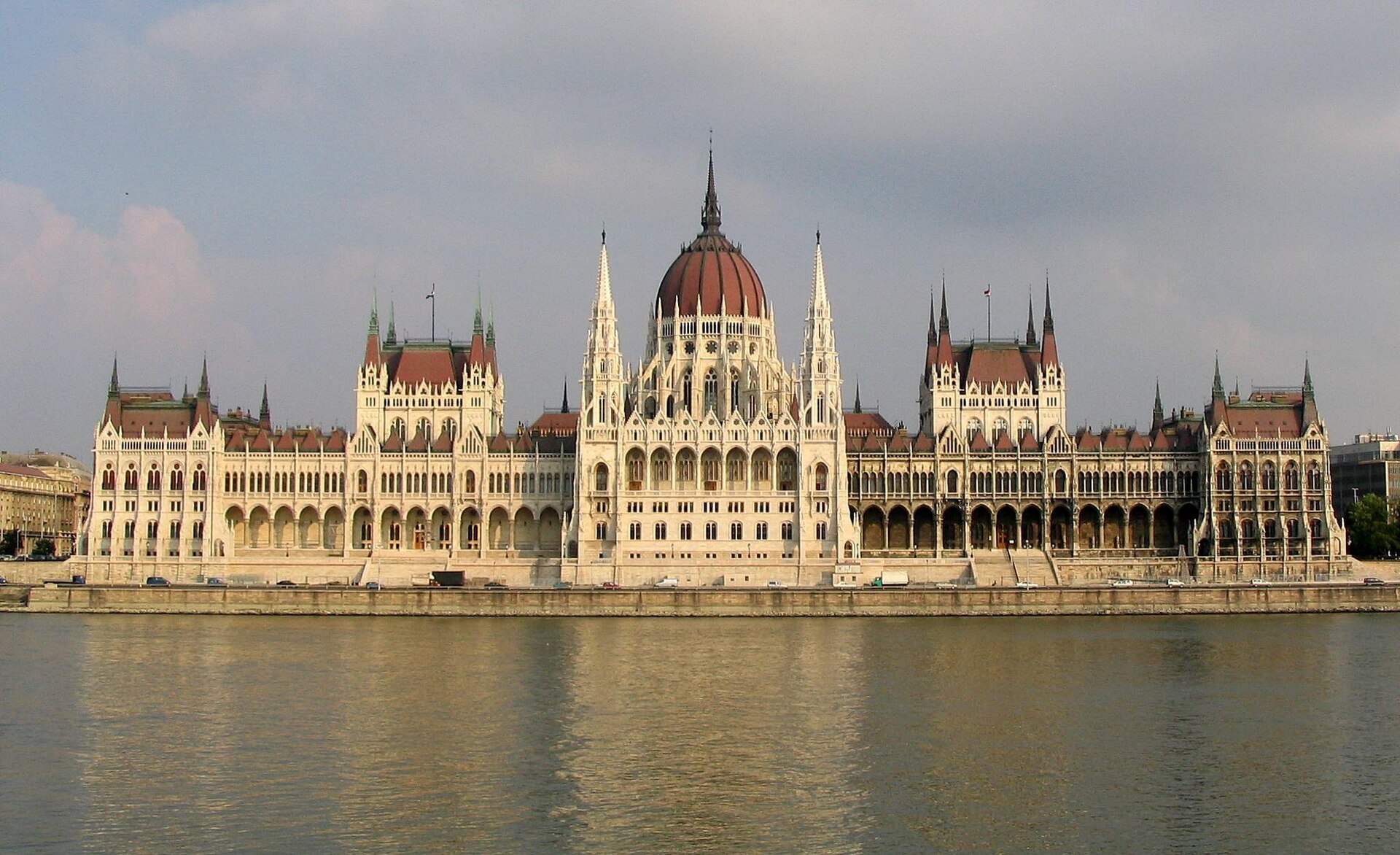
The Hungarian Parliament is one of the grandest buildings in Europe — 691 rooms of neo-Gothic swagger on the Danube bank, and it’s best appreciated both from across the river and from inside. The interior is visitable only on a ~45-minute guided tour, and here’s the critical bit: tickets (14,000 HUF for non-EEA visitors) must be booked online in advance at the Parliament’s own ticket site, and tours routinely sell out 1–3 weeks ahead in summer. They can also be cancelled when Parliament is in session, so book the earliest slot of your trip and bring photo ID. If you only see one interior in Budapest, make it this one — the sweeping main staircase and the domed hall holding the Holy Crown of Hungary are genuinely jaw-dropping.
Midday: St. Stephen’s Basilica
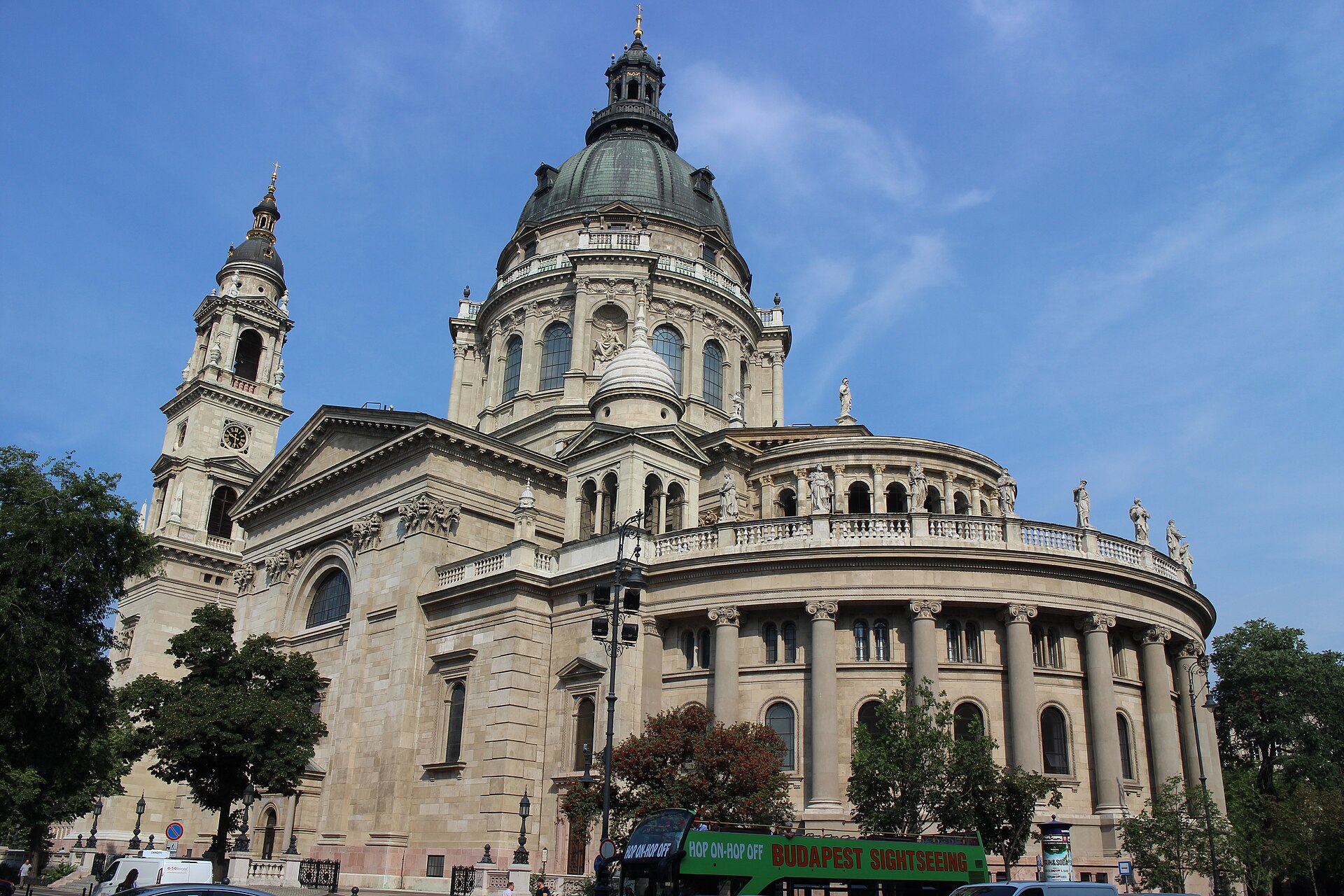
A ten-minute walk south brings you to St. Stephen’s Basilica, Budapest’s other dome. Entry to the church hall runs about 2,600 HUF, with a 5,000 HUF combo covering the panoramic terrace and treasury (6,800 HUF for everything). Take the elevator to the terrace at 65 meters — the 360-degree view over Pest’s rooftops toward the Buda hills is one of the city’s best. Note the basilica opens at 13:00 on Sundays, with mornings reserved for services.
Afternoon: Central Market Hall
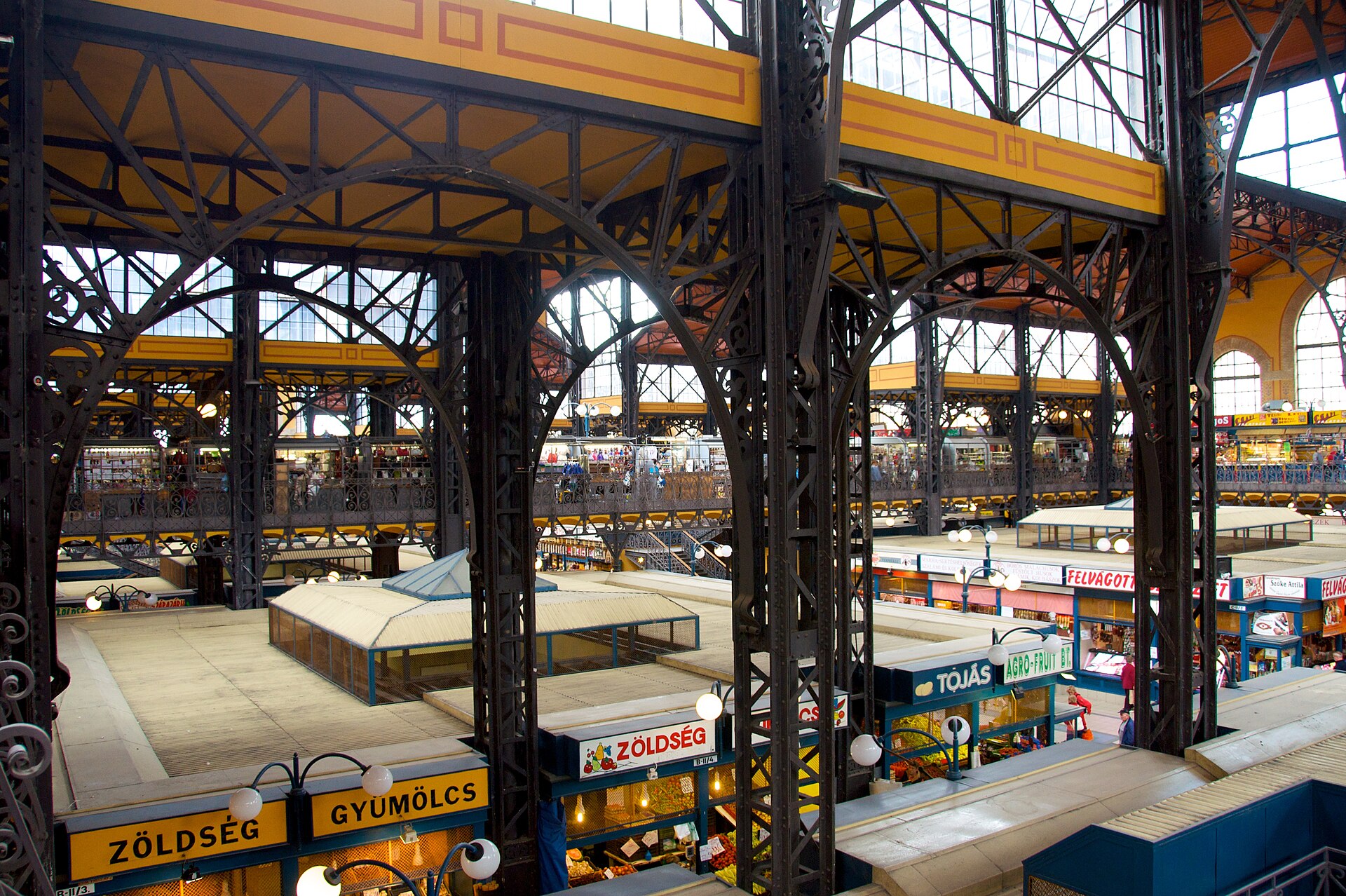
Head to the riverside Great Market Hall (Nagyvásárcsarnok), a gorgeous iron-and-glass 1897 building locals still shop in. The rhythm here: buy paprika, salami, and honey on the ground floor where prices are normal, then eat upstairs, where the lángos and goulash counters sit above the souvenir stalls (upstairs prices run roughly double). Hours are Monday 6–17, Tuesday–Friday 6–18, Saturday 6–15, and closed Sunday — time your visit accordingly.
Evening: a Danube cruise at night
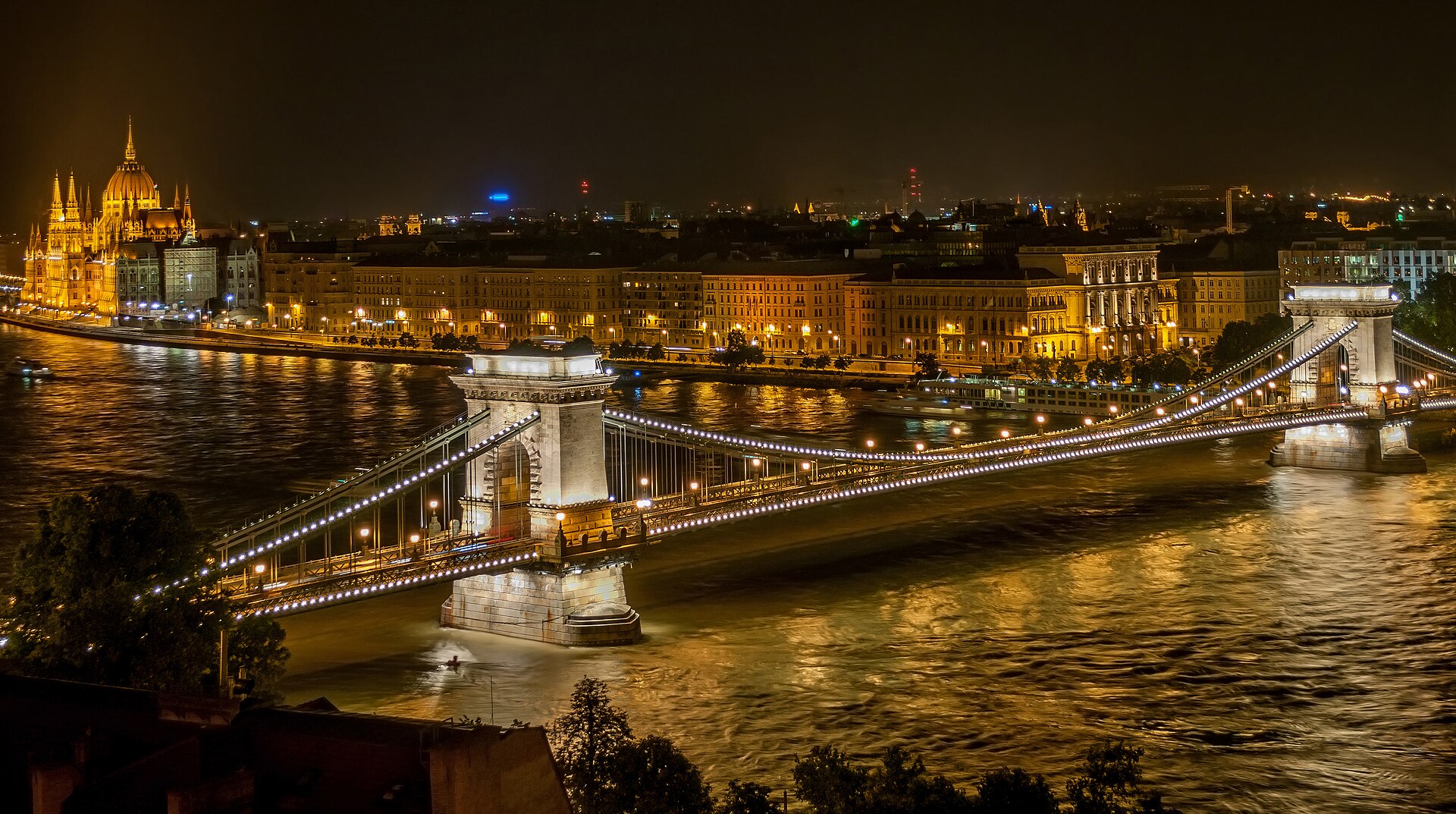
Budapest’s UNESCO-listed riverfront was made for after dark, when the Parliament, Chain Bridge, and Buda Castle are all floodlit. The classic move is a Danube dinner cruise with live folk music — buffet dinner, Hungarian dishes, and the illuminated skyline sliding past your window (4.7 from 7,500+ reviews). Traveling light or short on time? The Legenda evening cruise covers the same floodlit landmarks in about an hour with just a glass of wine or champagne — a perfect first-evening orientation. Either way, book an 8pm-or-later sailing so it’s properly dark.
Day 2: Buda — Castle Hill and the Bastion
Cross the Chain Bridge on foot (it’s the experience) and spend the day on the Buda side, starting at the top of Castle Hill.
Morning: Fisherman’s Bastion
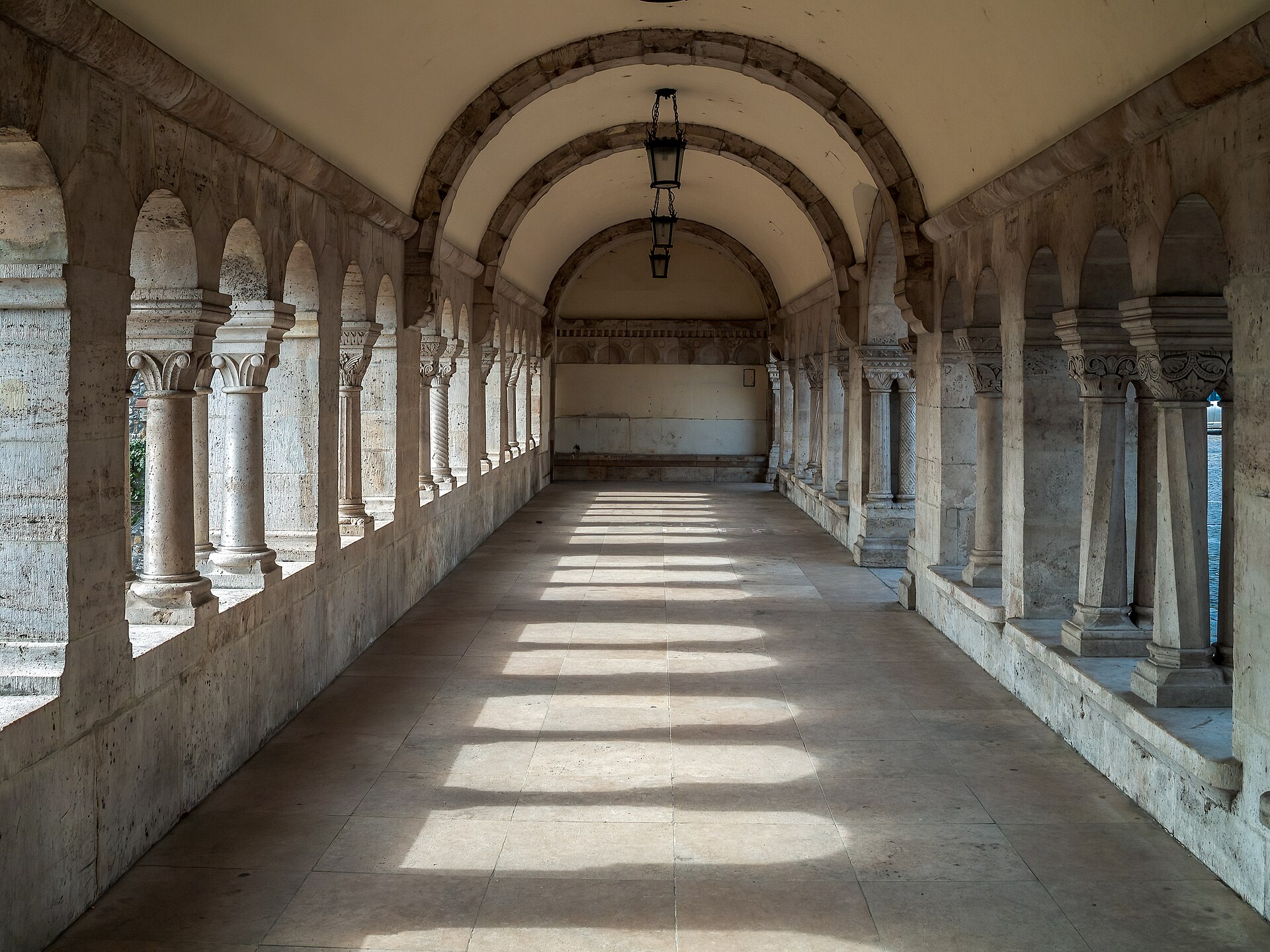
Get to Fisherman’s Bastion before 9am and you’ll have the fairytale turrets nearly to yourself. The lower terraces are free around the clock; the upper towers charge 1,700 HUF during daytime hours but are free outside them — early morning and evening visits cost nothing and have the best light. The view across the Danube to Parliament is the Budapest postcard, and it never gets old.
Midday: Matthias Church
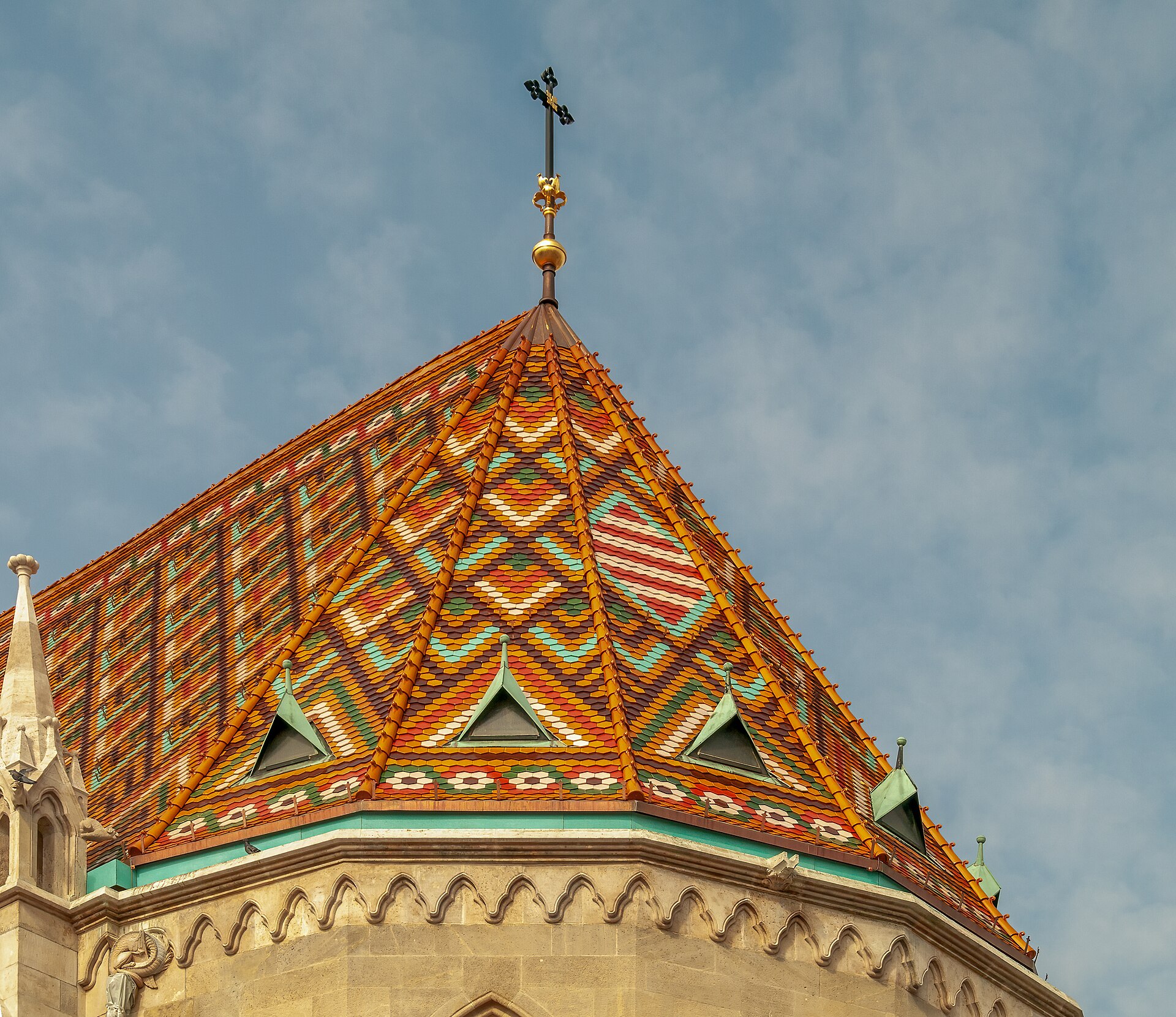
Right behind the Bastion stands Matthias Church, all diamond-patterned Zsolnay tile roof and Gothic spires — the coronation church of Hungarian kings. Entry is about 2,900 HUF; go inside for the vividly painted interior, which surprises everyone expecting grey stone. Hours are Monday–Friday 9–17, Saturday 9–13, and Sunday 13–17 only (mornings are for services).
Afternoon: Buda Castle and Hospital in the Rock
Wander the cobbled lanes of the Castle District to the Buda Castle palace complex — the grounds and courtyards are free; inside, the Hungarian National Gallery (3,200 HUF, closed Mondays) holds the definitive collection of Hungarian art. If history is more your thing, the small-group Buda Castle walking tour with a historian guide (4.9 stars, max 8 people) brings the whole district — Matthias Church, the Bastion, the palace — to life in three hours.
For something completely different, descend into the Hospital in the Rock beneath Castle Hill: a WWII hospital and Cold War nuclear bunker turned museum. The 60-minute English guided tour (€30, charged in forint) is excellent, but book online ahead and note the museum is cashless.
Evening: walk back across the Chain Bridge
End the day the way Budapest deserves — on foot across the Chain Bridge as the lamps come on, then dinner in the Castle District or down by the Pest riverfront. If you skipped the cruise last night, tonight’s your second chance.
Day 3: Baths, City Park, and the Ruin Bars
Day three is pure Budapest: water, parks, and the city’s famous nightlife.
Morning: Széchenyi Baths
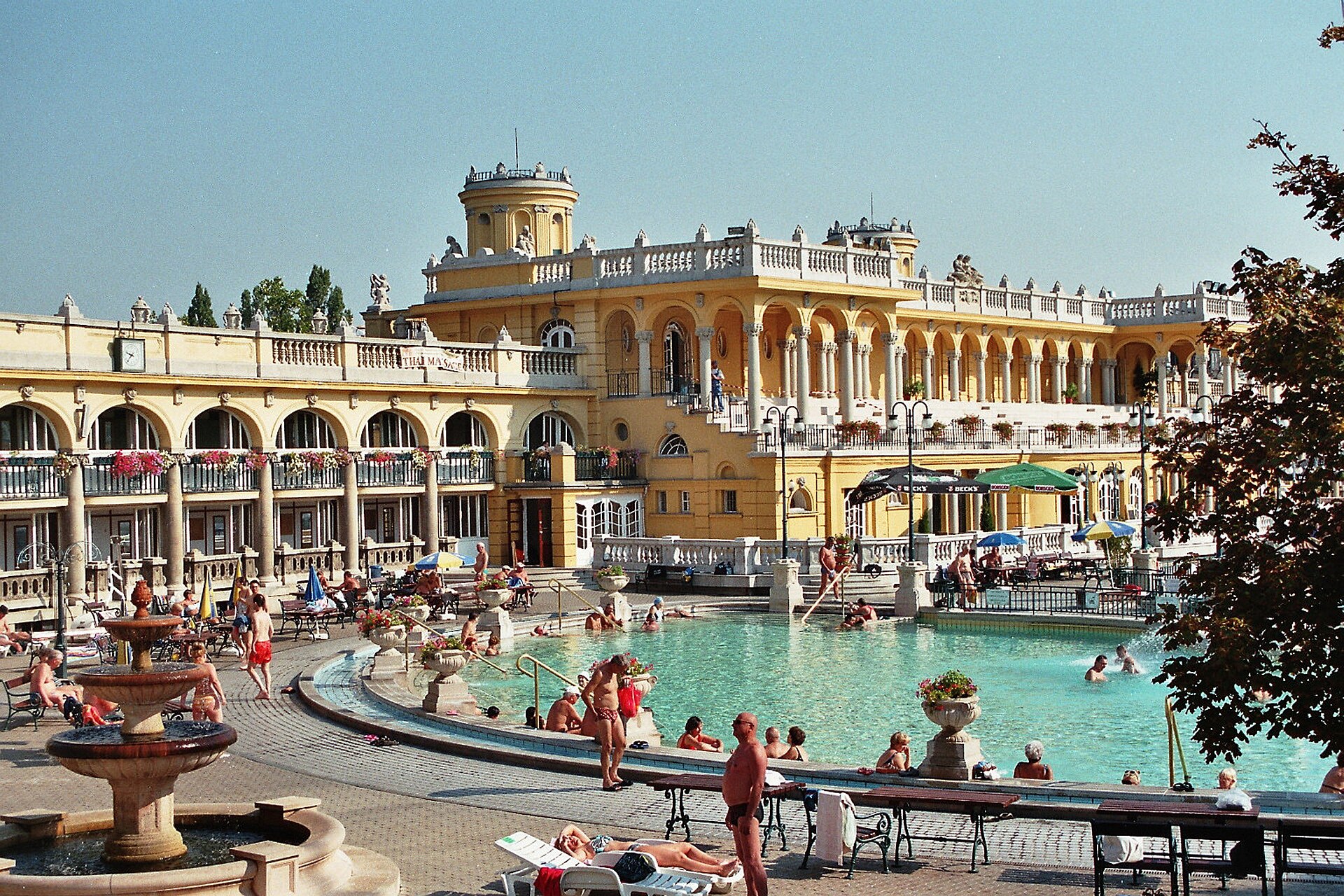
No first trip to Budapest is complete without a soak, and Széchenyi Baths in City Park is the one — a sunshine-yellow neo-baroque palace wrapped around steaming outdoor pools where locals play chess on floating boards. A weekday full-day ticket is 13,200 HUF with a locker (14,200 with a private cabin); the online “Fast Track” ticket costs more (15,200 HUF), not less — it buys skip-the-line entry, so use it on busy days and the cashier on quiet ones. Hours are 7:00–20:00 daily, and note the baths are 14+ only. Go early, bring flip-flops and a towel, shower before entering, and give it at least two hours.
Afternoon: City Park and the House of Music
You’re already in City Park (Városliget), so linger. The House of Music — Sou Fujimoto’s extraordinary glass building with a tree-punched canopy roof — houses an interactive music exhibition (around 4,500 HUF, allow 2–3 hours) and opened a new “LISTEN.” exhibition in 2026. The storybook Vajdahunyad Castle is a seven-minute walk away and makes a great photo stop.
Alternative for history buffs: Memento Park in District XXII, where Budapest parked its giant communist-era statues after 1989. It’s 3,000 HUF, about 30 minutes each way, and free with the Budapest Card — a fascinating half-day if monumental propaganda art is your thing.
Late afternoon: Margaret Island
Tram 4 or 6 to the Margitsziget stop drops you at Margaret Island, the city’s car-free green lung in the middle of the Danube. The musical fountain performs free shows daily from 10:00 to 21:55, and it’s at its best after dark when it’s lit. Rent a bike or a bringó cart, loop the island, and time your exit for an evening show.
Evening: the ruin bars
Finish in the Jewish Quarter’s ruin bars — bars built in abandoned pre-war buildings, all mismatched furniture and courtyard gardens. Start at the original, Szimpla Kert on Kazinczy utca 14, then bar-hop the surrounding streets. Go on a weeknight or arrive early in the evening to dodge the worst crowds; weekends get packed. It’s touristy, yes — and completely unmissable anyway.
Where to Stay in Budapest
Base yourself in District V (the historic center, walkable to everything on this itinerary) or the Jewish Quarter if nightlife matters more than quiet — my Budapest where-to-stay guide breaks down every neighborhood with 2026 hotel picks.
Practical Tips for 3 Days in Budapest
- Closed-day traps: Market Hall closed Sunday, National Gallery closed Monday, Matthias Church Sunday mornings. Shuffle days to dodge them.
- Book ahead: Parliament tours and Hospital in the Rock both sell out — reserve before you fly.
- Water and tipping: tap water is safe to drink. Tipping is typically around 10%, but many restaurants now add a 10–12% service charge to the bill — check before tipping on top.
- Best months: April–June and September–October for mild weather and thinner crowds; December for the Christmas markets.
- Is 3 days enough? It’s the sweet spot for a first visit. Two days works if you plan tightly; with four or more, add a day trip — Eger’s wine valley or Szentendre’s art town are easy train rides.
Three days in Budapest gives you the grand set pieces, the thermal-water ritual, and a taste of the city’s after-dark energy — and just enough left unseen to justify coming back. If you’re building a longer Europe trip around it, my 7 Perfect 3-Day Europe Itineraries pairs Budapest with cities like Prague and Florence, and the Florence in 3 Days guide follows the same first-timer format if Italy is next on your list.