
Hanoi does not reveal itself in a rush. Vietnam’s capital is more than a thousand years old, and the layers sit right on top of each other: a temple founded in 1070 a short walk from a French colonial opera house, a lake with a legend about a returned sword in the middle of streets that never really stop moving. Three days is enough to get the city right — if you group it by neighbourhood instead of zigzagging across town, start early, and save one full day for the water.
Never forget a thing before you fly. My free 8-page Travel Planning Checklist walks you through the whole trip — 6 planning timelines, 36 checks, from booking windows to travel-day basics. One email, no spam, unsubscribe anytime.
This itinerary assumes you are based in or near the Old Quarter, which is where most first-timers should sleep. Our guide to where to stay in Hanoi breaks down the Old Quarter, French Quarter, Ba Dinh and Tay Ho with hotel picks in each. Book your Day 3 day trip before you arrive — the good boats fill up.
Disclosure: This post contains affiliate links. If you book through one of these links, I may earn a commission at no extra cost to you.
At a glance
Day 1: Hoan Kiem Lake and Ngoc Son Temple, the Old Quarter’s 36 trade streets, St Joseph’s Cathedral, the French Quarter and an evening street-food walk. Day 2: The Ho Chi Minh complex in Ba Dinh, the Temple of Literature, Hoa Lo Prison, West Lake and Tran Quoc Pagoda, then a water puppet show. Day 3: A full-day cruise on Ha Long Bay — or, if you would rather stay on land, Ninh Binh’s Hoa Lu, Tam Coc and Mua Cave instead.
Day 1: Hoan Kiem Lake, the Old Quarter and the French Quarter
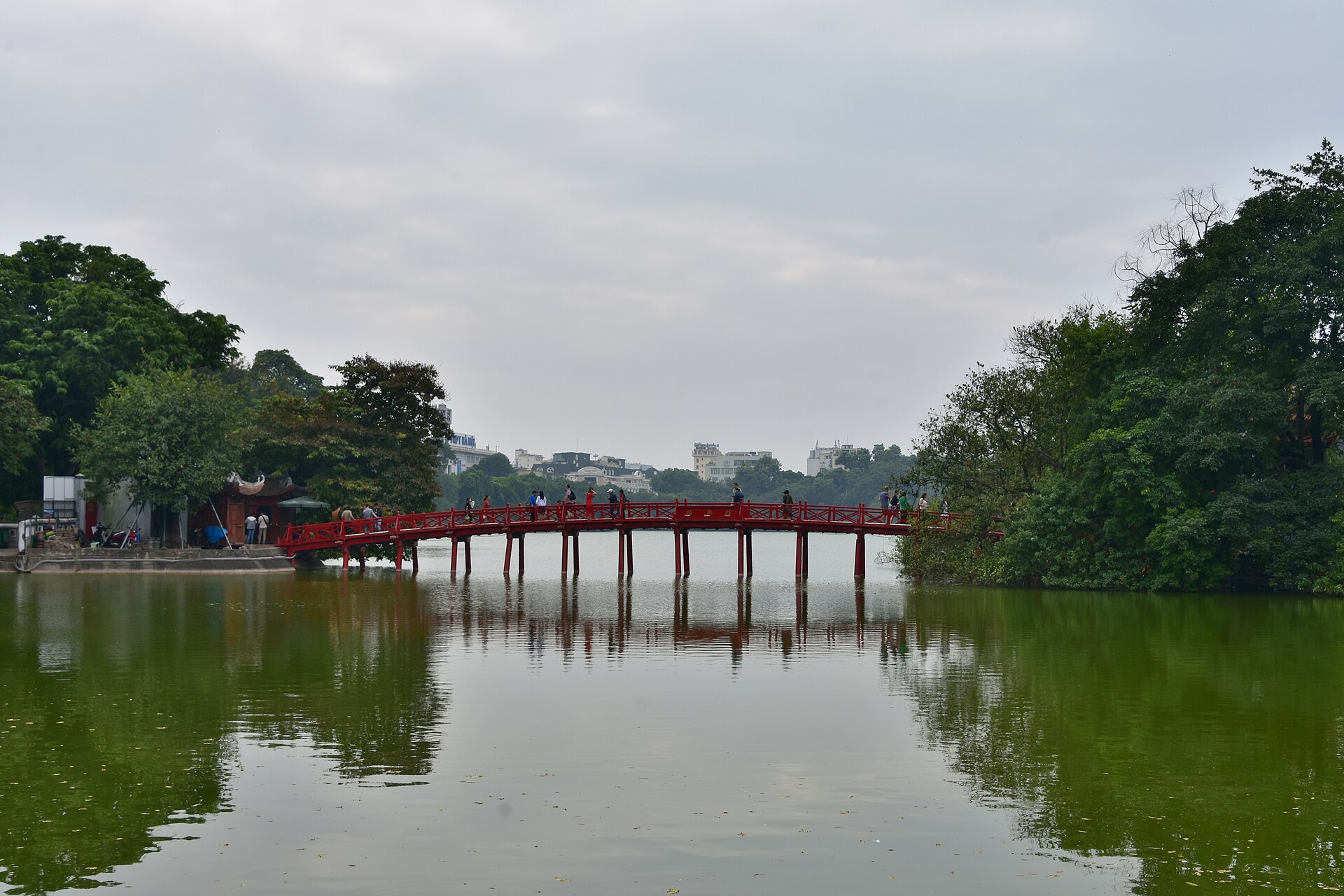
Start at the lake, early. Be at Hoan Kiem Lake by about 7am, when the shore belongs to tai chi groups, badminton games and people walking laps before work. A full loop takes 20–30 minutes. Cross the red Huc Bridge — its name means “sunbeam” — to Ngoc Son Temple on its small island, built in honour of the 13th-century hero Tran Hung Dao. Look back for Turtle Tower, tied to the legend of the returned sword that gave the lake its name.
Then lose yourself, on purpose, in the Old Quarter. North and west of the lake, the Old Quarter’s 36 streets were each historically given over to a single trade — silk, silver, bamboo, herbs — and many street names still say what was sold there. Pick a few streets, stop at Bach Ma Temple, look inside the restored merchant’s Heritage House at 87 Ma May, and browse Dong Xuan Market for local colour. Then try your first egg coffee — the whipped, custard-like coffee invented in Hanoi — at Cafe Giang, down an alley off Nguyen Huu Huan.
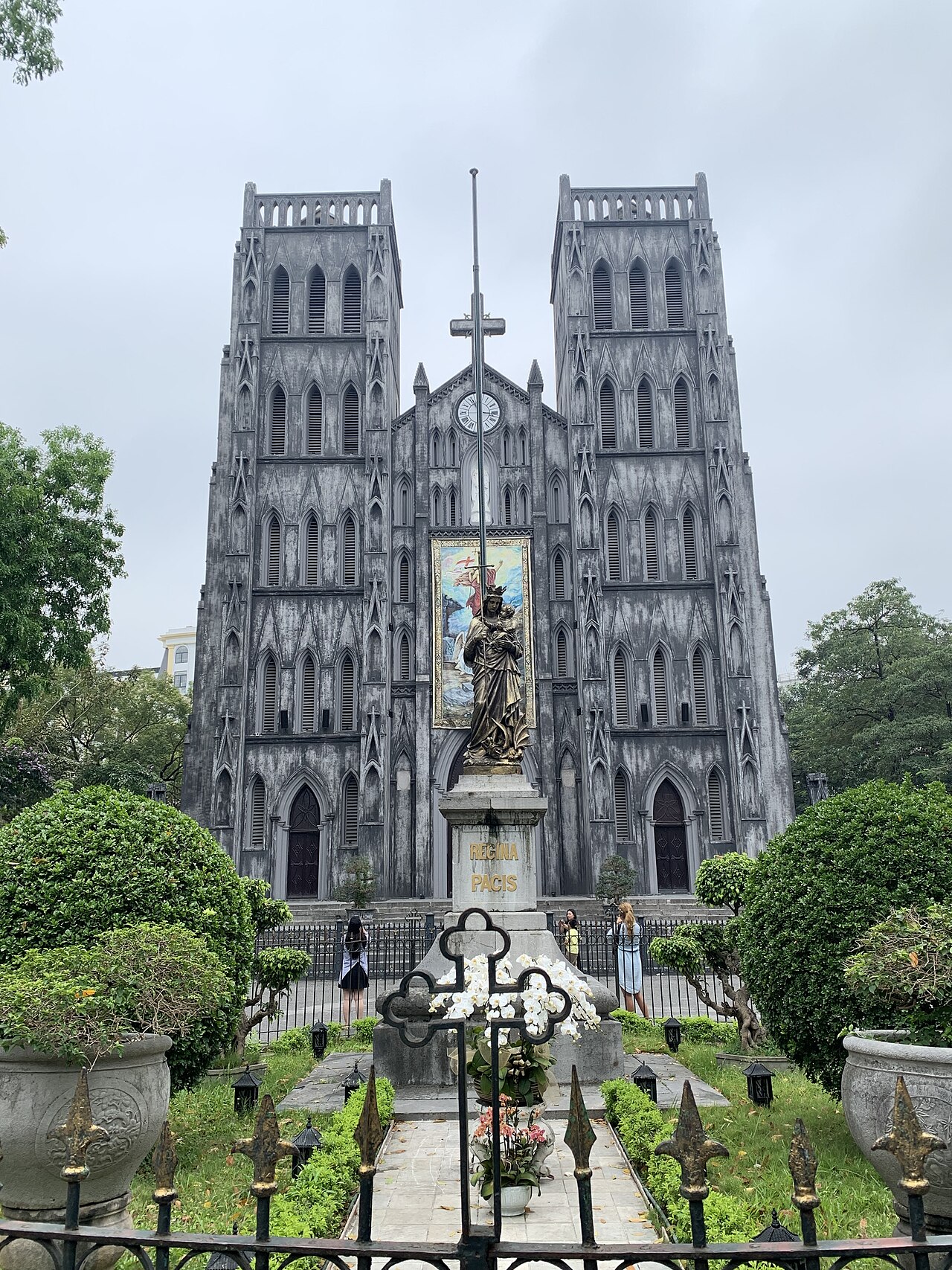
Afternoon in the French Quarter. Walk south-east of the lake and the city changes gear: wide boulevards, big trees and colonial buildings. Stop first at St Joseph’s Cathedral on Nha Chung Street — Hanoi’s oldest church, a weathered neo-Gothic building from the 1880s, with cafe tables spilling across the square in front of it. Continue to the Hanoi Opera House, completed in 1911. Everything this afternoon is walkable from the lake; take it slowly and stop for coffee whenever the heat asks you to.
Evening: eat with a guide. Hanoi’s best food hides in places you would walk straight past — a pho pot with no sign, a bun cha grill on a pavement corner, a bowl of cha ca sizzling in a pan at your table. That is why the single best booking for your first night is a small-group Old Quarter street-food walk (5.0/181 reviews, about $23): four to eight tastings plus egg coffee, so you finish knowing what to order for the rest of the trip. Afterwards, Ta Hien — “Beer Street” — is lively if you want it; an early night is wiser.
Day 2: Ba Dinh, the Temple of Literature and West Lake
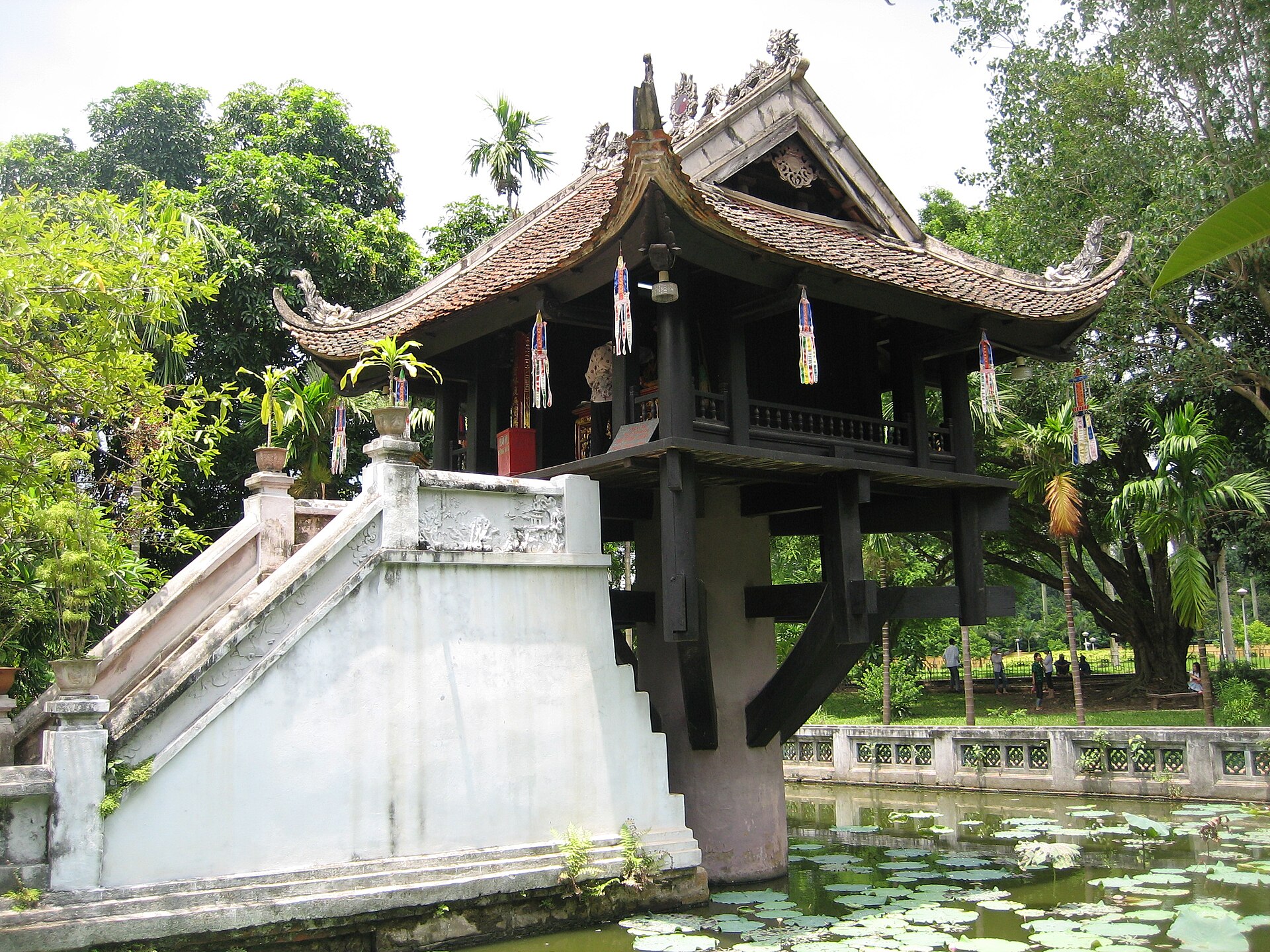
Go to Ba Dinh first, and check the day. The Ho Chi Minh Mausoleum, in the square where Ho Chi Minh read Vietnam’s Declaration of Independence on 2 September 1945, opens only in the morning and is closed on Mondays and Fridays — if Day 2 falls on one of those, swap Days 1 and 2 around. Arrive early, expect a queue and security checks, and dress respectfully: no shorts or sleeveless tops, and no photography inside. In the same complex, visit Ho Chi Minh’s simple stilt house and garden, and the One Pillar Pagoda, a small temple raised on a single stone pillar above a lotus pond.
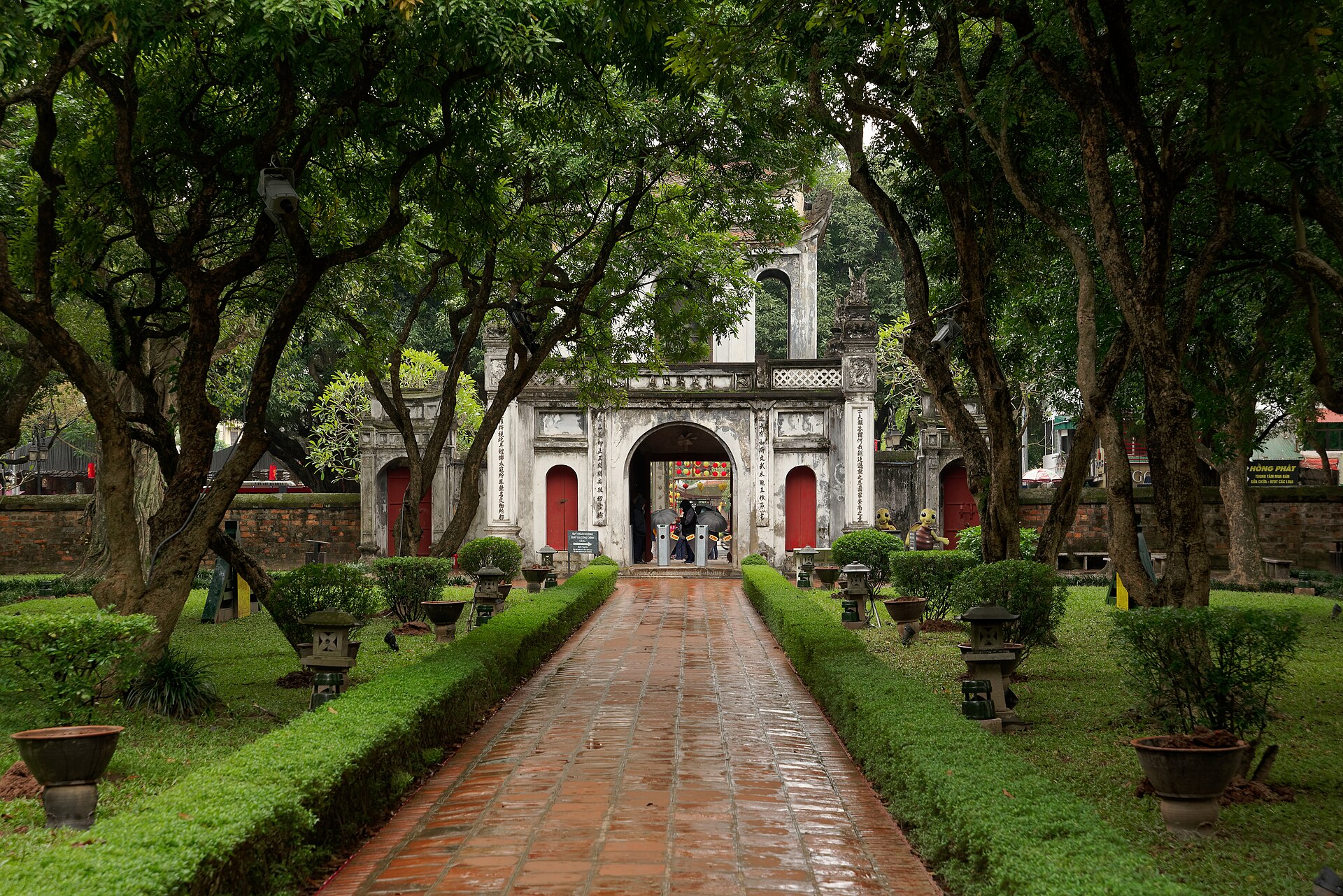
Late morning: the Temple of Literature. A short ride south-west, Van Mieu was founded in 1070 and became Vietnam’s first national university in 1076 — it is the image on the 100,000-dong note. Walk it in order: five courtyards, the Khue Van Cac pavilion, the Well of Heavenly Clarity, and the stone stelae on the backs of tortoises recording centuries of scholars. It is calm in a way the Old Quarter never is, and it needs about an hour done properly.
Afternoon: choose your history. Hoa Lo Prison — the “Hanoi Hilton” — is the heavier, essential stop: built by the French colonial administration, used first for Vietnamese political prisoners and later for American prisoners of war, and now a museum that does not soften either story. Allow 60–90 minutes. If you have energy for one more, the Imperial Citadel of Thang Long, a UNESCO-listed site near Ba Dinh, covers a thousand years in one complex. On Train Street: the famous cafe-lined stretch of track is access-controlled and rules change — only go in with a cafe that invites you, follow staff instructions exactly, and never stand on the tracks for a photo.
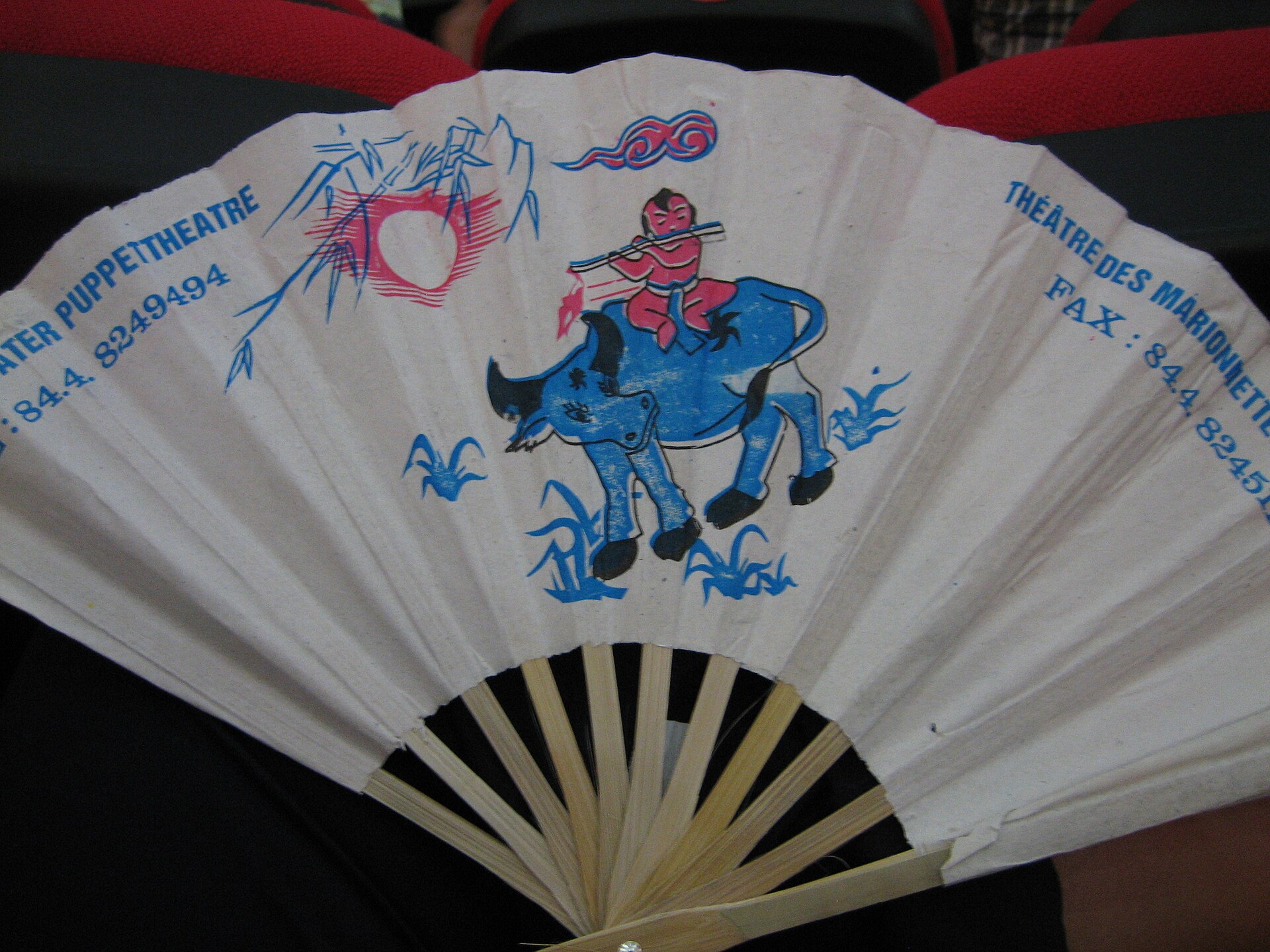
Golden hour at West Lake, puppets after dark. Finish the sightseeing at Tran Quoc Pagoda, on a small island in West Lake — Hanoi’s oldest Buddhist temple, with roots in the 6th century, and at its best in late-afternoon light. Then head back to Hoan Kiem for an evening performance at the Thang Long Water Puppet Theatre: an art form born in the rice paddies of the Red River Delta, with wooden puppets skimming across a pool of water to live traditional music. Shows run about 50 minutes, several times a day; book the evening slot a day ahead in high season.
Day 3: Ha Long Bay — or Ninh Binh
One day out of the city is not optional in northern Vietnam; the only real choice is sea or land. Pick one — trying to squeeze in both turns Day 3 into a bus ride with scenery.
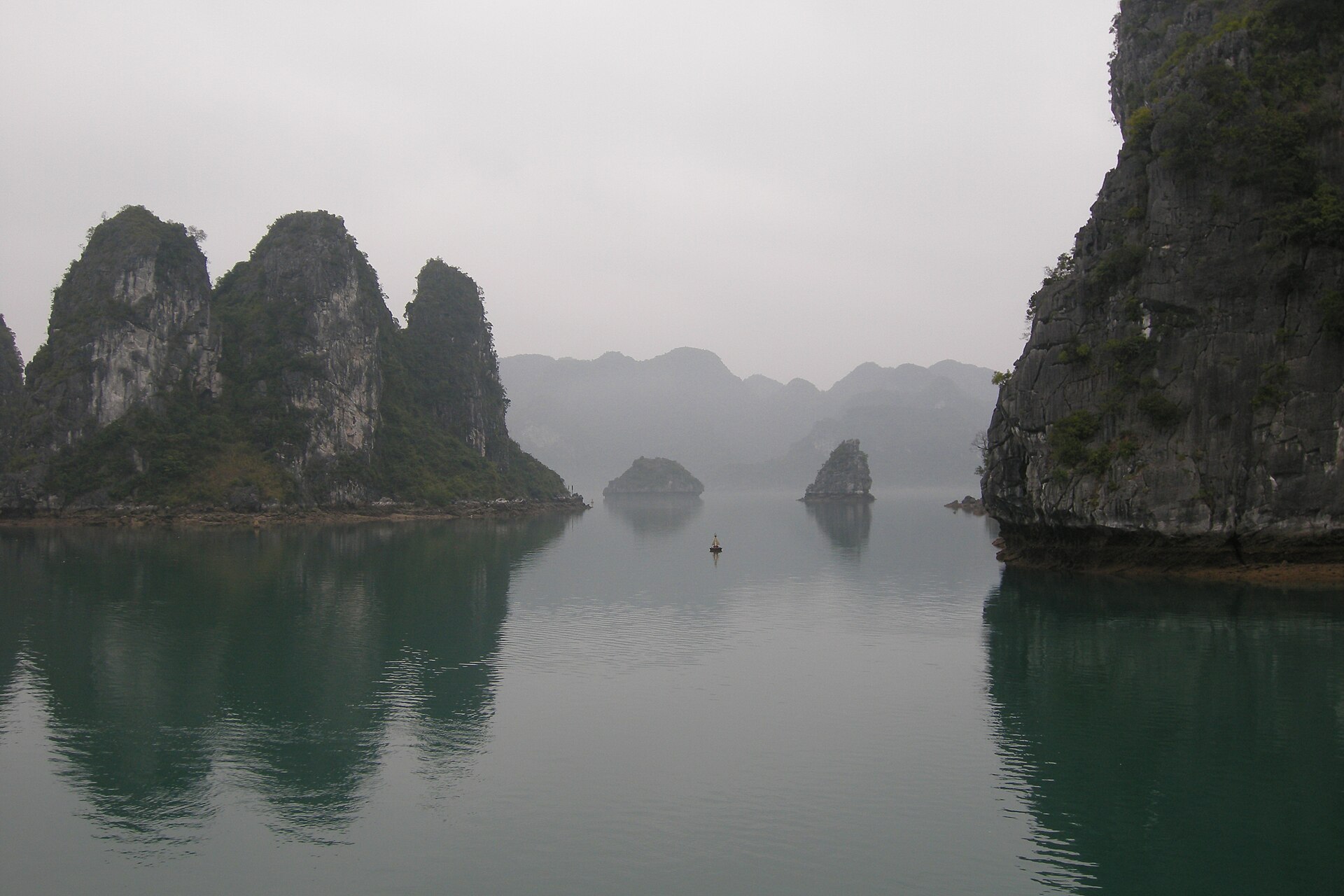
Option A — Ha Long Bay, the classic. About 150 kilometres east of Hanoi (roughly 2.5–3 hours each way by road), Ha Long Bay is a seascape of some 1,600 limestone islands and islets. A day cruise typically sails between the karsts, stops at a large cave, gives you time to kayak or take a bamboo boat, and serves lunch on board — which is why a booked tour with Old Quarter pickup is the sensible way to do it in a single day. The Ha Long Bay five-star day cruise with buffet lunch (4.6/299 reviews, from about $46) was the best value we found when we compared both platforms for our Hanoi stay guide. Expect an early start and a return to Hanoi in the evening — keep the night free.
Option B — Ninh Binh, “Ha Long Bay on land.” About 100 kilometres south (roughly two hours each way), Ninh Binh swaps the sea for rivers running between rice paddies and limestone towers. A full day combines Hoa Lu, Vietnam’s capital in the 10th and 11th centuries, a sampan boat ride through the caves at Tam Coc or Trang An, and the climb — around 500 steps — to the Mua Cave viewpoint over the valley. The Hoa Lu, Tam Coc and Mua Cave day tour (GetYourGuide Certified, 4.7/3,966 reviews, about $46, Old Quarter pickup included) is the one we recommend in the stay guide. Choose Ninh Binh if boat days make you seasick, if Ha Long’s weather looks poor, or if rice-field Vietnam appeals more than the open sea.
If you skip the day trip, use Day 3 for the Vietnam Museum of Ethnology — the city’s best museum, with full-size traditional houses in its garden — and a slow, unhurried second pass at the Old Quarter.
Practical tips for 3 days in Hanoi
Getting in and around. Noi Bai International Airport is about 45 minutes from the Old Quarter by taxi or pre-booked transfer; agree the fare or use the Grab app. Inside the centre, walk as much as you can — Day 1 and most of Day 2 are walkable — and use Grab cars or motorbike taxis for Ba Dinh, the Temple of Literature and West Lake. Crossing the street in the Old Quarter: walk slowly, steadily and predictably, and let the motorbikes flow around you; do not stop suddenly or run.
When to go. October to December and March to April bring Hanoi’s most comfortable weather. Summer (May to September) is hot, humid and rainy — still workable with early starts — and January to February can be surprisingly cool and grey, so pack a real jacket, not just a layer.
Money and pacing. Carry small-denomination dong in cash for markets and street food; cards are fine in hotels and larger restaurants. And build in cafe time — an itinerary with no pauses misses half of Hanoi.
Where to stay for this itinerary
Stay in the Old Quarter if it is your first visit: Days 1 and 2 start on your doorstep and every day-trip pickup assumes an Old Quarter hotel. The French Quarter suits travellers who want grander hotels and quieter evenings a 10-minute walk away; Ba Dinh and Tay Ho trade centrality for space and local calm. Our Hanoi stay guide compares all four areas with specific picks, from Old Quarter boutiques to the Sofitel Legend Metropole.
Going further
Hanoi pairs perfectly with the south as a Vietnam open-jaw: fly into Hanoi, out of Ho Chi Minh City (or the reverse), with about two hours of flying between them. If that is your trip, our Ho Chi Minh City in 3 Days itinerary is built to the same rhythm — and gives you the tunnels at Cu Chi and a Mekong Delta day to set against your Ha Long Bay or Ninh Binh day in the north. Three days in each, a flight in the middle, and you have seen two very different Vietnams properly.