
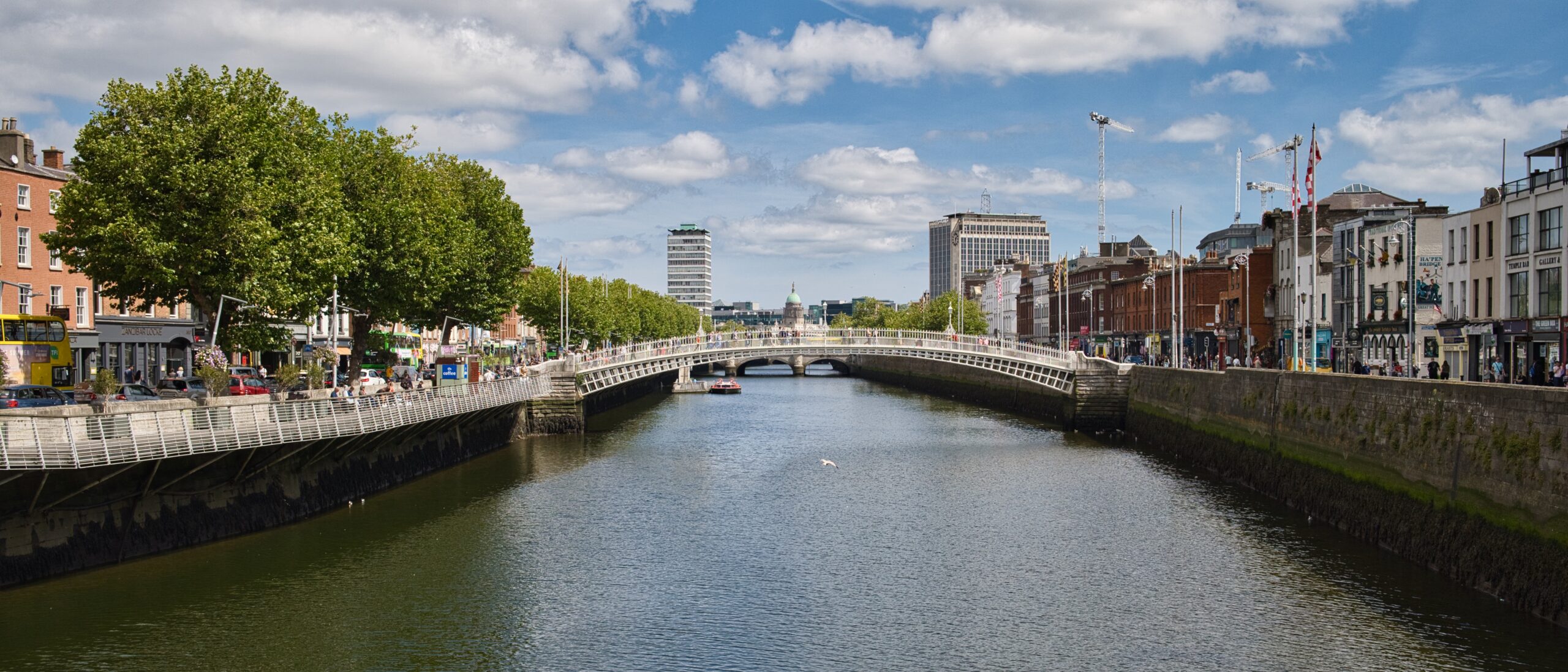
Dublin is a small-feeling capital, and that’s exactly why choosing the right neighborhood matters more than the star rating on your hotel. Stay two streets in the wrong direction and you’re hiking across the Liffey for dinner; pick the right quarter and the city unfolds on foot — Trinity College in the morning, a proper pub lunch, the National Gallery after, and live trad music a five-minute stroll from your bed. This guide breaks down the seven areas I’d actually recommend, with hotel picks for every budget in each, so you can match your base to the trip you want.
Planning a trip? Get our free Travel Planning Checklist:
Disclosure: This post contains affiliate links. If you book through one of these links, I may earn a commission at no extra cost to you.
The quick answer: where should you stay in Dublin?
First visit and want everything walkable: the Grafton Street and Trinity quarter, south of the river between College Green and St Stephen’s Green. Here for the pubs and live music: Temple Bar — or one street over from it, so you get the buzz without the 2am noise outside your window. Splurge trip or honeymoon: the Georgian squares around St Stephen’s Green and Merrion Square. Business or modern tastes: the Docklands and Grand Canal. Quiet and leafy but close: Ballsbridge. Best value with local character: Smithfield and Stoneybatter. Read on for the hotel picks in each.
Temple Bar and the Old City: for nightlife lovers
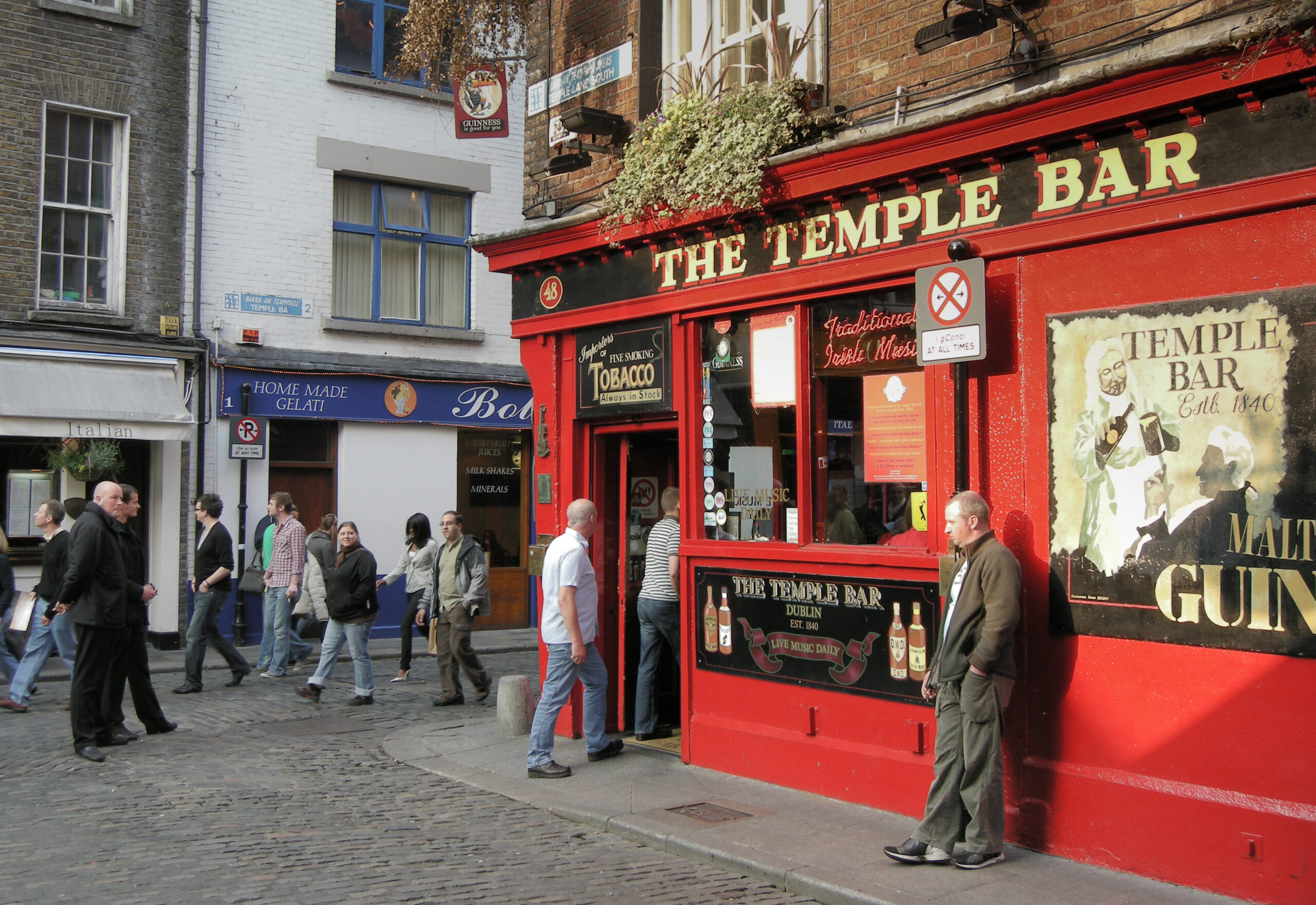
Temple Bar is Dublin’s famous cobbled cultural quarter — buskers, galleries, and the highest concentration of pubs in the city, including the red-fronted The Temple Bar pub itself, pouring since 1840. Staying here puts you in the middle of the noise in the best and worst senses: live music on your doorstep, but also crowds and late-night street sound that thin walls won’t stop. Light sleepers should book a courtyard-facing room or base themselves a few streets south toward Dame Street instead.
NYX Hotel Dublin Christchurch on Exchange Street Upper sits at Temple Bar’s western edge by Christ Church Cathedral — an art-filled, music-driven lifestyle hotel in the building that once housed the Hard Rock, with the quarter’s pubs a short walk away and Dublin Castle on the doorstep. It’s the rare Temple Bar base where you get the buzz and still sleep.
Grafton Street and Trinity: the best all-rounder for first-timers
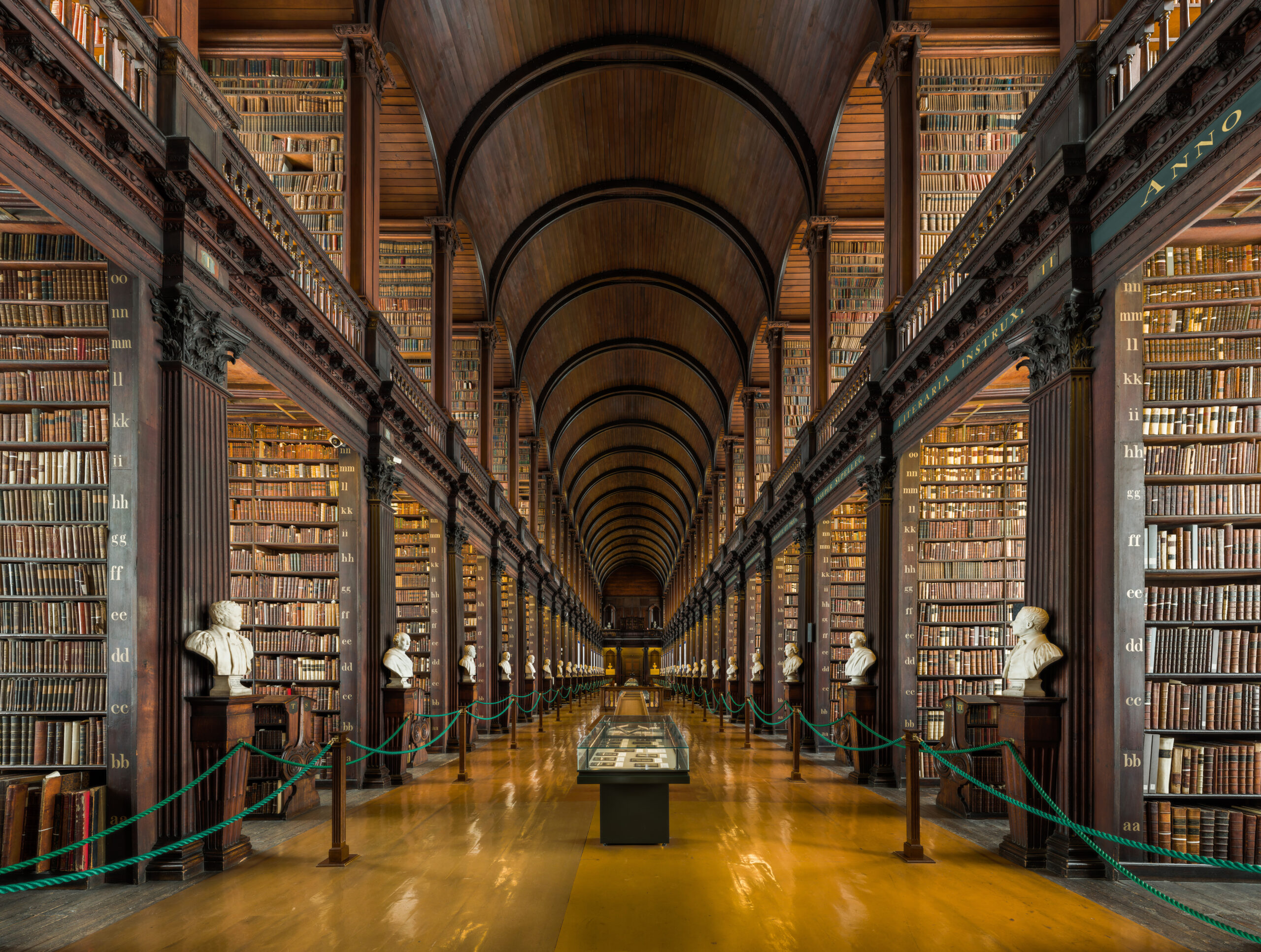
If you only get one recommendation, take this one. The grid between Trinity College, Grafton Street, and St Stephen’s Green is Dublin’s sweet spot: the Book of Kells and the Long Room at Trinity, the National Gallery and National Museum on Kildare Street, Dublin’s best shopping on pedestrianized Grafton Street, and dozens of restaurants spilling down Drury Street and South William Street. Nearly everything a first-timer wants is a 15-minute walk, and the Luas Green Line stops at St Stephen’s Green for the rest.
For a proper splurge, The Westbury on Balfe Street is the classic Dublin grand hotel — marble, chandeliers, and one of the city’s best-regarded afternoon teas, two minutes off Grafton Street. A boutique step down in price but not in character, Brooks Hotel on Drury Street is a quietly luxurious four-star tucked into the creative quarter, beloved for its service and its location above some of the city’s best independent shops. For a smart four-star that often undercuts its neighbors, Radisson Blu Royal Hotel Dublin on Golden Lane sits just west of the action, an easy walk to both Temple Bar and St Patrick’s Cathedral.
St Stephen’s Green and Merrion Square: Georgian elegance
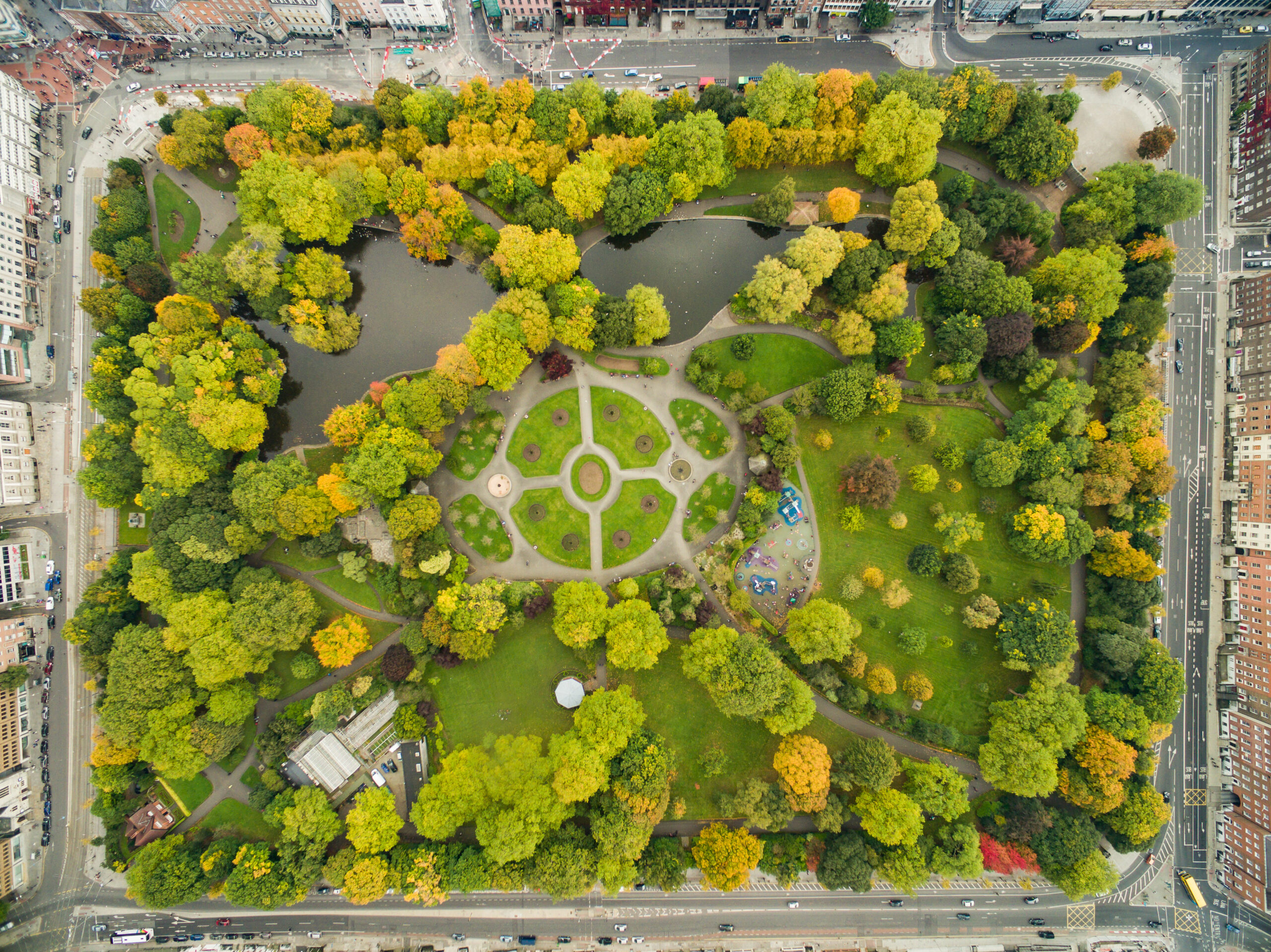
South of the Green, Dublin turns grand. This is the quarter of Georgian terraces, embassy buildings, and the city’s most storied hotels — the streets around Merrion Square and Fitzwilliam Square are the quietest central base you can choose, all doormen and drawing rooms, with the park itself for morning walks. You’re still only 15 minutes on foot from Trinity, and the atmosphere after dark is calm rather than buzzing, which is exactly the point.
The Shelbourne, Autograph Collection on St Stephen’s Green is the grande dame — hosting guests since 1824, the Constitution of the Irish Free State was drafted in one of its suites, and its Horseshoe Bar remains a Dublin institution. One square east, The Merrion on Upper Merrion Street spreads across four Georgian townhouses with a two-Michelin-star restaurant and a private art collection, the connoisseur’s choice. For the same neighborhood at a friendlier price, The Alex on Fenian Street is a polished four-star a short walk from Merrion Square, popular with weekenders for its rooftop views. Business travelers should also look at Conrad Dublin on Earlsfort Terrace, facing the Green with big, quiet rooms.
The Docklands and Grand Canal: modern Dublin
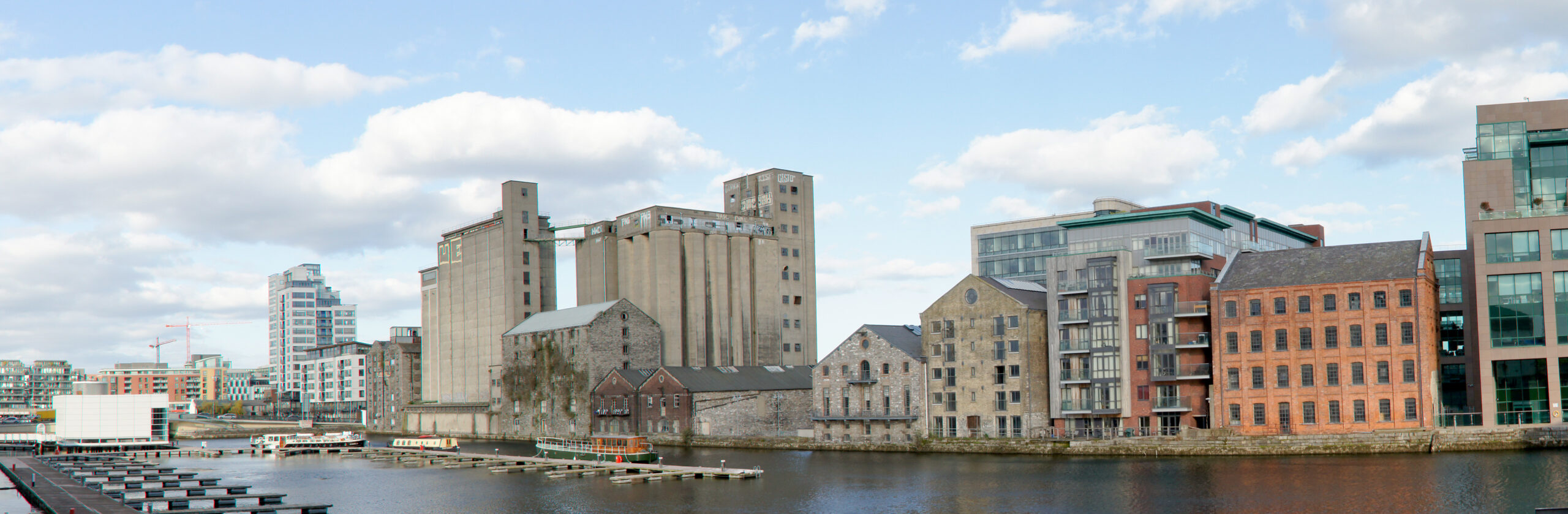
East along the river, the old port has become Dublin’s glass-and-steel quarter — the harp-shaped Samuel Beckett Bridge, the Bord Gáis Energy Theatre, and a waterfront of restaurants that stay lively on weeknights. It’s a 20-minute walk or a quick tram or DART ride to Trinity, and the area suits travelers who prefer design hotels and calm streets to pub noise. Note the two pockets feel different: the IFSC on the north bank is business-oriented and quiet on weekends, while Grand Canal on the south bank has more evening life.
Anantara The Marker Dublin Hotel on Grand Canal Square is the architectural showpiece — a shimmering checkerboard tower with a rooftop terrace over the water, and the design-hotel pick of the city. Across the river in the IFSC, The Spencer Hotel on Excise Walk offers big rooms and reliable value, handy for the 3Arena and the convention centre.
Ballsbridge: leafy, quiet, and grown-up
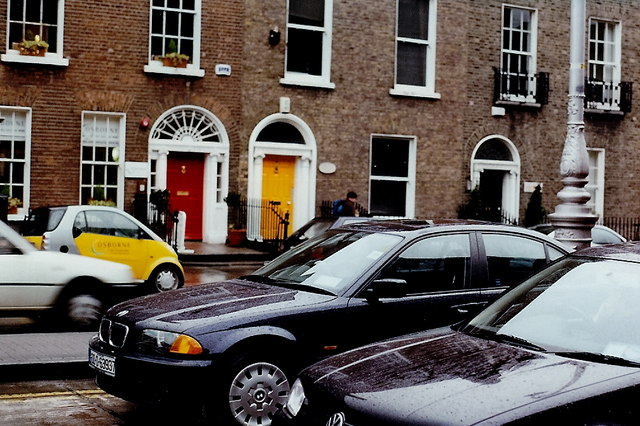
Dublin’s embassy district feels like a village that happens to be 25 minutes’ walk from Grafton Street — Victorian redbricks, Herbert Park for morning runs, and some of the city’s best restaurants along Merrion Road. It’s the pick for travelers who want a genuinely quiet night and don’t mind a stroll or a short DART hop to the center.
InterContinental Dublin on Simmonscourt Road is the neighborhood’s flagship: a resort-style five-star with gardens, a spa, and the kind of calm that makes you forget you’re in a capital city. Check the DART timetable at Lansdowne Road station — you’re two stops from the center.
Smithfield and Stoneybatter: local character, better value
Northwest of the river, Smithfield’s old market square and the Stoneybatter streets behind it have become Dublin’s most local-feeling night out — craft-beer pubs, natural-wine bars, and the Old Jameson Distillery at Bow Street. Prices run noticeably lower than south of the Liffey, and you’re still only 15 minutes on foot from Temple Bar. The trade-off is fewer marquee sights on the doorstep.
Maldron Hotel Smithfield is the area’s best mid-range bet — modern, family-friendly, and right on the square with the Luas Red Line outside. Backpackers and budget travelers should look at Generator Dublin, also on Smithfield Square, a design-led hostel with private rooms that undercuts every hotel in the center.
The Liberties and Heuston: the Guinness quarter
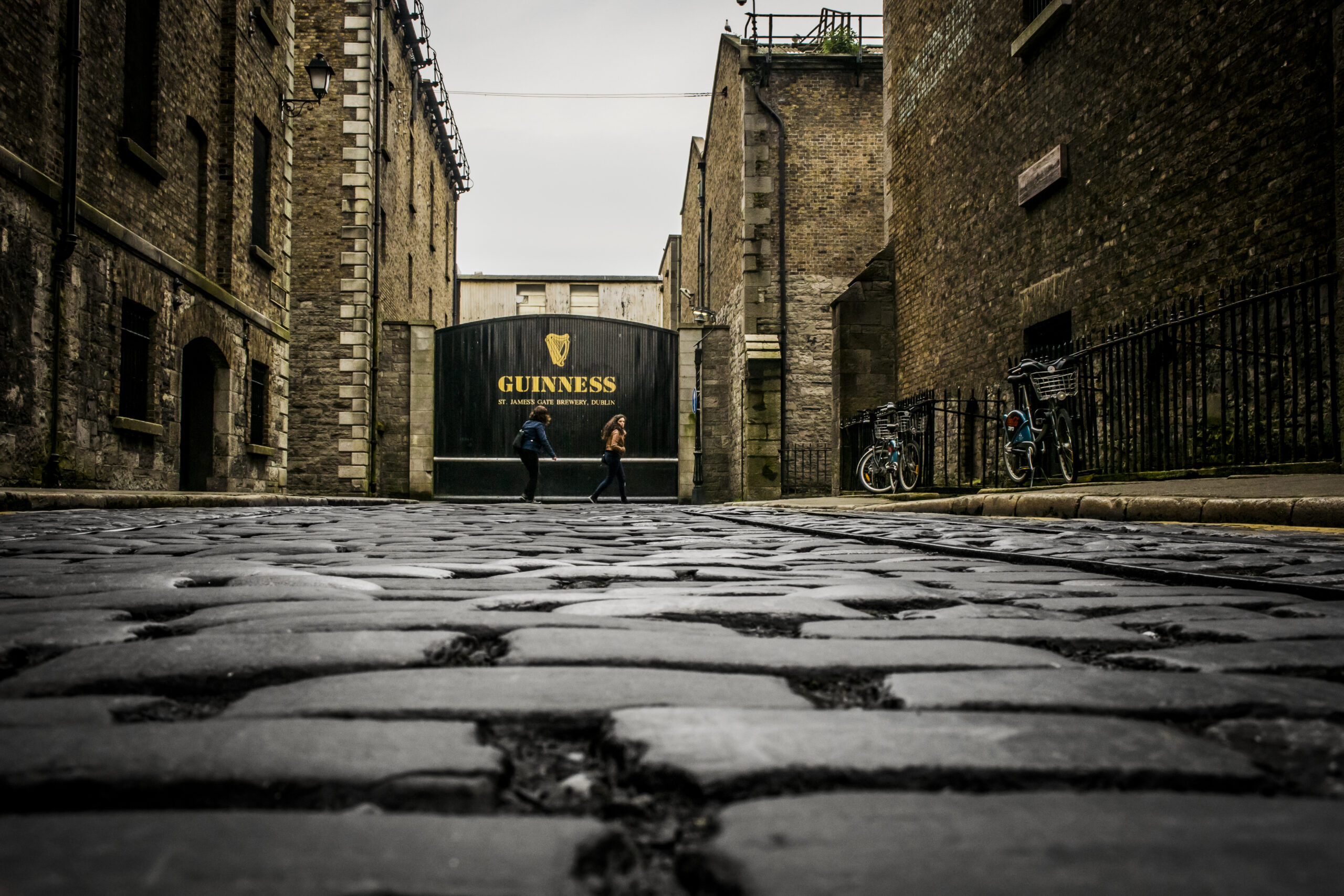
West of Christ Church, the Liberties is Dublin’s oldest working neighborhood — and the home of the Guinness Storehouse at St. James’s Gate, the city’s most-visited attraction, plus Teeling and Roe & Co distilleries. Staying here puts the Storehouse and the historic pubs of Thomas Street on your doorstep, with Heuston Station’s trains and the Luas Red Line for everything else.
Ashling Hotel Dublin on Parkgate Street is the standout: a four-star facing the Liffey near Heuston, with Phoenix Park — one of Europe’s largest walled parks — practically across the road. It’s excellent value for the quality, especially for families.
Practical tips for staying in Dublin
Book early — Dublin is expensive in peak season. Hotel rates from June through August, and around St Patrick’s Day in March, are among the highest in Europe; book two to three months out for the best choice. Shoulder seasons (April–May, September–October) bring lower rates and thinner crowds.
The center is a walking city, but learn the Luas. Two tram lines cross the city — the Green Line serves St Stephen’s Green and Trinity’s south side, the Red Line serves Smithfield, Heuston, and the Docklands. From Dublin Airport, the express buses reach the center in about 30 minutes around the clock; allow longer at rush hour.
Sort your big tickets before you fly. The Book of Kells experience at Trinity and the Guinness Storehouse both run on timed entry and sell out on busy days — this private Dublin highlights walking tour (Christ Church, Temple Bar, and Trinity in two hours) and the Guinness Storehouse connoisseur tasting with skip-the-line entry are worth locking in early. If you have a spare day, this Cliffs of Moher day trip with a boat cruise makes the long drive someone else’s problem.
Day-trip math. The Cliffs of Moher are spectacular but it’s a long day from Dublin — around three hours each way — so only go if the west isn’t on your itinerary otherwise. Closer wins: Howth’s cliff walk (30 minutes on the DART), Malahide Castle, and Glendalough’s monastic valley are all easy half-days.
Pairing Dublin with more of Europe? My 7 perfect 3-day Europe itineraries roundup has city combinations that pair well with an Ireland trip, and if Edinburgh’s on your list, my where to stay in Edinburgh guide covers another compact capital the same way.
Dublin rewards staying central and walking everywhere — pick the quarter that matches your trip, book the big sights ahead, and leave your evenings open for wherever the music is.