
There’s a moment every traveler has in a great city: you’re standing somewhere quiet — a walled courtyard in Amsterdam, a ruined church garden in London, a hilltop bunker in Barcelona — and you realize the postcard version of the city is only half the story. The other half is hidden. And honestly? It’s usually the better half.
Planning a trip? Get our free Travel Planning Checklist:
This is the second weekly “best of” roundup, and it’s my favorite kind: hidden gems. Over the past two weeks I’ve published four deep-dive city guides — London, Amsterdam, Barcelona, and Rome — with 37 secret spots locals actually love, from bombed-out church gardens to an entire art-nouveau hospital turned museum. Below is the city-by-city rundown with the standouts, and each section links to the full guide so you can plan the details.
Disclosure: This post contains affiliate links. If you book through one of these links, I may earn a commission at no extra cost to you.
London: 9 spots the crowds walk right past
London rewards the curious more than almost any city I know, because its secrets hide in plain sight. London’s Hidden Gems: 9 Spots Locals Love That Most Tourists Miss (2026) covers nine of them, but these are the ones readers keep writing to me about.
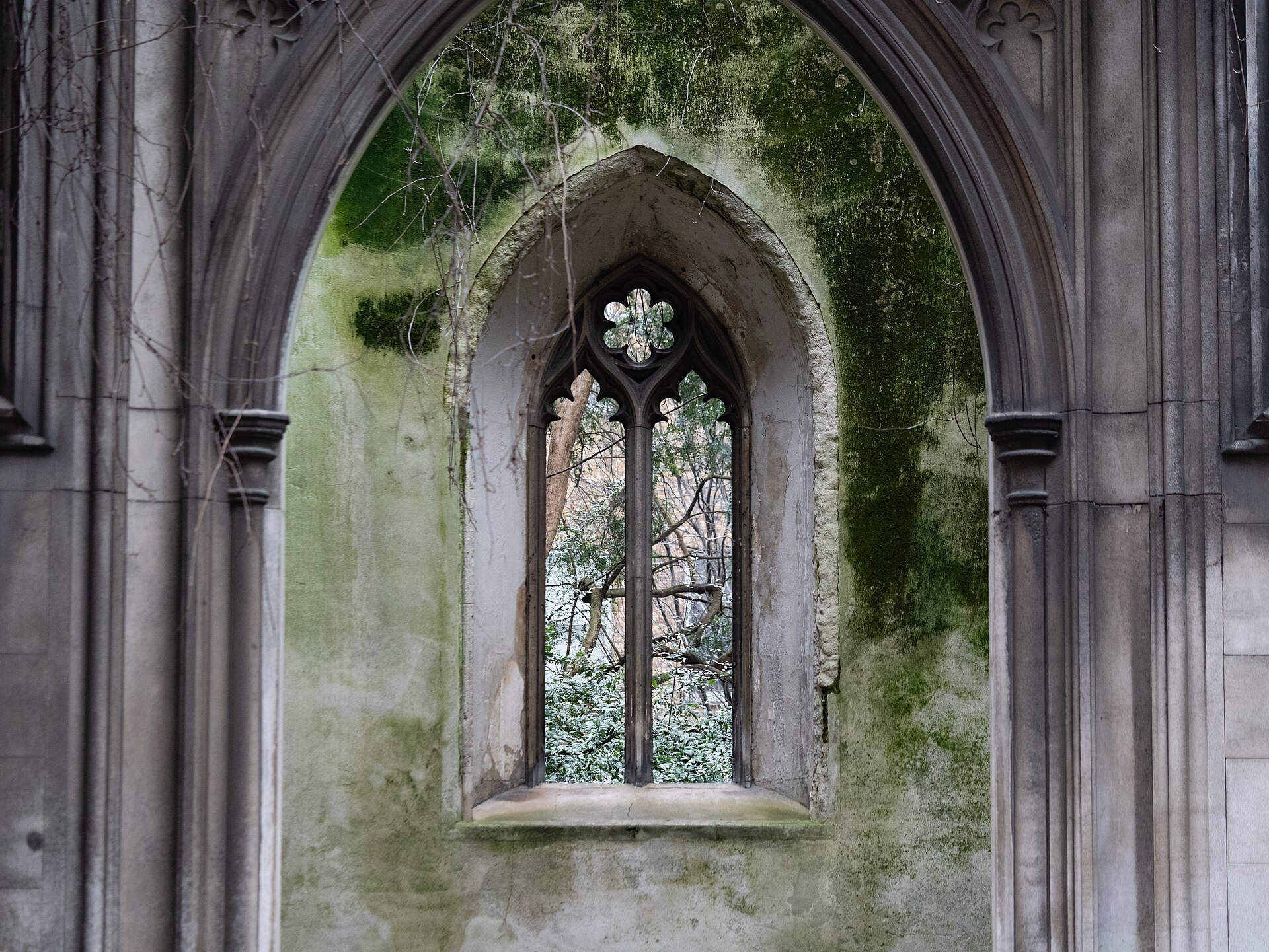
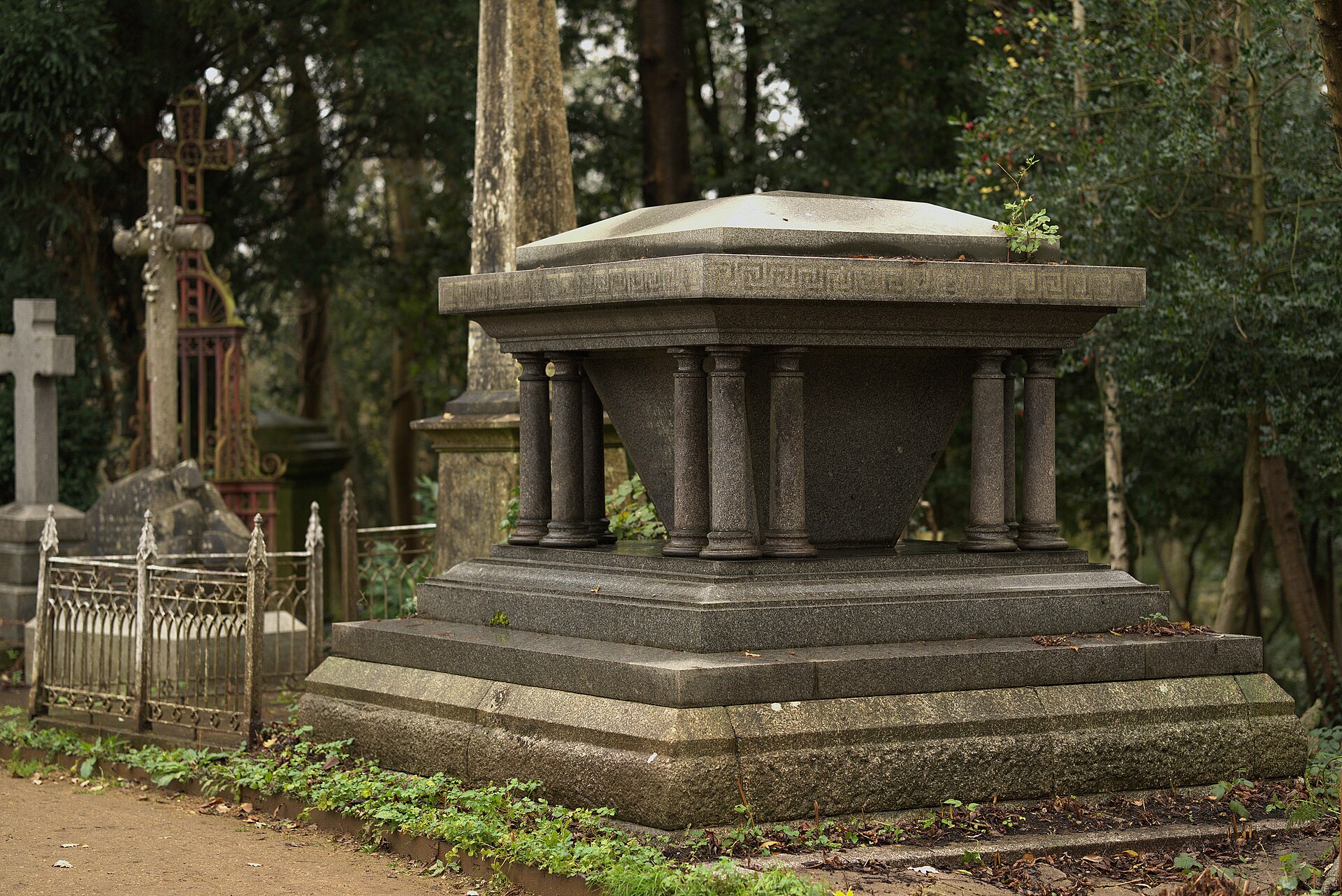
St Dunstan in the East is the one I’d visit first. Sir Christopher Wren’s church was bombed in the Blitz, and instead of rebuilding, the City turned the ruins into a public garden — ivy swallowing the stone arches, benches between the columns. It’s free, it’s minutes from the Tower, and most tourists walk right past it. Highgate Cemetery is the opposite of morbid: a Victorian necropolis where Karl Marx is buried among overgrown Gothic tombs, and the guided tours are genuinely moving.
Kyoto Garden, tucked inside Holland Park, is a Japanese garden with a waterfall and peacocks wandering the lawns — bring a book. Little Venice gives you canals and moored narrowboats without leaving the city, and Wilton’s Music Hall in Whitechapel is the world’s oldest surviving grand music hall, still putting on shows in a building that survived two centuries of East End history.
Two more worth your Sunday: Daunt Books in Marylebone, the bookshop where travel guides are organized by country and the original Edwardian fixtures survive, and Columbia Road Flower Market, a Sunday-only institution where the East End comes out for flowers and the shops stay open late.
If you want a guide for this kind of wandering, two tours fit the brief perfectly: the Alleyways and Courtyards of London secret-spots walking tour hits hidden lanes and courtyards — including St Dunstan — with a local guide, and this Victorian history walk with Highgate Cemetery adds the stories behind the stones. Pair your explorations with our London where-to-stay guide to pick the right neighborhood base.
Amsterdam: 10 secrets beyond the canals you know
Amsterdam’s canal belt is gorgeous, but the city keeps its weirdest, sweetest corners off the main drag. Amsterdam’s Hidden Gems: 10 Secret Spots Beyond the Tourist Trail (2026 Guide) goes deep on ten of them.
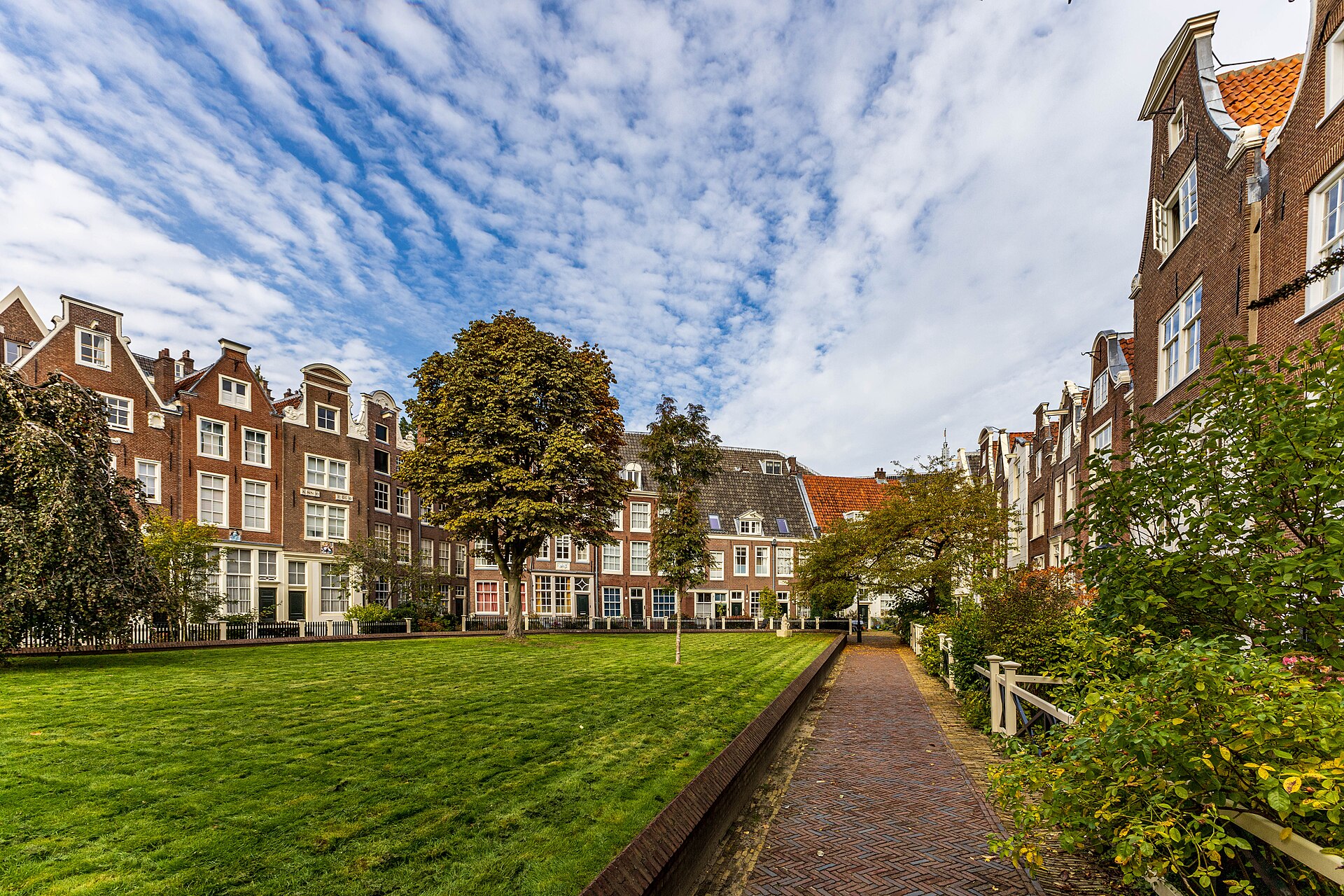
Begijnhof is the classic that still shocks people: step through a nondescript archway off the Spui and you’re in a 14th-century walled courtyard — one of the oldest wooden houses in the Netherlands is here, and the atmosphere is cathedral-quiet. Our Lord in the Attic (Ons’ Lieve Heer op Solder) is a full Catholic church hidden in the top floors of a 17th-century canal house, built when public Catholic worship was banned — it’s one of the best-preserved secret churches in the world. De Poezenboot is exactly what it sounds like: the world’s only floating cat sanctuary, a houseboat full of rescue cats you can visit. And Electric Ladyland in the Jordaan is a basement that glows — a fluorescent cave of minerals lit entirely by blacklight, part art installation, part geology lesson.
Architecture fans get Het Schip, the Amsterdam School’s brick masterpiece, and Zevenlandenhuizen — seven canal houses on one street, each built in the style of a different European country. For the best free view in the city, the rooftop of NEMO science museum looks straight over the harbor and costs nothing. The Jordaan is the quarter where many of these cluster, so this small-group Jordaan hidden-streets walking tour (max 10 people, Badge of Excellence) is the natural companion. Our Amsterdam where-to-stay guide has the neighborhood breakdown.
Barcelona: 9 gems beyond Gaudí’s greatest hits
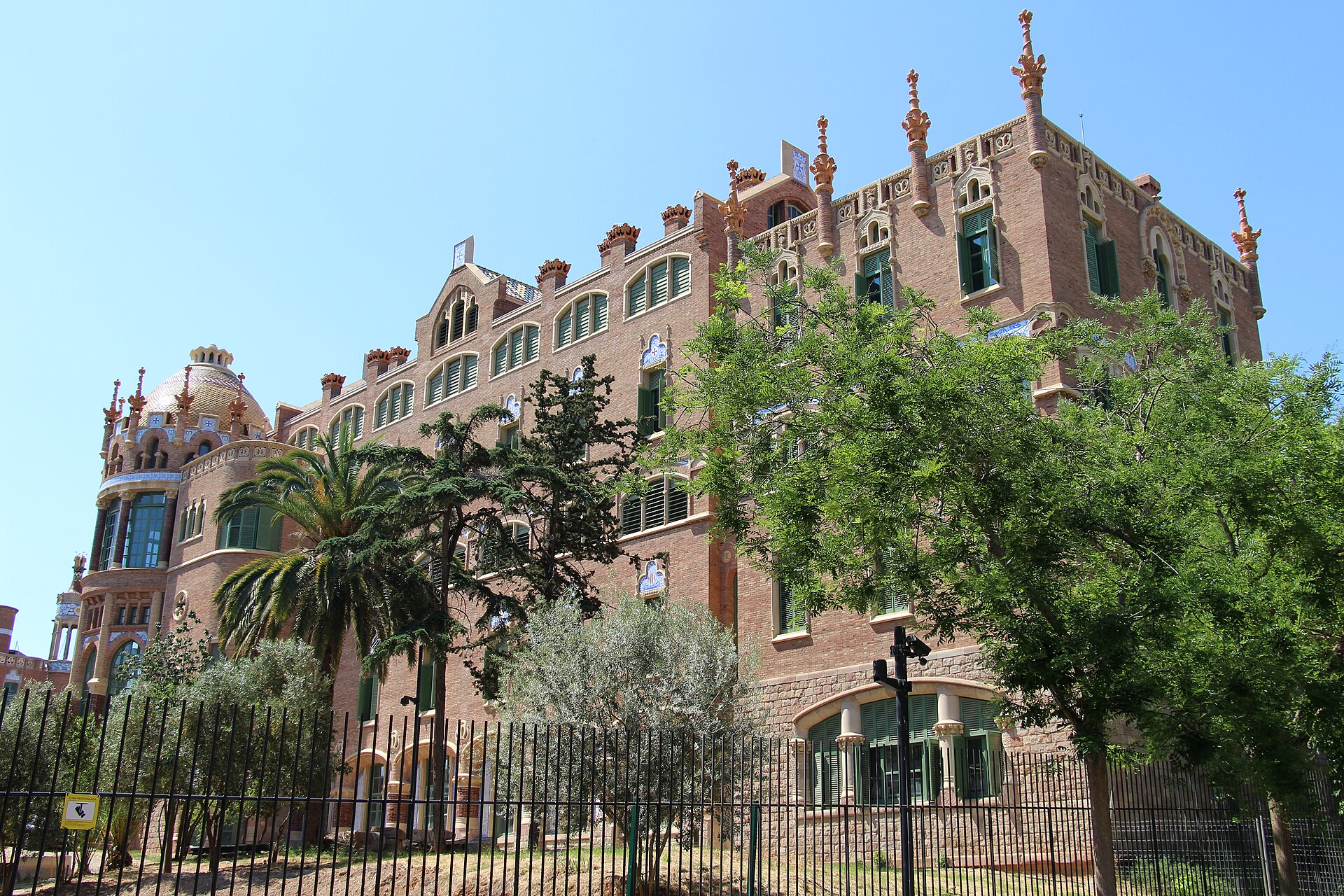
Everyone sees the Sagrada Família. Fewer than one in twenty visitors sees Recinte Modernista de Sant Pau — Lluís Domènech i Montaner’s modernist hospital complex, a UNESCO site with pavilions, gardens, and an underground tunnel network, and in my opinion the most underrated building in Barcelona. It’s the centerpiece of Barcelona’s Hidden Gems: 9 Spots Locals Love That Most Tourists Miss (2026), along with its modernist sibling Palau de la Música Catalana, the concert hall made of stained glass and light.
Bunkers del Carmel is the city’s best free sunset: a Civil War-era bunker position on Turó de la Rovira with a 360-degree view and zero entry fee — go an hour before sunset and bring a picnic. Casa Vicens, Gaudí’s first house in Gràcia, shows you the architect before he became famous, and Gràcia itself is the village-feeling quarter where locals actually hang out. For something heavier, Refugi 307 is a preserved Civil War air-raid shelter in Poble Sec with guided tours that make the bombing of Barcelona personal. And the Mercat de Sant Antoni on Sunday mornings is the collectors’ market — books, coins, stamps — that most visitors never find. Don’t miss the Temple of Augustus either: four Roman columns hiding in a medieval courtyard, free to see.
Here’s where to stay in Barcelona if you’re planning around these spots, and our 3-day Barcelona itinerary slots Bunkers del Carmel and Gràcia into a first-timer’s plan.
Rome: 9 layers of history most visitors never peel
Rome’s hidden side is literally layered — the city is a wedding cake of twenty-eight centuries. Rome’s Hidden Gems: 9 Secret Spots Only Locals Know (2026) covers the nine I’d send a friend to first.
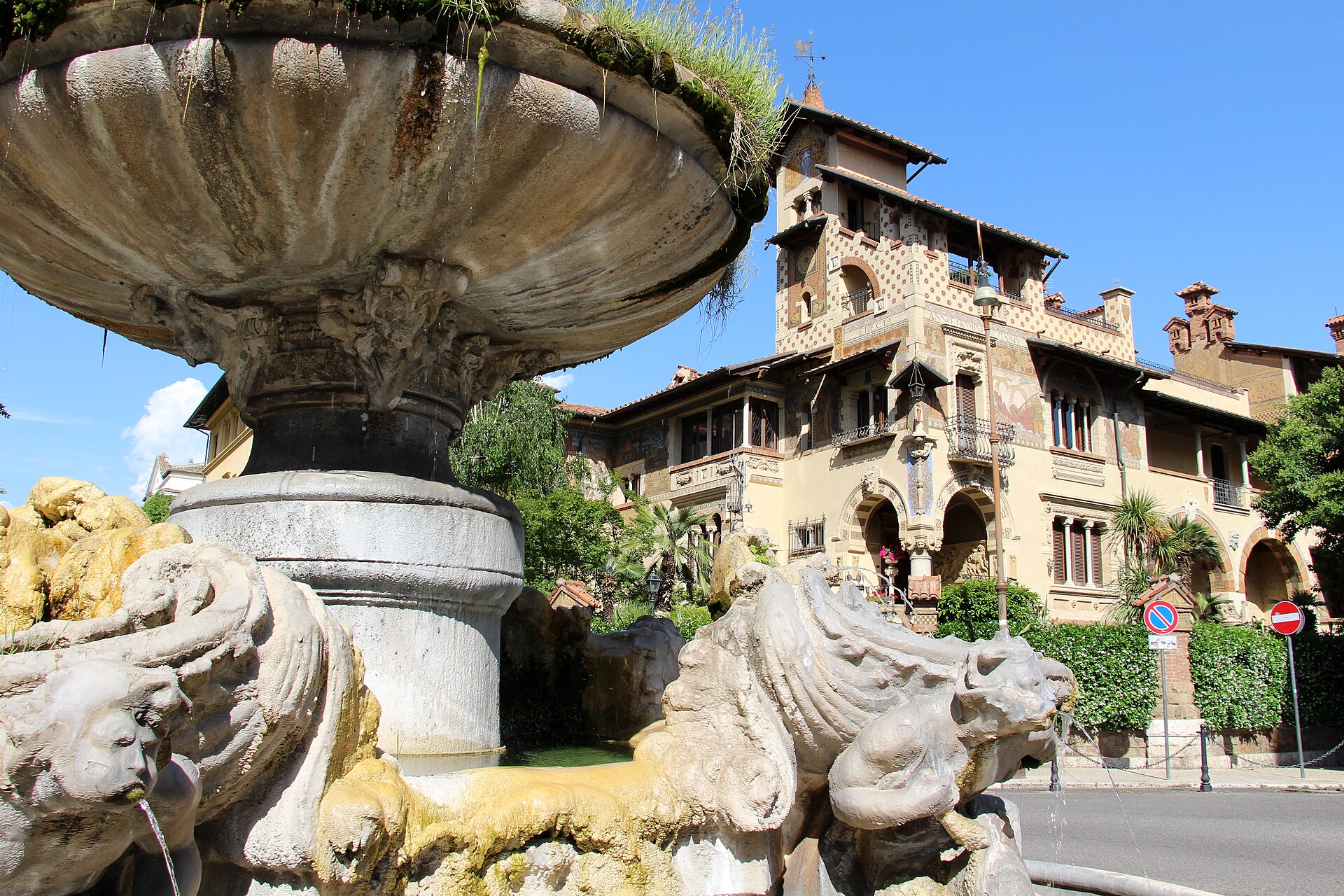
The Aventine Keyhole remains the perfect Rome moment: peer through the keyhole of the Knights of Malta’s gate and the garden path lines up perfectly with St. Peter’s dome. Right next door, the Giardino degli Aranci (Orange Garden) is the free sunset terrace locals actually use. Basilica di San Clemente is three Romes in one building — a 12th-century church on top of a 4th-century church on top of a 1st-century Roman house and pagan temple — and Centrale Montemartini puts ancient Roman sculpture inside a decommissioned power plant, which works far better than it sounds. Quartiere Coppedè is the city’s strangest quarter: a 1920s architect’s fantasy of gargoyles, arches, and a frog fountain. Walk the Via Appia Antica on a Sunday (closed to cars) for the Queen of Roads at its best, and end the night in Pigneto, the lived-in neighborhood where young Romans actually go out.
Our Rome where-to-stay guide covers bases near these spots.
How to build a hidden-gem day
A few rules I’ve learned from years of this: go early for the free ones (the Aventine Keyhole has a queue by midday; St Dunstan in the East is empty at 8am). Book the guided ones — Highgate Cemetery, Refugi 307, and Our Lord in the Attic only reveal themselves with a guide or ticket. Cluster by neighborhood — each city guide above is organized so you can string the gems into a walk rather than zigzagging. And leave room for accident: the best hidden gems are the ones you stumble on between the planned ones.
If hidden gems are your travel style, the weekly hub posts will keep collecting them — the first one rounded up seven perfect 3-day Europe itineraries. Start with the city guide above that calls to you, and go find the other half of the city.