
Rome rewards the curious. Yes, the Colosseum and the Vatican are unmissable — but the Rome that locals love most lives in the spaces between the blockbusters: a perfectly framed keyhole view, a basilica with two millennia stacked beneath it, a neighborhood that looks like a fairy-tale film set. These nine spots are the ones Romans mention when you ask where to go after the greatest hits.
Disclosure: This post contains affiliate links. If you book through one of these links, I may earn a commission at no extra cost to you.
1. The Aventine Keyhole
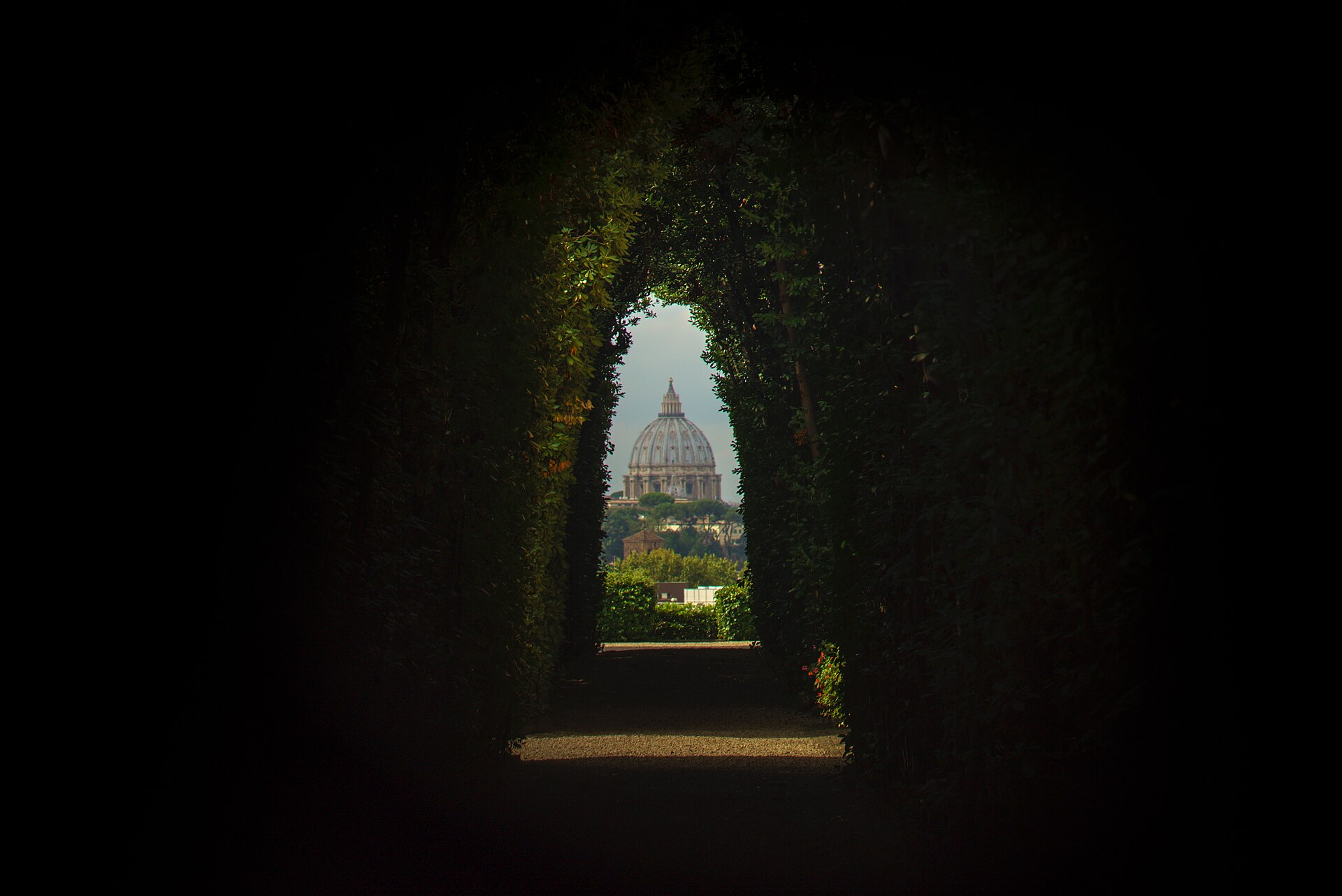
On top of the Aventine Hill, on the quiet Piazza dei Cavalieri di Malta, there is a large, unassuming green door belonging to the Villa of the Priory of Malta. Put your eye to the keyhole and you get one of the most perfectly composed views in all of Italy: the dome of St. Peter’s, framed by a corridor of laurel hedges in the villa’s garden, in what feels like a living painting.
The trick isn’t an accident. The square and the monumental portal were designed in 1765 by Giovanni Battista Piranesi, the great engraver and architect, and the sightline down the garden’s central axis was laid out with almost obsessive precision — the villa’s gardens enjoy the extraterritorial status of the Sovereign Order of Malta, so from this one spot you’re looking across three jurisdictions at once. Looking through the keyhole is free; go early in the morning to beat the line.
2. Giardino degli Aranci (The Orange Garden)
Two minutes’ walk from the keyhole, the Parco Savello — better known as the Orange Garden — is where Romans go for sunset. This walled garden on the Aventine is planted with fragrant bitter-orange trees and umbrella pines, and its terrace looks straight out over the Tiber to the dome of St. Peter’s and the whole sweep of the historic center.
Come about an hour before sunset, claim a spot on the terrace wall, and watch the city turn gold. It’s free, it’s never truly crowded, and it pairs perfectly with the keyhole for a slow Aventine evening.

3. Quartiere Coppedè
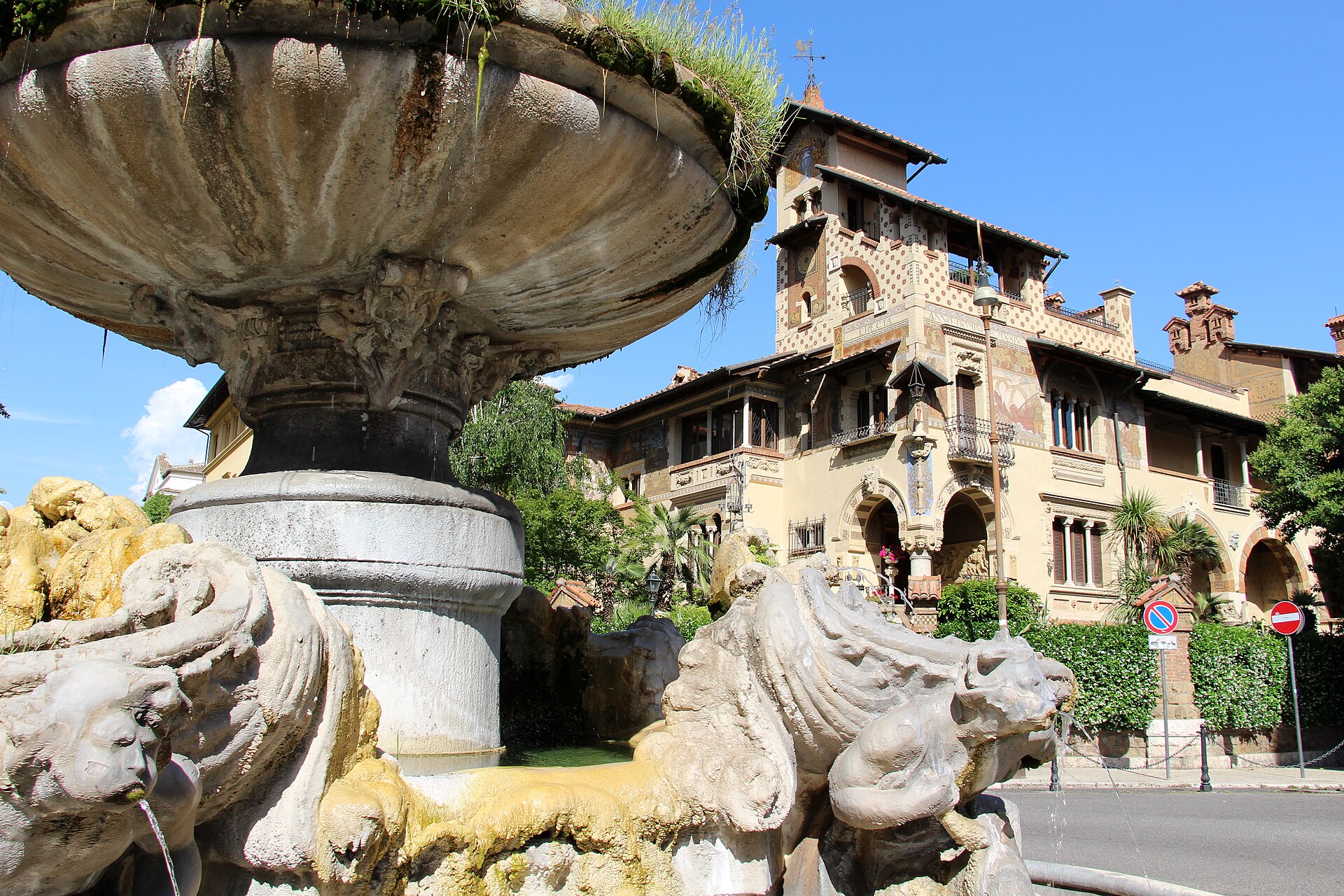
Between Via Salaria and Via Nomentana sits a corner of Rome that feels imported from another century. Between 1915 and 1927, the eclectic architect Gino Coppedè built a fantastical residential complex around Piazza Mincio, blending Italian Art Nouveau (the Liberty style) with Gothic, Baroque, and even medieval touches.
Wander under the great decorated arch that joins the Palazzi degli Ambasciatori, find the Villini delle Fate (the “Fairies’ Cottages”), and stand in the middle of the square at the Fontana delle Rane — the Frog Fountain, adorned with twelve stone frogs and famous because the Beatles once jumped into its basin, fully clothed, after a concert at the nearby Piper club. It’s a ten-minute stroll from the Bologna metro stop, and most tour buses never come here.
4. Basilica di San Clemente: Three Romes in One Building
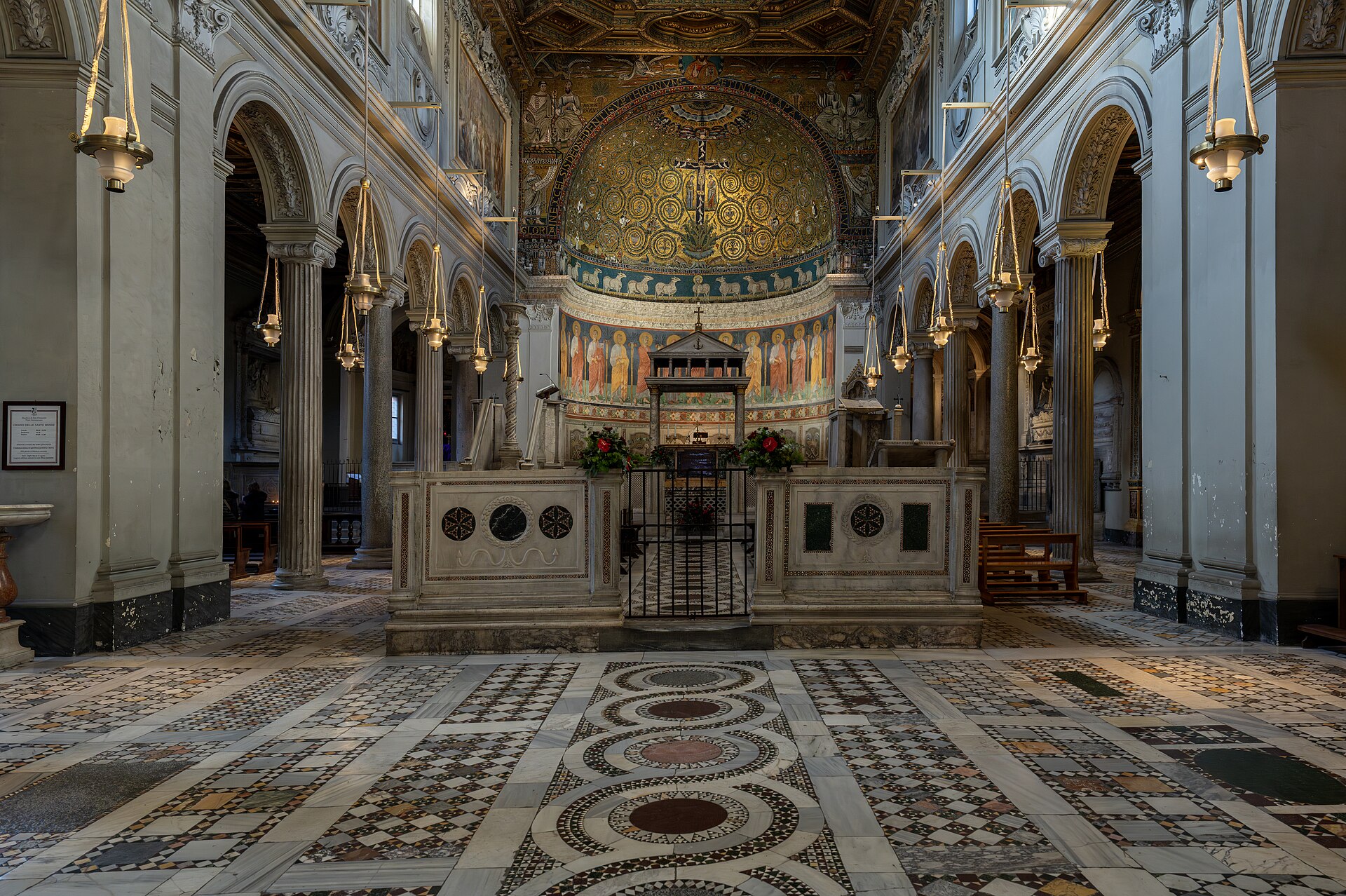
A short walk from the Colosseum, San Clemente looks like a perfectly ordinary 12th-century basilica — until you go downstairs. This is one of Rome’s great time capsules: the present church (built just before 1100) sits directly on top of a 4th-century basilica, which was itself converted from the home of a Roman nobleman, whose basement level contains a 2nd-century mithraeum, a temple to the god Mithras.
Descend the three levels and you walk backward through two thousand years — medieval frescoes and mosaics, then the faded frescoes of early Christianity, then the torch-lit atmosphere of a pagan mystery cult’s meeting room. The upper church is free; a modest ticket covers the excavations below. It’s run by the Irish Dominicans, and it remains one of the most atmospheric interiors in the city.
5. Centrale Montemartini: Gods Among the Machines
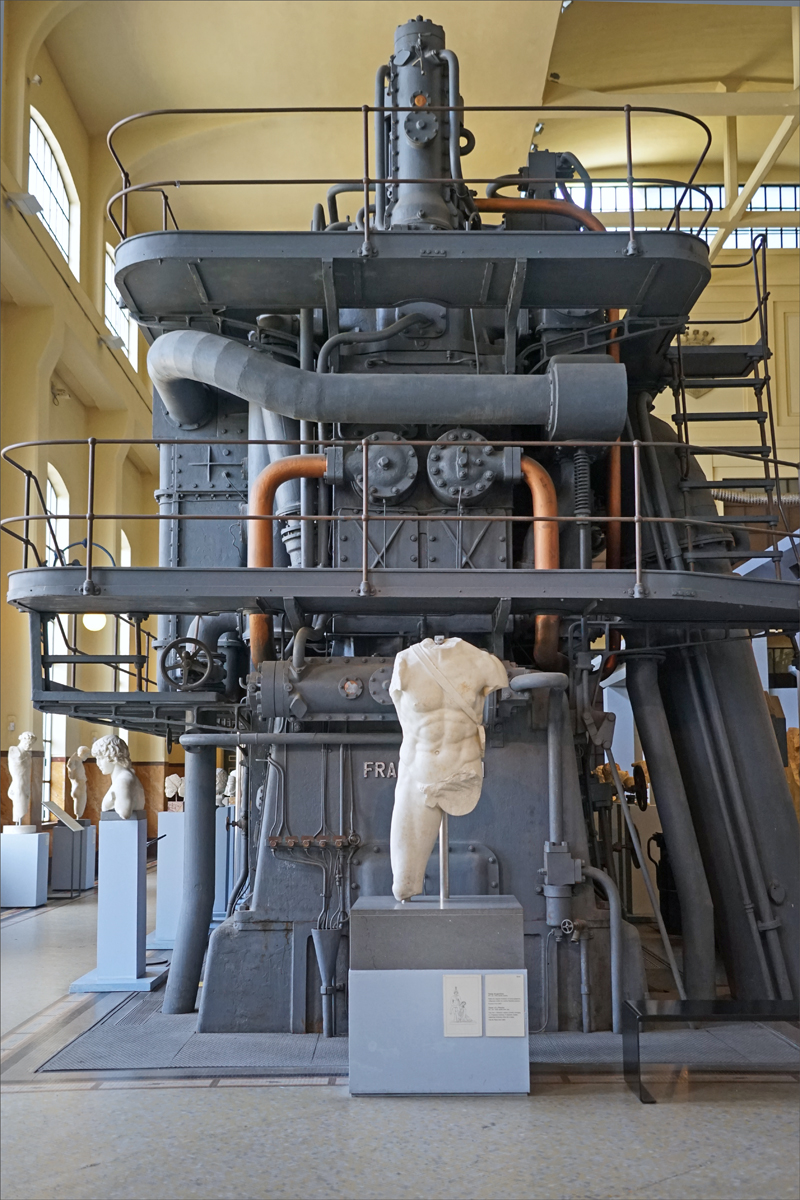
On Via Ostiense, a decommissioned 1912 thermoelectric power station — Rome’s first public power plant — now houses around 400 ancient Roman sculptures as an offshoot of the Capitoline Museums. The exhibition opened in 1997 with the wonderfully named show “The Machines and the Gods,” and the concept stuck: marble emperors, mosaics, and tombstones displayed among giant turbines, boilers, and diesel engines.
It was supposed to be a temporary solution during renovations at the Capitoline, but the contrast proved so spectacular that it became permanent. You get world-class Roman art with a fraction of the crowds of the main museums — and the industrial setting makes every statue look twice as dramatic.
6. Via Appia Antica: Walk the Queen of Roads
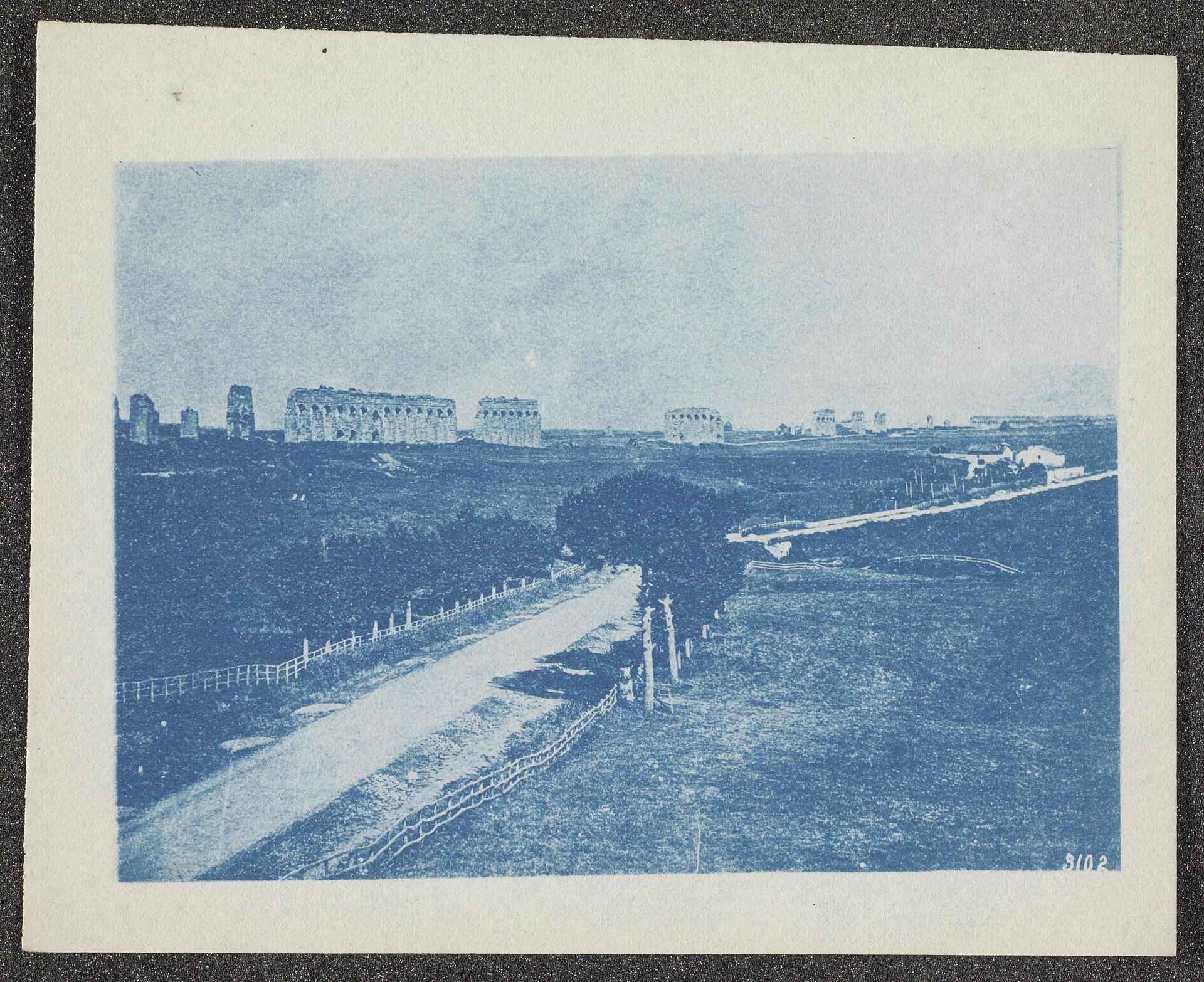
The Appian Way was laid in 312 BC by the censor Appius Claudius Caecus and ran all the way to Brindisi; the stretch leaving Rome is still paved with its original basalt stones. Rent a bike and ride past umbrella pines, ruined tombs, and stretches of countryside that feel impossibly close to the city center.
Along the way you’ll pass the Catacombs of San Callisto, one of Rome’s great underground burial complexes. On Sundays the road is closed to car traffic, which makes it the ideal day for a slow ride or a long walk among the pines and ruins.
7. The Protestant Cemetery and the Pyramid of Cestius
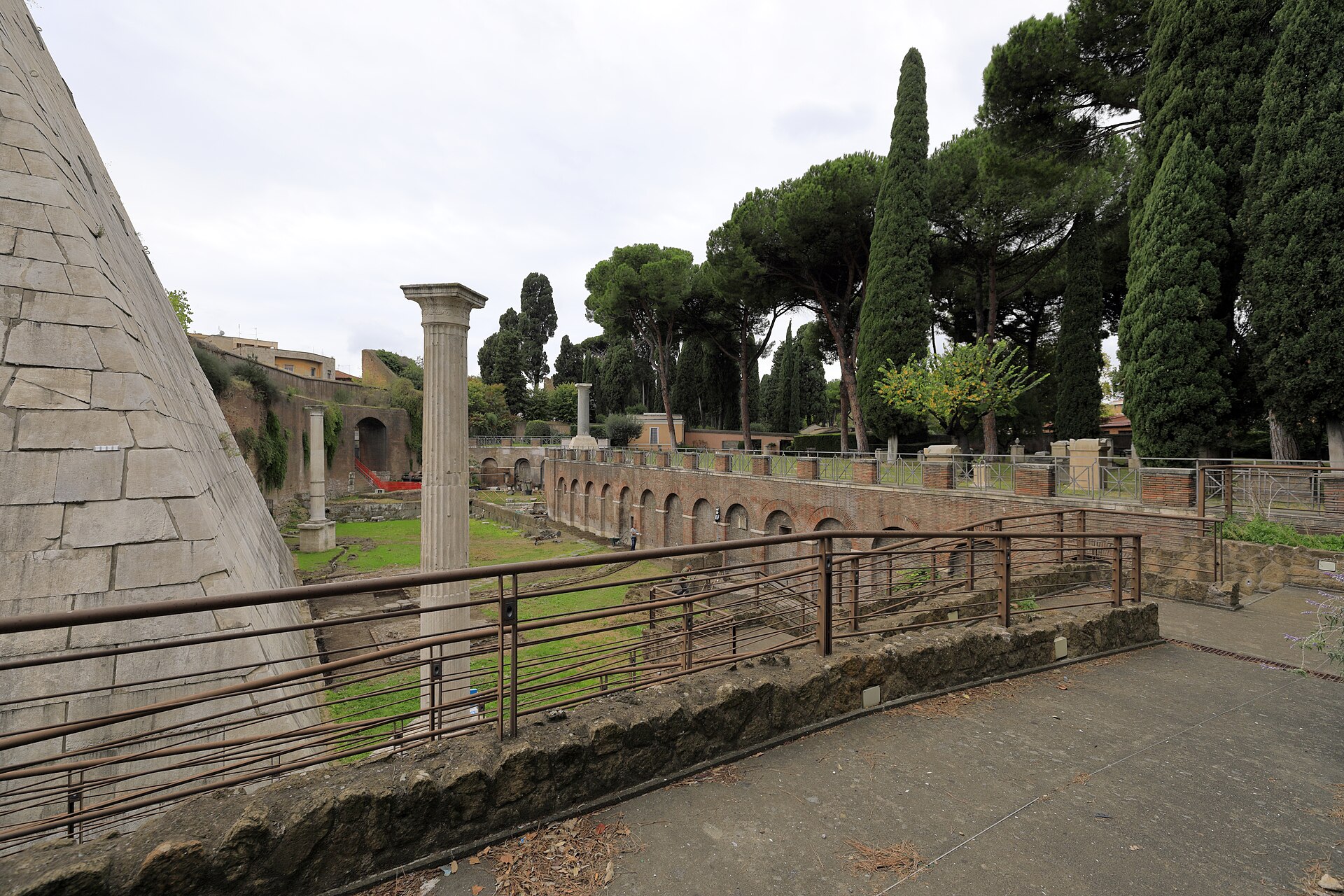
Behind the ancient Pyramid of Cestius — a 1st-century-BC tomb built for the magistrate Gaius Cestius — lies one of the most peaceful corners of Rome: the Cimitero Acattolico, the “Non-Catholic Cemetery.” This is where the English Romantic poets John Keats (who died in Rome in 1821) and Percy Bysshe Shelley (drowned off the Tuscan coast in 1822) are buried, along with artists, writers, and diplomats from two centuries of Grand Tours.
It’s a small, green, cat-patrolled garden of cypresses and wildflowers, and it remains one of the loveliest places in the city to sit quietly for half an hour. The entrance is on Via Caio Cestio, right by the Piramide metro stop.
8. Palazzo Doria Pamphilj: A Private Palace-Museum
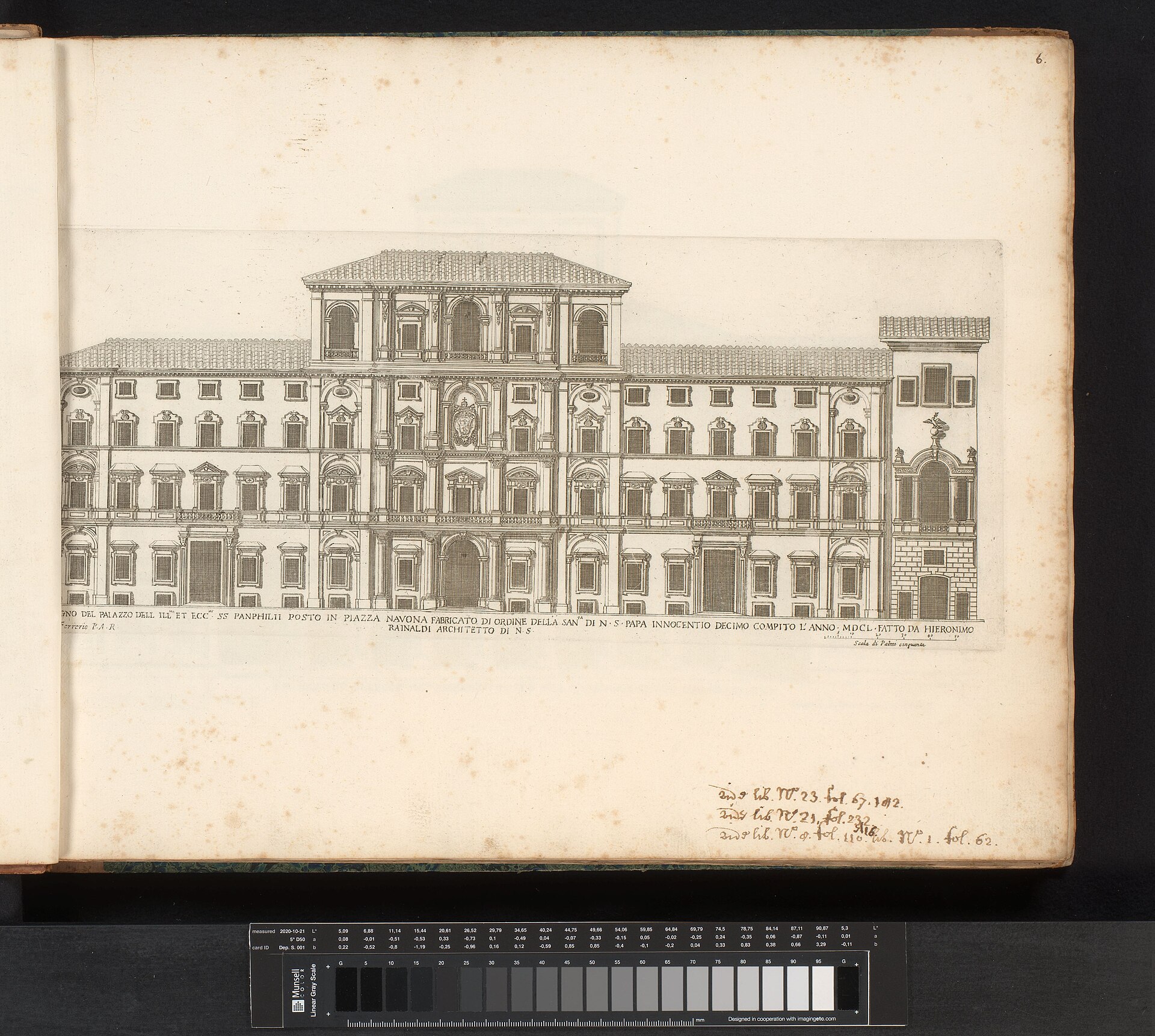
On Via del Corso, behind an unremarkable facade, sits one of Europe’s great private art collections — still owned by the Doria Pamphilj family, still hung in their palace. The gallery holds works by Caravaggio, Titian, Raphael, and Bernini, but the star is Velázquez’s Portrait of Innocent X (1650), the painting the pope himself reportedly called “too true.”
The included audio guide is narrated by Prince Jonathan Doria Pamphilj himself, which gives the whole visit the feeling of being shown around by the family — steps from the tourist flow of the Corso, yet calm, uncrowded, and utterly magnificent.
9. Pigneto: Rome After Dark, the Local Way
For an evening that feels nothing like the historic center, head east to Pigneto, a former working-class district that has grown into one of Rome’s liveliest alternative neighborhoods. The pedestrianized Via del Pigneto is lined with wine bars and trattorias spilling onto the street, with street art on the walls and a crowd that skews young and local. Come for aperitivo around 7pm and stay for dinner.
Practical Tips for Exploring Rome’s Hidden Side
Cluster by neighborhood. The Aventine makes a perfect half-day: keyhole, Orange Garden, then downhill to the Protestant Cemetery and Pyramid. Pair San Clemente with a Colosseum visit since they’re minutes apart, and combine the Appia Antica with the Montemartini for a south-Rome day.
Get the blockbusters done efficiently. You’ll still want the big sights — just don’t waste half a day in line for them. Book skip-the-line Colosseum tickets and a skip-the-line Vatican Museums tour in advance, and spend the hours you save on the places on this list.
Stay central. Most of these spots are easiest from a well-connected base — see my Where to Stay in Rome guide for the best neighborhoods and hotel picks.
Wear real walking shoes. Hidden gems mean cobblestones, hills (the Aventine is no joke), and ancient paving stones. Leave the flimsy sandals at the hotel.
The Rome You’ll Remember
Everyone comes home from Rome with a photo of the Colosseum. The travelers who fall hardest for the city are the ones who also stood at a keyhole on the Aventine, descended three centuries beneath a quiet basilica, or watched the sun drop behind St. Peter’s from a garden of orange trees. Mix the famous with the secret, and Rome gives you both — which is exactly what the Eternal City does best.
If collecting hidden gems is your travel style, don’t miss my Barcelona hidden gems guide either — nine local-favorite spots most visitors walk right past.