
Disclosure: This post contains affiliate links. If you book through one of these links, I may earn a commission at no extra cost to you.
Most visitors to Barcelona see the same five things: the Sagrada Família, Park Güell, Las Ramblas, the Gothic Quarter, and the beach. All are worth your time. But if you’ve already done those — or if you want to feel like you’re discovering the city rather than just visiting it — Barcelona has a whole second layer that most tourists never find.
I’ve pulled together nine spots that reward the curious: a Civil War bunker with the best sunset view in the city, a 230-year-old hedge maze, Gaudí’s first-ever house, a Roman temple hiding inside a Gothic Quarter courtyard, and the neighborhood where locals spend their Sunday afternoons. None of them are fake “secrets” — locals genuinely love these places — and several are free.
If this is your first visit, start with my Barcelona in 3 Days itinerary for the essentials, then layer in the gems below to make the trip your own.
1. Bunkers del Carmel — the city’s best free sunset
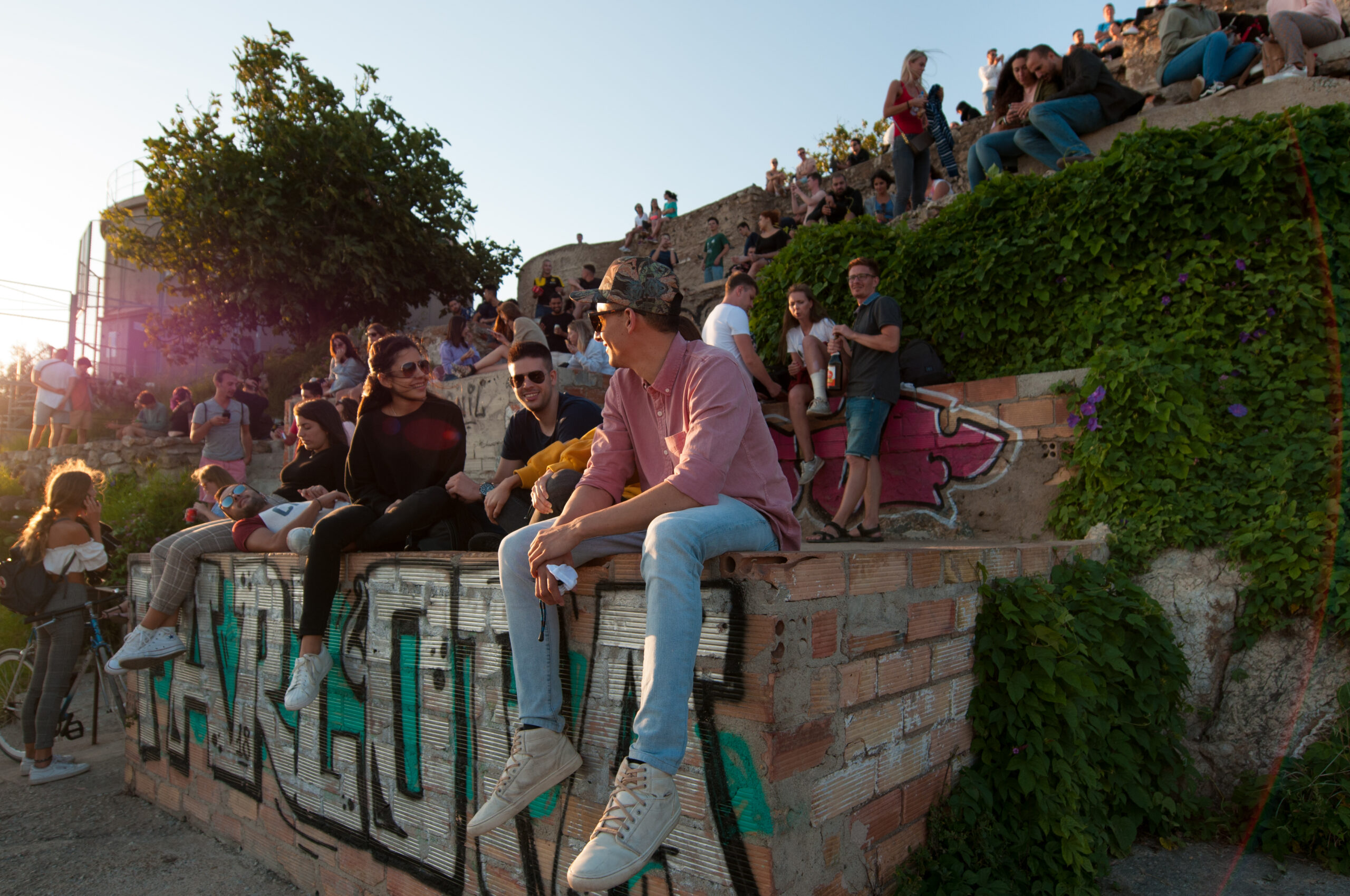
High on the Turó de la Rovira hill in the Carmel neighborhood, crumbling concrete platforms are all that remain of an anti-aircraft battery built to defend Barcelona during the Spanish Civil War. Guns were mounted here in the 1930s to fend off aerial bombardment; afterward, the abandoned bunkers became informal housing through the 1940s and 1950s. Restoration began in 2011, and the site now hosts a small MUHBA exhibition about the city’s wartime history.
But honestly? People come for the view. At 262 meters above sea level, this is the most complete 360-degree panorama in Barcelona — from the sea to the mountains, from Tibidabo to the Sagrada Família catching the last orange light of the day. Come about 45 minutes before sunset, bring a snack and a drink, and stake out a spot on the concrete. It’s free, it’s open, and it beats any paid viewpoint in the city. The climb up from the Alfons X metro stop (L4) is steep — wear comfortable shoes.
2. Parc del Laberint d’Horta — Barcelona’s oldest garden
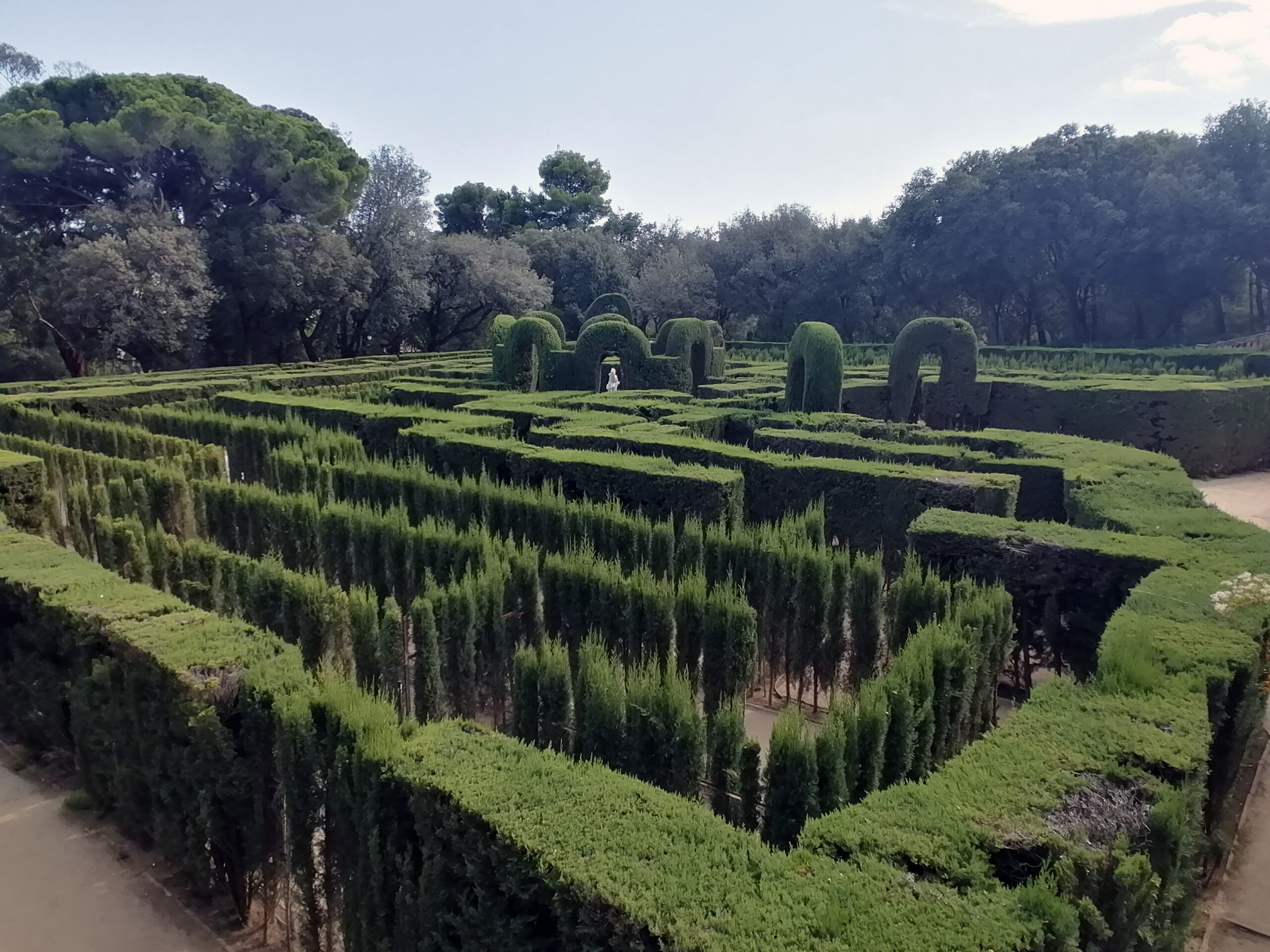
Up in the Horta-Guinardó district sits the oldest garden in Barcelona, begun in 1791. Its centerpiece is a cypress hedge maze — over 2,000 feet of twists and turns — with a statue of Eros, the god of love, waiting at the center. Around it: romantic canals, pavilions, and a temple of Artemis, all of it shady, quiet, and completely unlike the Barcelona most people see.
Practical tips: it’s free on Wednesdays and Sundays, and a small entrance fee applies other days. Go on a weekday morning and you might have the maze nearly to yourself. Combine it with the Bunkers — both are in the north of the city and pair well as a morning-to-sunset day.
3. Casa Vicens — where Gaudí began
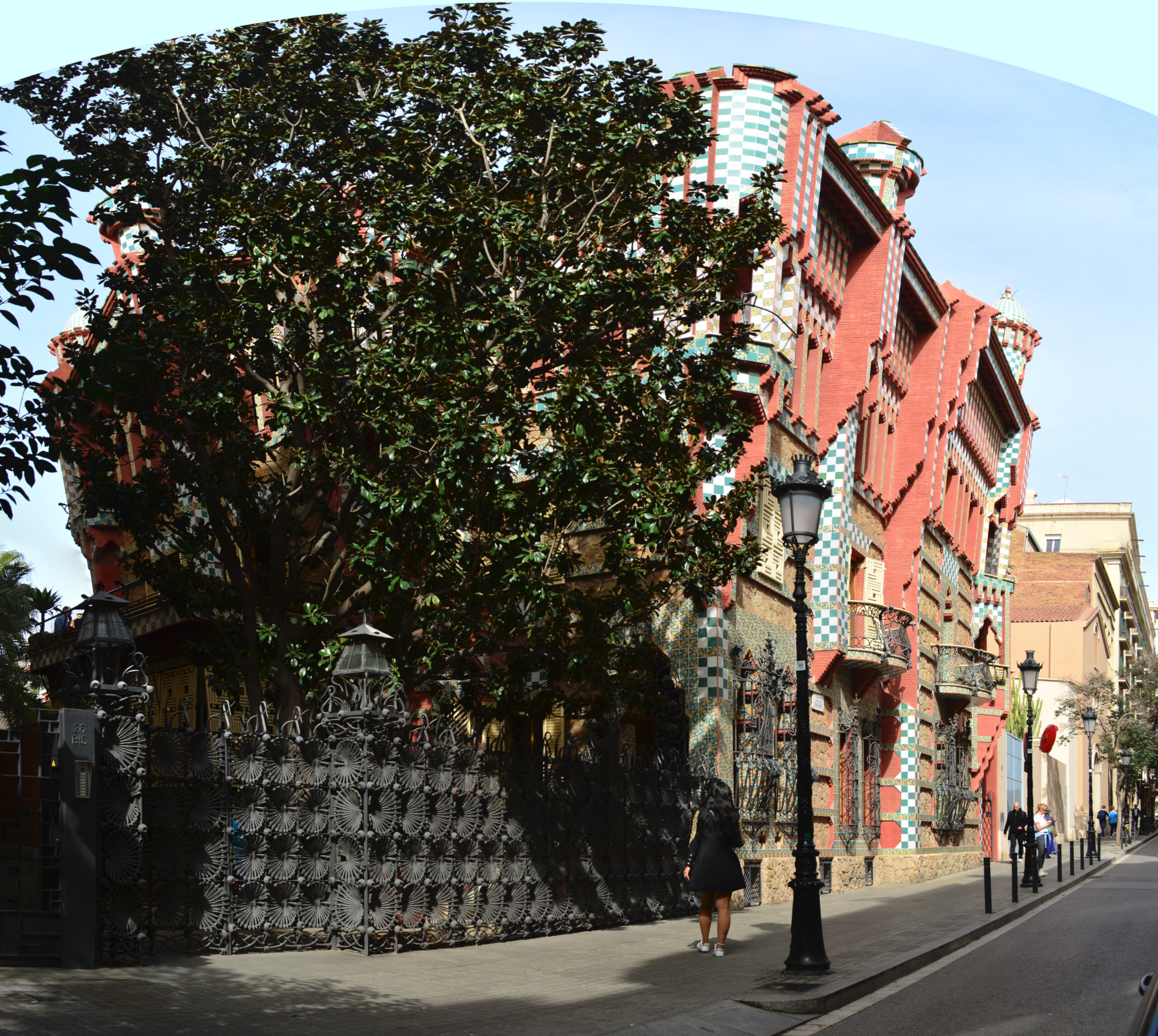
Everyone flocks to Casa Batlló and La Pedrera, but Gaudí’s story starts in Gràcia at Casa Vicens — the first house he ever designed, built between 1883 and 1885 as a summer residence for the tile manufacturer Manuel Vicens. It’s a riot of geometric tilework and botanical ornamentation, and you can see the seeds of everything he’d later do. UNESCO listed it as a World Heritage Site in 2005, and it opened to the public in 2017.
It’s smaller and calmer than the famous houses, which is exactly the point — you can actually stand still and look. If you want to trace Gaudí’s full arc, pair this with a skip-the-line Park Güell and Sagrada Família combo tour later in your trip; the contrast between the young architect here and the mature master there is striking.
4. Recinte Modernista de Sant Pau — the most beautiful hospital ever built
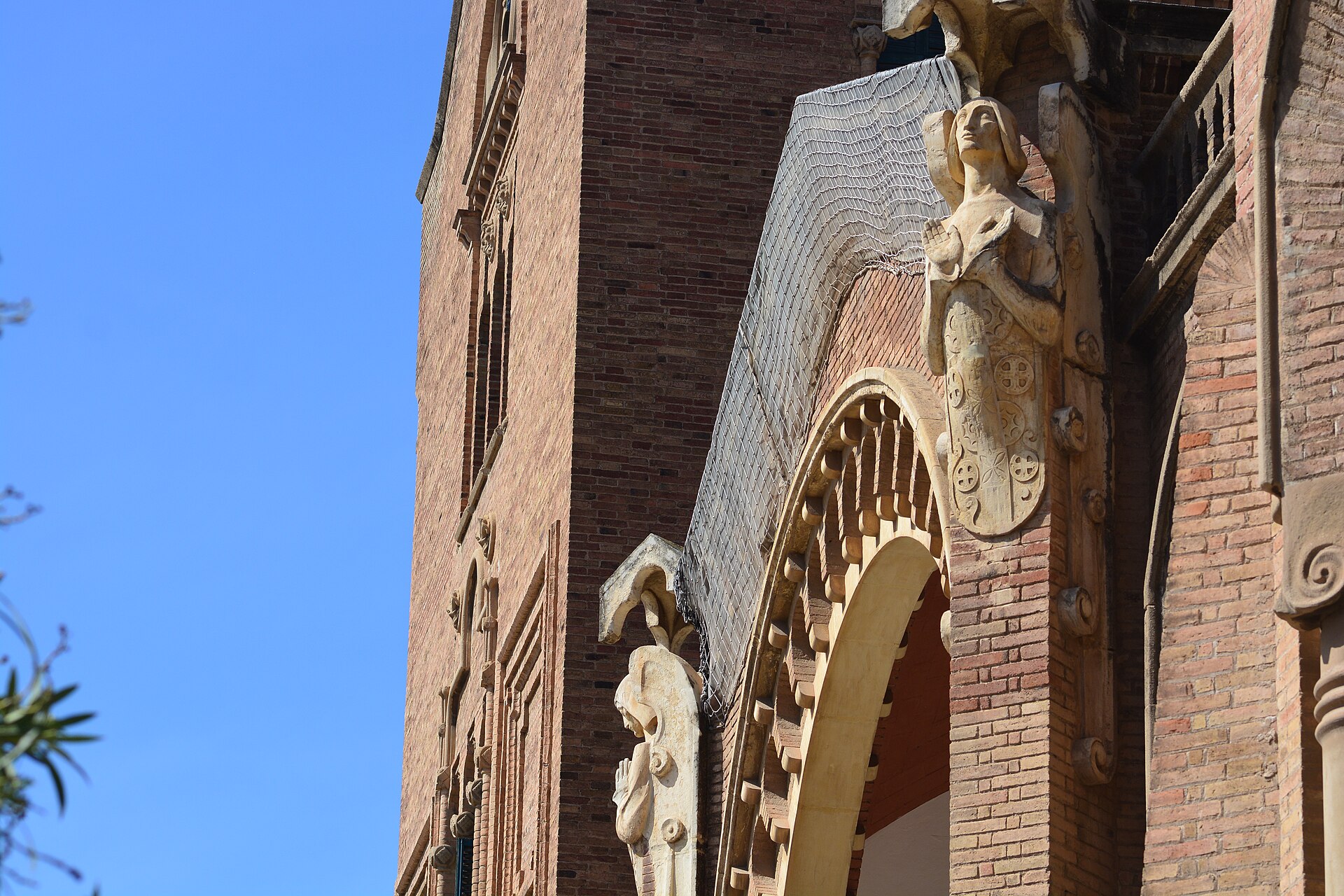
A fifteen-minute walk from the Sagrada Família, yet somehow never crowded: the former Hospital de la Santa Creu i Sant Pau, designed by Lluís Domènech i Montaner between 1902 and 1930. Twenty-seven Modernista pavilions connected by underground tunnels, gardens in between, mosaics everywhere — it functioned as a working hospital until 2009 and is now a UNESCO World Heritage Site (inscribed 1997).
Go for the self-guided visit and spend an hour wandering the pavilions and gardens. The Administration Pavilion alone, with its grand staircase and stained glass, is worth the ticket. It’s a spectacular alternative to Gaudí for travelers who want Modernisme without the crowds.
5. Palau de la Música Catalana — the concert hall made of light
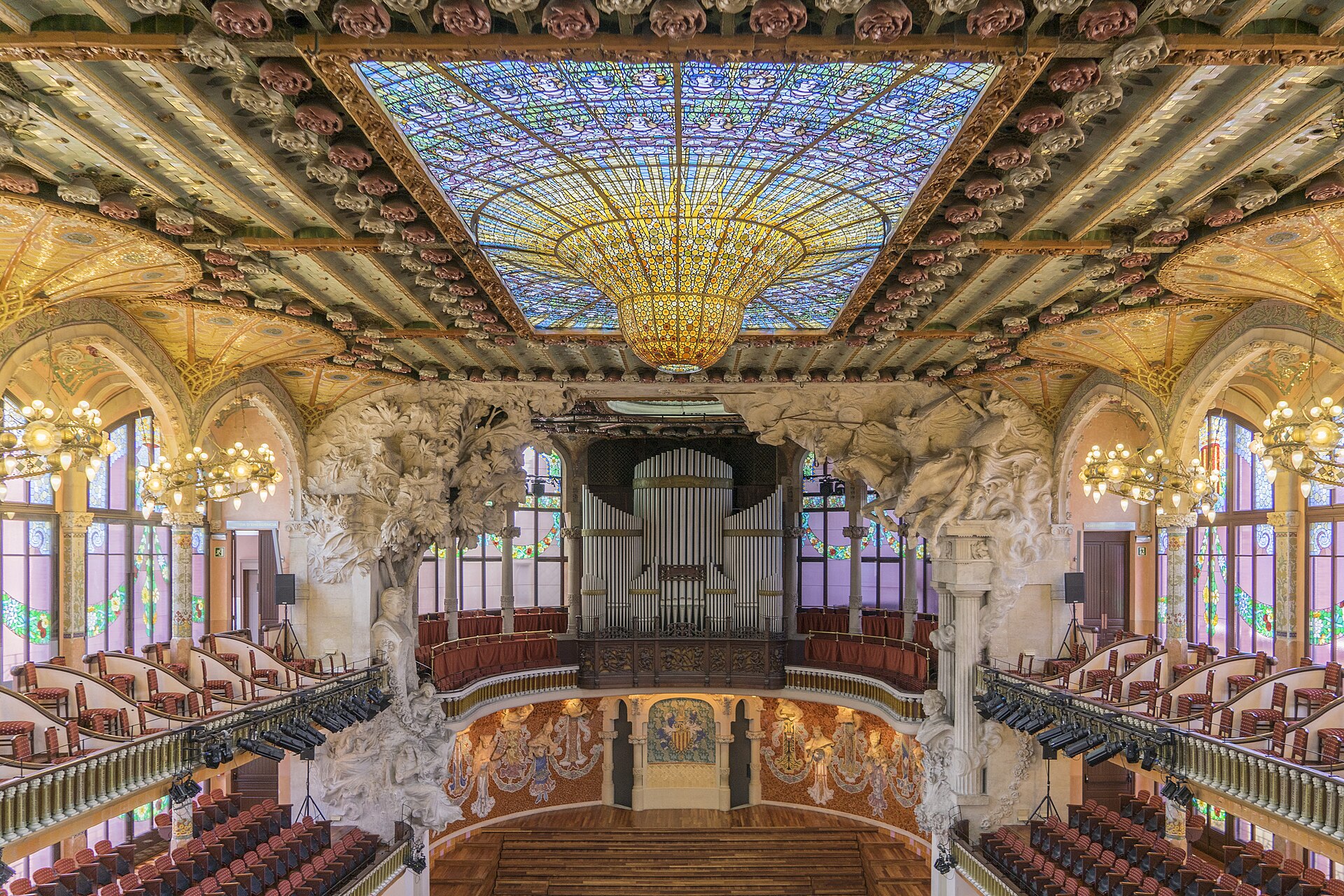
Also by Domènech i Montaner, also UNESCO-listed (1997), and right on the edge of the Gothic Quarter where thousands of tourists walk past it daily without going in. The Palau de la Música Catalana is the only concert hall in Europe designed to be lit entirely by natural light during the day — its central stained-glass skylight floods the auditorium with color.
The daytime guided tour (around 50 minutes) is the best way in if you can’t catch a concert. If you can, book a concert instead — a string quartet or guitar performance under that skylight is one of the great evenings in Barcelona, and tickets are often surprisingly affordable.
6. The Temple of Augustus — Rome, hiding in a courtyard
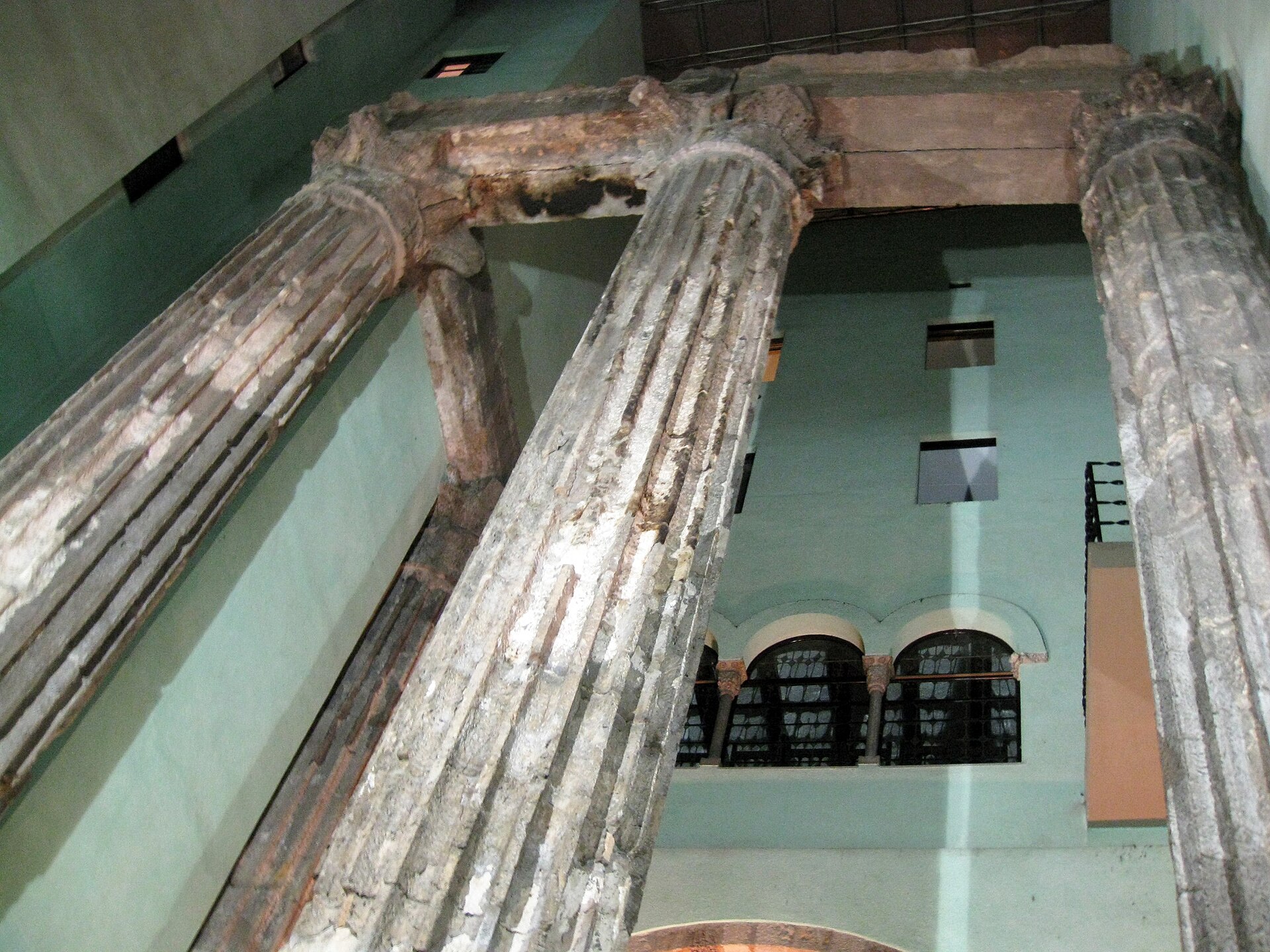
Two thousand years ago, Barcelona was Barcino, a Roman colony — and the core of its temple to Augustus still stands. Walk to Carrer del Paradís 10 in the Gothic Quarter, push open the door of the Centre Excursionista de Catalunya, and there they are in the courtyard: four towering Corinthian columns from a temple built around the end of the 1st century BC, nearly 12 meters tall, preserved by sheer accident inside a medieval building.
Entry is free and it takes ten minutes — but it’s the kind of ten minutes that reframes the whole Gothic Quarter for you. The neighborhood you’re walking through has been continuously inhabited for two millennia, and these columns are the proof. A private guided walk through the Old Town and Gothic Quarter is the best way to find this and the quarter’s other easy-to-miss corners with someone who knows the stories.
7. Gràcia — the village that happens to be in Barcelona
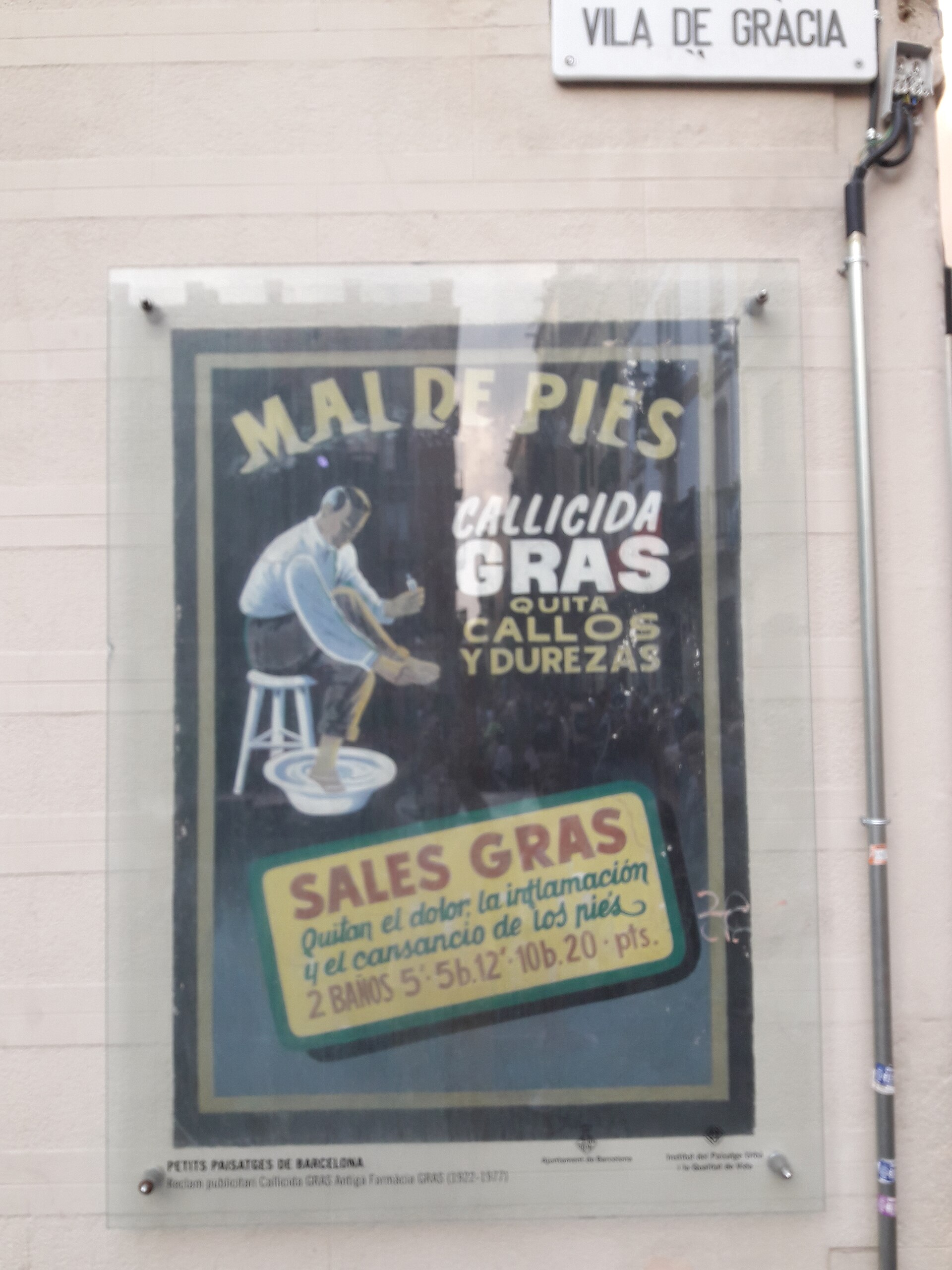
Gràcia was an independent town until Barcelona annexed it in 1897, and it has never quite forgiven the annexation. It still operates like a village: its own plazas (Plaça del Sol, Plaça de la Vila de Gràcia, Plaça de la Virreina), its own festivals, its own fierce identity. Narrow streets, independent shops, and almost no tourist infrastructure — which is exactly why locals love it.
Come on a Sunday around noon for la hora del vermut: the plazas fill with Barcelonans drinking small glasses of cold vermouth with olives and chips, talking about nothing in particular. Pull up a chair, order a vermut (ask for the house pour), and you’re temporarily, wonderfully local. If you’re visiting in mid-August, Gràcia’s Festa Major decorates entire streets with handmade installations — one of the city’s great festivals.
8. Refugi 307 — underground Civil War history
Barcelona was heavily bombed during the Spanish Civil War, and locals dug more than a thousand air-raid shelters. Refugi 307 in Poble-sec is one of the best-preserved: a 400-meter tunnel complex with an infirmary, children’s room, and kitchen, built by the neighborhood’s own residents. Today it’s run by the MUHBA history museum and visited only on guided tours.
Tours run Monday to Saturday by reservation (Sundays at 10:30 in English), cost just €3.50, and last about 45 minutes. It’s a moving, concrete-and-darkness piece of the city’s history that almost no tourist itinerary includes. Book ahead — groups are small and places are limited.
9. Mercat de Sant Antoni — the Sunday collectors’ market
The main Mercat de Sant Antoni reopened in 2018 after a nine-year renovation, and it’s gorgeous — but the real reason to come is Sunday morning, when the streets around it fill with one of Europe’s best flea and collectors’ markets. Books, stamps, coins, vintage comics, old postcards: the Sunday market has been a Barcelona institution for decades.
Combine it with Carrer de Blai in nearby Poble-sec, the street where tiny tapas bars sell pinchos for a couple of euros each — it’s where locals actually eat on weekends. Sunday here is: market browsing, vermouth, lunch. That’s a perfect Barcelona day.
How to fit these into your trip
You don’t need to rearrange your whole itinerary — these gems slot into the gaps. Add the Bunkers at sunset after any northern day (Laberint, Gràcia, Tibidabo). Pair Casa Vicens with a Gràcia afternoon. Walk the Temple of Augustus into any Gothic Quarter morning. Add Sant Pau or the Palau de la Música to your Sagrada Família day, since they’re all in the same part of the city.
For the full picture — where to base yourself, how many days you need, and how to order the essentials — see my Barcelona in 3 Days itinerary, my Madrid in 3 Days itinerary for the perfect Spain pairing, and Porto in 3 Days if Portugal is on your mind too.
Barcelona rewards the traveler who looks twice. The famous sights earned their fame — but these nine are where the city feels like it belongs to you, at least for a little while.