
Porto doesn’t ask for your attention — it takes it. The second city leans into the Douro River in a cascade of terracotta rooftops, blue-tiled churches, and ironwork bridges, with the smell of grilling sardines in the air and port wine aging in cellars across the water. It’s smaller than Lisbon, easier to read, and somehow richer in the details that make a trip memorable. Three days is the sweet spot: enough for the historic core, the port cellars, and one glorious day out in the Douro Valley. If you’re building a wider Portugal trip, pair this with our three-day Lisbon itinerary — the two cities complement each other beautifully.
Never forget a thing before you fly. My free 8-page Travel Planning Checklist walks you through the whole trip — 6 planning timelines, 36 checks, from booking windows to travel-day basics. One email, no spam, unsubscribe anytime.
Disclosure: This post contains affiliate links. If you book through one of these links, I may earn a commission at no extra cost to you.

Day 1: The Historic Center, on Foot
Start where every first-timer should: São Bento station. It’s a working railway station, opened in 1916, and its grand hall is wrapped in some 20,000 azulejo tiles painted by Jorge Colaço — blue-and-white panels that tell the story of Portugal, from battles to royal processions. Admission is free, and arriving early (before 9am) means you’ll have the hall nearly to yourself.
From there it’s a short walk to Livraria Lello, the neo-Gothic bookshop with the famous curved wooden staircase and stained-glass ceiling that regularly lands on “most beautiful bookstores in the world” lists. It works on timed entry now, so buy your ticket (around €8) online in advance — the lines at the door are long and unmoving.
Next, climb the Clérigos Tower, Nicolau Nasoni’s 18th-century baroque spire. The 225-ish steps are narrow and the climb is real, but the terrace view over the old town’s tangle of rooftops is Porto in miniature. A small admission fee applies.
Then wind downhill through the old town to the Sé — Porto Cathedral, perched on Pena Ventosa hill. It’s a Romanesque fortress of a church with a later Gothic cloister lined in azulejos, and the terrace in front gives one of the city’s great first views of the river. If you’ve already done Lisbon’s monuments, you’ll notice the contrast immediately — Porto’s historic center, a UNESCO World Heritage site since 1996, feels more intact, more lived-in.


Finish the day with lunch at Mercado do Bolhão, the recently renovated market hall — seafood, cheeses, presunto, fruit — and a slow afternoon in the Ribeira, the riverside quarter of arcaded houses in gold, rust, and ochre. Grab a table on the waterfront, order a glass of vinho verde, and watch the rabelo boats drift past. As the light softens, walk up to the upper deck of the Dom Luís I Bridge for the sunset view over Porto on one side and Vila Nova de Gaia on the other. The iron span — a double-decker Eiffel-school design — is the city’s defining silhouette.

Day 2: Port Wine Cellars and the Sea
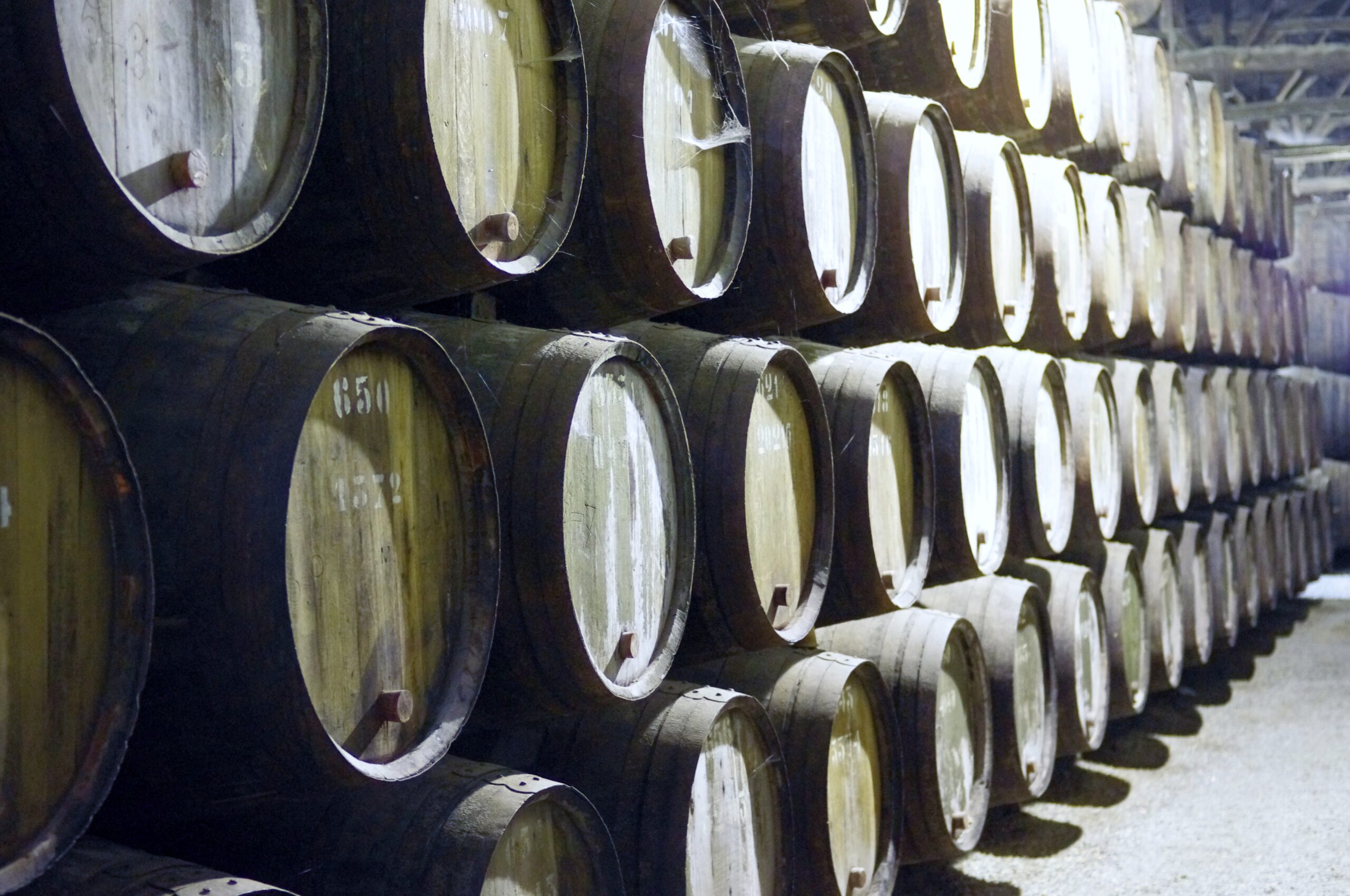
Cross the bridge’s lower deck on foot into Vila Nova de Gaia, the city across the river where every major port house keeps its cellars. Port has been shipped from here for centuries, and the names on the lodges — Sandeman, Taylor’s, Croft, Ferreira — are the history of the trade itself.
Pick one cellar for a proper tour and tasting rather than rushing through three. Taylor’s, founded in 1692, is the classic choice: a self-guided audio tour of its 300-year-old cellars ends with a tasting of three ports — a dry white, a ruby, and a 10-year-old tawny — and an hour here teaches you more about port than a week of reading labels. Tastings run around €10–20 depending on the house.

After lunch along the Gaia waterfront, take tram line 1 (the historic wooden tram) west along the river to Foz do Douro, where the Douro meets the Atlantic. The Foz has a different tempo entirely: a 19th-century lighthouse, waves breaking on the rocks, fishermen’s houses, and some of the city’s best seafood restaurants. Walk the promenade to the lighthouse and stay for sunset — it’s one of Porto’s quiet masterpieces. If the weather’s warm, Matosinhos beach is a short metro ride (Line A) further north, with serious surf and grilled-fish restaurants.
Dinner tonight is for the francesinha — Porto’s infamous dish. Imagine a sandwich stacked with ham, steak, and sausage, buried under melted cheese, drowned in a spicy tomato-and-beer sauce, and served with fries. It’s a glorious, heavy, wet monument to indulgence. Splitting one is socially acceptable; ordering your own is a commitment.
Day 3: The Douro Valley
Day three belongs to the oldest demarcated wine region in the world. The Douro Valley — a UNESCO World Heritage site — is a landscape of terraced vineyards carved into schist hillsides along the river’s bends, about 100km inland. You have two good options:
The guided tour is the easy, complete choice: a full-day (~10 hour) Douro Valley tour with two winery visits, a traditional lunch, and a river cruise from Pinhão. You skip the driving (the valley roads are beautiful but winding), someone else handles the tasting-pour pacing, and the 50-minute rabelo cruise shows you the terraces from water level.
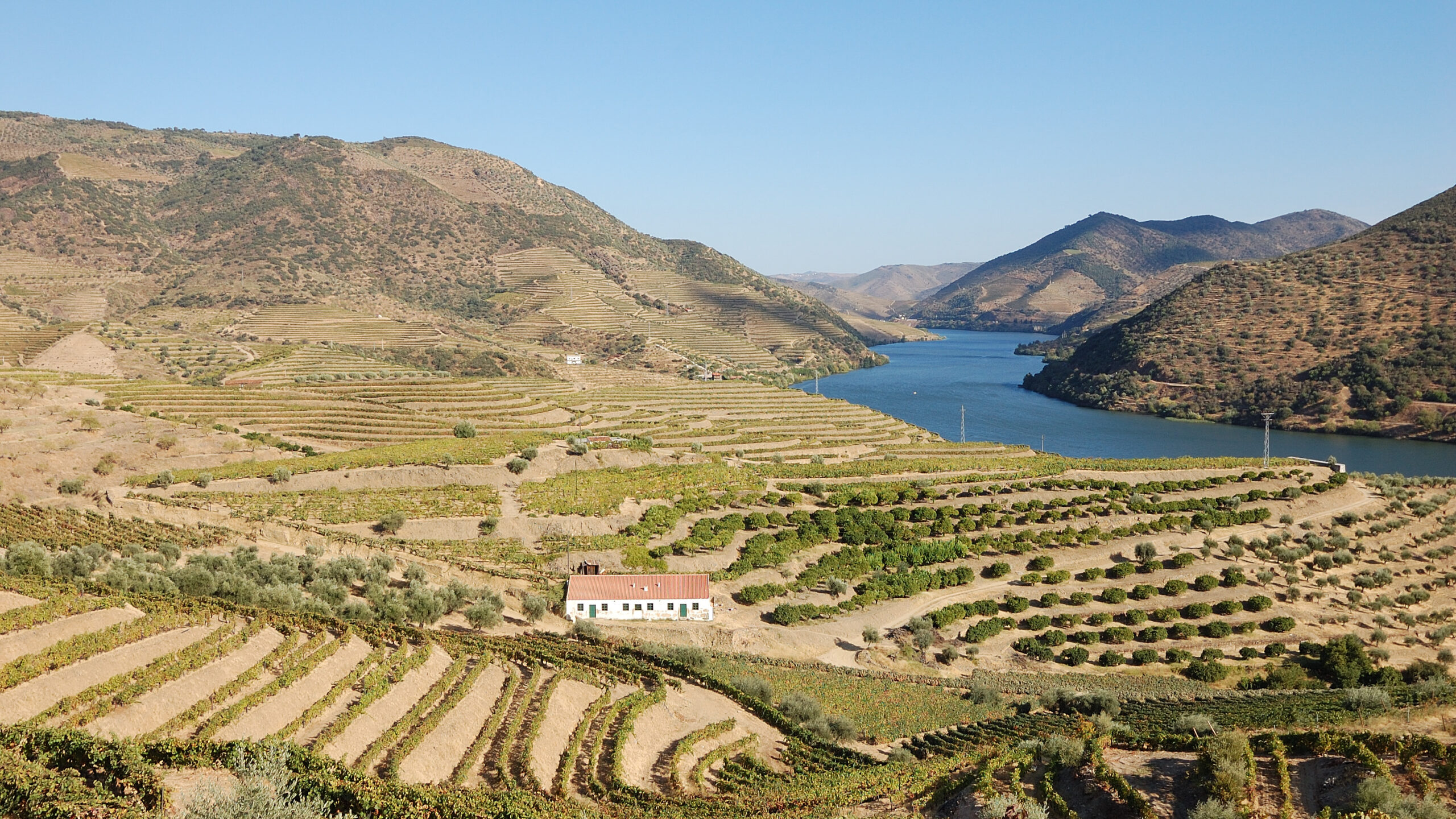
The DIY train is the budget romantic option: the Douro Line runs from São Bento station to Pinhão, about 3 hours 20 minutes each way, with single tickets typically under €15. Sit on the right side leaving Porto for river views, and don’t miss Pinhão’s own station — its azulejo panels are a destination in themselves. Book winery tastings in advance if you go this way, since the valley’s quintas aren’t built for drop-ins.
Either way, you’re back in Porto by evening — ideally in time for one more glass of port and a final stroll along the Ribeira.
How much does 3 days in Porto actually cost?
Prices are typical 2026 ranges for one person, excluding flights — expect the top end in May, June, and September.
| Per day (one person) | Budget | Mid-range | Comfortable |
|---|---|---|---|
| Accommodation | €30–55 | €90–150 | €220+ |
| Food & drink | €25–40 | €50–80 | €100+ |
| Sights & tours | €10–20 | €20–35 | €40+ |
| Transport | €5–10 | €10–15 | €20+ |
| Daily total | €70–125 | €170–280 | €380+ |
Livraria Lello: the slot strategy
You cannot just walk in anymore — timed tickets (~€8) are required, booked online. Here is the part most guides bury: the ticket is a voucher deductible from any book you buy, so if you were going to buy a book anyway, entry is effectively free. Book the 9:30am opening slot; by 11am the line wraps around the block.
Rainy-day swap for Porto
If rain is forecast for Day 3, do not spend €100+ on a Douro Valley tour in fog — you will see mist, not vineyards. Swap it for interiors instead: the Palácio da Bolsa guided tour, the gilded Igreja de São Francisco, and a port lodge tasting in Gaia. Watching the rain move across the Douro from a lodge window, glass in hand, is one of Porto’s great pleasures anyway.
What I’d skip if you’re tired
The Clérigos Tower climb — 225 narrow steps — if your knees are done after two days of hills. The views from the Vitória viewpoint and the cathedral terrace are nearly as good, and they are free.
Practical Notes for Porto
- Getting in: Francisco Sá Carneiro Airport is 11km from the center. Metro Line E (violet) reaches Trindade/Bolhão in about 30 minutes for roughly €2.50–3. Taxis run ~€25–35; Uber/Bolt closer to €15–22.
- Shoes matter: the historic center is walkable but steep — cobbles, stairs, and hills are the terrain. Comfortable shoes are non-negotiable.
- Best months: May–June and September are the sweet spot — mild, fewer crowds. June 23–24 brings the São João Festival, Porto’s biggest party, with grilled sardines, hammer toys, and fireworks over the river. Harvest season in the Douro (September–October) is magical if you can time day three for it.
- How long: three days covers the essentials well. A fourth day buys you Aveiro (the “Venice of Portugal,” about an hour south by train) or Guimarães, the medieval birthplace of Portugal — or simply a slower second pass through the cellars.
Porto rewards the unhurried traveler. Sit a little longer with that second glass of tawny. Climb one more viewpoint. The city will handle the rest — it has been perfecting the art of the long, good afternoon for centuries.