
Most first trips to Osaka follow the same loop: the castle in the morning, the Dotonbori canal and its running-man sign by night, the Umeda Sky Building in between. Those places earn their crowds — but they are only the city’s front room. Osaka keeps its best self in the back streets: a moss-covered statue one block from the neon, a pre-war shopping street, a shrine older than Buddhism’s arrival in Japan, and a mountain temple carpeted in red dolls.
Never forget a thing before you fly. My free 8-page Travel Planning Checklist walks you through the whole trip — 6 planning timelines, 36 checks, from booking windows to travel-day basics. One email, no spam, unsubscribe anytime.
This guide collects ten of those places. Some are genuine local secrets; a couple are famous with Japanese visitors but overlooked by international travellers, and I flag the difference honestly. Pair this list with my Osaka in 3 Days itinerary for the headline sights.
Disclosure: This post contains affiliate links. If you book through one of these links, I may earn a commission at no extra cost to you.
1. Nakazakicho: Osaka’s pre-war time capsule
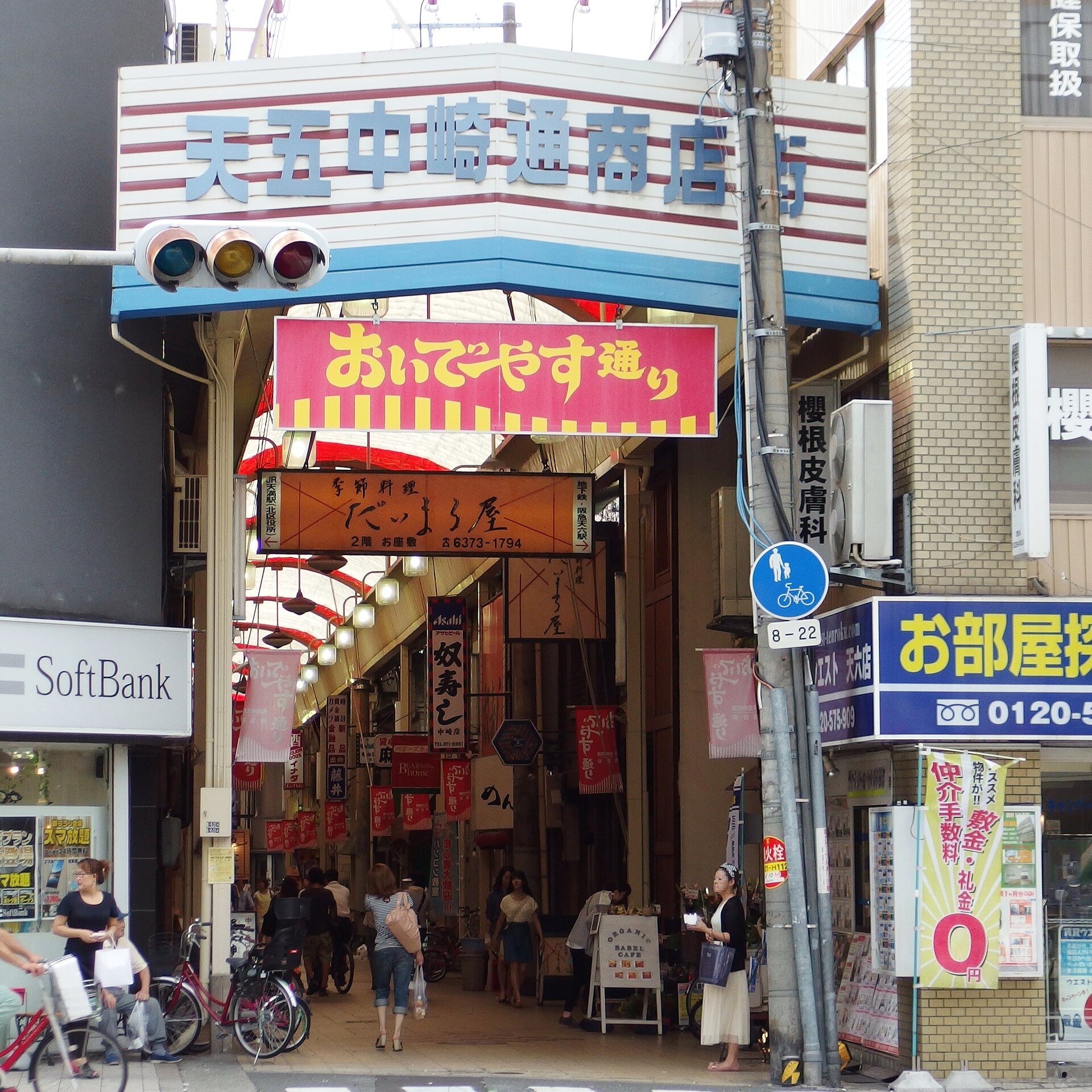
Ten minutes’ walk from the towers of Umeda, Nakazakicho is a grid of narrow lanes lined with wooden row houses and Showa-era homes that escaped the worst of the wartime air raids. Instead of being redeveloped, the old houses have quietly become independent cafes, old-fashioned kissaten coffee shops, vintage clothing stores, and tiny galleries.
There is no single sight here, and that is the point. Come on a weekday late morning and wander. Most shops open around 11:00, close by 20:00, and many take a weekday off. Nearest station: Nakazakicho on the Tanimachi Line. One request: it is a living residential area, so keep voices down.
2. Hozenji Temple and Hozenji Yokocho: a moss statue one block from Dotonbori
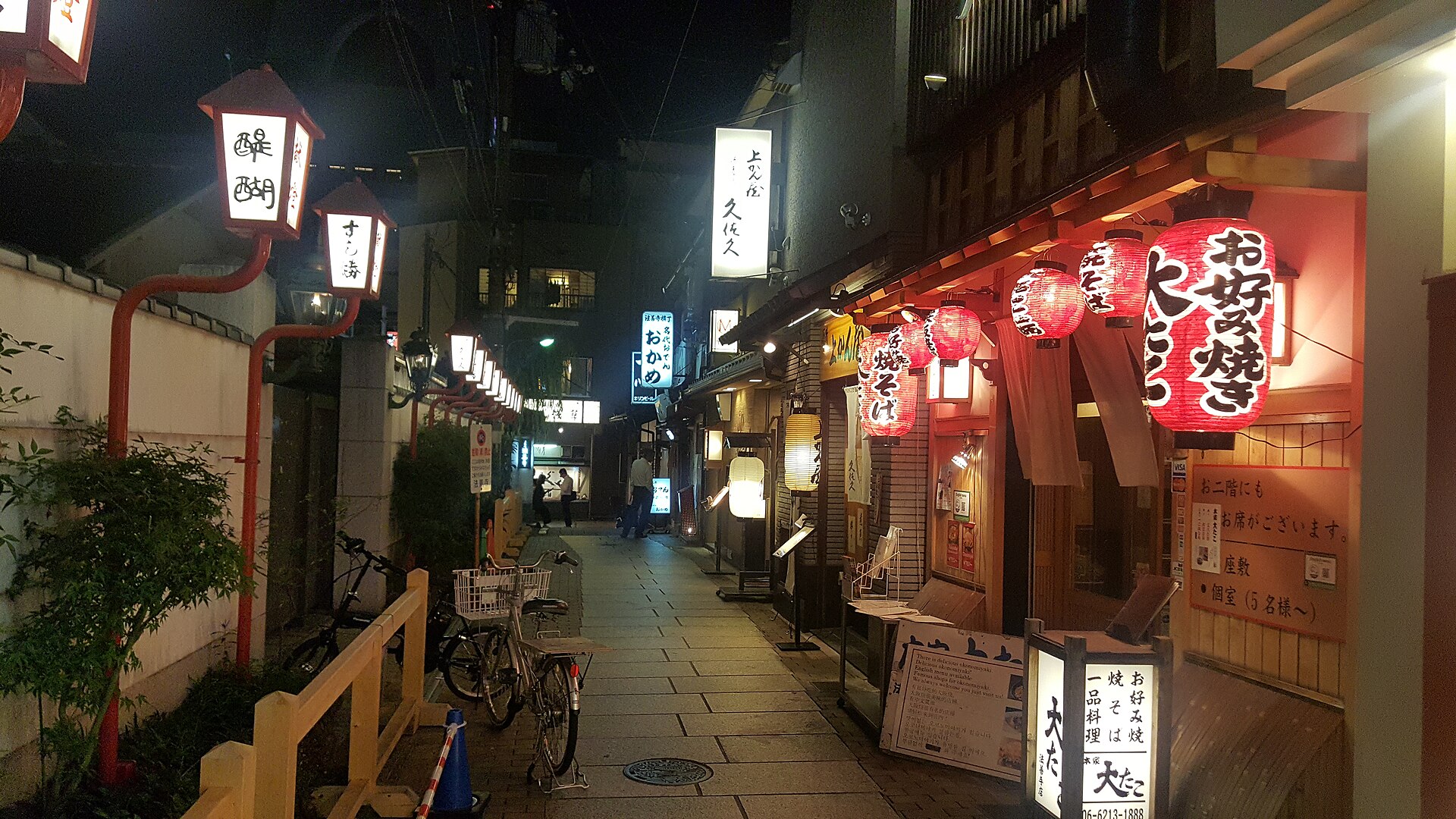
Walk one block south of the Glico sign and the noise drops away. Hozenji is a tiny Buddhist temple that moved to this site in 1637. Its treasure is the Mizukake Fudo statue — a fierce-faced deity now completely covered in green moss, because generations of visitors have splashed water over it while praying. The statue was the temple’s only survivor of the 1945 air raid.
Beside the temple runs Hozenji Yokocho, two stone-paved, lantern-lit alleys totalling about 80 metres, lined with small restaurants and bars. The grounds are free and open around the clock; come early morning for near-silence, or early evening when the lanterns come on.
3. Janjan Yokocho: Shinsekai’s locals-only arcade
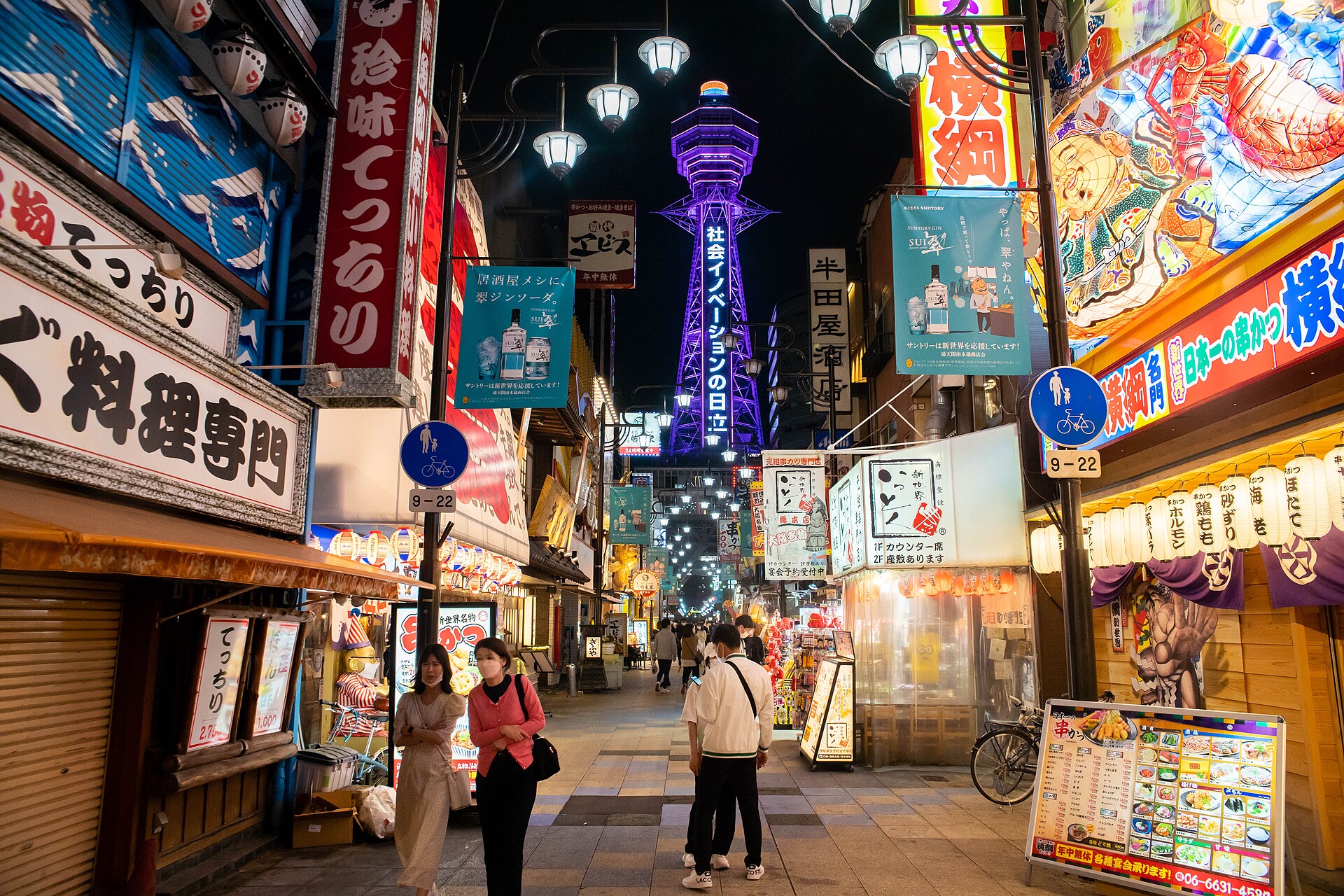
Shinsekai’s main drag, with its tower and giant signs, is firmly on the tourist trail. Its southern end is not. Janjan Yokocho is a covered arcade barely 2.5 metres wide and roughly 180 metres long, packed with tiny kushikatsu counters, standing bars, retro shooting galleries, and go and shogi clubs where local players sit behind the glass.
Order skewers, follow the one sacred rule — no double-dipping in the shared sauce pot — and expect cash, handwritten menus, and very little English. That is the charm. The arcade starts two minutes from Dobutsuen-mae Station and is liveliest from late afternoon. If the menus intimidate, a guided Shinsekai food tour through counters like these — fifteen dishes across five eateries — is the easiest way in.
4. Nakanoshima and Kitahama: the riverside island nobody visits
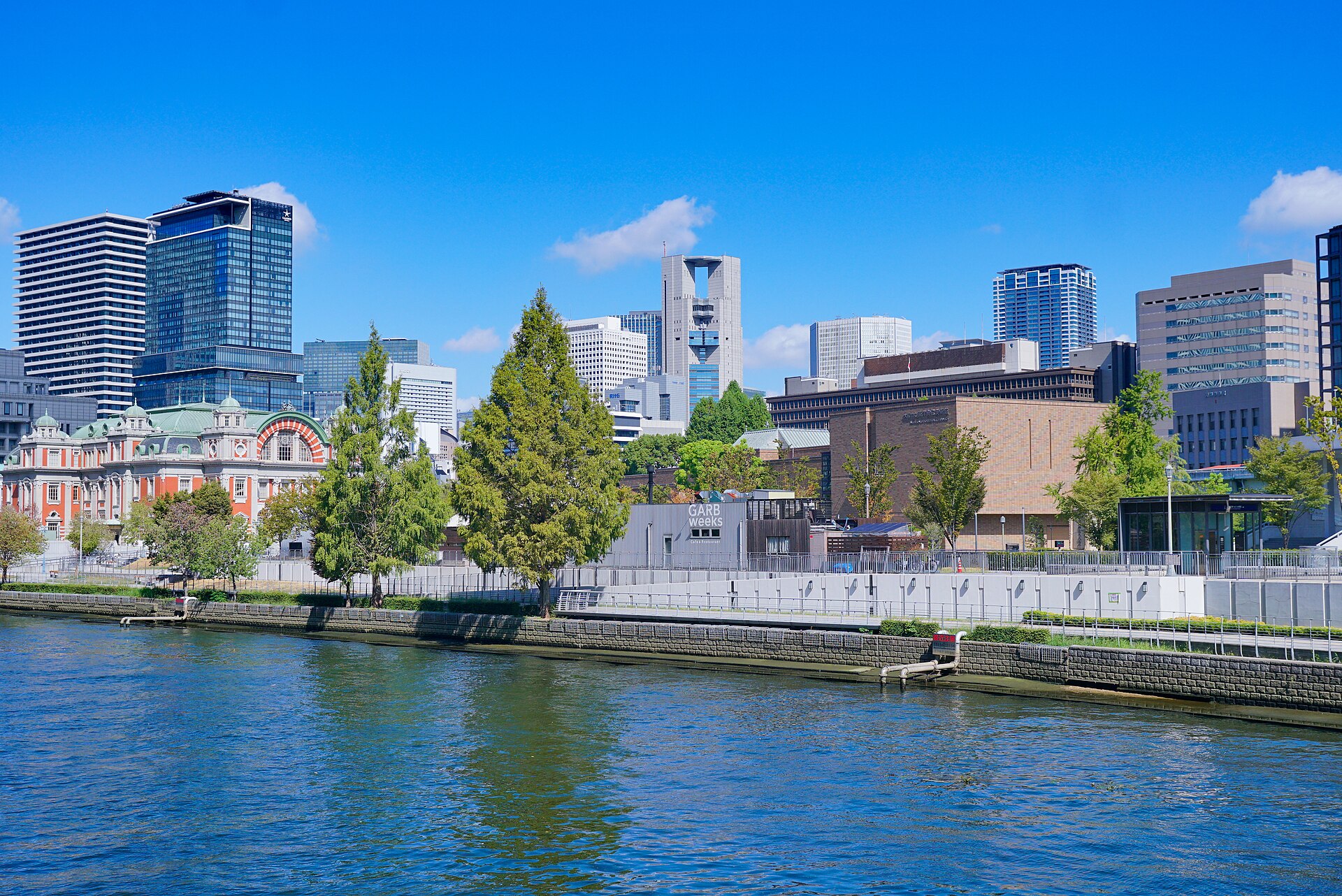
Between Osaka’s two rivers sits a slim island most visitors cross without noticing. Nakanoshima is the city’s civic heart: a 1.5-kilometre riverside walk past the red-brick Central Public Hall of 1918 and the prefectural library to the National Museum of Art and the Osaka Science Museum, side by side at the west end. Collection entry at the art museum is just ¥430; the science museum’s exhibits are ¥400.
At the east end, the Nakanoshima Rose Garden holds around 3,700 rose bushes across some 310 varieties — free, open at all hours, best in mid-May and mid-October. Across the river in Kitahama, retro bank buildings now house riverside terrace cafes. Weekday mornings are best.
5. Tennoji Park: a renovated museum and a merchant’s garden
Everyone knows Abeno Harukas, the tower above Tennoji. Almost nobody goes into the park at its feet. Two quiet treasures hide here. The Osaka City Museum of Fine Arts, open since 1936, holds some 8,700 works of Japanese and Chinese art and reopened in March 2025 after a long renovation; the permanent collection costs ¥500. Next door, Keitakuen is a pond-stroll garden completed in 1921 for the Sumitomo family — entry ¥300, with a combined museum ticket available.
Both close on Mondays. Go on a weekday morning, museum then garden, and finish with a picnic on the Tenshiba lawn.
6. Sumiyoshi Taisha: one of Japan’s oldest shrines
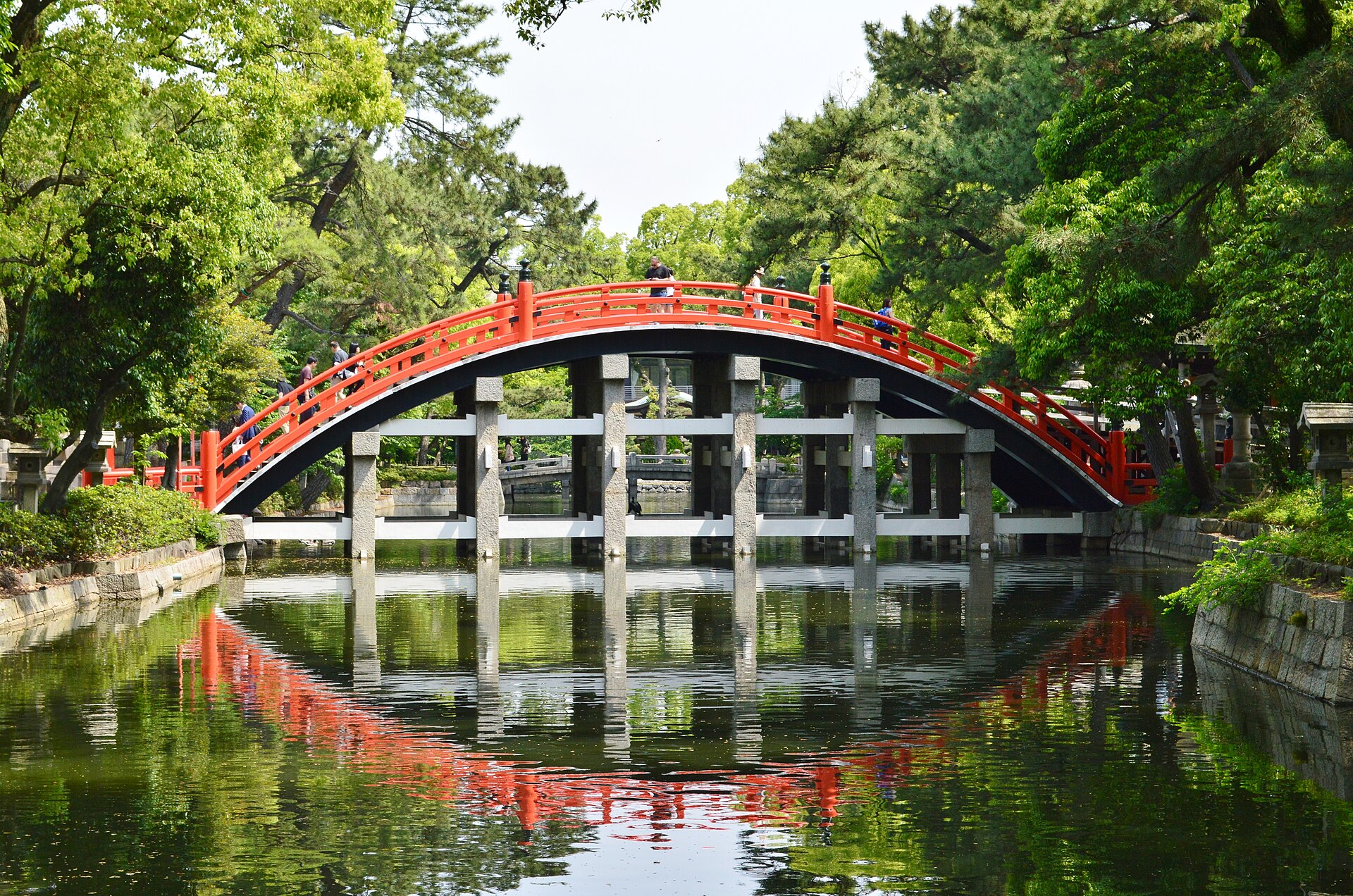
By tradition founded in 211 AD — before Buddhism reshaped Japanese religion — Sumiyoshi Taisha is the head shrine of more than 2,000 Sumiyoshi shrines across Japan. Its four main halls are National Treasures in Sumiyoshi-zukuri style, among the oldest shrine architecture in the country. You enter over the Sorihashi, a steep vermilion arched bridge.
The shrine is free and opens early — from 6:00 in the warmer months, 6:30 in winter, closing at 17:00. Ride the Nankai Main Line from Namba about ten minutes to Sumiyoshitaisha Station, but take a local train: the expresses sail straight past. One honest warning — “hidden” does not apply at New Year, when over two million people come for their first shrine visit of the year. On an ordinary weekday morning, you may share the grounds with a handful of locals.
7. Katsuo-ji: the temple of 10,000 Daruma dolls
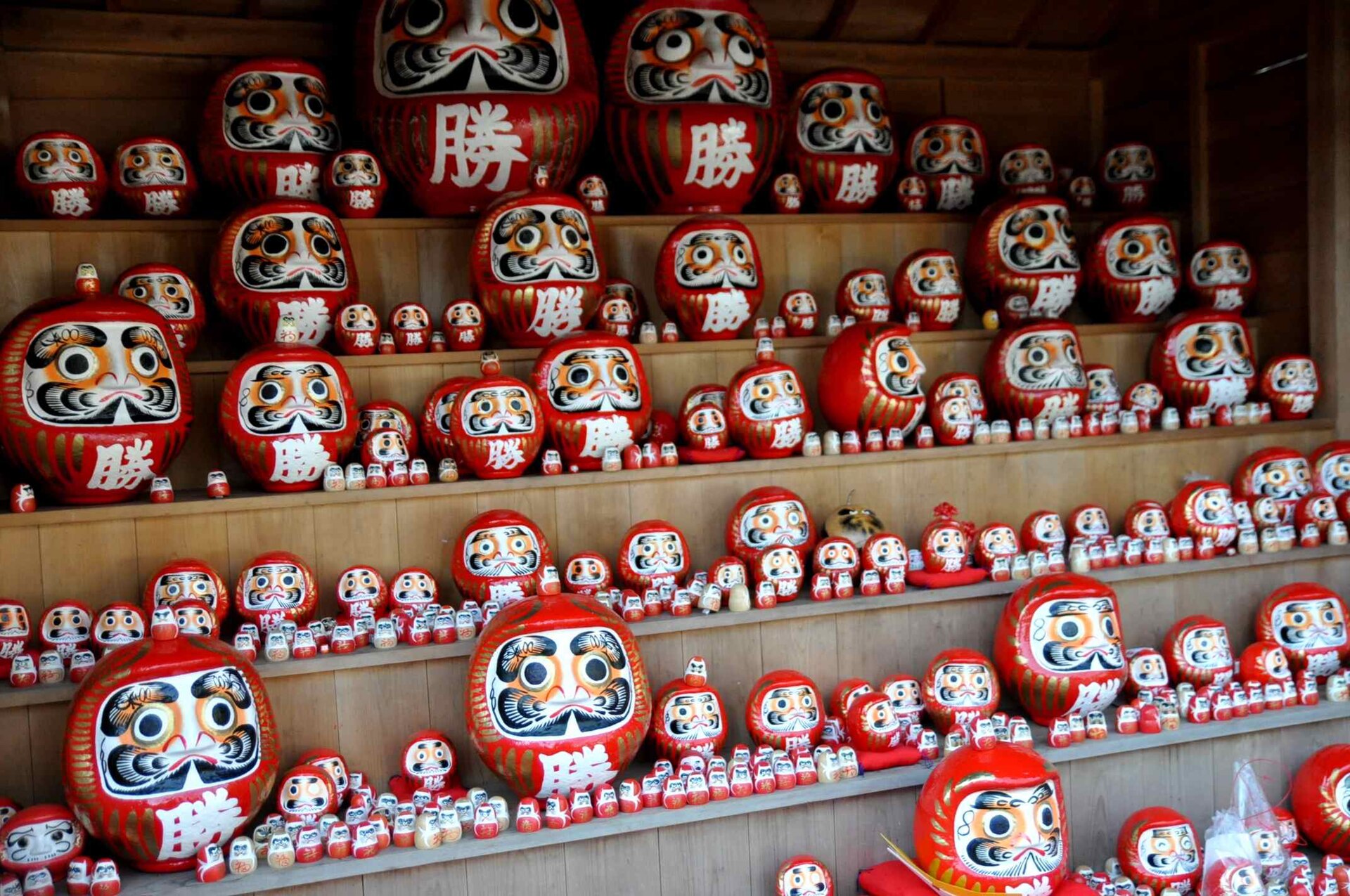
High in the hills of Minoh, about 40 minutes north of central Osaka, Katsuo-ji is the Temple of Victory — katsu means “to win.” Visitors buy a red Daruma doll, paint in one eye while wishing for an exam, a job, a match, paint in the second when it comes true, and leave the doll at the temple. Thousands now line the steps, railings, and pond edges.
Admission is ¥500; grounds open at 8:00. The honest caveat: this one is rising fast on social media, and weekend buses from Minoh-Kayano Station queue badly. Go at opening on a weekday, and check the return bus before you head up.
8. Minoh Falls: a waterfall walk at the end of the subway’s world
Katsuo-ji pairs naturally with Minoh Park, in the valley below. From Minoh Station, a paved riverside trail climbs gently for about 2.8 kilometres — 40 to 50 minutes — to Minoh Falls, a 33-metre curtain of water in a forested gorge. The park is free and always open.
Along the way, try the local oddity: momiji tempura, maple leaves fried in sweet batter, sold in autumn near the station. Wild monkeys live in these woods — admire them from a distance and never offer food; they are known bag-snatchers. Autumn weekends are busy, so treat this as a weekday-morning walk.
9. Expo ’70 Park: the Tower of the Sun, up close
In 1970 the world’s fair came to the hills of Suita. The Expo Commemorative Park is now a vast landscaped park of gardens, flower hills, and museums, watched over by Taro Okamoto’s Tower of the Sun — a 70-metre figure with three faces: gold for the future, the front face for the present, black for the past.
The tower’s surreal interior, closed for decades, reopened in March 2018; climb inside past the Tree of Life for ¥720 — advance online reservation only, and weekend slots sell out. The park closes on Wednesdays outside peak seasons. If your trip also includes Universal Studios Japan across the bay — Osaka’s modern fairground — treat its date-specific tickets the same way and book ahead.
10. Ohatsu Tenjin: the love shrine hidden in Umeda’s bar streets
End where the crowds begin. Tucked inside the bar lanes of Sonezaki, five minutes from Umeda Station, Ohatsu Tenjin — formally Tsuyu no Tenjinja — is a small shrine with a famous story: it was the real-life setting of Chikamatsu’s 1703 puppet play The Love Suicides at Sonezaki. The lovers Ohatsu and Tokubei are remembered here in bronze, in heart-shaped prayer plaques, and in the koi-mikuji, a ¥200 fortune slip that looks blank until you float it on water and the words bloom.
The grounds are free, open early morning to late evening; the shrine office runs 9:00 to 18:00. Come before 8:00, when the nightlife streets around it are asleep.
How to fit Osaka’s hidden gems into your trip
Group them geographically and they slot into any itinerary. Nakazakicho and Ohatsu Tenjin make a gentle Umeda half-day. Hozenji belongs inside a Dotonbori evening; Janjan Yokocho pairs with Tennoji Park. Sumiyoshi Taisha is a standalone morning. Katsuo-ji and Minoh Falls combine into one nature day, and Expo ’70 deserves its own half day.
Two easy extensions round out a Kansai trip. Kyoto is 15 minutes by special rapid train — start with my Kyoto in 3 Days itinerary. Nara’s bowing deer are the classic day trip, and a guided day trip from Osaka pairs Nara Park with Fushimi Inari’s torii gates and the Arashiyama bamboo grove in one loop. And do give the castle its morning — a guided Osaka Castle walking tour with skip-the-line tower admission is the way to see it properly. If hidden corners are your favourite way to travel, my Tokyo hidden gems guide applies the same logic to the capital.
The headline sights are worth your time — just do not let them be all of it. Osaka rewards anyone willing to walk one block further.