
Madrid doesn’t seduce you the way Barcelona does. There’s no beach, no Gaudí, no instant postcard. What Madrid has is something slower and better: the confidence of a capital that knows it’s worth your time. This is the city where Spain’s greatest art lives, where the royal family still throws its state inners, where dinner starts at ten and the light at sunset does things that make photographers stop mid-sentence. Three days is the sweet spot for a first visit: one day for royal Madrid, one for the museums, and onefor the neighborhoods — with an option to trade that third day for one of the great day trips in Europe. Here’s how to do it right.
Never forget a thing before you fly. My free 8-page Travel Planning Checklist walks you through the whole trip — 6 planning timelines, 36 checks, from booking windows to travel-day basics. One email, no spam, unsubscribe anytime.
Disclosure: This post contains affiliate links. If you book through one of these links, I may earn a commission at no extra cost to you.
Before You Go: 5 Things First-Timers Should Know
Book the Royal Palace and Prado ahead. The palace’s ticket lines can stretch long in high season, and timed tickets for the Prado sell out on busy weekends. A skip-the-line guided tour of the Royal Palace and a skip-the-line Prado tour both buy you something precious in a 3-day trip: time.
Eat on Spanish time. Lunch around 1:30 or 2, dinner rarely before 9 or 10. Trying to sit down for a proper dinner at 6:30pm will mark you as a tourist faster than anything else — and the best tapas bars are just getting going at 9.
Madrid is Spain’s hottest capital in summer — literally. It’s also the highest capital city in the EU at 667 meters above sea level, which gives it that famously clear light but also searing July and August heat (regularly 35–40°C). Spring and fall are the golden windows.
The center is remarkably walkable. Most of this itinerary sits within about 20 minutes of Puerta del Sol. The metro is clean, fast, and cheap for everything else.
Siesta is real but misunderstood. Small shops may close mid-afternoon, but museums and major sights stay open. Plan your big sights for the middle of the day and your neighborhood wandering for the evening.
Day 1: Royal Madrid — The Palace, Plaza Mayor & Tapas in La Latina
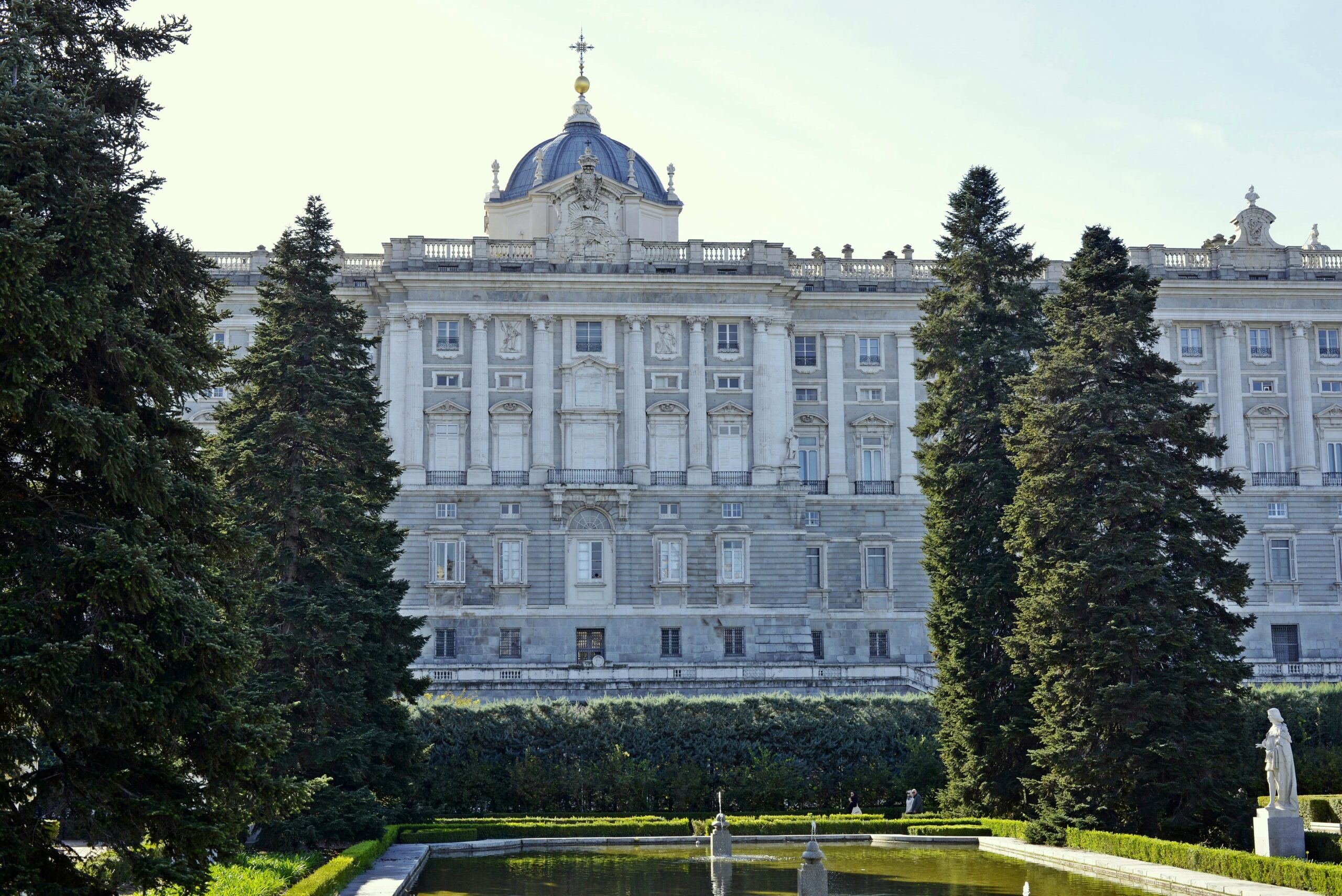
Start at the western edge of the old city, at the Palacio Real — the largest functioning royal palace in Western Europe, with 3,418 rooms across 135,000 square meters. The Spanish royal family actually lives at the more modest Zarzuela Palace on the outskirts; this one is kept for state ceremonies, which means you get to walk through the Throne Room, the Banquet Hall, and the Royal Armory — home to one of the world’s finest collections of armor, including pieces that belonged to Emperor Charles V. Admission starts at around €18; going with a skip-the-line guided tour of the Royal Palace is worth it here, because the rooms blur together without someone explaining whose ego built which ceiling.
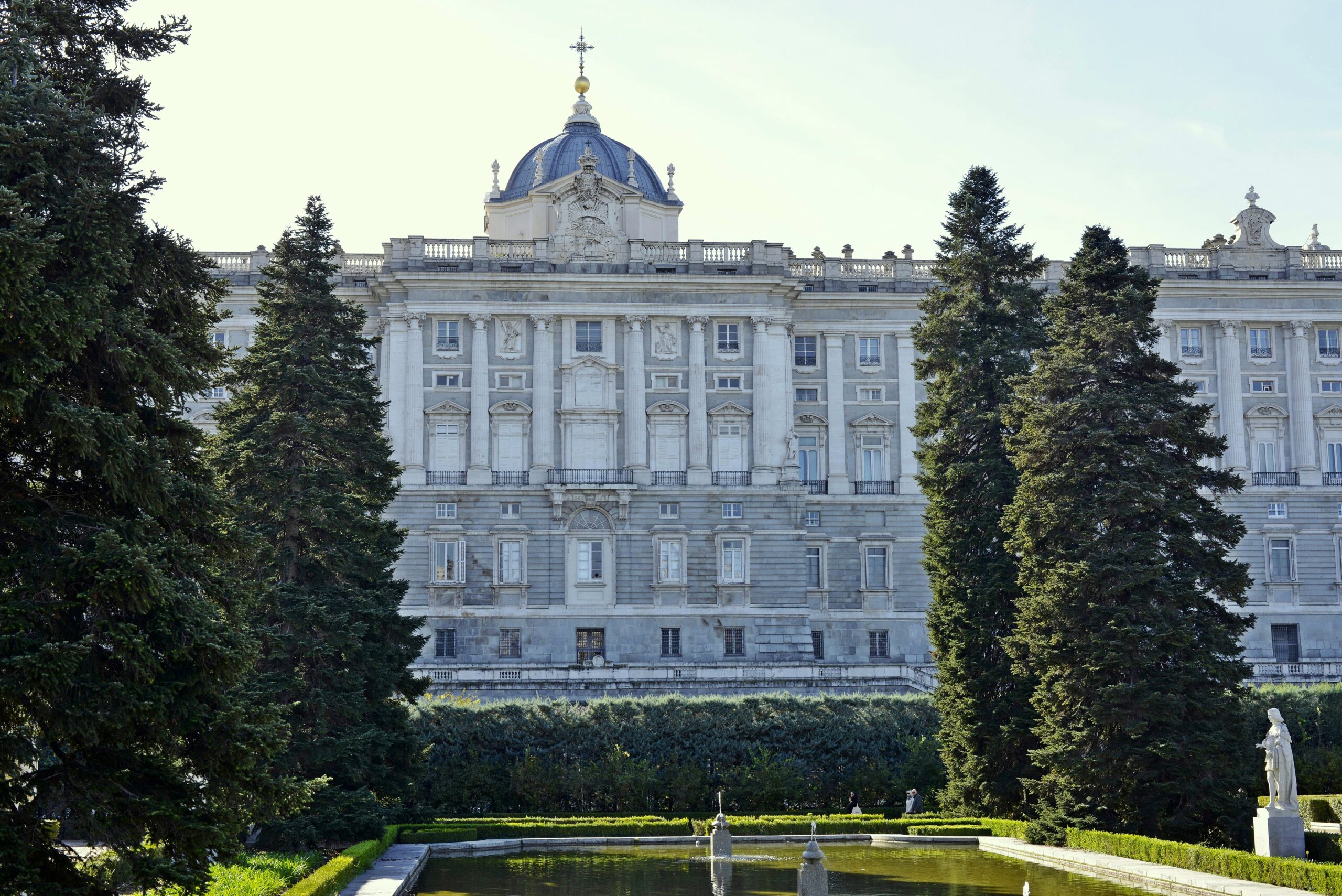
Afterward, stroll through the Sabatini Gardens just north of the palace — formal, geometric, free — then cut across to the Almudena Cathedral, the surprisingly young cathedral (consecrated in 1993) that sits right beside the palace. Its colorful, modern interior surprises everyone expecting another dark Gothic nave.
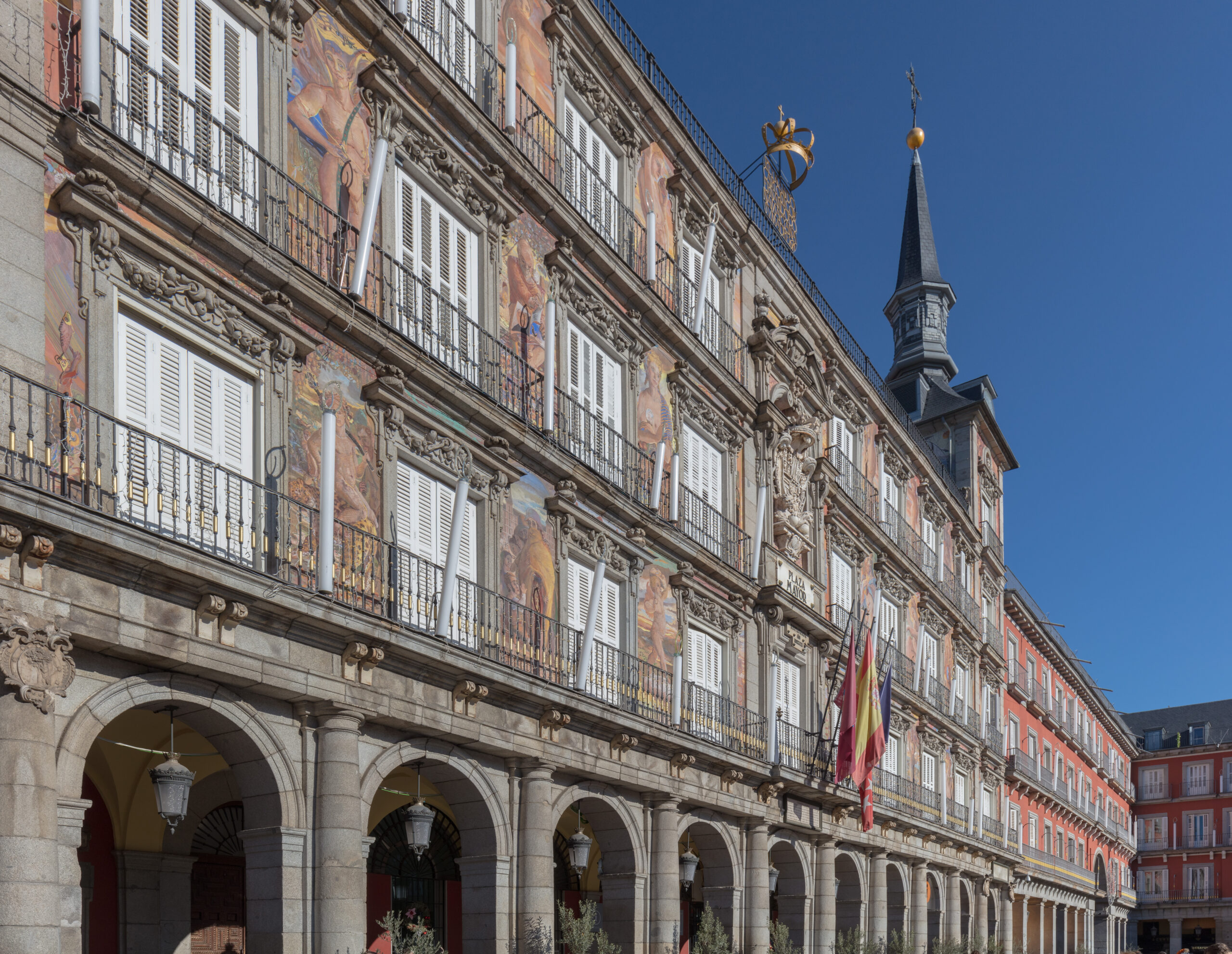
Walk east along Calle Mayor to Plaza Mayor, Madrid’s grand 17th-century arcaded square, ringed by 237 balconies and anchored by the bronze equestrian statue of Philip III. Yes, the restaurants on the square are touristy — have a caña (small beer) and people-watch anyway, then eat elsewhere. From here it’s a short walk to Puerta del Sol, literally kilometer zero: the plaque in the pavement marks the point from which all distances in Spain are measured. This is where madrileños gather every New Year’s Eve to eat twelve grapes at midnight to the clock tower’s chimes.
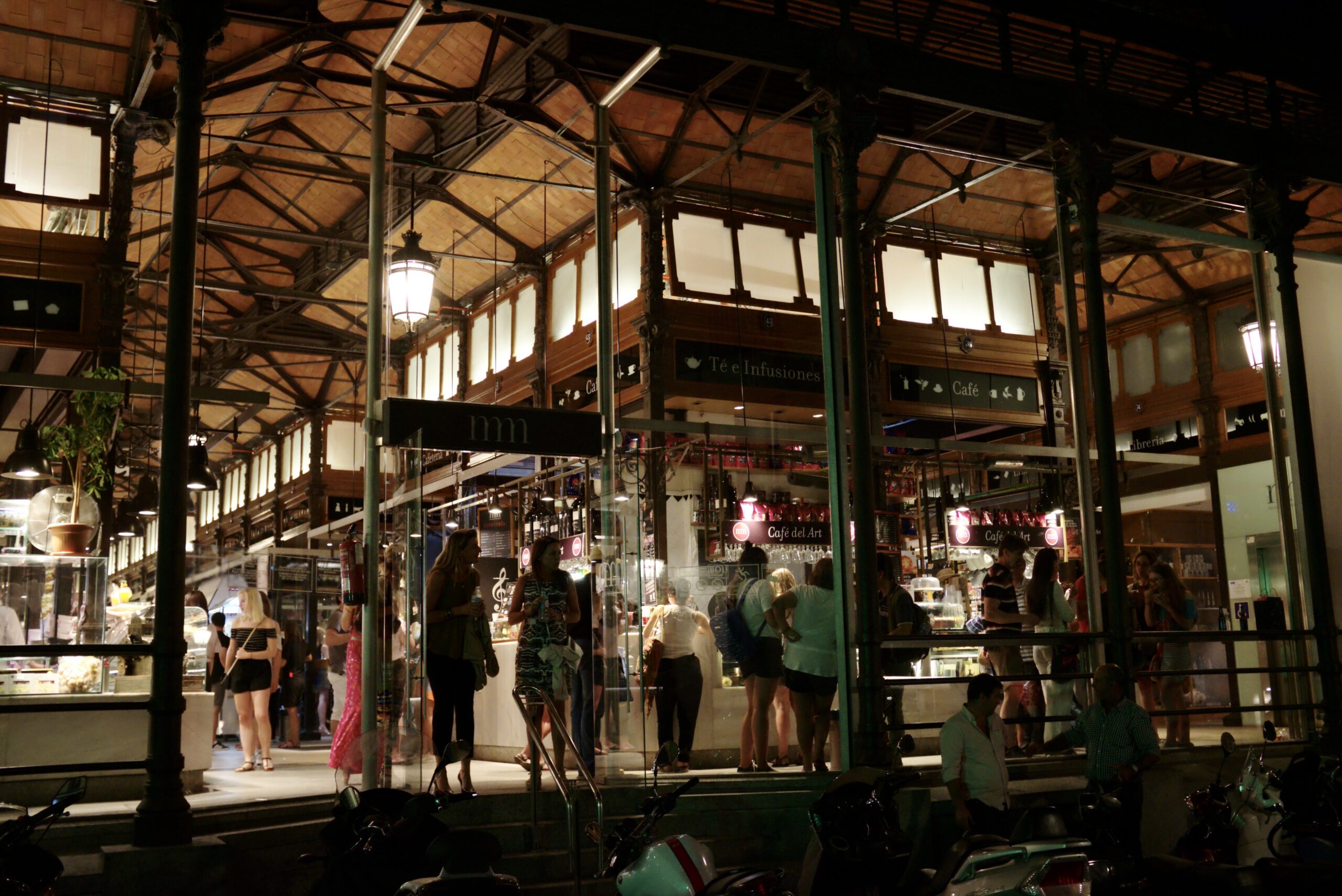
For lunch, graze at Mercado de San Miguel, the gorgeous iron-and-glass market a block from Plaza Mayor. It’s built for tasting: jamón ibérico by the plate, oysters, vermouth on tap. Come hungry, leave grazing.
Spend the late afternoon wandering La Latina, Madrid’s oldest neighborhood — a tangle of narrow streets that on Sunday mornings hosts El Rastro, the city’s famous flea market. Stay for the evening, because this is tapas country. The ritual is simple: one drink, one tapa, next bar. Calle Cava Baja is the main artery, lined with dozens of tiny bars each famous for one thing — mushrooms here, tortilla there, grilled octopus around the corner.
Day 2: The Art Day — Prado, Retiro & Guernica
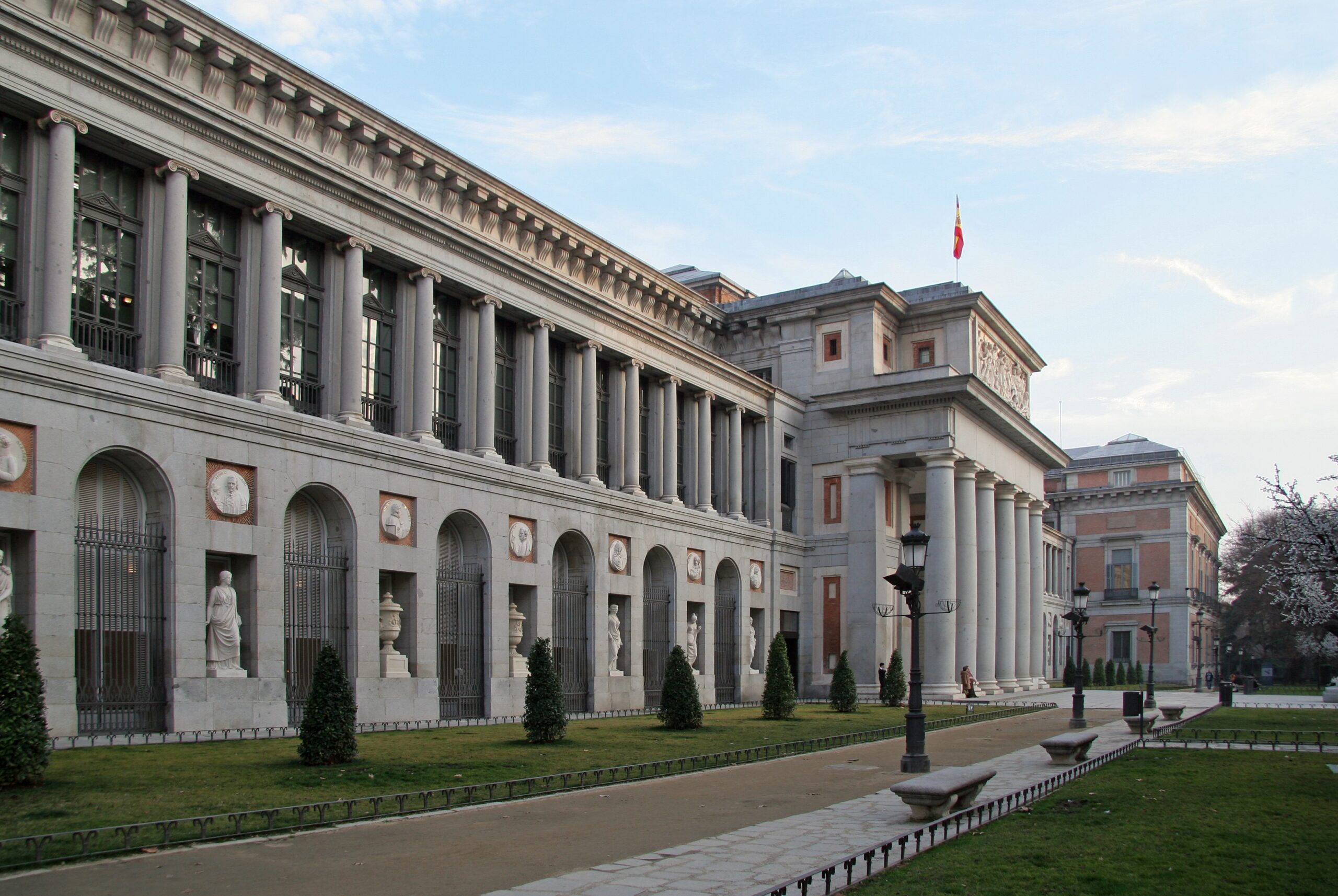
No first trip to Madrid is complete without the Museo del Prado, one of the three or four greatest art museums on earth. The collection grew out of the Spanish royal collection, so it’s heavy on exactly what you’d hope: Velázquez’s Las Meninas (room 12, and yes, it’s worth the hype), Goya’s Black Paintings, Bosch’s The Garden of Earthly Delights, and rooms of El Greco and Rubens. General admission is €15, and the museum is free for everyone in the last two hours of opening (Mon–Sat 6–8pm, Sundays and holidays 5–7pm) — though the free window draws long lines, so a skip-the-line Prado tour or a timed ticket is the smarter move when you only have three days. Give it at least two to three hours; art lovers could lose a full day.
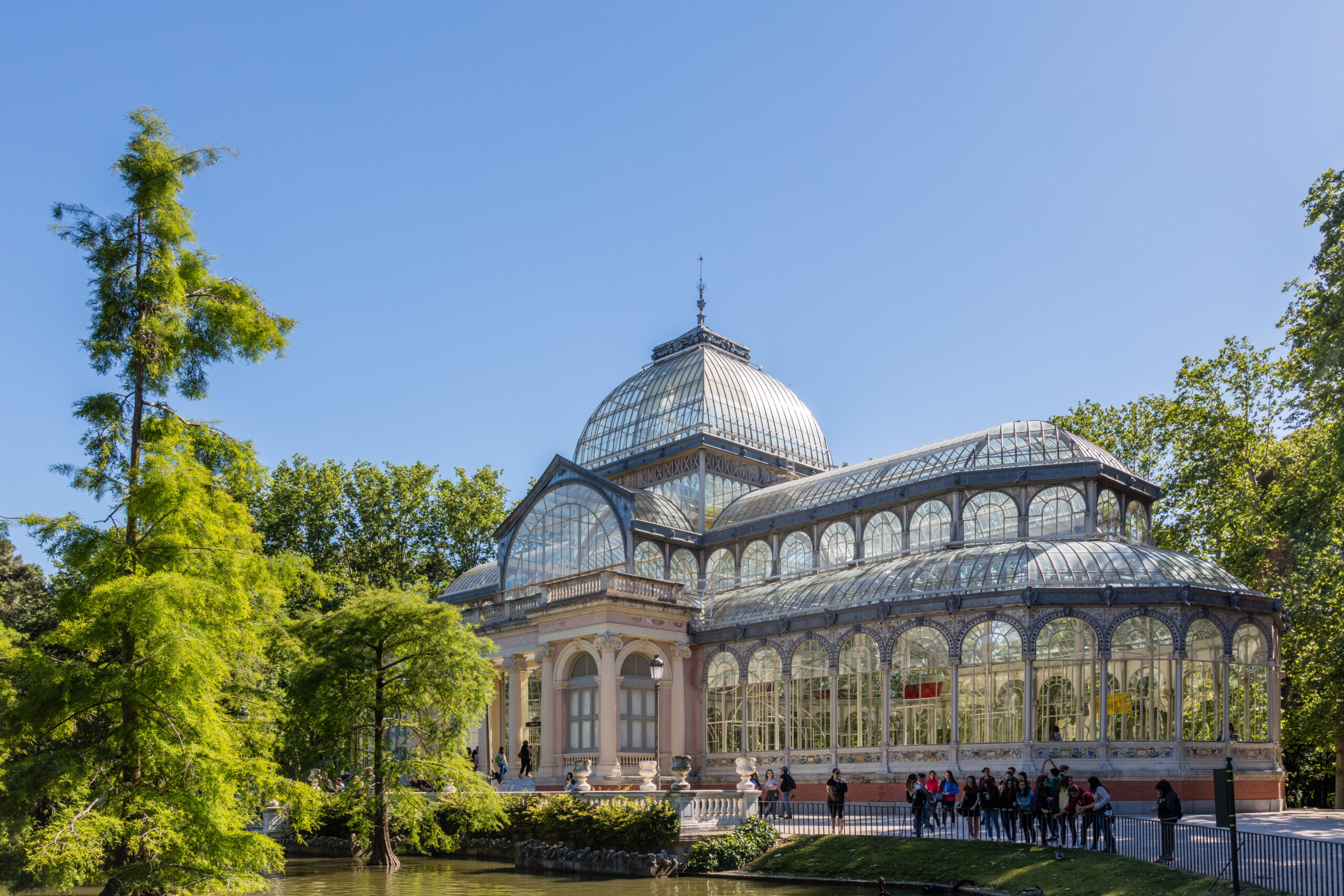
When your eyes need a rest, walk straight into Retiro Park, right behind the museum. This was the royal family’s private playground until 1868, and it’s still Madrid’s green lung: 125 hectares of gardens, the glass Crystal Palace (built in 1887 to house exotic plants, now an exhibition space), and the great Estanque lake, where you can rent a rowboat for €6 for 45 minutes. Find a bench, watch the street performers, and let the Prado settle.
In the afternoon, cross to the Reina Sofía for modern art and one painting in particular: Picasso’s Guernica. Painted in 1937 for the Paris World’s Fair after the bombing of the Basque town of Guernica during the Spanish Civil War, it’s enormous, monochrome, and genuinely shattering in person — the kind of artwork that justifies a museum visit on its own.
End the day in the Barrio de Las Letras (the Literary Quarter), where Cervantes and Lope de Vega once lived and drank. The streets around Plaza de Santa Ana are lined with literary quotes set into the pavement. It’s a lovely area for dinner — and if you’re here on a weekend, check whether the historic Corral de la Morería or another tablao has a flamenco show. Madrid is one of the best cities in the world to see flamenco done properly.
Day 3: Neighborhoods by Day, Toledo or Sunset by Choice
Day three is yours to shape. Option one: stay in Madrid and do it like a local.
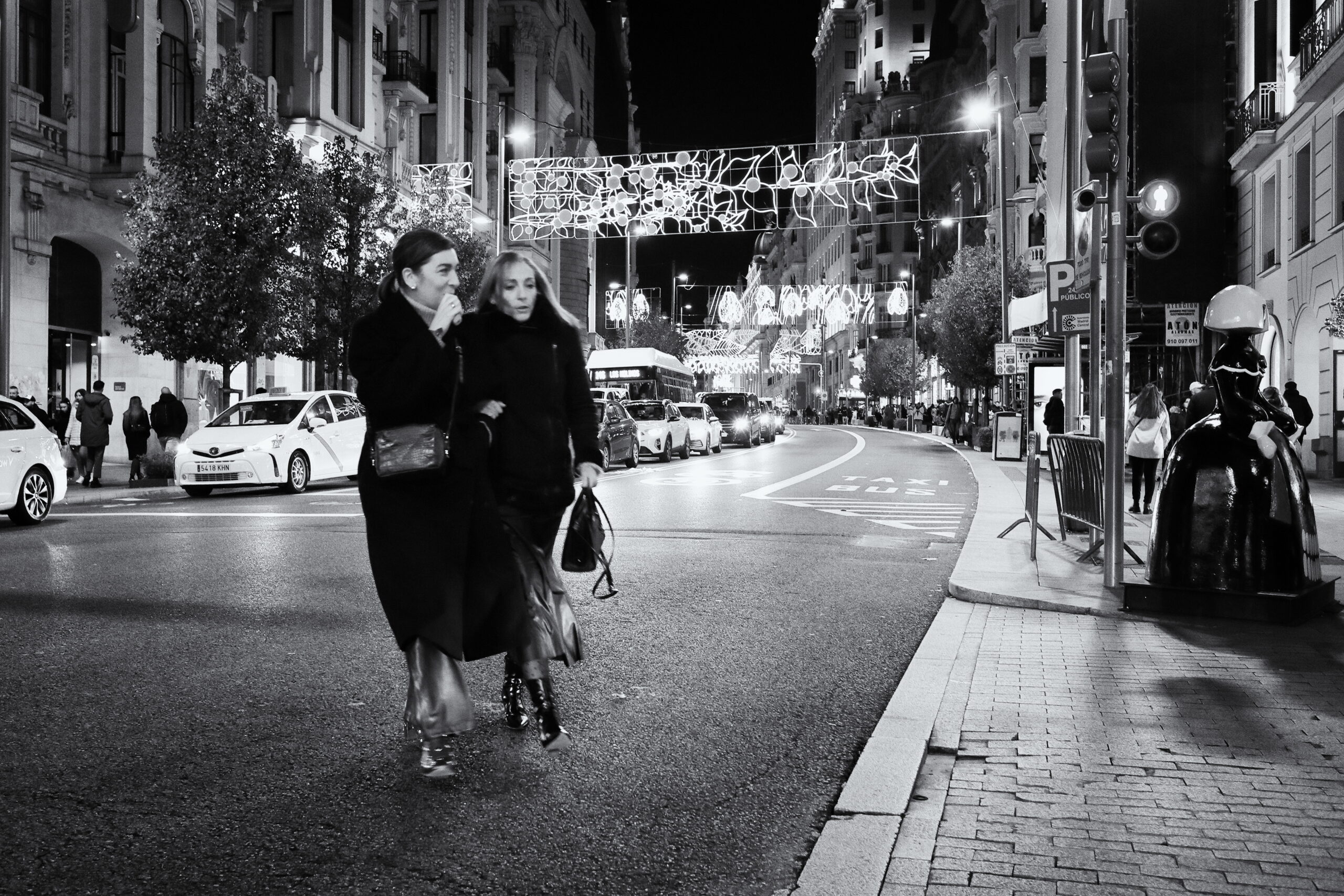
Start with breakfast the Madrid way — thick hot chocolate and churros at Chocolatería San Ginés, frying churros since 1894, a five-minute walk from Puerta del Sol. Then walk up Gran Vía, Madrid’s grand early-20th-century boulevard — the “Spanish Broadway” — all Beaux-Arts facades, vintage cinemas, and the famous Metropolis Building with its winged statue gleaming at the top.
Wander north into Malasaña, the vintage-and-coffee neighborhood that was the heart of la Movida, Madrid’s post-Franco cultural explosion. Browse the record shops and boutiques around Calle del Pez, then drift toward Chueca for lunch — Madrid’s liveliest LGBTQ+ neighborhood, packed with great restaurants.
If it’s a Sunday, swap this plan for El Rastro in the morning: the sprawling flea market that takes over La Latina’s streets, running since the 1600s. Go early, haggle cheerfully, and follow it with vermouth in a La Latina bar like the locals do.
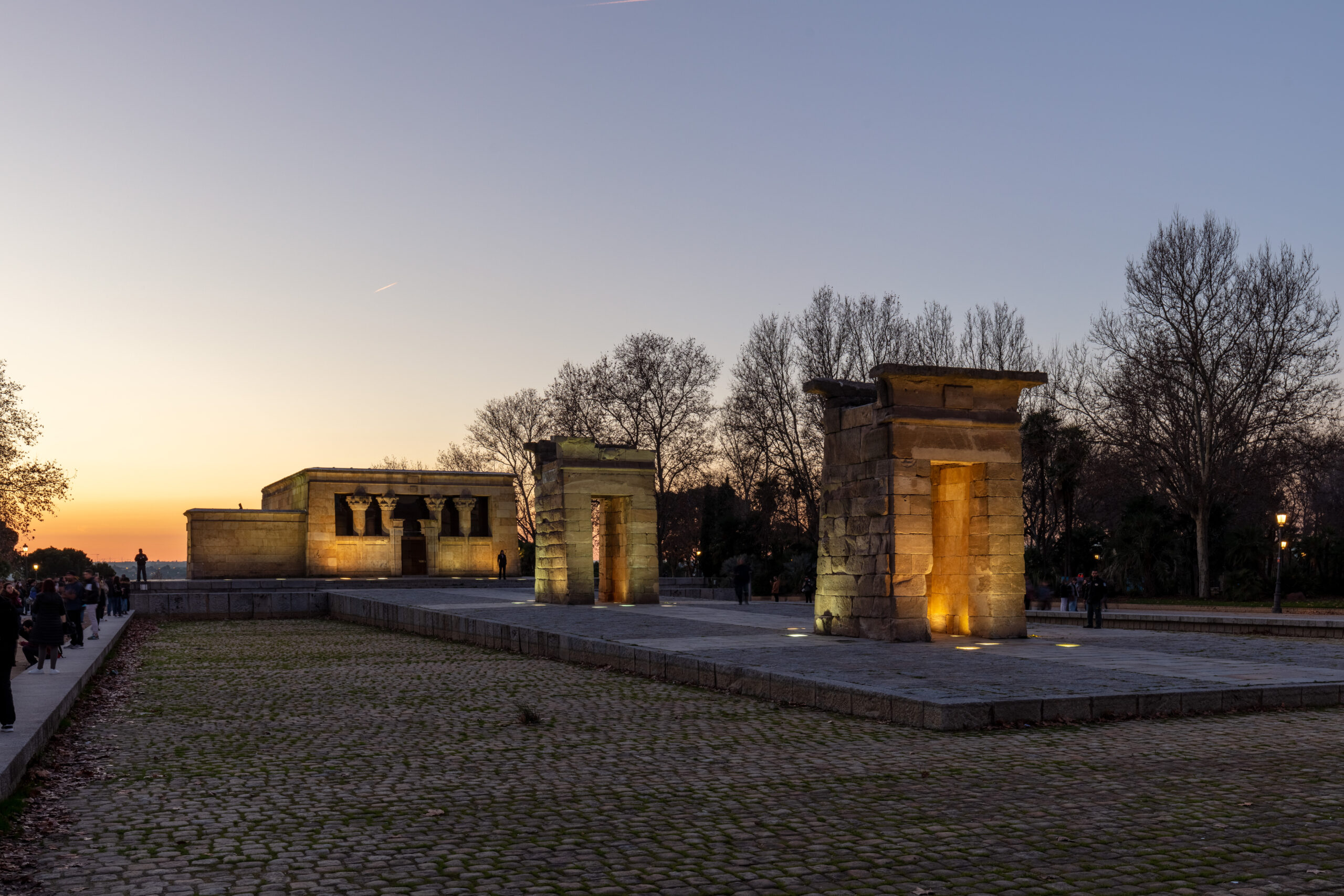
Close your three days at the Temple of Debod, an actual ancient Egyptian temple gifted to Spain in 1968 in thanks for helping save the temples of Nubia. It sits in a park west of the center, and at sunset — with the palace silhouetted behind it — it’s one of the great free views in Europe. Bring a picnic; half of Madrid will be there with you.
Option two: trade the neighborhoods for a day trip. Toledo, the walled former capital of Spain, is about 30 minutes by high-speed train from Atocha station — a UNESCO-listed maze of Arab, Jewish, and Christian monuments, with El Greco’s Burial of the Count of Orgaz in the church of Santo Tomé. Segovia pairs beautifully with it: a jaw-dropping Roman aqueduct and the Alcázar fortress that supposedly inspired Disney’s Cinderella castle. A full-day Segovia and Toledo tour from Madrid covers both in one efficient day with a guide and transport sorted — the easy choice when you’d rather sightsee than study train timetables.
How much does 3 days in Madrid actually cost?
Prices are typical 2026 ranges for one person, excluding flights — expect the top end in May, June, and September.
| Per day (one person) | Budget | Mid-range | Comfortable |
|---|---|---|---|
| Accommodation | €35–60 | €110–170 | €250+ |
| Food & drink | €25–40 | €50–80 | €100+ |
| Sights & tours | €10–20 | €20–40 | €40+ |
| Transport | €5–10 | €10–15 | €20+ |
| Daily total | €75–130 | €190–305 | €410+ |
3 mistakes first-timers make in Madrid
1. Eating dinner at 7pm. At 7pm the restaurants are full of tourists; madrileños eat at 9:30 or 10. Do what the city does: a merienda (afternoon snack) around 6, tapas crawl at 8:30, dinner at 9:30 — you will eat better and pay less.
2. Doing the Prado and Reina Sofía back-to-back. Two great museums in one morning is how you end up seeing nothing. Split them across the day with El Retiro park in between — shade, a rowboat on the lake, and your eyes recover.
3. Queuing for the Royal Palace at midday. Lines peak between 11am and 2pm. Book the earliest timed slot of the day online and you will walk in while everyone else is still having coffee.
Pre-book timing that actually matters
Prado: entry is free Monday–Saturday 6–8pm and Sundays 5–7pm — but so is the queue, which starts forming well before. If art is the reason you came, pay for a morning ticket instead and thank yourself later. Royal Palace: timed tickets sell out on weekends; the palace also runs free-entry windows on weekday afternoons, but expect long lines — check the current schedule before banking on it. Toledo day trip: the 30-minute high-speed trains sell out on weekends, so book Renfe tickets a day or two ahead, not at the station.
What I’d skip if you’re tired
The Temple of Debod at midday — it is a ten-minute photo stop that only earns its keep at sunset. And the Plaza Mayor terraces: walk through the square, admire it, then eat in La Latina where the same menu costs half as much. Madrid rewards the traveler who spends energy on food and art, not on queues.
The Practical Bit
Best time to go: April–June and September–October. Madrid sits at 667 meters, so winters are crisp and sunny rather than brutal, and summer is genuinely scorching — many madrileños flee to the coast in August.
Getting around: The metro is excellent — clean, fast, and cheap (a single ride is around €1.50–2). Almost everything in this itinerary is walkable from the center, though; you’ll mostly use the metro for the airport run and day trips.
Getting in: Madrid-Barajas Airport is about 15 km northeast of the center. The metro (Line 8, then transfer) takes around 40 minutes; a taxi is a flat €33 to anywhere in the center — one of the best airport taxi deals in Europe.
Day 4? If your trip stretches, add Segovia or Toledo as a standalone day trip (see above), or pair Madrid with another Spanish city entirely.
Madrid rewards the traveler who slows down — who lingers over the second vermouth, who goes back to the Prado for the free evening hours, who learns that the best hour of the day here starts at ten at night. Three days won’t exhaust it. It will just make you want to come back.
Love this kind of city itinerary? Check out our Barcelona in 3 Days guide to pair Spain’s two great cities in one trip, our Porto in 3 Days itinerary for another perfect European long weekend, or our 7 best day trips from Lisbon if Iberia has you hooked on getting out of the capital.