
Rome rewards you for picking the right base. Get it right and you’re stepping out your door into a piazza with a cappuccino in hand, walking to the Pantheon before the crowds; get it wrong and you’re burning an hour a day on packed buses, wondering why everyone else looks so relaxed. Rome’s neighborhoods each have a distinct personality — grand and monumental, bohemian and late-night, calm and residential — and where you sleep genuinely shapes the Rome you meet.
Never forget a thing before you fly. My free 8-page Travel Planning Checklist walks you through the whole trip — 6 planning timelines, 36 checks, from booking windows to travel-day basics. One email, no spam, unsubscribe anytime.
Disclosure: This post contains affiliate links. If you book through one of these links, I may earn a commission at no extra cost to you.
Here’s the honest breakdown of the six best areas to stay in Rome, who each one suits, and specific hotel picks in each, so you can match your base to the trip you actually want.
The short answer: pick by your travel style
- First trip, want it easy: Centro Storico — the historic center around the Pantheon, Piazza Navona, and the Spanish Steps. Everything’s walkable, prices run higher, and the atmosphere is pure Rome.
- Evenings matter most: Trastevere — ivy-covered lanes, trattorias, and bars that stay lively late, across the Tiber from the center.
- Style and the Colosseum: Monti — Rome’s coolest central neighborhood, a short walk from the Colosseum and the Forum, with boutiques and wine bars.
- Vatican-focused or traveling with family: Prati — calm, elegant, residential streets a short walk from St. Peter’s and the Vatican Museums.
- Best value and transit: Termini & Esquilino — the area around Rome’s main station. Less charming, but the airport train lands here and metro lines A and B cross here, so everywhere is reachable.
- Food lovers who want local Rome: Testaccio & Aventino — the city’s traditional food quarter, quieter, with some of Rome’s best restaurants and gardens.
Rome neighborhoods at a glance: the comparison table
Prices below are typical 2026 nightly ranges for a double room — expect to pay more in May, June, September, and around Easter.
| Neighborhood | Best for | Typical price level | Noise level | Walkability |
|---|---|---|---|---|
| Centro Storico | First-timers | €€€ | Moderate–lively | Excellent |
| Trastevere | Couples, nightlife | €€–€€€ | Lively at night | Very good |
| Monti | Style, Colosseum access | €€–€€€ | Moderate | Excellent |
| Prati | Vatican, families | €€–€€€ | Quiet | Good (metro to center) |
| Termini & Esquilino | Budget, transit | €–€€ | Busy | Good (metro hub) |
| Testaccio & Aventino | Food lovers | €€ | Quiet | Moderate |
1. Centro Storico — the best base for first-timers
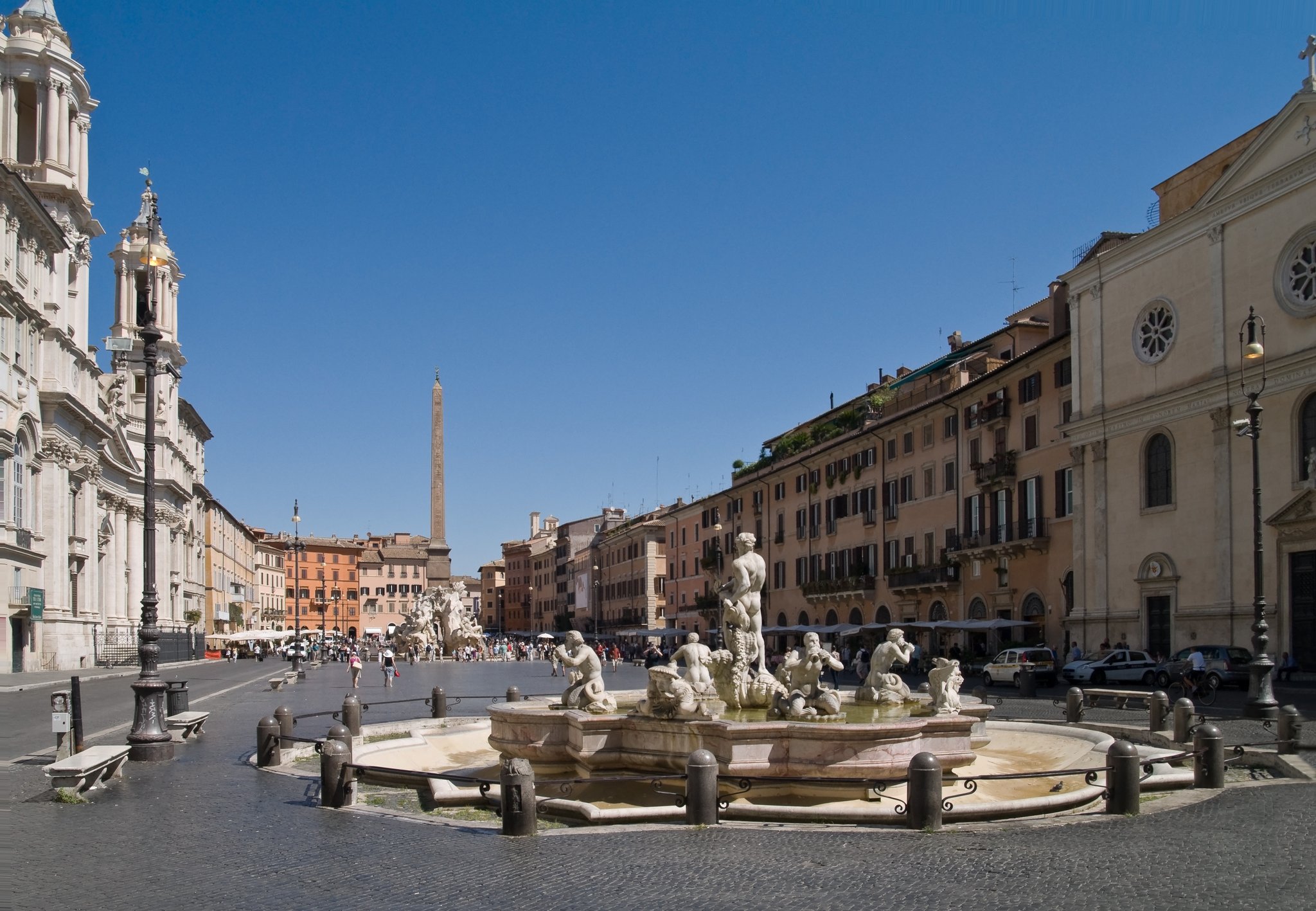
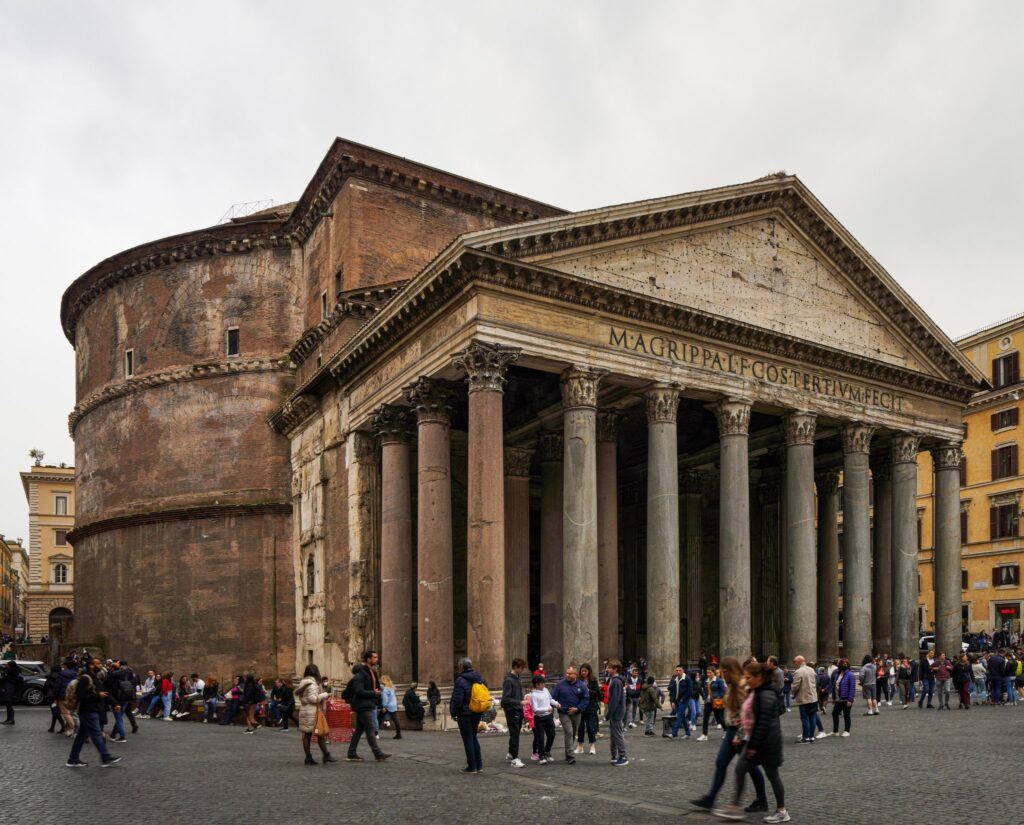
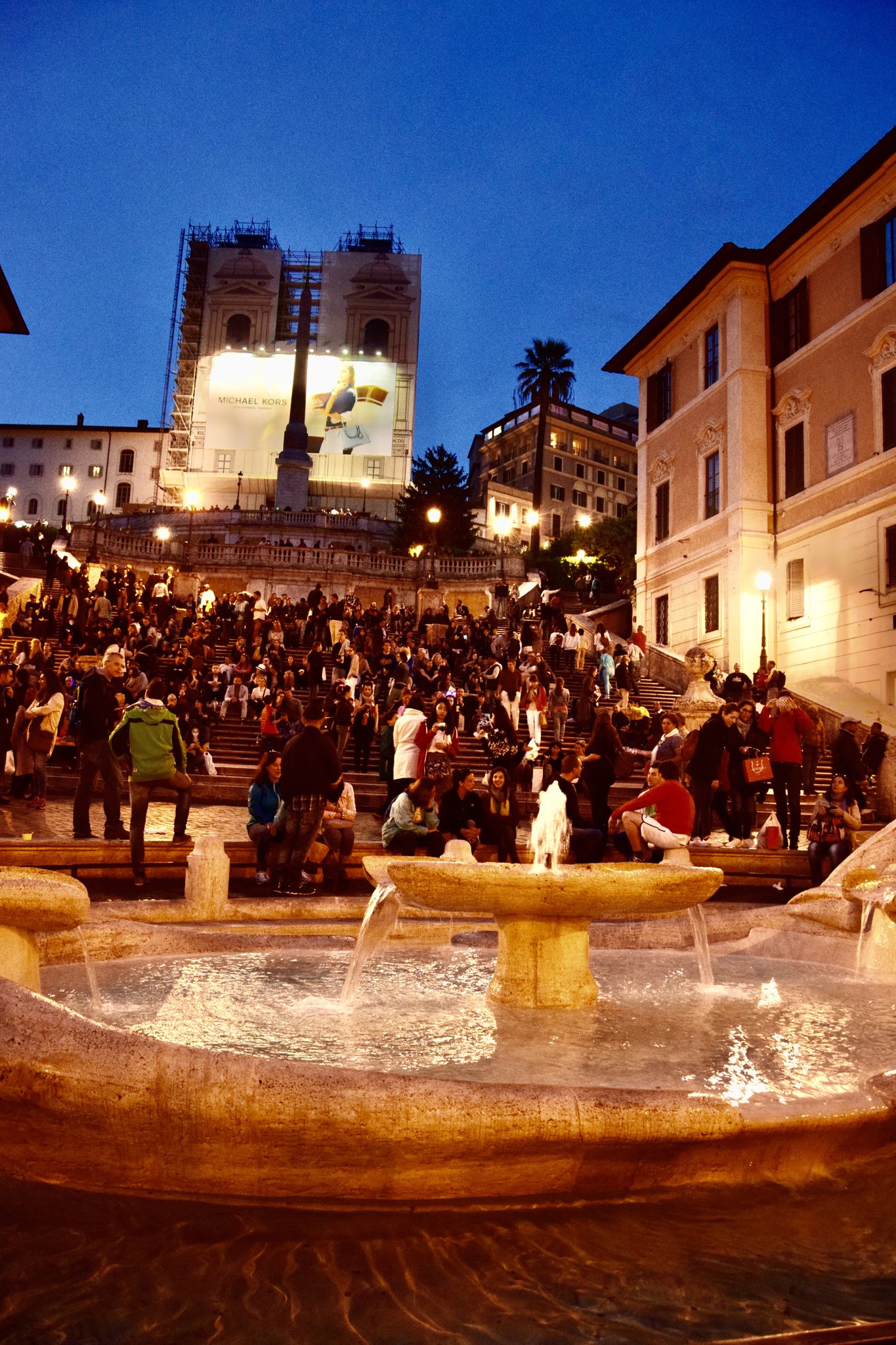
The Centro Storico (historic center) is the Rome of the postcards: the Pantheon, Piazza Navona, the Trevi Fountain, Campo de’ Fiori, and the Spanish Steps are all here, in a compact area you can cross on foot in about 20 minutes. If this is your first trip and you want the maximum sights-per-day with the minimum transit, stay here. You’ll pay a premium for the location and it’ll be lively late, but waking up within a short stroll of the Pantheon is worth it.
Hotel picks: For a splurge steps from the Pantheon, The Pantheon Iconic Rome Hotel (Autograph Collection) is hard to beat on location. Hotel Navona sits just off Piazza Navona with a restaurant and bar that make it a solid romantic pick. On a tighter budget, Hotel Sonya offers a bar and concierge service close to the Pantheon at wallet-friendly rates. Near the Spanish Steps, the modern iQ Hotel Roma earns excellent guest ratings, while the 4-star Hotel Quirinale puts you in the heart of the shopping district within walking distance of the Steps.
2. Trastevere — best for atmosphere and nightlife
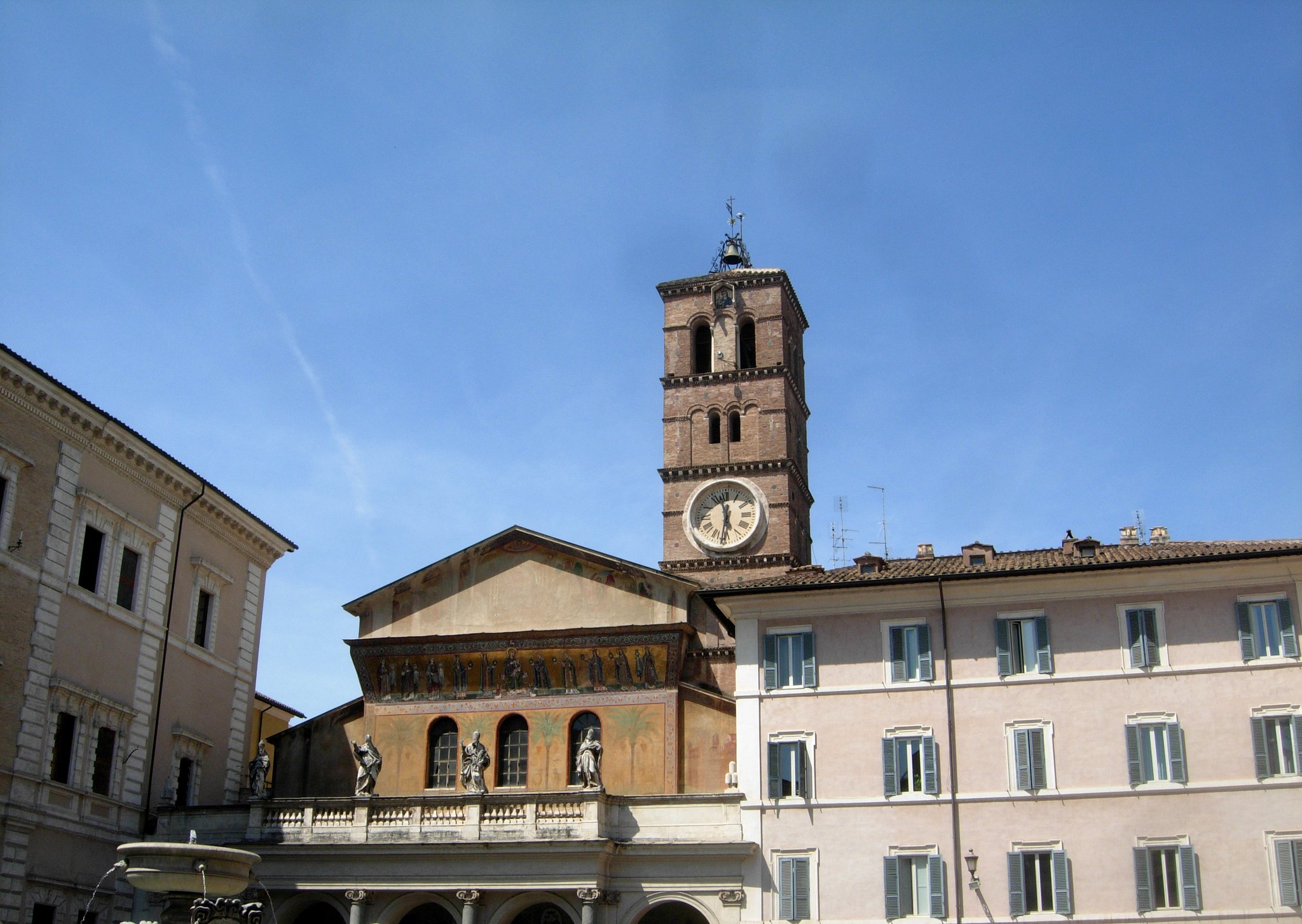
Across the Tiber, Trastevere is Rome’s bohemian quarter: narrow cobbled lanes, ivy-draped buildings, family-run trattorias, and bars that buzz until late. It’s about a 20-minute walk or a short tram ride (tram 8) to the center, so you’re trading a little convenience for a lot of character. If your trip is as much about evenings as sightseeing — long dinners, aperitivo, wandering after dark — this is your neighborhood.
Hotel picks: Donna Camilla Savelli – VRetreats is a long-time Trastevere favorite with strong reviews. For a full luxury stay, Villa Agrippina Gran Meliá tops the neighborhood’s five-star options. Hotel Santa Maria is a well-reviewed mid-range choice with breakfast included, and Hotel San Francesco earns exceptional guest scores for its suites. Families often like the 4-star Trilussa Palace Wellness & Spa, which adds a spa and rooftop terrace to a quiet Trastevere base.
3. Monti — best for style, close to the Colosseum
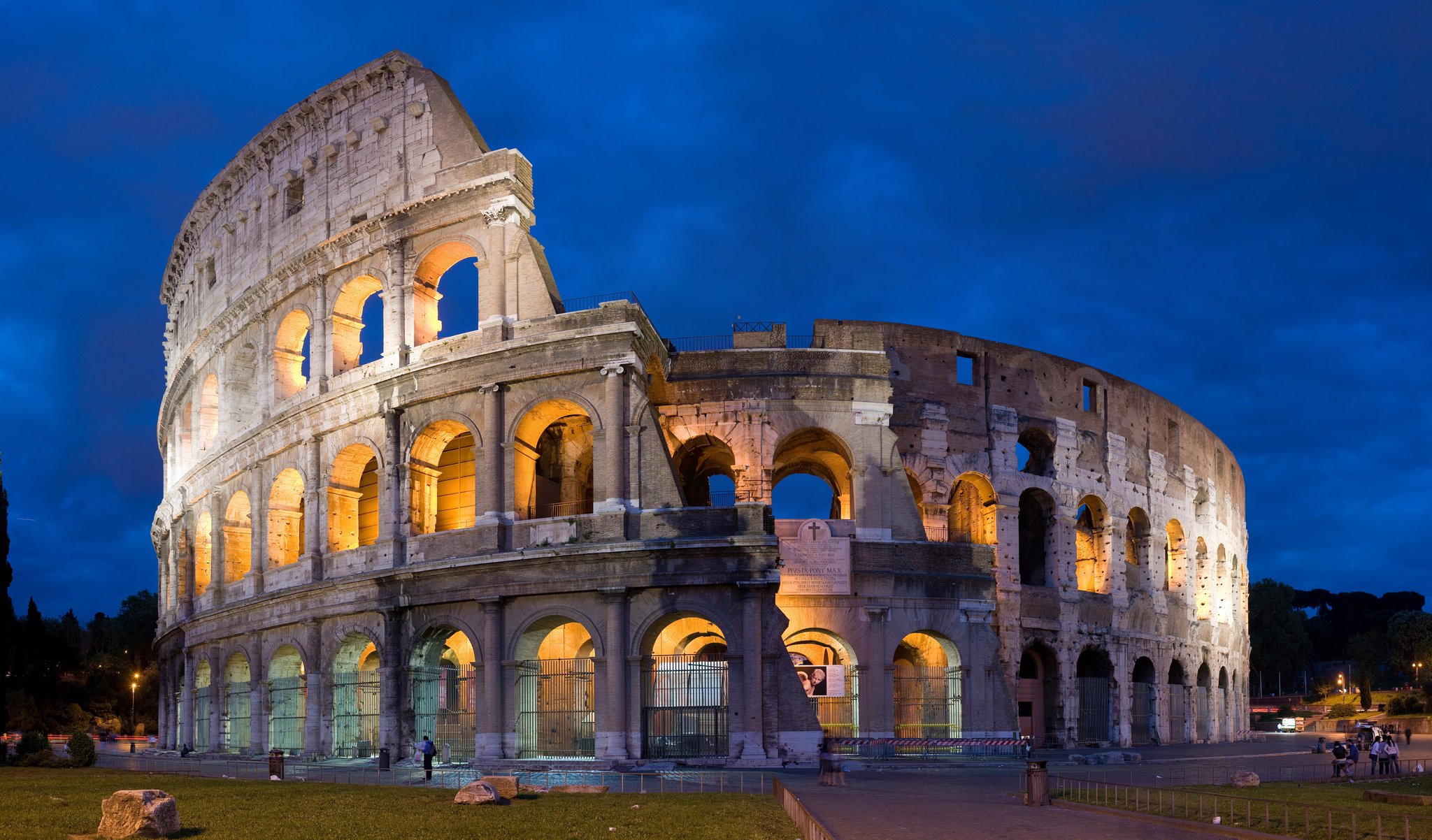
Monti, Rome’s oldest ward, sits just above the Colosseum and the Imperial Forums. It’s the neighborhood for travelers who want central sightseeing without the tourist-throng feel of the Centro Storico: vintage shops, independent boutiques, wine bars, and excellent small restaurants along Via dei Serpenti and Via Panisperna. You can walk to the Colosseum in about 10 minutes, and the Cavour metro stop (Line B) makes the rest of the city easy.
Hotel picks: Nerva Boutique Hotel is a 17-room boutique right beside the Forum of Augustus — intimate, design-led, and absurdly well located. Hotel Duca d’Alba, a 4-star on Via Leonina, offers good value with free cancellation. The Inn at the Roman Forum (a Luxury Collection property) has a rooftop terrace with Forum views. For a larger 4-star with strong guest ratings near the Colosseum, FH55 Grand Hotel Palatino is a reliable choice, and the Leonardo Boutique Hotel Rome Monti on Via Palermo adds spa and restaurant facilities. For the Colosseum itself, don’t lose half a morning in the ticket line — book this skip-the-line Colosseum guided tour and walk straight in with a guide.
4. Prati — best for the Vatican and families
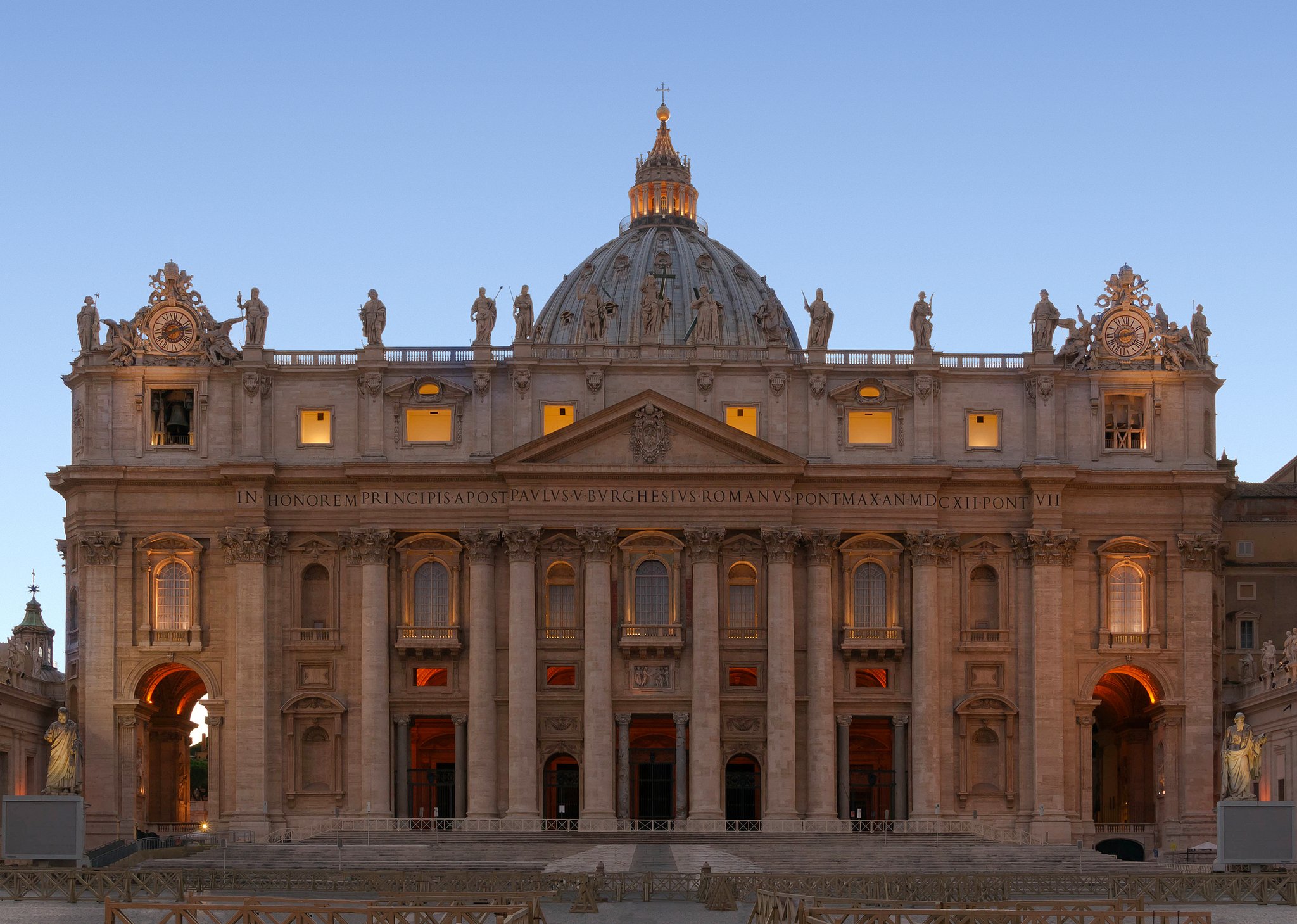
Prati is the elegant, orderly neighborhood just east of Vatican City: wide sidewalks, handsome early-20th-century buildings, the shopping street Via Cola di Rienzo, and genuinely good restaurants that cater to locals rather than tour groups. You’re a 10-minute walk from St. Peter’s Square and the Vatican Museums, the Ottaviano metro (Line A) connects you to the Colosseum in about 20 minutes, and evenings are calm. It’s an excellent pick for families and for anyone making the Vatican the centerpiece of their trip.
Hotel picks: Hotel Roma Vaticano is a renovated boutique hotel a stone’s throw from Vatican City. I Prati di Roma offers free breakfast and a sunny terrace near the museums. Hotel Prati on Via Crescenzio is a simple, well-reviewed base five minutes’ walk from St. Peter’s Square, and Hotel Farnese on Via Alessandro Farnese is another solid mid-range option. Pair your Prati base with a skip-the-line guided tour of the Vatican Museums and Sistine Chapel — the entry lines here are famously brutal, and pre-booking is the single best time investment you’ll make in Rome.
5. Termini & Esquilino — best for budget and transit
Nobody dreams of staying next to a train station, but the Termini area earns its place for two reasons: value and connections. Rome’s main station is where the airport train arrives, metro lines A and B cross, and buses fan out to everywhere — so you can reach the Colosseum, the Vatican, and the center in 15–20 minutes. Hotels here cost noticeably less than in the Centro Storico for comparable quality. The tradeoff is atmosphere: the streets immediately around the station are busy and plain, so pick a hotel a few blocks out toward Via Nazionale or Castro Pretorio for a nicer feel.
Hotel picks: Hotel Artemide on Via Nazionale is the standout — a 4-star with a full-service spa, rooftop terrace, and excellent guest ratings, a five-minute walk from Termini. It’s the rare Termini-area hotel that feels like a destination in itself.
6. Testaccio & Aventino — best for food lovers
Testaccio is where Romans go to eat. This working-class-turned-trendy quarter south of the center is the home of Rome’s traditional cuisine — carbonara, cacio e pepe, trippa alla romana were born in kitchens here — plus the covered Testaccio Market and a late-night scene around Monte Testaccio. Above it, the Aventine Hill offers Rome’s quietest, greenest streets, the famous keyhole view of St. Peter’s, and the Orange Garden. You’ll rely on buses and the metro (Circo Massimo on Line B) more than in central areas, but prices are kinder and the neighborhood feels real.
Hotel picks: On the Aventine, Hotel Aventino is a quiet, well-reviewed base on the hill itself, a 10-minute walk from Circo Massimo metro. In Testaccio, KAYAK users recommend Hotel Ripa Roma and H10 Roma Citta, while Seven Suites gets nods from couples looking for a romantic stay.
Where should couples stay in Rome?
Trastevere wins for romance: ivy-covered lanes, candlelit trattorias, and wine bars that stay lively late. One caveat — book a room one street back from Piazza Santa Maria in Trastevere itself; the square stays loud until late, and a lane or two of distance is the difference between charming and sleepless. Prefer boutique-hotel romance with the Colosseum as your backdrop? Monti is the quieter-luxe alternative.
Safest Rome neighborhood for solo travelers
Prati is my top pick for solo travelers: calm, residential, well-lit streets, and a 10-minute walk to the Vatican Museums entrance — handy for those 8am time slots. Centro Storico is equally safe and livelier late. The area around Termini is fine by day and a transit gift, but choose streets north of the station if you base there, as it gets sketchier after dark.
Where I’d stay in Rome at three budgets
Budget (around €70–110/night): Termini & Esquilino — a well-reviewed 3-star near Castro Pretorio metro puts the whole city one ride away. Mid-range (around €140–220/night): a boutique hotel in Monti or a B&B in Trastevere — this is the sweet spot for most trips. Splurge (€300+/night): Centro Storico with a terrace facing the Pantheon or Piazza Navona. Waking up to that view once is worth the splurge.
Practical tips for staying in Rome
- Budget for the tourist tax. Rome charges a city tax of €4–€10 per person per night depending on your hotel’s star rating, paid at the hotel (usually in cash or by card at checkout), up to a maximum of 10 nights. Children under 10 are exempt. It’s not included in most quoted room rates, so factor it in.
- Getting from the airport. The Leonardo Express train runs from Fiumicino to Termini in 32 minutes for €14 — the simplest option if you’re staying near Termini or the center. The FL1 regional train costs €8 and stops at Trastevere, Ostiense, and Tiburtina (but not Termini), which suits the southern neighborhoods. Airport buses run €5–7, and official taxis charge a fixed €55 fare from Fiumicino to anywhere inside the Aurelian Walls — confirm it’s an official white cab and agree the fixed fare before you get in.
- When to go. Spring (April–May) and autumn (September–October) bring the best balance of pleasant weather and manageable crowds. August is hot, busy, and when many Romans leave town — some smaller restaurants and shops close.
- Elevators and cobblestones. Many older Roman buildings have tiny or no elevators, and cobblestone streets are everywhere. If stairs are a concern, confirm lift access when booking — and pack shoes that can handle uneven stone.
- Book early for the big sights. The Colosseum and Vatican Museums regularly sell out days ahead in high season. Lock in your dates before you fly, not after you land.
Rome is a city that rewards the traveler who picks a neighborhood with intention. Choose the rhythm you want — grand and central, bohemian and late-night, calm and family-friendly — and the Eternal City will meet you there.
Building a bigger Europe trip? Pair your Rome stay with our 3-day Lisbon itinerary, our Porto in 3 days guide, or our Barcelona in 3 days itinerary — each one plans the days around a well-chosen base, just like this guide.