
Hong Kong packs more hotel choice into a few square miles than almost any city on earth — and the first decision is a simple one: which side of Victoria Harbour do you want to wake up on? Stay in Kowloon and you look across the water at the famous skyline. Stay on Hong Kong Island and you are inside that skyline, with the Peak Tram, the trams and the city’s best dining at your feet. Both sides are joined by the MTR in about five minutes and by the Star Ferry in about ten, so there is no wrong answer — but the neighbourhood you pick shapes the whole trip. This guide breaks down the four areas that suit most visitors, with hotel picks at every level, from a 1928 grande dame to a smart budget base next to a night market.
Never forget a thing before you fly. My free 8-page Travel Planning Checklist walks you through the whole trip — 6 planning timelines, 36 checks, from booking windows to travel-day basics. One email, no spam, unsubscribe anytime.
Disclosure: This post contains affiliate links. If you book through one of these links, I may earn a commission at no extra cost to you.
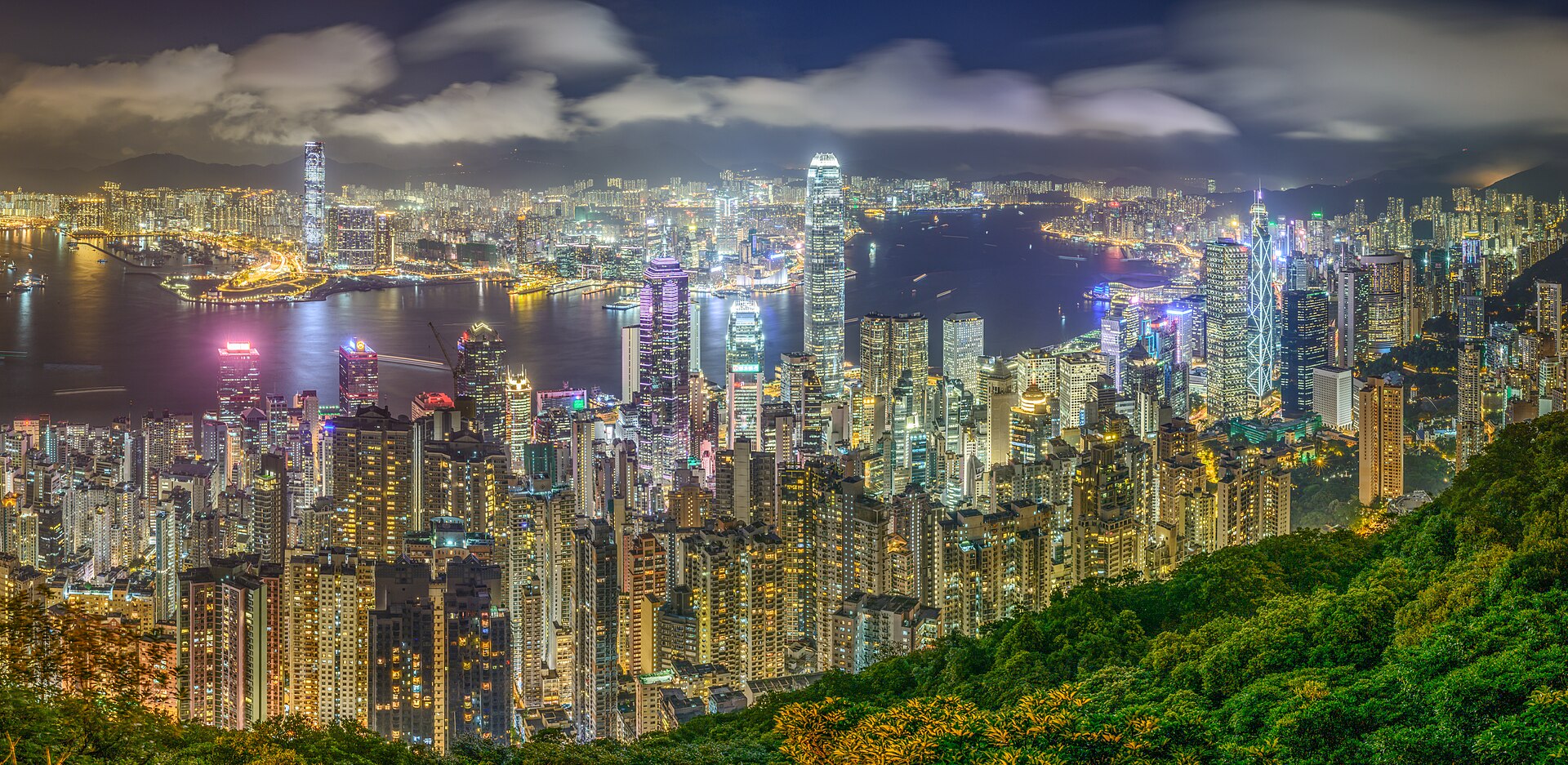
Quick answer: which Hong Kong neighbourhood fits you?
First trip, classic views: Tsim Sha Tsui (Kowloon). Luxury, dining and nightlife: Central and Admiralty (Hong Kong Island). Value, space and a local feel: Wan Chai. Markets, street food and lower prices: Mong Kok and Yau Ma Tei (Kowloon). Two practical notes before you book: Hong Kong hotel rooms run small by North American standards, especially below the luxury tier, so check the square metres, not just the star rating. And quoted rates usually attract a 10% service charge plus the 3% Hotel Accommodation Tax, so the final bill is a little higher than the headline price.
Tsim Sha Tsui: the classic first-timer base
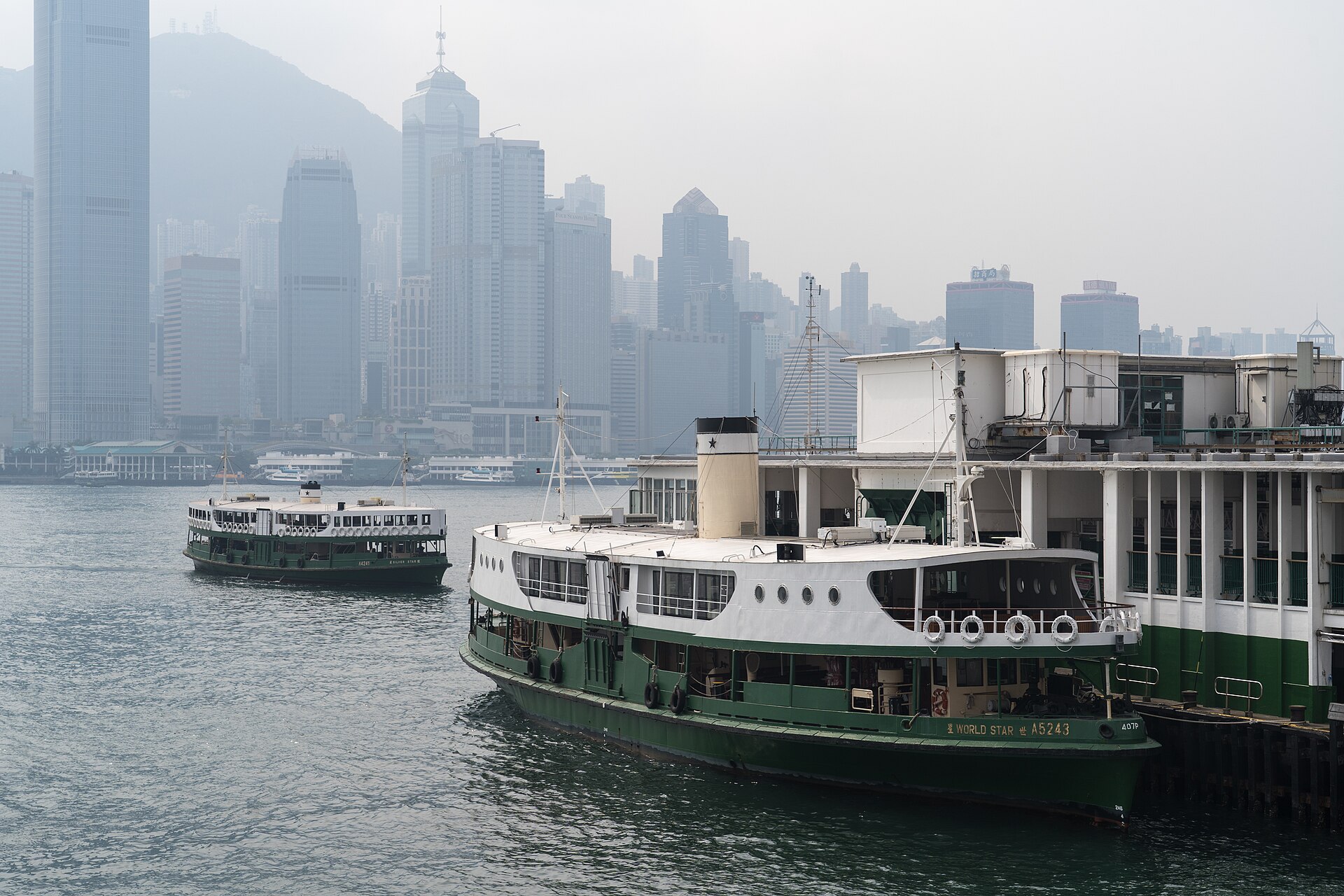
Tsim Sha Tsui — TST for short — sits at the tip of the Kowloon Peninsula, facing the Island across the harbour. The waterfront promenade and the Avenue of Stars run along the water, the Hong Kong Museum of Art and the Space Museum are here, and the Star Ferry pier puts you in Central in about ten minutes for a few Hong Kong dollars. Nathan Road’s shops run north from the waterfront, and the MTR’s Tsuen Wan line plus the Tuen Ma line at East Tsim Sha Tsui connect you to the rest of the city. For a first visit, it is the easiest base in Hong Kong.
The Peninsula Hong Kong is the city’s grande dame, opened in 1928 on Salisbury Road and still the address other hotels measure themselves against. Its 300 rooms are unusually generous for Hong Kong, the afternoon tea in the lobby is a local institution, and the fleet of Rolls-Royces out front tells you exactly what kind of stay this is. Book a harbour-view room — at these prices, the view is the point.
Rosewood Hong Kong, opened in 2019 at Victoria Dockside (18 Salisbury Road), is the Peninsula’s modern rival: a 65-storey tower with 413 rooms, nearly all facing the harbour, an outdoor infinity pool, the Asaya wellness centre, and eleven restaurants and bars including Michelin-starred Chaat and The Legacy House. It connects directly to the K11 MUSEA mall and sits one minute from Tsim Sha Tsui station. If you prefer your luxury contemporary, this is the pick.
On a real-world budget, The Salisbury – YMCA of Hong Kong (41 Salisbury Road) is Hong Kong’s worst-kept secret: a proper 372-room hotel with an indoor pool, sitting directly beside the Peninsula, where many rooms share the same harbour view at a fraction of the price. It books out early for harbour-view rooms — reserve ahead.
Central and Admiralty: inside the skyline
Central is Hong Kong’s financial heart and its most convenient base on the Island side. Hong Kong Station — the in-town terminus of the Airport Express, about 24 minutes from the airport — is here, along with the IFC mall, the Central Ferry Piers, Lan Kwai Fong’s bars, the SoHo dining streets reached by the Central–Mid-Levels Escalator, and the lower Peak Tram terminus. Admiralty, one MTR stop east, is a touch quieter and home to Pacific Place, one of the city’s best malls. If your trip leans toward great restaurants, rooftop bars and easy airport logistics, stay here. It is the pattern I recommend in my Where to Stay in Singapore guide too: pay for the transport hub and the whole city gets easier.
Mandarin Oriental, Hong Kong on Connaught Road is the group’s original flagship, a Central landmark since 1963 with 447 rooms, nine restaurants and bars — including Michelin-starred Mandarin Grill + Bar — and a location two minutes from Central station and the IFC. Rooms are among the most spacious in the district, and the service is famously precise.
Upper House Hong Kong (listed on Expedia as The Upper House), above Pacific Place at 88 Queensway in Admiralty, takes the opposite approach: just 117 rooms, a calm, residential design by André Fu, and some of the largest entry-level rooms in the city, starting around 730 square feet. Admiralty station is an eight-minute walk, the Peak Tram about the same, and the Salisterra restaurant on the top floor looks straight over the harbour. It suits travellers who want luxury without the grand-hotel bustle.
Wan Chai and Causeway Bay: value on the Island
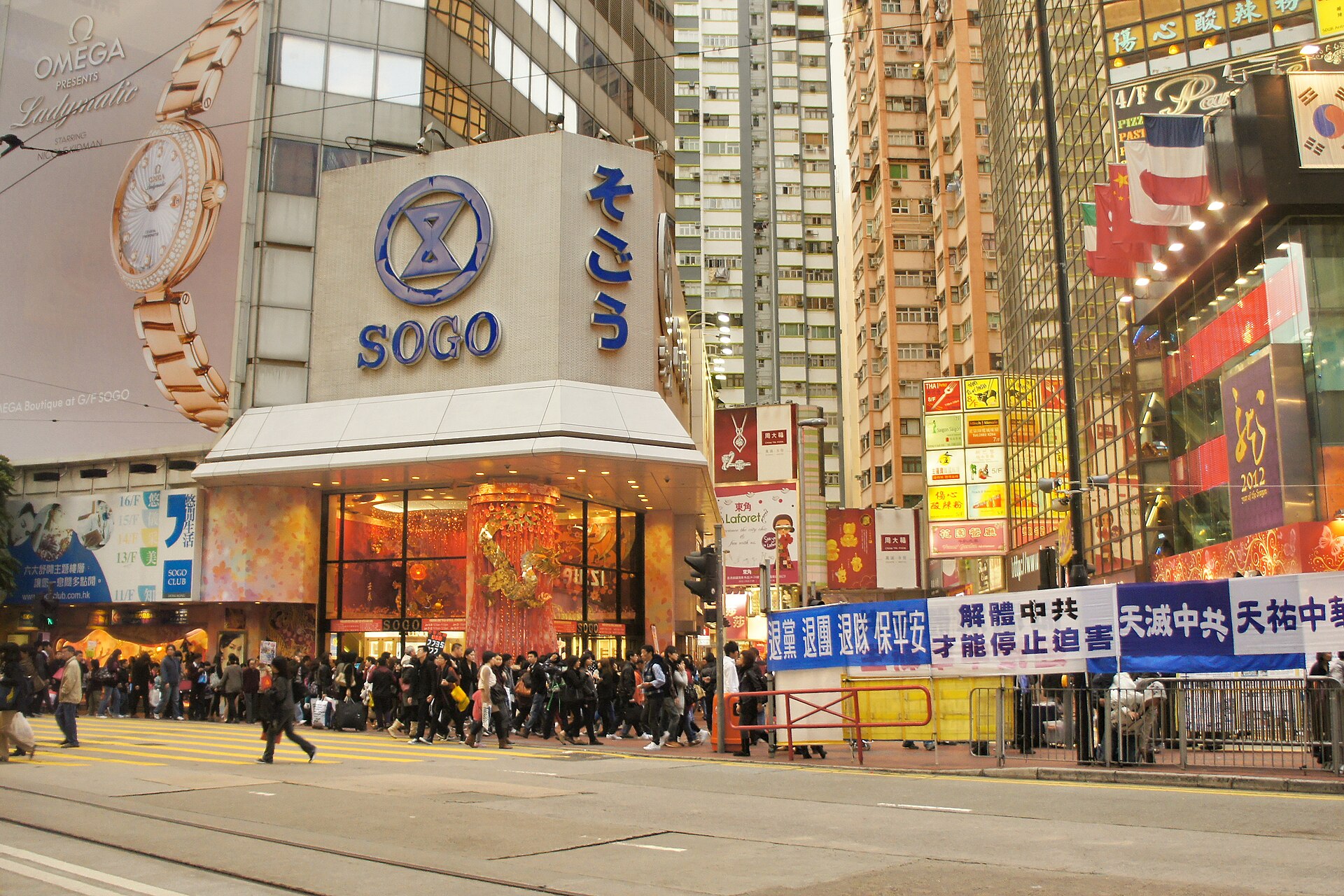
East of Admiralty, Wan Chai mixes old Hong Kong — temples, wet markets, the Blue House cluster — with the convention centre and a lively bar scene along Lockhart Road, while Causeway Bay next door is the city’s shopping engine room, anchored by SOGO and Times Square. Both sit on the Island MTR line and the tram line, rooms cost noticeably less than in Central, and many hotels here give you more space for the money. It is a strong pick for repeat visitors and anyone who finds Central a little corporate.
Hopewell Hotel on Kennedy Road, opened in 2024, is one of the largest five-star hotels in Hong Kong, with around 1,000 rooms — and that scale is exactly why it is interesting. New-build rooms, a seasonal outdoor pool, and rates that regularly undercut the Central luxury set by a wide margin, while Wan Chai station and the trams are a short walk downhill. Families in particular get more room here for the same money. If shopping is the priority, base yourself a few stops east in Causeway Bay instead, where the malls open late and the MTR puts you anywhere in minutes.
Mong Kok and Yau Ma Tei: markets, street food, lower prices
Head north up Nathan Road and Kowloon gets denser, louder and cheaper. Mong Kok and neighbouring Yau Ma Tei and Jordan are where you find the Ladies’ Market, Sneaker Street, the Goldfish Market and the Temple Street Night Market — plus some of the best-value hotel rooms in the city, on the Tsuen Wan and Kwun Tong MTR lines, about 15 minutes from Central. Rooms shrink here, so read the size carefully, but if your days are spent out eating and exploring, this is the smart-money base. It plays the same role as the local districts in my Where to Stay in Bangkok guide: less polish, more city.
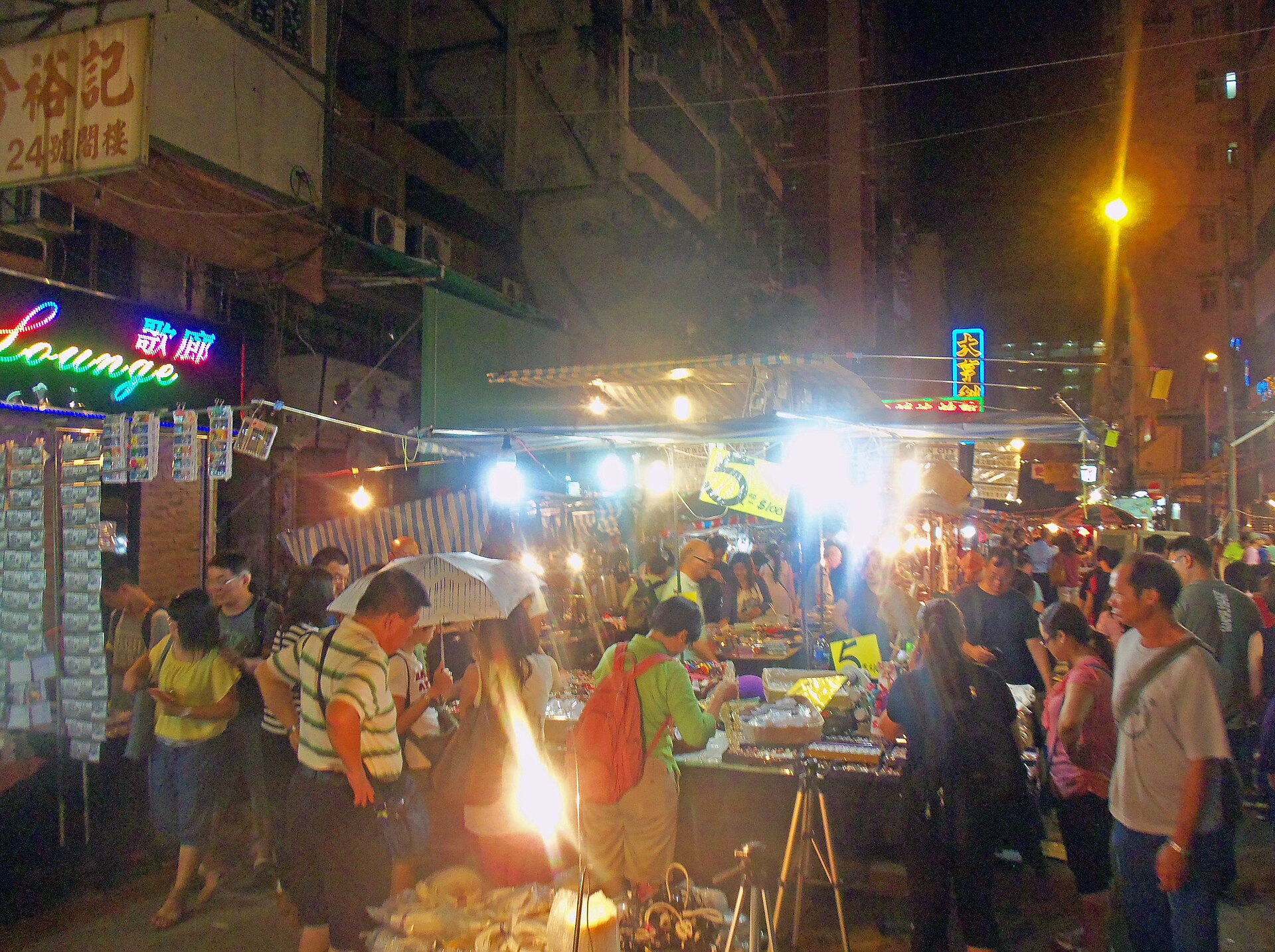
Eaton HK at 380 Nathan Road in Jordan is the standout: a four-star with a rooftop pool, a well-regarded food hall, and a genuine neighbourhood feel, steps from Temple Street Night Market and four minutes from Jordan station. Expedia guests rate it around 9 out of 10. One honest caution from recent guest feedback: the pool closes for a short maintenance window in late January 2027, so check dates if a swim matters. For a step up in the same area, Cordis, Hong Kong at Langham Place in Mong Kok adds a rooftop pool and direct mall access at five-star prices that still undercut TST.
Getting around, and tours worth booking ahead
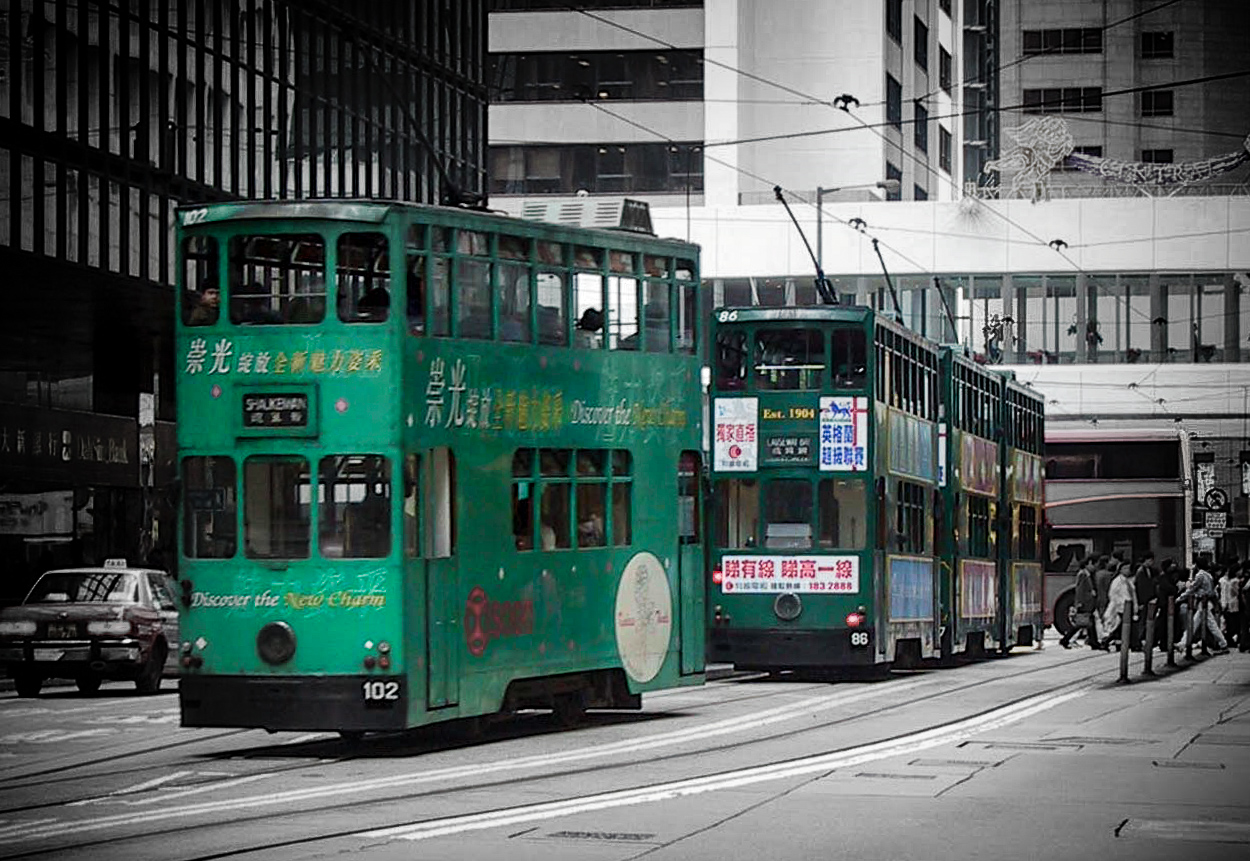
Wherever you stay, get an Octopus card or use a contactless bank card on the MTR — fares are distance-based and the system is fast, air-conditioned and easy to navigate. The Airport Express runs to Hong Kong Station (Central) and Kowloon Station (near TST), and both neighbourhoods above put a station within a short walk. The double-decker trams along the Island’s north shore are the slowest, cheapest and most charming ride in the city — ride one just for fun.
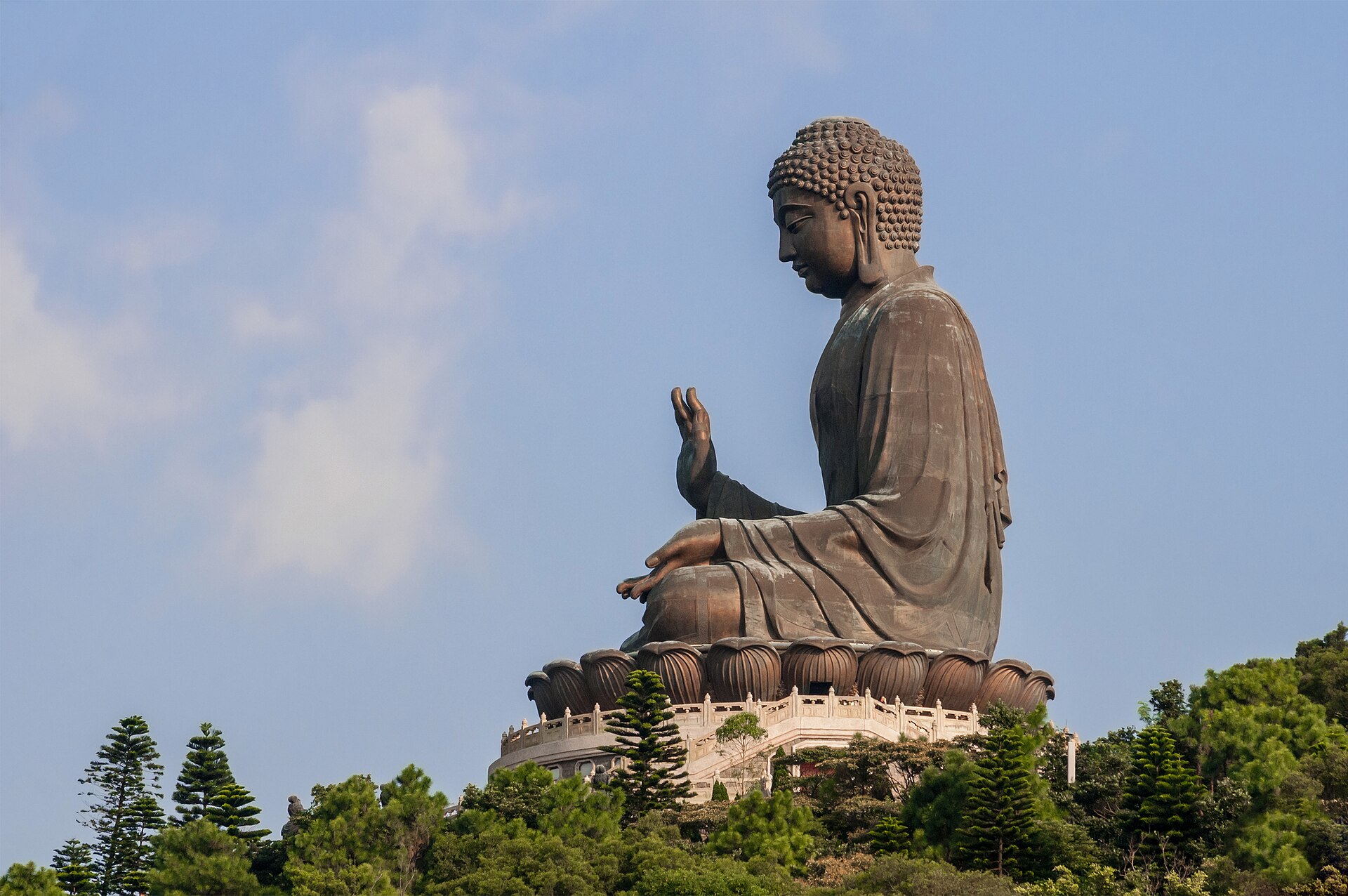
Three experiences are worth booking before you arrive. A guided Hong Kong Island landmarks tour with lunch (rated 4.92 out of 5 from 264 reviews, from about $66) strings together the Peak Tram, Tai Kwun, Man Mo Temple and a Michelin-recognised wonton noodle lunch in one efficient six hours — ideal on day one. The Ngong Ping 360 cable car, Tai O and Big Buddha tour (4.7 out of 5 from 722 reviews, from about $68) adds priority cable-car boarding, the Tai O stilt village and Po Lin Monastery, and saves you the Lantau logistics. And after dark, a Victoria Harbour Symphony of Lights cruise (4.2 out of 5 from 282 reviews, from about $15) puts you on the water for the nightly 8pm light show with drinks included — whichever side you are staying on, the harbour at night is the city’s best room.
The verdict
First trip: stay in Tsim Sha Tsui and take the harbour view — the Peninsula if the budget stretches, the Salisbury if it doesn’t. Food, nightlife and the easiest airport run: Central or Admiralty, at the Mandarin Oriental or the Upper House. Best value on the Island: the Hopewell Hotel in Wan Chai. Markets and street food on a budget: Eaton HK in Jordan. Whichever you choose, you are never more than a few MTR stops from everywhere else — which is the real luxury in Hong Kong. Planning a longer Asia trip? Pair this with my Where to Stay in Tokyo guide for the same neighbourhood-by-neighbourhood approach.