
You know London. The Tower, the Eye, the crowds shuffling through Westminster Abbey with audio guides. All worth seeing — and all full of people. But the London that locals actually brag about lives a layer underneath: the ivy-covered church ruin tucked behind an office block in the City, the Japanese garden where peacocks wander past koi ponds, the bookshop where the shelves are organized by country instead of genre. These are the places Londoners take visiting friends to prove they know their own city. Here are nine of the best, with exactly how to find them.
Planning a trip? Get our free Travel Planning Checklist:
Disclosure: This post contains affiliate links. If you book through one of these links, I may earn a commission at no extra cost to you.
1. St Dunstan in the East — the City’s secret garden
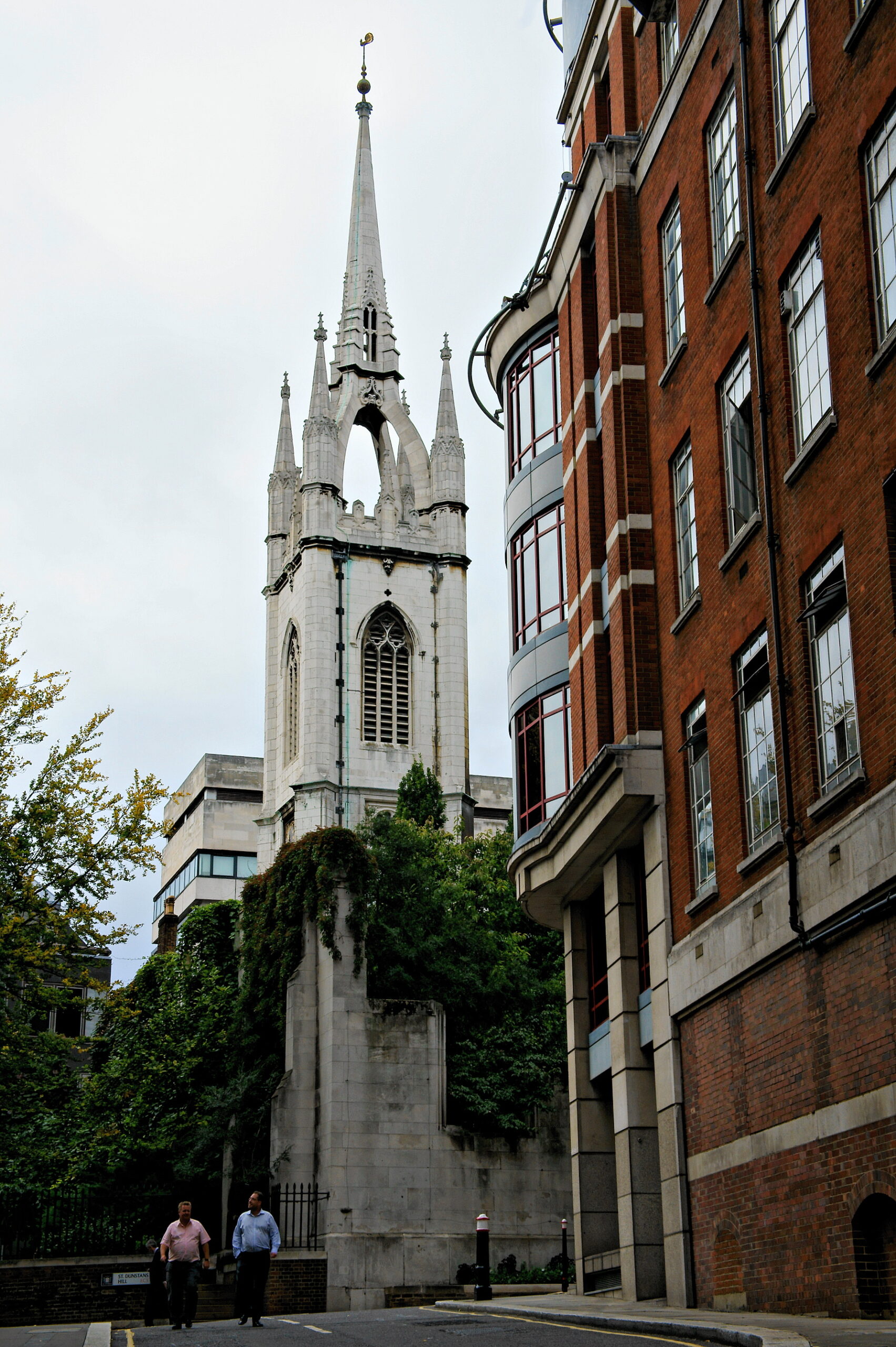
A few minutes’ walk from the Tower of London, between Monument and Tower Hill stations, stands a church that was bombed out in the Blitz and never rebuilt. Instead of patching it up, the City of London turned the roofless, ivy-draped ruins of this medieval Wren church into a public garden in 1971 — and it is one of the most romantic spots in the whole city. Gothic arches frame a fountain in the old nave, greenery creeps up every wall, and you could easily walk past the small entrance on St Dunstan’s Hill without noticing it.
How to visit: Entry is free, daily from 8am to 7pm or dusk (whichever comes first). Come on a weekday morning for the closest thing to having it to yourself. If you’d rather have a guide unlock the City’s alleyways, this secret London walking tour includes St Dunstan among its hidden courtyards. Nearest Tube: Monument, about a 4-minute walk.
2. Leighton House — the golden-domed Arab Hall
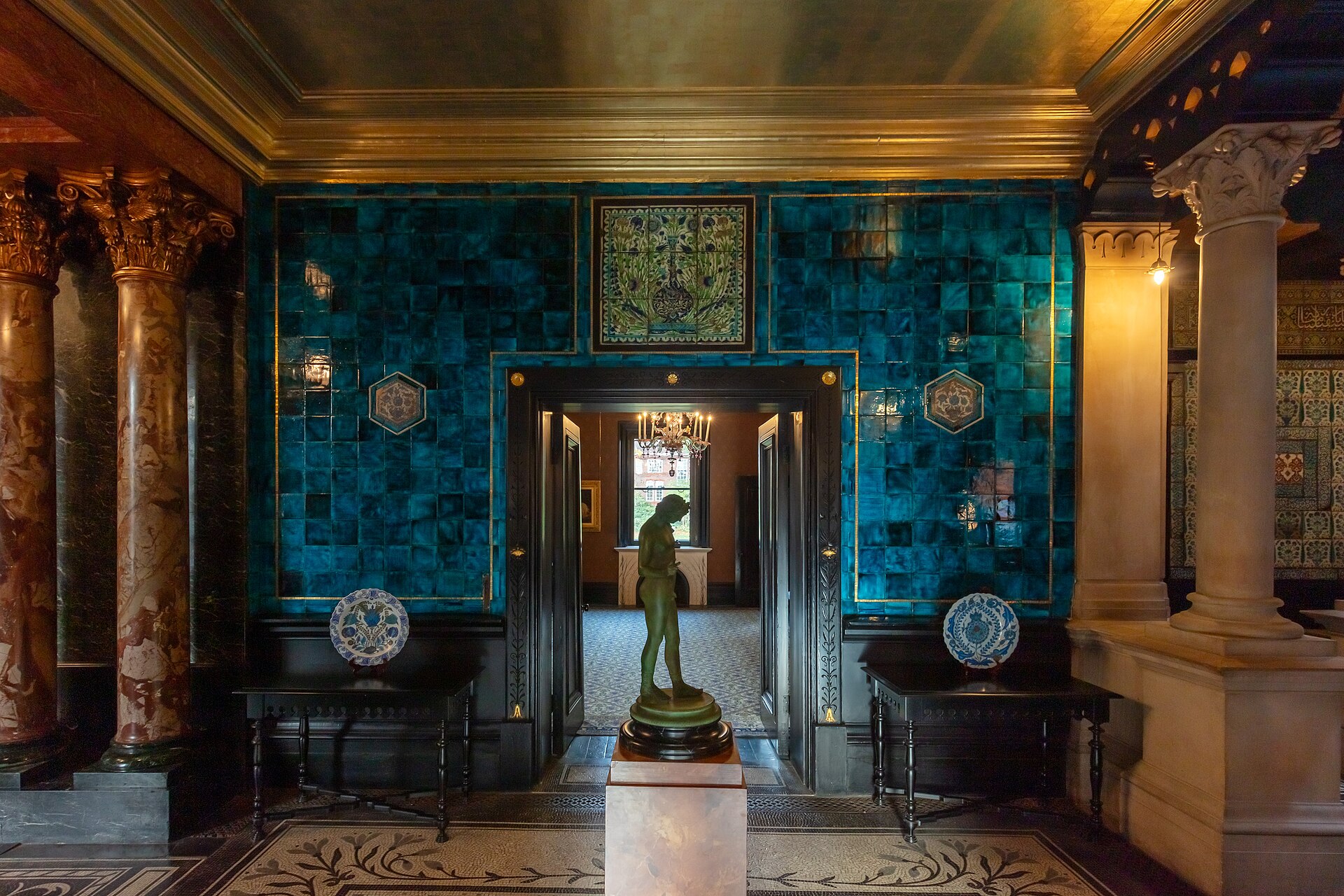
The Holland Park home of Victorian artist Frederic, Lord Leighton is the UK’s only purpose-built studio-house open to the public — and the reason to come is the Arab Hall. Leighton filled it with 16th- and 17th-century Syrian tiles, a trickling central fountain, stained-glass windows, and a golden dome that makes the whole room glow. It’s a small museum, but pound for pound one of the most beautiful interiors in London.
How to visit: 12 Holland Park Road. Open Wednesday to Sunday, 10am–5:30pm (last entry 4:30pm); closed Monday and Tuesday. Admission is sold as a joint ticket with neighbouring Sambourne House — around £23 for adults — but prices shift, so confirm on the RBKC museums site before you go. Nearest Tube: High Street Kensington, about a 10-minute walk.
3. Kyoto Garden — Holland Park’s Japanese corner
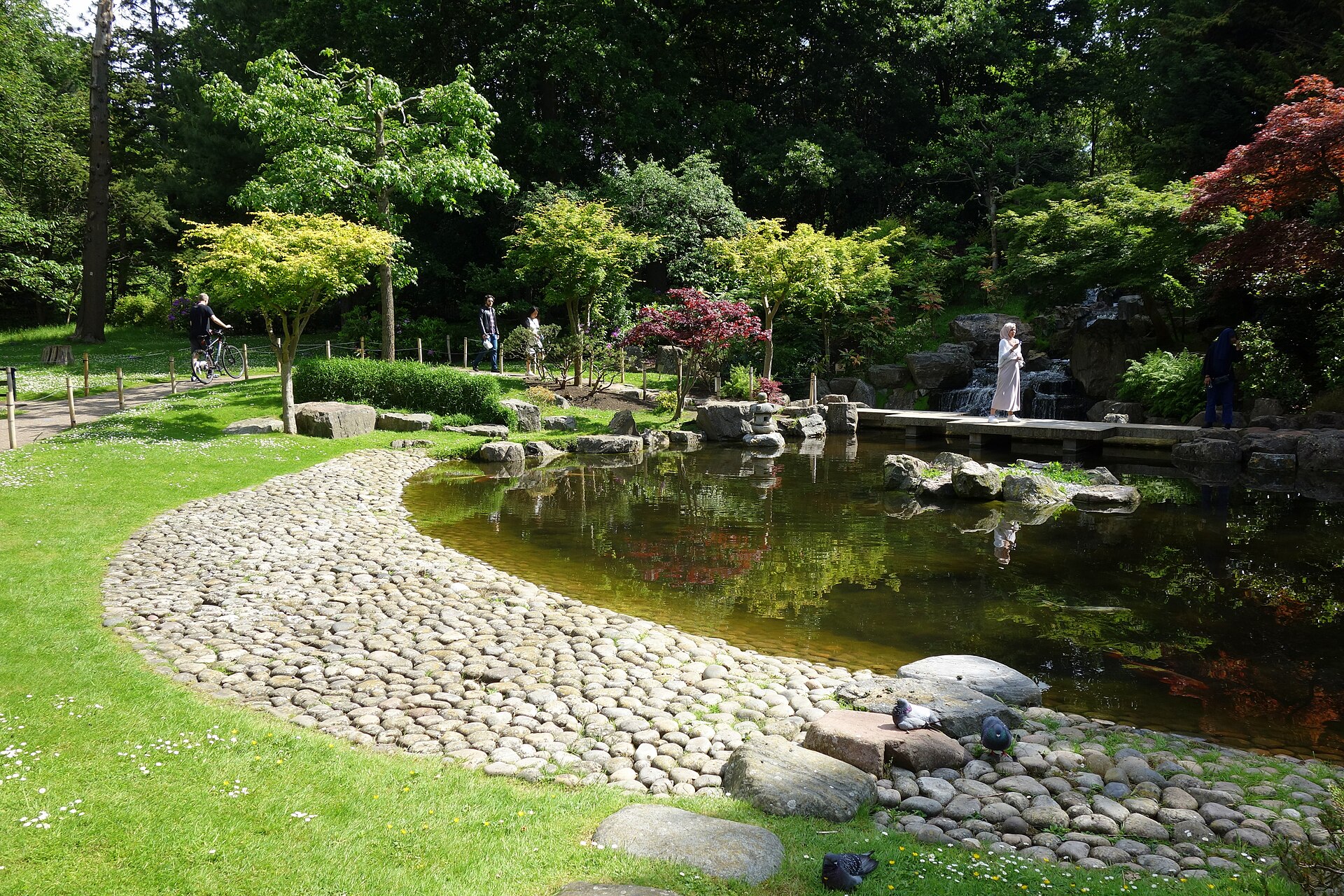
You don’t have to leave London to stand in a Japanese strolling garden. Tucked inside Holland Park, the Kyoto Garden was created in 1991 as a symbol of UK–Japan friendship: a tiered waterfall, a koi pond, stone lanterns, and resident peacocks wandering the paths. In May the cherry blossom makes it genuinely magical. It sits right next to Leighton House, so the two make a perfect half-day pairing on London’s west side.
How to visit: Free, open daily from 7:30am until half an hour before dusk. The adjacent Fukushima Memorial Garden is worth a few minutes too. Nearest Tube: Holland Park on the Central line.
4. Little Venice — canal boats and quiet water
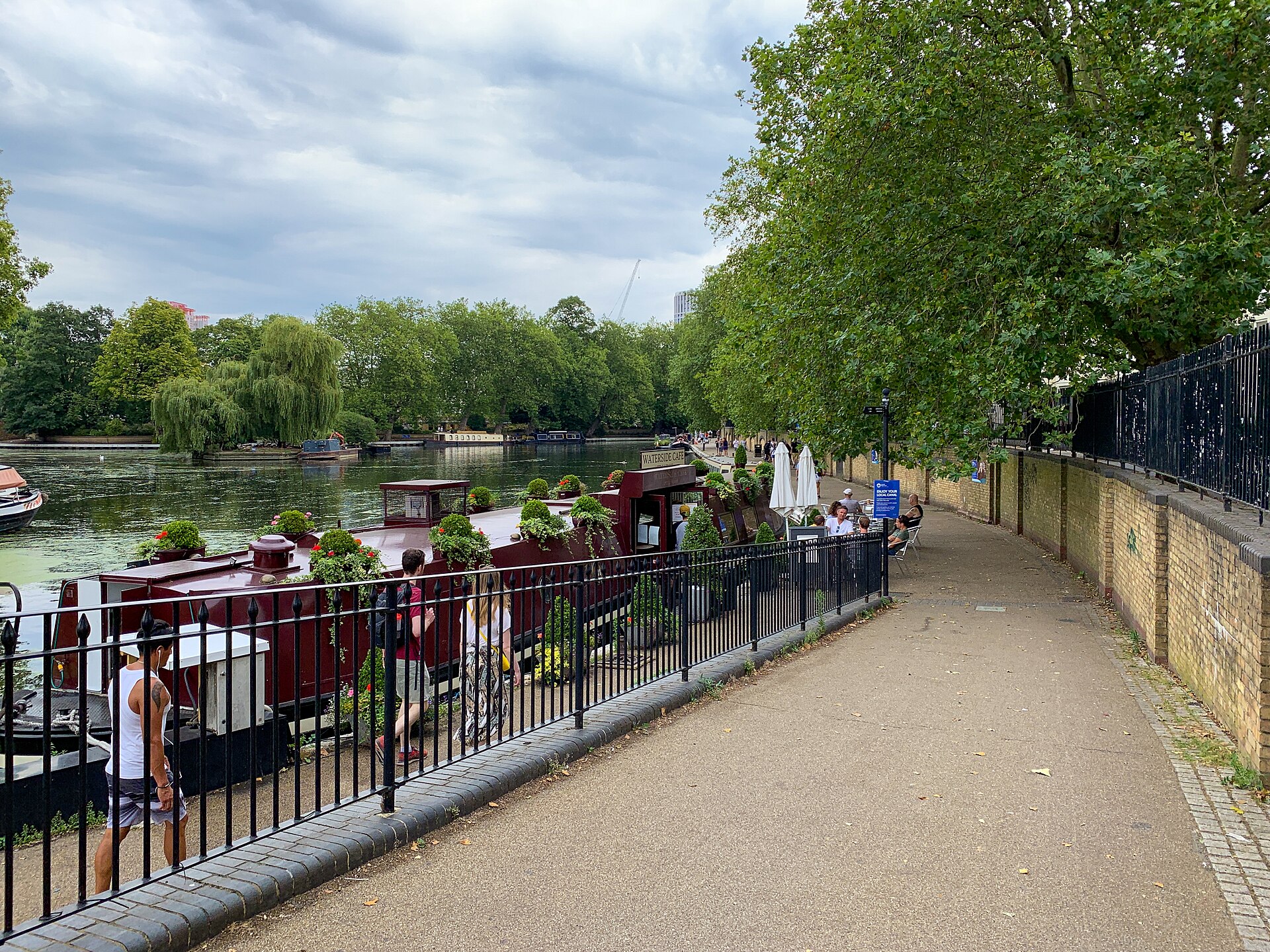
Where the Grand Union and Regent’s canals meet in Maida Vale, London goes unexpectedly peaceful: colourful narrowboats, waterside cafes, Rembrandt Gardens, and the floating Puppet Theatre Barge. The towpath is free and open every day — stroll it on a weekday morning to have long stretches to yourself — or hop on a London Waterbus boat for the slow, lovely ride along the canal to Camden.
How to visit: Head for Blomfield Road, W9 2PF. Nearest Tube: Warwick Avenue (Bakerloo line), about 5 minutes on foot. Pair it with the Kyoto Garden for a full canal-and-gardens day, or make it the calm start before the buzz of Camden.
5. Highgate Cemetery — the most atmospheric walk in London
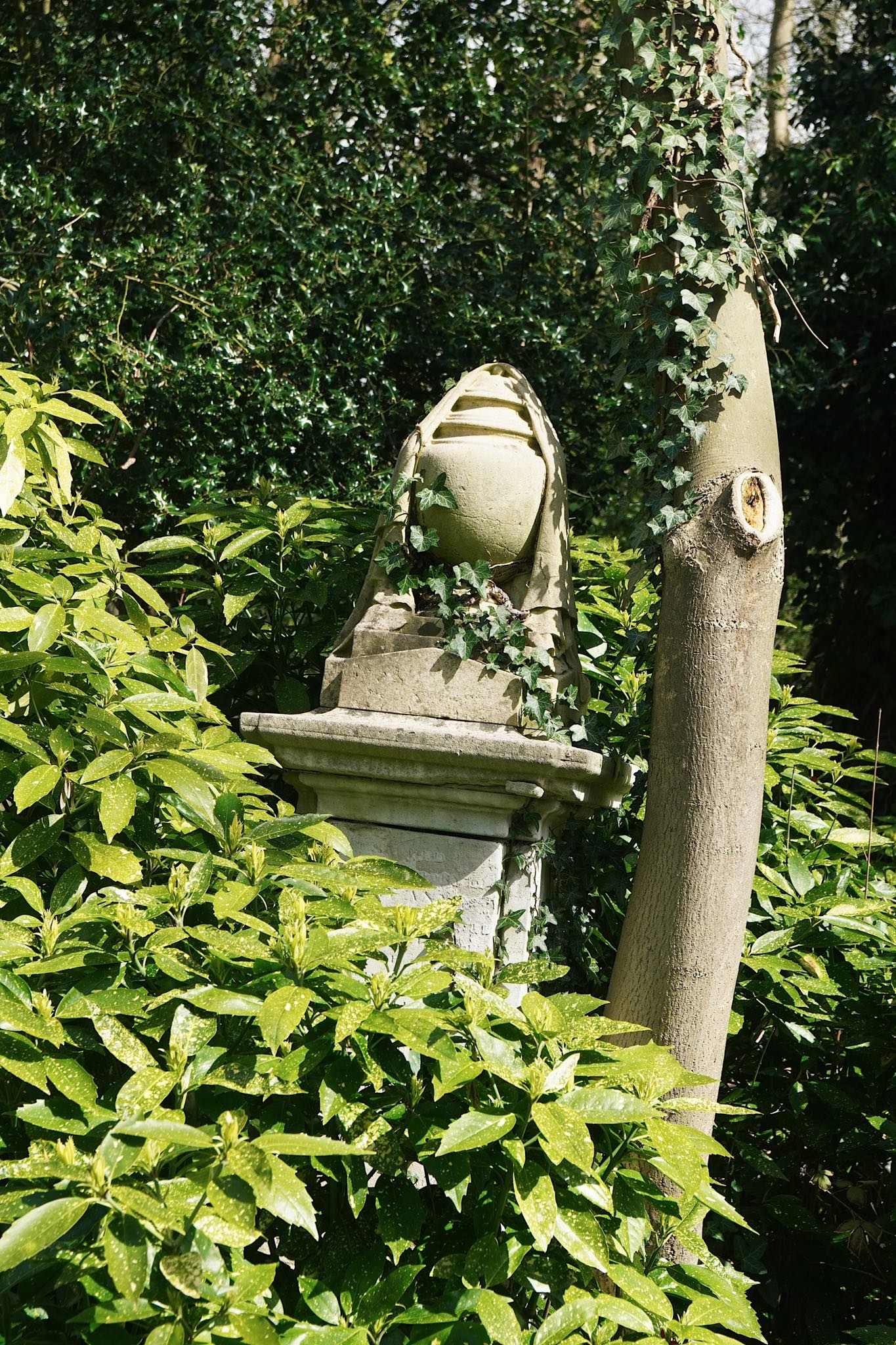
London has famous cemeteries, and this is the famous one — but it still surprises people. The West side is the showpiece: the Egyptian Avenue, the Circle of Lebanon, and the catacombs you can only enter with a guide. The East side is the literary walk: Karl Marx, Douglas Adams, Malcolm McLaren. Book ahead — West-side tours sell out regularly.
How to visit: Swain’s Lane, Highgate. West side: self-guided £10 / guided £15 (the guided tour is the only way into the catacombs, and a West ticket includes the East side). East side walk-up: £4.50 self-guided. Or join a guided Victorian-history walk through Highgate Cemetery that explores the normally-closed West side. Nearest Tube: Archway (Northern line), then a walk up Highgate Hill. Double-check opening hours on highgatecemetery.org before you set out.
6. Wilton’s Music Hall — the world’s oldest surviving music hall
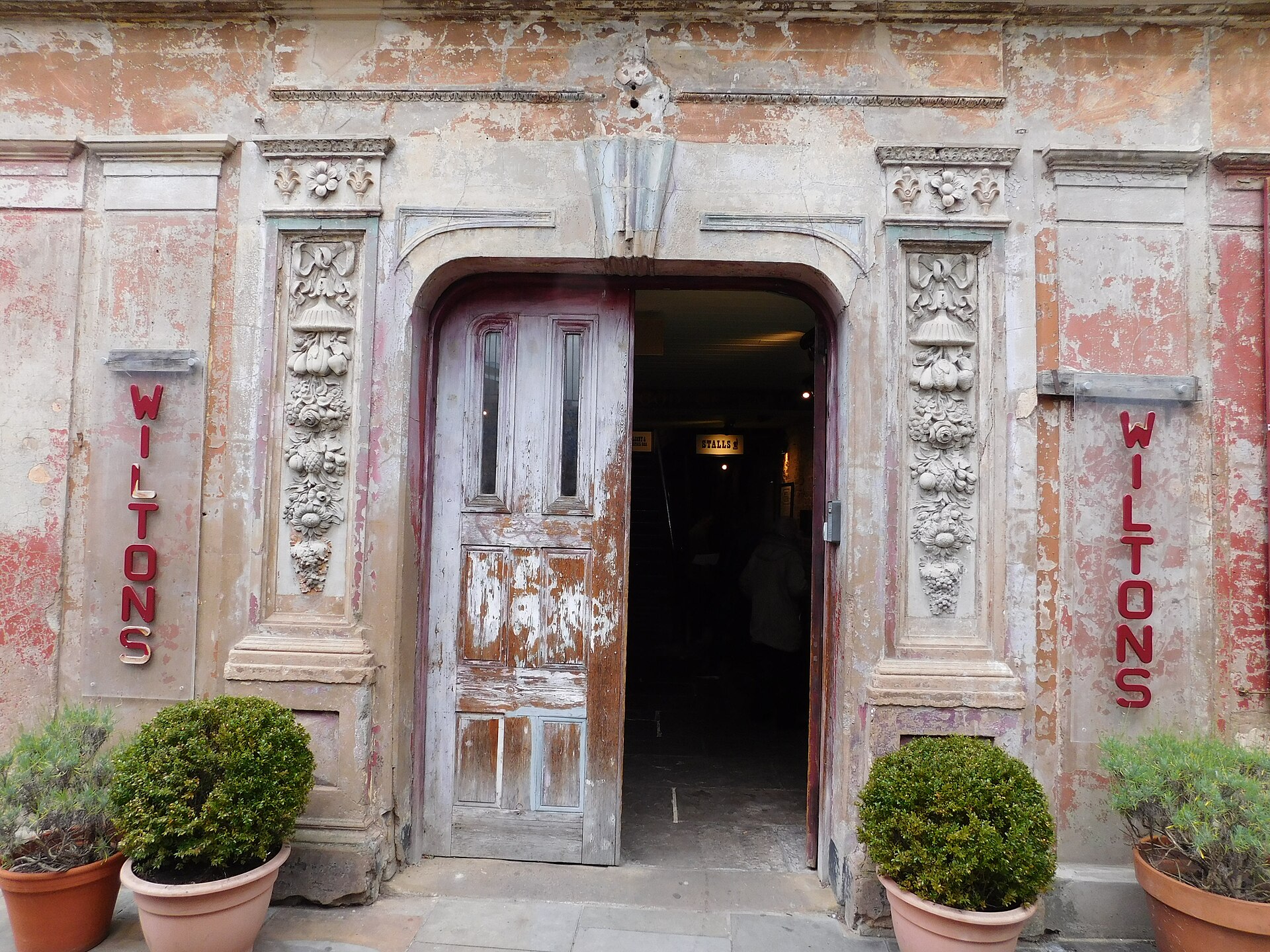
Hidden in Whitechapel’s back streets at 1 Graces Alley, this is a genuine 19th-century grand music hall — the oldest surviving in the world — saved from demolition and now run as an independent charity venue. The auditorium is gorgeously timeworn: faded paint, bare brick, the whole atmosphere of 150 years of variety shows. The year-round programme runs from theatre and magic to circus and cabaret, with a Christmas production of The Wind in the Willows running from December into January 2027.
How to visit: Tickets typically run £8–£28 depending on the show. Saturday 5pm history tours (£10) run September through March for a look behind the scenes. Nearest Tube: Tower Hill or Aldgate East. Check the programme on wiltons.org.uk before planning — daytime visits are usually only possible around shows or on tour days.
7. Daunt Books — the bookshop organized like a world tour
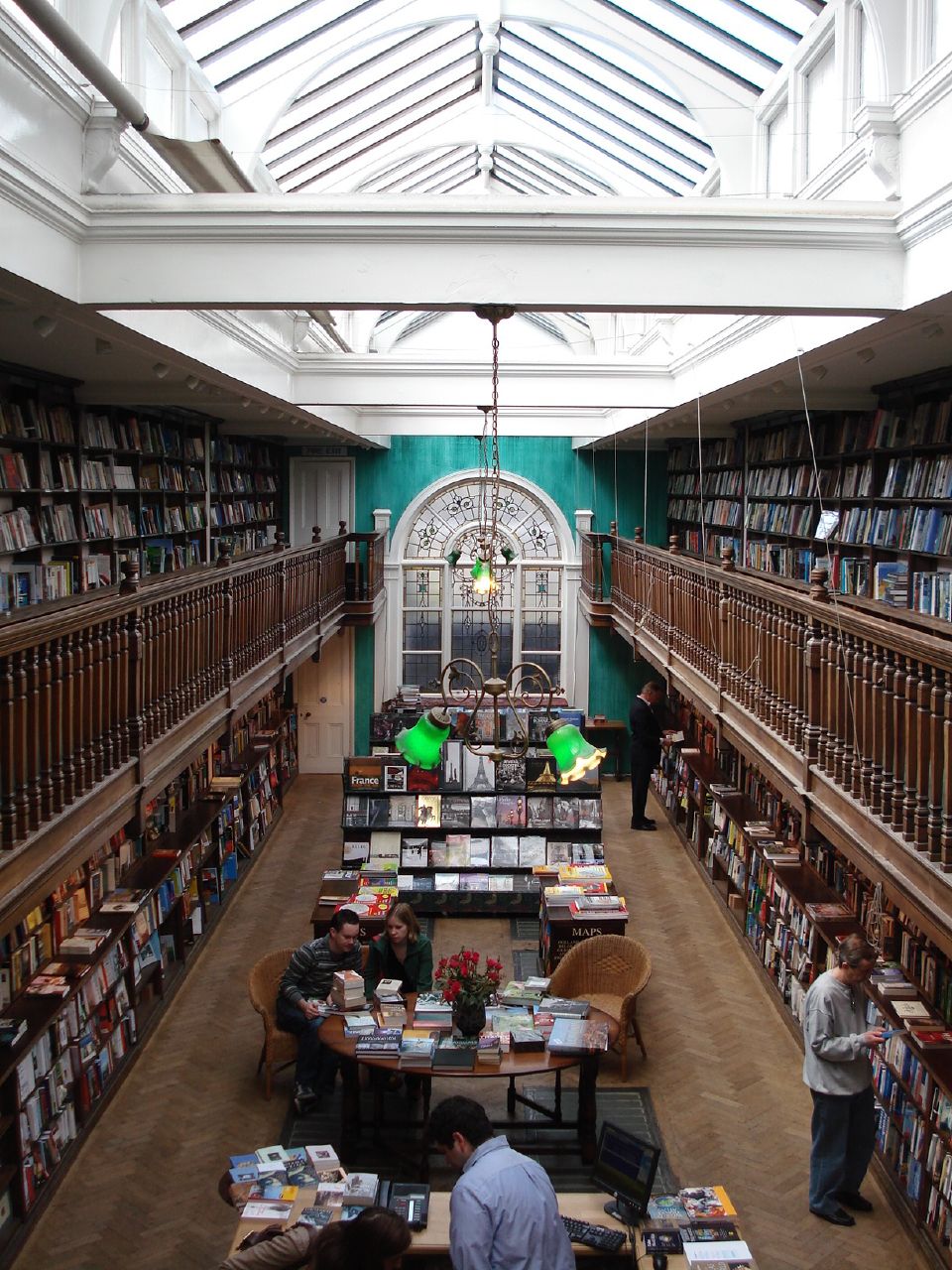
Possibly the first purpose-built bookshop in the world (1910), Daunt Books on Marylebone High Street is worth a visit even if you don’t buy a thing: oak galleries, skylights, William Morris wallpaper — and a famously travel-obsessed shelving system where books are organized by country, not genre. Browse the Europe section and you’ll leave with a longer wish list than you arrived with.
How to visit: 83–84 Marylebone High Street. Open Monday–Saturday 9am–7:30pm, Sunday 11am–6pm. Free to browse, of course. Nearest Tube: Baker Street, about a 5-minute walk.
8. God’s Own Junkyard — a neon dreamscape in Walthamstow
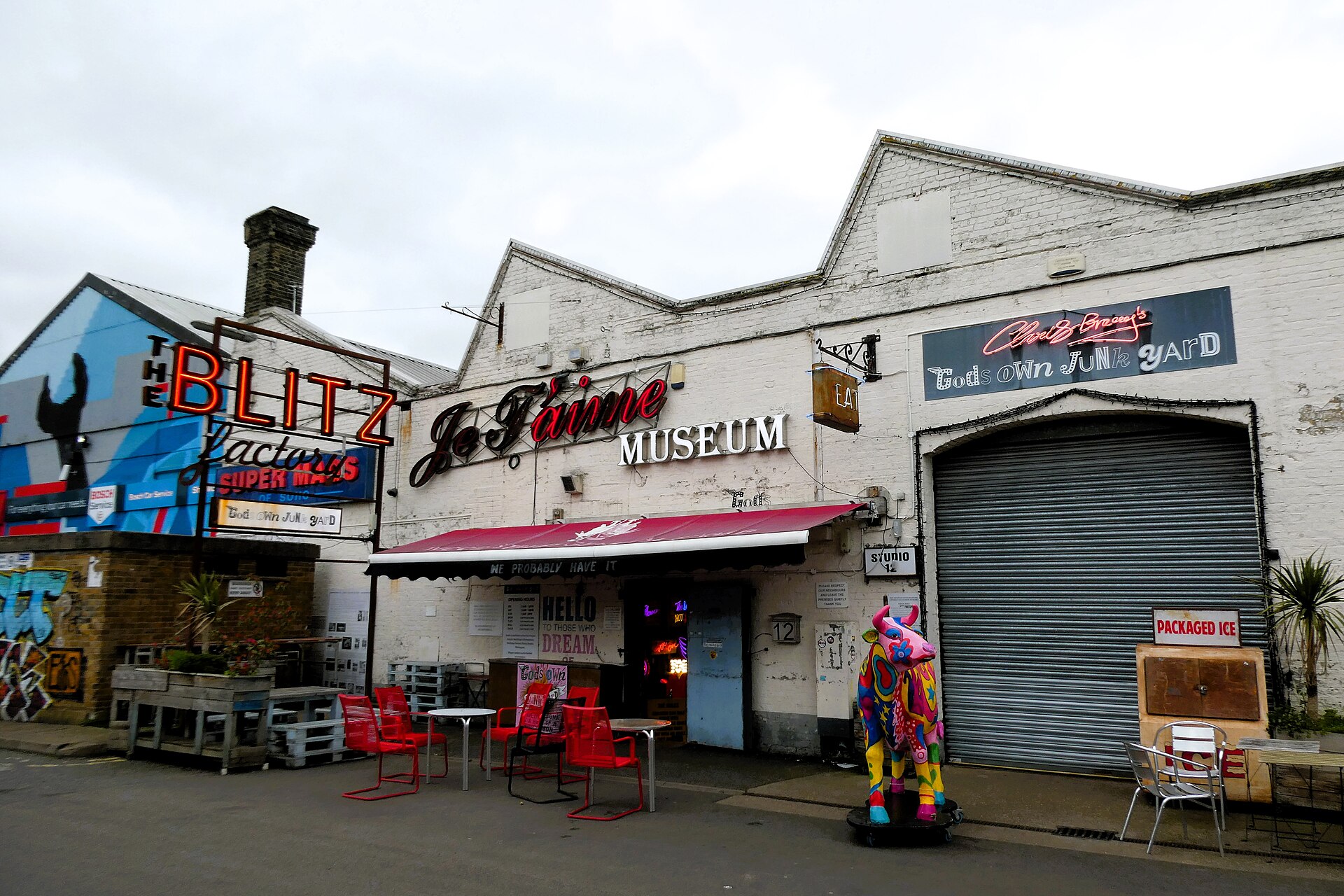
Inside a Walthamstow industrial estate sits Europe’s largest collection of salvaged and new neon signs — a warehouse glowing with old film props, fairground signs, and walls of pure colour. There’s a café-bar inside (the Rolling Scones), so you can have a drink surrounded by neon. It’s the kind of place that photographs unbelievably well and barely registers on most tourist itineraries.
How to visit: Unit 12, Ravenswood Industrial Estate, Shernhall Street, E17. Free entry, open Friday to Sunday (hours vary slightly by source — check godsownjunkyard.co.uk). Nearest: Walthamstow Central on the Victoria line, about a 15-minute walk. Dress warmly in winter; it’s a warehouse.
9. Columbia Road Flower Market — the Sunday-only institution
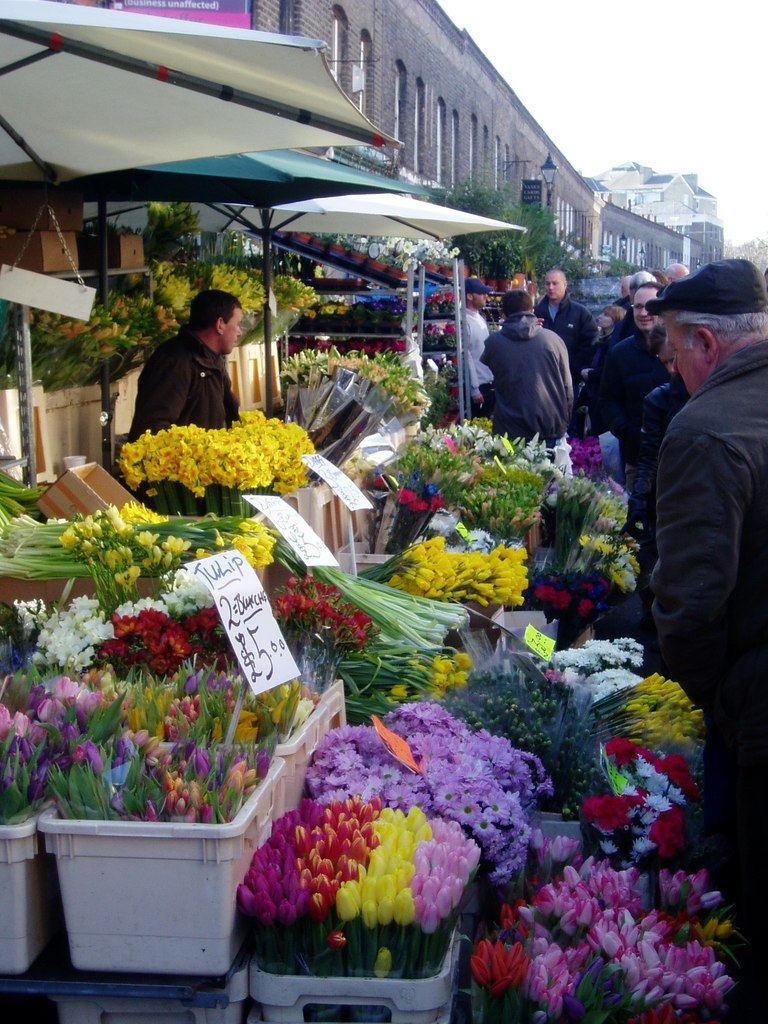
On Sundays, Columbia Road in Bethnal Green turns into one of London’s best street markets: stall after stall of flowers and plants at prices that undercut every florist in the city, with traders discounting even further late in the day. The independent shops and cafés along the street make it worth lingering. It only runs Sundays — so this one takes actual planning, which is exactly what makes it a gem.
How to visit: Sundays only, 8am to around 2–3pm. Go before 10:30am to beat the crowds. Free to visit. Nearest: Hoxton Overground is closest; otherwise about a 15-minute walk from Old Street or Bethnal Green.
How to string the gems together
Most of these cluster nicely into half-days. West London day: Leighton House → Kyoto Garden in Holland Park → Notting Hill for lunch, then Daunt Books in Marylebone. East and City day: St Dunstan in the East in the morning → the Tower area → Wilton’s Music Hall for an evening show. North and canal day: Little Venice in the morning → Highgate Cemetery in the afternoon (book the West tour). Add Columbia Road on a Sunday morning and God’s Own Junkyard as a Friday/Saturday evening — and you’ve seen a London most weekend visitors never know exists.
If you’re building your first trip around these finds, my London in 3 days itinerary covers the essential sights to pair them with, and the where to stay in London guide will help you pick a base near the Tube lines these gems run along. London rewards the curious — get out of the centre, look down the side streets, and the city opens right up.