
Chiang Mai is a city you can happily wander on your own — the Old City temples, the markets and the café streets ask for nothing more than your feet. But three of the experiences people travel here for sit outside that walkable square, and each comes with a catch. The mountain temple of Doi Suthep involves a winding climb and a village visit most visitors rush. The elephant sanctuaries require real homework, because the difference between an ethical operation and a dressed-up riding camp is not always obvious from a brochure. And a proper northern Thai cooking class means a market trip and a farm kitchen well beyond the moat. Those are exactly the three cases where a well-chosen tour earns its money.
Never forget a thing before you fly. My free 8-page Travel Planning Checklist walks you through the whole trip — 6 planning timelines, 36 checks, from booking windows to travel-day basics. One email, no spam, unsubscribe anytime.
Disclosure: This post contains affiliate links. If you book through one of these links, I may earn a commission at no extra cost to you.
Below are the three tours worth booking in Chiang Mai, chosen by comparing the same experiences on both major booking platforms — ratings, review counts, price and what is actually included — followed by the extra trips worth adding if you have a fourth or fifth day. For where to base yourself, see our guide to where to stay in Chiang Mai, and for how these days fit together, our Chiang Mai in 3 Days itinerary.
1. Doi Suthep and the Hmong Village: The Essential Half-Day
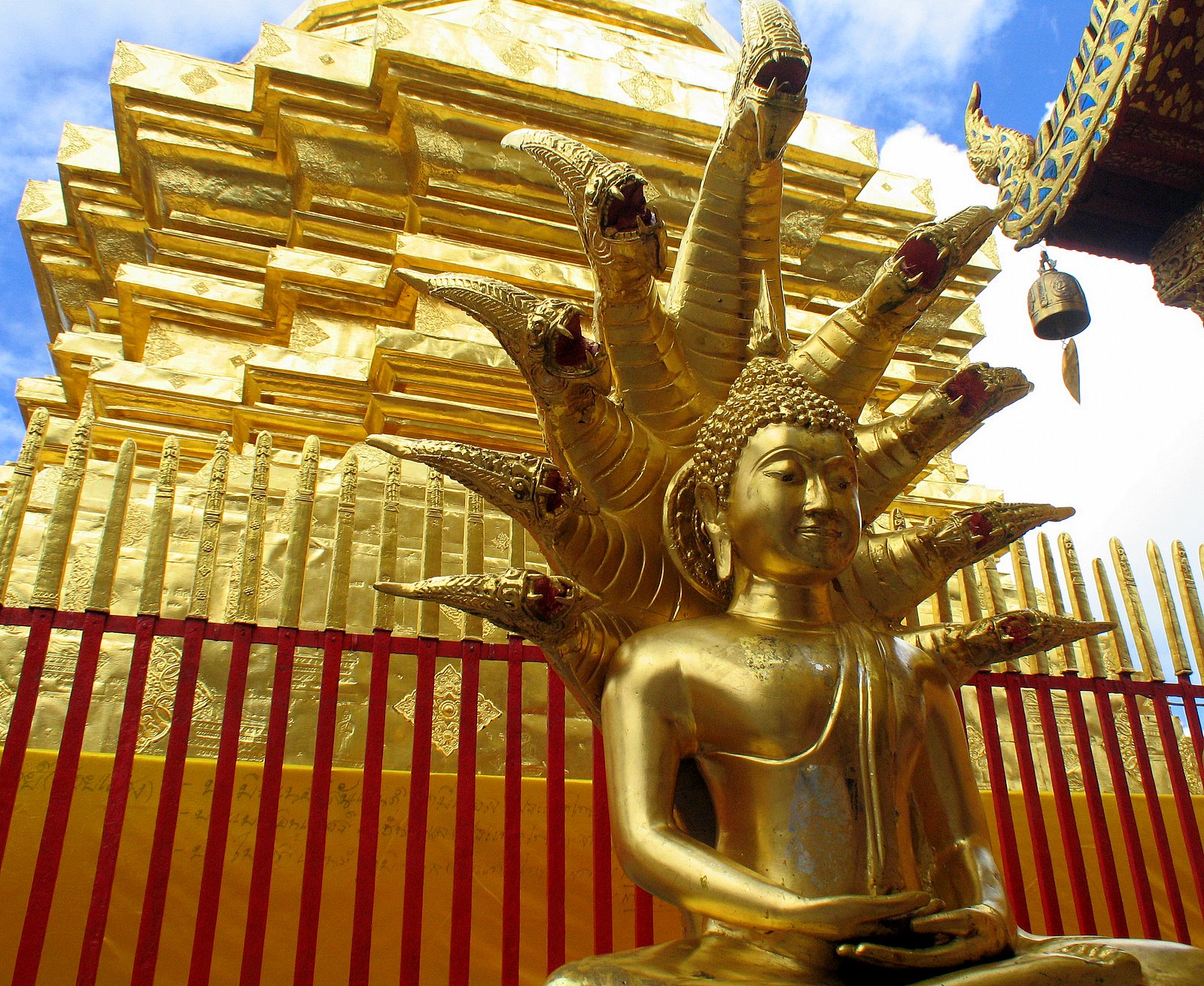
Every first visit to Chiang Mai leads up the mountain eventually. Wat Phra That Doi Suthep, founded in 1383, sits about 15 kilometres northwest of the Old City — a golden chedi said to enshrine a relic of the Buddha, reached by a 306-step staircase flanked by jewelled naga serpents, with the whole city spread out below the terrace. Legend says a white elephant carried the relic up the mountain, trumpeted three times, and died on the spot where the temple now stands.
You could hire a songthaew and do it alone, and plenty of people do. What the tour adds is the second half of the mountain: a Hmong hill-tribe village a few minutes beyond the temple, where a guide can explain the village museum, the gardens and Hmong embroidery and history in a way that a solo wander through the market stalls simply does not deliver. The format is efficient — about four hours, hotel pickup, small groups.
Book it: the 4-hour Doi Suthep and Hmong village tour is the strongest version we found — rated 4.7 from more than 700 reviews, in small groups of nine or fewer, at around $32 per person. The equivalent tour on the other platform had a strikingly weaker record (3.5 from just a handful of reviews), which made this the easiest pick of the three. Go early in the day for the clearest city views, dress for a temple (covered shoulders and knees), and carry small cash for the roughly 30-baht foreign visitor admission.
2. An Ethical Elephant Sanctuary Day: The One to Choose Carefully
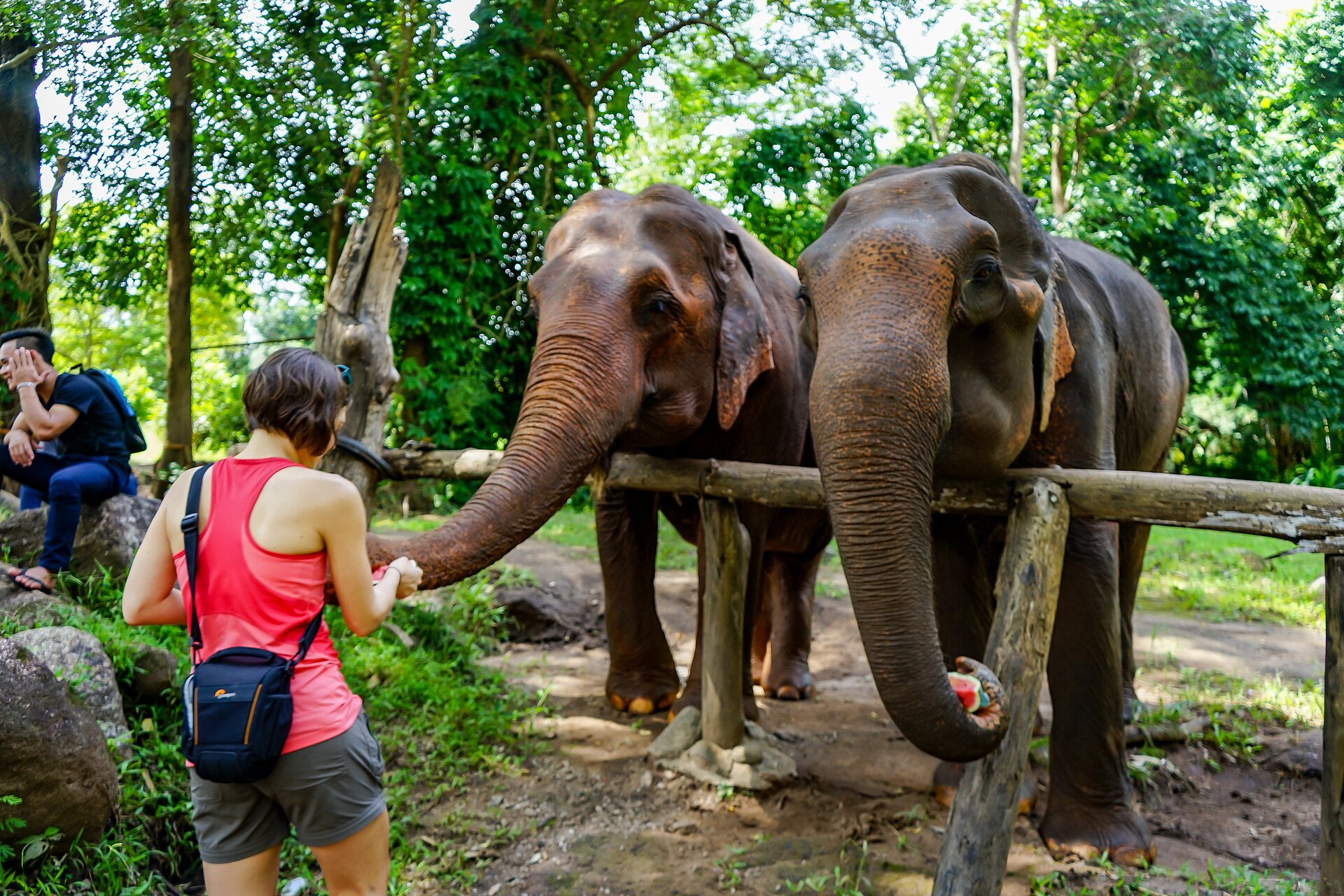
Chiang Mai is Thailand’s elephant capital, and this is the tour where your choice genuinely matters. The welfare standard has moved on: credible sanctuaries no longer offer riding or shows, and the best now limit hands-on contact rather than selling bathing sessions as the main event. Before booking anything, check three things — no riding, no performances, and reviews that describe elephants roaming, feeding and behaving like elephants rather than performing a schedule. If a listing leads with riding photos, walk away, whatever its rating.
The strongest bookable option bundles the sanctuary with the countryside around it: time observing and feeding rescued elephants, a waterfall swim, and a gentle bamboo rafting float to finish — a full day of around nine hours rather than a rushed half-day photo stop. It is also, not coincidentally, one of the most-reviewed experiences in northern Thailand.
Book it: the elephant sanctuary, waterfall and bamboo rafting day — rated 4.9 from more than 12,000 reviews, explicitly no-riding, at around $54 per person with pickup and lunch included. For context, a comparable half-day sanctuary product on the rival platform was showing out of stock when we compared, and standalone sanctuary days elsewhere in the valley typically run 2,500–3,500 baht. Book this one several days ahead in the November–February high season; the good sanctuaries cap group sizes and sell out.
3. A Thai Cooking Class with Market and Farm Visit: The Souvenir You Can Eat
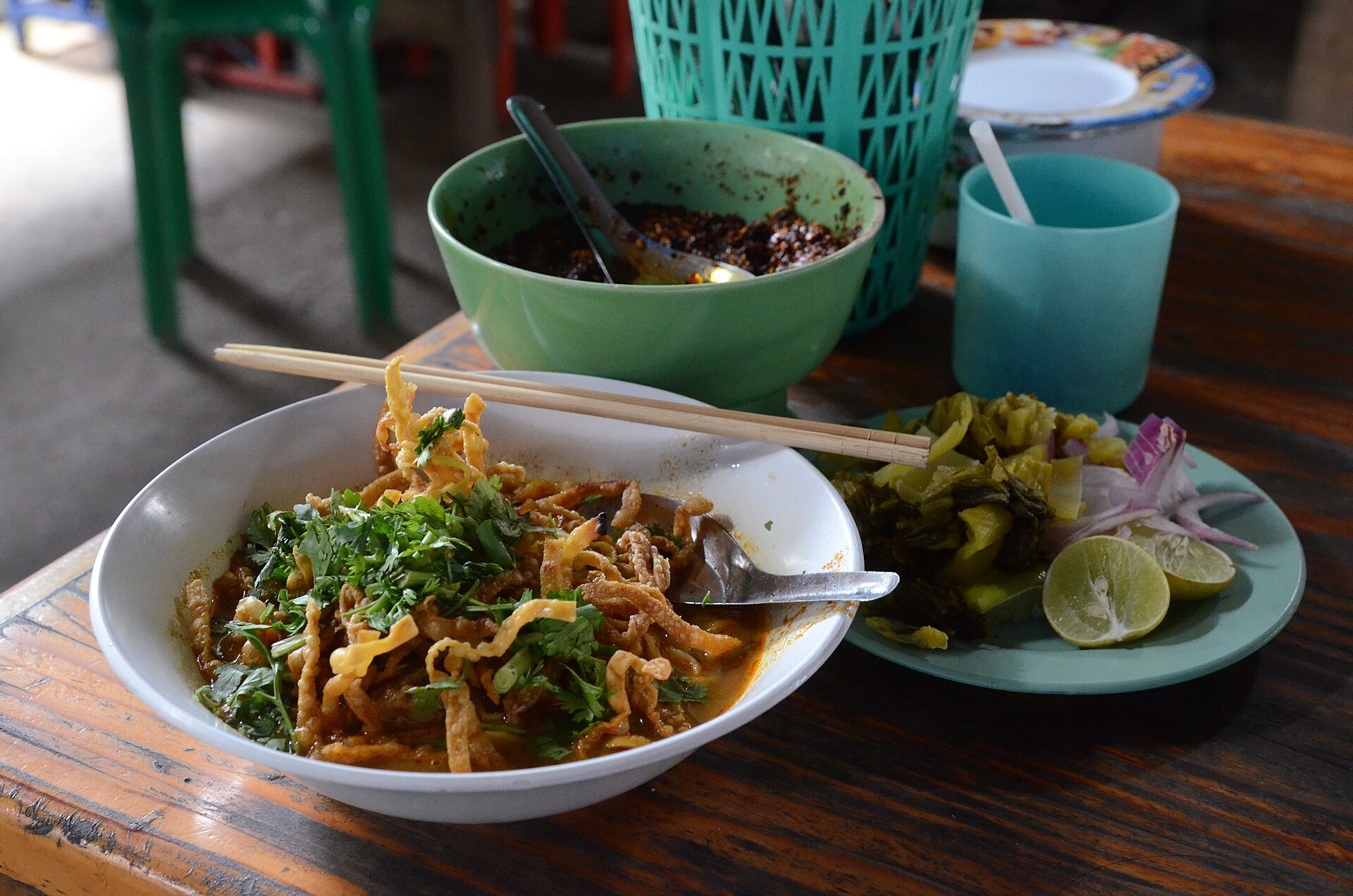
Northern Thai food is its own cuisine — khao soi’s curry-noodle richness, sai oua’s herbed sausage, chilli dips eaten with sticky rice — and Chiang Mai is the best classroom in the country for it. The classes worth taking share a shape: a morning market walk first, so you learn what galangal, turmeric root and kaffir lime actually look like before they hit the mortar, then cooking at an organic farm or garden kitchen outside the traffic, then the only exam anyone enjoys — eating everything you made.
Book it: the Zabb E Lee Thai Cooking School class — a perfect 5.0 rating, small classes capped at twelve, market tour plus organic farm, around $45 per person. One honest note from recent reviews: although sold as a half-day, the full market-to-table experience can run from about 9am to 4pm, so do not stack a tight afternoon plan on top of it. A cheaper, well-reviewed alternative exists on the other platform at around $30; we picked this one because at near-identical ratings the experience is equivalent and this operator’s format is the fuller day. Either way, go hungry and tell the teacher your real spice tolerance — “Thai spicy” is not a bluff.
Worth Adding with a Spare Day
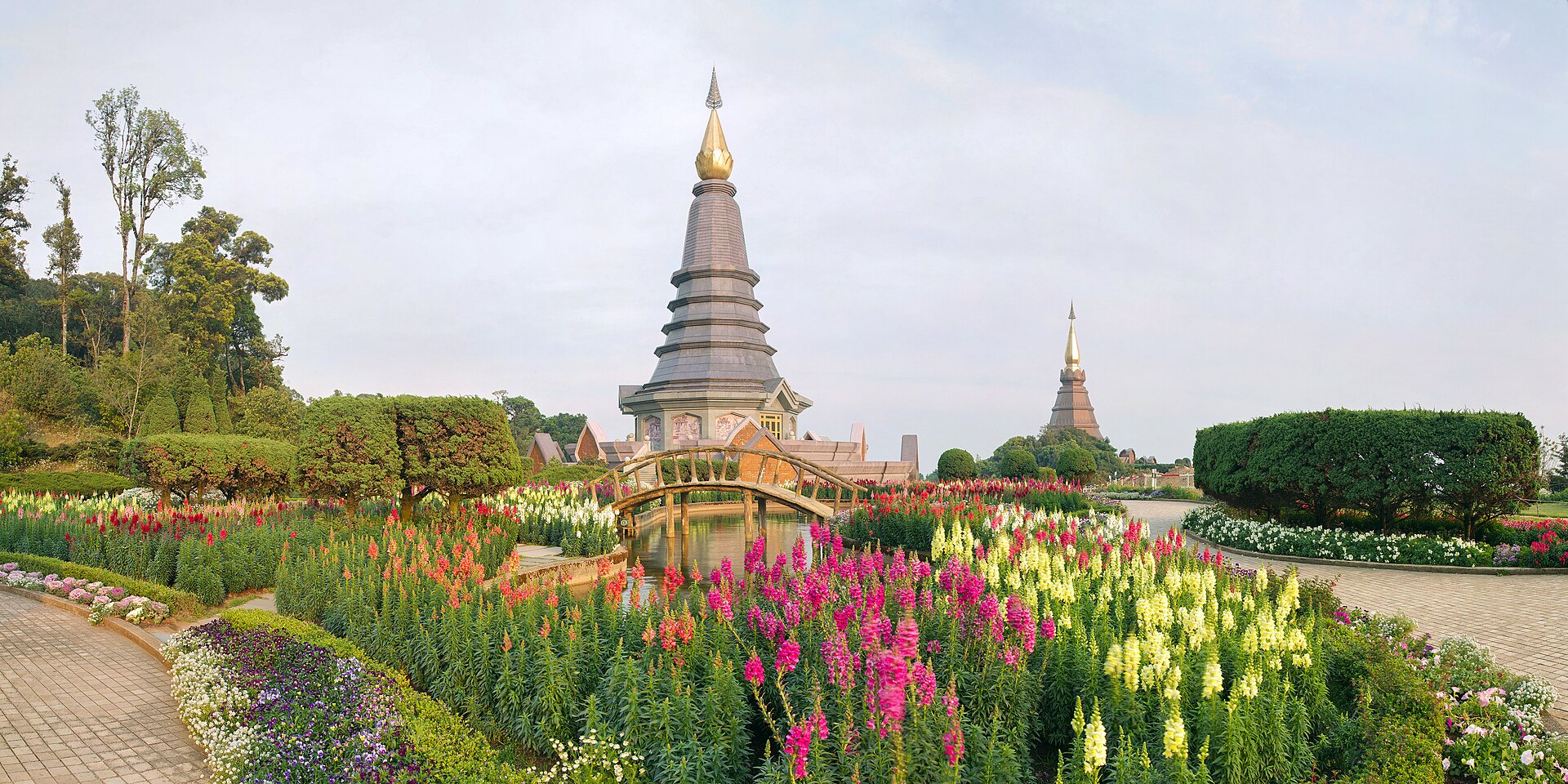
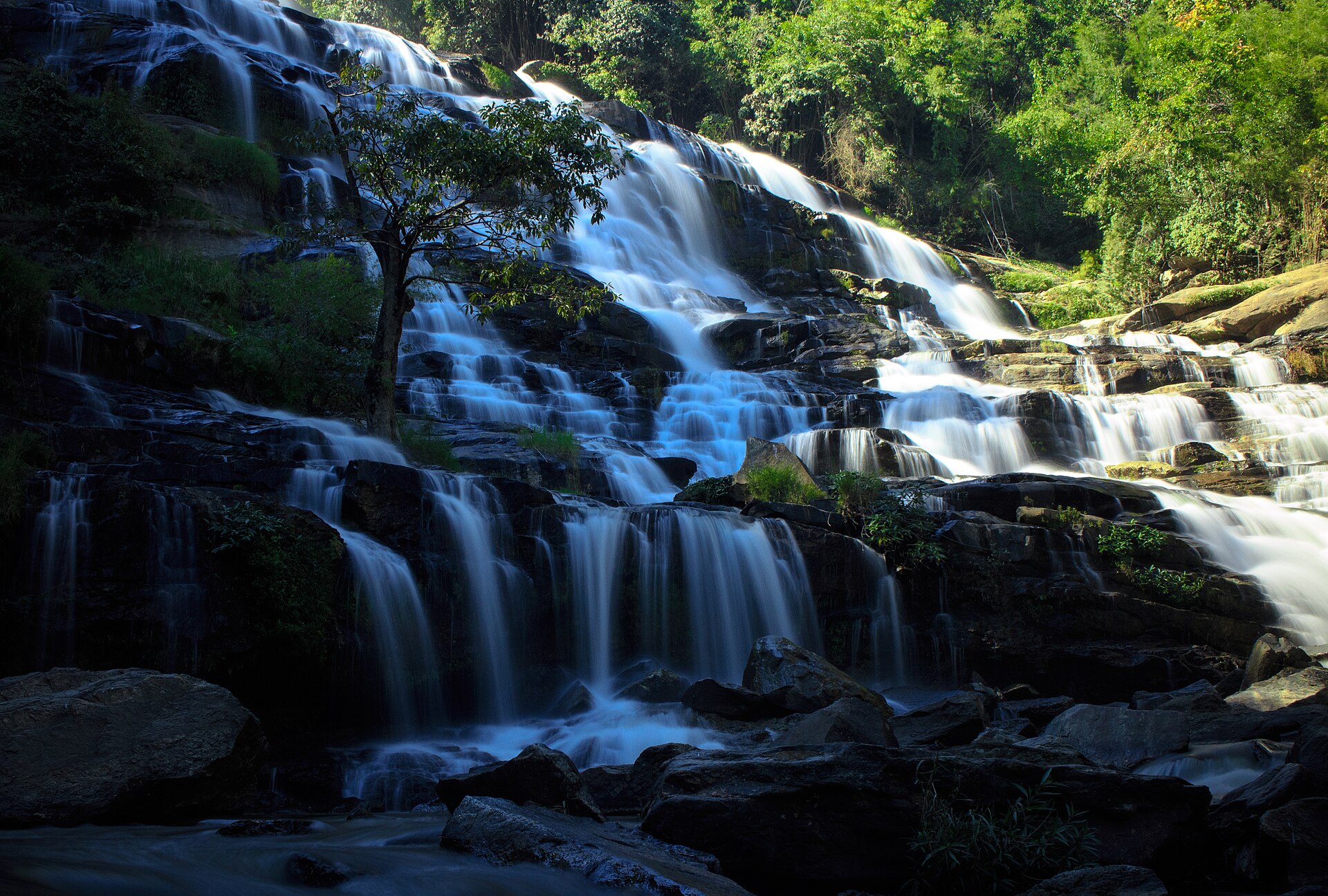
Doi Inthanon National Park. Thailand’s highest peak at 2,565 metres, roughly two hours southwest of the city. A day trip takes in cloud forest, the twin royal pagodas built for the 60th birthdays of King Bhumibol Adulyadej and Queen Sirikit, and serious waterfalls. It is a long day in a minivan, so treat it as a deliberate choice rather than a filler — and take a jacket; the summit can be 15 degrees cooler than the city. Foreign park entry is around 300 baht.
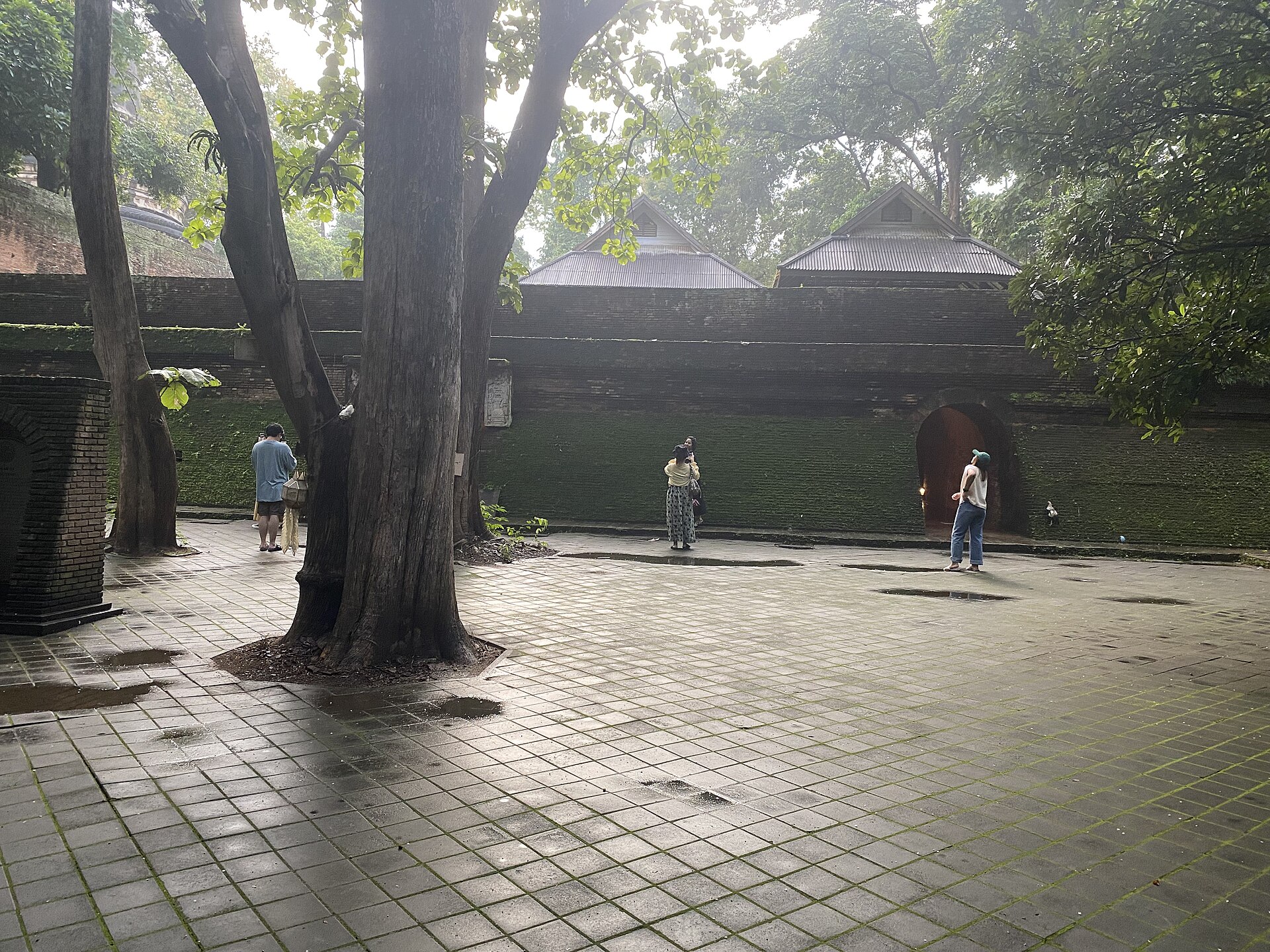
Wat Umong and the forest temples. No tour needed: this late-13th-century forest temple west of the Old City, with its mossy brick tunnels and quiet lake, is an easy songthaew ride and pairs naturally with the hike up the Monk’s Trail to Wat Pha Lat, hidden in the trees on Doi Suthep’s lower slopes.
Bua Tong Sticky Waterfall. About an hour north, mineral deposits coat this cascade in a naturally grippy limestone, so you climb the waterfall itself, barefoot, with ropes on the steeper pitches. Some elephant and Doi Suthep itineraries can be combined with it; as a standalone half-day it is the most fun cheap trip out of the city.
Booking Tips That Actually Matter
Timing beats everything. November to February brings cool, dry weather and clear mountain views. From roughly late February to April, smoke from regional burning settles over the valley and air quality can reach unhealthy levels — tours still run, but Doi Suthep’s famous view may simply not exist that week. Check the air-quality index before committing to view-dependent trips in those months.
Pickups assume the Old City or nearby. Most tours collect from hotels inside or just outside the moat — another reason our Chiang Mai neighbourhood guide steers first-timers there. Staying further out, confirm your pickup point in writing before the day.
Free cancellation is the high-season strategy. All three picks above offer it on most bookings — reserve the elephant day and the cooking class as soon as your dates are fixed, and keep the Doi Suthep half-day flexible around the clearest morning of your stay.
Three tours, three different Chiang Mais: the sacred mountain, the rescued elephants, and the kitchen. Book those well and the rest of the city — the temples, markets and café afternoons in our 3-day Chiang Mai itinerary — takes care of itself. And if northern Thailand is one stop on a bigger trip, our 13 best Southeast Asia guides round up the stays, itineraries and tours for the whole region in one place.