London is the kind of city that punishes winging it and rewards a little planning. Nearly every marquee attraction now runs on timed entry, the headline sights sell out their best slots days ahead, and the city is so big that a random walk can eat half your day. Three days is the sweet spot for a first visit: enough for the crown jewels of the sightseeing list — literally, in the Tower’s case — without sprinting from landmark to landmark.
Planning a trip? Get our free Travel Planning Checklist:
Disclosure: This post contains affiliate links. If you book through one of these links, I may earn a commission at no extra cost to you.
Before You Go: The Booking Rules That Make or Break the Trip
London’s single most important travel rule in 2026: book timed entry in advance for everything — including the free museums. The British Museum, Natural History Museum, and V&A all use timed slots during busy periods, and a free reservation made online in two minutes can save an hour of queueing. For paid heavyweights like the Tower of London (around £34) and the Churchill War Rooms (around £30), advance booking isn’t optional in summer; the good slots sell out weeks ahead.
Second rule: use one contactless card or device for all transport. London’s Tube, buses, and trains cap your daily and weekly spend automatically — but only if every tap comes from the same card or phone. Swapping cards mid-day breaks the cap. (This applies to Heathrow arrivals too: the Elizabeth line and Piccadilly line both accept contactless, and both are far cheaper than the Heathrow Express.)
Third: plan around the geography, not a checklist. London’s sights cluster beautifully — Westminster one day, the Tower and the Thames another, the museums and neighborhoods on day three — and walking between clusters is half the pleasure.
Day 1: Royal Westminster
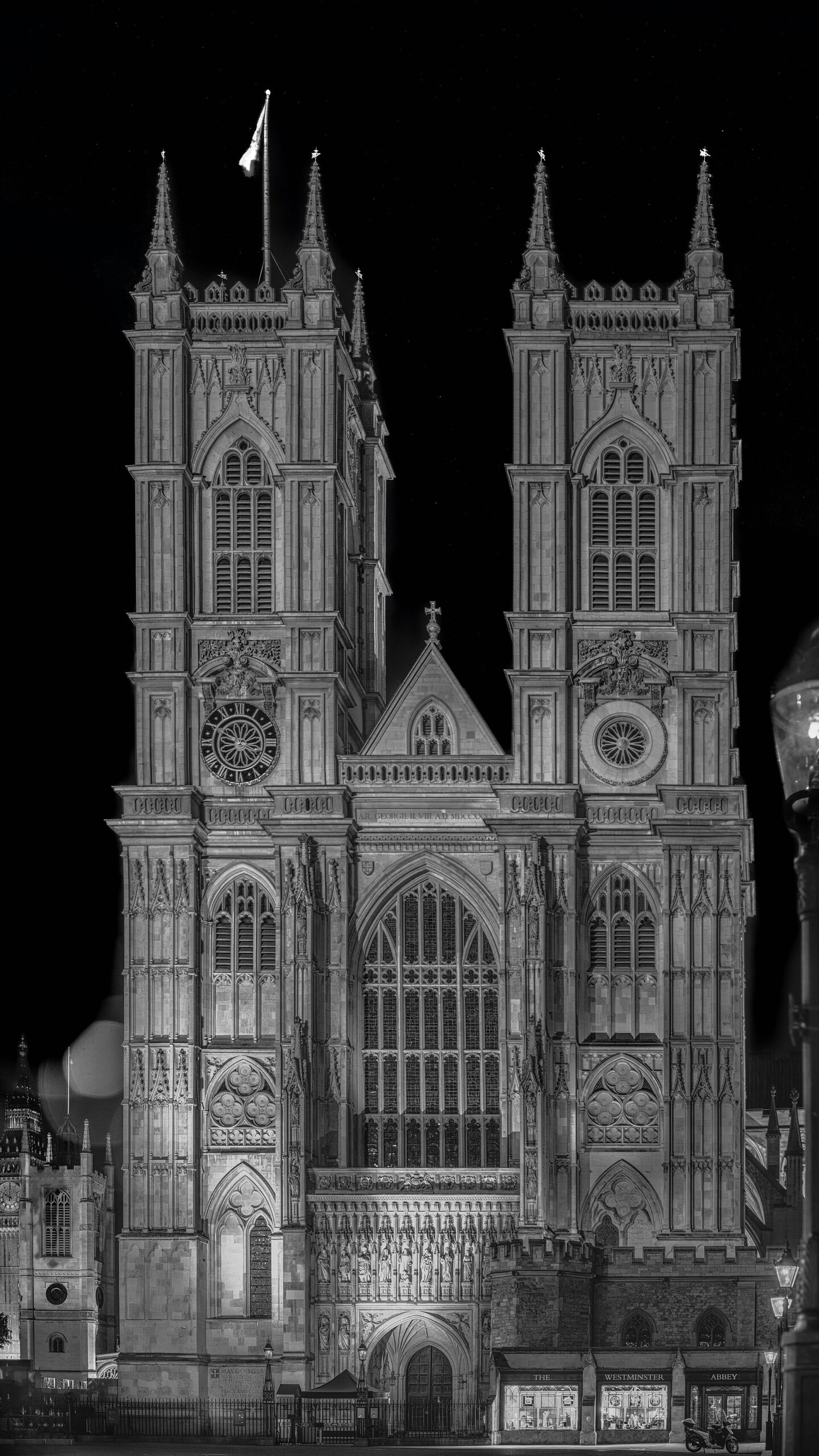
Start where British history lives. Westminster Abbey has hosted every coronation since 1066 and holds the tombs of kings, queens, poets, and scientists — Newton, Dickens, Darwin, and Stephen Hawking among them. Entry runs around £28–£31, and the queues without a timed ticket are miserable; this is the one place a guided tour earns its money. A Royal London walking tour with skip-the-line Abbey entry and Changing of the Guard viewing (4.5 stars, 500+ reviews) covers the Abbey’s highlights with a Blue Badge guide, then walks you through St. James’s Park to the guard ceremony at Buckingham Palace — the two experiences pair naturally since the ceremony typically starts mid-morning (always check the Household Division schedule before you go; it doesn’t run every day).
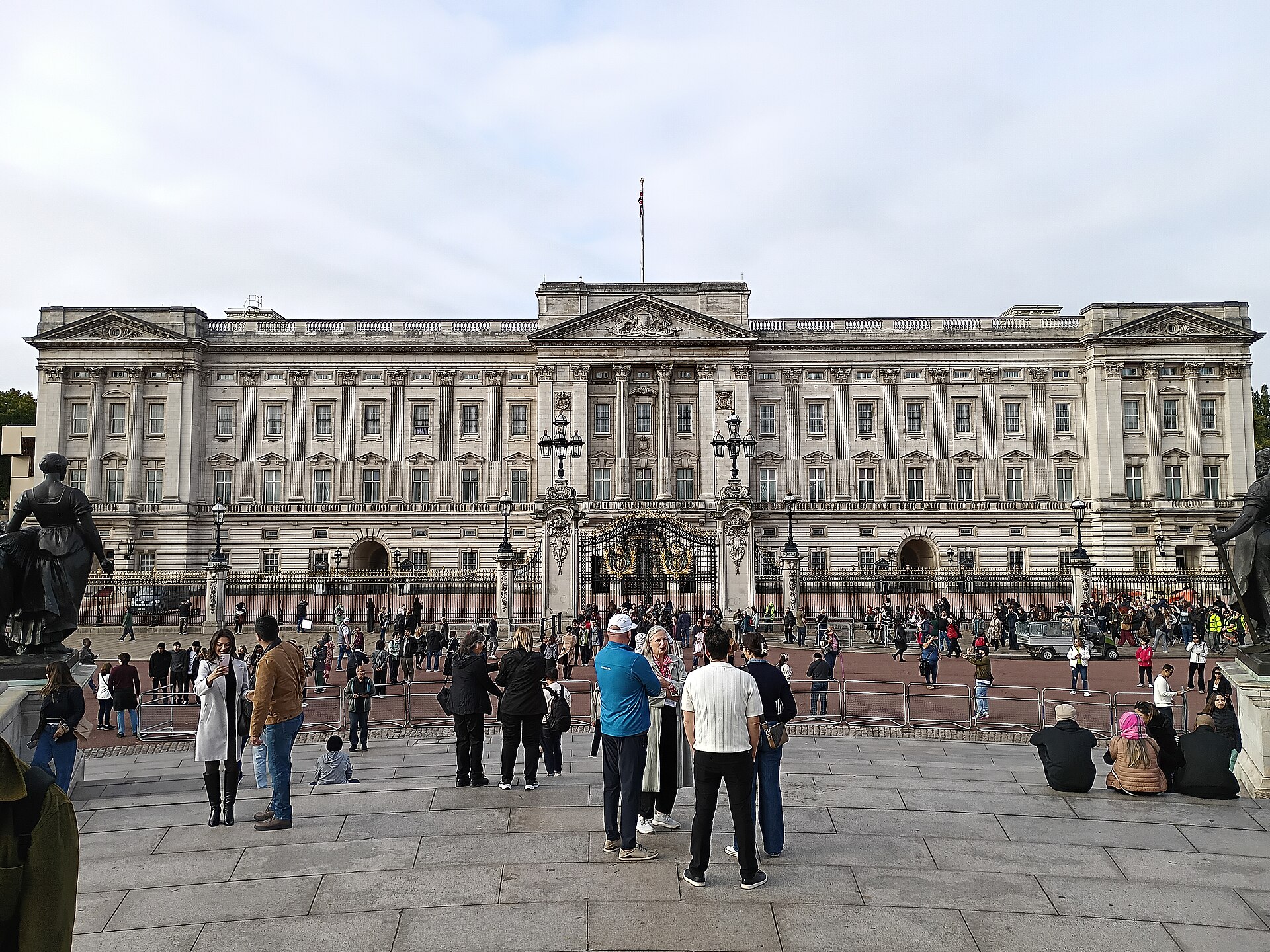
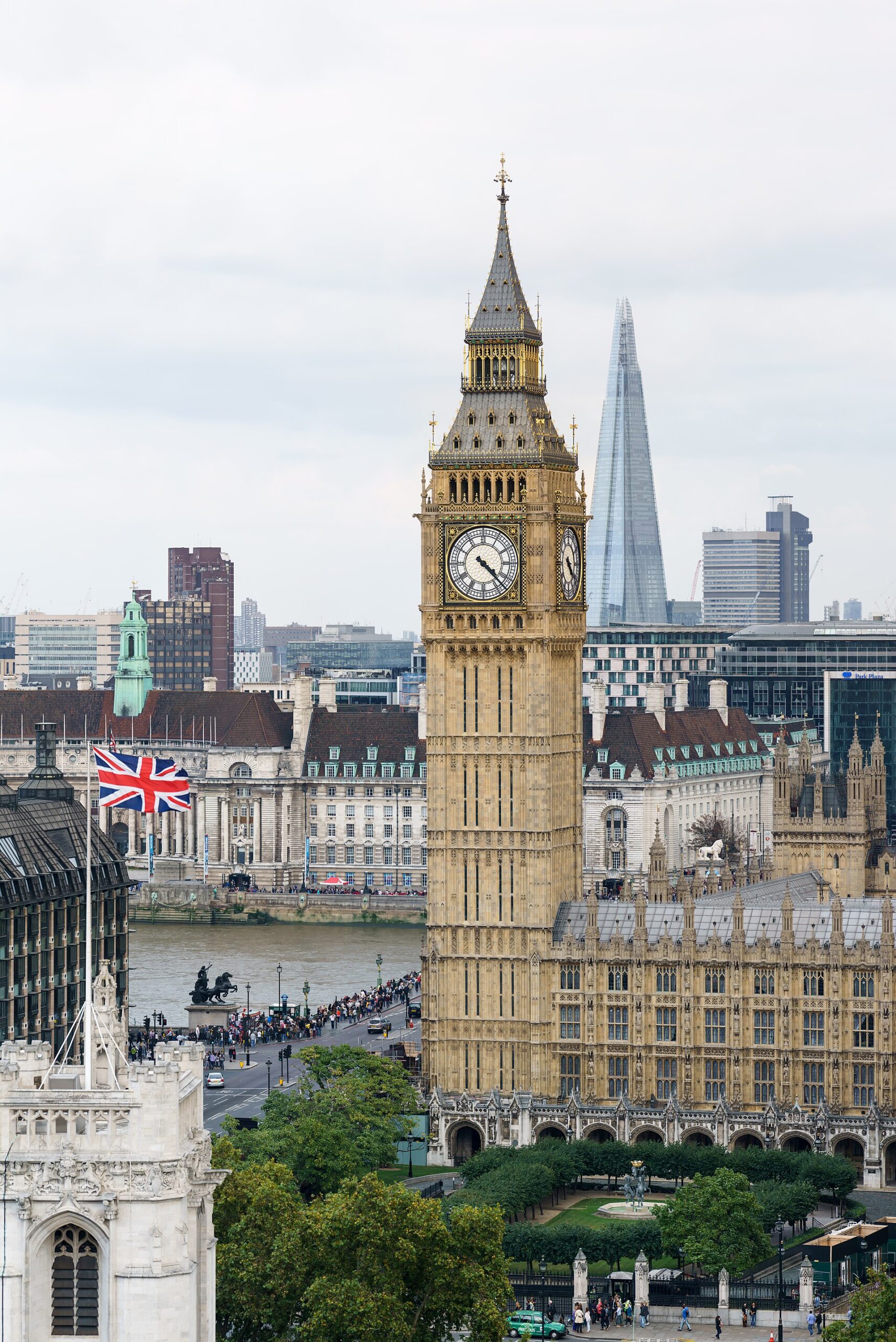
From the palace, stroll back through the park to Big Ben — technically the bell; the tower is the Elizabeth Tower — and the Houses of Parliament. The classic photo is from Westminster Bridge, with the London Eye wheeling across the river. If war history pulls you, the Churchill War Rooms (around £30, timed entry essential) fit perfectly into the early afternoon; give them two hours and book the first slot after lunch.
End the day at Trafalgar Square and the National Gallery (free, timed entry) — its collection of Van Gogh, Monet, and Turner is world-class and entirely free — then dinner in Covent Garden or Soho. If you’re up for a West End show, book tickets the same week you book your Abbey slot; the best seats go early.
Day 2: The Tower and the Thames
Day two belongs to the river. Arrive at the Tower of London as early as you can — this 1,000-year-old fortress founded by William the Conqueror in 1066 holds the Crown Jewels, and the line for the Jewel House can stretch to 90 minutes by midday. Around £34 entry, timed slots, and at least three hours to do it justice. The smartest move is an early-access Tower tour with the opening ceremony (4.6 stars, 1,000+ reviews): you watch the Beefeaters unlock the gates, walk straight to the Crown Jewels before the crowds, and get the Yeoman Warders’ stories — the free guided talks inside are included with admission and are genuinely excellent.
From the Tower, walk across Tower Bridge (the glass floor in the high-level walkways is worth the small entry fee if you have time), then trade walking for floating. A Thames river cruise from Westminster to Tower Bridge (4.3 stars, 500+ reviews) is the most restful sightseeing hour in London: St. Paul’s, Shakespeare’s Globe, the Shard, and the Tower all slide past with live commentary, and you can ride one-way or round-trip to fit your plan.
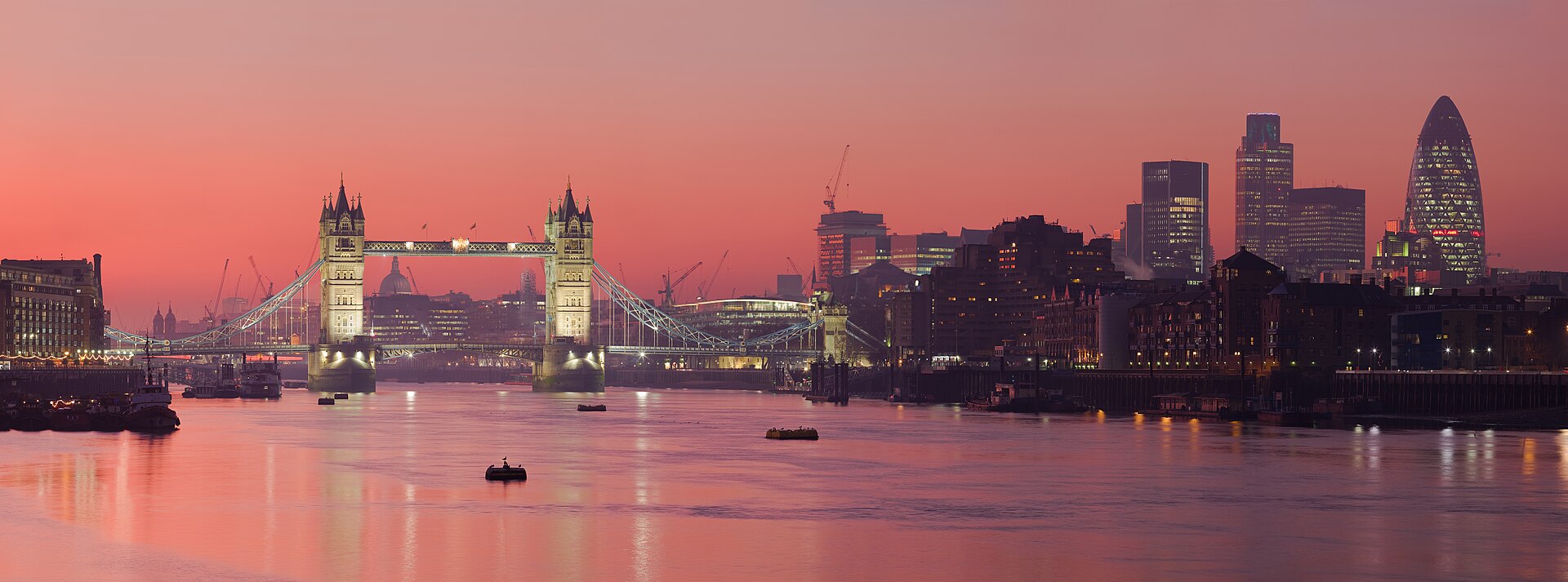
Disembark near London Bridge for lunch at Borough Market — one of the city’s oldest food markets — then walk the South Bank west past the Tate Modern (free, and the viewing terrace has a superb skyline panorama) toward St. Paul’s Cathedral. If you’re still standing, cross the Millennium Bridge for golden hour at the cathedral steps, then dinner in Shoreditch or the City.

Day 3: Museums and Neighborhoods
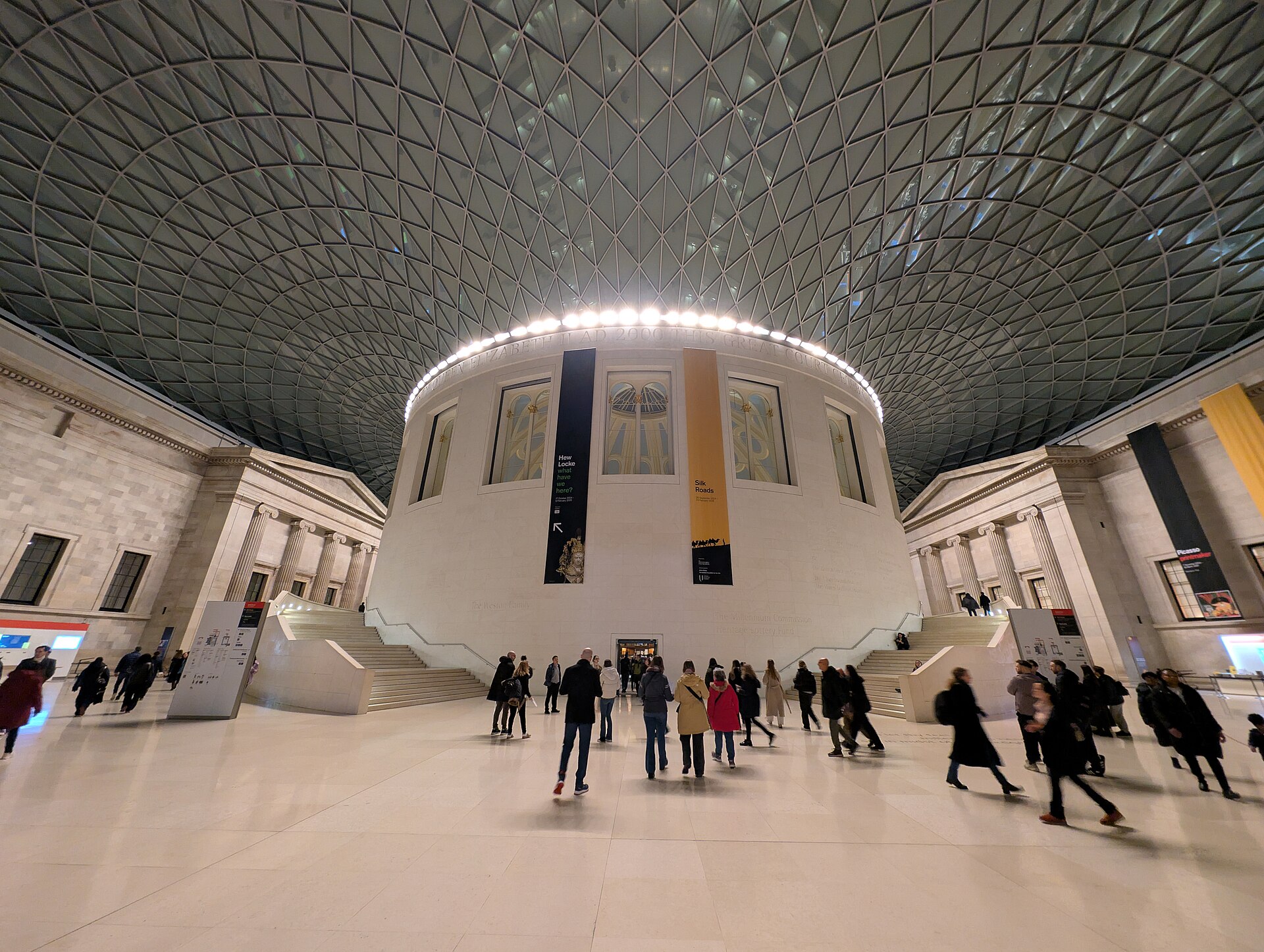
London’s greatest bargain: its museums are free. Give the morning to the British Museum (free, timed entry) — pick two or three galleries and commit, because the full collection is a week, not a morning. The Great Court, the Egyptian mummies, and the Parthenon sculptures are the classic trio. Pairing it with the Natural History Museum (free, timed entry) on the same day is ambitious but doable; give each a half-day at most.
Afternoon is for London as Londoners live it. Pick your lane: Camden Market for street food and counterculture, Notting Hill and Portobello Road for pastel streets and vintage hunting, Soho and Carnaby Street for shopping and people-watching, or Greenwich for the Cutty Sark and the Royal Observatory (stand on the Prime Meridian — it’s touristy and completely worth it).
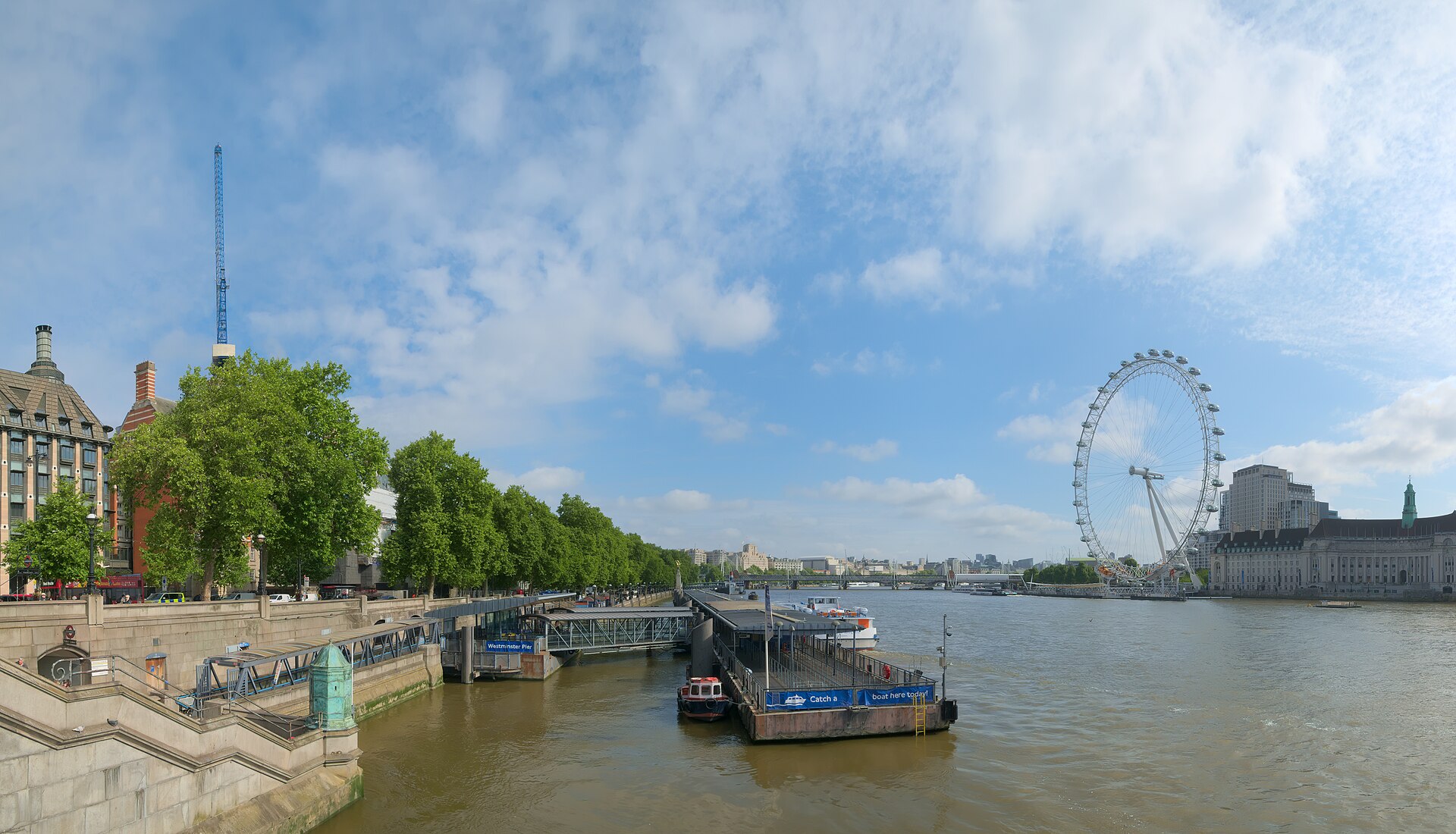
Finish with the London Eye at sunset if the sky cooperates — 30-minute rotations, around £29–£35, timed entry, and the late-afternoon light is the best photography of the trip. On a grey day, swap it for skyline views from the free Sky Garden (book its free timed tickets weeks ahead — they go fast).
What 3 Days in London Costs (Roughly)
London can be gentle or brutal on the wallet. A realistic mid-range budget for three days, per person, excluding flights and hotel:
- Paid sights: £90–£120 (Tower £34, Abbey ~£30, one more paid stop like the Eye or War Rooms ~£30 — everything else on the itinerary above is free)
- Transport: £20–£30 (contactless daily cap in central zones; one card, all day)
- Food: £120–£200 (pub lunches £12–£18, Borough Market grazing £15–£25, one nice dinner £40–£60)
- Total: roughly £230–£350 per person for three full days
The free-museum culture is what makes London such good value for a city-break budget — nowhere else in Europe gives you this many world-class collections for £0.
What I’d Skip
Three honest cuts. Madame Tussauds — long queues, a steep ticket, and wax figures are the same everywhere. Buckingham Palace State Rooms unless you’re visiting in the summer opening window (typically July–September; around £32 booked in advance) — outside those months you can’t get in anyway, so don’t plan around it. And the London Eye on an overcast day — it’s a view attraction, and London’s grey skies turn a £30 ticket into a £30 lesson; check the forecast the night before and pivot to the Sky Garden or the Tate Modern terrace instead.
The Bottom Line
London rewards the traveler who books the timed slots early, picks one card for the Tube, and lets each day follow its natural geography — crown and ceremony in Westminster, fortress and river on day two, free museums and real neighborhoods on day three. Do that, and three days delivers the essential London without the queues that ruin it for everyone else. If London is part of a bigger European loop, my 7 perfect 3-day Europe itineraries roundup pairs it with routes through Paris and Amsterdam — all three cities connect by direct train or short flights, and the booking rules in this guide apply to all of them.