
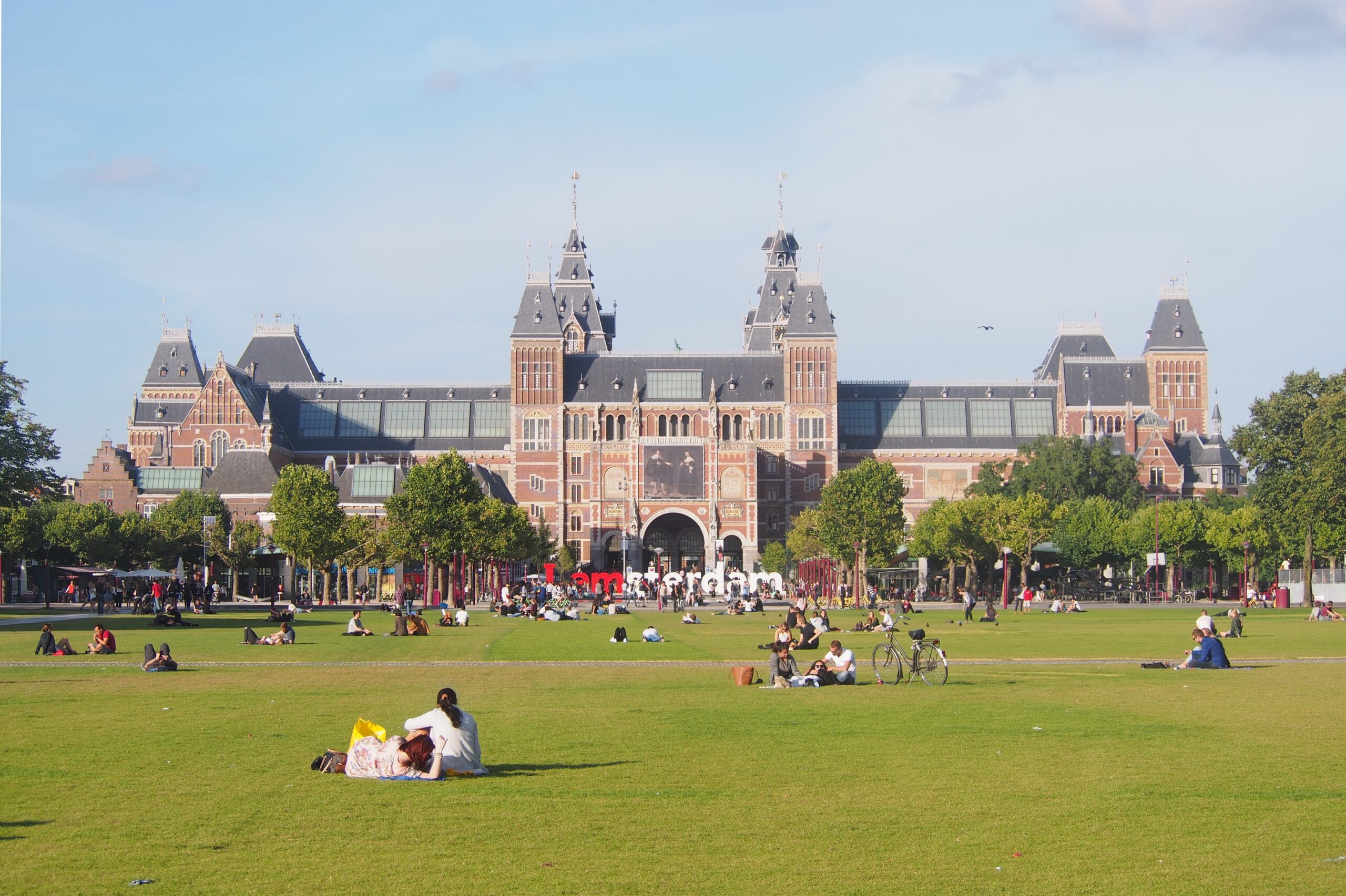
Amsterdam rewards the prepared traveler. The canals are postcard-perfect, the museums are world-class, and the bike traffic moves like a river — but nearly every marquee attraction runs on timed entry, and the most popular ones sell out days or even weeks ahead. Three days is the sweet spot for a first visit: enough to see the essential Amsterdam without rushing, and enough to escape the center for a taste of the Dutch countryside.
Planning a trip? Get our free Travel Planning Checklist:
Disclosure: This post contains affiliate links. If you book through one of these links, I may earn a commission at no extra cost to you.
Before You Go: The Booking Rules That Make or Break the Trip
Amsterdam is not a city you can wing. Three bookings are worth making the moment your flights are confirmed:
- Anne Frank House — tickets go on sale online only (annefrank.org), every Tuesday at 10:00 AM Amsterdam time, exactly six weeks ahead. The popular slots vanish within minutes. Set an alarm. There are no walk-up tickets, full stop.
- Van Gogh Museum — tickets are sold online only with timed entry (€25 adults, under-18s free). Book several days ahead at minimum; in summer, a week or more.
- Rijksmuseum — also timed entry (€25 adults, under-18s free), open daily 9:00–17:00. Book a day or two ahead and pick an early slot.
Getting around: the historic center is compact enough to walk, and trams fill the gaps. GVB’s day passes (1-day €9, 3-day €21) cover unlimited trams, buses, and metros — worth it if you’ll ride more than a couple of times a day. From Schiphol Airport, a direct train reaches Amsterdam Centraal in about 15 minutes.
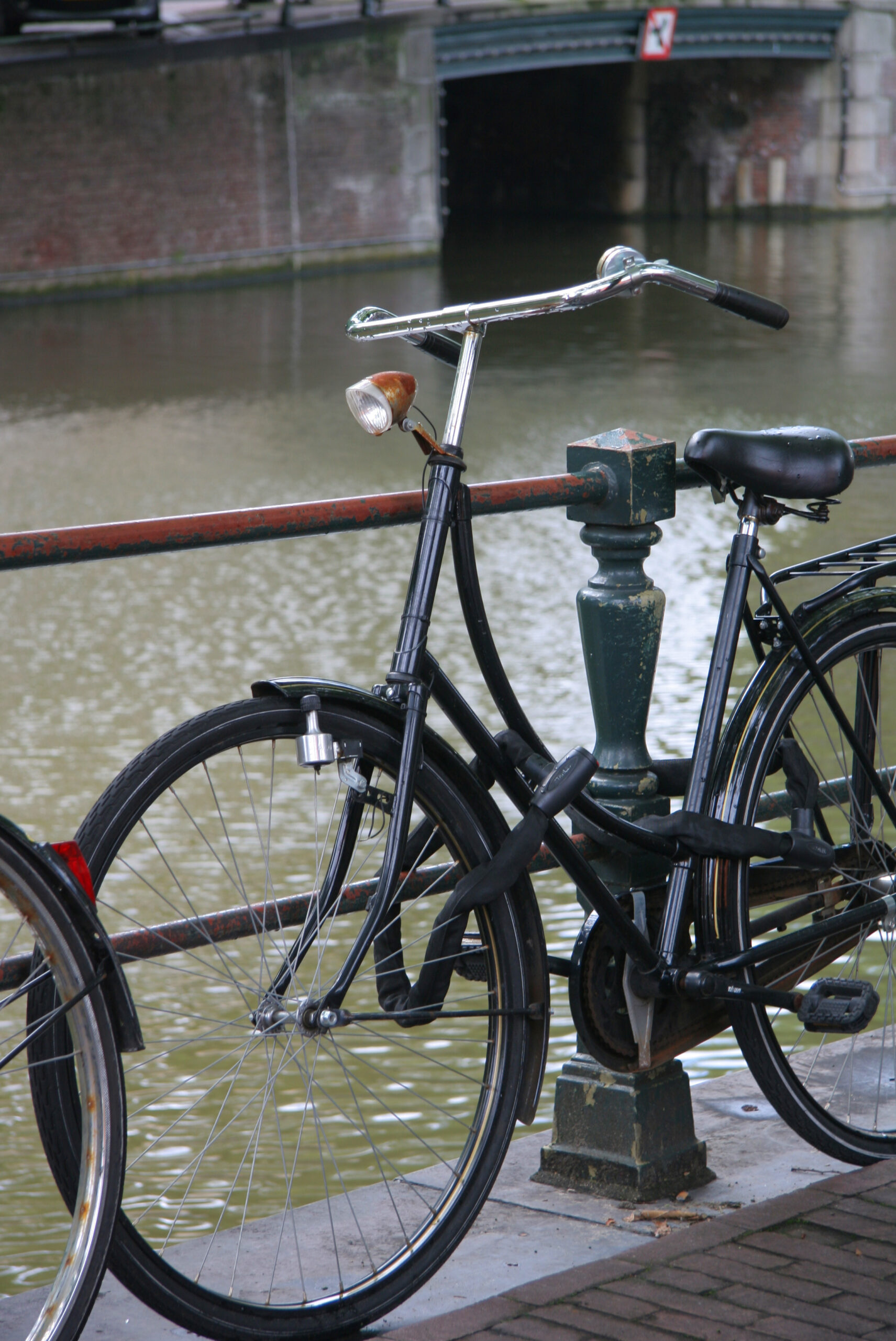
A note on bikes: renting one is quintessentially Dutch, but the bike lanes are serious commuter infrastructure, not a playground. If you rent, stay in the marked lane, signal, and never stop in the lane to take a photo. For most first-timers, the first day on foot is the smarter call.
Day 1: The Historic Center, Jordaan, and a Canal Cruise
Start at Dam Square, the city’s beating heart since the 13th century, and step inside the Royal Palace if the grand interiors are open (check the day’s schedule — it’s still a working palace). From there, walk west into the Jordaan, Amsterdam’s most beloved neighborhood: narrow streets, independent boutiques, brown cafés, and the Nine Streets shopping district spilling across the canals.
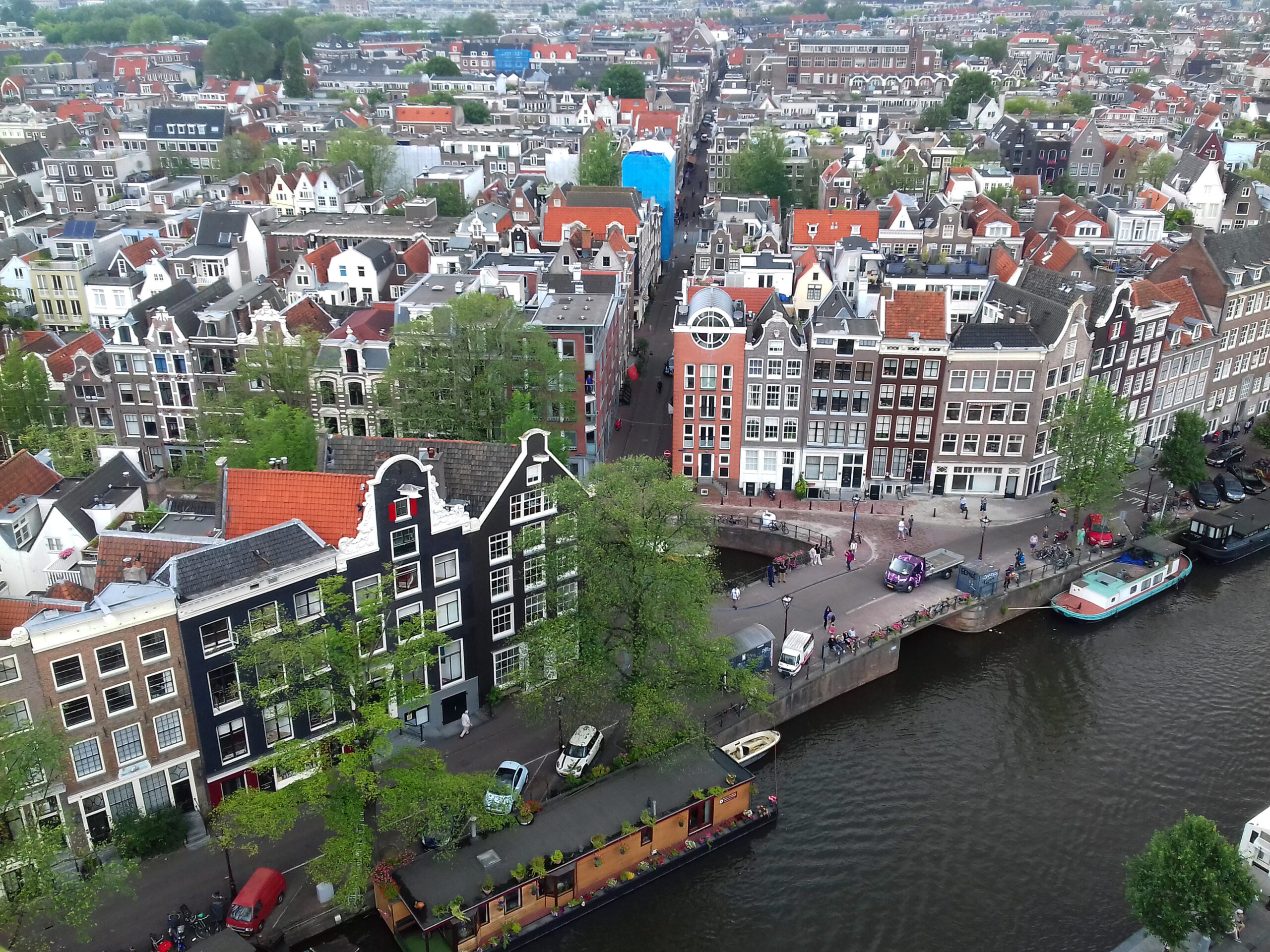
The Anne Frank House sits on the Prinsengracht at the edge of the Jordaan. Allow 60–90 minutes; photography is banned inside, the staircases are steep, and the experience is quietly devastating. If you couldn’t snag tickets, the Westerkerk tower next door offers the best view in the neighborhood — Anne Frank could hear its bells from the Secret Annex.
Lunch in the Jordaan: a broodje (sandwich) at a canal-side café, or rijsttafel — the lavish Indonesian feast that became a Dutch tradition during the colonial era. Amsterdam’s Indonesian restaurants are among the best outside Jakarta; a rijsttafel of a dozen small dishes is one of the city’s great meals.
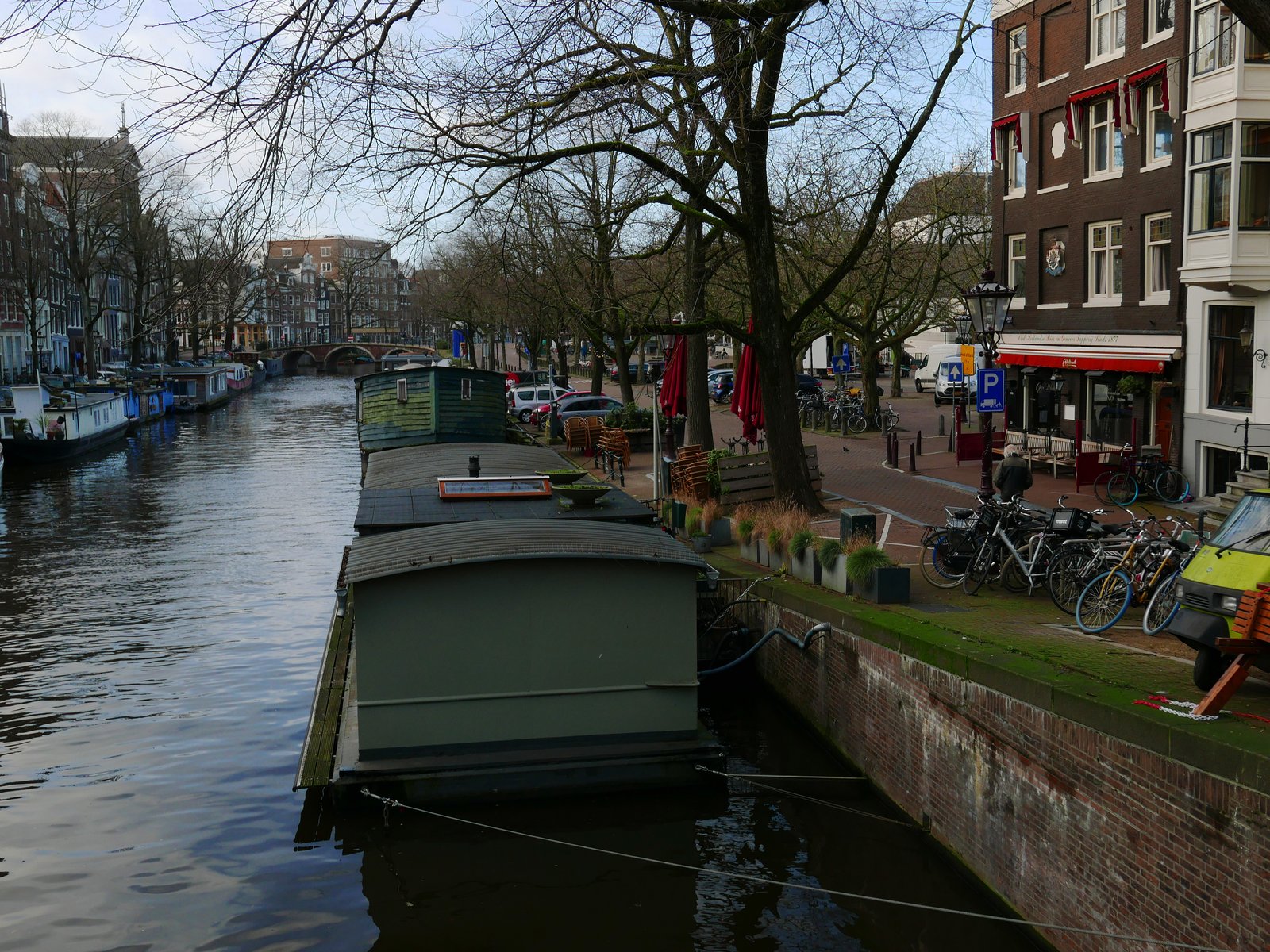
In the late afternoon, see the city the way it was built to be seen — from the water. The canal ring is a UNESCO World Heritage site, and an hour on a classic saloon boat with a live guide gives you the stories behind the gabled houses you’d otherwise just walk past. This cheese-and-drinks canal cruise runs past the Anne Frank House, the Rijksmuseum, the Skinny Bridge, and the flower market, and the evening sailings are magical when the canal lights come on.
End the day with frites (Dutch fries with mayo, eaten standing up) and a wander through the Bloemenmarkt, the floating flower market on the Singel — though note the stalls close by early evening, so save a proper browse for the morning.
Day 2: Museumplein — Rijksmuseum and Van Gogh
Devote the morning to the Rijksmuseum, the Netherlands’ national museum and one of the great art museums on earth. Head straight for the Gallery of Honour: Rembrandt’s The Night Watch anchors the collection (it’s currently undergoing a years-long public restoration — you can still see it, inside a glass enclosure, which is honestly fascinating), flanked by Vermeer’s The Milkmaid and works by Frans Hals. Budget at least three hours; the museum is cashless throughout, including the café.
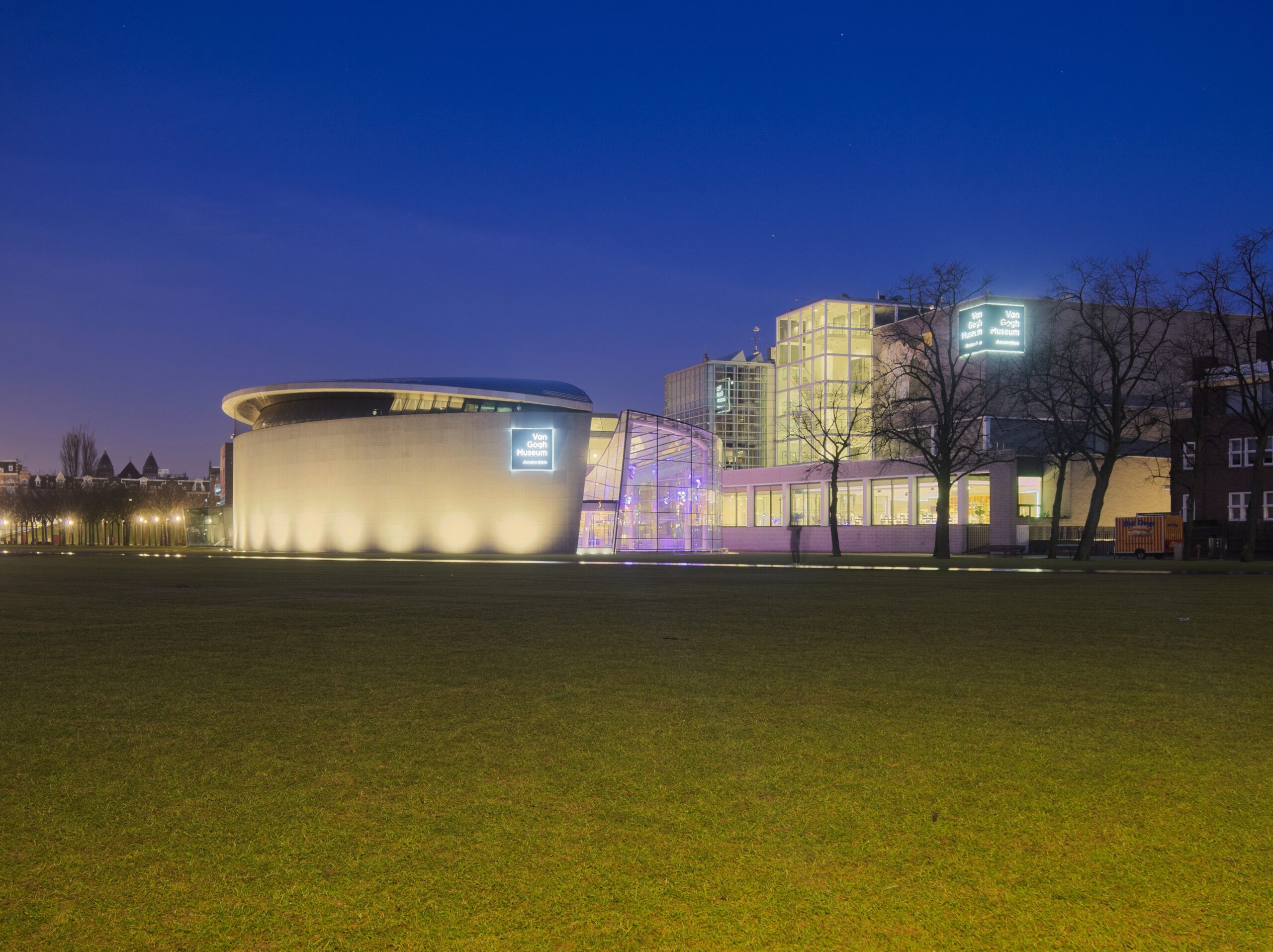
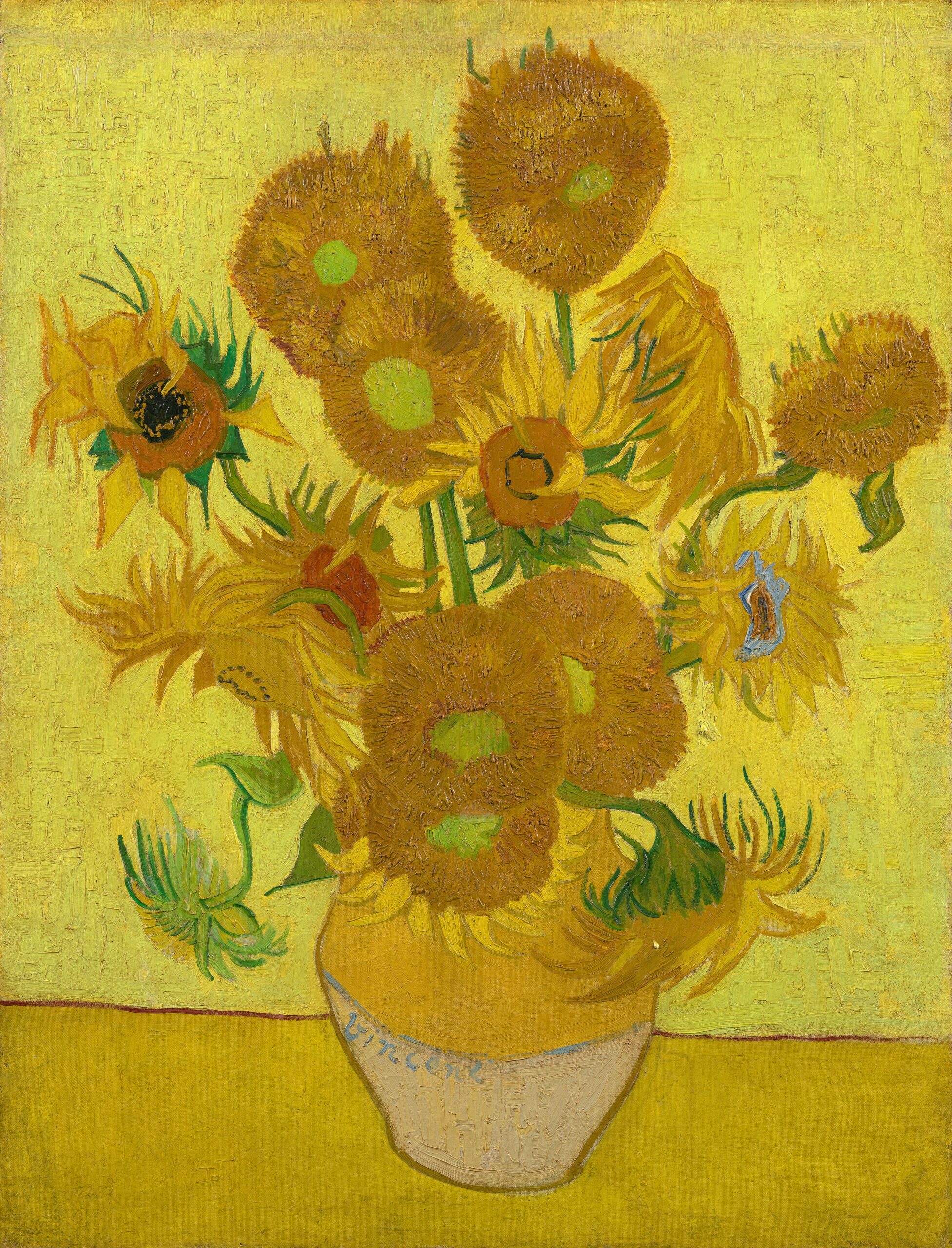
After lunch on Museumplein — the big green square the museums share — cross to the Van Gogh Museum, home to the world’s largest collection of his work: Sunflowers, The Bedroom, Almond Blossom, and the late wheat-field paintings, arranged chronologically so you walk through his life. If you want more than the audio guide can give, this small-group guided tour with reserved entry is led by art historians and includes your ticket — worth it for a collection this dense. The museum is open daily 9:00–18:00 (until 21:00 on Fridays); late-afternoon slots are usually the quietest.
Walk off the museums in Vondelpark, the city’s beloved green lung, then head to Leidseplein for dinner. This is the livelier of the two big nightlife squares (the other is Rembrandtplein) — pick a brown café for bitterballen and a Dutch beer, or go Indonesian again; nobody will judge you for having rijsttafel twice.
Day 3: Zaanse Schans, Volendam, and Old Holland
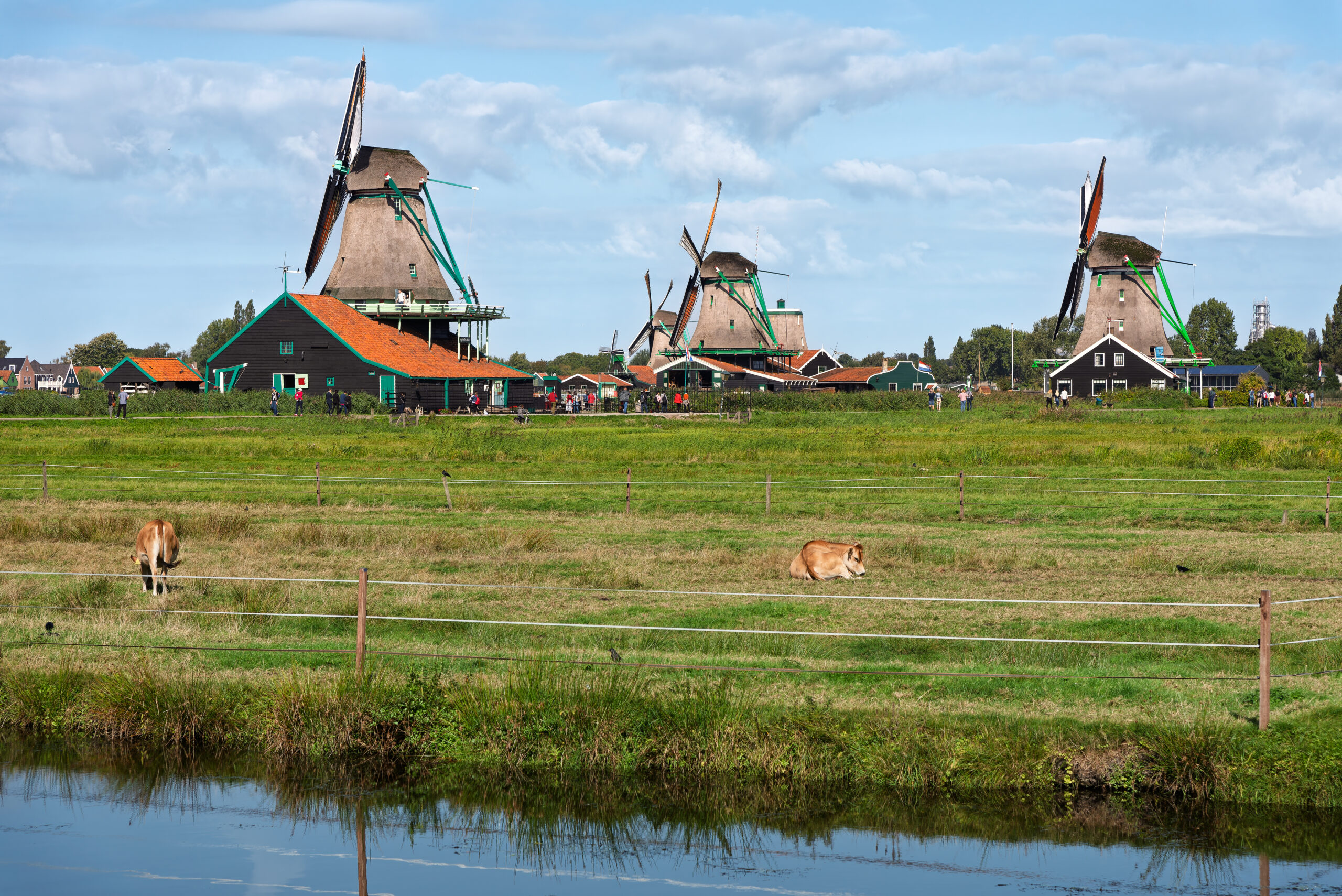
On your third day, trade the city for the countryside that made the Netherlands famous. Zaanse Schans, about 20 minutes by train from Centraal (Zaandijk Zaanse Schans station), is an open-air museum of green wooden houses, workshops, and working windmills along the Zaan river. You can go inside a working mill, watch wooden clogs being carved, and taste cheese at a traditional farm — it’s touristy, yes, but the windmills are the real thing and the setting is genuinely beautiful.
The easy move is this full-day Zaanse Schans and Volendam tour, which bundles the windmills with the fishing village of Volendam — harbor, fish restaurants, traditional costumes — plus a cheese factory, a stroopwafel (syrup waffle) tasting, and a ferry ride on the IJsselmeer. It handles all the logistics of a countryside day in one booking.
Back in the city by late afternoon, spend your final evening in De Pijp, the old working-class quarter turned foodie neighborhood. Browse the Albert Cuyp Market (Europe’s most famous street market, daily except Sunday), grab a fresh stroopwafel from a market stall — still warm, still the best version — and finish with dinner along the canals of the old center.
What to Skip (and What to Swap In)
- Keukenhof — the famous tulip gardens are only open roughly mid-March to mid-May. Outside that window they simply don’t exist as an attraction; don’t build a September itinerary around tulips.
- The Red Light District as a spectacle — De Wallen is a real neighborhood, not a theme park. Walk through respectfully in daylight if you’re curious, never photograph the workers, and don’t treat it as a pub crawl route.
- Madame Tussauds and the big chain attractions — you can do those anywhere. Amsterdam’s smaller museums (the Rembrandt House, the Museum of Bags and Purses, the houseboat museum) are more distinctive.
Practical Tips for First-Timers
- Tourist tax is steep. Amsterdam levies one of the highest hotel tourist taxes in Europe — it lands on top of your room rate, so budget for it.
- Cashless is the norm. The Rijksmuseum and many cafés and shops don’t accept cash at all. A card with no foreign-transaction fee is essential.
- Sundays are quiet. Many shops open late or not at all on Sundays; museums and restaurants are unaffected. Plan your museum-heavy day accordingly.
- The free ferry behind Centraal Station crosses to Amsterdam Noord in minutes and runs around the clock. The NDSM cultural district on the far side — street art, vintage markets, waterfront bars — is the city’s best free half-day.
- Book restaurants for Friday and Saturday nights. The good Jordaan and De Pijp spots fill up; a same-day walk-in at 8 PM often means a wait.
The Bottom Line
Three days in Amsterdam works because the city is dense with greatness: two world-class museums you could spend a full day in each, a canal ring best seen from the water, a neighborhood in the Jordaan you’ll wish you could move to, and a countryside of windmills a short train ride away. Book the three timed entries early, cruise the canals at least once, eat the stroopwafel warm — and you’ll leave understanding why this small, soggy, magnificent city punches so far above its weight.
If this itinerary style worked for you, the same three-day format covers more of Europe on this site — see my Paris in 3 Days and Budapest in 3 Days guides for the same first-timer treatment, or the Florence in 3 Days itinerary if Italy is next on your list.