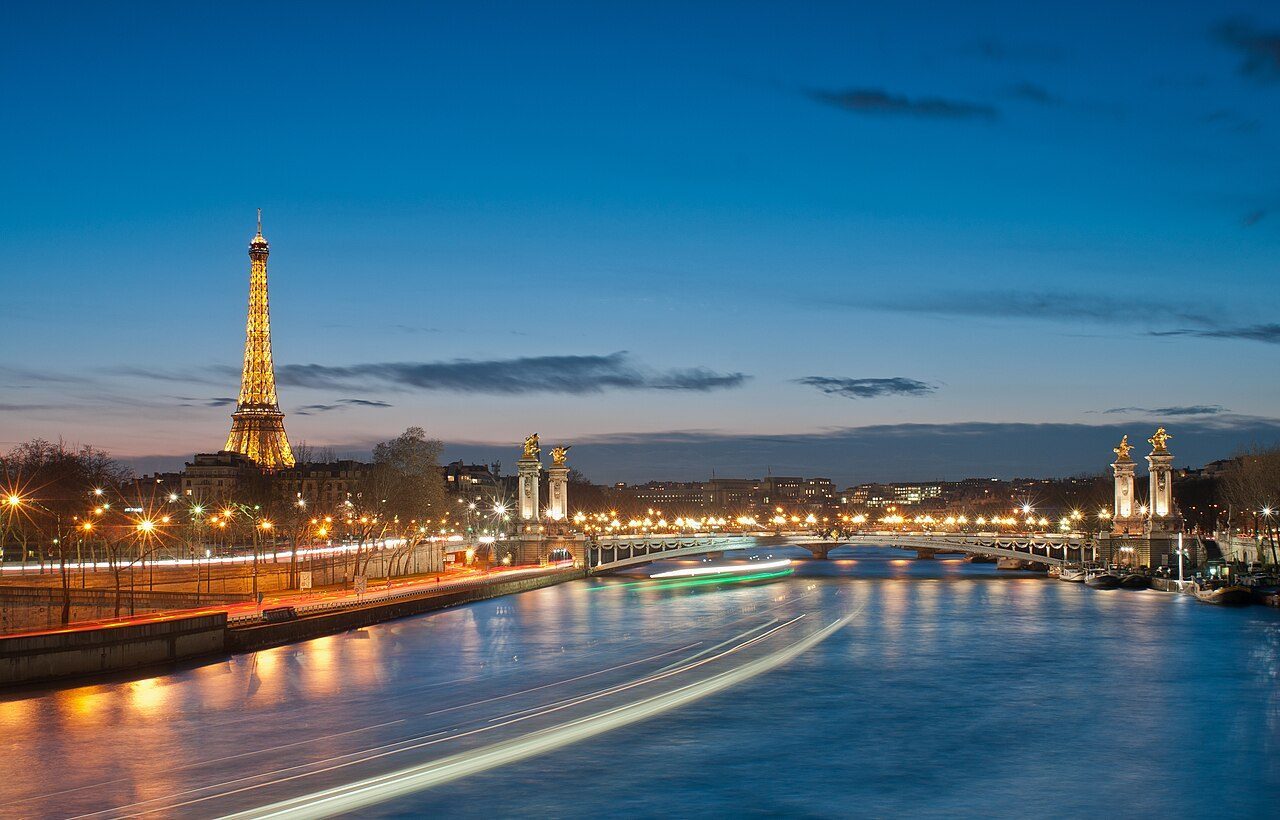
Paris is the rare city that lives up to the postcard — and then quietly exceeds it in the places the postcards skip. Three days is the sweet spot for a first visit: long enough to stand under the Eiffel Tower, get happily lost in the Louvre, and watch the light change over Montmartre, but short enough that every hour needs a plan. This itinerary is that plan, built around what actually works on the ground: timed entries booked ahead, neighborhoods grouped so you’re not crisscrossing the city, and the prices you’ll really pay in 2026.
Planning a trip? Get our free Travel Planning Checklist:
Disclosure: This post contains affiliate links. If you book through one of these links, I may earn a commission at no extra cost to you.
Getting to Paris and getting around
Most international flights land at Charles de Gaulle (CDG), about 25 km northeast of the center. The RER B train is the best-value option at around €14, reaching Gare du Nord in about 25 minutes and Châtelet–Les Halles in 35–45 minutes. Official taxis run on a fixed flat fare — €56 to the Right Bank, €65 to the Left Bank — regardless of traffic, which makes them the lowest-friction choice after a long flight, especially for groups of three or four splitting the fare. Before you leave the airport, check the Île-de-France Mobilités app for weekend engineering works on the RER B, which can disrupt service.
Once you’re in the city, buy a Navigo Easy card (€2 at any metro station) and load it with single tickets — it beats fumbling with paper tickets. Central Paris is remarkably walkable, and most of this itinerary’s stops are 15–25 minutes apart on foot. Metro lines 1, 4, and 6 cover nearly everything below.
How much does 3 days in Paris cost?
Paris got noticeably more expensive for non-European visitors in 2026. In January, the Louvre raised its ticket price 45% for visitors from outside the European Economic Area — from €22 to €32 — to fund security upgrades and renovations after the October 2025 crown jewels heist. Budget with the real numbers:
| Attraction / transport | 2026 price (adult) |
|---|---|
| Eiffel Tower, summit by lift | €36.70 |
| Eiffel Tower, 2nd floor by lift | €23.50 |
| Louvre Museum (non-EU visitors) | €32 |
| Louvre Museum (EU/EEA visitors) | €22 |
| Musée d’Orsay (booked online) | €16 |
| Paris Museum Pass, 2 days | €85 |
| Seine sightseeing cruise (1h10) | ~€17 |
| Arc de Triomphe | ~€16 |
| Sainte-Chapelle | ~€22 |
| RER B, CDG to central Paris | ~€14 |
| Official taxi, CDG to Paris | €56 / €65 |
On the pass question: the 2-day Paris Museum Pass (€85) pays for itself fast at 2026 prices. The Louvre (€32) + Musée d’Orsay (€16) + Sainte-Chapelle (€22) + Arc de Triomphe (€16) = €86 bought separately — already a euro more than the pass, before you add anything else. One catch: the pass is not valid at the Eiffel Tower, and you’ll still need free timed reservations at nine busy sites including the Louvre and Orsay.
Day 1: The icons — Eiffel Tower, Arc de Triomphe, Seine cruise
Start early at the Eiffel Tower. Elevator tickets go on sale exactly 60 days ahead on the official site and the morning slots sell out first — this is the single most important booking of the trip. If the summit is your priority, book the €36.70 lift-to-the-top ticket; if you’d rather save money and your legs are willing, the €28 stairs-to-the-2nd-floor plus lift-to-the-summit ticket is the sweet spot. The 2nd floor (115 m) is honestly the best level for photography — landmarks stay recognizable instead of shrinking to miniatures. An Eiffel Tower reserved-access guided tour with a summit option is worth considering if official tickets are sold out for your dates, since it bundles the timed entry with a guide.
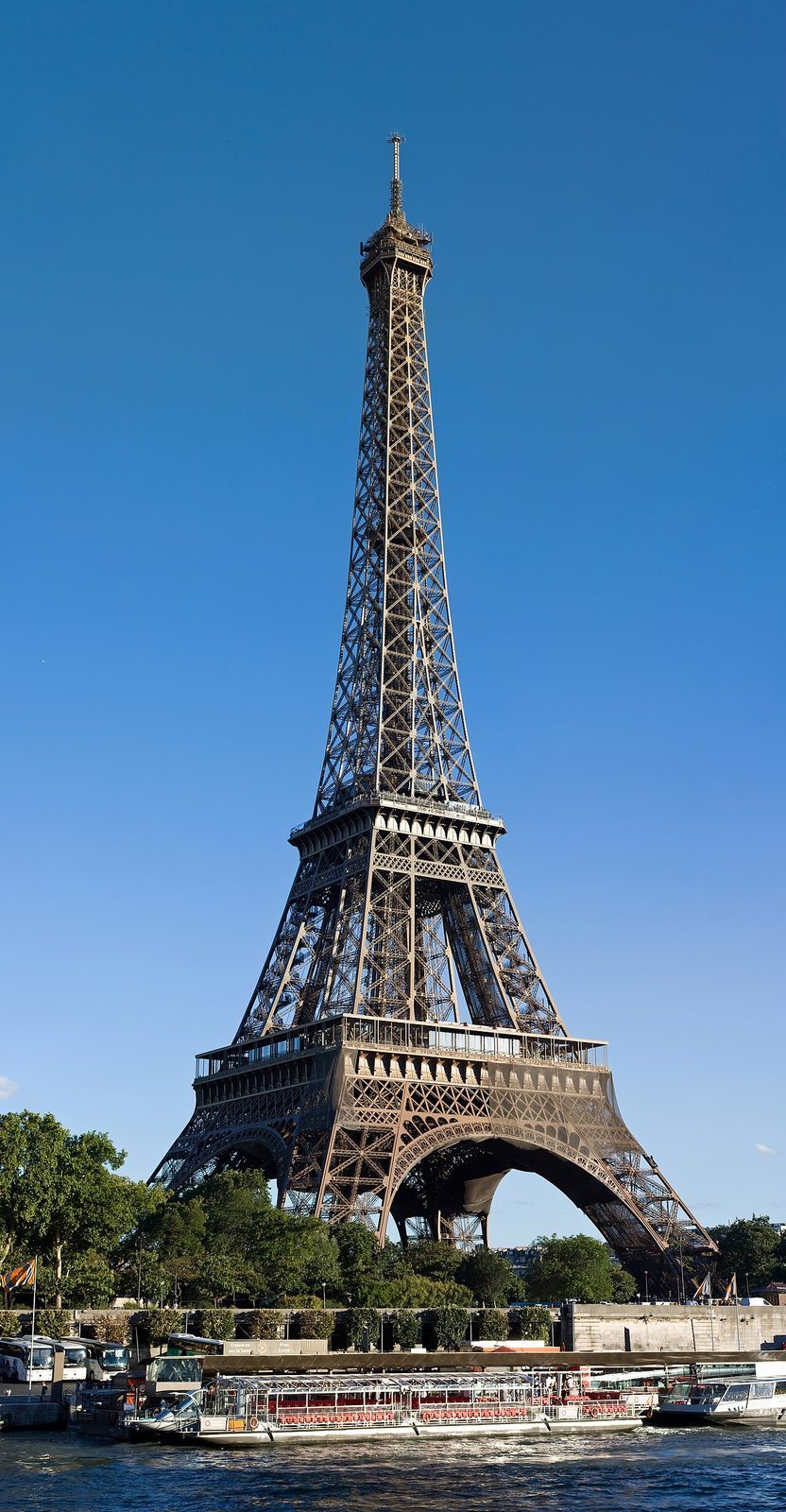
After the tower, walk across the Pont d’Iéna to the Trocadéro for the classic postcard view, then cross back through the Champ de Mars. Grab picnic supplies on Rue Cler — one of Paris’s great market streets — and eat on the grass facing the tower like half the city does on a nice day.
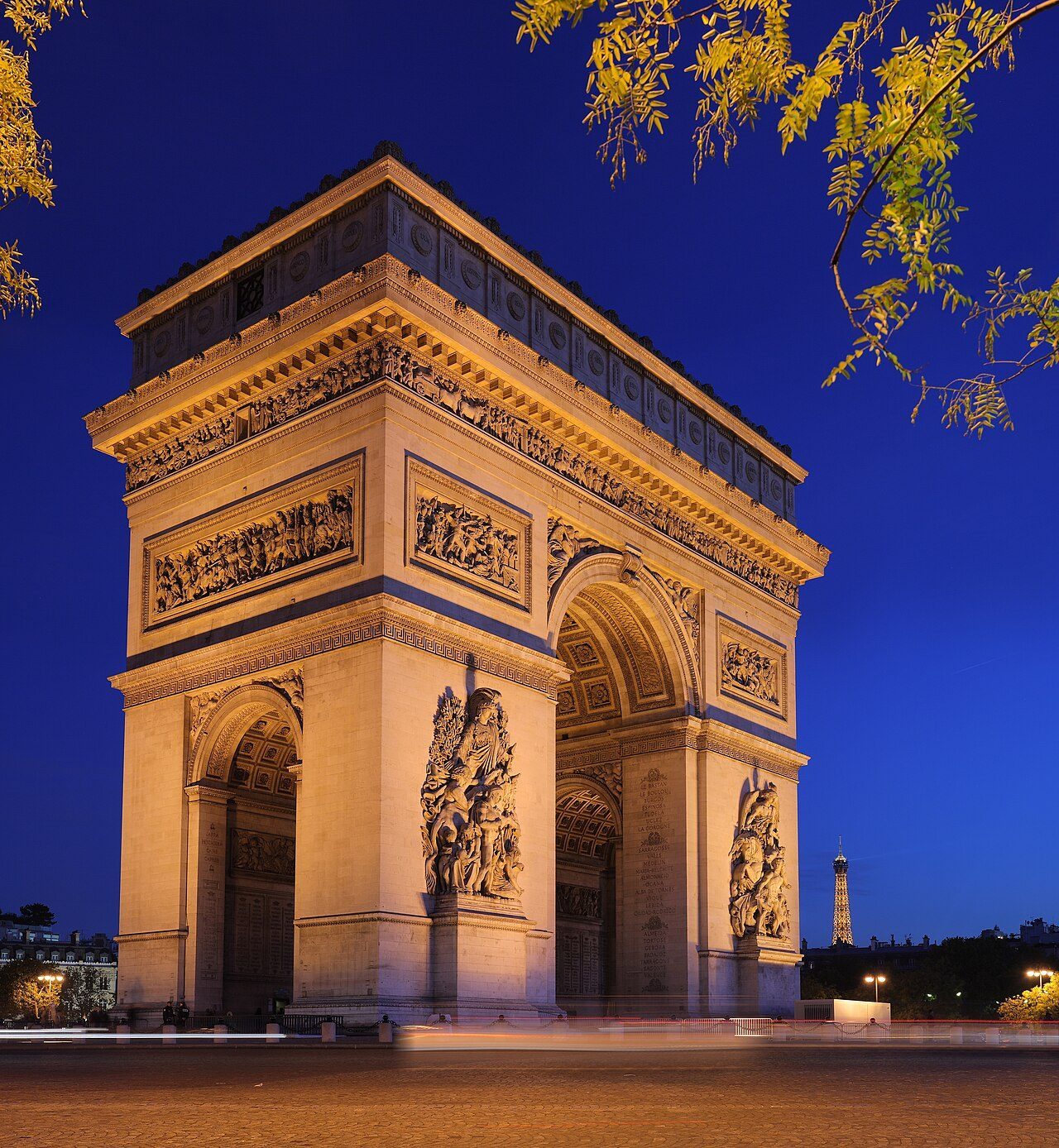
In the afternoon, take metro line 6 to the Arc de Triomphe. Climb to the top (around €16) for the only viewpoint in Paris that includes the Eiffel Tower itself, then walk down the Champs-Élysées toward the Place de la Concorde.
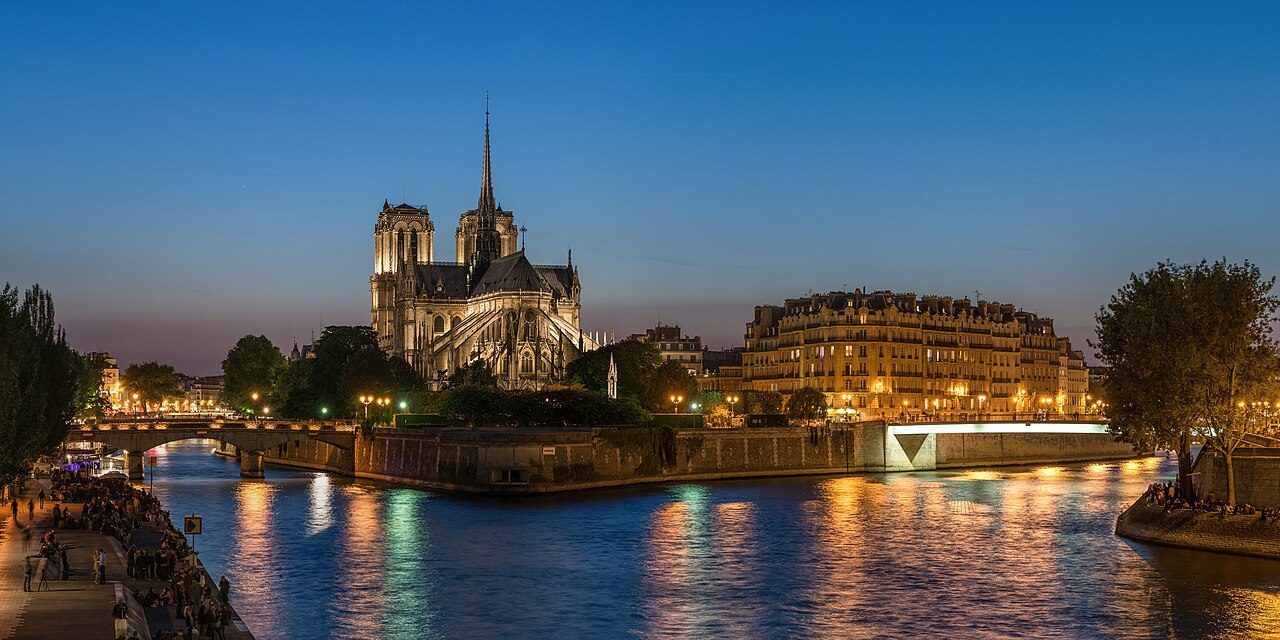
End the day on the water. The Bateaux-Mouches Seine cruise (about 70 minutes from the Pont de l’Alma) glides past Notre-Dame, the Louvre, and the Musée d’Orsay as the city lights come on — the cheapest great evening in Paris at roughly €17. Time it for sunset if you can.
Day 2: Art and the Île de la Cité
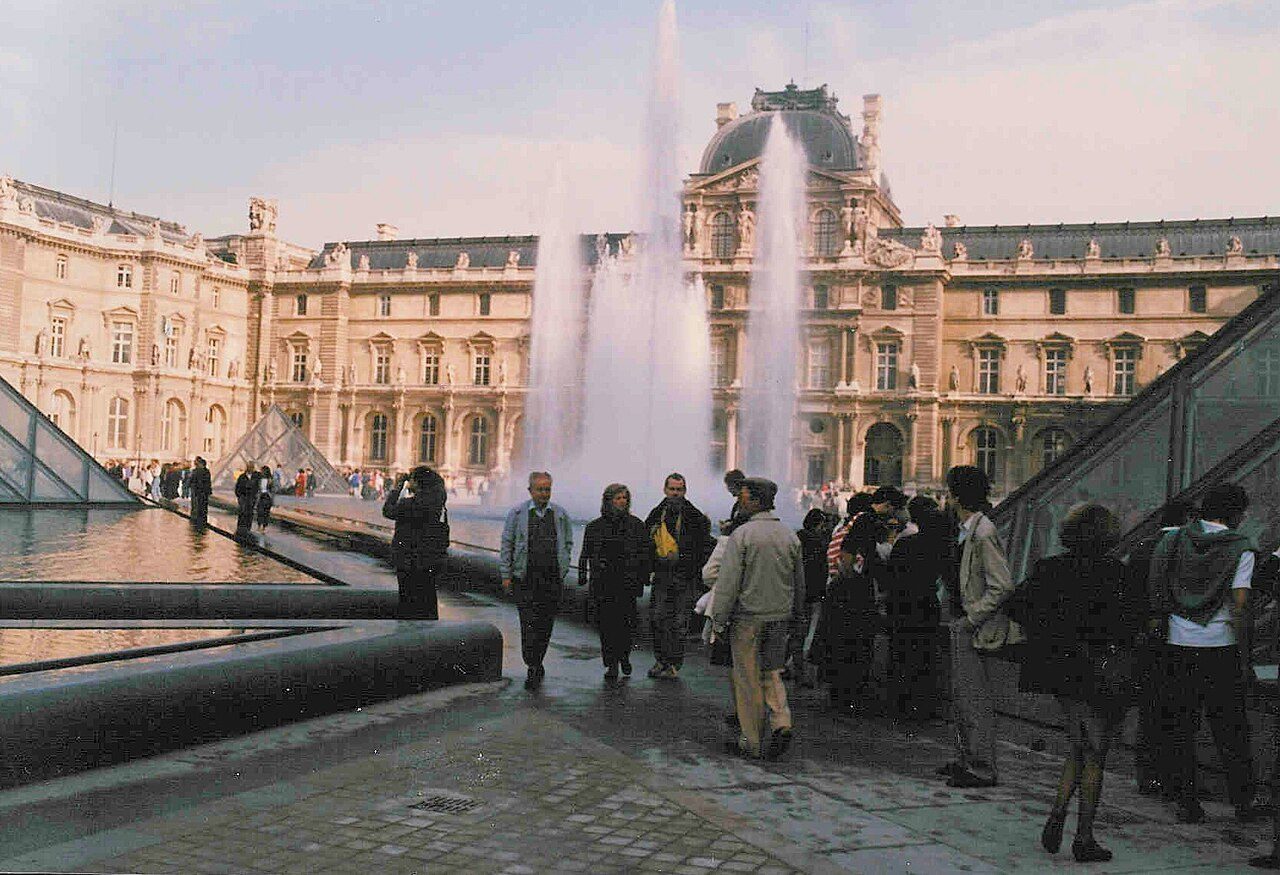
Book the Louvre’s first entry slot of the day and go straight for the highlights: the Mona Lisa, the Winged Victory of Samothrace, and the Venus de Milo, all in the Denon wing. The Louvre holds around 35,000 works on display — nobody “does” the Louvre in a morning, so don’t try. Two focused hours beats four wandering ones. Remember the 2026 pricing: €32 if you’re visiting from outside the EU/EEA (US, UK, and most other international visitors), €22 for EU residents. A skip-the-line Louvre guided tour with an art historian earns its keep here — the museum is overwhelming without someone who knows the shortcuts.
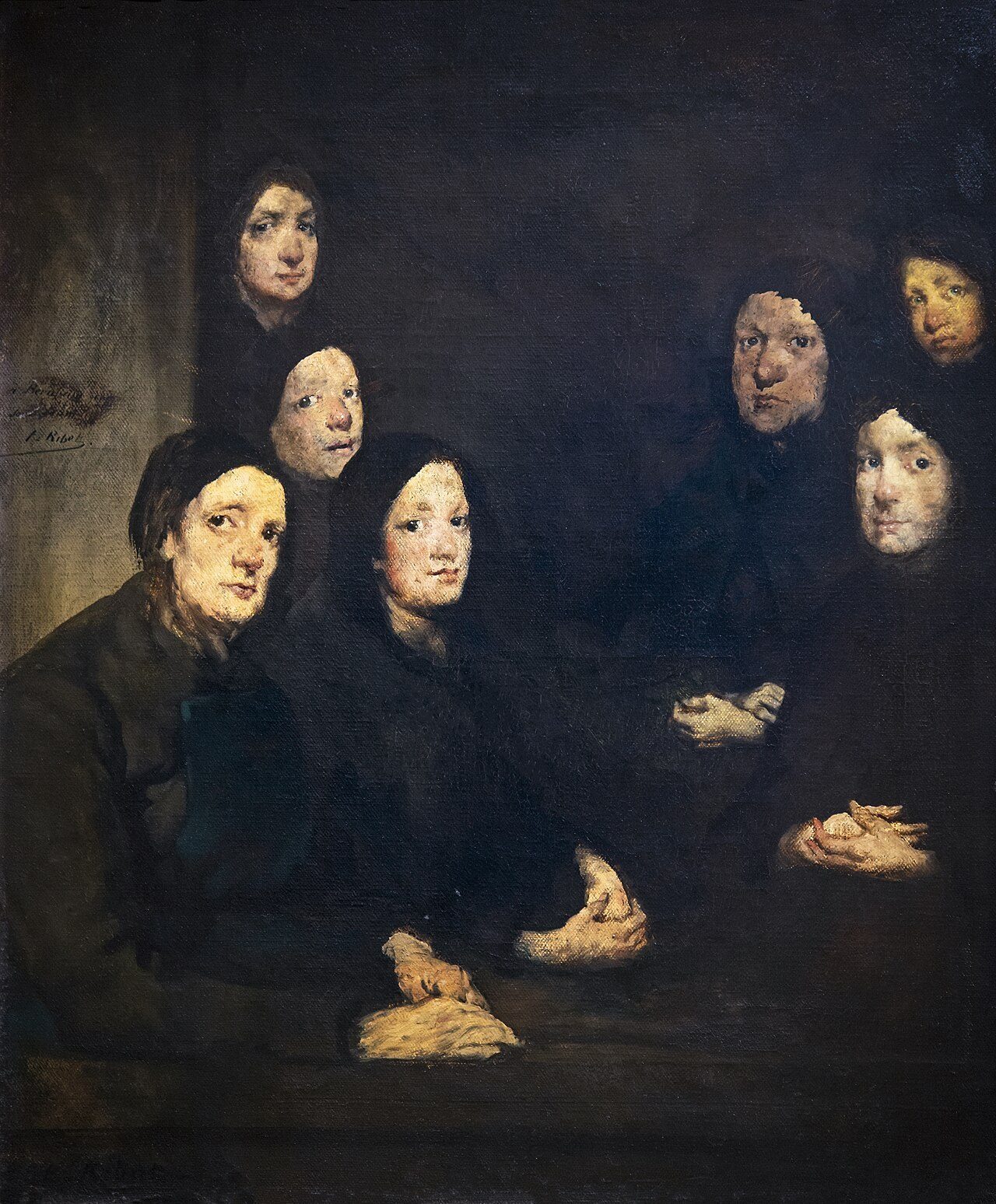
After the Louvre, walk through the Tuileries Garden to the Place de la Concorde, then choose your afternoon. Art lovers should cross the river to the Musée d’Orsay (€16 online) — the world’s greatest Impressionist collection inside a Beaux-Arts railway station, and a museum you can actually finish in 2–3 hours. 2026 is a big year for it: the museum’s 40th anniversary and the centenary of Monet’s death. If you’d rather keep walking, the Palais-Royal gardens and the covered passages (Galerie Vivienne) make a lovely low-key alternative.
Spend the late afternoon on the Île de la Cité. Notre-Dame reopened in December 2024 after the 2019 fire — entry is free, but reserve a timed slot on the cathedral’s site, especially on weekends. Then walk to Sainte-Chapelle (around €22) for the upper chapel’s 15-meter stained-glass walls; go on a sunny late afternoon when the light does the work. Finish with dinner in the Latin Quarter — book a table a day ahead, the good bistros fill up.
Day 3: Montmartre and the Marais
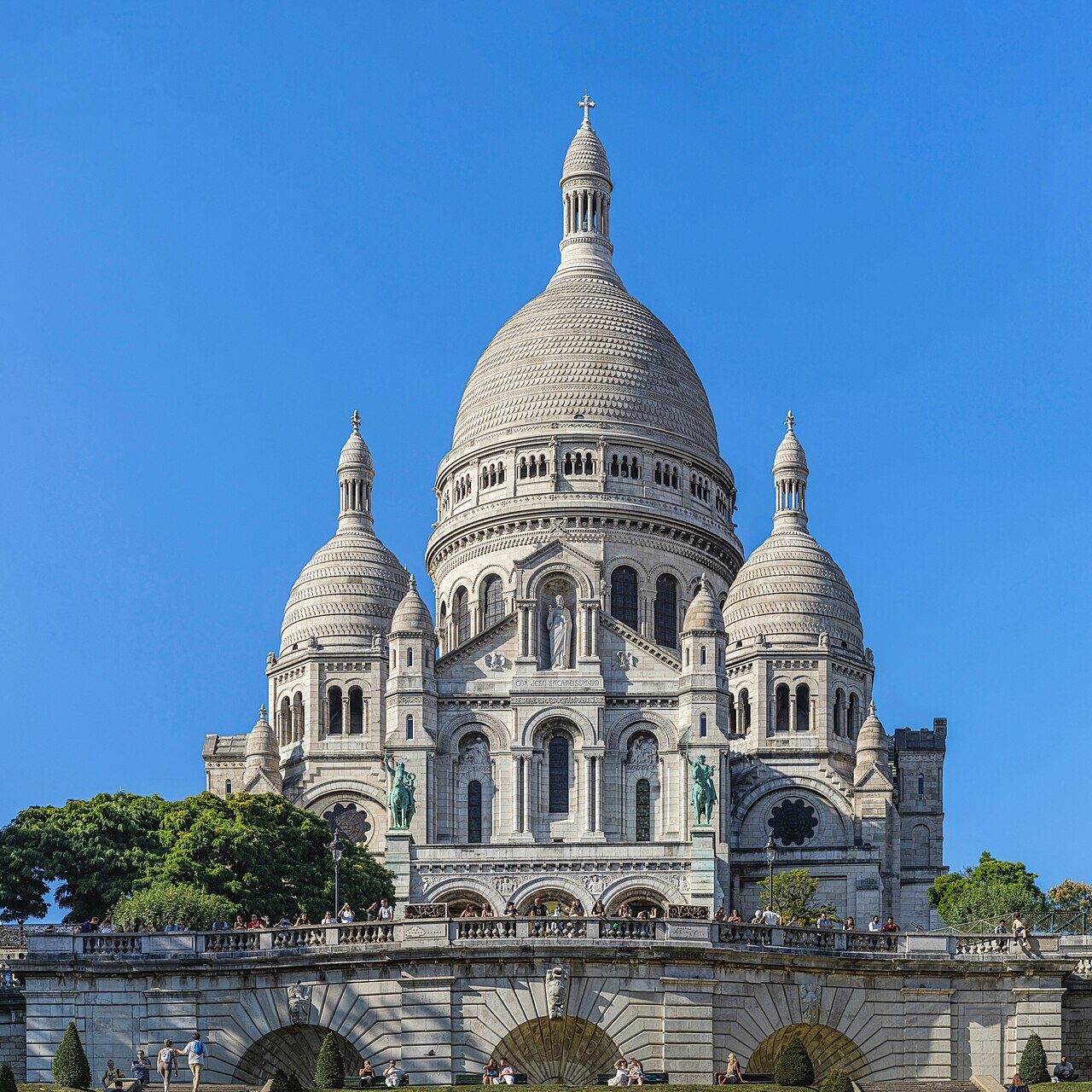
Take the metro to Montmartre early, before the crowds. The Sacré-Cœur Basilica opens early and entry is free — climb the dome (separate ticket) for the best free-adjacent panorama in Paris if your legs are up for it. Wander down through Place du Tertre, where portrait artists have worked for a century, and the vineyard on Rue des Saules, a reminder that Montmartre was a village not long ago.
Spend the afternoon in the Marais, Paris’s most walkable neighborhood. The Place des Vosges — the city’s oldest planned square — is made for a slow hour with a book. Browse the boutiques on Rue des Francs-Bourgeois, and if you want one more museum, the Musée Carnavalet (free) tells the story of Paris itself beautifully.
For your last evening, cross to Saint-Germain-des-Prés for dinner, or splurge on the Opéra Garnier area and the rooftop of the Galeries Lafayette for a final skyline view. End with a walk along the Seine — the bridges at night are the Paris you’ll remember.
What I’d skip
Three honest cuts. First, the Champs-Élysées as a shopping destination — walk it once for the Arc-to-Concorde axis, but the storefronts are global chains you have at home; spend that hour in the Marais or Saint-Germain instead. Second, showing up at the Eiffel Tower without a reservation — the ticket lines can eat two hours of a three-day trip, and they’re entirely avoidable 60 days out. Third, trying to see the whole Louvre — it’s a trap that leaves you exhausted and oddly unsatisfied. Pick the Denon wing highlights in two hours, or swap the Louvre for the Orsay entirely if Impressionism is more your thing.
Tips that make or break the trip
- The closure trap: the Louvre is closed on Tuesdays and the Musée d’Orsay on Mondays. Check your days before you lock in the itinerary above — swap Day 2 and Day 3 if needed.
- Late openings are your friend: the Louvre stays open late on Wednesdays and Fridays, and the Orsay until 9:45pm on Thursdays (entry after 6pm is only €12). Evening visits are calmer and cheaper.
- Book ahead, in this order: Eiffel Tower (60 days out), Louvre timed entry (2–3 weeks out), Notre-Dame free slot (a few days out), restaurants (a day out).
- Sundays are the busiest museum day and the quietest shopping day — plan a big sight for Sunday morning and a neighborhood wander for the afternoon.
- First Sundays: many museums are free on the first Sunday of the month — wonderful if your dates align, but expect the biggest crowds of the month.
Three days in Paris will not make you an expert on the city — it will do something better, which is give you a reason to come back. You’ll leave with a mental map, a favorite bridge, and a strong opinion about which museum is best. If Paris is the first stop on a longer European trip, our 7 perfect 3-day Europe itineraries roundup pairs it with six more long-weekend cities, and Prague in 3 days makes a natural, cheaper second stop.