
Prague in 3 Days: The Perfect Itinerary for First-Timers (2026)
Prague is the rare European capital that rewards walking and punishes rushing. The spires, the cobblestones, the world’s best-preserved medieval streetscape — it’s all here, and it’s all compact enough that three full days lets you see it properly instead of skimming it. This itinerary is built the way I’d actually do it: one landmark-heavy day per riverbank, timed around the crowds, with the food and beer culture woven in rather than bolted on. Lace up — day one starts in the Old Town.
Planning a trip? Get our free Travel Planning Checklist:
Disclosure: This post contains affiliate links. If you book through one of these links, I may earn a commission at no extra cost to you.
Before You Go: Prague Basics
A few practicalities that shape everything else. Prague uses the Czech koruna (CZK), not the euro — at the moment you’re getting about 24 koruna per euro, and card payment is accepted nearly everywhere, so you barely need cash. From Václav Havel Airport, the cheapest route downtown is the trolleybus to the Green metro line (about 35–45 minutes, roughly 50 CZK for a 90-minute transfer ticket in the PID Lítačka app); the Airport Express bus to the main station runs about 200 CZK; an Uber or Bolt is roughly 500–700 CZK. Skip street-hail taxis, which are notorious for overcharging tourists.
The transit system itself is excellent: metro, trams, and buses on one network, metro running from 5am to midnight. If you’re riding daily, the 72-hour unlimited pass (around 330–350 CZK) pays for itself fast — buy it in the Lítačka app and activate it before boarding. Best months are the shoulders: April–May and September–October, for warm days and thinner crowds. And if you haven’t picked your base yet, read where to stay in Prague first — it matters more here than in most cities.
Day 1: Old Town, the Jewish Quarter & Charles Bridge at Its Best
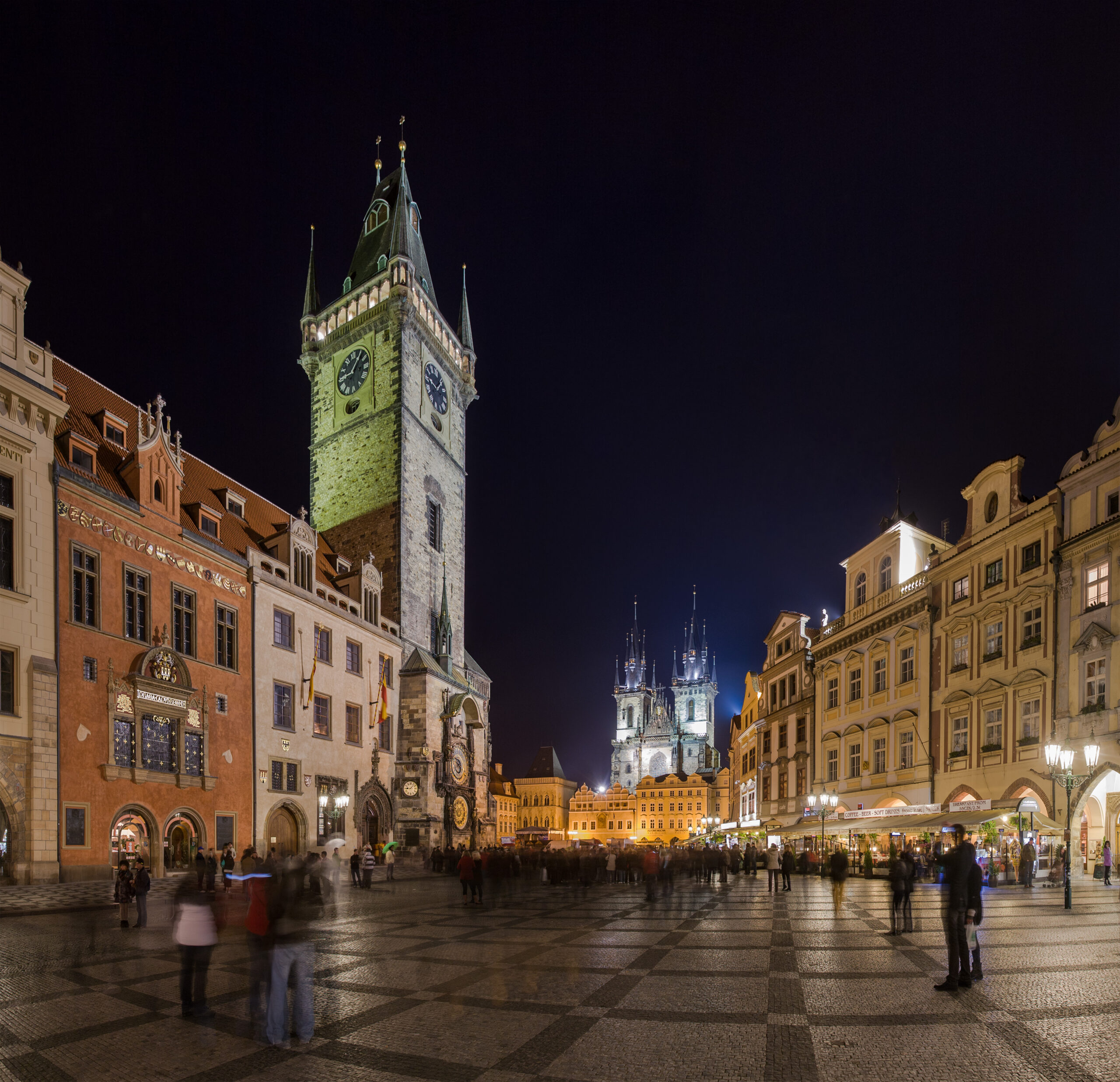
Start at Old Town Square by 9am, before the tour groups pour in. The square itself is free to wander — the twin Gothic spires of the Týn Church, the pastel Baroque facades, the Jan Hus memorial. Then find a spot in front of the Old Town Hall on the hour: the Astronomical Clock (Orloj) runs its apostle procession hourly from 9am to 11pm, and the Old Town Hall tower (about 350 CZK, open 9am–8pm) gives you the classic rooftop view over the square.
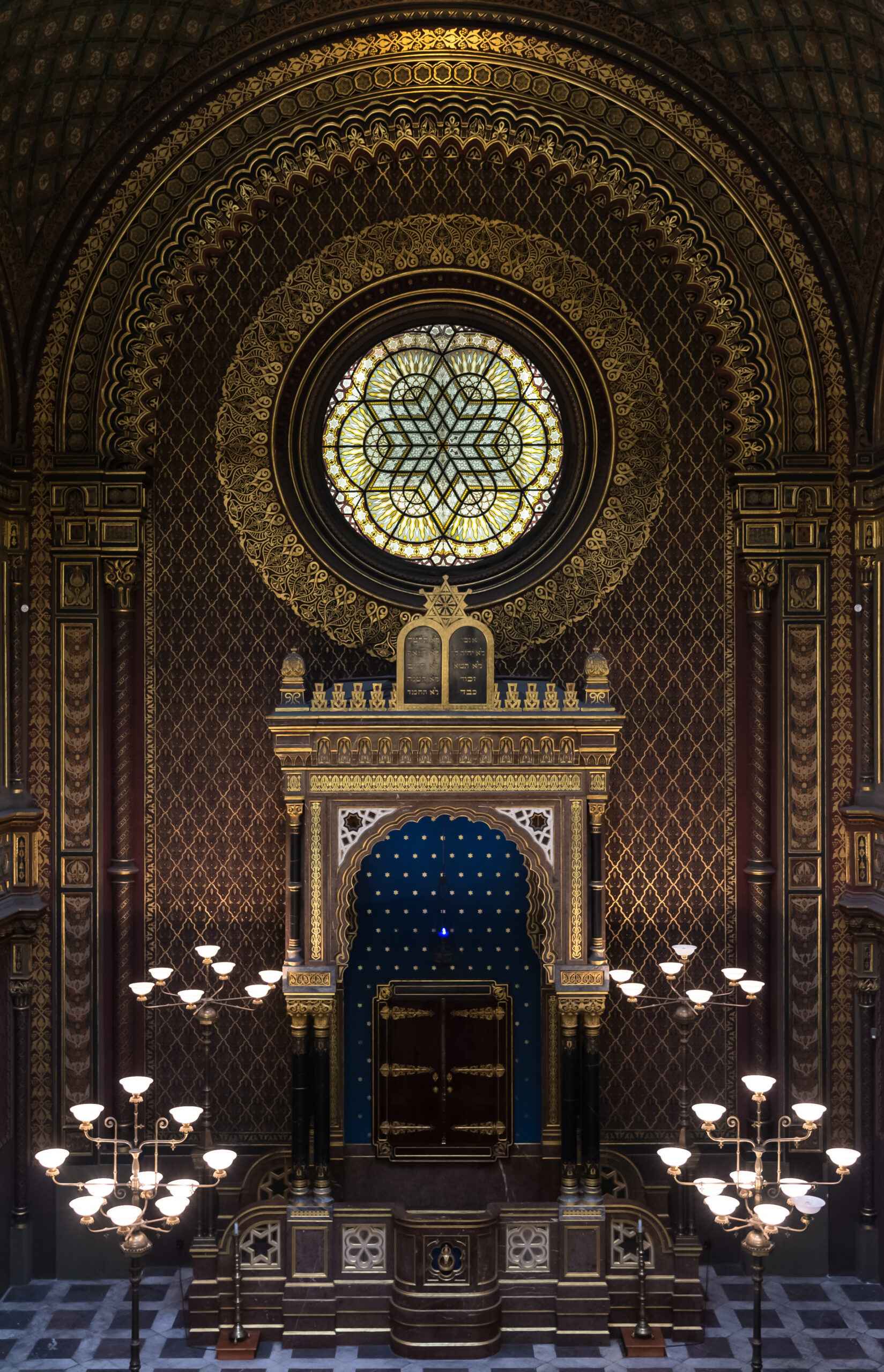
From the square, the side streets funnel you toward the Jewish Quarter (Josefov) — and this is the stop most first-timers underestimate. The Jewish Museum’s combined ticket (about 600 CZK) covers the Spanish Synagogue, Pinkas Synagogue, Old Jewish Cemetery, and the Ceremonial Hall, and it’s one of the most moving museum experiences in Europe. Two warnings: everything closes on Saturdays and Jewish holidays (Yom Kippur falls on September 21, 2026 — the museum is shut), so plan day one for any other day. If you want the full story behind the stones, a private guided walking tour of the Old Town is the fastest way to get oriented.
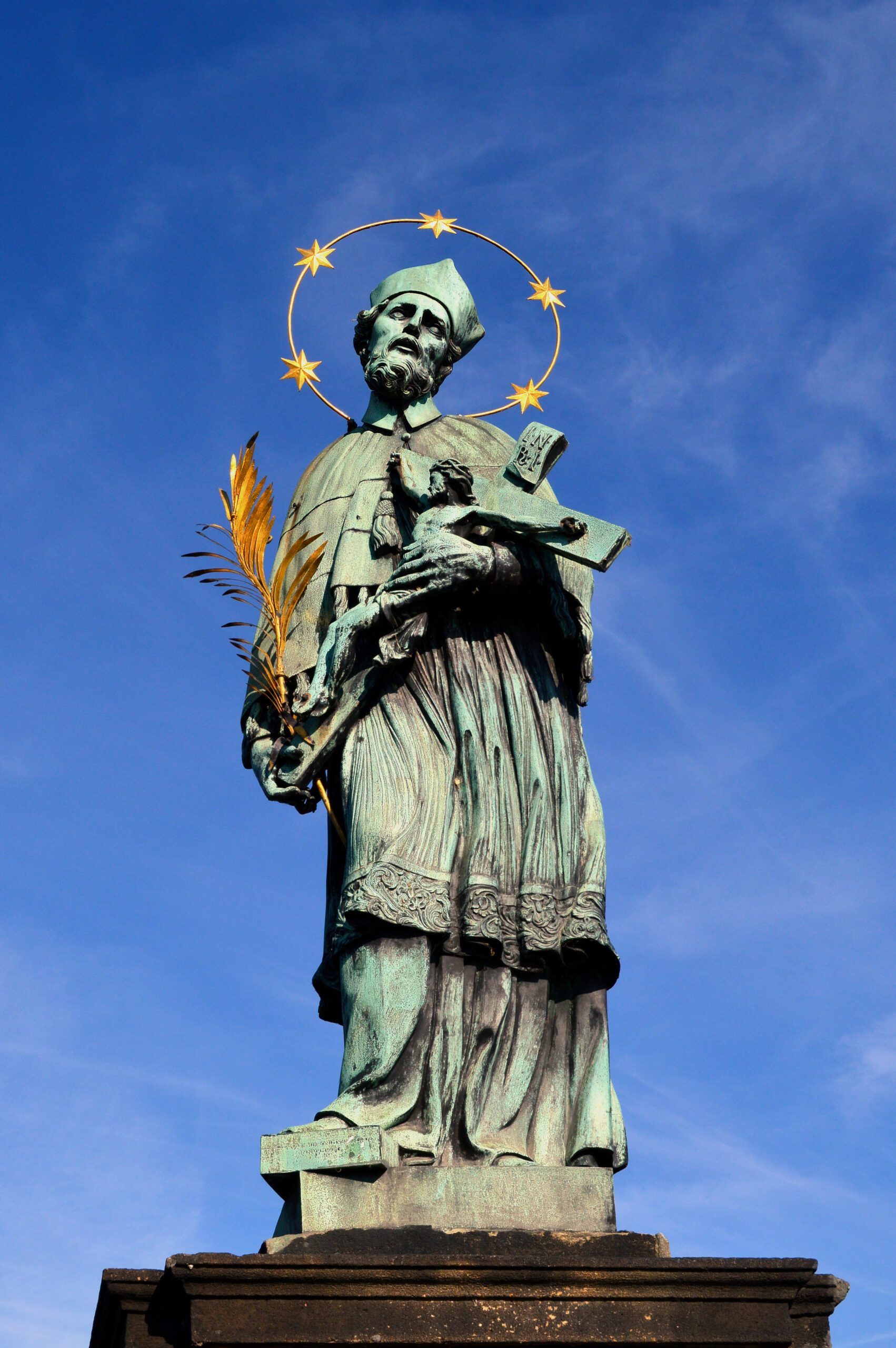
Lunch like a Czech at Lokál Dlouhááá (Dlouhá 33): tank-fresh Pilsner Urquell and the classics — svíčková (braised beef in cream sauce with dumplings) or beer goulash. Then the main event: cross Charles Bridge in the golden evening light — it’s free, open around the clock, and carrying some 30,000 people a day. The 30 statues, the Old Town Bridge Tower, the castle glowing across the river: this is the Prague postcard, earned properly. Two tips: keep a hand on your bag (the bridge is one of the city’s top pickpocket zones), and if you can, do one more crossing at 5–7am another morning, when it’s nearly empty and the light is unreal.
Day 2: Prague Castle, Lesser Town & Petřín Hill
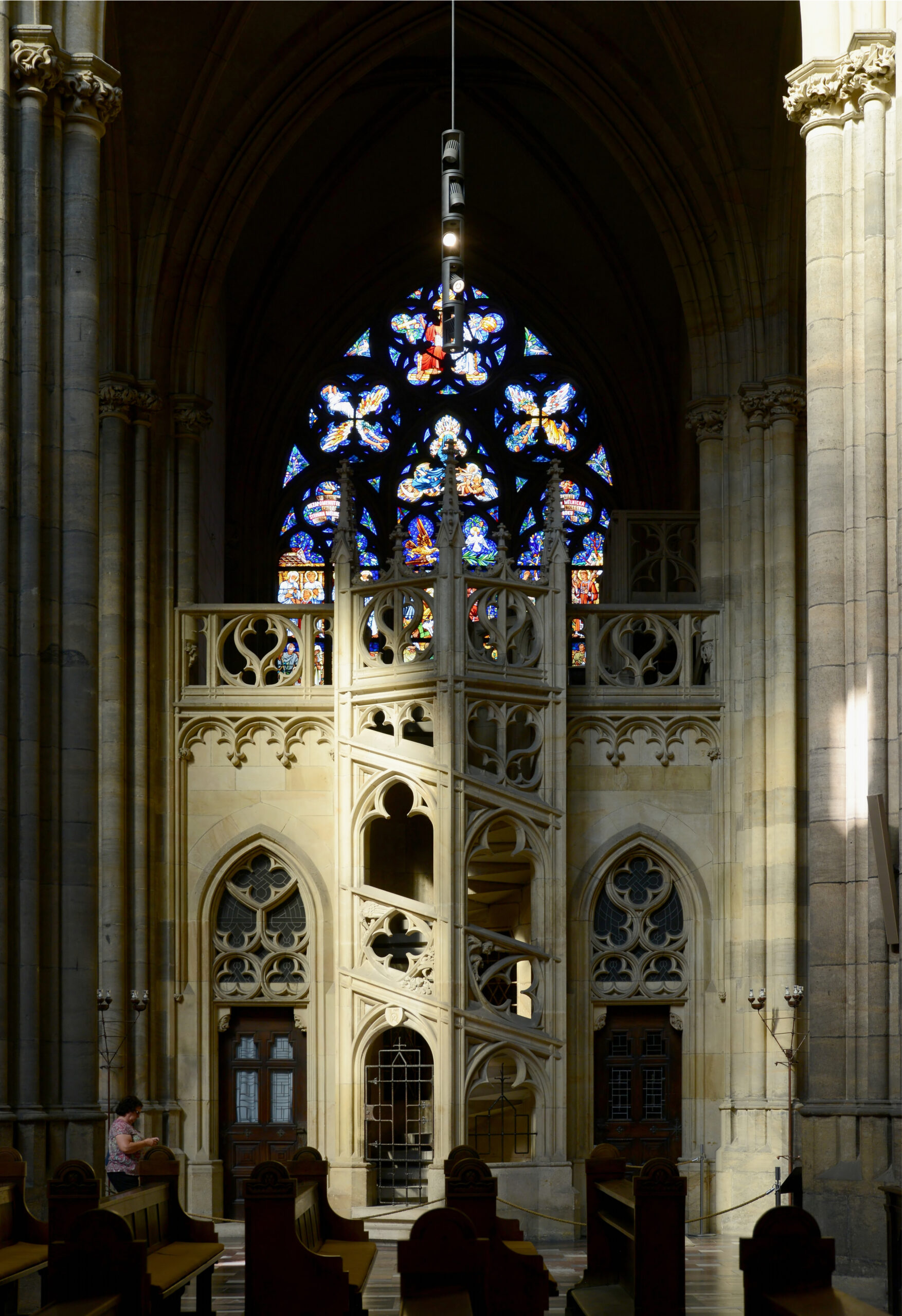
Be at Prague Castle when the interiors open at 9am. The castle grounds themselves are free and open 6am–10pm, but the interiors need the Main Circuit ticket (about 450 CZK): St. Vitus Cathedral, the Old Royal Palace, St. George’s Basilica, and the Golden Lane. It’s valid two days with one entry per building, no timed slot — buy online to skip the ticket queue. St. Vitus alone is worth the trip: the Mucha window, the Wenceslas Chapel, the south tower climb (about 200 CZK extra) if your knees are game. The ceremonial Changing of the Guard happens at noon in the First Courtyard, but be warned the castle is at its most crushed from 11am to 3pm — arriving at opening is the single best crowd strategy in Prague.
Inside the circuit, linger in the Golden Lane: a row of tiny, pastel houses where castle goldsmiths and guards once lived (Franz Kafka briefly rented number 22). After the interiors close for the day, the lane reopens free for an evening photo stroll — worth remembering. A guided castle tour with a Vltava river cruise folds the whole day together nicely, or there’s a castle interior and exterior walking tour if you’d rather keep it focused on the hill.
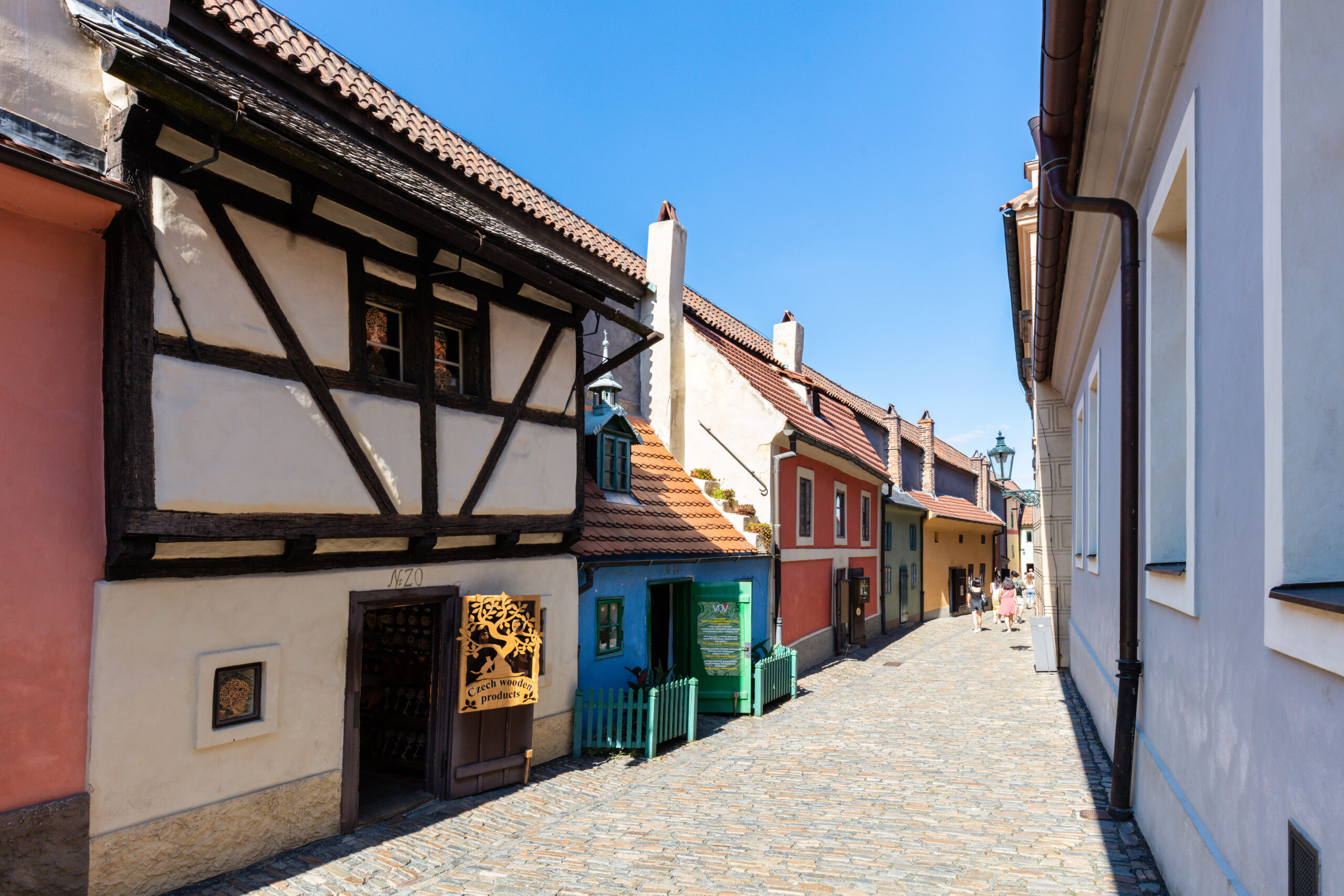
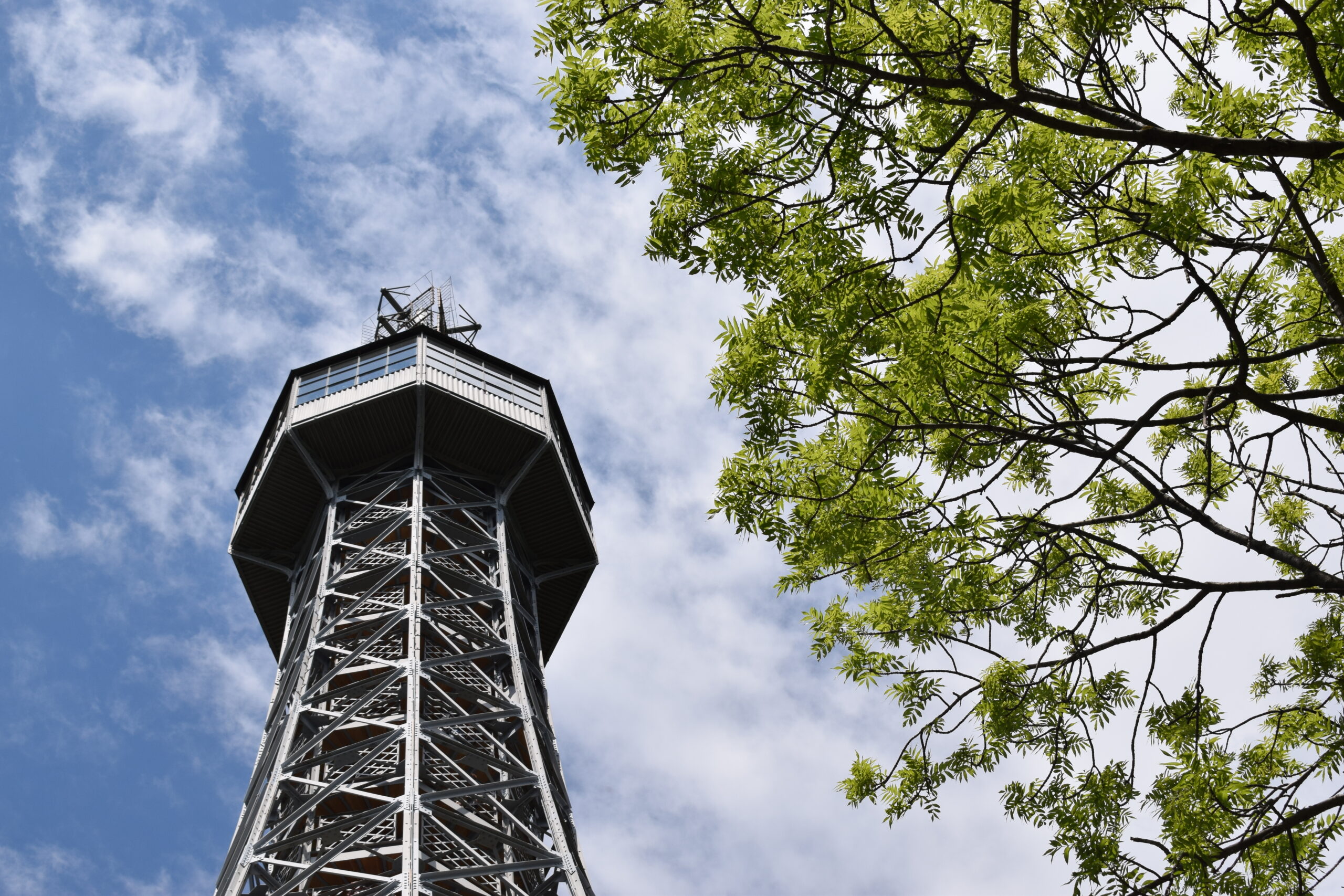
Descend into Malá Strana (Lesser Town) for lunch along Nerudova Street, then stop at the Church of St. Nicholas — the most beautiful Baroque church in Prague (about 150 CZK; note the adjacent bell tower is a separate ticket, don’t mix them up). Afternoon: climb Petřín Hill. Heads-up for 2026: the funicular is out of service until late September, so walk up from Újezd (20–30 minutes through orchards) — the Petřín Lookout Tower (about 250 CZK, 299 steps up a 58.7-meter mini Eiffel Tower) pays you back with the best full-city panorama in Prague.
Dinner back across the river at U Fleků (Křemencova 11), the brewery founded in 1499 — come for the dark lager and the 500-year-old beer hall atmosphere, and go in knowing recent reviews are mixed on service. The grand-café alternative is Café Louvre on Národní, pouring since 1902 and open late.
Day 3: New Town, the Dancing House & the River
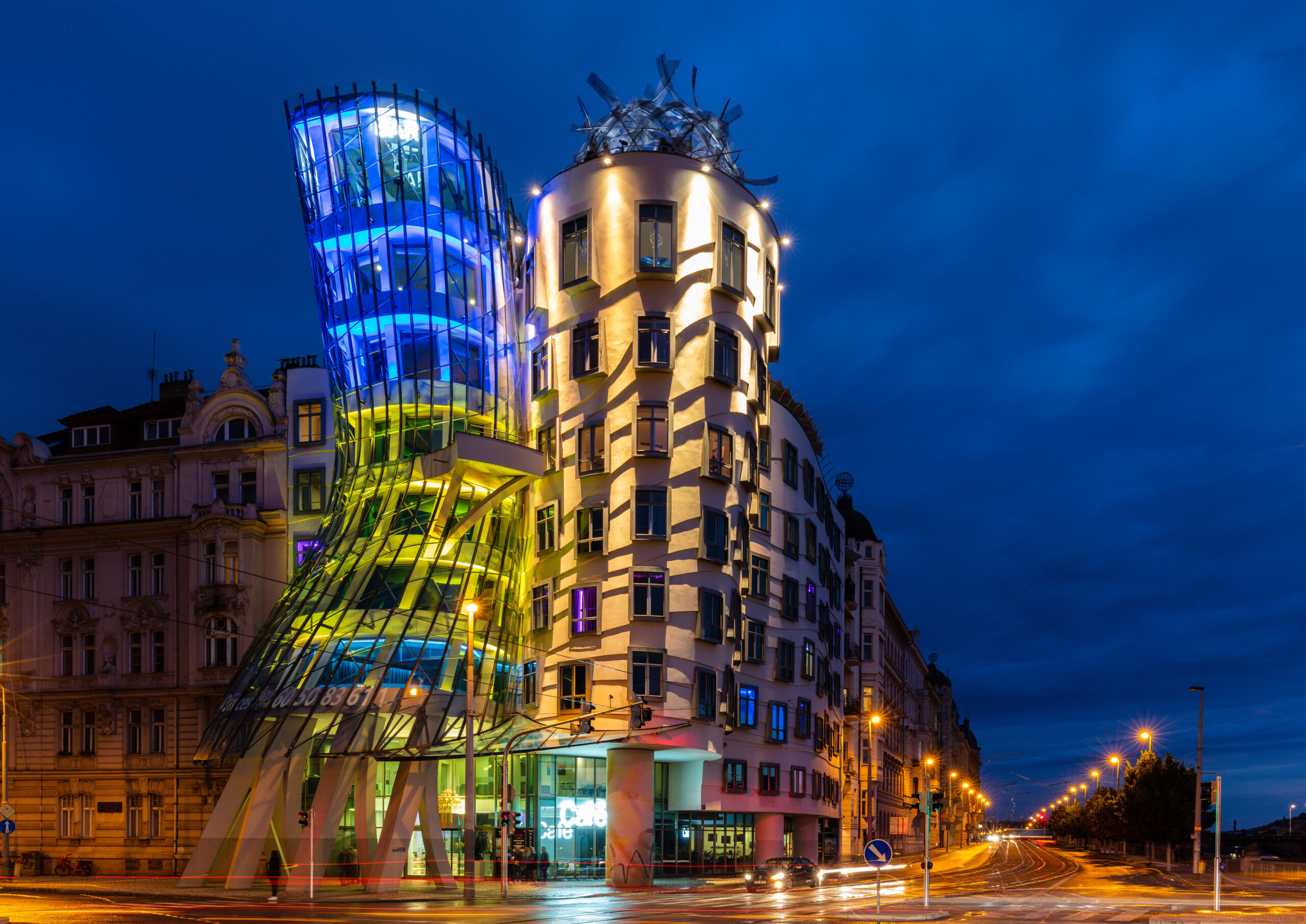
Day three is looser by design. Start at the top of Wenceslas Square — the boulevard where modern Czech history happened — and the National Museum at its head (about 250 CZK, open 10am–6pm daily; the restored main hall is a destination in itself). Walk down through the New Town to the river and the Dancing House: free to admire from outside, the glass-and-concrete “Fred and Ginger” by Gehry and Milunić, a jolt of modernity after two days of Gothic and Baroque.
Spend the afternoon along the Náplavka riverbank — the farmers’ and craft market (Saturdays are best), the houseboats, the swans — then cross to Kampa Island and the Lennon Wall for the colorful, ever-changing graffiti memorial. This is also your trdelník moment: the sweet “chimney cake” stalls are everywhere. Honest take — it’s a tourist novelty, not a Czech tradition, but it’s fun once. Locals would send you to a bakery for koláče instead.
Have a fourth day? The best half-day trip is Karlštejn Castle (about 40 minutes by train plus a steep 20–25 minute walk uphill; interiors are timed guided tours only, so book ahead). The classic full-day pick is Kutná Hora and the Sedlec Ossuary — the bone church — about 55 minutes by train, 5–7 hours total. Český Krumlov is stunning but it’s 2.5–3 hours each way; save it for a trip with four or more days.
Three Things I’d Do Differently (So You Don’t Have To)
1. Don’t buy extra tickets at the castle. The Main Circuit covers everything a first-timer needs. The separate exhibition tickets (Picture Gallery, Story of Prague Castle) are “just in case” purchases that eat time you’d spend better on the hill itself.
2. Don’t cross Charles Bridge only at midday. The 10am–4pm window is shoulder-to-shoulder. Go at dawn (5–7am) or after 9pm for the version that looks like the photos.
3. Don’t schedule the Jewish Quarter for Saturday — and don’t plan around the Petřín funicular. The Jewish Museum sites are closed Saturdays and Jewish holidays, and the funicular is down until late September 2026. Walk up from Újezd instead — it’s the prettier route anyway.
The Bottom Line
Three days in Prague, done right: one day for the Old Town and Jewish Quarter, one for the Castle and Lesser Town, one for the New Town and the river — timed around the crowds, fueled by tank beer and dumplings, castle tickets bought online, and your alarm set once for dawn on the bridge. That’s how Prague stops being a postcard and starts being a city you got to know. For the same slow, day-by-day treatment elsewhere, see Athens in 3 days and Lisbon in 3 days.