
Athens is the rare European capital that most travelers get wrong on their first visit. They treat it as a layover — one rushed afternoon at the Acropolis before the ferry to the islands — and leave without seeing the city at all. That’s a mistake. Athens is the oldest capital in Europe, a working, lived-in city of 3 million where ancient marble and graffiti-covered street art share the same block, and three days is exactly the right amount of time to do it justice: one day for the ancient world, one for the museums and viewpoints, and one for the coast. Here is the day-by-day plan.
Planning a trip? Get our free Travel Planning Checklist:
Disclosure: This post contains affiliate links. If you book through one of these links, I may earn a commission at no extra cost to you.
How to use this itinerary
This plan assumes you arrive in Athens on the morning of Day 1 (or spend the night before settling in). The city’s sights cluster tightly — the Acropolis, Plaka, Monastiraki, the Ancient Agora, and the Acropolis Museum are all within a 20-minute walk of each other — so you won’t waste hours in transit. One golden rule runs through all three days: do the outdoor sightseeing early, and the indoor stuff at midday. Athens summer heat is serious, and the Acropolis has almost no shade on top.
Getting from the airport
Athens International Airport (ATH) sits about 33 km east of the city. The simplest arrival is the Blue Line metro (Line 3), which runs straight to Syntagma in roughly 33–40 minutes for €9. The X95 express bus costs €5.50, runs 24 hours, but can take 60–90 minutes in traffic. Official taxis charge a flat €40 by day and €55 between midnight and 5am — the flat fare is law, so confirm it before you get in. If you are a group of three or four, the taxi works out nearly the same price per person as the metro.
Day 1: The Acropolis and the old town
Morning: The Acropolis, first thing
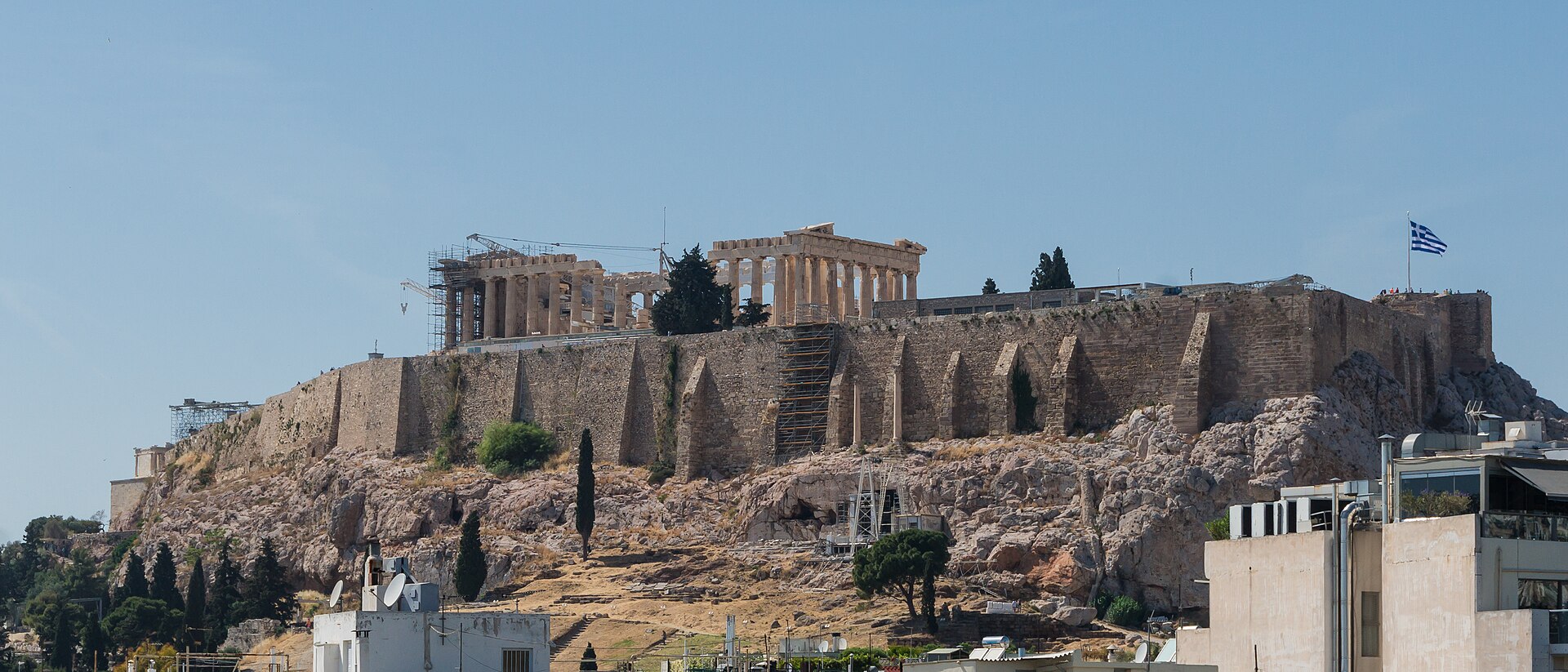
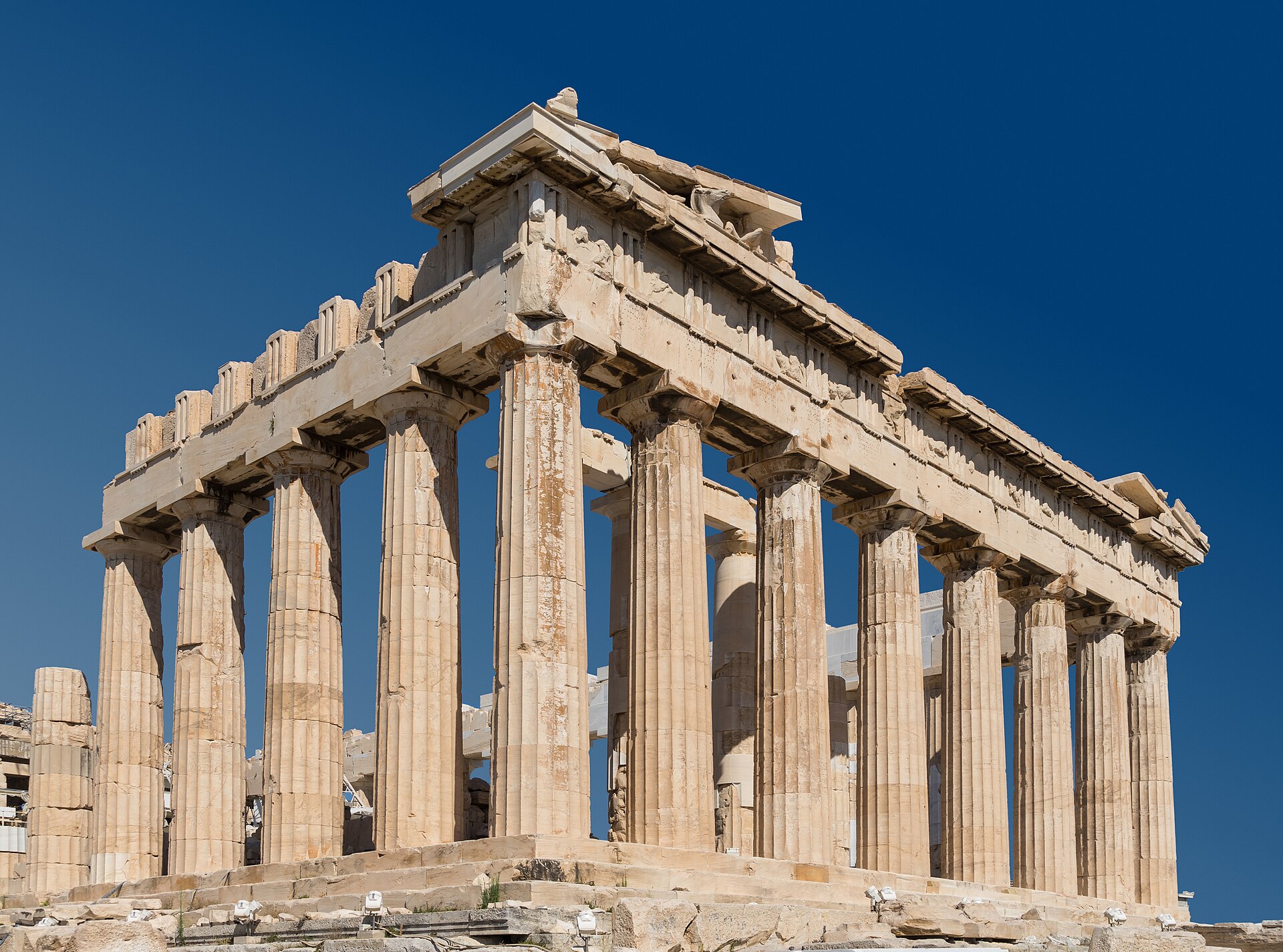
Be at the Acropolis when it opens at 8am. Everything about this visit rewards the early: cooler air, thinner crowds, and the Parthenon glowing in soft morning light before the cruise-ship coaches arrive.
Practicalities first, because Athens changed its ticketing in recent years and the old guidebook advice is stale. Admission is €30 year-round (€15 reduced) — the old winter discount is gone — and entry is by timed slots you must book online in advance, arriving within about 15 minutes of your window. The old multi-site combo ticket’s status has been shifting in 2026, with several recent guides reporting it discontinued — so check the official ticketing portal before you buy, and budget for separate tickets at the other ancient sites (Ancient Agora, Roman Agora, Kerameikos, Temple of Olympian Zeus) rather than assuming one ticket covers them all. Children under 18 and EU citizens under 25 enter free.
Use the South Slope entrance near Akropoli metro station rather than the main west gate — it is usually quieter and lets you pass the Theatre of Dionysus and the Odeon of Herodes Atticus on the way up. Allow two to three hours: the Propylaea gateway, the Parthenon, the Erechtheion with its Caryatid porch (the statues you see on the building are copies; the originals live in the Acropolis Museum), and the small Temple of Athena Nike. Bring water — there is no shade on the summit, and in a heatwave the site can close during midday hours at short notice.
If you would rather have an expert decode the stones for you, this highly rated Acropolis walking tour includes the skip-the-line entry and walks you through every monument with a licensed guide — and for a quieter, more personal experience, there is also a private Acropolis tour with skip-the-line tickets where you set the pace and ask all the questions you want.
Afternoon: Plaka and the Acropolis Museum
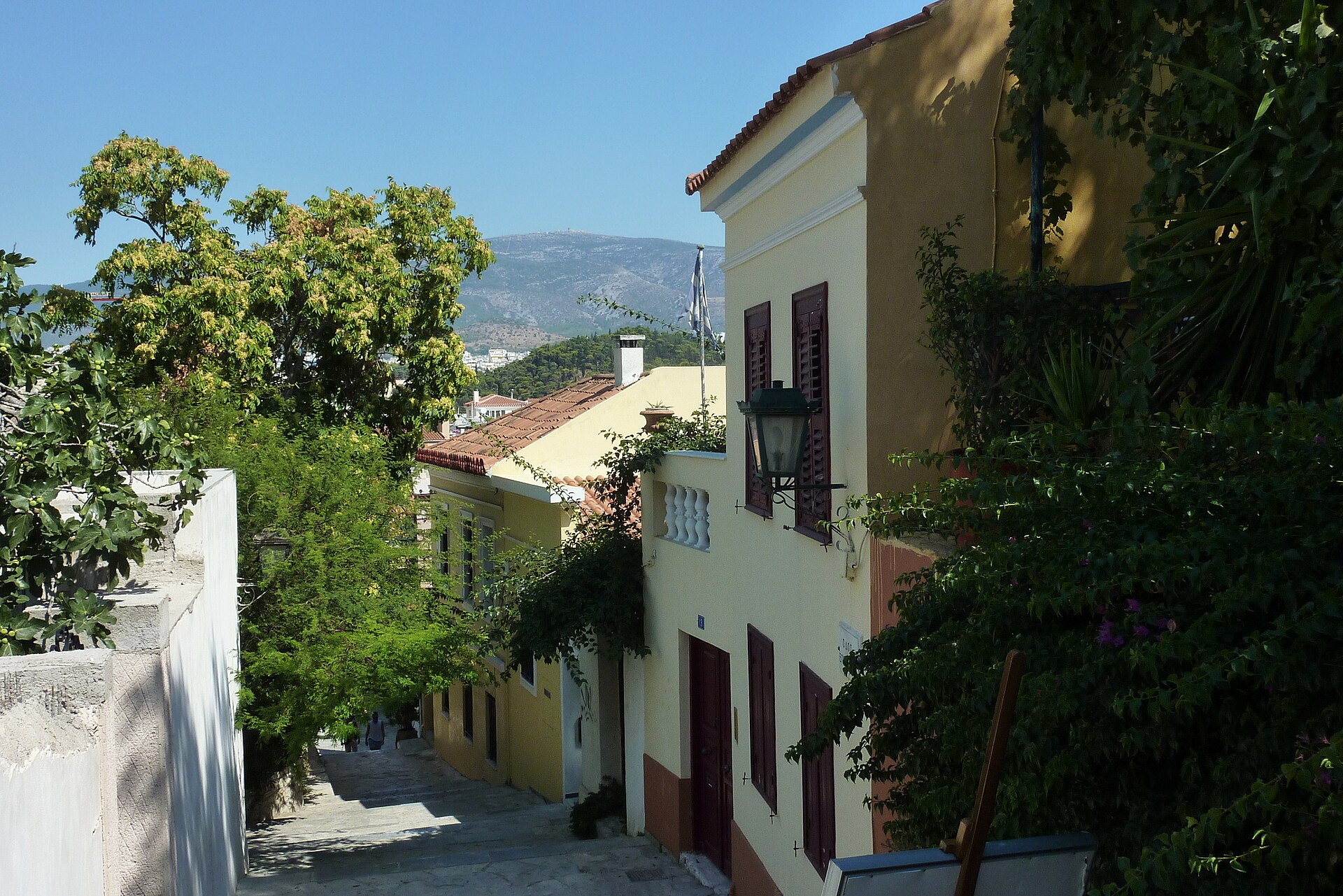
Walk down into Plaka, the village-like old quarter draped over the northern slopes of the Acropolis. Its lanes of neoclassical houses, stairways tangled in bougainvillea, and tiny Byzantine chapels are where you will have lunch — pick a taverna on a side street rather than the main drag, where the food and the prices are better. Tucked above Plaka, Anafiotika is worth the short climb: a handful of whitewashed island-style houses built by workers from the island of Anafi in the 19th century, now one of the most atmospheric corners of the city.
Spend the hot middle of the day in the Acropolis Museum (separate ticket, €20 general / €10 reduced) — it is air-conditioned, superb, and deliberately designed so the Parthenon sculptures sit in sight of the hill they came from. Then wander down through Monastiraki: the flea-market streets, the square with its little Byzantine church, and the Adrianou pedestrian street, which is one of the nicest evening walks in the city.
Evening: dinner with a view
End Day 1 on a rooftop. Athens has some of the best rooftop dining in Europe, and half the restaurants in Plaka and Monastiraki offer a floodlit-Acropolis view with your dinner. Order the classics — moussaka, a proper Greek salad (no lettuce), spanakopita, and grilled octopus if the taverna looks like it knows what it is doing — and stay for the light show on the hill.
Day 2: Ancient Athens, museums, and the sunset hill
Morning: the Ancient Agora
Day 2 starts on the ground where democracy was invented. The Ancient Agora — the marketplace and civic heart of classical Athens — sits just below the Acropolis and is far calmer than the hill above. Its star is the Temple of Hephaestus, one of the best-preserved Doric temples anywhere, largely because it spent centuries as a church. Combine it with the Roman Agora and the Tower of the Winds next door, an ancient clock tower that doubled as a weather station.
History lovers should give the morning’s second half to the National Archaeological Museum, one of the great museums of the world — the gold of Mycenae, the Antikythera mechanism, the bronze gods pulled from the sea. It deserves at least two hours; budget three if you are the museum type.
Afternoon: neighborhoods and coffee culture
After lunch, do what Athenians do: slow down. Psiri, west of Monastiraki, is the city’s creative quarter — street art, leather workshops, and tavernas that fill up after dark. Kolonaki, at the foot of Lycabettus, is the polished end of town, good for a long coffee and people-watching. Or ride the metro one stop to Syntagma to watch the changing of the Evzones guards in front of Parliament, on the hour in their famous pleated uniforms.
Sunset: Lycabettus Hill
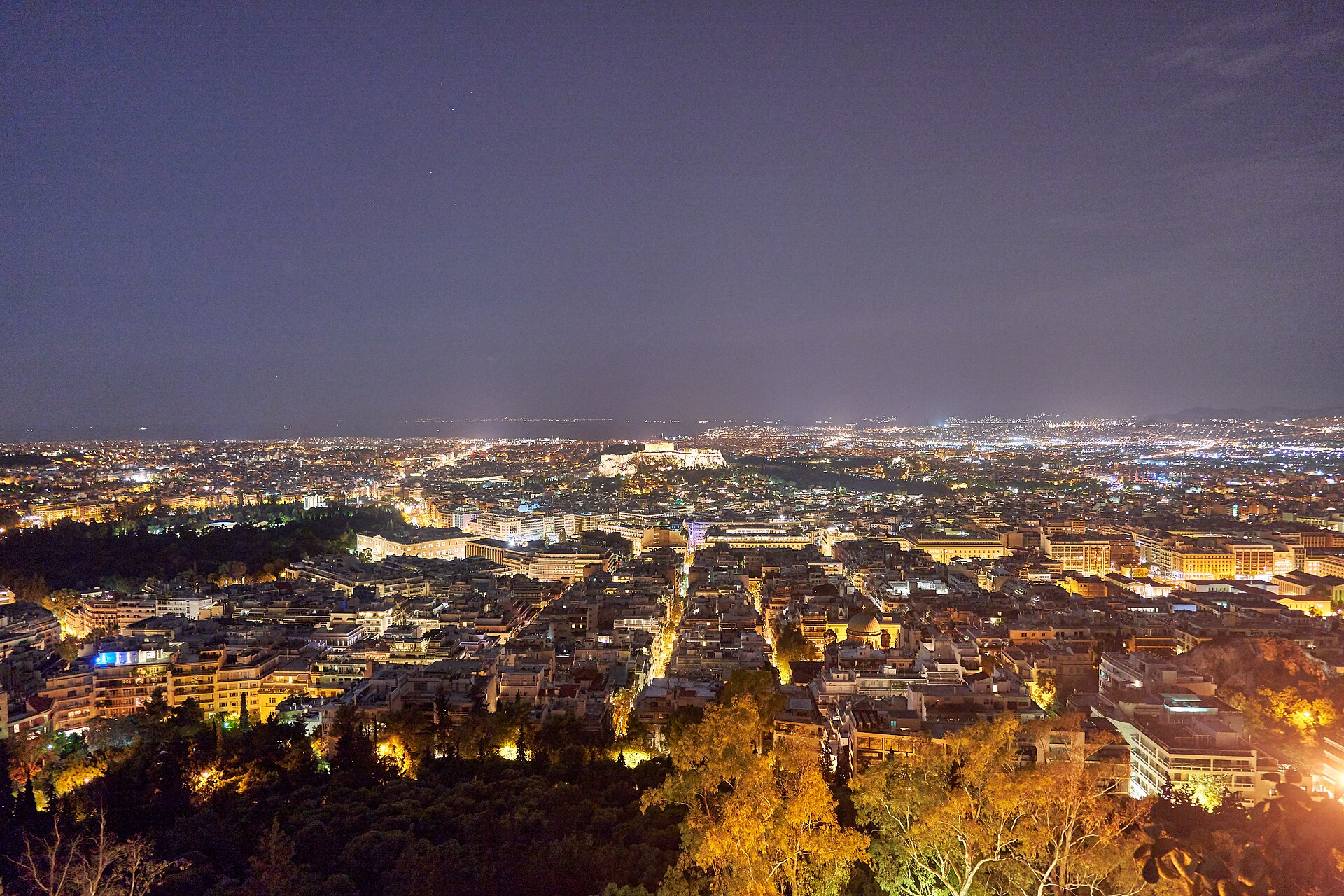
For the best sunset in Athens, climb Lycabettus Hill — at 277 meters it towers over the 156-meter Acropolis, and the whole basin of the city spreads out below you, sea on one side, mountains on the other. You can hike up in 30–90 minutes via the pine-covered paths, or take the teleferik cable car from Kolonaki (roughly €10 one way, €13 round trip — note the ride runs through a tunnel with no views, so the hike is the better experience if you are able). Get there at least 45 minutes before sunset; the crowds at the top are real. Dinner back down in Psiri, where the tavernas stay lively late.
Day 3: The coast and Cape Sounion
Athens has a riviera — use it
Most first-timers never leave the center, which is a shame, because the Athenian Riviera strings beaches, marinas, and seaside tavernas along the coast south of the city. A morning swim at one of the organized beaches near Vouliagmeni or Varkiza, then lunch at a fish taverna with your feet near the water, is the most Athenian day you can have.
Afternoon into sunset: the Temple of Poseidon
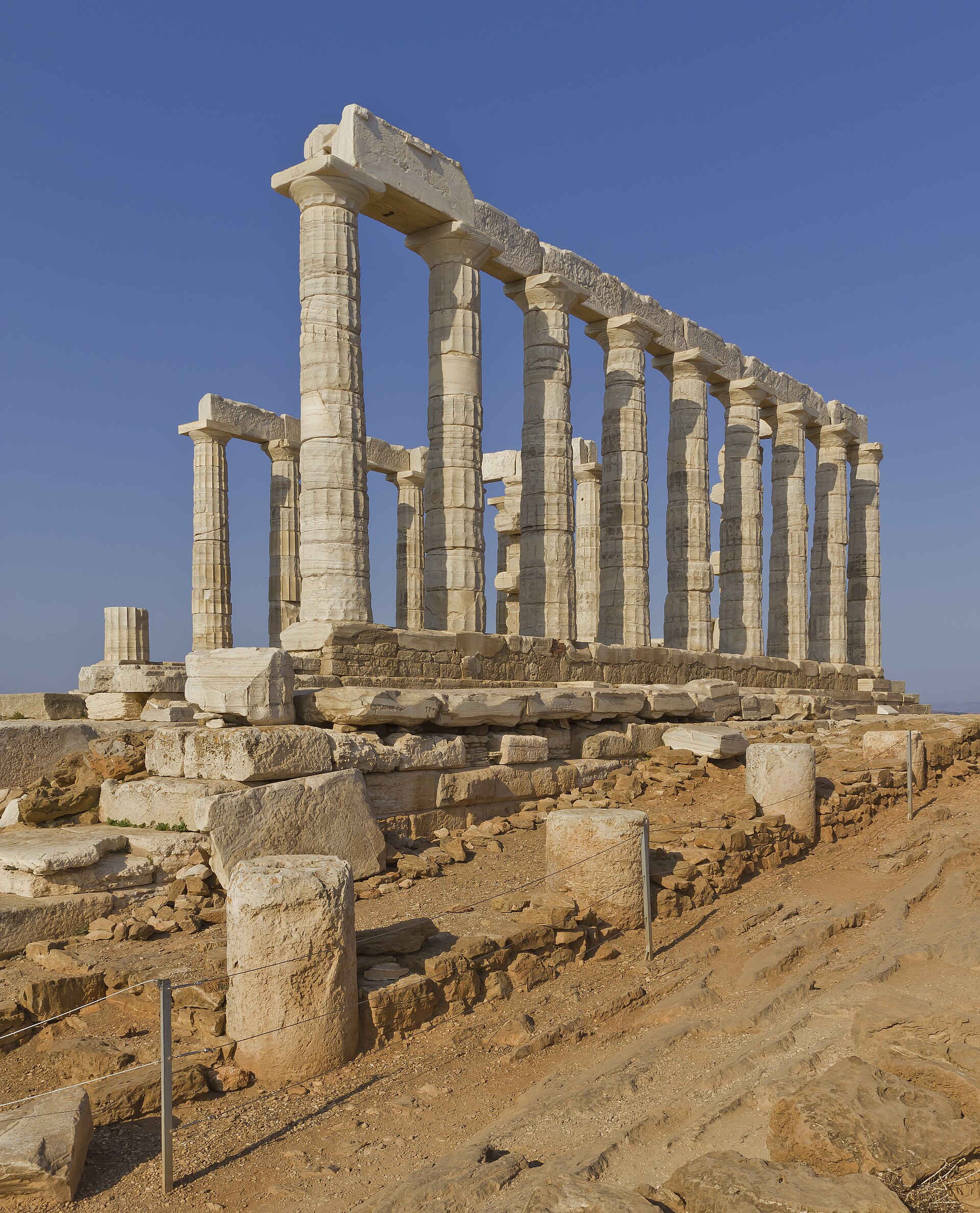
Save the afternoon for Cape Sounion, about 70 km south along one of the prettiest coastal drives in Greece. The 5th-century-BC Temple of Poseidon stands on a cliff 70 meters above the Aegean — sixteen Doric columns still standing, the sea on three sides, and, according to legend, the spot where King Aegeus threw himself into the waves and gave the Aegean Sea its name. Time your visit for the last two hours of daylight: the sunset here is genuinely one of the great ones in Europe, and the site stays open for it.
The simplest way to do it without a car is this small-group Sounion sunset tour — hotel pickup, the coastal drive with a beach stop, and arrival at the temple timed for golden hour. Entrance to the archaeological site (€20) is paid separately.
What to eat in Athens
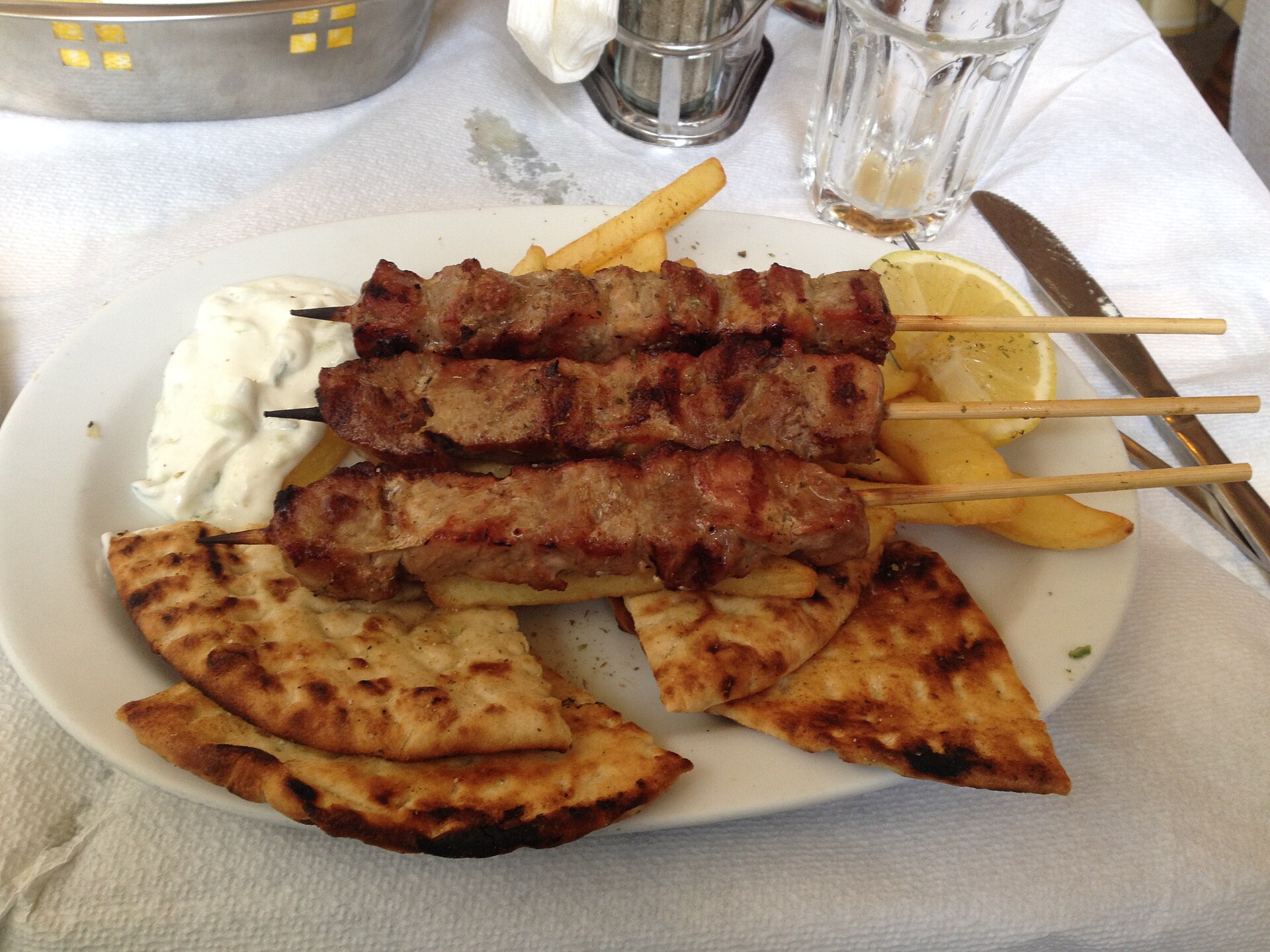
Athens is one of Europe’s great food cities, and its best eating is cheap. The non-negotiables: souvlaki and gyros wrapped in warm pita (the city’s great bargain street food), moussaka, spanakopita, grilled sardines and calamari at a fish taverna, loukoumades (honey-soaked doughnuts) for dessert, and a frappe — the iced coffee Greece invented — at any café, any time. Tipping is simple: round up or leave a euro or two; percentages are not expected.
Where to base yourself
For a first visit, stay within the historic triangle: Plaka and Monastiraki put you closest to the sights (and the prettiest streets); Koukaki, just south of the Acropolis, is quieter, more residential, and right by the Acropolis Museum; Psiri is the pick for nightlife; Syntagma and Kolonaki are central and polished. Everything in the center is walkable, and the metro covers the rest — a 90-minute ticket covers all lines.
Practical tips for first-timers
- Best time to go: May, September, and October hit the sweet spot — warm days, warm sea, manageable crowds. July and August bring 90°F-plus heat and the biggest crowds; in a heatwave the Acropolis can close at midday. November to March is quiet and cheap, with cooler, occasionally rainy weather.
- Book the Acropolis online, in advance, for an early slot. This is the single most important planning move for Athens. 8am entry, South Slope entrance, water in your bag.
- Watch your pockets on the metro (especially the Piraeus line) and in crowded Monastiraki — pickpockets work the tourist corridors. Use a zipped bag and keep it in front.
- Validate your transit ticket — tap the paper ticket on the reader when you board buses, and scan at metro turnstiles. Inspectors are frequent on the X95 and fines are steep.
- Wear real shoes. The Acropolis marble is polished smooth by 2,500 years of feet and gets slippery; the descents into Plaka are steep. Leave the flimsy sandals at home.
- Cash is rarely needed — cards work almost everywhere — but keep a few euros for small kiosks and beach canteens.
Extending the trip: Athens and the islands
Three days in Athens pairs perfectly with the Greek islands, and this is where most travelers go next. Santorini in 3 days is the classic first island: direct flights from Athens take under an hour, and the ferry from Piraeus runs 5–9 hours depending on the service, sailing you straight into one of the great arrivals in Europe. If you are building a longer city-break run across Europe, our Lisbon 3-day itinerary and Madrid 3-day itinerary use the same first-timer format.
Athens rewards the traveler who gives it more than a layover. Do the Acropolis right, eat your way through the old town, catch that Sounion sunset — and you’ll understand why people have been coming to this city for 3,000 years.