
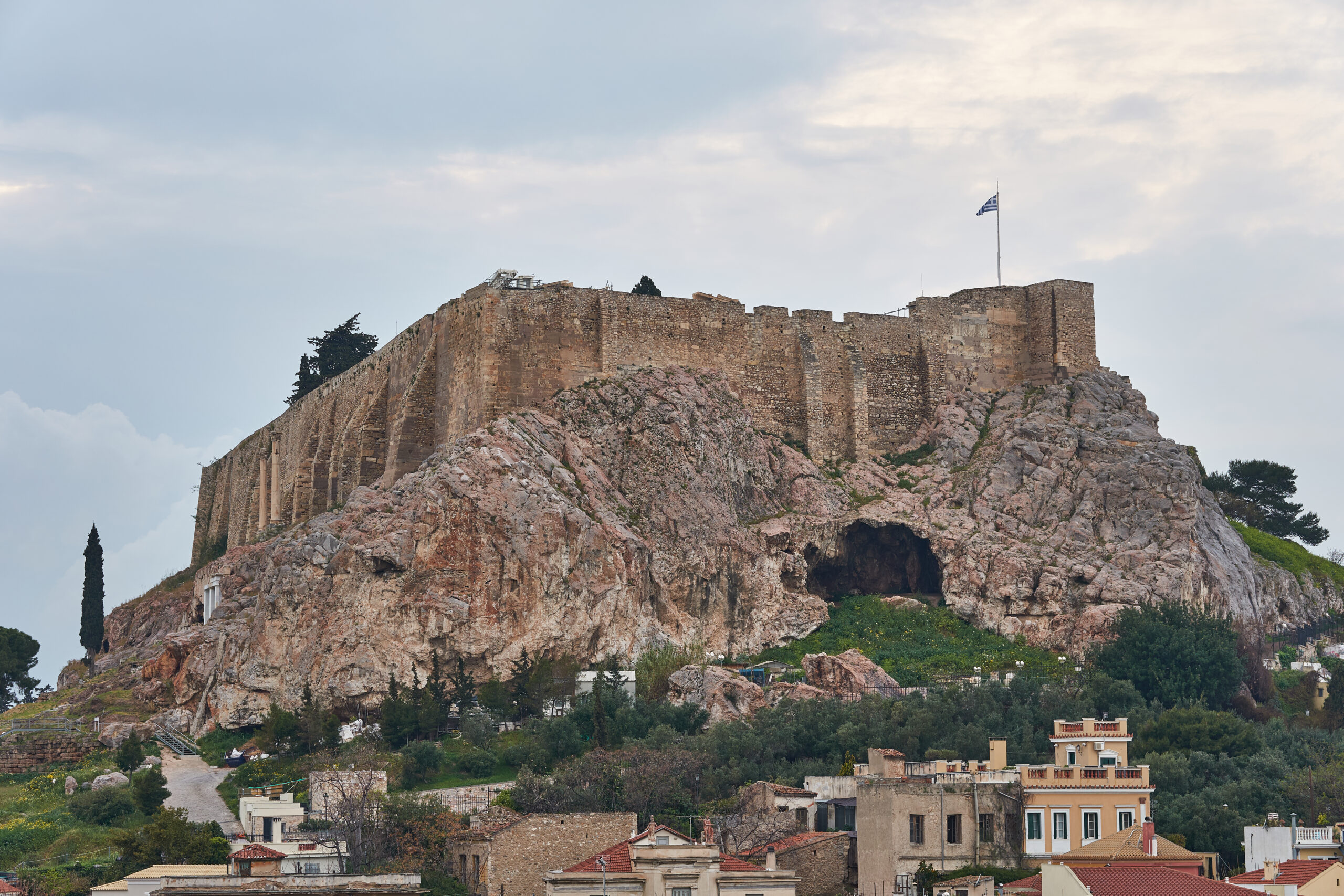
Athens isn’t one destination — it’s a question of where you wake up. In Plaka, you wake to church bells under the Acropolis, in a neoclassical lane where every turn ends at a taverna. In Koukaki, you wake in a residential quarter where your neighbors are Athenians heading to work and your coffee costs half as much. In Glyfada, you wake to the sound of actual waves on the Aegean, thirteen kilometers from a single ruin. All three travelers have a great trip — but they’re having three different trips.
Planning a trip? Get our free Travel Planning Checklist:
Pick the wrong base and you’ll burn your vacation on the metro or overpay for a room that doesn’t match how you travel. Pick the right one and Athens does the rest: the ancient sights on foot, the neighborhoods on flavor, the ferries on schedule. Here’s the honest breakdown of the seven areas that matter, the hotels I’d actually shortlist in each, and the mistakes to avoid before you book.
Disclosure: This post contains affiliate links. If you book through one of these links, I may earn a commission at no extra cost to you.
The Short Answer
If you’re a first-timer with two to four days, stay near the historic core: Plaka, Monastiraki, Syntagma, or Koukaki. Every one of these puts the Acropolis within a 20-minute walk, has a metro station nearby, and keeps you in the part of Athens that feels like a city worth exploring rather than a city you’re commuting across.
- Best overall base: Plaka — old-town charm, Acropolis on foot, the walk-everywhere pick.
- Best for nightlife and energy: Monastiraki / Psyrri — flea market by day, bars by night.
- Best for short stays and connections: Syntagma — business-class hotels, direct airport metro line.
- Best value near the sights: Koukaki — local feel, Acropolis Museum next door, lower prices.
- Best for upscale travel: Kolonaki — fine dining, shopping, museums at the foot of Lycabettus.
- Best for beaches: Glyfada — the Athens Riviera, not a sightseeing base.
- Best for early ferries: Piraeus — the port city, nothing else justifies sleeping there.
Plaka: The Old Town (Best for First-Timers)
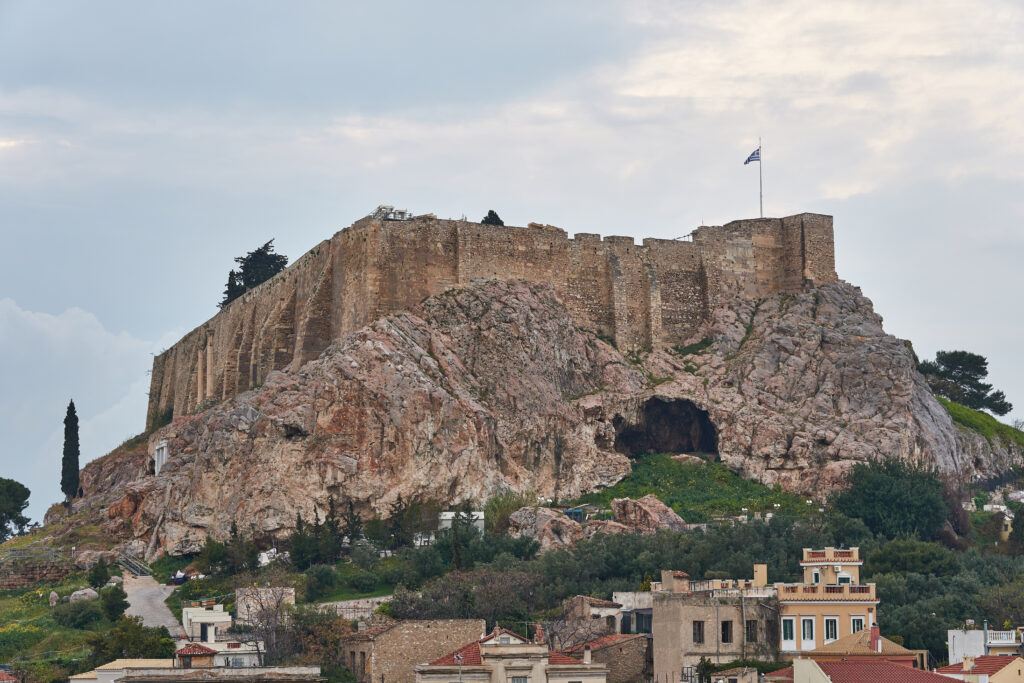
Plaka is the Athens of the postcards: cobbled lanes, neoclassical houses dripping with bougainvillea, taverna tables spilling onto pedestrian streets, the Acropolis looming above it all. It sits directly beneath the Acropolis’s north slope, so the Parthenon is a 5–15 minute walk from almost anywhere in the neighborhood. Acropoli (Line 2) and Syntagma (Lines 2 and 3) stations bracket it, and Monastiraki (Lines 1 and 3) is just west.
The tradeoff: Plaka is the most touristed corner of Athens, which means tourist-menu pricing on the main lanes and hotels that charge for the location. Wander two streets off the main drag and the crowds thin fast.
Hotel picks: Electra Palace Athens (5-star on Nikodimou Street, with a rooftop pool over the old town — typically €180–€450 a night depending on season) is the landmark choice. For smaller budgets, Phaedra Hotel is a simple, well-located budget pick (hedge €60–€100 a night). Whatever you choose, book Plaka early for May–June and September–October — the best-located rooms go first.
The Acropolis is your first stop from Plaka, and it’s the one attraction where booking ahead genuinely matters: an Acropolis walking tour with skip-the-line tickets gets you past the entry lines with context the stones alone won’t give you.
Monastiraki and Psyrri: The Lively Core (Best for Nightlife and Shopping)
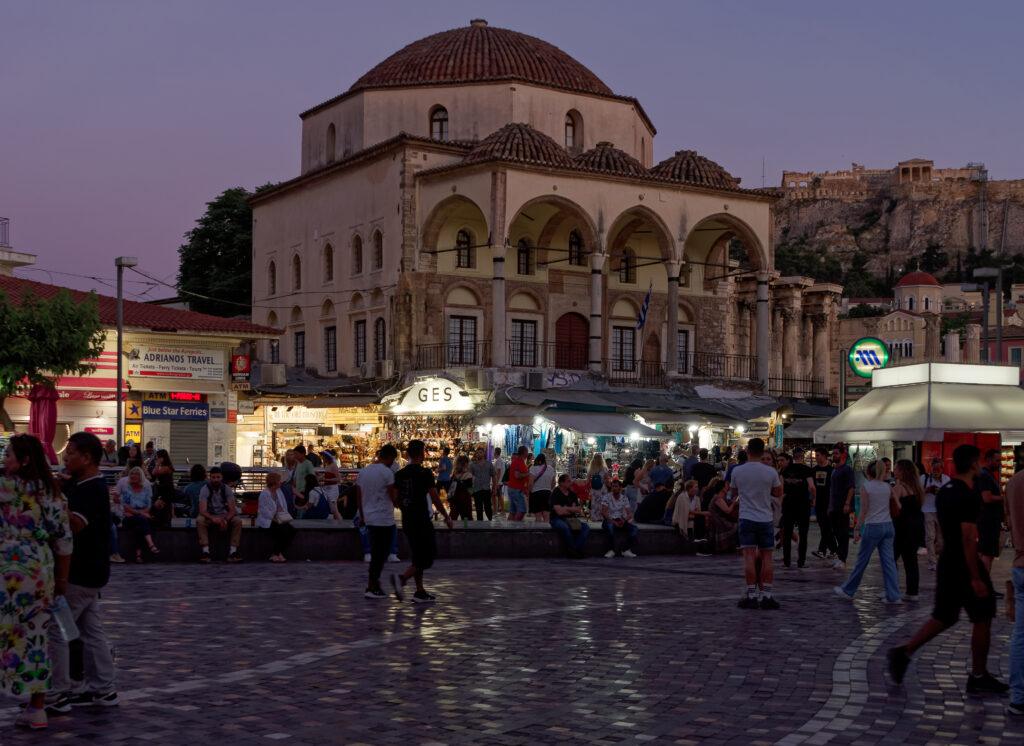
Monastiraki is Athens at full volume: the flea market, the food streets (Mitropoleos and Aiolou), the mosque-turned-museum, the square itself with the Acropolis overhead. Just west, Psyrri adds the city’s best concentration of bars, live-music tavernas, and street art. Together they’re the busiest, most convenient base in the city — Monastiraki station connects Lines 1 and 3, and the Acropolis is 10–20 minutes on foot.
The tradeoff: noise. If you’re a light sleeper, ask for a room off the street or pick Koukaki instead. Psyrri’s bar streets run late.
Hotel picks: A for Athens (on Monastiraki Square itself, with the famous rooftop bar looking straight at the Acropolis) is the statement stay — hedge €100–€200 a night. The Fresh Hotel is the design-hotel alternative in the same area. For the energy of Monastiraki with actual sleep, look one block toward Plaka rather than into Psyrri.
Syntagma: The Grand Hotels (Best for Short Stays and Connections)
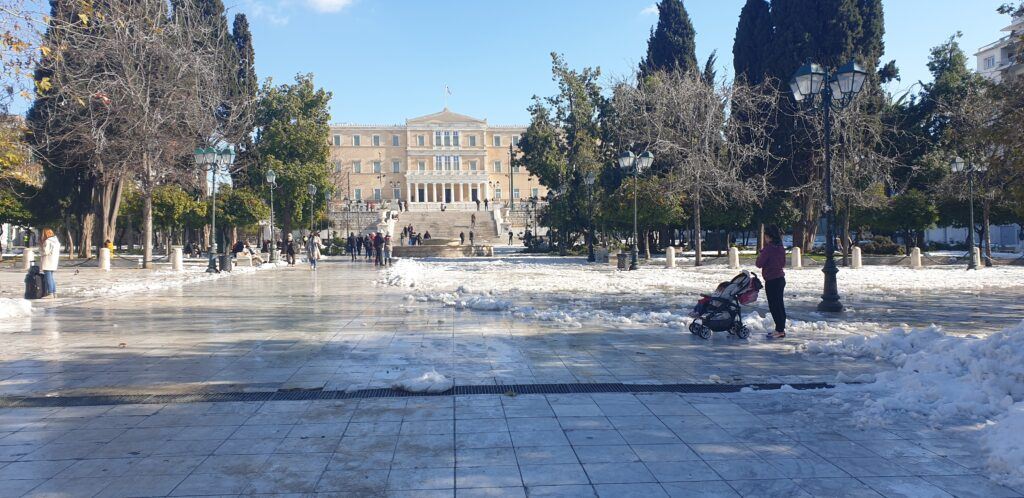
Syntagma is Athens’s political and commercial heart: Parliament and the changing of the guard on the square, the Ermou shopping street, the big-name hotels. It’s the most connected base in the city — Syntagma station sits on Lines 2 and 3, and Line 3 runs direct to the airport in about 35–40 minutes. The Acropolis is 15–20 minutes on foot.
The tradeoff: Syntagma feels like a business district after dark rather than a neighborhood. Pick it for one- to two-night stays, for arrivals and departures, or for the grand hotels themselves.
Hotel picks: The Hotel Grande Bretagne is the landmark luxury stay on the square (hedge €300–€600 a night in season). The Electra Metropolis, just off the square with a rooftop Acropolis view, runs a notch lower (hedge €200–€400). On the budget side, the Athens Center Square Hotel near Panepistimiou has a solid rooftop bar for much less.
Koukaki: The Insider’s Pick (Best Value Near the Sights)
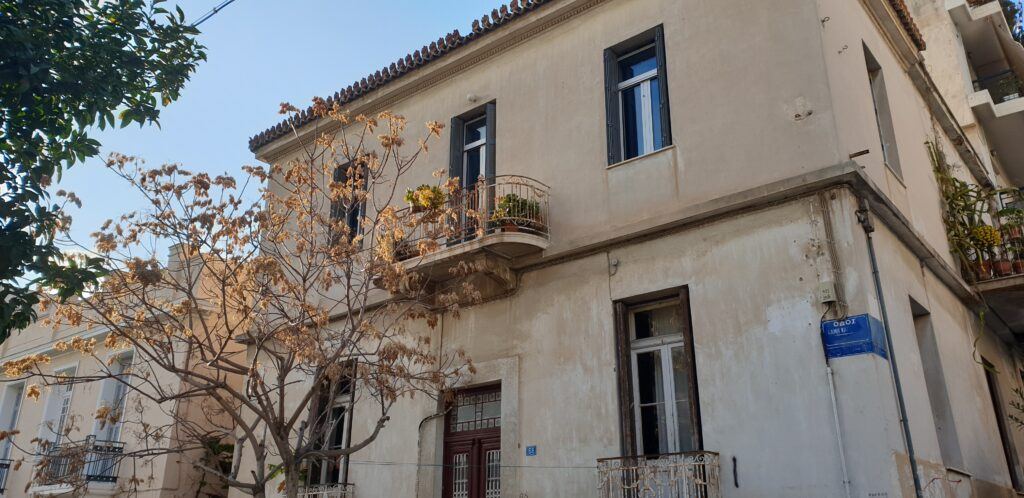
Koukaki is the neighborhood I’d steer most first-timers toward: a calm, residential-feeling quarter directly south of the Acropolis, wrapped around Koukaki Square’s cafes and the pedestrian street leading to the Acropolis Museum — which sits right on the neighborhood’s northern edge. Acropoli and Sygrou-Fix (both Line 2) serve it, the Acropolis is 10–20 minutes on foot, and prices run noticeably lower than Plaka for comparable rooms.
The tradeoff: almost none, unless you want to be amid the old-town postcard. Koukaki is Athens at its most livable — do your sightseeing north, come home to a real neighborhood.
Hotel picks: Hotel Ilissos (4-star, rooftop terrace, strong reviews) hedges around €70–€140 a night. The boutique Hera Hotel on Falirou Street has Acropolis views from its rooftop bar. Airbnbs are plentiful here too, though Koukaki’s popularity means good ones book out for September–October.
Kolonaki: The Elegant Quarter (Best for Upscale Travel)
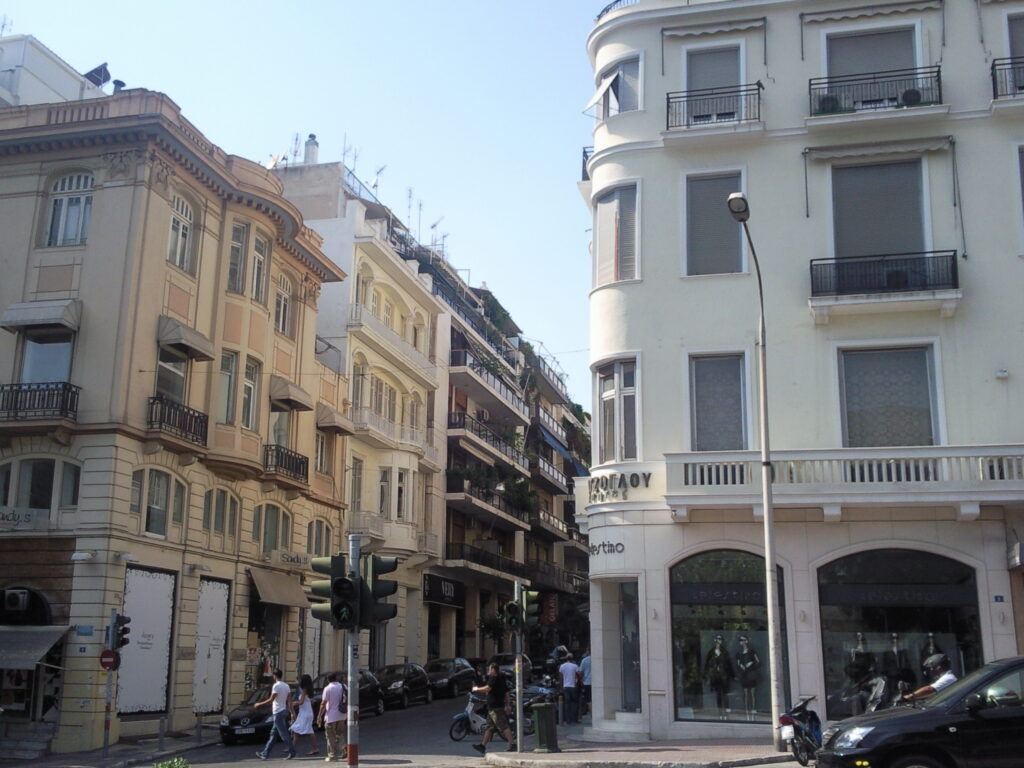
Kolonaki is Athens’s elegant quarter: luxury shopping on Voukourestiou, fine dining, the Benaki and Cycladic Art museums, and the slopes of Lycabettus Hill with its sunset funicular rising right behind it. It’s the pick for travelers who want museums and restaurants over ruins. Evangelismos (Line 3) is the station; the Acropolis is 20–30 minutes on foot, mostly downhill.
The tradeoff: Kolonaki is hilly and a touch removed from the ancient sights — expect €150–€350 a night for its boutique hotels (hedge), and don’t plan to walk everywhere.
Hotel picks: The St. George Lycabettus (on Kleomenous, panoramic city views) is the classic. The Coco-Mat Hotel brings eco-boutique style to the quarter. This is where you splurge on the rooftop breakfast with the city spread below you.
Glyfada: The Riviera (Best for Beach Lovers)
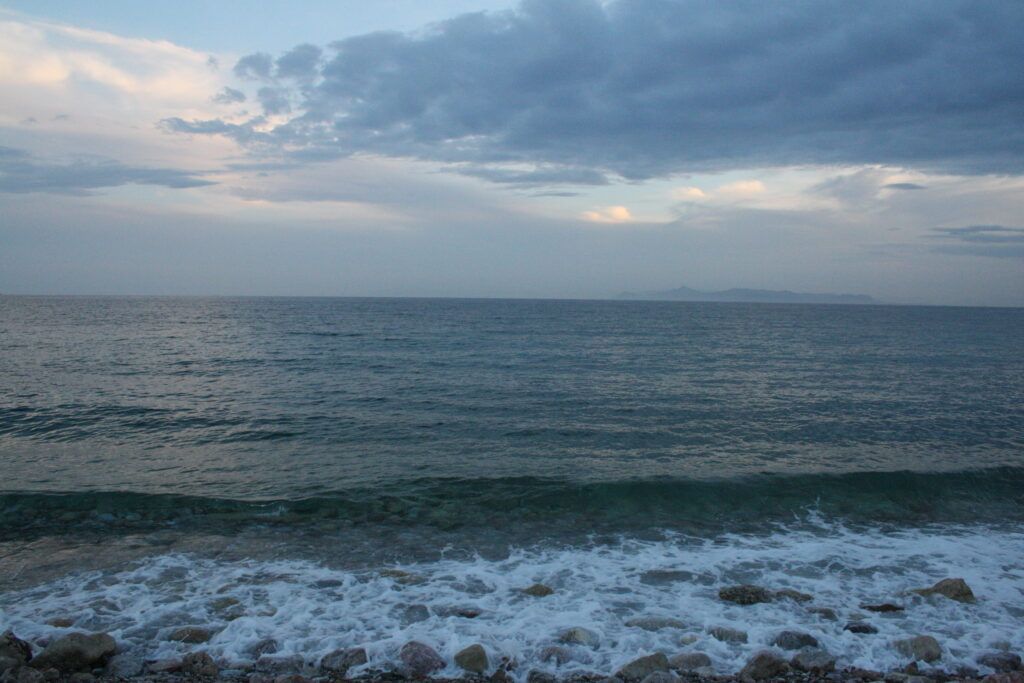
Glyfada is Athens’s Riviera: an upscale seaside suburb of beaches, marinas, shopping malls, and some of the city’s best restaurants and nightlife. It’s a genuinely pleasant place to stay — for a beach holiday. As a sightseeing base, it’s not: the Acropolis is about 13 km away, 30–40 minutes by tram or road, and you’ll be commuting to your own vacation.
The tradeoff: pick Glyfada only if the trip is about the sea — families wanting a beach week, pre- or post-island nights, or longer stays where Athens is the backdrop. Not for two-day whistle-stop visits.
Hotel picks: The Palmyra Beach Hotel (on Possidonos Avenue, strong reviews) hedges €110–€180 a night. The Divani Apollon Palace & Thalasso is the full Riviera resort experience (hedge €200–€400). If the sea is the point, the Athens Riviera doesn’t disappoint.
Piraeus: The Port (Best for Early Ferries)
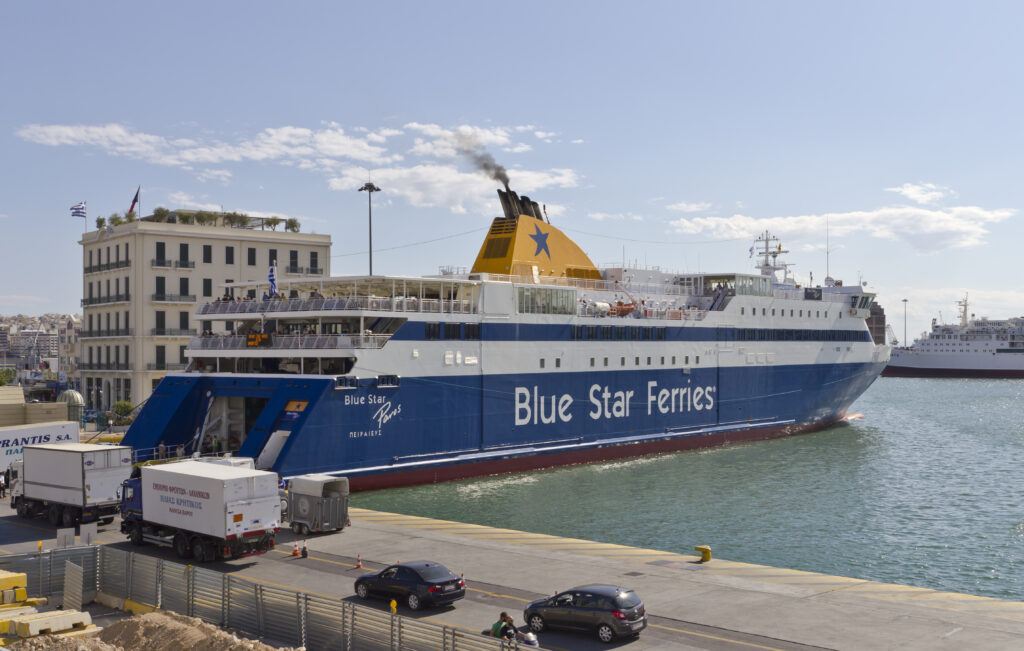
Piraeus is Greece’s biggest port and Athens’s working waterfront: ferry gates to every Cycladic island, seafood tavernas along the harbors, and not much reason to sleep there unless a boat leaves at dawn. Piraeus station connects Lines 1 and 3, and Monastiraki is 20–25 minutes up Line 1 — so it’s never more than a metro ride from the center.
The rule: stay in Piraeus the night before an early-morning ferry or the night your ferry returns late. For everything else, stay central and take the metro to the boat. One exception: a sunset sail from central Athens pairs well with a Piraeus night — the Cape Sounion and Temple of Poseidon sunset tour runs half-days with hotel pickup and finishes at Greece’s most dramatic coastal ruin.
Hotel picks: The Port Square Hotel (4-star, directly opposite the metro station, 9.2 guest rating) hedges €95–€125 a night. The budget Piraeus Port Hotel has been reported at around €55 a night in June (hedge €50–€90).
How Much Hotels Cost in Athens (2026)
Athens remains one of Western Europe’s better-value capitals. Expect roughly: budget hotels and good guesthouses €60–€100, mid-range boutiques €100–€220, upscale and luxury €250–€600+ — all per night in shoulder season (April–June, September–October), which is when you should come. July–August brings heat, crowds, and the highest rates; winter is mild and cheap, though the beach bases go quiet.
Book 2–3 months ahead for shoulder season, 4–6 for summer. And note Greece’s climate/resilience tax, collected at the hotel: roughly €2 a night from April to October, €0.50 in winter. It’s small, but it’s not in the quoted rate.
Getting In: Airport and Port
- Metro Line 3 (Blue) runs from the airport to Syntagma in about 35–40 minutes. The dedicated airport ticket is €9 single / €16 return / €20 for a 3-day tourist ticket including the airport round trip — regular €1.20 city tickets are not valid on the airport section.
- X95 express bus runs 24 hours to Syntagma for €5.50 (€6 from the driver), 45–75 minutes depending on traffic.
- Taxi flat fare: €40 by day, €55 after midnight, airport to city center. For three or four travelers, it’s usually better value than the metro.
- Piraeus port is 8–14 km from the center; Metro Line 1 runs Piraeus–Monastiraki in about 20–25 minutes, and Line 3 now connects the airport to Piraeus directly.
Mistakes to Avoid
- Don’t stay near Omonia for the “savings.” The blocks around Omonia station are noticeably grittier than the tourist core — fine by day, edgy after dark. The €15 you save isn’t worth the vibe shift. Plaka, Monastiraki, Syntagma, and Koukaki are all safe, walkable bases; keep standard big-city pickpocket caution around the Acropolis and on the airport metro line.
- Don’t pick the Riviera for a two-day trip. Glyfada is lovely and wrong for a whistle-stop. Every ancient sight sits in the center; a beach base doubles your transit.
- Don’t assume Exarchia’s edge suits a first visit. It’s a fascinating, genuinely local quarter — but edgy graffiti politics and limited hotel choice make it a better second-trip neighborhood.
- Don’t skip the museum. The Acropolis Museum sits at the foot of the rock in Koukaki, and it reframes everything you’ll see on the hill. Go the day before you climb.
The Bottom Line
There’s no single best place to stay in Athens — there’s a best place for your trip. First-timers who want the city to feel effortless should pick Plaka or Koukaki. Nightlife and markets point to Monastiraki/Psyrri. Short stays and grand hotels belong in Syntagma. The sea has its own address — Glyfada — and the boats have theirs: Piraeus, the night before, not before that.
Once your base is set, the days sort themselves out: our Athens in 3 Days: The Perfect Itinerary for First-Timers (2026) shows exactly how to use them. Island-hopping next? Santorini in 3 Days pairs with an Athens bookend perfectly, and Lisbon in 3 Days is the natural next stop in our Europe itinerary series.