
Prague is the rare European capital that feels like it was built for walking — but where you sleep shapes which version of the city you get. Stay in Old Town and you’re five minutes from the Astronomical Clock’s hourly show, in a centuries-old lane where the spires close in overhead. Stay in Malá Strana and you cross Charles Bridge before the crowds, the castle above you at dawn. Stay in Vinohrady and your evening ends in a leafy beer garden with sunset views over those same spires — in a neighborhood where your neighbors are actually from Prague.
Planning a trip? Get our free Travel Planning Checklist:
None of those is the wrong choice. But they are genuinely different trips. Here’s the honest breakdown of every neighborhood that matters in Prague, the hotels I’d actually shortlist in each, and the practical mistakes that cost first-timers time and money.
Disclosure: This post contains affiliate links. If you book through one of these links, I may earn a commission at no extra cost to you.
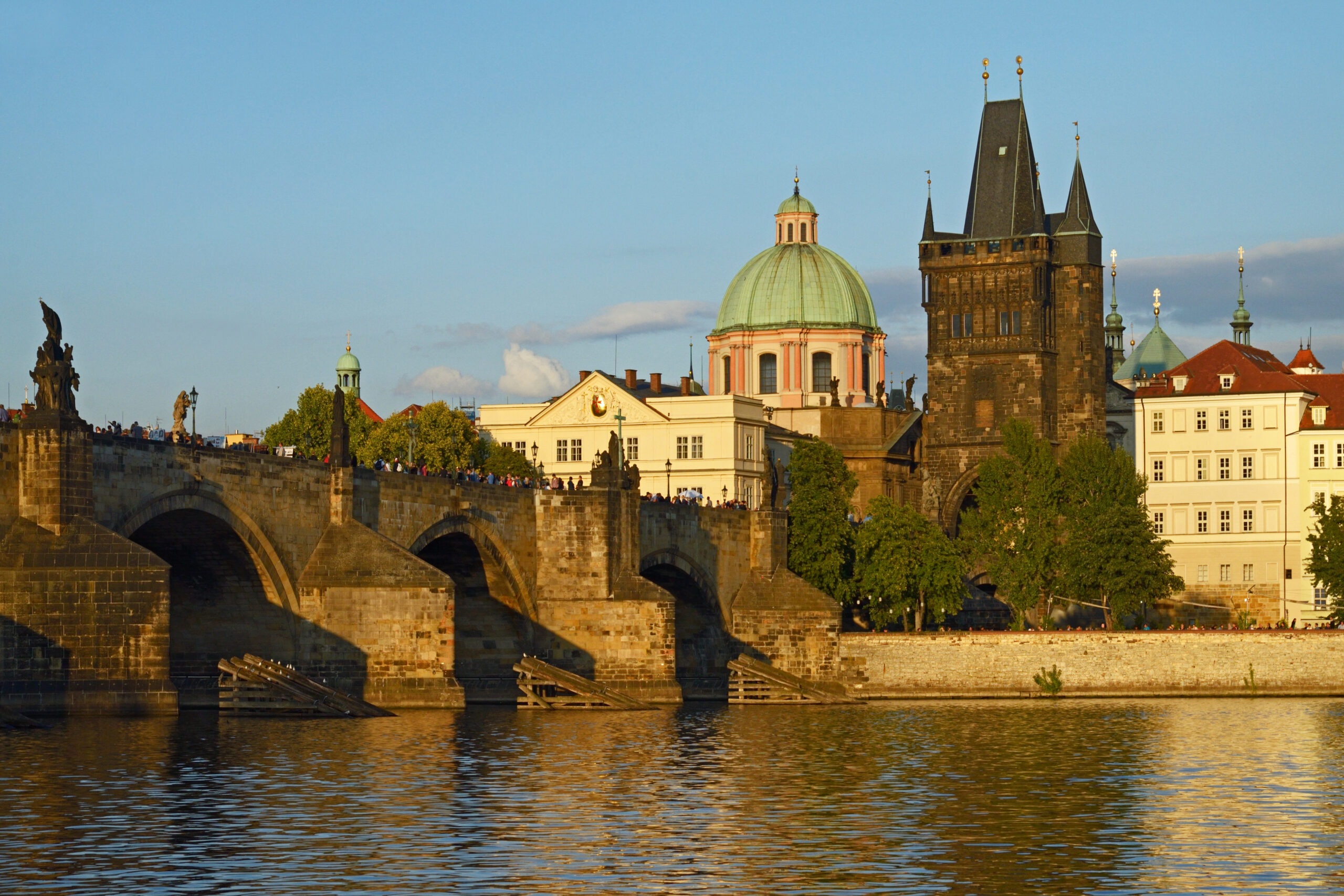
The Short Answer
For most first-time visitors, the best place to stay in Prague is Staré Město (Old Town) or Malá Strana (Lesser Town) — the two halves of the historic core split by the Vltava. This is the Prague of the postcards: the Astronomical Clock, Charles Bridge, and Prague Castle all within a 20–30 minute walk of each other.
- Best overall base: Old Town — medieval lanes, the best sightseeing, and the strongest mid-range hotel selection.
- Best for couples and splurge stays: Malá Strana — romantic baroque streets below the Castle.
- Best value with local flavor: Vinohrady or New Town — better prices, great food and beer scenes, easy transit.
- Best for budget travelers: Žižkov — Prague’s most affordable central district.
- Best for families and repeat visitors: Holešovice — creative, riverside, and genuinely lived-in.
Staré Město (Old Town): The Classic First-Timer Base
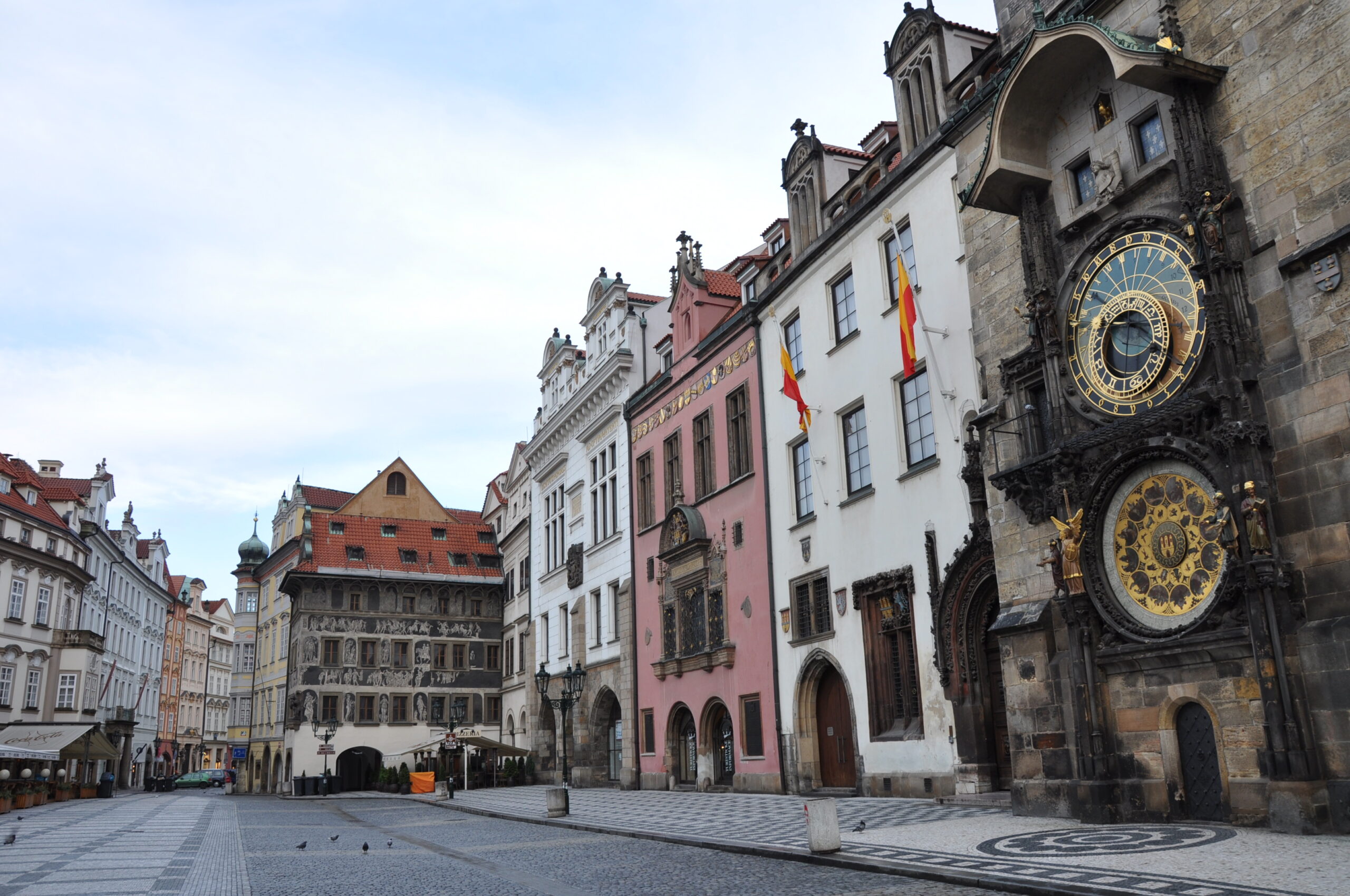
This is the Prague most people picture: the medieval heart around Old Town Square, the Astronomical Clock, the Church of Our Lady before Týn, and the Jewish Quarter (Josefov) woven into its edges. Everything is walkable, the atmosphere after dark is unmatched, and no taxi is ever needed for the main sights.
The trade-off is real, though. Old Town is the busiest, noisiest, and priciest district — expect mid-range rooms around €120–220 in September — and the streets around the square are thick with overpriced tourist restaurants. It’s worth it for first-timers, especially on a short trip.
Standout hotel pick: Hotel Josef — Prague’s neo-modernist design-hotel pioneer (open since 2002), steps from Old Town Square, with large rooms, a gym, sauna, and spa privileges at its sister hotel Maximilian. Consistently listed among the city’s best stays under £200 a night.
Malá Strana (Lesser Town): Romance Under the Castle
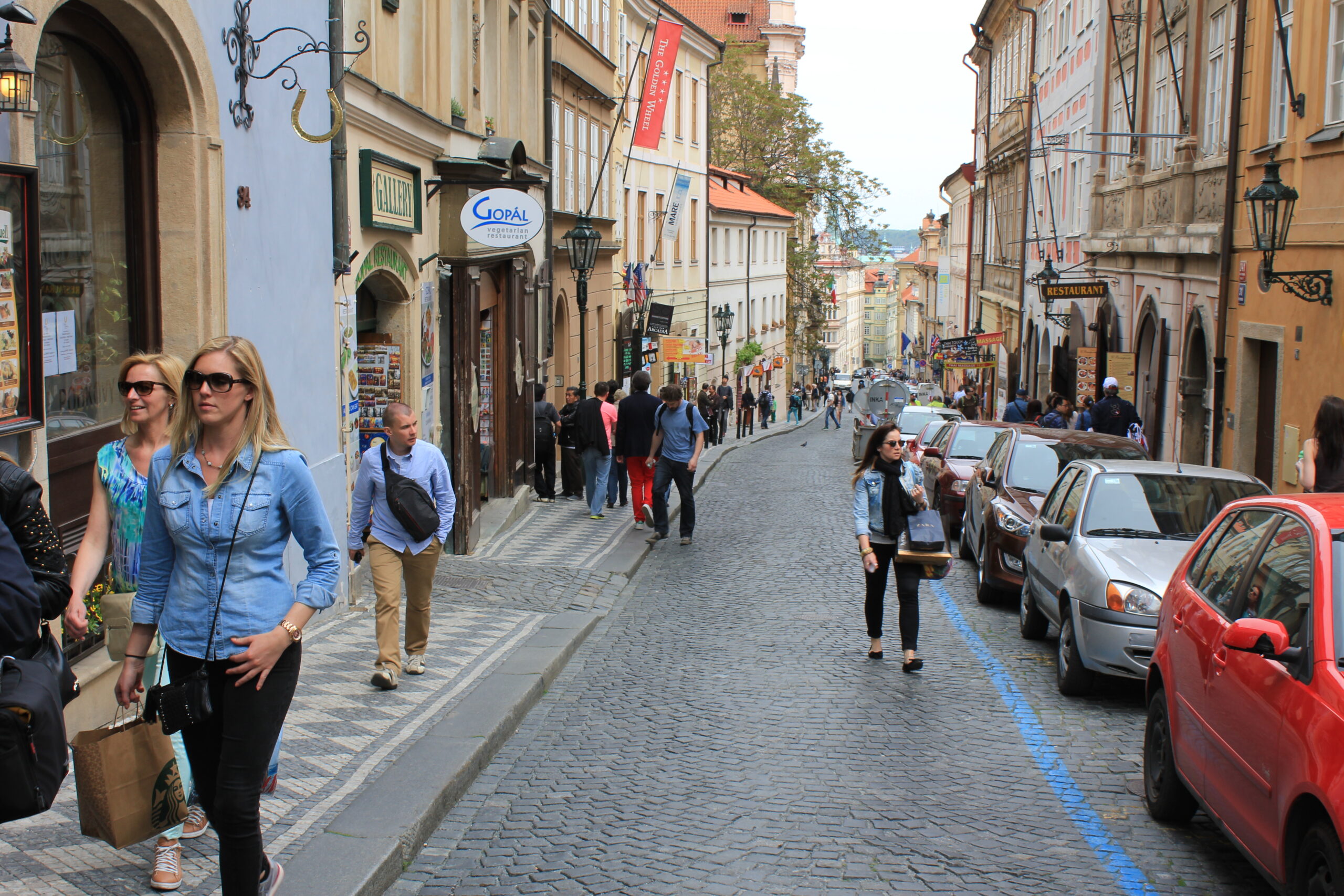
West of the river and below Prague Castle, Malá Strana is Prague’s most romantic quarter: baroque palaces, Nerudova Street climbing toward the Castle gates, the riverside paths of Kampa island. If your trip centers on the Castle — and for most first-timers it should — this is the prettiest place to base yourself. A guided walk through Prague Castle’s interiors is the easiest way to make sense of the world’s largest ancient castle complex without getting lost in it.
Standout hotel picks: Mandarin Oriental, Prague — a 14th-century Dominican monastery converted into a 99-room luxury hotel with a top-rated spa and garden (from roughly $222/night). And the Alchymist Grand Hotel & Spa, the district’s most atmospheric splurge: baroque-style art-filled rooms, daily cheese and wine, and a Thai-themed cellar spa, with a 4.8/5 rating across 2,200+ reviews.
Nové Město (New Town): Lively and Local-Priced
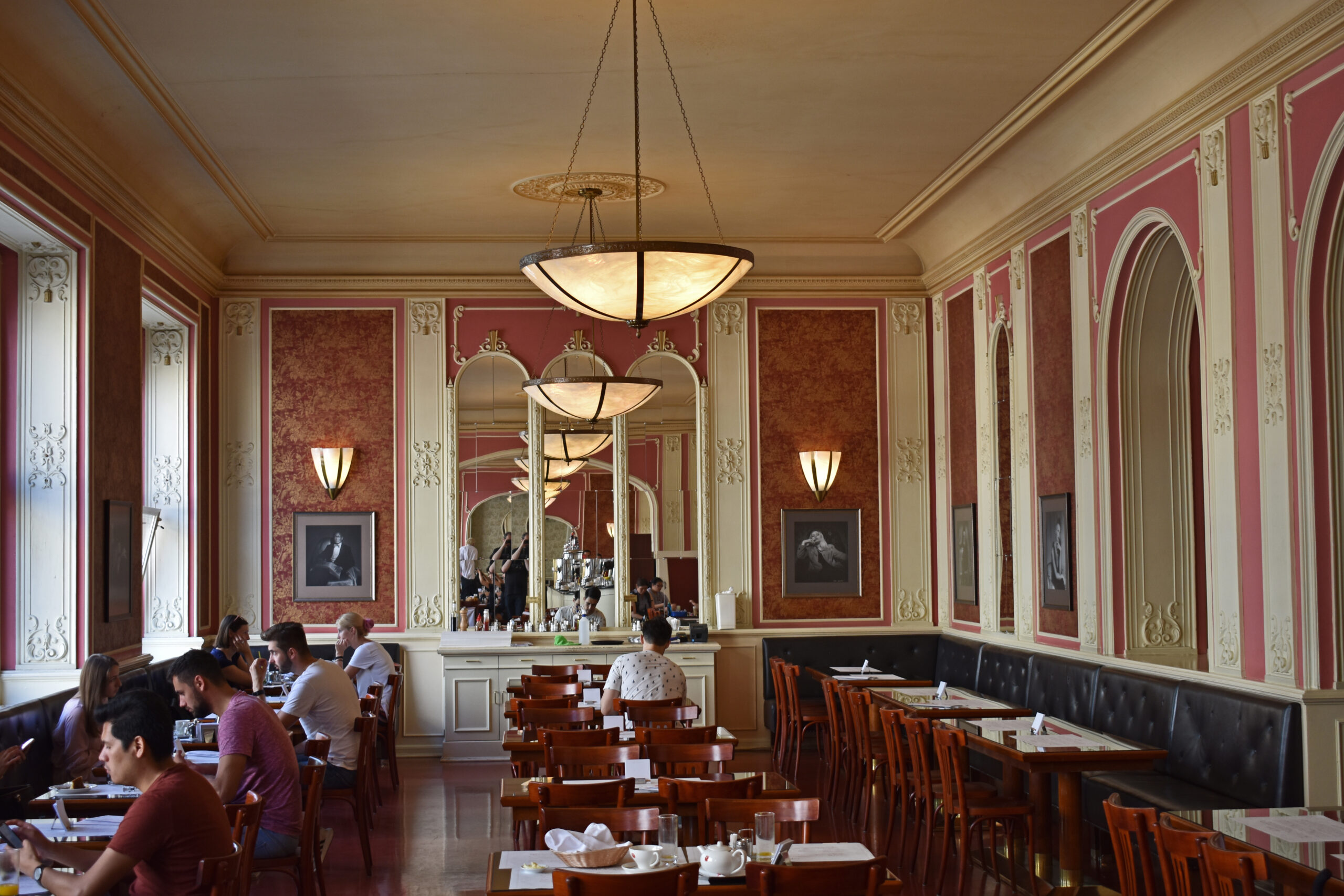
Don’t let the name fool you — New Town is only “new” in the sense that it dates to the 14th century. Built around Wenceslas Square and the National Museum, it’s Prague’s business, shopping, and nightlife spine, with more local prices than Old Town (€100–190 mid-range in September). It suits travelers who want energy after dark and don’t mind a 10-minute walk to the old center.
Standout hotel pick: Miss Sophie’s New Town — a 19th-century building with tall shuttered windows, a garden terrace, and a private basement spa, in a real residential pocket near the Antonín Dvořák Museum. Recent guests have paid around €75–80 a night — genuine boutique value.
Vinohrady: The Foodie Favorite
East of the center, built on former vineyards, Vinohrady is the neighborhood Prague’s own food lovers recommend: art nouveau streets, gastropubs, wine bars, and Riegrovy Sady park — Prague’s biggest beer garden, with the city’s best free sunset view over the spires. It also has the strongest LGBTQ+ scene in the city. Mid-range rooms run roughly €90–170, and it’s superb for longer stays and repeat visitors.
Standout hotel pick: Mosaic House Design Hotel — an eco-design four-star on the New Town/Vinohrady edge with in-room still and sparkling water, free bicycles, a garden, and a spa. It holds a 9.8/10 on Hotels.com and a 4.9 across 2,500+ TripAdvisor reviews — arguably the best-reviewed design hotel in Prague at mid-range prices (~$78–157).
Žižkov: Best Value in Central Prague
Žižkov is Prague’s bohemian quarter: graffiti-daubed streets, the unmissable Žižkov TV Tower, and a pub density that locals defend with pride (Palác Akropolis for live music is a neighborhood institution). It’s the cheapest central district (€60–120 mid-range) and the natural base for budget travelers, nightlife seekers, and anyone who likes their travel a little unpolished.
Standout hotel pick: Sir Toby’s Midtown for budget beds in the thick of it — or, just over the border in Holešovice, the original Sir Toby’s Hostel (dorms from ~$12, private doubles from ~$31) with a garden, terrace, and one of the city’s most sociable bars.
Holešovice (Prague 7): Creative and Riverside
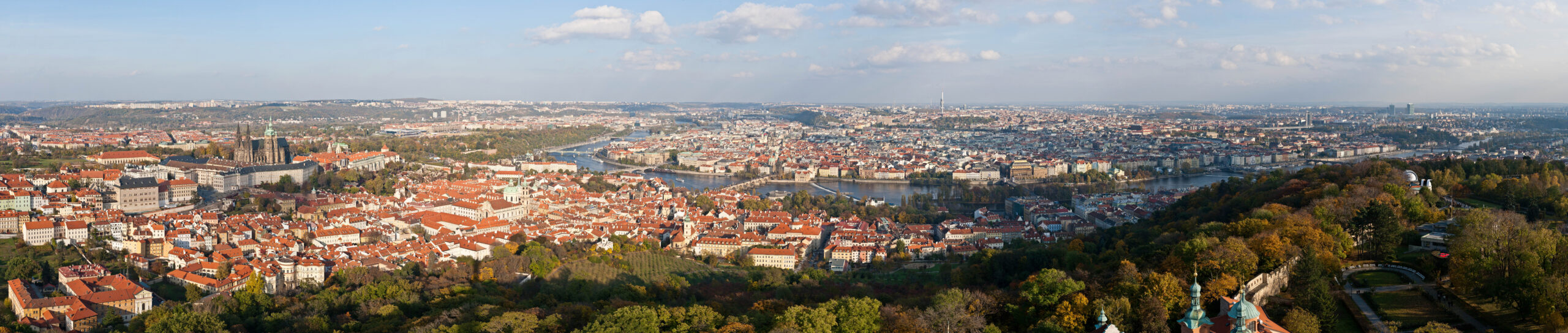
North of the center across the river, Holešovice is where Prague’s art scene lives: the DOX Centre for Contemporary Art, the National Technical Museum, Stromovka park, and the Letná beer garden with its famous castle views. It’s tram-connected to Old Town in 15–20 minutes, family-friendly, and genuinely local — the neighborhood most first-timers never see.
Standout hotel pick: the original Sir Toby’s Hostel on Dělnická street — 8.4–8.8/10 across booking platforms, a garden and terrace, and an easy base for families and repeat visitors who want Prague beyond the postcards.
Hradčany: At the Castle’s Feet
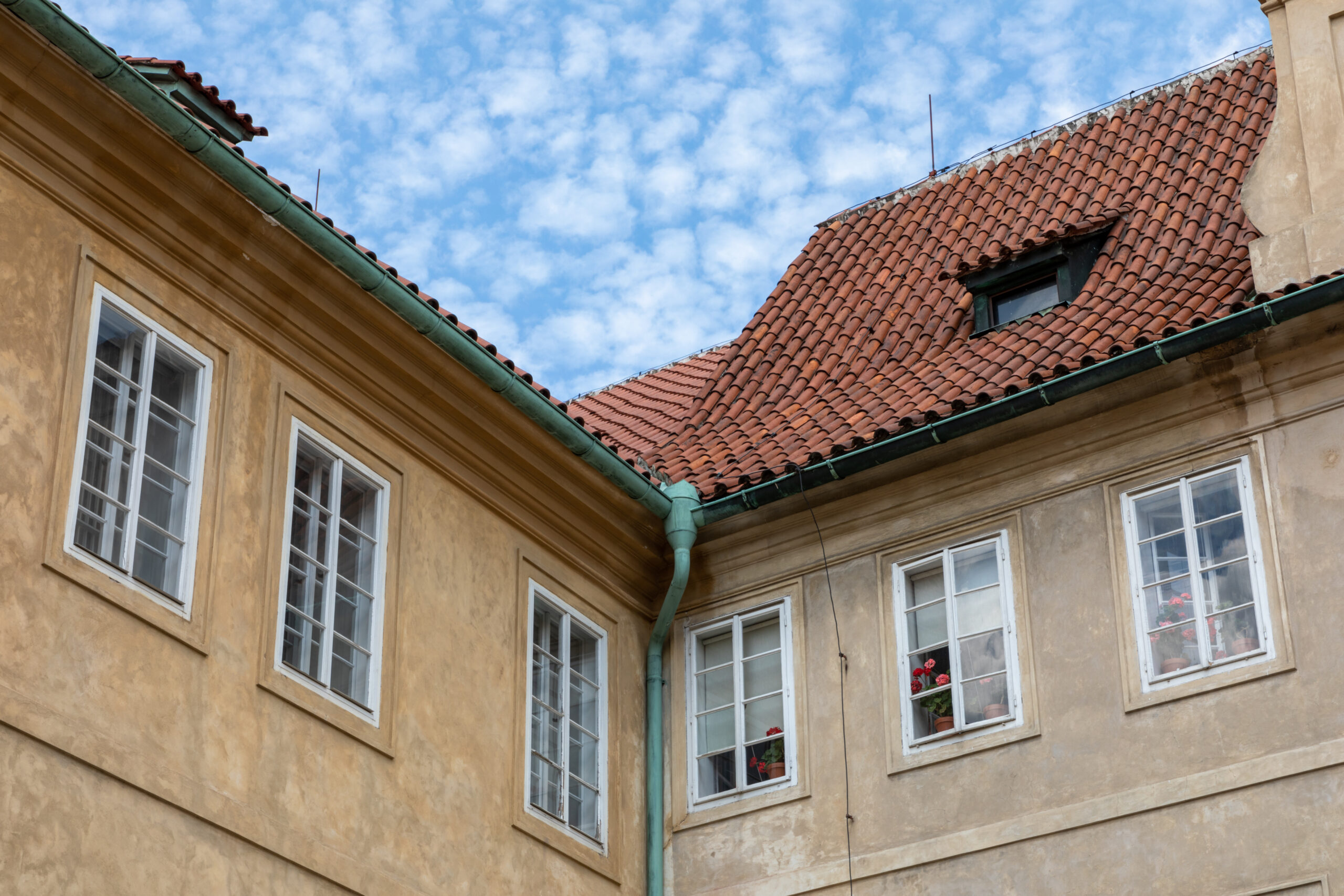
The district around Prague Castle is stately, quiet at night, and blessed with spectacular views. It’s the least practical base — mid-range stock is thin and premium-priced (€150–250) — but for a special-occasion splurge, nothing beats sleeping within sight of St. Vitus Cathedral. Pair it with a private walking tour of Old Town and the Castle quarter to get your bearings on day one.
Standout hotel pick: Augustine, a Luxury Collection Hotel — a former Augustinian monastery converted into Prague’s most refined stay, with castle-view suites (from roughly $390/night) and a wellness floor of gym, sauna, and massage room.
The Best Prague Hotels at a Glance
Luxury: Four Seasons Prague (the benchmark five-star, Charles Bridge views, from ~$349) · Mandarin Oriental, Prague (monastery luxury in Malá Strana) · Augustine (the monastery conversion, castle views) · Alchymist Grand Hotel & Spa (the most atmospheric splurge, 4.8/5).
Boutique and mid-range: Hotel Josef (Old Town design classic) · Mosaic House Design Hotel (best-reviewed design stay for the money) · Miss Sophie’s New Town (~€75–80 boutique value) · LH Vintage Design Hotel Sax (1950s–70s retro interiors in baroque Malá Strana) · Hotel Neruda (contemporary-chic near the Castle, from ~$95) · MOOo by the Castle (5/5 across 950+ reviews).
Budget: Sir Toby’s Hostel (dorms from ~$12 in Holešovice) · Ahoy! Hostel (the cheapest way to sleep inside Old Town itself).
Getting to the Center and Getting Around
Václav Havel Airport Prague (PRG) sits about 17 km northwest of the Old Town. The cheapest route is trolleybus 59 (which replaced bus 119) to Nádraží Veleslavín, then Metro A straight into the center — a regular 90-minute public-transport ticket covers the whole trip in about 25–35 minutes. The Airport Express bus runs to the main station roughly every 30 minutes (special ~100 CZK fare — confirm current pricing at dpp.cz, as fares moved in 2026).
The door-to-door option most travelers prefer is Uber or Bolt: ~500–700 CZK (€20–30), available around the clock. Don’t hail a street taxi at the airport — overcharges of 3–5× are the oldest Prague trap in the book.
Once you’re in, Prague is built for transit: three metro lines (05:00–24:00), a superb tram network (line 22 is the classic scenic route), and a historic core so compact that most days end up on foot anyway. Buy tickets in the PID Lítačka app — it’s cheaper than paper — and consider the 72-hour pass (~330 CZK) for a long weekend. And remember: Czechia uses the koruna (CZK, roughly 24.3 per euro), not the euro.
Mistakes to Avoid When Booking
- Assuming July is fine: September and May–June are Prague’s sweet spot — September is arguably the best month. July–August brings the heaviest crowds and hotels without AC can be miserable in a heat wave; check air conditioning before booking summer stays.
- Eating at Old Town Square: the restaurants around the square are aimed at one-time visitors — ask for prices before ordering anywhere, and walk to Vinohrady, Karlín, or Žižkov for dinner the locals actually eat. (And trdelník, the “chimney cake,” is marketed as traditional Czech but isn’t.)
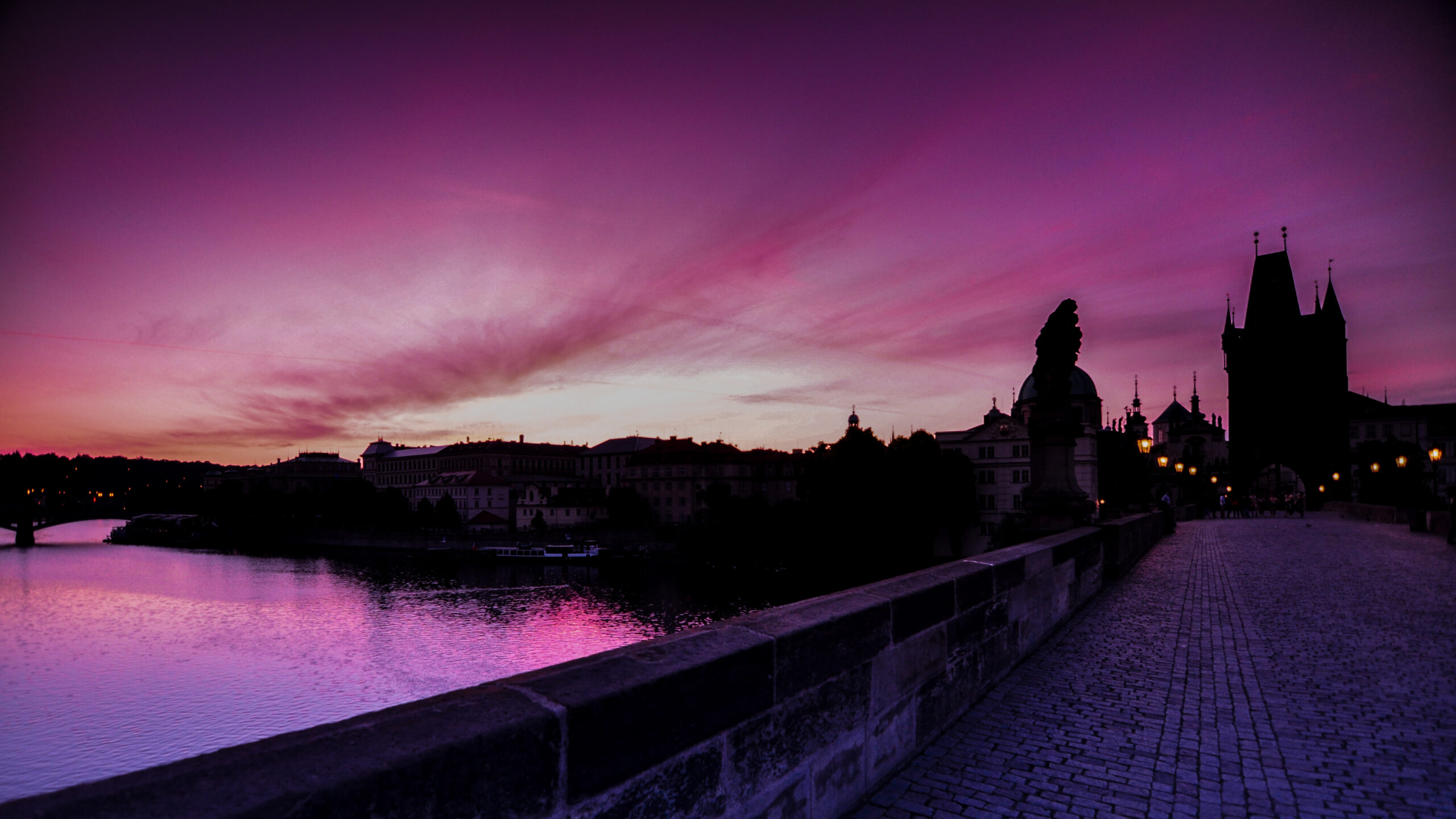
- Ignoring pickpockets: Charles Bridge, the Astronomical Clock crowd, the Castle changing of the guard, Wenceslas Square, and packed trams are the hotspots. Daypack in front, wallet in a zipped interior pocket.
- Money traps: exchange offices in the Old Town with “no commission” signs can skim 20–30% off the real rate — use a reputable ATM instead, and always decline “convert to your home currency” at card terminals (it adds 5–8%).
- Booking late for shoulder season: September is popular enough that Old Town rooms at good prices sell out 2–3 months ahead.
The Bottom Line
Most first-timers should stay in Old Town for the sights or Malá Strana for the romance — book a castle-and-river-cruise combo on your first full day and you’ll understand why the spires look the way they do from the water. Everyone else: Vinohrady for the food scene, Žižkov for the budget, Holešovice for local life. Prague rewards walkers no matter where you sleep — but sleep in the right quarter, and you’ll feel like you chose the city on purpose.
Planning a bigger European trip? Our other where-to-stay guides cover Madrid, Barcelona, and Athens with the same neighborhood-by-neighborhood honesty.