
Disclosure: This post contains affiliate links. If you book through one of these links, I may earn a commission at no extra cost to you.
Never forget a thing before you fly. My free 8-page Travel Planning Checklist walks you through the whole trip — 6 planning timelines, 36 checks, from booking windows to travel-day basics. One email, no spam, unsubscribe anytime.
Hue does not rush you, and that is exactly its charm. Vietnam’s capital under the Nguyen dynasty from 1802 to 1945, this is the city of thirteen emperors: a moated citadel on the north bank of the Perfume River, a seven-storey pagoda watching over the water, and a string of palatial royal tombs in the pine hills upstream. The Complex of Hue Monuments has been a UNESCO World Heritage Site since 1993, yet Hue still feels like a working Vietnamese city first — students cycling the riverfront, market porters at dawn, and bowls of the country’s spiciest noodle soup on every corner.
Three days is the right amount of time for a first visit. It lets you give the Imperial City a proper morning instead of a rushed hour, spread the great tombs over two outings, and still leave an evening for Hue’s famous small-dish food scene. Most travellers arrive from Da Nang, about two to three hours south over the Hai Van Pass — our Da Nang in 3 days itinerary pairs perfectly with this one, and Hue rewards anyone who stays the night instead of day-tripping.
Day 1: The Imperial City, Dong Ba Market and the Perfume River
Start early at the Imperial City, and buy the right ticket. The monuments open at 7:00 in winter (mid-October to mid-March, closing 17:30) and 6:30 in summer (closing 18:00), and the first hour is the best of the day — soft light, empty courtyards, and none of the midday heat that bounces off the brick and tile. A single Imperial City ticket costs 200,000 VND for adults, but buy the four-site combination ticket (530,000 VND, valid two days) instead: it covers the Imperial City plus the tombs of Tu Duc, Khai Dinh and Minh Mang, and saves you 120,000 VND across this itinerary.
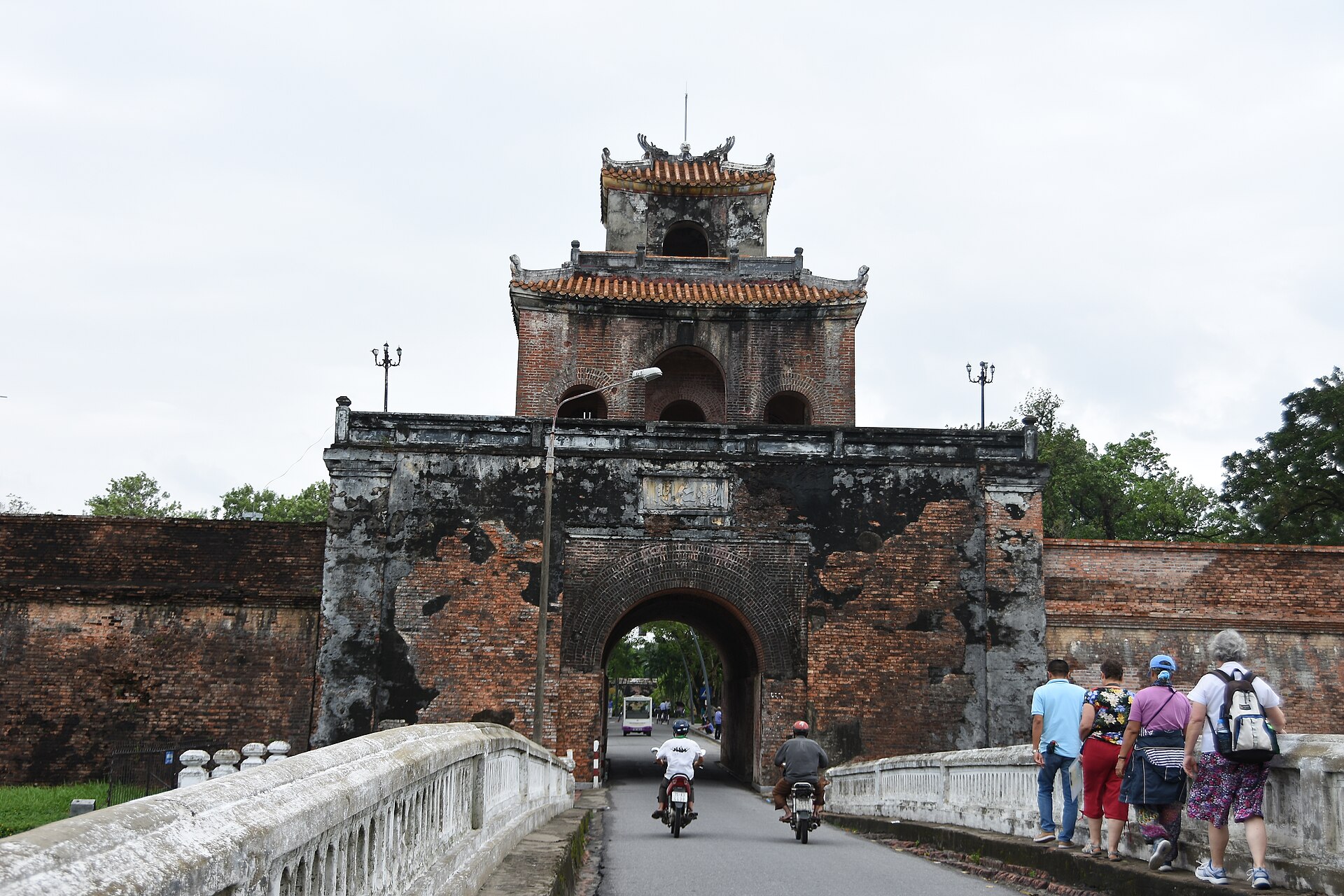
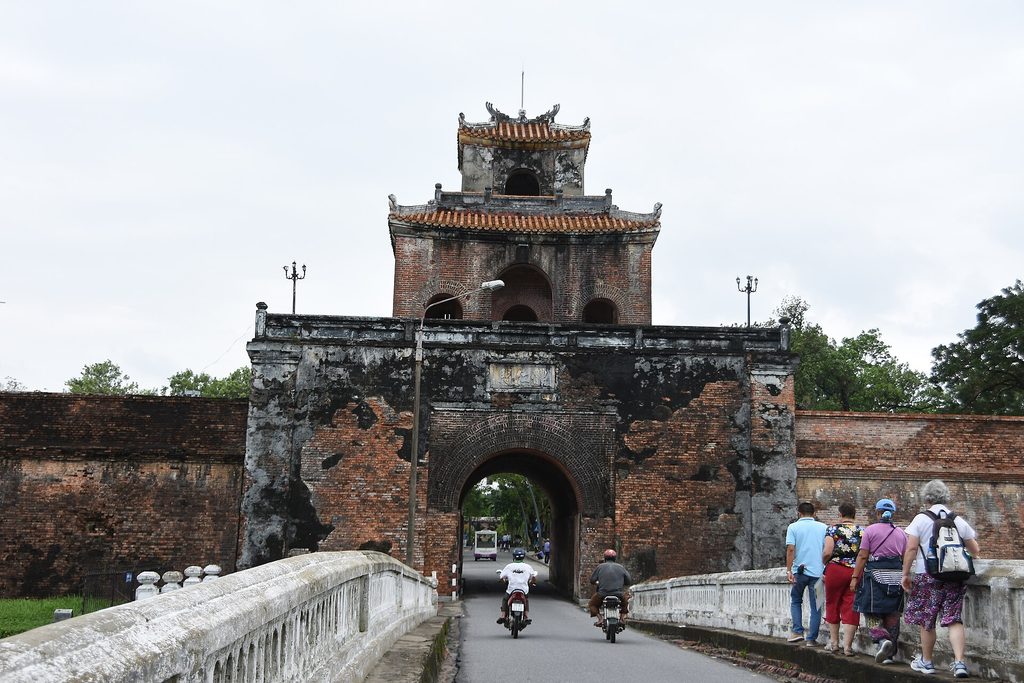
Enter through the Ngo Mon (Noon Gate), the emperor’s own entrance, beneath the Flag Tower. Inside, work slowly through the Thai Hoa Palace, the Nine Dynastic Urns, the ancestral temples, and what remains of the Forbidden Purple City — once the emperors’ private world, largely destroyed in the fighting of 1968 and now being patiently restored. Give it two to three hours, bring water and a hat (shade is scarce), and wear sleeves and trousers past the knee: dress rules are enforced.
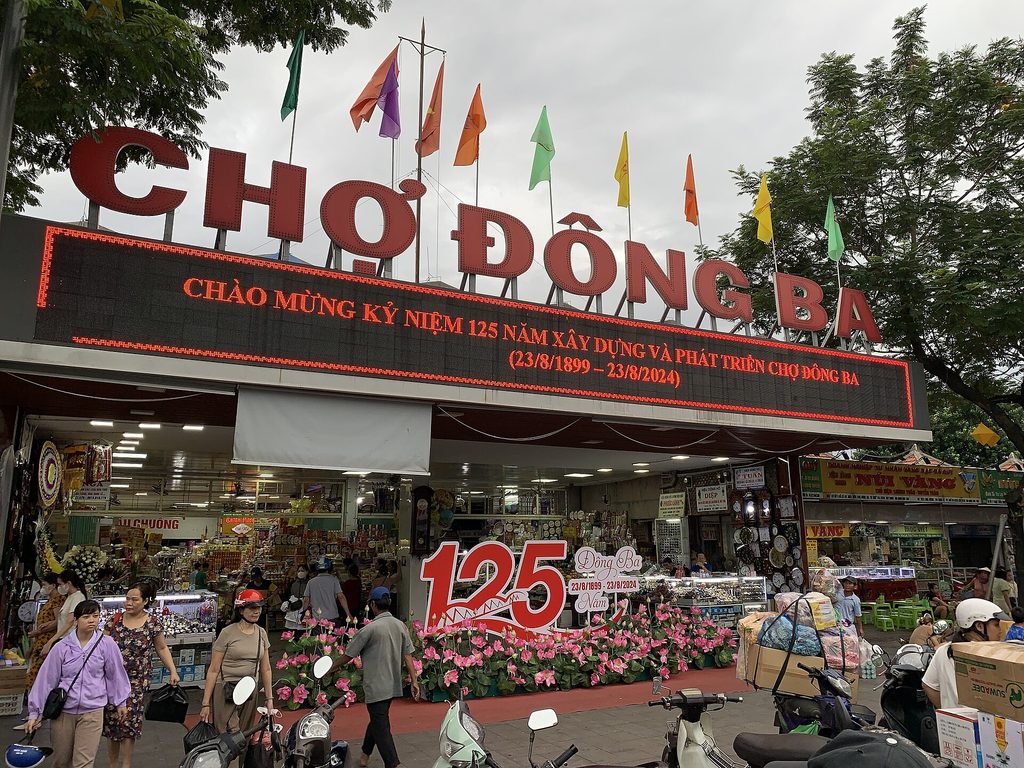
For lunch, cross to Dong Ba Market, Hue’s biggest and oldest market, just east of the citadel on the north bank. This is the place to eat your first real bun bo Hue — the city’s signature beef and pork noodle soup, broth fired with lemongrass and chilli — surrounded by locals doing exactly the same. Afterwards, wander the stalls for conical hats, sesame candy and dried shrimp, and practise your bargaining with good humour.
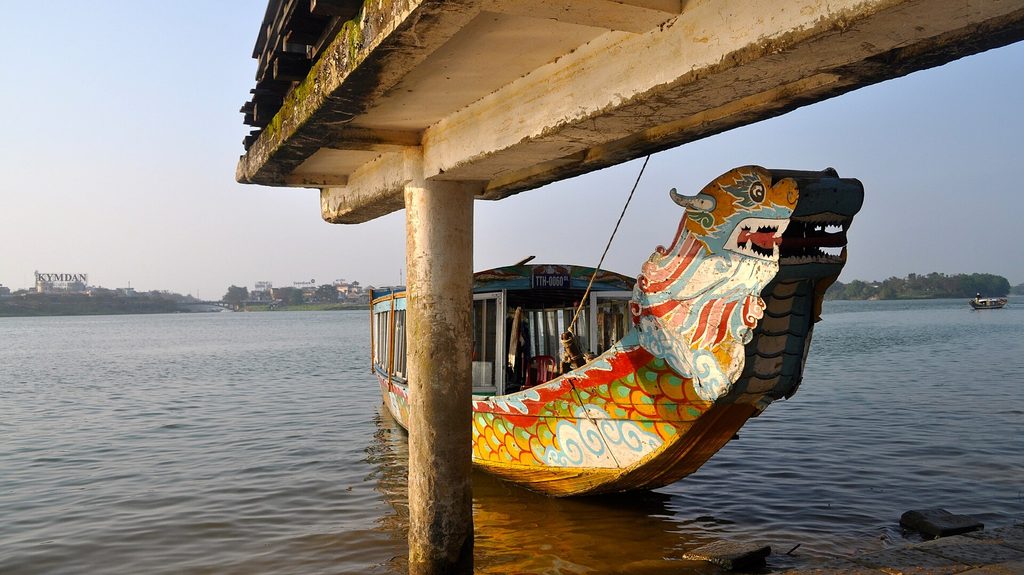
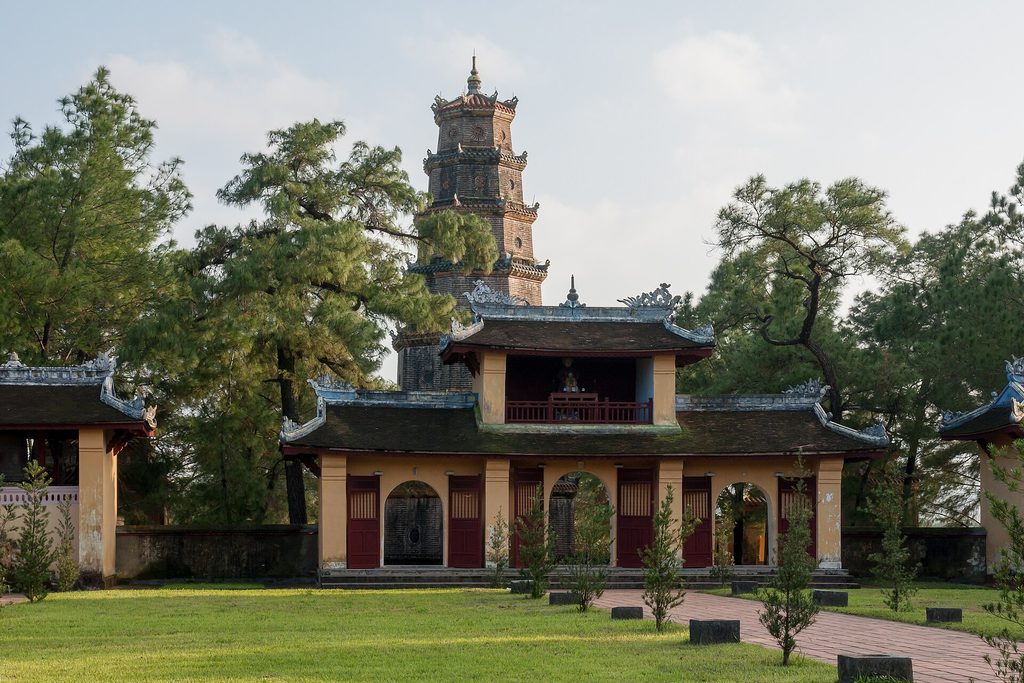
In the afternoon, take a dragon boat up the Perfume River. Boats leave from Toa Kham wharf on Le Loi street and drift upstream for about 30 to 45 minutes to Thien Mu Pagoda, Hue’s beloved symbol. Founded in 1601, the pagoda’s seven-storey Phuoc Duyen Tower has stood on its river bluff since 1844; behind it are quiet monastery gardens, a bell cast in 1710, and the small Austin car that carried the monk Thich Quang Duc to Saigon in 1963 — a sobering, important relic. Entry is free; cover shoulders and knees. Ride back into a riverside sunset, then walk the illuminated Truong Tien Bridge and the south-bank promenade as the evening food stalls fire up.
Finish the day eating properly. Hue’s cuisine was refined in the imperial court and perfected on the street: tiny steamed rice cakes (banh beo), crispy pancakes (banh khoai), grilled pork skewers rolled in rice paper (nem lui) and a dozen sweet soups for dessert. The easiest way in is a Hue street food tour by cyclo, motorbike or on foot, which threads Dong Ba Market and the Citadel district with a local foodie guide — go hungry, because the tastings do not stop coming.
Day 2: The Royal Tombs — Khai Dinh and Minh Mang
Day 2 belongs to the emperors’ other great project: their tombs. Each Nguyen emperor designed his own mausoleum in the hills south and west of the city, and no two are alike. They sit 6 to 14 kilometres from the centre, so hire a car with a driver for the day (easy to arrange through any hotel), rent a scooter if you are confident, or book Grab rides between sites.
Start with the Tomb of Khai Dinh, the most startling of all. Built between 1920 and 1931 up 127 steep steps on Chau Chu mountain, it is a dark, almost Gothic concrete monument outside — and an explosion of colour inside, where the emperor’s tomb chamber is encrusted with mosaics of broken glass and porcelain, gilded bronze and painted ceilings. It is the smallest of the great tombs and the quickest to see, but allow a full hour for the climb and the details.
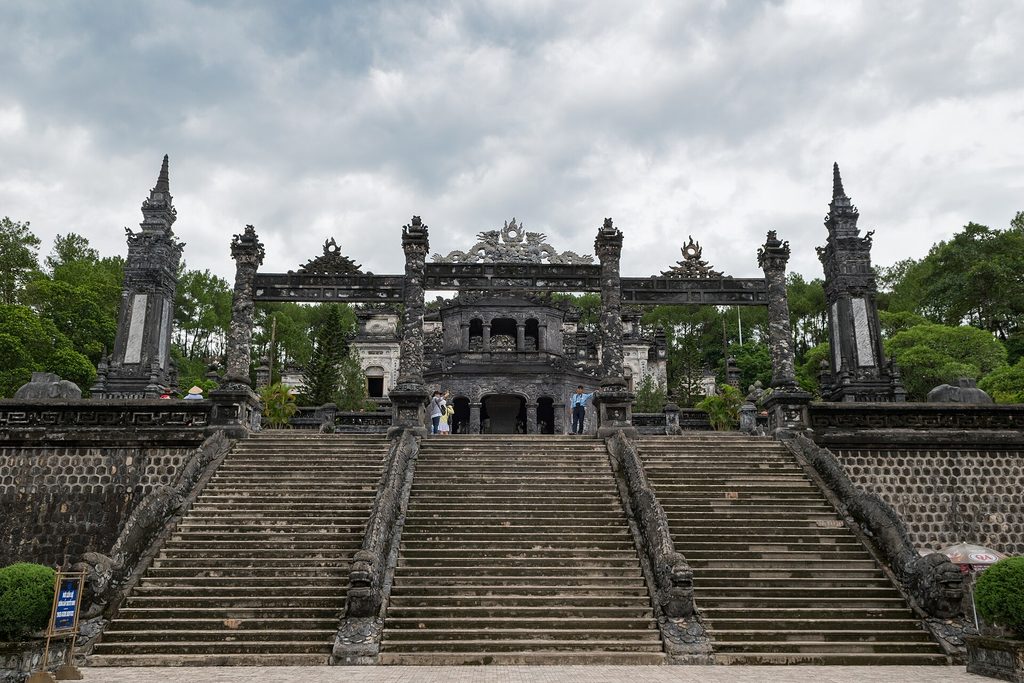
Continue to the Tomb of Minh Mang, the opposite temperament: calm, symmetrical and perfectly ordered. Begun in 1840 and finished by his successor in 1843, the complex runs along a single axis of gates, courtyards and temples among lakes and pine forest — the most peaceful of the tombs at midday. On the way back, stop in Thuy Xuan incense village, where bundles of red, green and purple incense sticks fan out along the roadside to dry.
If you would rather hand the whole heritage circuit to a guide, this full-day Hue city tour of the Citadel and royal tombs covers the Imperial City, Thien Mu Pagoda, a dragon boat ride, lunch, and the Tu Duc and Khai Dinh tombs in one well-reviewed day — a sensible swap for Day 1 and Day 2 combined if your schedule tightens. Keep the evening free for a slow dinner on the south bank; tomorrow starts gently.
Day 3: Tu Duc’s Garden Tomb, Then Choose Your Hue
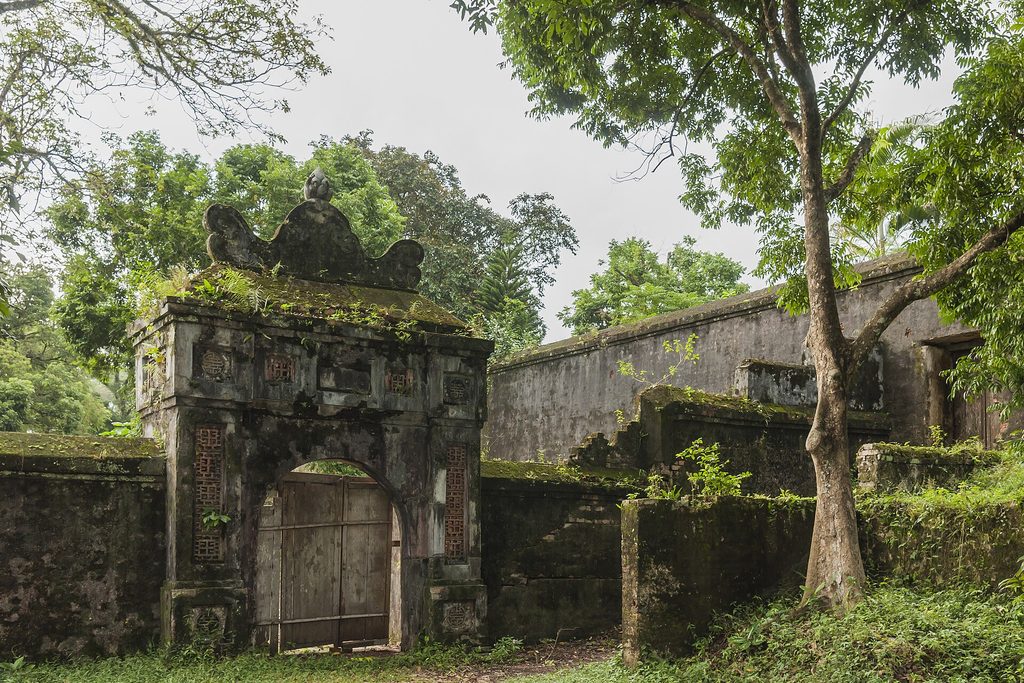
Spend the morning at the Tomb of Tu Duc, the tomb that is really a garden retreat. The emperor — who reigned from 1848 to 1883, the longest of the dynasty — built it in his lifetime and used it as a working holiday palace: pavilions over a lotus lake, pine woods, and the theatre where he watched performances and wrote poetry. Go when it opens, while the mist is still on the lake. Your combination ticket from Day 1 covers entry if you are still inside its two-day validity; otherwise it is 150,000 VND.
With the big three sights done, the rest of Day 3 is yours to shape. History travellers can visit An Dinh Palace, the ornate early-1900s residence of emperors Khai Dinh and Bao Dai, or the covered Thanh Toan Bridge, a pretty 18th-century tiled bridge in a farming village about 8 kilometres east, best reached by bicycle through the rice paddies. And if central Vietnam’s more recent history is your focus, the long but powerful day trip north to the DMZ — the Vinh Moc Tunnels, the Hien Luong Bridge over the Ben Hai River at the 17th parallel, and the Khe Sanh Combat Base — runs from Hue; this private DMZ tour to Vinh Moc and Khe Sanh is the comfortable way to do it, with your own guide and driver for the ten-to-eleven-hour day.
When it is time to move on, the classic route is south again: over the Hai Van Pass to Da Nang, or straight to lantern-lit Hoi An — our Hoi An in 3 days itinerary picks up exactly where this one leaves off.
Hue Practical Tips: Getting There, Getting Around, When to Go
Getting there. Phu Bai Airport is about 15 kilometres south, with domestic flights from Hanoi and Ho Chi Minh City. Hue railway station, on the main north–south line, is served by several trains a day from Da Nang (two to three hours along the spectacular Hai Van coast) and by overnight trains from Hanoi. Cars from Da Nang take two to three hours via the Hai Van Tunnel, or longer and far prettier over the pass itself.
Where to base yourself. Stay on the south bank around Le Loi street and the streets behind it: that is where most hotels, restaurants and cafés are, with the river promenade at your door and the Imperial City a short walk across Truong Tien Bridge. The citadel side is quieter and more local, and puts Dong Ba Market at hand.
Getting around. The centre is walkable; cyclos are the traditional way to drift between sights (agree the fare first); Grab cars and motorbikes cover everything else. The tombs are the one day you need planned transport — a hired driver for four to five hours is the stress-free standard.
When to go. Late January to April is Hue’s sweet spot: dry, warm and before the fierce summer heat of May to August. September to December is the wet season on this coast, and Hue floods in heavy rain — monuments can close for days, as they did in late October 2025, so build in flexibility, check conditions, and let rainy days default to markets, museums and long lunches. Whenever you come, start monument days early.
Costs. Hue is gentle on a budget: the four-site ticket is 530,000 VND, street-food dishes mostly run 20,000–50,000 VND, and a hired car for the tomb circuit is the main splurge. Carry cash for monument tickets and market stalls.
Hue is the deep breath in the middle of a central Vietnam trip — imperial, unhurried and quietly delicious. Give it these three days and it will give you the full arc: palace, pagoda, tombs and table. For the rest of the journey, see our 10 best Vietnam guides, which round up the itineraries, stay guides and tour picks for Hanoi, Ho Chi Minh City, Hoi An, Da Nang and beyond.