
Disclosure: This post contains affiliate links. If you book through one of these links, I may earn a commission at no extra cost to you.
Never forget a thing before you fly. My free 8-page Travel Planning Checklist walks you through the whole trip — 6 planning timelines, 36 checks, from booking windows to travel-day basics. One email, no spam, unsubscribe anytime.
Da Nang looks simple on a map — beach on one side, river through the middle, mountains all around — and then you try to plan a day. Ba Na Hills is 25 kilometres west and eats a whole day. The Marble Mountains are south, the Lady Buddha is north on the Son Tra Peninsula, and the Dragon Bridge only breathes fire on weekend nights. That geography is exactly why tours earn their money here: not because Da Nang is hard, but because the right tour strings three spread-out sights into one smooth arc, with the transport, tickets and timing already solved.
This guide covers the three tours that genuinely improve a first visit, and it is honest about what each one does not fix. None of them can clear the clouds off Ba Na Hills, and none replaces a lazy morning on My Khe Beach. Pair this page with my Da Nang in 3 Days itinerary to place each tour on the right day, and with my guide to where to stay in Da Nang if you have not booked yet — beach-side stays make early pickups painless.
Quick Picks: Which Da Nang Tour Fits You?
Only have one day? Take the Ba Na Hills tour. The Golden Bridge is the sight most people picture when they book Da Nang, and the cable car ride alone justifies the day.
Short on time, long on curiosity? Take the afternoon Marble Mountains and Lady Buddha tour, which finishes with the city lit up at night — three headline sights in about half a day.
Here for the food? Take the evening food tour and Han River cruise. Central Vietnamese cooking is Da Nang’s quiet superpower, and this is the easiest way to taste a lot of it with a local explaining what is on the table.
1. Ba Na Hills and the Golden Bridge — The Big Day Out
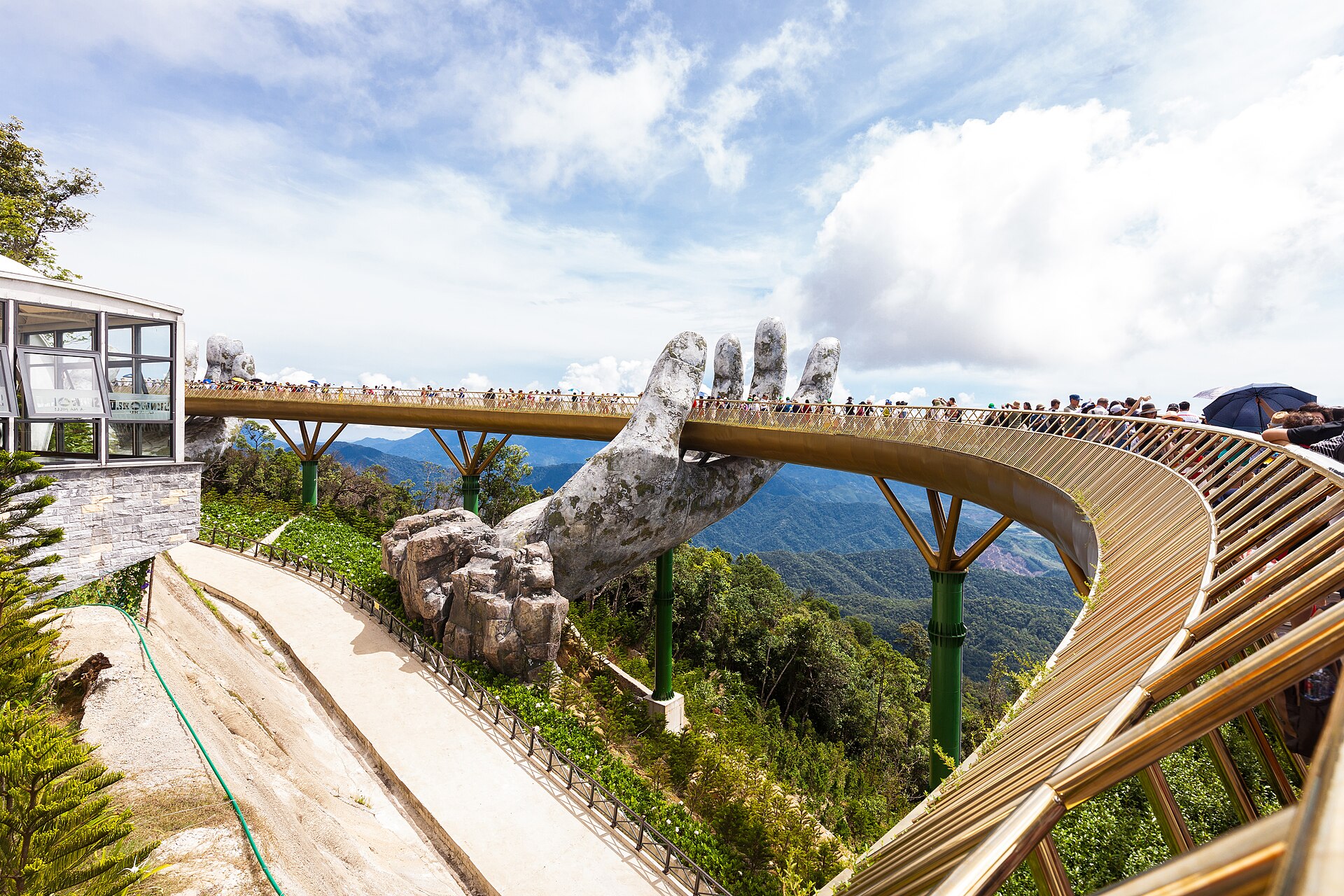
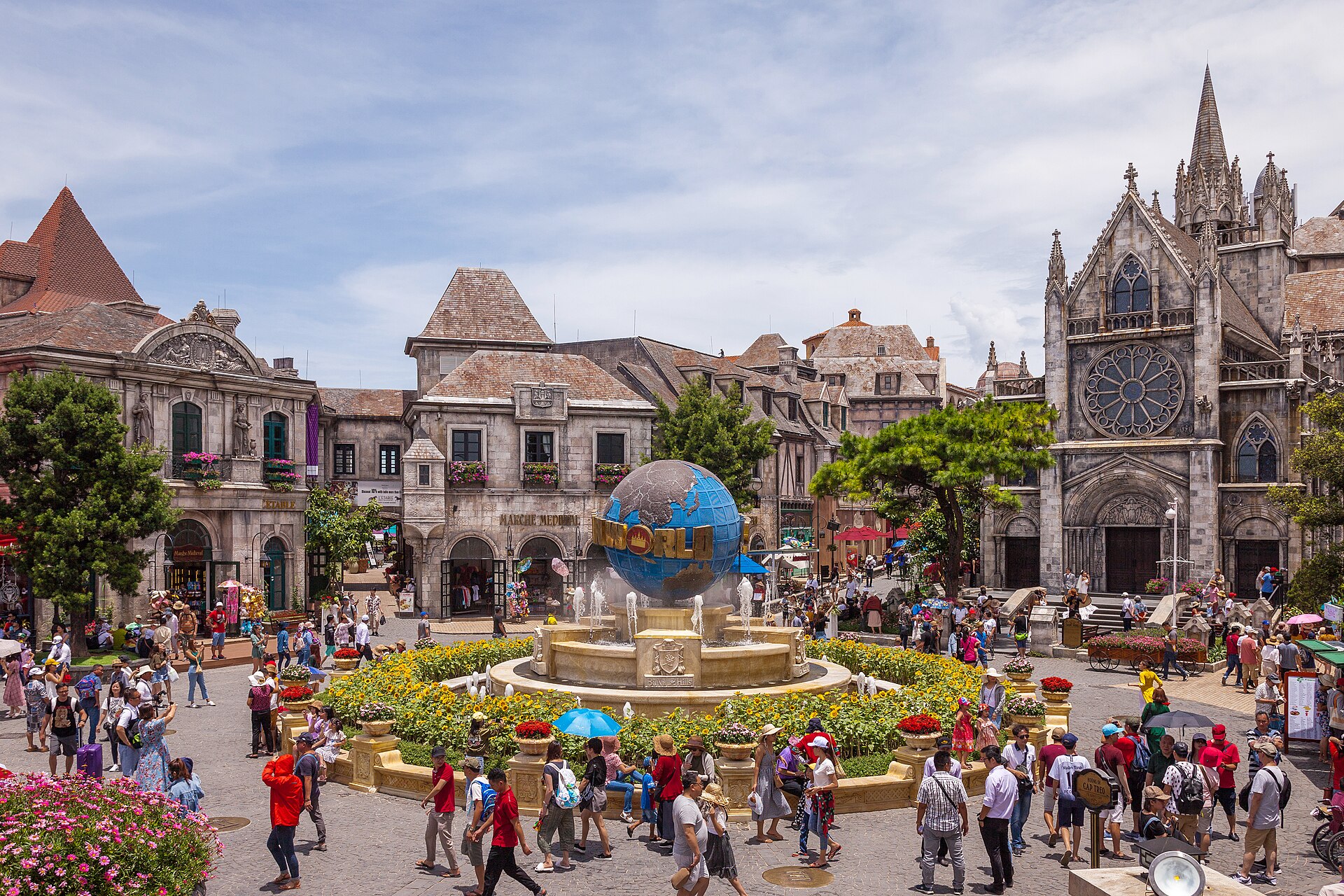
Ba Na Hills is a former French hill station turned mountaintop resort, sitting about 1,400 metres above the coast west of Da Nang. You reach it by one of the longest cable car systems in the world, and at the top the star is the Golden Bridge: a 150-metre curved walkway, opened in 2018, held up — visually, at least — by two giant stone hands rising out of the hillside. Beyond the bridge there are flower gardens, a Linh Ung Pagoda, the mock-European French Village, and Fantasy Park, one of Vietnam’s largest indoor amusement parks. Allow six to eight hours on the mountain; this is not a quick photo stop.
A tour helps here for three practical reasons. First, the cable car ticket — around 1,000,000 VND for an international adult in 2026, with recent tickets valid for up to three consecutive days on eligible fares — is bundled in, so there is no ticket-queue gamble on a busy morning. Second, pickup timing matters: clouds tend to roll in and thicken over the summit by afternoon, so an early start gives you the best odds of seeing the bridge rather than standing inside a cloud on it. Third, the drive back at closing time is a scrum; having a vehicle waiting is worth real money by 5pm.
The best-value way to do it is this Ba Na Hills and Golden Bridge full-day tour from Da Nang or Hoi An, which includes hotel pickup, the cable car and entry, and a guide who sequences the bridge, gardens and French Village before the worst crowds. Go on a weekday if you can, take a light jacket — the summit is noticeably cooler than the beach — and check the forecast the night before: in the wet season, roughly September to December, swapping this day with a city day is the smartest move you can make.
2. Marble Mountains, Lady Buddha and Da Nang by Night — The Best Half Day
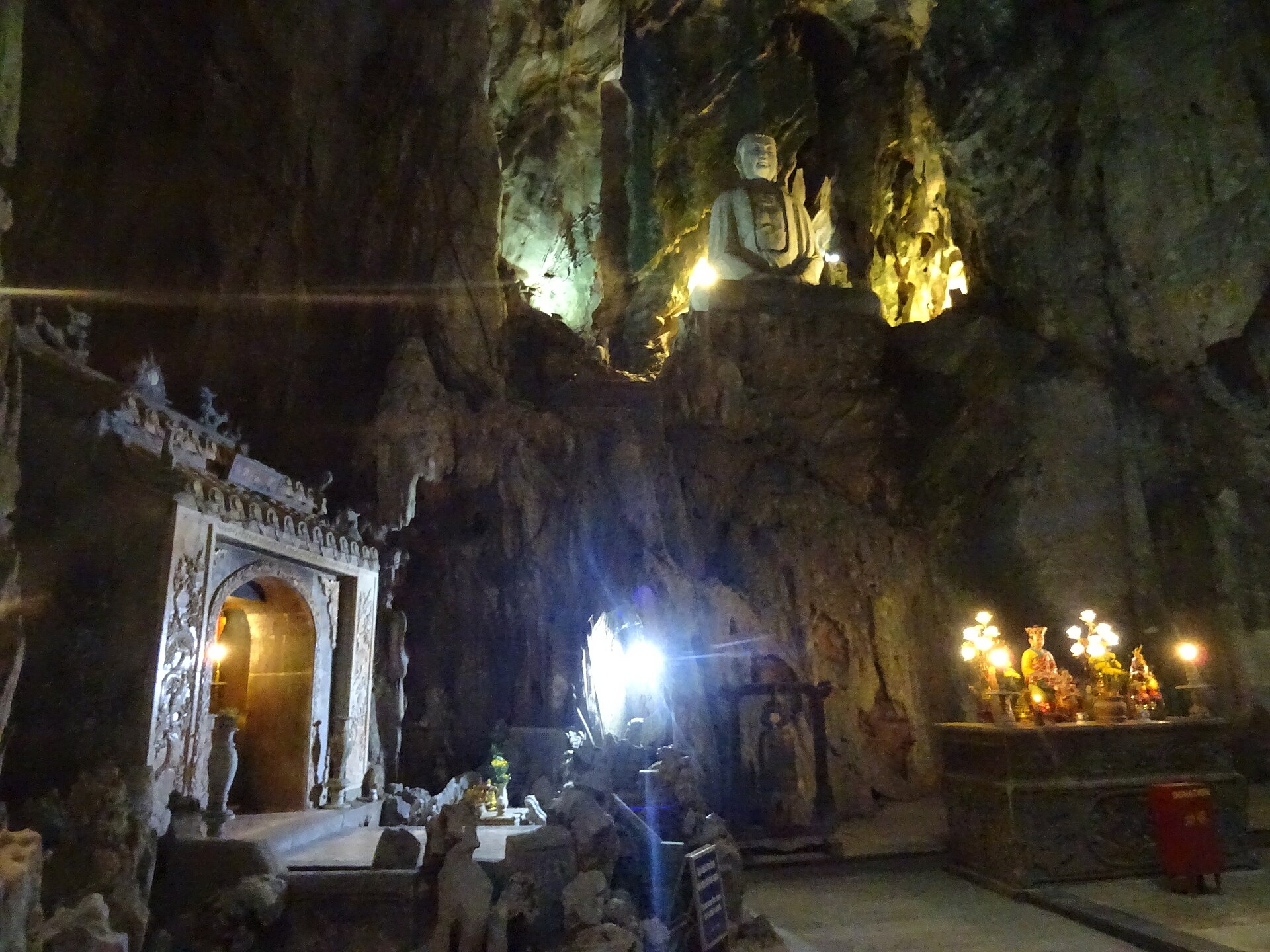
The Marble Mountains (Ngu Hanh Son) are five limestone and marble hills about 8 kilometres south of the centre, named for the five elements: metal, wood, water, fire and earth. Only Thuy Son, the water mountain, is fully open, and it packs a lot into a small hill: 156 stone steps (or a glass elevator part-way) to pagodas, sea-view lookouts and a chain of caves. The finest is Huyen Khong, a vast chamber where shafts of sunlight fall through holes in the roof onto a seated Buddha. At the foot of the hill, the Am Phu Cave stages a vivid, theatrical version of the Buddhist afterlife — heaven above, hell below. Entry to the mountains is about 40,000 VND, the elevator about 15,000 VND one way, and Am Phu a separate 20,000 VND or so. Wear shoes with grip: centuries of feet have polished the marble steps smooth.
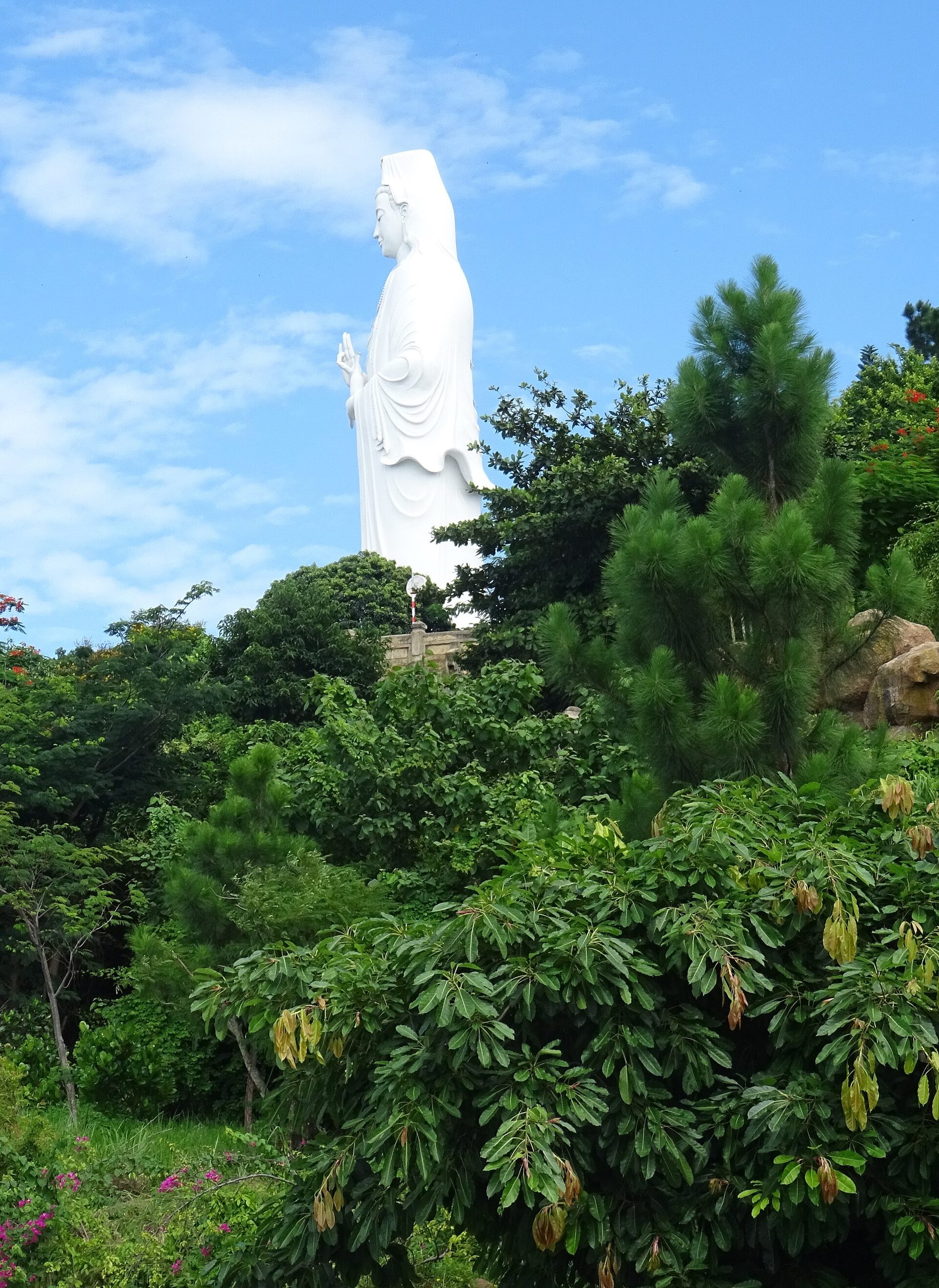
Across the bay on the Son Tra Peninsula stands the other half of this pairing: the Lady Buddha at Linh Ung Pagoda. At 67 metres, completed in 2010, she is the tallest Lady Buddha statue in Vietnam, visible from almost everywhere on My Khe Beach. Entry is free, shoulders and knees should be covered for the main hall, and the terrace view back over Da Nang Bay is one of the best in the city. Give the complex an hour, keep bags zipped around the habituated macaques near the car park, and never feed them.
Doing both sights yourself means two taxis, two sets of logistics and a lot of dead time in between. This small-group Marble Mountains, Lady Buddha and Da Nang by night tour runs them as one afternoon-and-evening arc instead: the mountains and Am Phu Cave while the light is good, the Lady Buddha, a pho dinner, and a Han River cruise to finish, with pickup from Da Nang or Hoi An. It is the single most efficient sightseeing block you can book in Da Nang, and it leaves your mornings free for the beach.
3. Da Nang Food Tour and Han River Cruise — The Tastiest Evening
Central Vietnam cooks differently from Hanoi and Ho Chi Minh City, and Da Nang is where to learn how. The dish to start with is mi Quang — turmeric-yellow noodles in a shallow, intensely flavoured broth with pork, shrimp, quail egg, peanuts and a sesame rice cracker to crumble over the top. Add banh xeo, the crisp turmeric pancakes rolled in rice paper with herbs, white rose dumplings and cao lau from nearby Hoi An, and bun cha ca, a fish-cake noodle soup that is a Da Nang breakfast staple. The problem for a visitor is ordering any of it confidently in a market where the best stalls have no English menu.
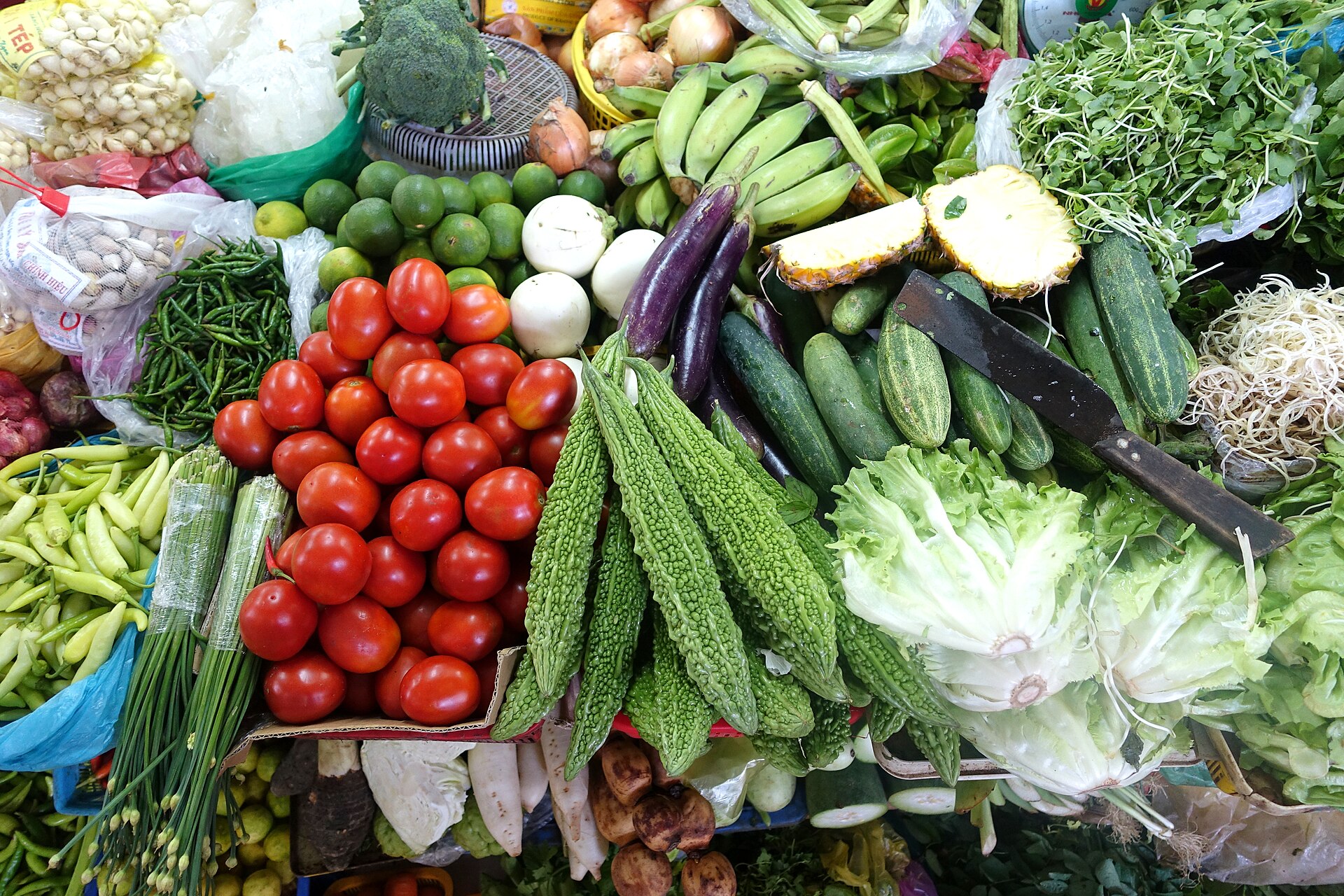
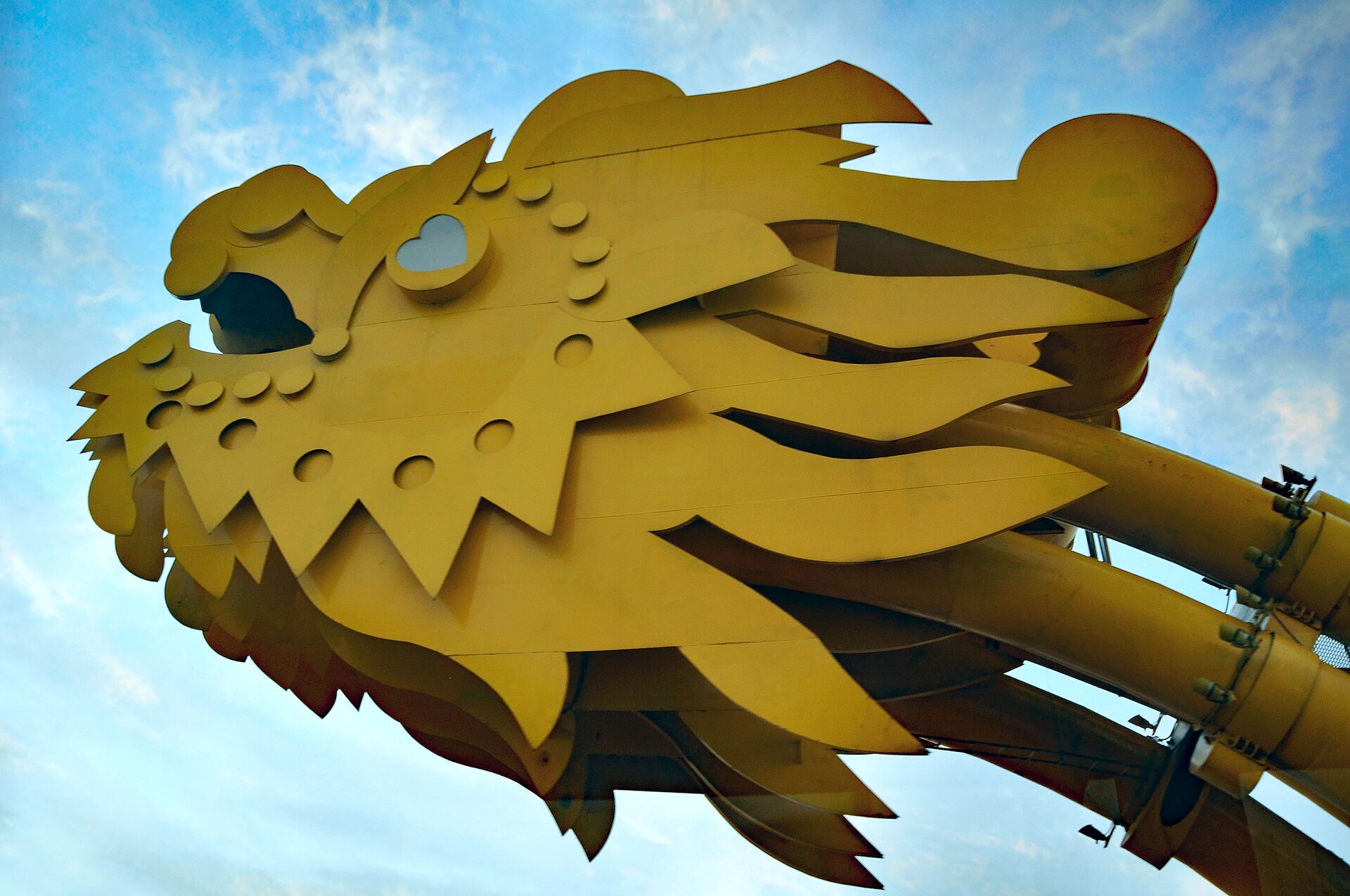
That is the gap this Da Nang food tour with a Han River cruise fills: a local guide walks you through the Con and Han market areas, orders five or six dishes in sequence, and explains what you are eating and how locals season it — then the evening rolls onto the river for a cruise past the illuminated bridges. Time it for a Friday, Saturday or Sunday and you can watch the Dragon Bridge’s fire-and-water show, which starts at 9pm and lasts about 15 minutes: two rounds of fire, then water, from the dragon’s head at the east end of the 666-metre bridge, opened in 2013. Arrive hungry, tell the guide about allergies when you book, and bring small cash for anything extra you want to take away from the markets.
Doing It Yourself Instead: An Honest Comparison
Every sight in this guide is visitable independently, and for the Marble Mountains and Lady Buddha the entry costs are tiny — the money in a tour buys transport, sequencing and a guide, not admission. Ba Na Hills is the opposite: the cable car ticket dominates the cost either way, so a tour with pickup and entry included often lands close to the DIY total once taxis both ways are counted. Where tours genuinely win is timing — early Ba Na arrivals, a Marble Mountains visit that ends with the city lights instead of a taxi hunt, and a food walk that orders in Vietnamese. Where they lose is flexibility: if you like to linger for an hour in Huyen Khong Cave or skip Fantasy Park entirely, go independent and use Grab, which works reliably across Da Nang.
Booking Tips That Actually Matter in Da Nang
Weather first. Da Nang’s dry season runs roughly February to August. From September to December, rain can close views on Ba Na Hills and make marble steps treacherous — book tours with free cancellation in those months and keep your days swappable.
Weekend math. The Dragon Bridge show only runs on Friday, Saturday and Sunday nights (plus major holidays), so anchor any evening tour or river cruise to one of those nights if the show matters to you.
Dress for two climates. A Ba Na day can start at 30°C at your hotel and feel 10 degrees cooler in cloud at the summit; the Lady Buddha and pagodas need covered shoulders and knees. One light jacket and a scarf solve both.
Confirm your pickup point. Tours pick up from both Da Nang and Hoi An, about 30 kilometres apart — double-check which town your booking assumes, especially now that Hoi An is administratively part of Da Nang since the July 2025 merger.
The Bottom Line
Book Ba Na Hills for the spectacle, the Marble Mountains and Lady Buddha tour for efficiency, and the food tour for the Da Nang you will actually talk about at home. Three tours, three different days, no overlap — and everything else in the city, from sunrise on My Khe Beach to the Cham Museum, fills in beautifully for free. For the full day-by-day plan, start with my Da Nang itinerary linked at the top of this page, browse the wider collection in my Southeast Asia guides hub, and enjoy central Vietnam — it rewards travellers who give it more than a stopover.