
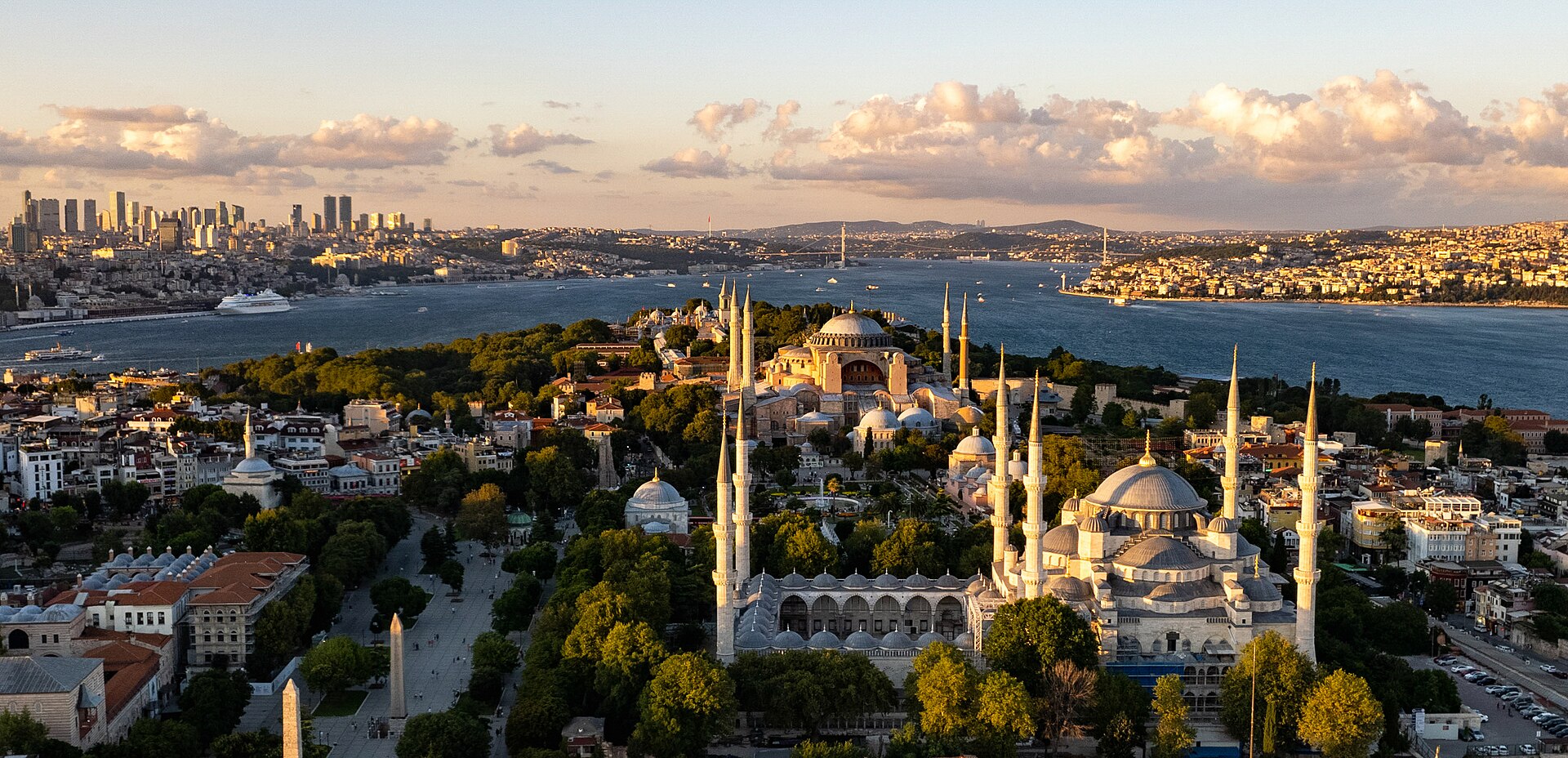
Istanbul is really two cities in one: a 2,700-year-old imperial capital layered over a buzzing modern metropolis, split down the middle by the Bosphorus strait between Europe and Asia. Where you sleep here shapes your trip more than in almost any other city. Base yourself in the Old City and you’ll stroll to the Hagia Sophia before the tour buses arrive. Base yourself in Kadıköy and you’ll drink tea with locals while the ferry carries you home across the strait at sunset. This guide breaks down the six best neighborhoods to stay in Istanbul, who each one suits, and the hotels I’d actually recommend. First time visiting? Pair your neighborhood pick with our Istanbul in 3 Days itinerary, a day-by-day plan for making the most of your stay.
Never forget a thing before you fly. My free 8-page Travel Planning Checklist walks you through the whole trip — 6 planning timelines, 36 checks, from booking windows to travel-day basics. One email, no spam, unsubscribe anytime.
Disclosure: This post contains affiliate links. If you book through one of these links, I may earn a commission at no extra cost to you.
Istanbul at a Glance: Which Neighborhood Is Right for You?
Short on time? Here’s the quick version:
- First-timers and history lovers — Sultanahmet (the Old City)
- Nightlife and dining — Beyoğlu–Galata
- Food lovers and design fans — Karaköy
- Luxury and Bosphorus views — Beşiktaş
- Local life, markets, and a slower pace — Kadıköy (Asian side)
- Shopping and polished city style — Nişantaşı
- Traveling on a budget — family-run guesthouses in Sultanahmet or hostels around Taksim in Beyoğlu
Sultanahmet (Old City) — Best for First-Timers
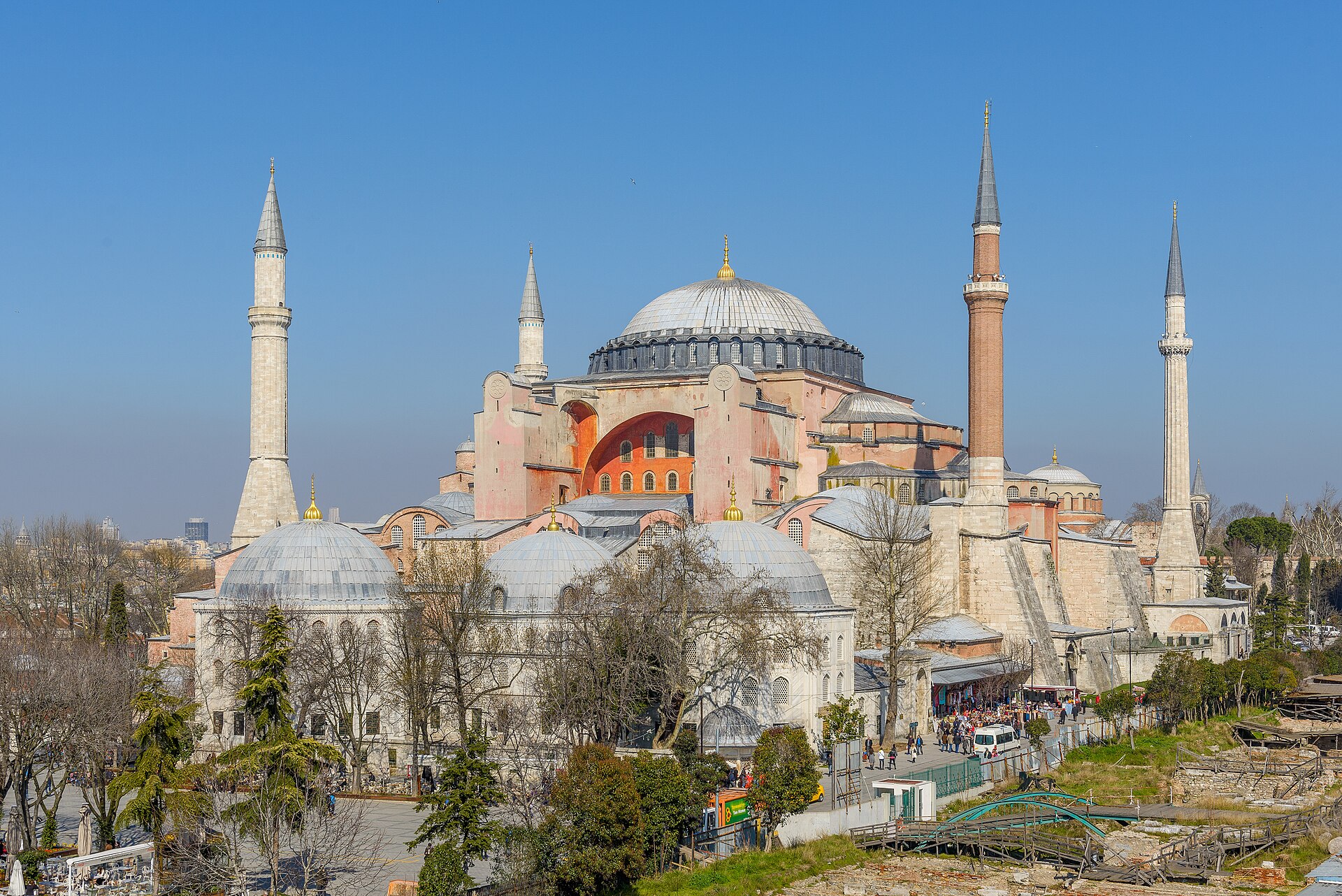
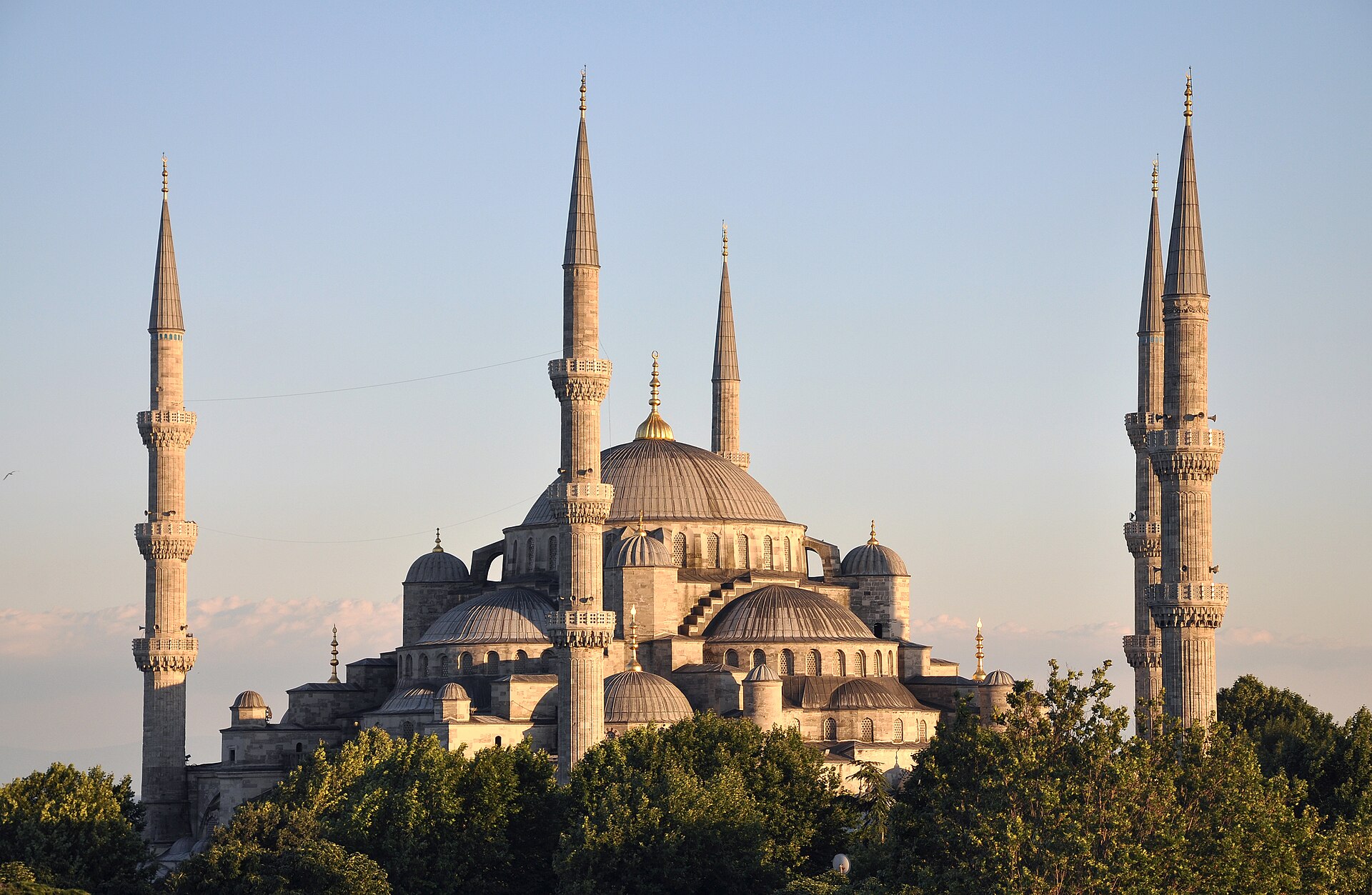
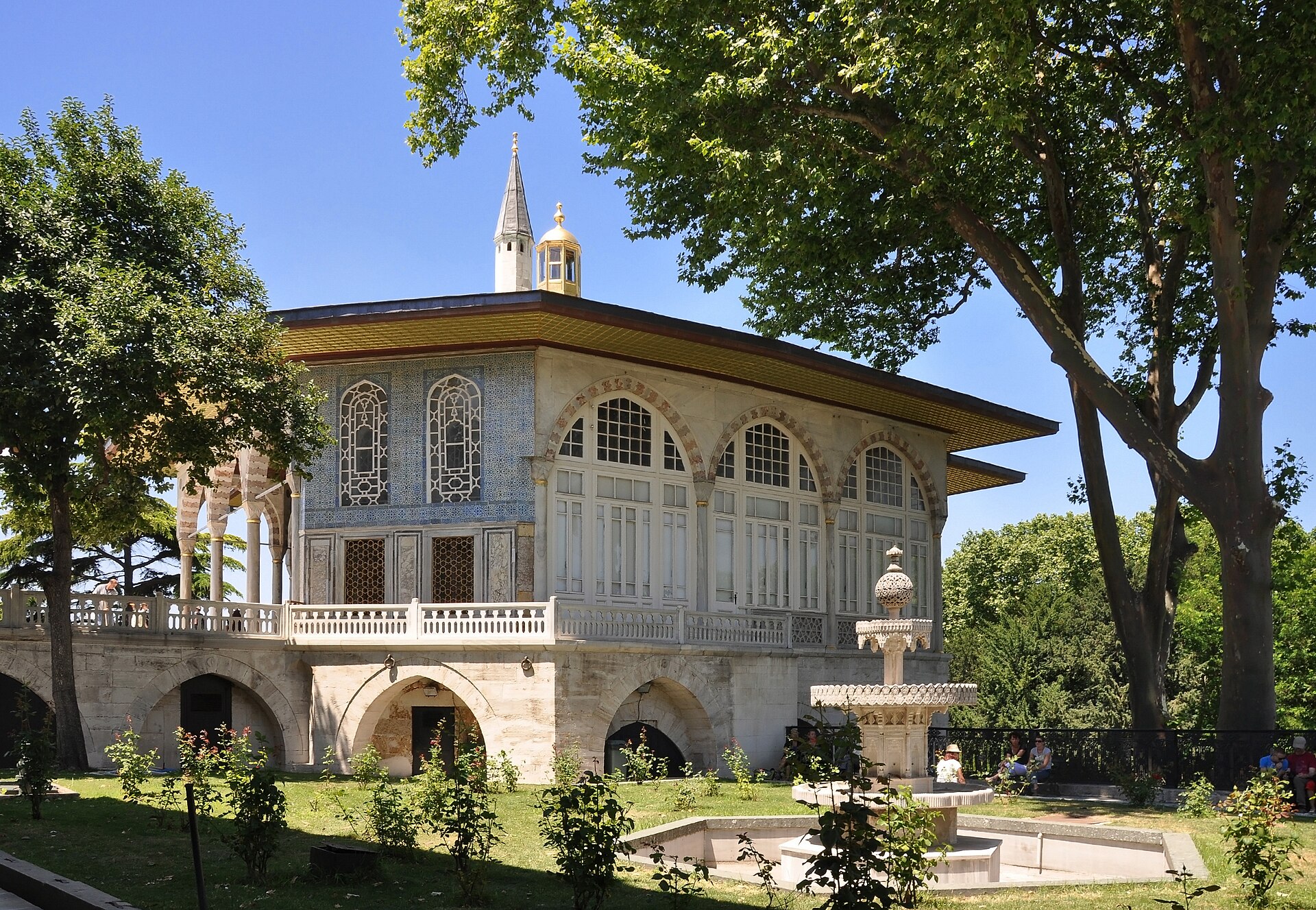
This is the Istanbul of the postcards: the historic peninsula holding the Hagia Sophia, the Blue Mosque, Topkapi Palace, and the Grand Bazaar, all within easy walking distance of each other. The area quiets down pleasantly after the day-trippers leave, and it’s one of the safest-feeling bases in the city, with a constant police presence and well-lit streets at night.
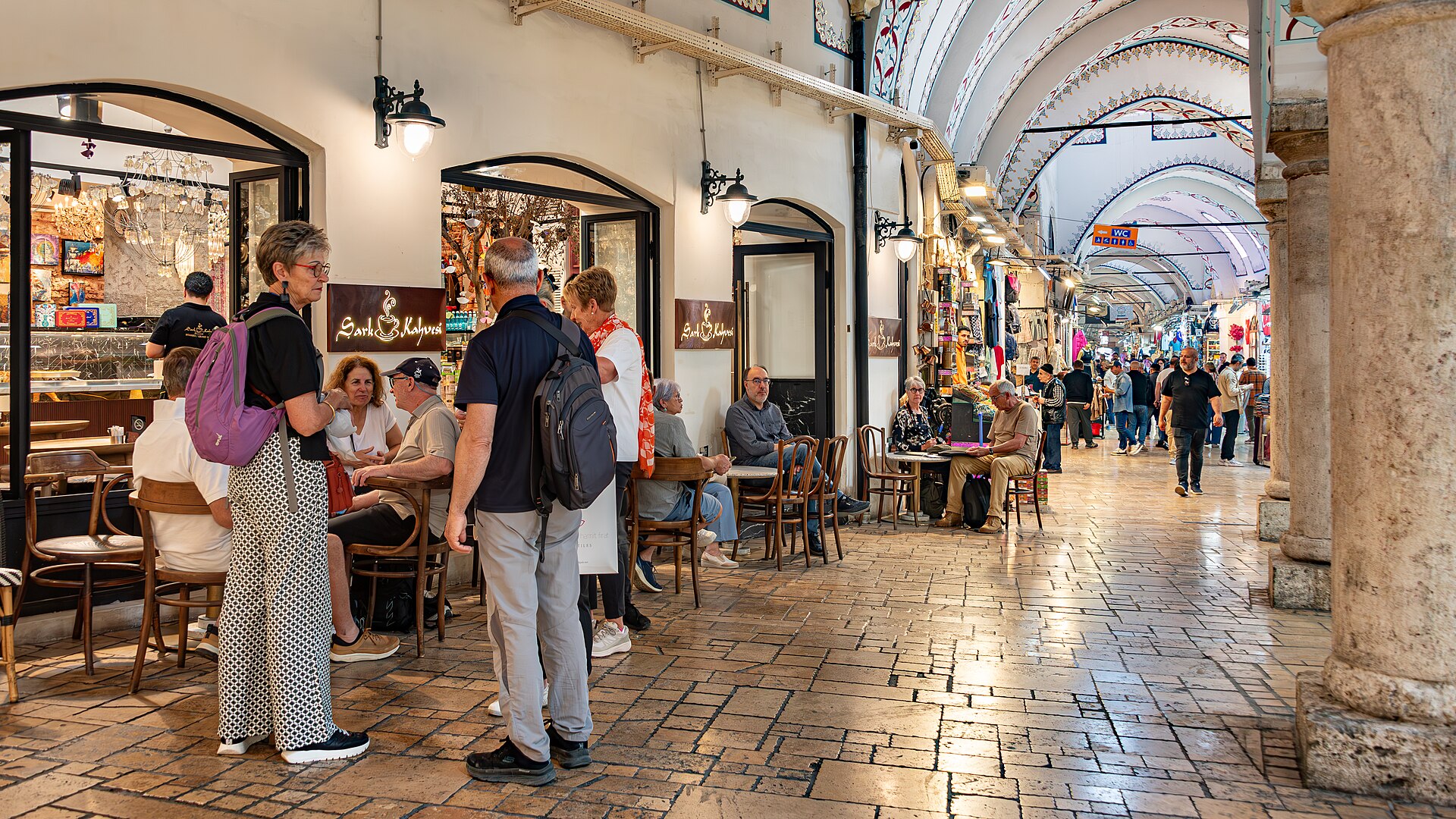
The trade-off: nightlife is thin, and restaurant prices near the main squares skew touristy — walk a few blocks in any direction and the prices (and the food) improve dramatically. It’s worth knowing the common travel scams to watch for here, from overly friendly “guides” near the Blue Mosque to taxis that forget to start the meter.
Getting around: the T1 tram runs straight through Sultanahmet, connecting you to the Grand Bazaar, Eminönü, and Karaköy. Most days you won’t need it — the big sights are a walk.
Hotel picks:
- Four Seasons Hotel Istanbul at Sultanahmet — a landmark stay in a century-old neoclassical building wrapped around a tranquil courtyard, steps from the Blue Mosque.
- Ajwa Hotel Sultanahmet — Ottoman-inspired luxury with hand-painted ceilings, a rooftop with Old City views, and one of the city’s best Turkish breakfasts.
- Hotel Ibrahim Pasha — a warm family-run boutique with a rooftop terrace facing the Blue Mosque; excellent value for this location.
Beyoğlu–Galata — Best for Nightlife and Dining
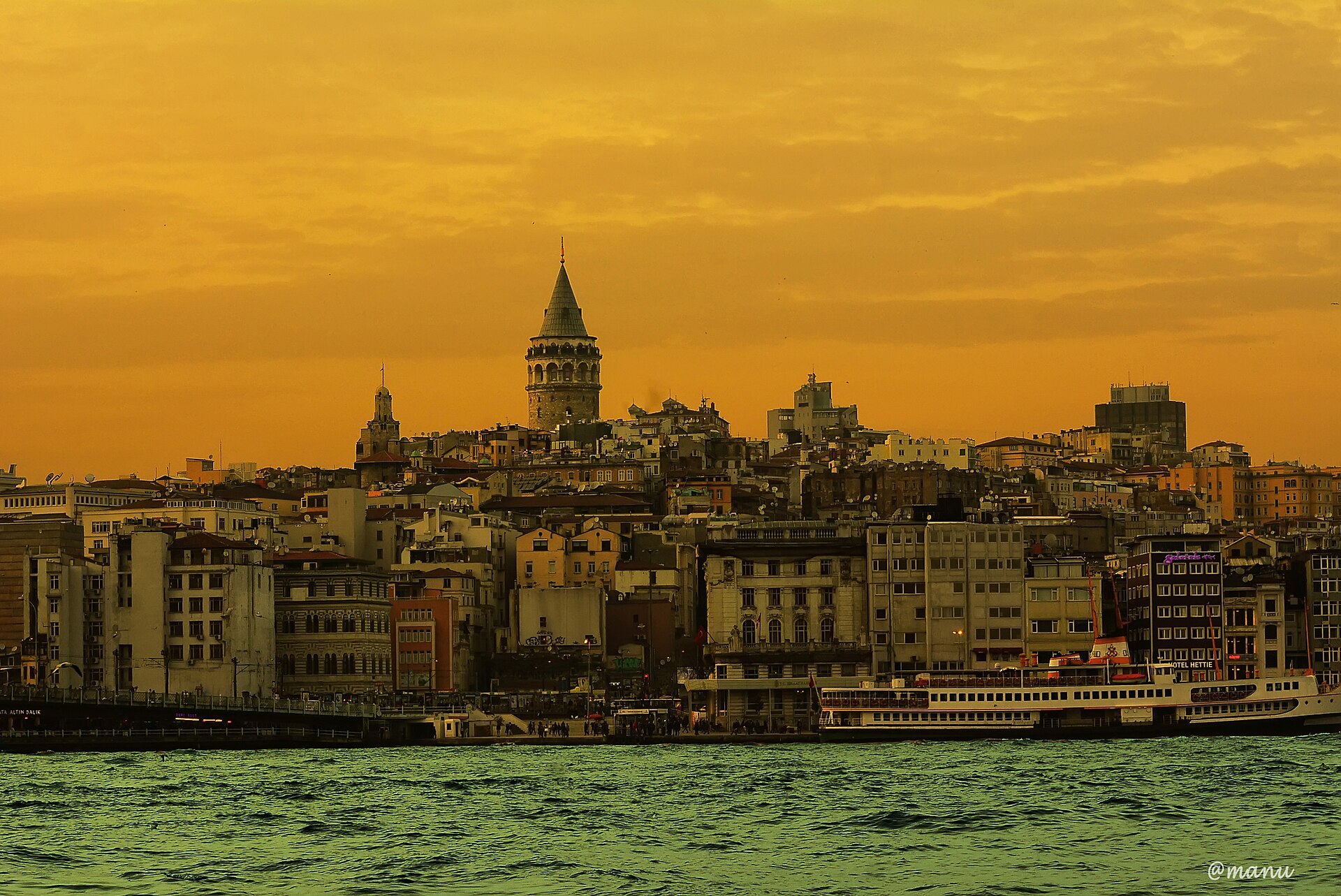
Cross the Golden Horn and the mood changes completely. Beyoğlu is modern Istanbul’s cultural heart: the pedestrian Istiklal Street lined with historic passages and boutiques, the 19th-century grandeur of Pera, the cafe-filled lanes of Cihangir, and the Galata Tower watching over it all. This is where the city eats late, drinks late, and stays up latest — rooftop bars, meyhanes (Turkish taverns), and live-music venues cluster here.
It’s the best pick for travelers who want energy over monuments, and for repeat visitors who’ve already done the Old City sights.
Getting around: the T1 tram runs along the Golden Horn; the historic Tünel funicular hauls you up from Karaköy to Beyoğlu in minutes; the M2 metro serves Taksim. Beyoğlu and Sultanahmet are only 3–4 km apart — about 15–20 minutes by tram.
Hotel picks:
- Pera Palace Hotel — the 1892 grand dame of Pera, where Agatha Christie and Hemingway stayed; take afternoon tea in the domed Kubbeli Salon.
- Witt Istanbul Suites — sleek, spacious design suites in Cihangir, the city’s artsy hilltop quarter; a great fit for longer stays.
- Soho House Istanbul — a members’-club hotel in a restored 19th-century palazzo, with a buzzing rooftop and pool scene.
Karaköy — Best for Food Lovers and Design Fans
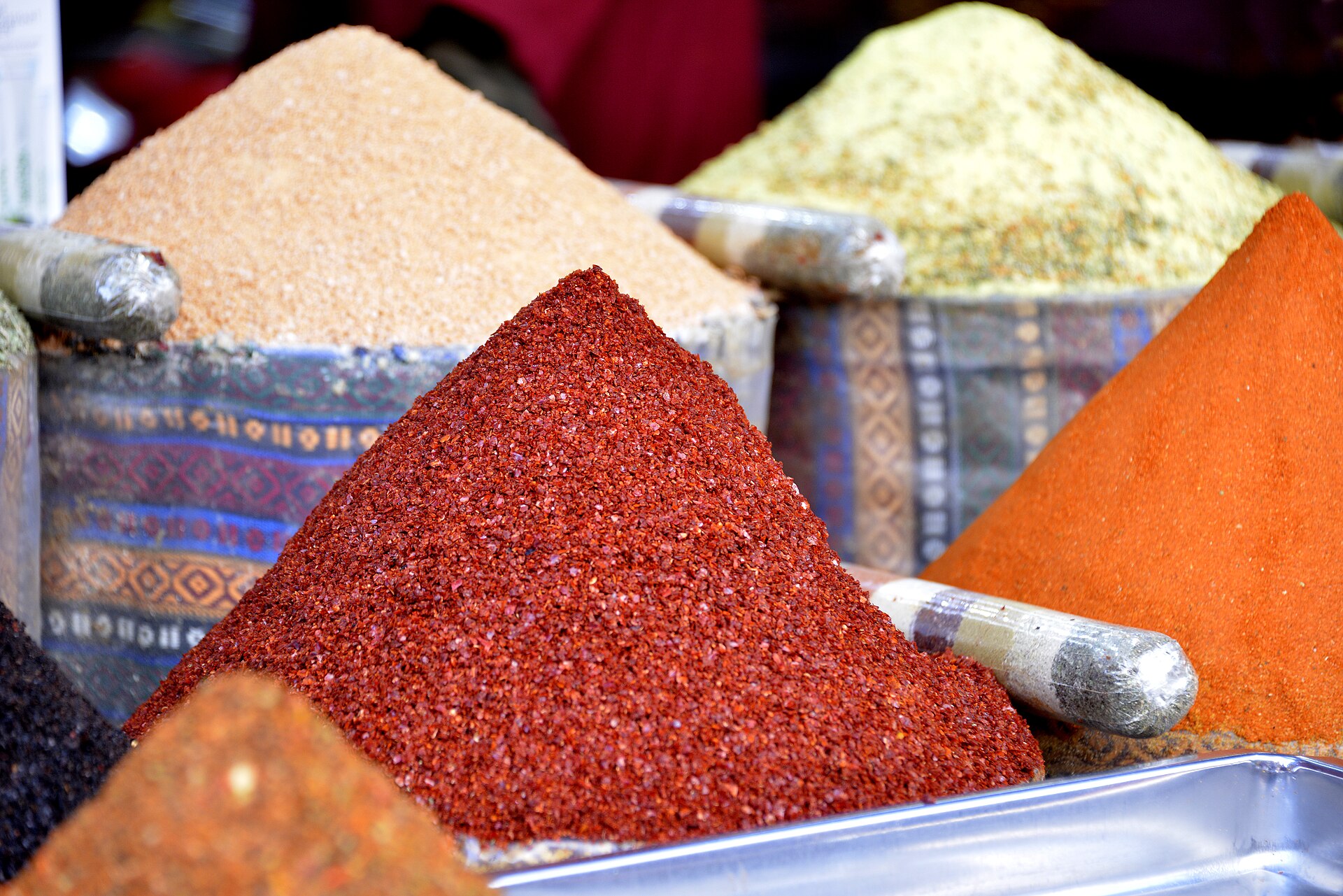
Once a gritty port of warehouses and wholesalers, Karaköy is now Istanbul’s coolest dining strip: legendary baklava houses, third-wave coffee roasters, and rooftop bars staring straight across at the Old City skyline. Galleries and design hotels fill the converted industrial buildings along Kemeraltı Caddesi. Stay here if your trip revolves around eating well and you like being able to walk to both the Galata Tower and the Galata Bridge.
Getting around: the T1 tram is at your doorstep, the Tünel funicular climbs to Beyoğlu, and ferries leave from the nearby piers. You can walk across Galata Bridge to the Old City in about 30–40 minutes.
Hotel picks:
- 10 Karaköy Istanbul — industrial-chic rooms in a converted warehouse on Kemeraltı Caddesi, walkable to everything in the neighborhood.
- The Bank Hotel Istanbul — a 19th-century former bank on Bankalar Caddesi turned into a design-led boutique, with a vault-turned-lounge downstairs.
Beşiktaş and the Bosphorus — Best for Luxury
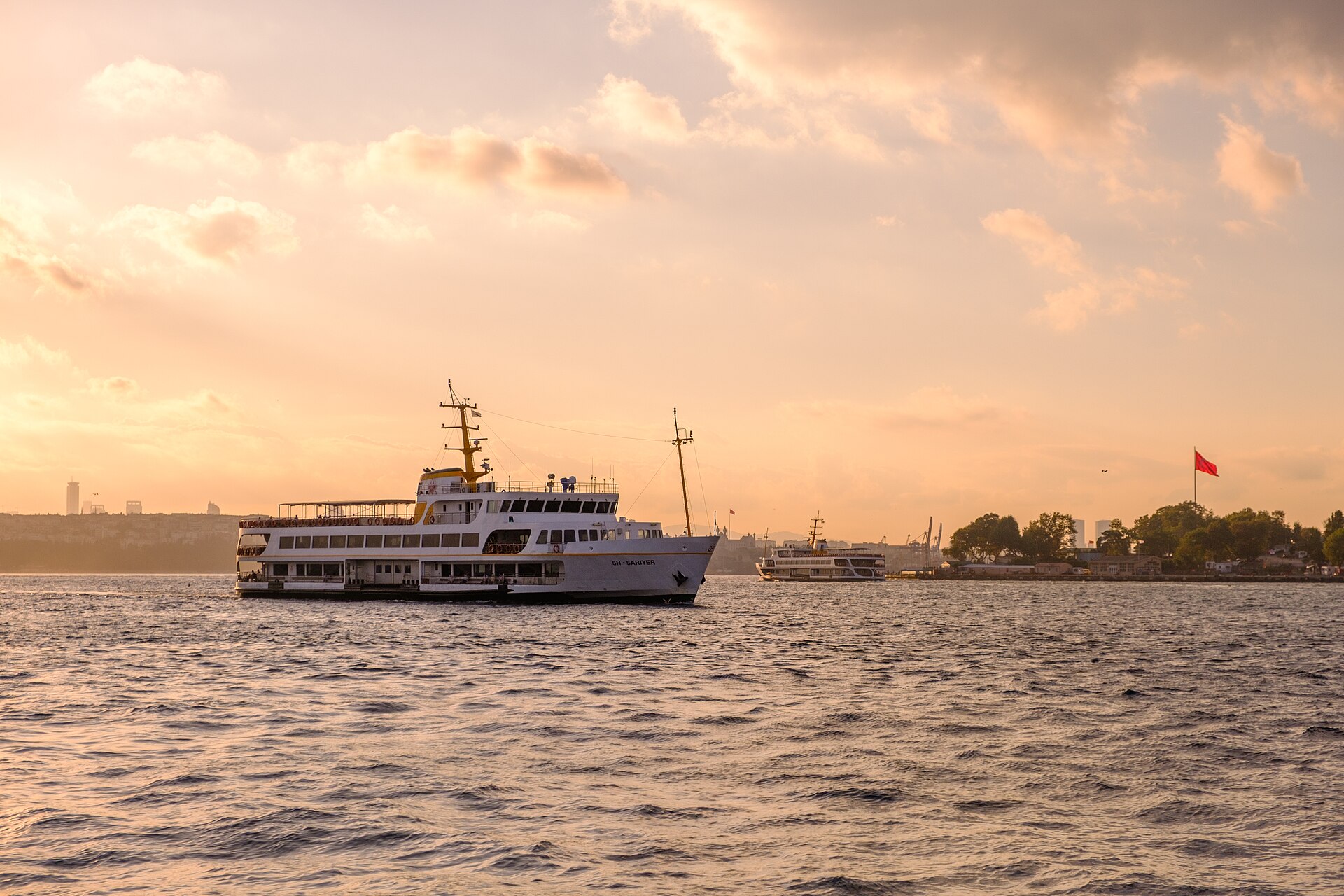
This is Istanbul at its grandest: the waterfront stretch from Dolmabahçe Palace up through Ortaköy toward Bebek, where Ottoman palaces sit beside yacht-filled marinas. The views are the point here — waking up to ferries crossing the Bosphorus never gets old. It’s quieter and more residential than Beyoğlu, and it suits honeymooners, splurge trips, and anyone whose dream Istanbul involves a palace pool.
Getting around: the T1 tram ends at nearby Kabataş, where you can also catch ferries; otherwise taxis and the occasional scenic ferry ride do the work.
Hotel picks:
- Çırağan Palace Kempinski Istanbul — a genuine Ottoman palace on the water with an infinity pool facing the Bosphorus; the splurge of splurges.
- Radisson Blu Bosphorus Hotel — a stylish waterfront stay in Ortaköy with Bosphorus-view rooms at a saner price than the palaces.
- Swissotel The Bosphorus — set above Maçka Park with serious spa credentials and some of the best Bosphorus-view terraces in the city.
Kadıköy (Asian Side) — Best for Local Explorers
Take the ferry across and Istanbul exhales. Kadıköy is the city’s Brooklyn: a sprawling produce and fish market, meyhane-lined streets, street art, and the long Moda waterfront promenade where locals picnic at sunset. It feels like a different city — laid-back and refreshingly untouristy. It’s the best base for second-time visitors, serious food travelers, and anyone who wants to see Istanbul through the eyes of the people who actually live here. Prices for food and drink run noticeably lower than on the European side.
Getting around: ferries from Karaköy and Eminönü reach Kadıköy in about 20 minutes, and the Marmaray rail line crosses under the Bosphorus in minutes too. It’s a proper commute to the Old City sights, so plan full days on the European side rather than bouncing back and forth.
Hotel picks:
- Sumahan on the Water — a converted raki distillery with industrial-design rooms right on the Asian-side waterfront; the coolest address in Kadıköy.
- DoubleTree by Hilton Istanbul Moda — a dependable, well-located base in Moda with sea-view rooms and an easy ferry hop to the European side.
Nişantaşı — Best for Shopping and Polished City Style
Istanbul’s answer to Milan: designer boutiques, art-nouveau apartment buildings, and cafe terraces full of the city’s best-dressed. Nişantaşı is upscale, residential, and elegant — a secure, sophisticated base if your Istanbul involves more shopping bags than sightseeing buses.
Getting around: the M2 metro (Osmanbey station) puts Taksim one quick hop away.
Hotel picks:
- The St. Regis Istanbul — polished luxury on Nişantaşı’s main drag, with a rooftop pool and butler service.
Getting Around Istanbul
Istanbul’s public transport is extensive, cheap, and — once you have the card — easy. Here’s what matters: once you’ve got the system down, getting out of town is easy too — see our guide to the best day trips from Istanbul for ferries, trains, and itineraries beyond the city.
- Get an Istanbulkart on arrival. The rechargeable transit card costs 165 TL for the blank card (2026 tariff), and a standard ride runs about 42 TL — well under a dollar. Buy one at the yellow Biletmatik machines at either airport, metro stations, tram stops, and ferry piers; you can’t pay cash on transit, so don’t skip this. One card can be shared by tapping once per person, and you get discounted fares when you transfer between lines within two hours.
- Ride the T1 tram. This is the tourist lifeline: it runs from Kabataş through Karaköy, Eminönü, and Sultanahmet out to the Grand Bazaar area, covering nearly every major sight on one line.
- Take the ferries. The city ferries are both transport and attraction — the Karaköy/Eminönü to Kadıköy crossing takes about 20 minutes and delivers one of the great urban views in travel. For a proper evening on the water, this small-group Bosphorus sunset yacht cruise (4.9 stars from 300+ reviews, canapés and wine included) is a lovely way to see both continents light up.
- Use the Marmaray to cross continents fast. The commuter rail dives under the Bosphorus between Sirkeci and Üsküdar in minutes when the ferry schedule doesn’t suit.
- From the airport: Istanbul Airport sits about 40 km from the center. The M11 metro reaches Gayrettepe in 35–40 minutes, from where you connect onward; taxis take 45–60 minutes depending on traffic.
- Pack light. Istanbul is a city of steep hills, cobblestones, and ferry stairs — your future self will thank you for reading how to pack light for any trip before you go.
Getting from the airports
Most international flights land at Istanbul Airport (IST), about 40 kilometres northwest of the centre. The M11 metro runs from the airport to Gayrettepe in about 35 to 40 minutes. Change there to the M2, then at Vezneciler change to the T1 tram for Sultanahmet, or stay on the M2 for Taksim and Beyoglu. Allow 80 to 100 minutes door to door, and a little more if you are travelling with luggage at a busy hour. The metro runs from about 6am to midnight, so it suits most daytime arrivals.
If you would rather not change trains, the Havaist airport bus runs around the clock. The service to Aksaray, close to Sultanahmet, takes about 90 minutes in normal traffic, and there are also buses to Taksim and other main hubs. It is a good choice late at night, when the metro has stopped, or if you have heavy bags. A taxi or pre-booked transfer is faster and door to door, but allow extra time in rush hour and agree the route or price in advance, because traffic into the centre can be slow.
Sabiha Gokcen Airport (SAW), on the Asian side, is the base for many low-cost and domestic flights. The simplest public-transport route is the M4 metro, which runs from the airport to Kadikoy in about 52 minutes. From Kadikoy, the ferry to Eminonu or Karakoy is a pleasant crossing and puts you close to Sultanahmet and Beyoglu. Havabus coaches also run from SAW to Taksim and Kadikoy, taking about 90 minutes or more depending on traffic, and are useful if you are staying near Taksim and do not want to change. If you are staying on the Asian side, especially in Kadikoy, arriving at SAW can be the easiest start to the trip.
Which airport should you aim for? It depends on where you are staying. For Sultanahmet, Beyoglu or Besiktas, IST is usually the more direct choice, while SAW works well for Kadikoy and the Asian side. Check which airport your flight uses before you book a hotel, because the two airports are on opposite sides of the city and a journey between them can take well over an hour. Whatever you choose, leave a generous buffer for your return journey, especially if you are crossing the Bosphorus in the morning rush.
Frequently asked questions about staying in Istanbul
European or Asian side for first-timers? Stay on the European side for a first visit. Sultanahmet puts the main sights on foot, and Beyoglu and Karakoy put restaurants, ferries and nightlife close by. The Asian side, especially Kadikoy, is better for a second visit, a longer stay, or travellers who want a more local pace and do not mind crossing the Bosphorus by ferry for the sights.
How many days do I need in Istanbul? Three full days cover Sultanahmet, a Bosphorus cruise and Beyoglu, four or five days let you add Kadikoy, the Princes’ Islands or a day trip, and a week lets you slow down and explore neighbourhood by neighbourhood. For a first visit, four nights is a good balance.
Is Sultanahmet walkable to Beyoglu? Yes, in the sense that you can walk across the Galata Bridge to Karakoy and up to Galata Tower and Istiklal Street, and it is one of the best walks in the city. It is about 45 minutes to an hour on foot, with a steep climb at the end, so many people walk one way and take the tram, metro or ferry back.
The Bottom Line: My Take by Traveler
- First trip, want the classics: Sultanahmet — walk to everything that matters.
- Here for the food and the nights: Beyoğlu–Galata, with Karaköy as the slightly calmer alternative.
- Honeymoon or big splurge: Beşiktaş waterfront — the Bosphorus view is worth it.
- Been before, want the real city: Kadıköy — markets, meyhanes, and local prices.
- Shopping trip or polished city break: Nişantaşı.
Honestly, there’s no bad choice among these six — Istanbul rewards curiosity wherever you land. And if Istanbul is just one stop on a bigger itinerary, browse our where-to-stay guides hub to compare neighborhoods and hotel picks city by city. One booking tip before you reserve: Istanbul hotel prices vary a lot from site to site, so it helps to know how Expedia member prices actually work before you trust a headline discount. Güle güle — happy travels.
Last updated 12 November 2026 — prices, opening times, seasonal details and links re-checked for this quarterly refresh.