
Sapa rewards travellers who choose their base well. This is a small, steep mountain town at around 1,500 metres in Vietnam’s far north, where your hotel decides three things at once: how easily you reach the Fansipan cable car, whether you wake up looking at rice terraces or at a busy street, and how warm you are when the mountain fog rolls in and the temperature drops after dark. Sleep in the centre and everything is walkable but lively; sleep down in the Muong Hoa Valley and the terraces are your morning view, at the price of a taxi ride to dinner.
Never forget a thing before you fly. My free 8-page Travel Planning Checklist walks you through the whole trip — 6 planning timelines, 36 checks, from booking windows to travel-day basics. One email, no spam, unsubscribe anytime.
The good news is that Sapa’s stays split cleanly into four areas. The town centre around the Stone Church suits first-timers and short trips. The resort hills just above town add pools and quiet without losing the shuttle ride back. The valley villages of Lao Chai and Ta Van are for trekkers and slow travellers. And the eco-lodges on the ridges beyond town are destinations in themselves. Here is how to choose, with the best pick in each area. If you are still shaping the trip itself, start with my Sapa in 3 Days itinerary — this guide is its companion on where to sleep.
Disclosure: This post contains affiliate links. If you book through one of these links, I may earn a commission at no extra cost to you.
Sapa Town Centre: Best for First-Timers and Fansipan
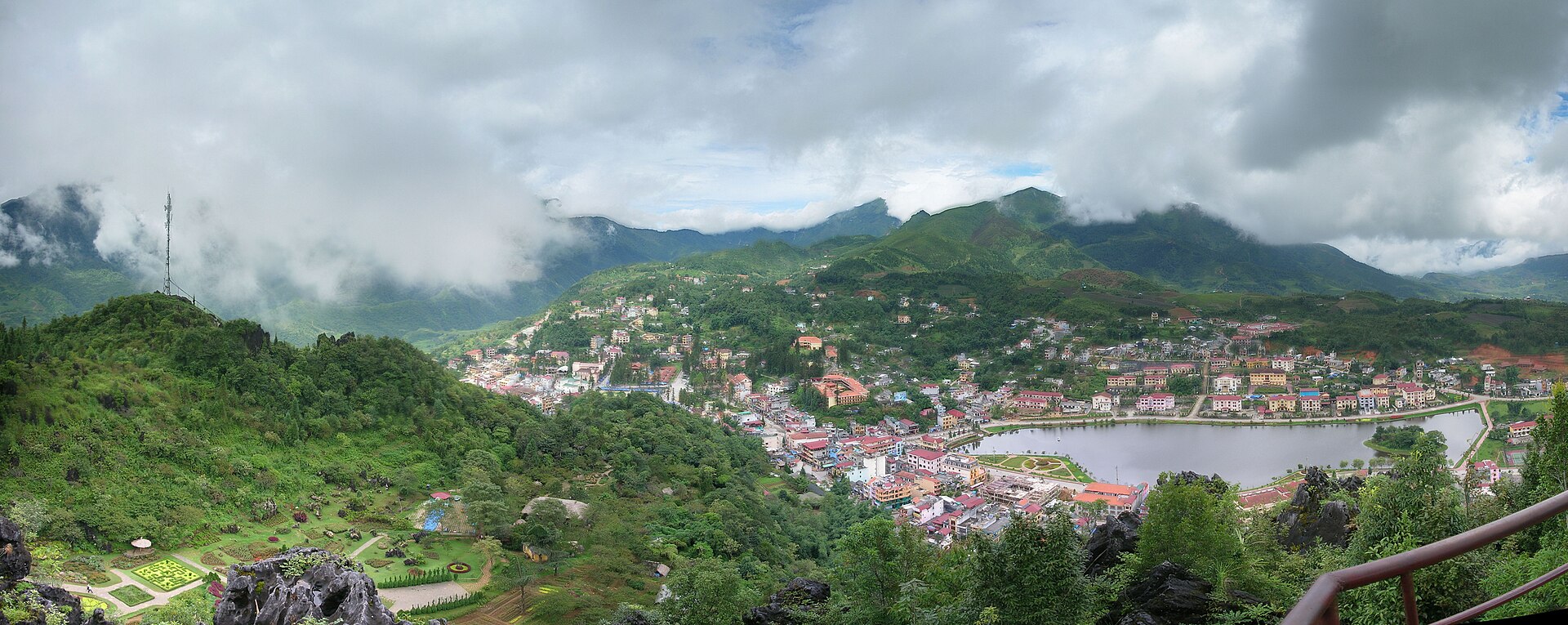
Almost everything in Sapa clusters around the Stone Church, Sa Pa Square and the yellow Sun Plaza building: restaurants, the night market, tour pickups, ATMs, and the station for the Muong Hoa funicular that starts the journey up Fansipan. Every bus and limousine van from Hanoi arrives here too. The trade-offs are honest ones — this is the busiest, noisiest part of town, the streets are steep, and there is ongoing construction — but for a one- or two-night stay, nothing beats walking to dinner and to the cable car.
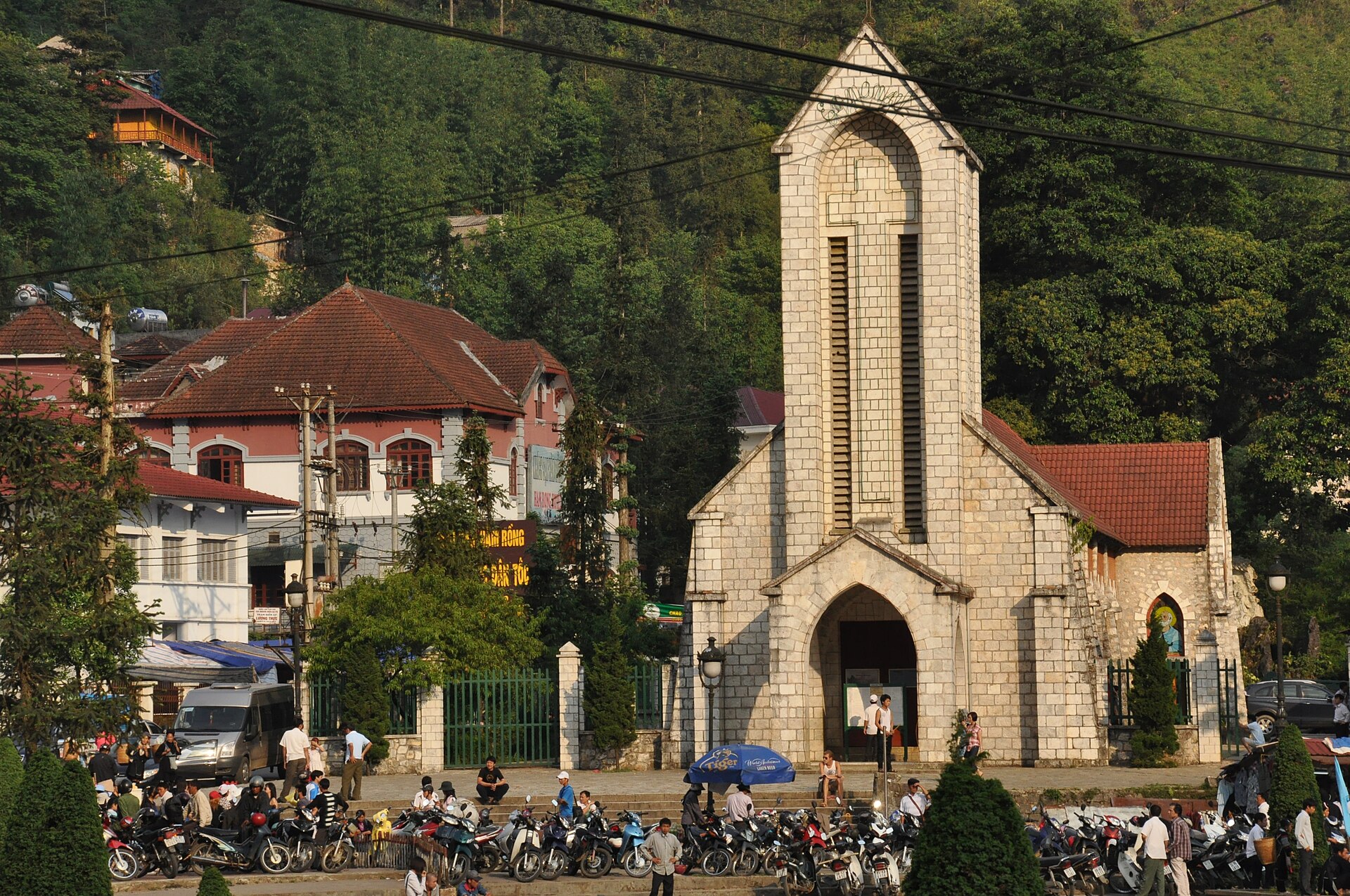
The landmark address is the Hôtel de la Coupole – MGallery, a 5-star, Bill Bensley-designed hotel that mixes French Indochine glamour with hill-tribe textiles across 249 rooms, with an indoor pool and spa. It is rated 9.6 out of 10 on Expedia and sits two minutes from Sa Pa Square — and, decisively, it connects directly to Sun Plaza, so on Fansipan morning you walk indoors to the funicular station. It is the splurge, at roughly $120 a night and up, and the easiest Fansipan base in town. To do that morning justice, pair it with this Fansipan cable car ride and spiritual complex tour (4.7 stars from 21 reviews), which handles the cable car and the summit complex in one booking.
For five-star comfort at a friendlier price, the KK Sapa Hotel is the value standout: 186 rooms rated 9.4 out of 10 on Expedia, most with balconies facing Fansipan and the Muong Hoa Valley, plus indoor and outdoor pools and a spa, from around $81 a night. Its hillside position eight minutes’ walk from the Square comes with a dual-lobby layout that softens Sapa’s steep streets — a genuinely useful detail with luggage or kids. Right in the middle of town, the small Sapa Horizon Hotel is rated a remarkable 9.8 out of 10 on Expedia, remodelled in 2026, with a rooftop sky bar and spa two minutes’ walk from both the Square and the funicular station — the best location-to-rating ratio in Sapa, and the couples’ pick.
On the quieter edge of the centre, the Aliana Boutique Sapa Hotel & Spa (listed on Expedia under its former Aira Boutique name) keeps a boutique, retreat feel while staying an eight-minute walk from the Square. Its 50 rooms are rated 9.6 out of 10 on Expedia, with an outdoor pool over the valley, a spa and mountain-view balconies from around $75 a night — central enough for dinner on foot, calm enough to sleep properly.
The Resort Hills Above Town: Pools, Quiet and Shuttles
Climb five to ten minutes above the centre and Sapa changes character: bigger resorts on green hillsides, valley views from the breakfast table, and a shuttle ride instead of a walk home. This is the sweet spot for families and for anyone staying three nights or more who wants the town on tap but not outside the window.
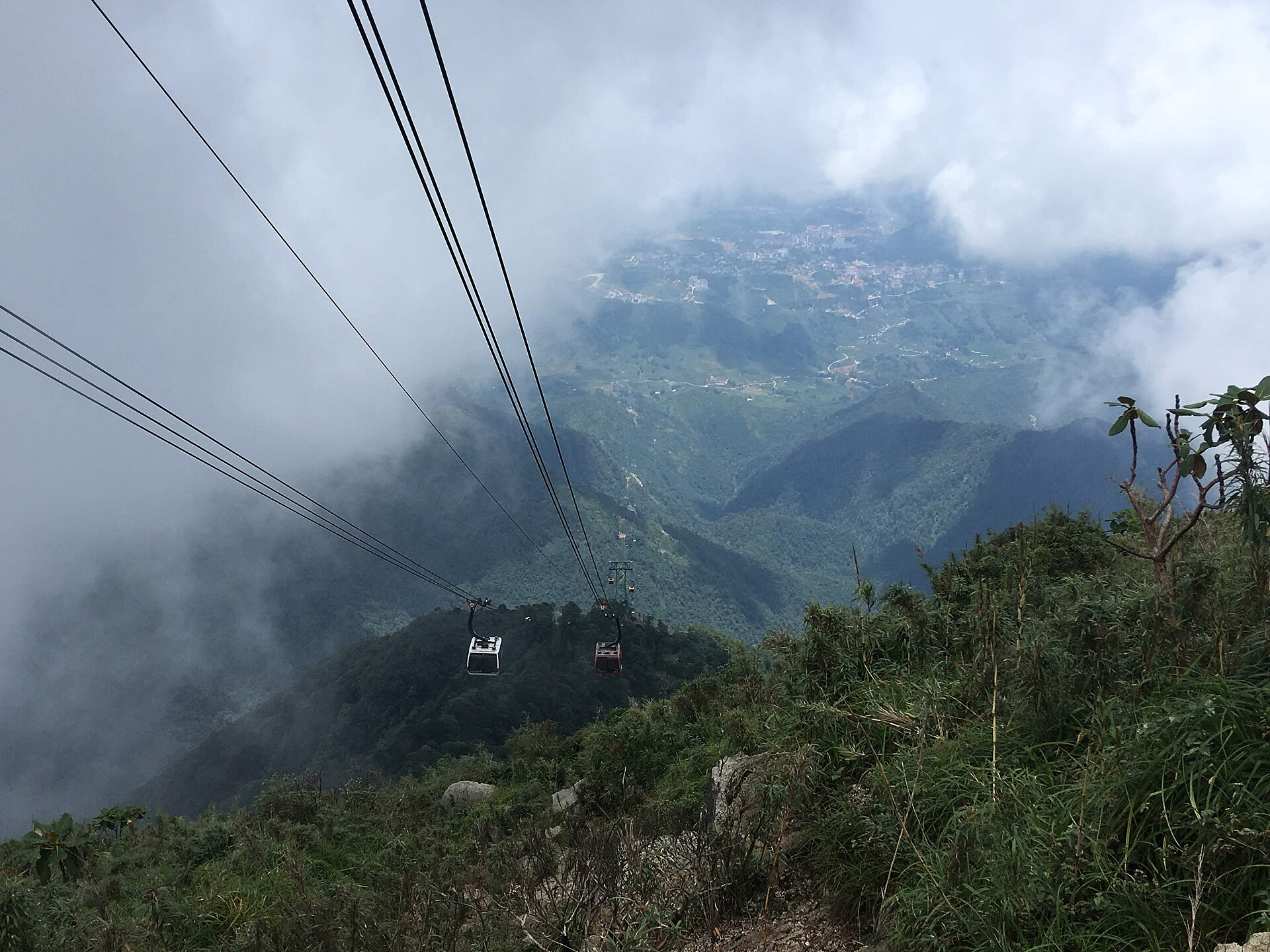
The top family pick is the Silk Path Grand Sapa Resort & Spa, a French grand-estate-style resort of 152 rooms rated 9.8 out of 10 on Expedia — the site’s highest score in Sapa — with an indoor pool, full-service spa, kids’ club and children’s pool, from around $78 a night, with a free hourly shuttle into town reported by guests. On Muong Hoa Road at the town’s edge, Pao’s Sapa Leisure Hotel curves into the hillside in terraces that echo the rice fields below: 223 rooms, a heated indoor four-season pool, a spa offering Red Dao herbal baths, and valley-view balconies, about a 15-minute walk from the Square. It is the “views without town noise” luxury pick, and that heated pool matters more than you would expect — Sapa nights run cold for most of the year.
Muong Hoa Valley — Lao Chai and Ta Van: Wake Up in the Terraces
Follow Muong Hoa Road downhill and the town gives way to the valley that made Sapa famous: layered rice terraces, the Muong Hoa river, and the Black Hmong village of Lao Chai and Giay village of Ta Van strung along the trekking route. Lao Chai is about 6–7 km from town, Ta Van 8–10 km — 20 to 30 minutes by taxi at roughly 150,000–180,000 VND each way. You trade restaurants and ATMs for silence, mist over the paddies at dawn, and trails starting at your door. For many travellers this, not the town, is the Sapa they came for.
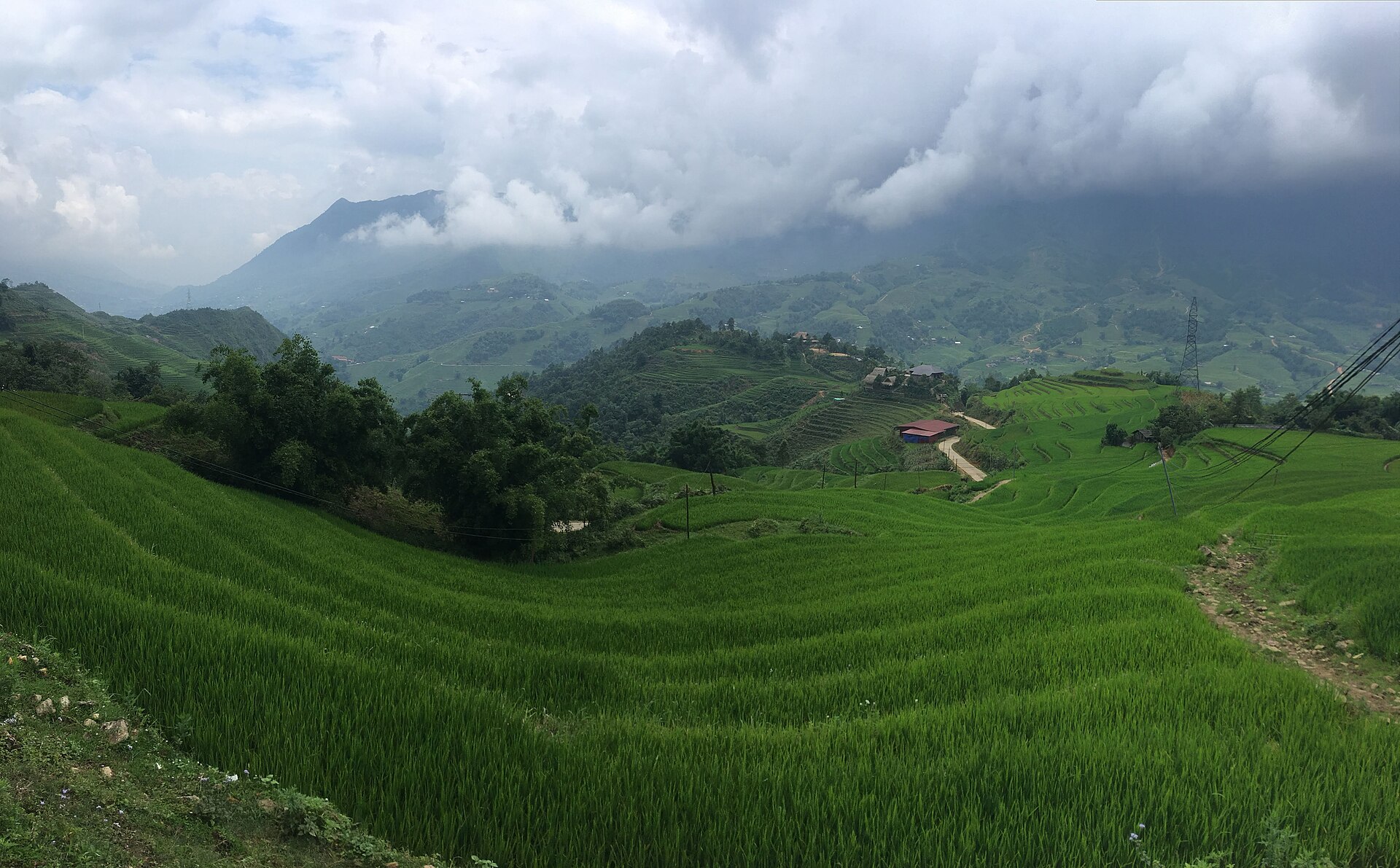
The valley stay that books easily is Eco Palms House – Sapa Retreat in Lao Chai, a small eco-retreat of traditional-style bungalows set right above the rice terraces, rated 9.6 out of 10 on Expedia, with a small outdoor pool, massage treatments and home-cooked food that guests consistently praise. Halfway between town and valley, Sapa Jade Hill Resort & Spa spreads bungalows and villas through pine hills above the valley in the Lao Chai direction, rated 9 out of 10 on Expedia, with an indoor pool and a resort shuttle into town — a quiet resort base about ten minutes’ drive from the centre. Deeper into the valley near Ta Van, Sapa Clay House – Mountain Retreat is the small, spa-led budget alternative, rated 9.6 out of 10 on Expedia, with balcony rooms looking over the countryside.
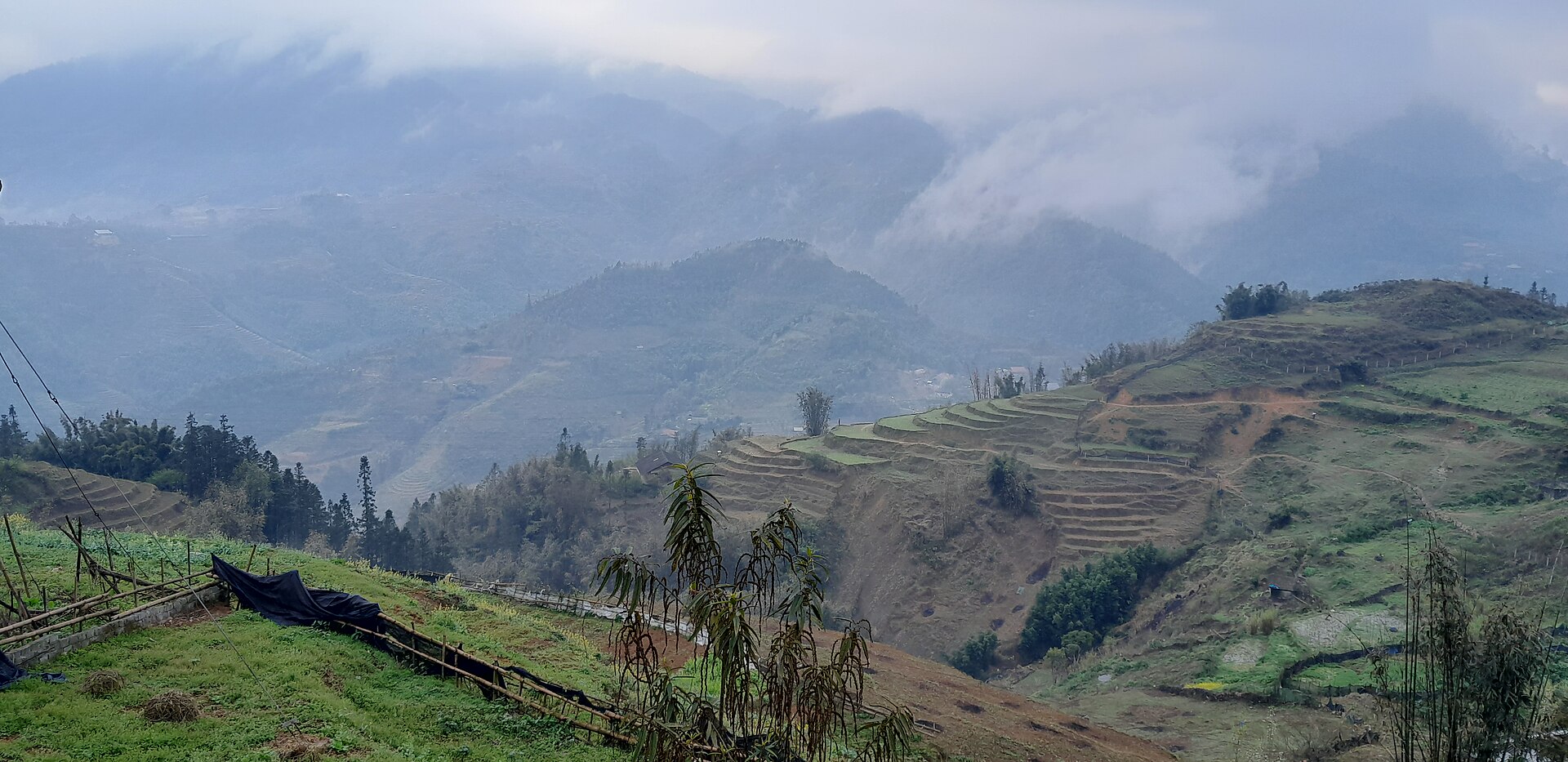
Base yourself down here and the valley’s signature walk starts at breakfast: this full-day Sapa trekking adventure through local villages (4.8 stars from 424 reviews, free cancellation to 24 hours before) walks the Y Linh Ho–Lao Chai–Ta Van route with a local guide — the single best day you can spend in the valley, and far richer with a guide who grew up on these paths than as a DIY wander.
Cat Cat and the Cable-Car Side of Town
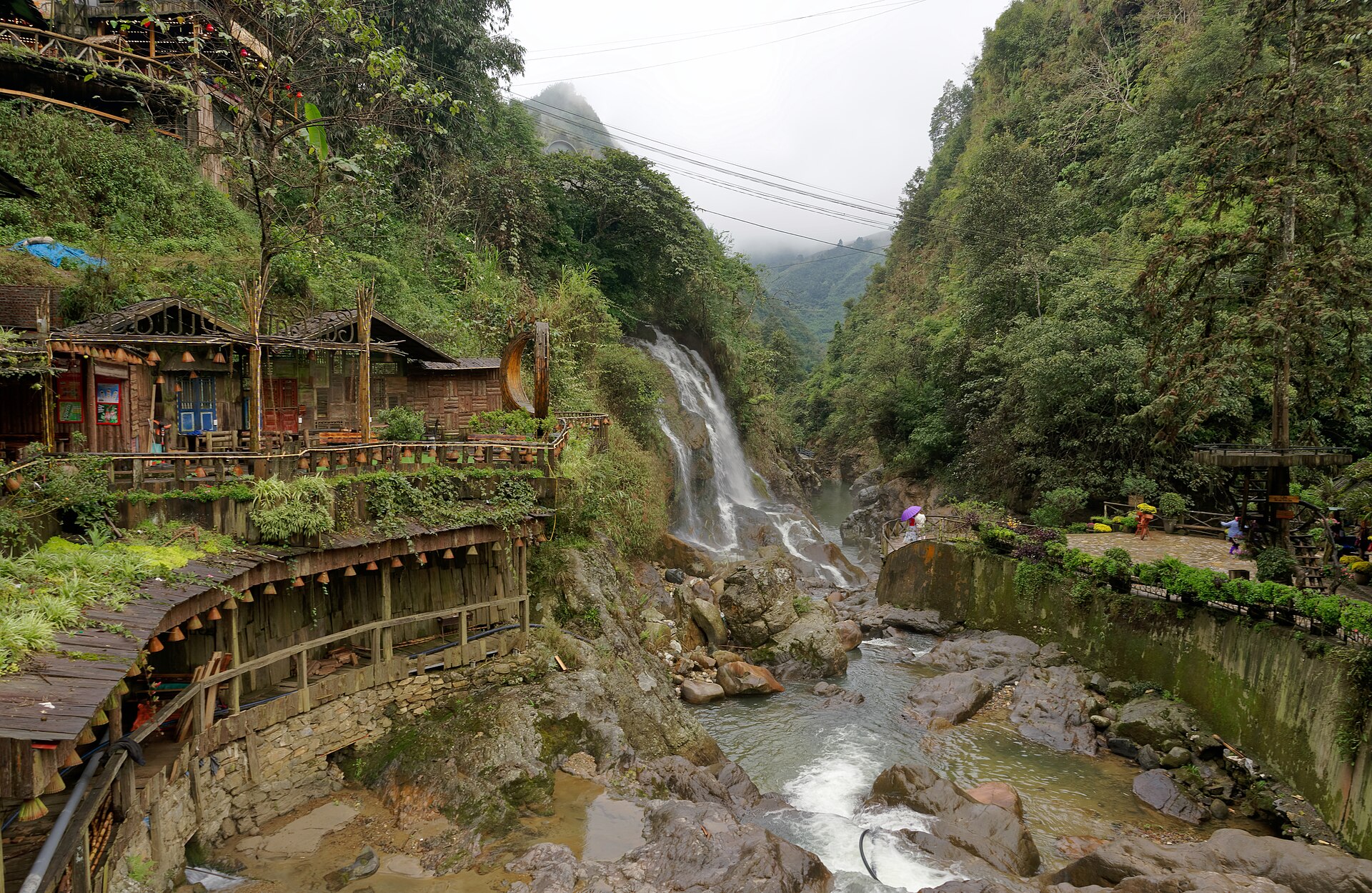
Southwest of the centre, Fansipan Street drops toward Cat Cat, the Black Hmong village at the bottom of the fold below town — waterfall, water wheels and craft stalls on a ticketed circuit (entry around 150,000 VND, check at the gate). It is the easiest village taster from town: about 2.5–3 km, a pleasant 25–45 minute walk down and a steep climb back. By day it is Sapa’s busiest village; by night the hotels on this side of town are peaceful, with some of the best valley-facing positions of all.
The headline stay here is Lady Hill Sapa Resort, a 5-star hilltop resort opened in 2023 on Nguyen Chi Thanh Street, rated around 9.3 out of 10 on Expedia, with 174 rooms, bungalows and villas, a spa, kids’ club and an infinity pool billed as Sapa’s highest. Its killer feature is position: it stands opposite the Fansipan Legend cable car station, about a five-minute drive from Sa Pa Square — the best base in Sapa if Fansipan is the point of the trip and town dining is secondary.
Beyond Town: The Eco-Lodge Splurge
One stay near Sapa deserves its own category. Topas Ecolodge sits on a private ridge around 18 km and 45 minutes’ drive from town, in the hills above Ban Ho: some 50 white-granite stone bungalows, infinity pools looking straight down the valley, and a National Geographic Unique Lodge of the World pedigree. Rates run roughly $200–390 a night, the lodge runs book-ahead shuttles, and there is effectively nothing else around — which is exactly the point. Book it as the destination for a night or two at the end of a trip, not as a base for sightseeing, and arrange every transfer through the lodge.
Getting There and Choosing Well
Sapa has no airport and — the fact that catches first-timers every week — no train station either. From Hanoi, about 320 km away, you have two real options. Direct limousine vans and cabin buses run Hanoi Old Quarter to Sapa town in about 5–6 hours and are the simplest choice. Or take the overnight train to Lao Cai (about 8 hours), then a one-hour shuttle van up the last 35 km to Sapa — romantic, and you arrive at dawn, but build the transfer into your plans. Either way, book ahead in the September–November peak and around Tet.
Timing shapes the stay, too. Mid-September to October brings gold terraces before harvest and the clearest skies; March to May is green and mild. December to February is properly cold — nights of 0–5°C and fog that can hide the valley for days — which is when those heated indoor pools at the Coupole, KK and Pao’s stop being a luxury and start being the booking. And if you have three nights or more, consider the split stay: one night in town for Fansipan and the restaurants, then one or two nights down in Ta Van or Lao Chai for the valley itself. It is how Sapa is best done. For the wider route this fits into, see my Hanoi in 3 Days itinerary and the full collection in the best Vietnam guides — and if your trip lands on a Sunday, do not miss this Bac Ha Sunday market day tour from Sapa (4.5 stars from 86 reviews), the region’s great weekly spectacle of Flower Hmong dress and mountain trade.