
Sapa is Vietnam’s mountain escape — a former French hill station sitting 1,500–1,600 metres up in the Hoang Lien Son range, about 320 kilometres northwest of Hanoi and barely 35 kilometres from the Chinese border. Below the town, the Muong Hoa Valley falls away in layer after layer of rice terraces farmed by Black H’mong, Red Dao and Giay families, and above it all rises Fansipan, the highest peak in Indochina. Three days is the sweet spot here: one day to settle into the town and its nearest village, one full day on the valley trails, and one day for the summit — or for the north’s greatest market, if your timing lands on a Sunday.
Never forget a thing before you fly. My free 8-page Travel Planning Checklist walks you through the whole trip — 6 planning timelines, 36 checks, from booking windows to travel-day basics. One email, no spam, unsubscribe anytime.
Disclosure: This post contains affiliate links. If you book through one of these links, I may earn a commission at no extra cost to you.
Getting to Sapa from Hanoi
There is no airport and no railway station in Sapa itself, so every trip starts in Hanoi. The fastest option is a limousine van or sleeper bus on the expressway: five to six hours, door to door, dropping you right in Sapa town for roughly 320,000–540,000 VND in a limousine seat. The classic alternative is the overnight train to Lao Cai — seven and a half to eight hours in a sleeper berth, arriving around dawn — followed by a one-hour shuttle bus or taxi ride up the mountain road. The train is slower but more romantic, and you sleep through most of it; the bus is simpler and gets you there in daylight. If you are pairing Sapa with the capital, my Hanoi in 3 Days itinerary is the natural first half of the trip.
When to Go: The Terrace Calendar
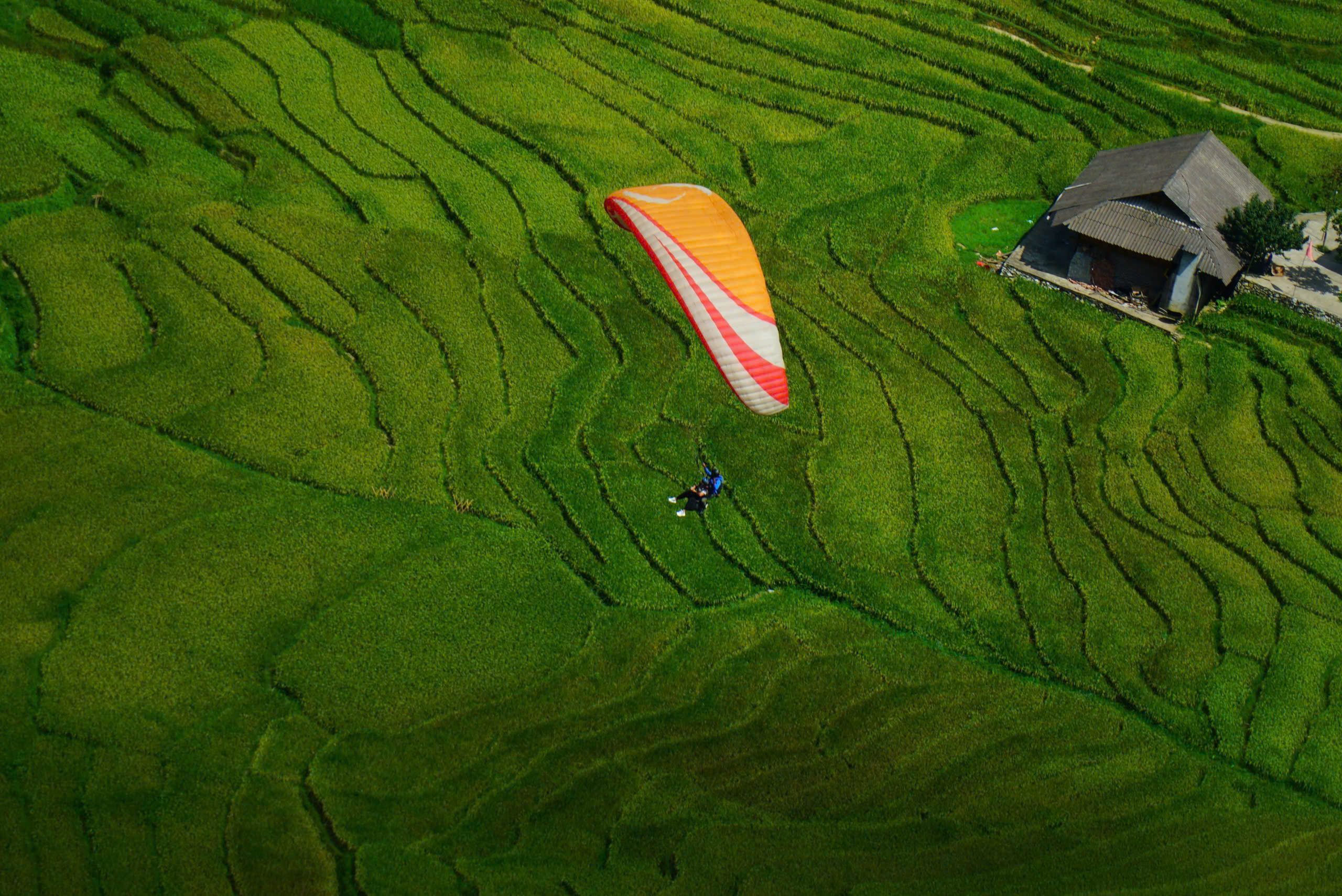
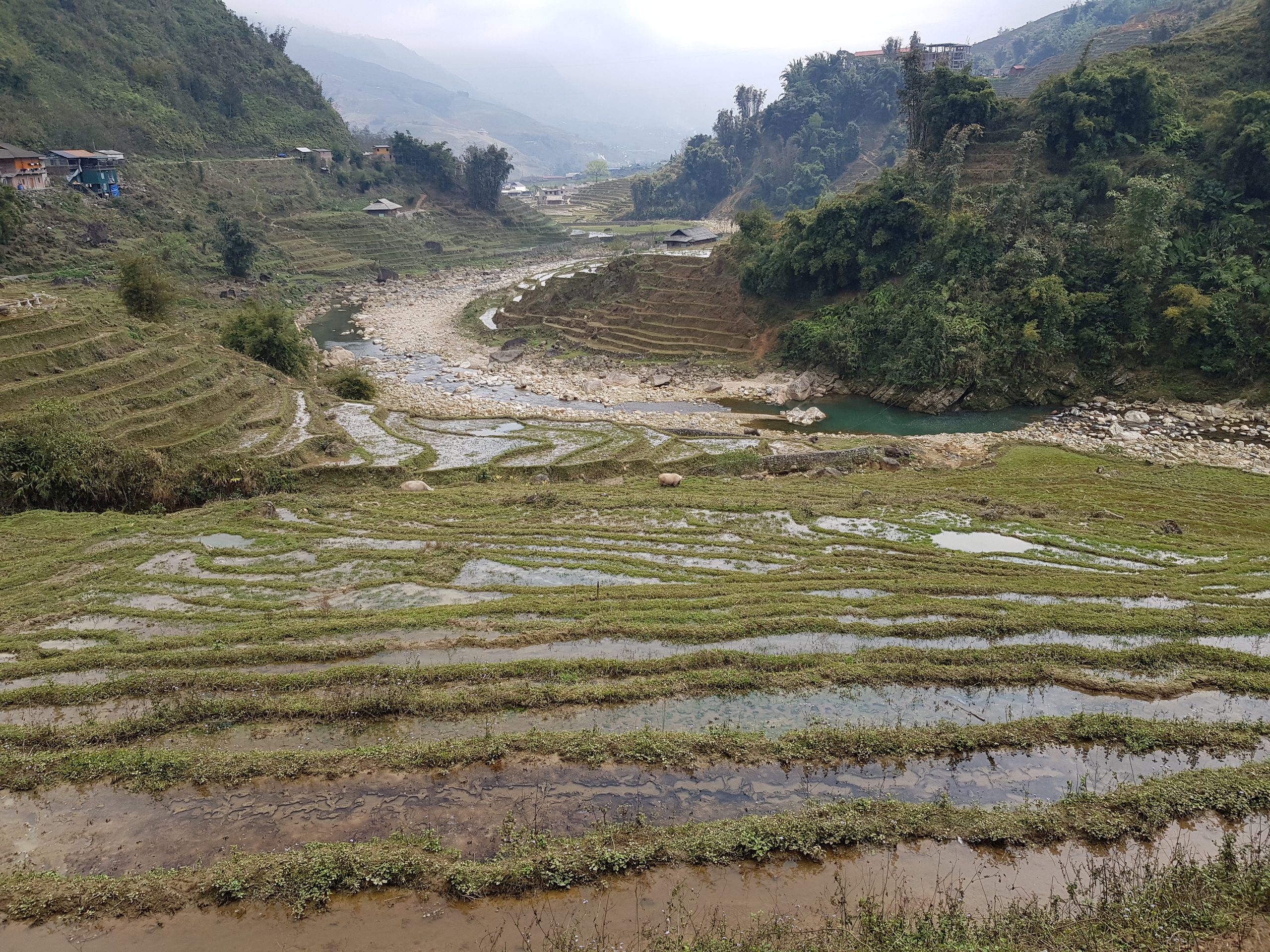
Sapa grows a single rice crop a year, and the valley’s colour depends entirely on when you come. From late April into June the terraces are flooded for planting and mirror the sky at dawn. July and August are deep green — and the wettest months, with slippery trails and afternoon downpours. The famous golden season runs from late August, peaking from mid-September to early or mid-October, though each village’s window is only ten days to two weeks and shifts a week or two with the weather. December to February is cold, foggy and dry: the terraces are bare, the valley can white out for days, and snow is a rare treat on the high ground rather than a promise. March to May and September to November are the best all-round windows.
Day 1: Sapa Town, Cat Cat Village and Ham Rong
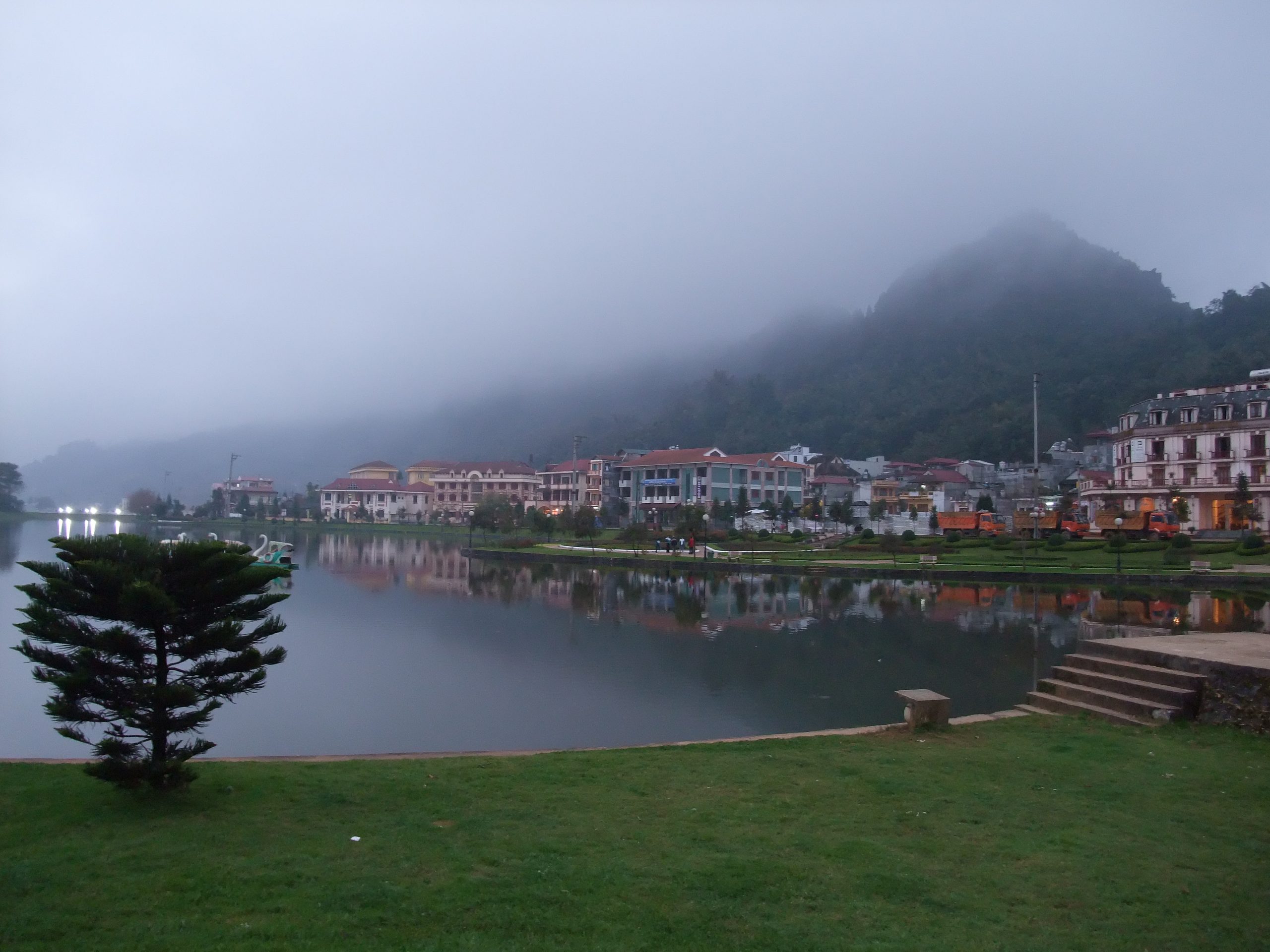
Start gently — you are at altitude, and most arrivals are travel-worn. Walk the town centre first: the small lake, the main square, and the stone Church of Our Lady of the Rosary, completed in 1935 and still the town’s landmark. Behind the church, Ham Rong Mountain (about 70,000 VND) climbs through orchid gardens and a maze of weathered rock to the Cloud Yard viewpoint, with the whole town, valley and Fansipan laid out below on a clear day. Give it one and a half to two and a half hours.
In the afternoon, walk down to Cat Cat, a Black H’mong village two to three kilometres below town. The path passes indigo dyeing and hemp weaving workshops on its way to the Tien Sa waterfall and an old French hydroelectric station. Be honest with yourself about what Cat Cat is: a ticketed village (150,000 VND for adults — check the current price at the gate) that has been shaped for visitors. It is pretty, it is an easy introduction to H’mong craft traditions, and the walk back up is steep enough to earn your dinner. Go late in the afternoon, when the day-trip crowds have thinned.
Day 2: The Muong Hoa Valley Trek — Y Linh Ho, Lao Chai and Ta Van
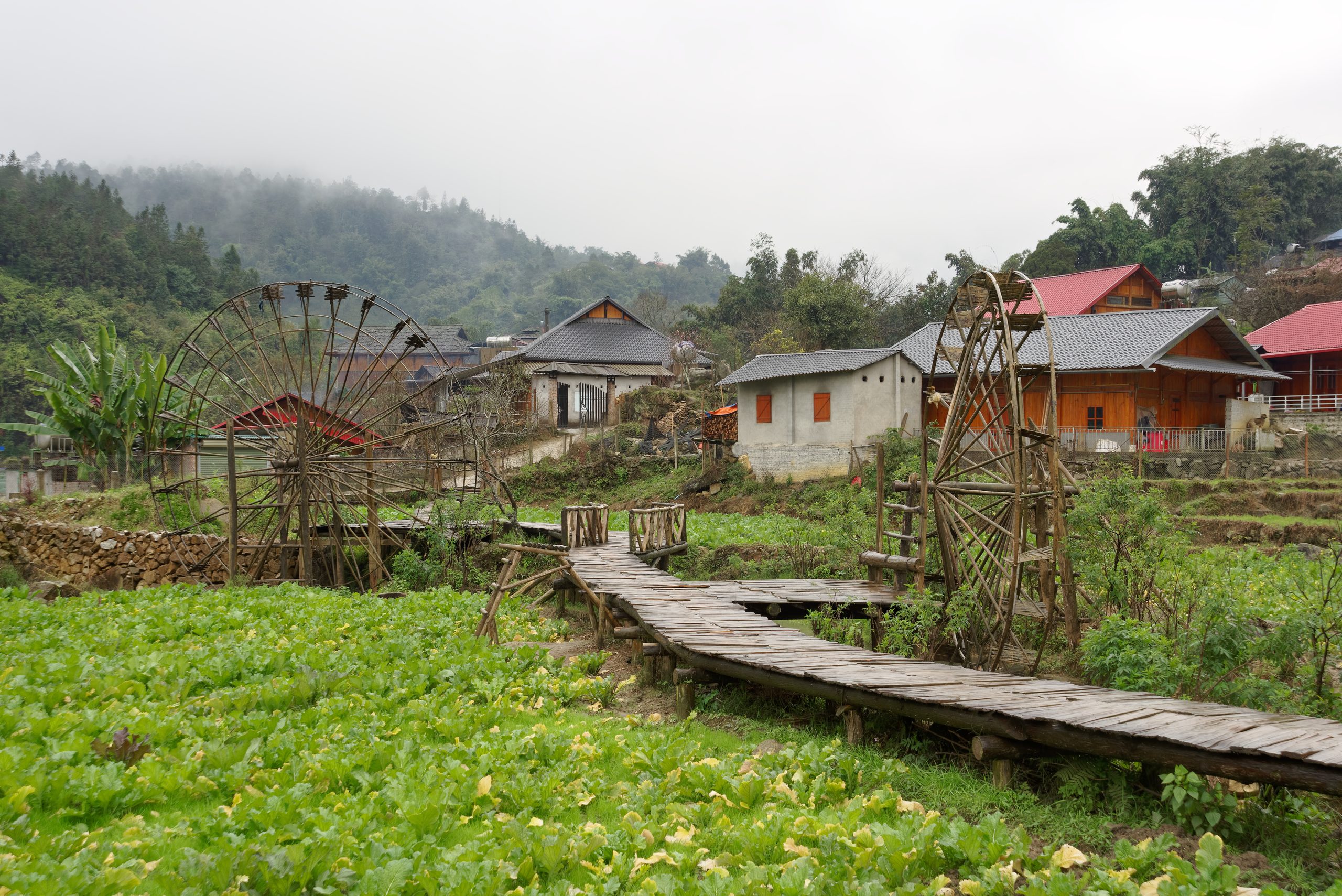
This is the day Sapa is famous for. The classic route drops from town through Y Linh Ho, crosses the Muong Hoa stream, and follows the valley floor through Lao Chai — the largest Black H’mong village on the route and the usual lunch stop — to Ta Van, a village of the Giay people with H’mong and Dao families besides. All in, it is ten to fourteen kilometres and four to six hours of walking: a net descent, but with steep, muddy sections that get properly slippery after rain.
Hire a local H’mong or Dao guide. The trails cross farmland and village land, fog can erase the path in minutes, and guiding fees go directly to the communities you are walking through. Ask before photographing people, dress modestly in the villages, take your shoes off when invited into a home, and buy crafts from the person who made them. The best-supported way to do this route is the small-group Muong Hoa Valley trek through Y Linh Ho, Lao Chai and Ta Van — a six-to-seven-hour guided day with lunch included, rated 4.8 out of 5 across more than 400 reviews. If you fall for the valley — many do — Ta Van is the village to return to for a homestay night on a longer trip.
Day 3: Fansipan, the Roof of Indochina
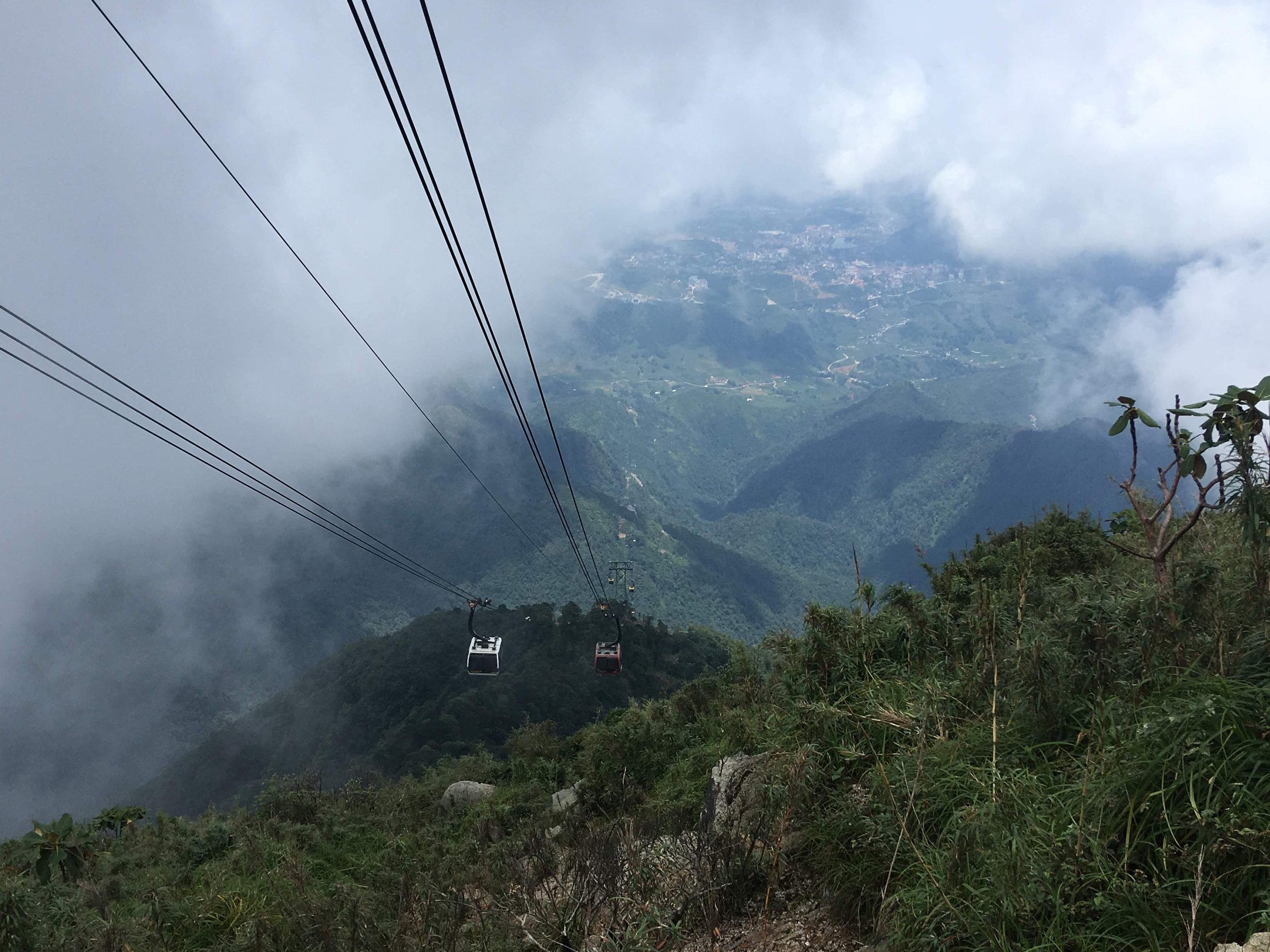
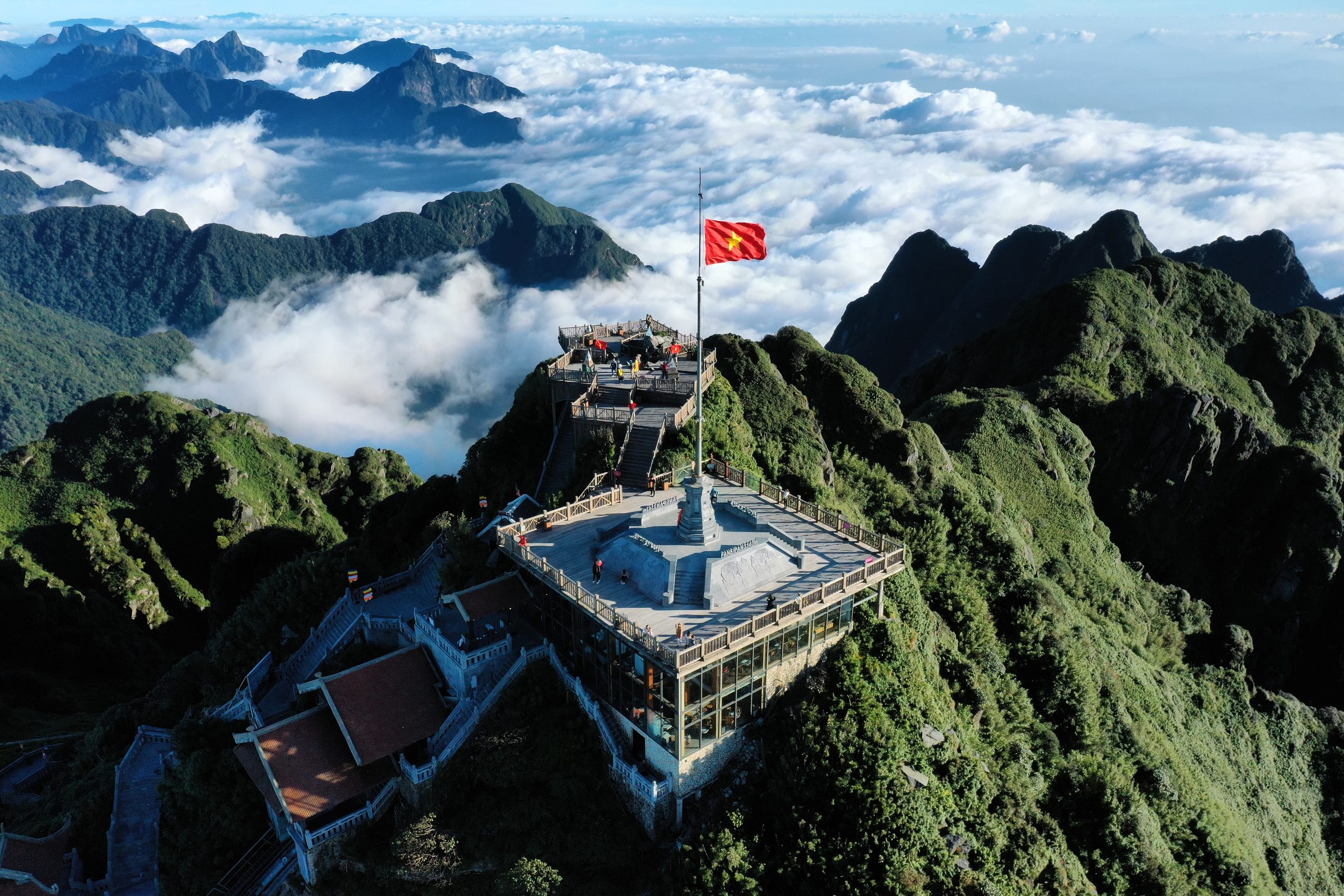
Fansipan stands 3,143 metres high by the figure on its summit marker (3,147.3 metres by the modern official survey) — the highest point in Vietnam, Laos and Cambodia combined. The cable car changed everything about reaching it. From the valley station, the three-rope Fansipan Legend cable car — 6.3 kilometres long, opened in 2016 — climbs 1,410 metres in fifteen to twenty minutes, and a return adult ticket costs 850,000 VND. A funicular runs from Sun Plaza in the town centre to the cable car station (around 200,000 VND return), and at the top you can either climb the roughly 600 stone steps to the summit temples or pay extra for the short summit funicular. Go early, go on the clearest morning of your three days, and take a warm layer: the summit is another world from the town, cold and windy even when Sapa is mild.
If you would rather not piece the tickets together yourself, the Fansipan cable car and spiritual complex tour bundles return transport from Sapa, the cable car ticket and a local guide into a four-hour trip, with free cancellation up to 24 hours ahead and a reserve-now-pay-later option.
The Sunday Swap: Bac Ha Market
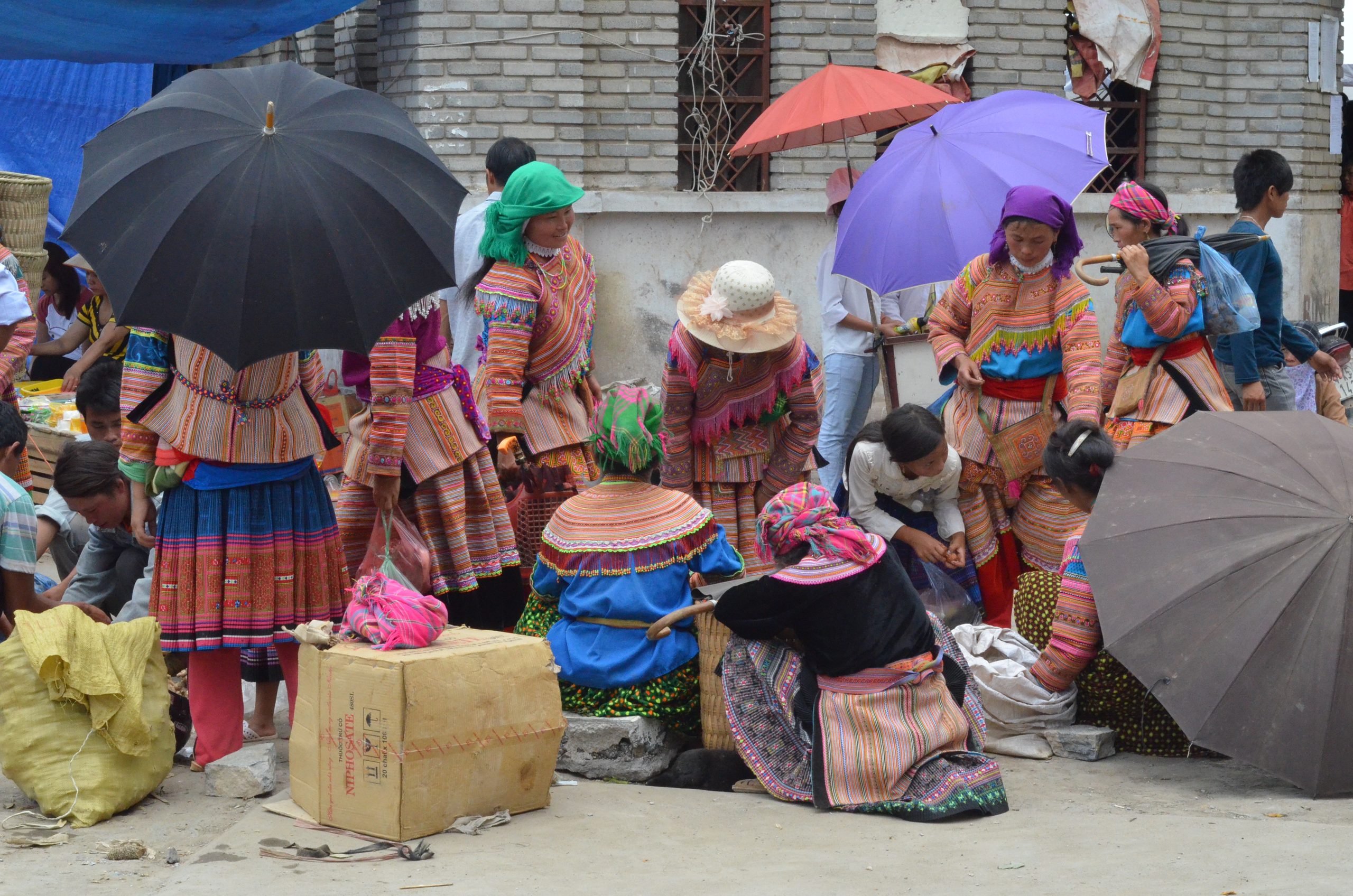
If your Day 3 falls on a Sunday, you have a genuine decision to make. Bac Ha, about 100 kilometres away (two and a half to three hours each way on mountain roads), hosts the largest highland market in the region every Sunday morning. Flower H’mong traders in brilliant embroidered dress sell brocade, livestock, farm goods and corn wine, and the market is busiest between 8:00 and 11:00am. It is a long day — expect nine to ten hours door to door — but it is the most colourful morning in northern Vietnam. The Bac Ha Sunday market day tour from Sapa handles the drive, adds a Flower H’mong village walk, and is rated 4.54 out of 5 from 86 reviews. If Day 3 is not a Sunday, Fansipan wins by default — and the waterfalls west of town (Silver Waterfall, about 12 kilometres out, and the forest walk to Love Waterfall beyond it) make a fine half-day alternative.
Practical Tips for Sapa
Pack for three climates. Town, valley and summit can differ sharply on the same day. Bring layers, a waterproof jacket year-round, broken-in waterproof trekking shoes with real grip, and a warm jacket, hat and gloves in winter — and for the Fansipan summit in any season. Sunscreen matters at altitude even under cloud.
Carry cash. Village entrance fees, shuttles and small purchases are cash-only in Vietnamese dong, and ATMs are only in Sapa town.
Skip the motorbike unless you are experienced. Rentals are cheap, but the roads are steep, winding, narrow and often foggy or muddy — the Lao Cai climb and the Bac Ha road especially. Taxis, shuttles and tours are the sensible default for first-timers.
Book the clear day, not the calendar day. Keep Fansipan flexible until you see the morning’s weather. A summit in white fog is an expensive cloud.
Keep Planning Your Vietnam Trip
Sapa pairs naturally with the capital before or after the mountains — see my Hanoi in 3 Days itinerary — and it belongs on any longer route through the country in the best Vietnam guides collection. For the wider region, the Southeast Asia guides hub links every itinerary, stay guide and tours roundup in this series. Three days in Sapa will show you terraces, villages and the roof of Indochina — and, if the clouds are kind, the finest mountain light in Vietnam.