
Can Tho is where the Mekong Delta slows down and shows you how it actually lives. This is the Delta’s largest city — locals call it Tay Do, the Western Capital — set on the south bank of the Hau River, about 170 kilometres southwest of Ho Chi Minh City. Travellers rush through on day trips, but the city’s whole rhythm is built around dawn on the water, and you only catch that rhythm if you stay. Three days gives you the great wholesale floating market at its sunrise peak, a second, smaller market most visitors never see, an islet where lunch is cooked one dish per household, and evenings on one of Vietnam’s loveliest riverfront promenades. November through April is the dry season, when the dawns are clearest and the canals easiest — the perfect window for a first visit.
Never forget a thing before you fly. My free 8-page Travel Planning Checklist walks you through the whole trip — 6 planning timelines, 36 checks, from booking windows to travel-day basics. One email, no spam, unsubscribe anytime.
Disclosure: This post contains affiliate links. If you book through one of these links, I may earn a commission at no extra cost to you.
Day 1: Cai Rang at Sunrise, Then the Riverfront City
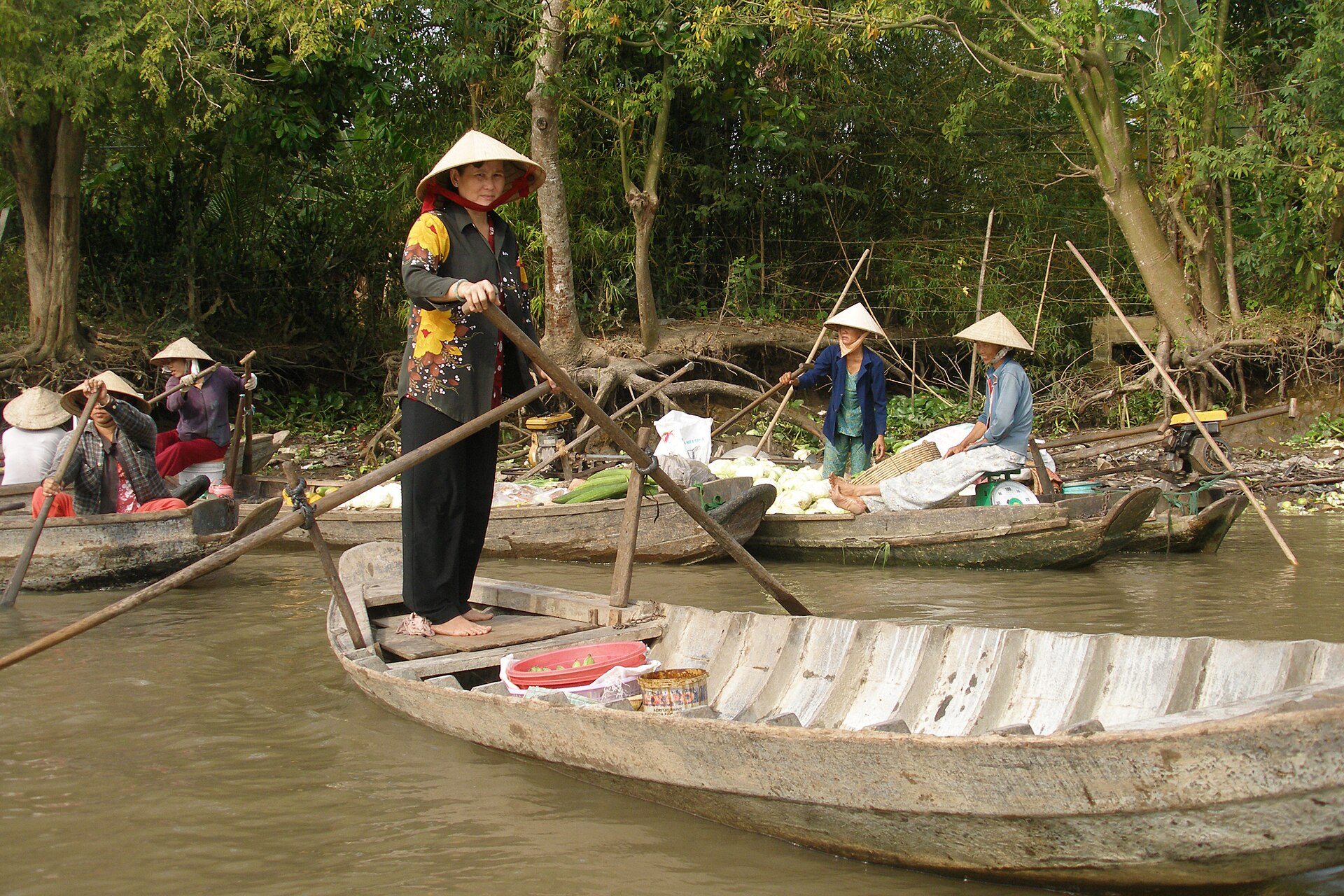
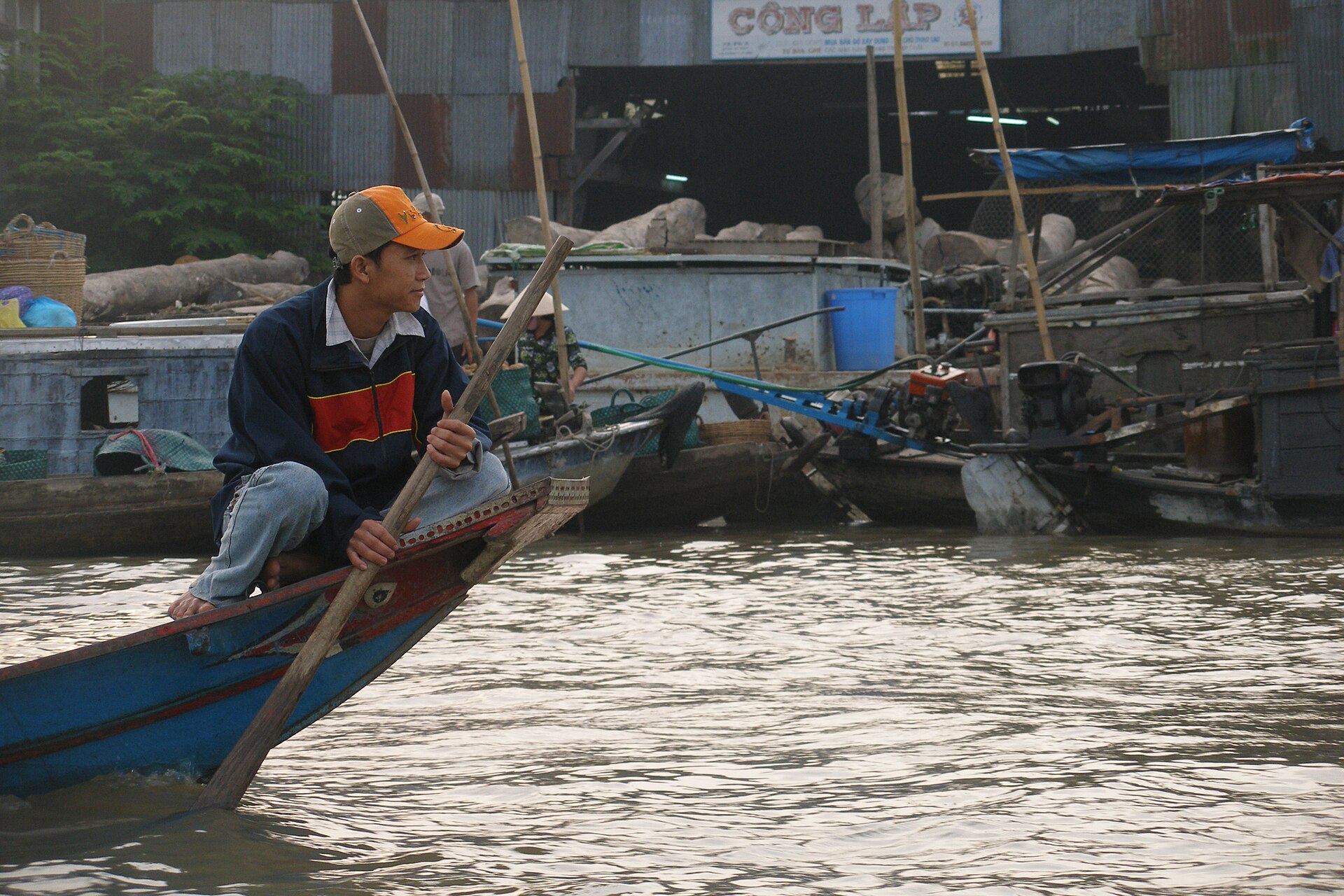
Set the alarm. Boats leave Ninh Kieu Wharf around 4:30am, and Cai Rang — the largest floating market in the Mekong Delta, about 6 kilometres and a 30-minute boat ride from the wharf — peaks between 5:00 and 7:30am. This is a wholesale market: big boats piled with pumpkins, pineapples, watermelons and sweet potatoes, each with a tall bamboo pole at the bow — a cay beo — hung with a sample of whatever that boat is selling. Smaller boats weave between them selling breakfast. Have yours on the water: a bowl of hu tieu noodle soup (around 40,000 VND), a wedge of pineapple, an iced coffee, eaten while the market trades around you. By 8:30am the wholesale rush is largely over, which is exactly why the day-trippers arriving mid-morning miss the point.
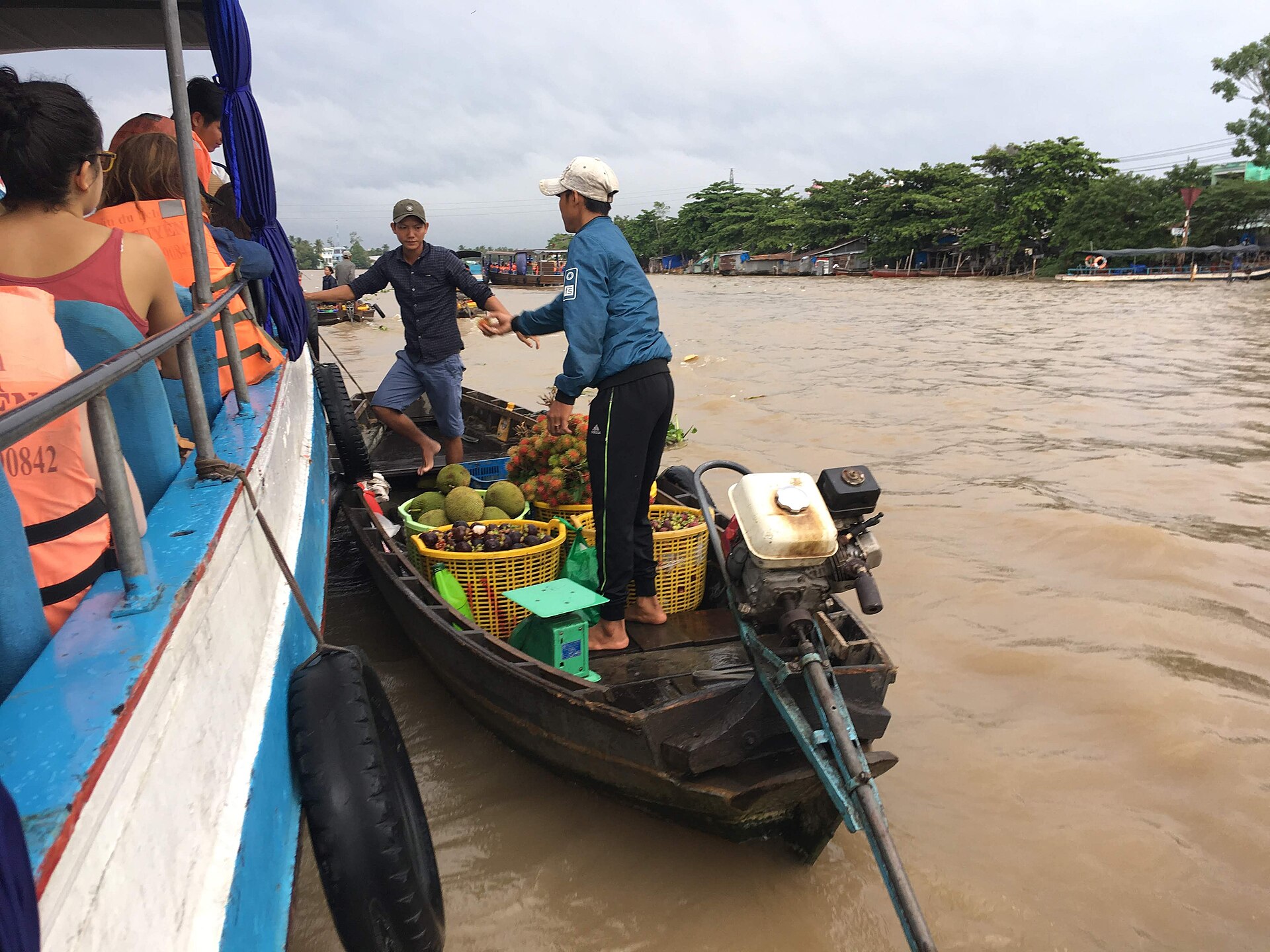
The simplest way to do this well is a small-group sunrise tour that strings together the market, a family hu tieu noodle workshop — where you can try the crispy deep-fried “hu tieu pizza” — and the Muoi Cuong cacao farm, finishing through a quiet hidden canal. This Cai Rang floating market, cacao farm and hidden canal tour (5.0 stars from 312 reviews, free cancellation to 24 hours before) includes Can Tho hotel pickup, so the 4:30am start is painless. Prefer to go independently? Private boats from Ninh Kieu run roughly 400,000–600,000 VND per boat for two to three hours; agree the route and price before you cast off.
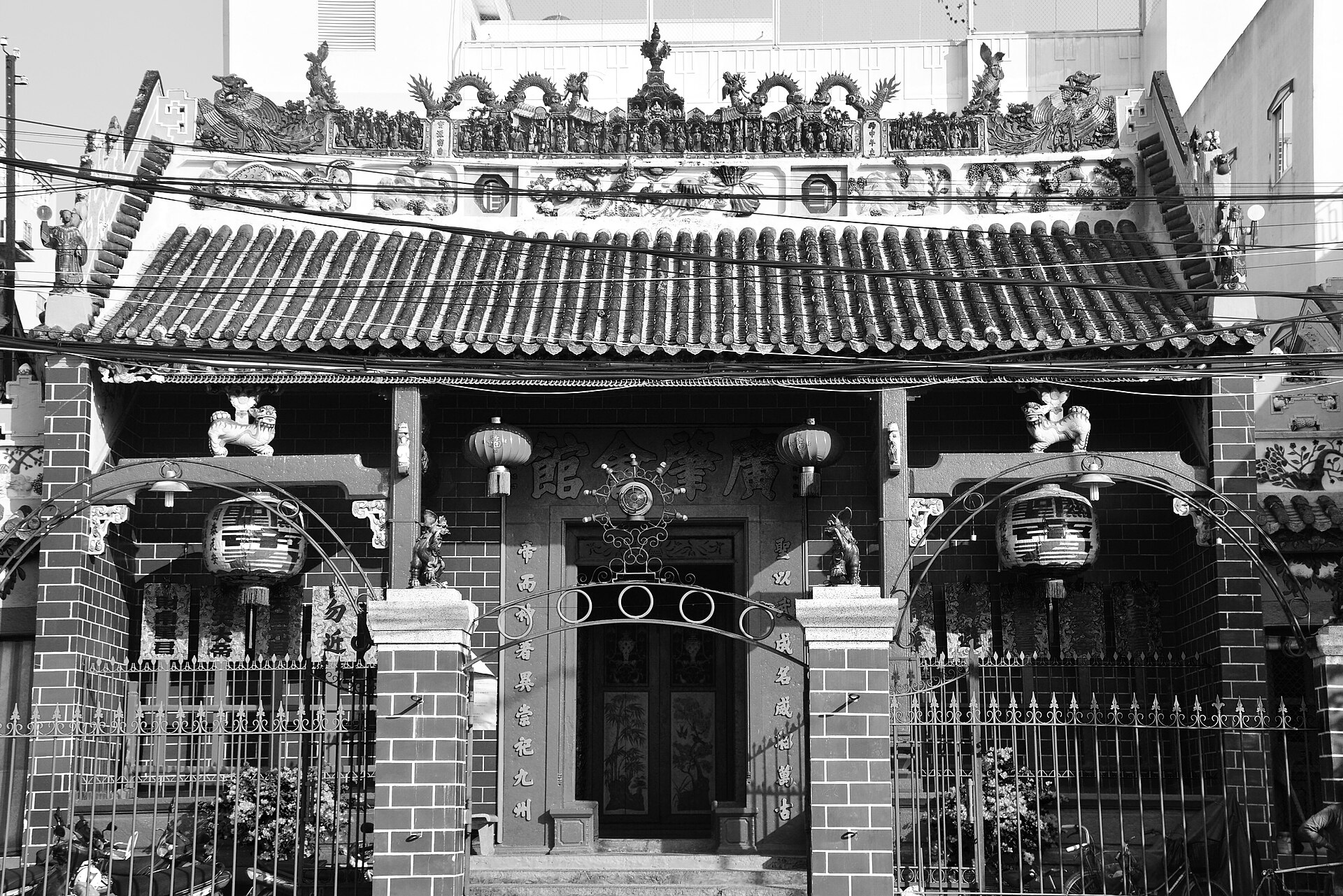
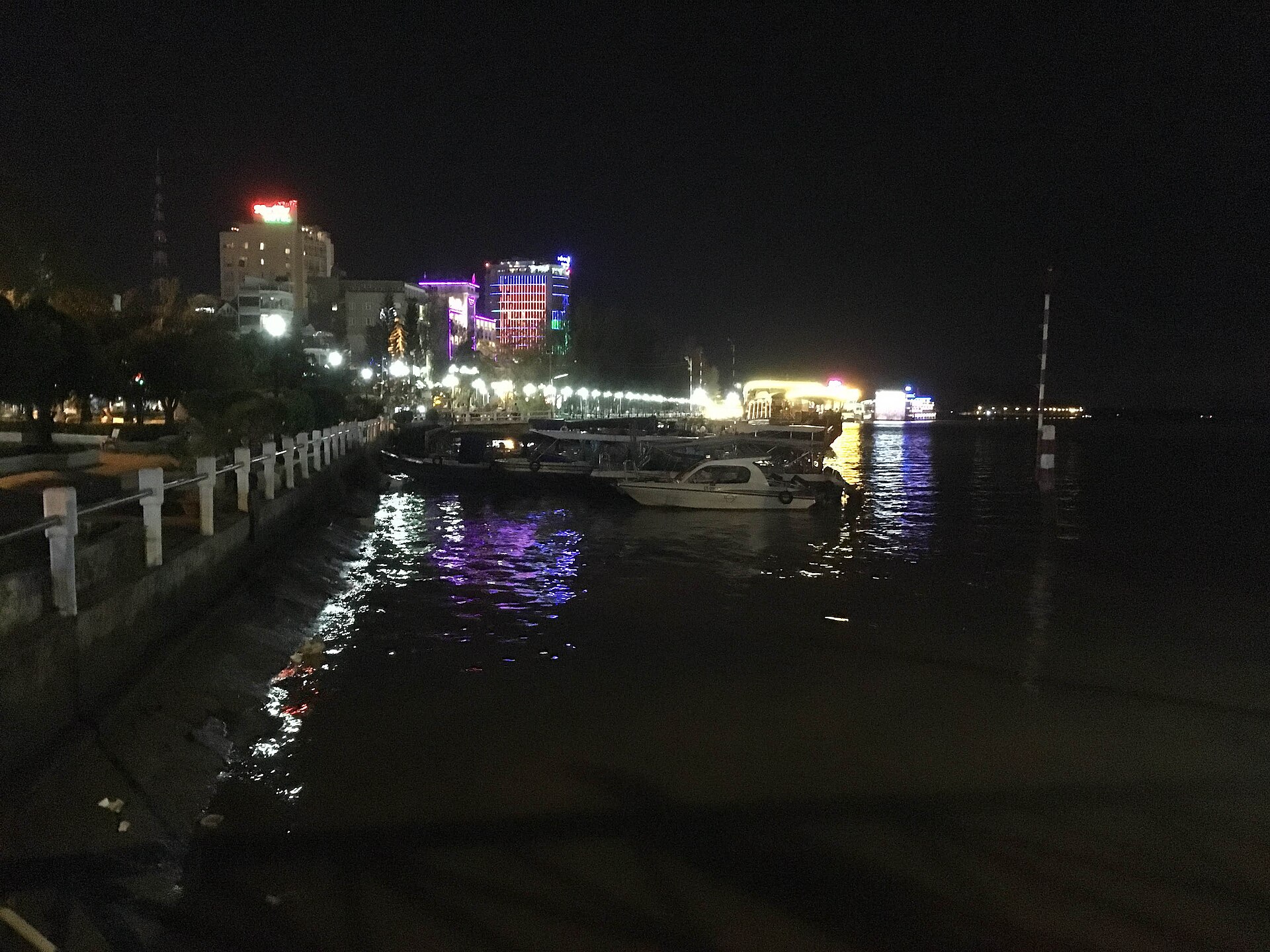
Back in the city by mid-morning, walk it off in the Ninh Kieu district. The free riverfront promenade sits where the Can Tho River meets the Hau, and a short stroll inland brings you to Ong Pagoda at 32 Hai Ba Trung Street — a Cantonese assembly hall built in 1894–1896, dedicated to Quan Cong and thick with hanging incense coils. Entry is free. From there, the Can Tho Museum on Hoa Binh Avenue is the largest museum in the Delta, covering Oc Eo culture and the region’s Kinh, Hoa and Khmer communities — but note it is closed on Mondays and Fridays, so swap it to Day 3 if your first day falls on one.
Spend the late afternoon out at Binh Thuy Ancient House on Bui Huu Nghia Street, the Duong family’s French-colonial-meets-Vietnamese home (origins 1870, the present house built 1904–1911) that appeared in the film The Lover. Entry is a small fee — sources vary between about 15,000 and 40,000 VND, so carry small notes. Then head back to Ninh Kieu for the night market on Hai Ba Trung Street, which runs from about 5pm into the late evening with most dishes between 15,000 and 50,000 VND. Order banh cong — a Khmer-origin savoury cake of mung bean, pork and shrimp fried in a small mould — and nem nuong Cai Rang, grilled pork sausage rolled up with herbs and rice paper. Dinner cruises also leave the wharf around 7–9pm if you want the river lit up with your meal.
Day 2: Con Son Islet and the Slow Delta
Day 2 belongs to Con Son, a green islet of about 70 hectares and fewer than 100 households sitting in the Hau River, just a 5–10 minute ferry ride from Co Bac Wharf. Con Son runs on community tourism: instead of one resort, the households share the visitors between them. You feed the fish at the Bay Bon floating fish farm, walk orchard paths between rambutan and pomelo trees, watch the islet’s famous flying snakehead fish leap out of the water for food, and sit down to a community lunch where each household contributes one dish.
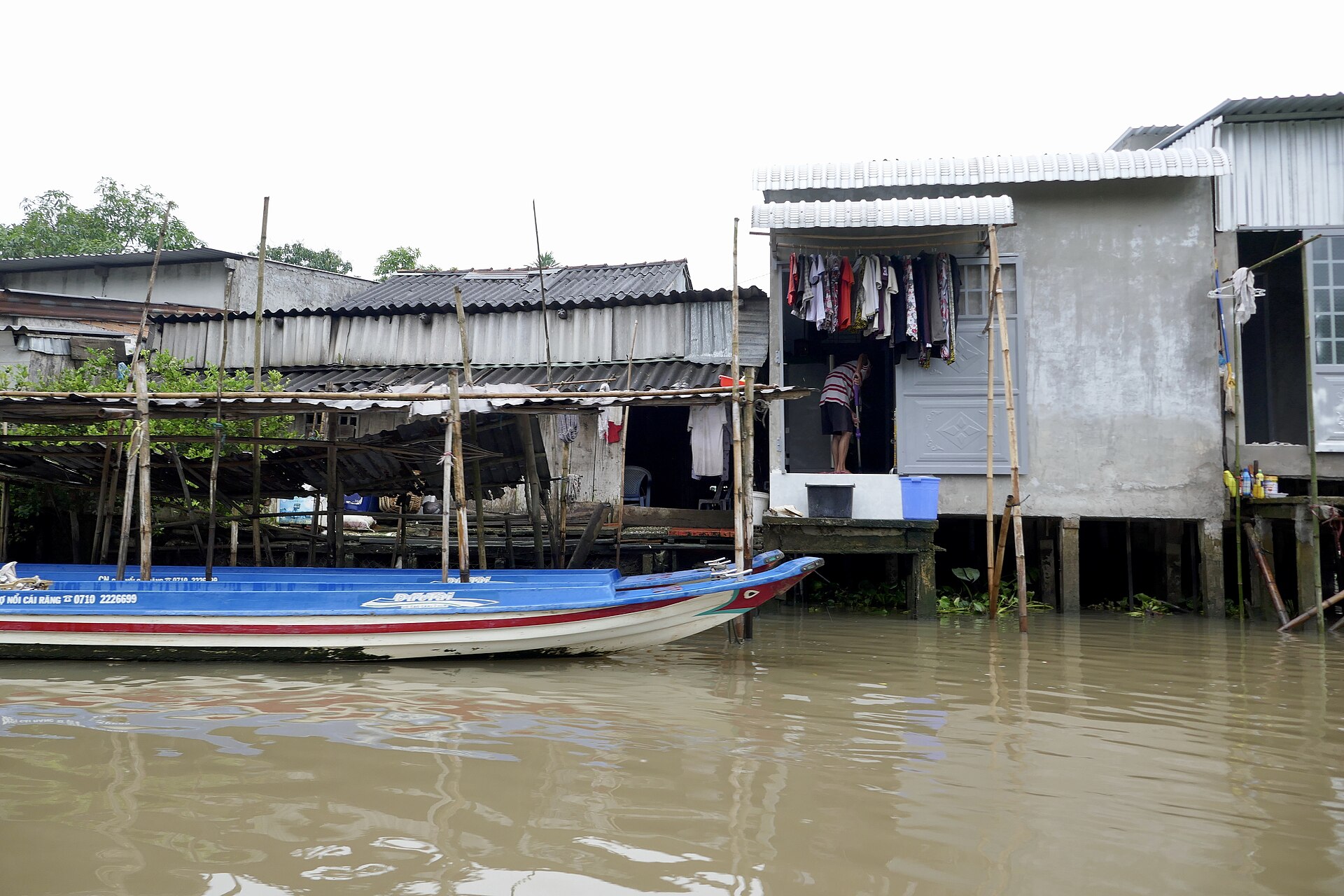
The easiest way in is with the islet’s own guides: this Con Son islet tour with local cake making (5.0 stars, about four hours) covers the fish farm, the fruit garden and the flying fish, and finishes with you making traditional cakes alongside a local family. Go in the morning, while the orchards are cool and the lunch that follows is the day’s main event.
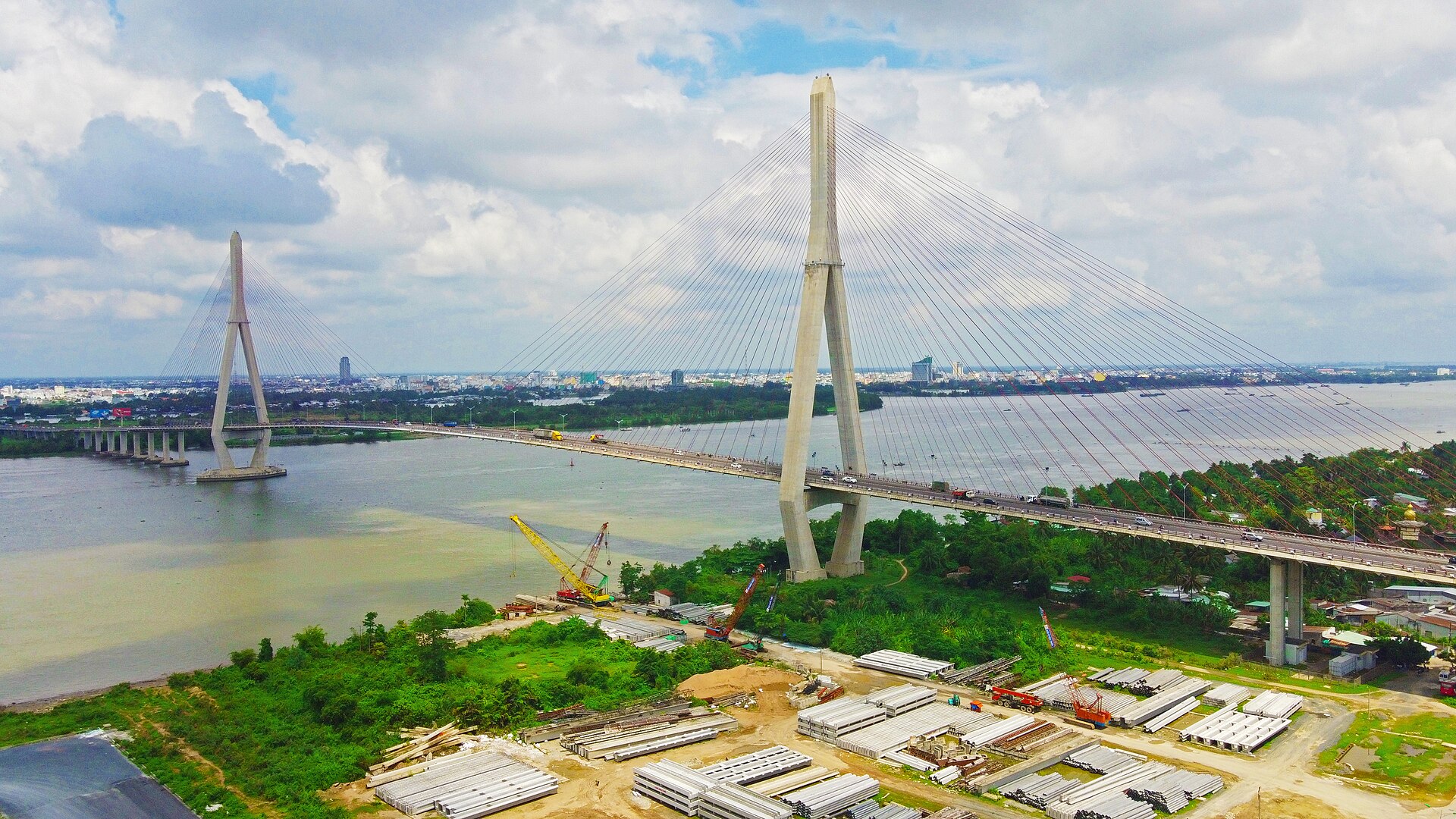
With the afternoon free, choose your pace. Truc Lam Phuong Nam Monastery, about 15 kilometres out in My Khanh, Phong Dien, is the largest Zen monastery in the Delta — built in 2013–14 in Ly–Tran dynasty style around a 3.5-ton bronze Buddha, and free to enter. Nearby, the Gian Gua relic hides under a giant banyan canopy of roughly 2,700 square metres; this grove sheltered a secret Liberation Army base and was named the Mekong Delta’s first Heritage Tree in 2013. Or simply return to the riverfront, find a coffee with a Hau River view, and watch the cargo boats slide past beneath Can Tho Bridge, the great cable-stayed span over the Hau that is described as the longest of its kind in Southeast Asia.
Day 3: Phong Dien’s Dawn Market and the Orchard Belt
One more early start, and this one is different in character. Phong Dien floating market, about 17 kilometres from the centre, is a retail market — small boats selling to local households rather than wholesale barges — and it peaks even earlier, roughly 4:30 to 6:30am. Be honest with your expectations: on some dawns there may be only a handful of boats, a sign of how Delta trade has shifted to the roads. Go for the intimacy, not the spectacle — this is the market as locals still use it, and combined with Cai Rang it shows you both ends of a tradition that is quietly fading.
Phong Dien is also the Delta’s fruit belt. Orchards here grow the signature Ha Chau langsat alongside durian, rambutan and mangosteen — the full fruit season peaks June to August, but the orchard lanes, canals and garden cafes are a pleasure in the dry season too. On the way back into the city, stop at My Khanh Tourist Village (founded 1996) for orchard walks and Don Ca Tai Tu folk music, or use the morning for the Can Tho Museum if it was closed on Day 1. Finish with a proper Delta lunch: lau mam, the bubbling hotpot built on fermented fish, is the dish the region is proudest of, and a banh xeo — the Delta’s version is enormous, crisped with coconut milk — makes the perfect final plate.
Getting to Can Tho and Getting Around
There is no flight from Ho Chi Minh City — the cities are close, and the road is the way. Buses leave Ben Xe Mien Tay (the Western Bus Station) every 15–30 minutes around the clock; FUTA (Phuong Trang) is the name most travellers use, fares run roughly 150,000–250,000 VND, and the ride takes about 3.5 hours. Overnight buses are timed so you can arrive, drop your bag and still make the dawn market. Can Tho International Airport (VCA), 8–10 kilometres from the centre, has direct flights from Hanoi (about 2 hours 10 minutes) and Da Nang (about 1 hour 30 minutes) — handy if you are pairing the Delta with the north. In the city, Grab cars and bikes are the default, Mai Linh and Vinasun taxis are reliable, and everything on the water starts from Ninh Kieu Wharf.
Coming from Saigon without staying over? It is possible, just long: this Mekong day tour to Cai Rang with pickup in Ho Chi Minh City (4.9 stars from 123 reviews, free cancellation to 24 hours before) runs the same market-cacao-canal route as a day trip. But if you can, sleep in Can Tho — the market belongs to the people who are on the water before the tour buses leave Saigon.
When to Go and How Can Tho Fits a Vietnam Trip
The dry season, December to April, brings the clearest dawns and easiest travel. June to August is fruit season in the orchards. September to November is the floating season, when rising water reshapes Delta life — atmospheric, but October is the wettest month. Whenever you come, build the trip around early mornings and slow afternoons; Can Tho rewards travellers who do less, earlier.
Can Tho pairs naturally with a few days in the south’s big city — my Ho Chi Minh City in 3 Days itinerary is the obvious companion — and it now takes its place in the best Vietnam guides collection alongside Hanoi, Da Nang, Hue and Phu Quoc. For the wider route, browse the best Southeast Asia guides to chain the Delta into a longer trip. Stay guides and a dedicated tours guide for Can Tho will follow in this cluster — for now, set the alarm, get on the water, and let the Delta set the pace.