
Most visitors meet Ninh Binh at 9am, from a tour bus, and leave by dinner — and that is exactly why you should stay. About 95 kilometres south of Hanoi, this is the landscape people call “Ha Long Bay on land”: limestone karsts rising straight out of rice paddies and slow rivers, rowed boats slipping through caves, and temples tucked against the cliffs. It was also Vietnam’s capital a thousand years ago. Three days turns a rushed photo stop into something far better — sunrise over the Tam Coc valley with nobody else on the steps, a quiet boat through a UNESCO-listed wetland, and a day in Vietnam’s oldest national park. Here is how to do it well.
Never forget a thing before you fly. My free 8-page Travel Planning Checklist walks you through the whole trip — 6 planning timelines, 36 checks, from booking windows to travel-day basics. One email, no spam, unsubscribe anytime.
Disclosure: This post contains affiliate links. If you book through one of these links, I may earn a commission at no extra cost to you.
Getting to Ninh Binh and Choosing Your Base
Ninh Binh is one of the easiest escapes from the capital. Limousine vans and buses run from Hanoi in about two hours (longer in bad traffic), trains from Hanoi station reach Ninh Binh city in roughly two to two and a half hours, and private cars use the expressway south. If you are pairing this with the capital, my Hanoi in 3 Days itinerary is the natural first half of the trip.
Where you sleep changes the trip. Base in Tam Coc village if you want the postcard version: small hotels and homestays among the paddies, restaurants on one main street, and Mua Cave and the Tam Coc boats a short cycle away. Base in Ninh Binh city if trains and early starts matter more — it is practical rather than pretty, about 15–20 minutes by taxi from Tam Coc. Either way, rent a bicycle. The country lanes between the sights are flat, quiet and half the pleasure.
When to Go
September to November brings the clearest skies and cooler air — the safest all-round window. Late May into June is the famous one: the rice in the Tam Coc valley turns gold just before harvest, and the boat ride becomes a tunnel of yellow. March and April are warm and green. December to February can be grey and chilly, and Bai Dinh Pagoda is at its busiest — and most atmospheric for pilgrims — during the spring festival season in the first months of the lunar year. Whenever you come, start boat rides and viewpoints early: the Hanoi day-trip crowds arrive from about 9am and leave by 4pm, and staying overnight puts you outside both waves.
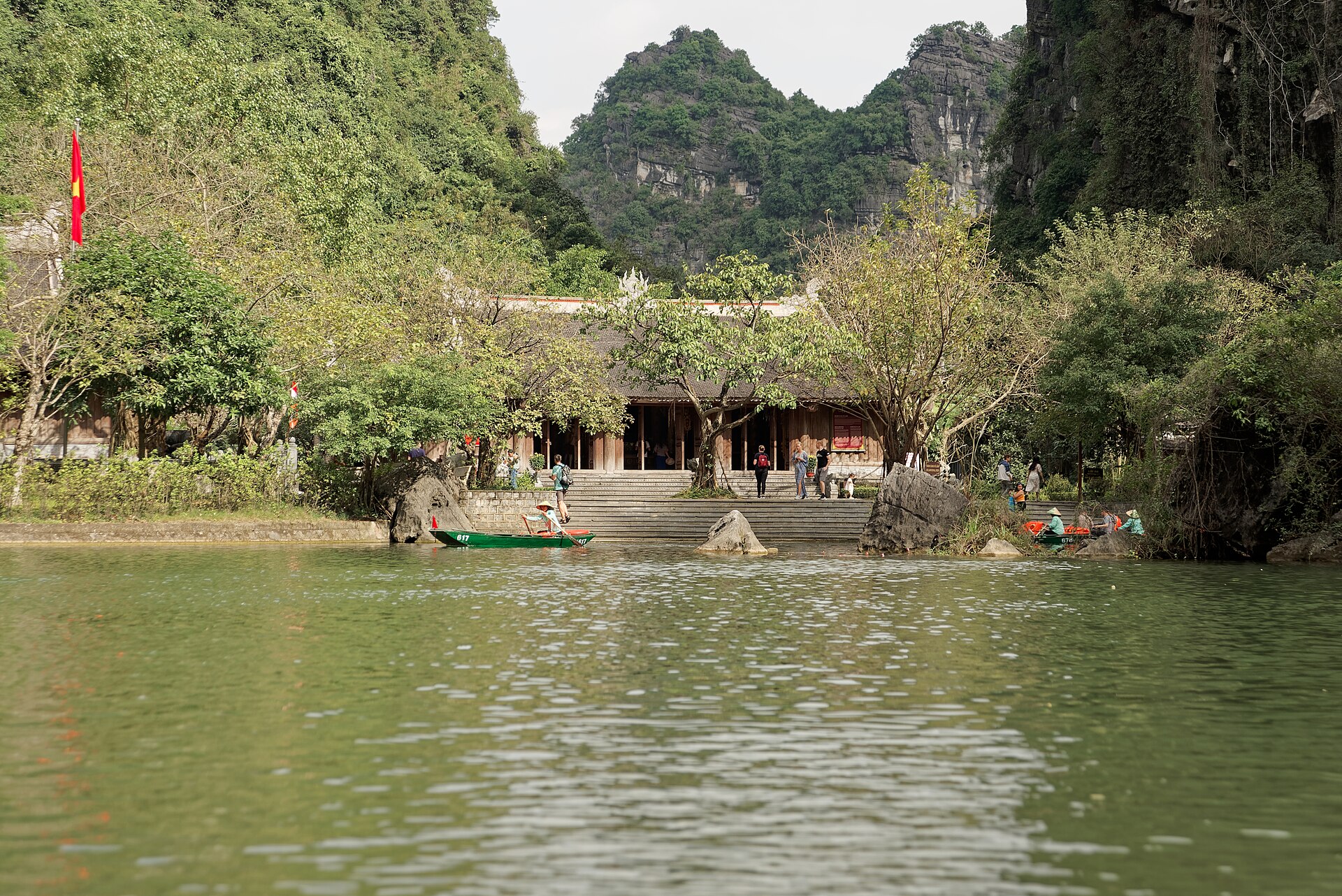
Day 1: Tam Coc, Bich Dong and the Mua Cave Viewpoint
Start with the gentler of Ninh Binh’s two great boat rides. At Tam Coc — the name means “three caves” — a local rower takes you down the Ngo Dong River for about an hour and a half to two hours, through three low cave tunnels and past karst cliffs and rice fields. The boat ticket is about 250,000 VND per person; go before 9am and you may have the river almost to yourself. One honest warning, repeated by almost every guidebook for a reason: agree any extra costs before you set off, and do not feel obliged to buy drinks or embroidery for your rower mid-river.
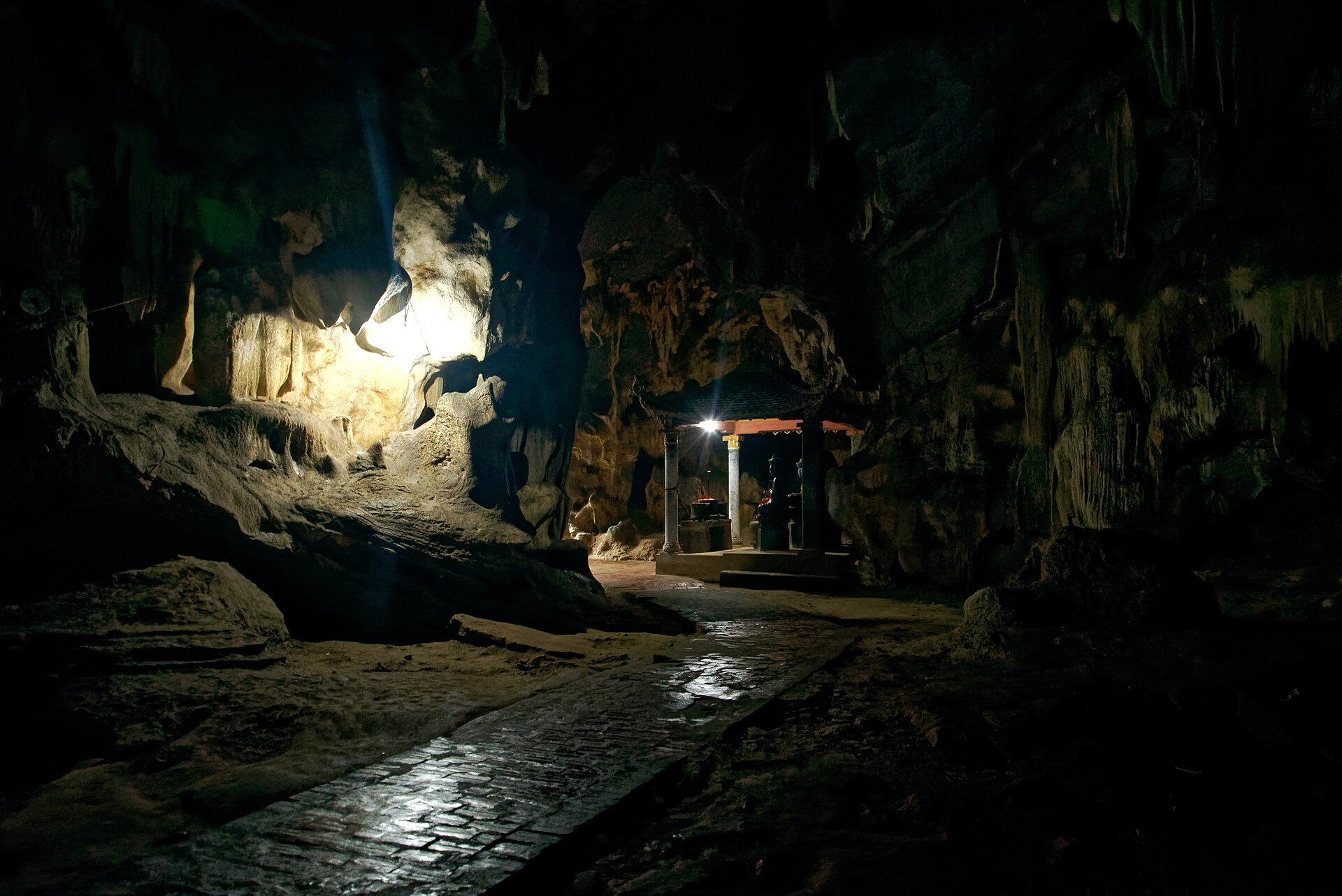
From the pier, cycle about two kilometres to Bich Dong Pagoda, a three-level pagoda built into a limestone mountain — lower, middle and upper temples linked by stone steps, with a dark cave sanctuary in the middle level and a fine view from the top. It is small, shaded and usually far quieter than the headline sights.
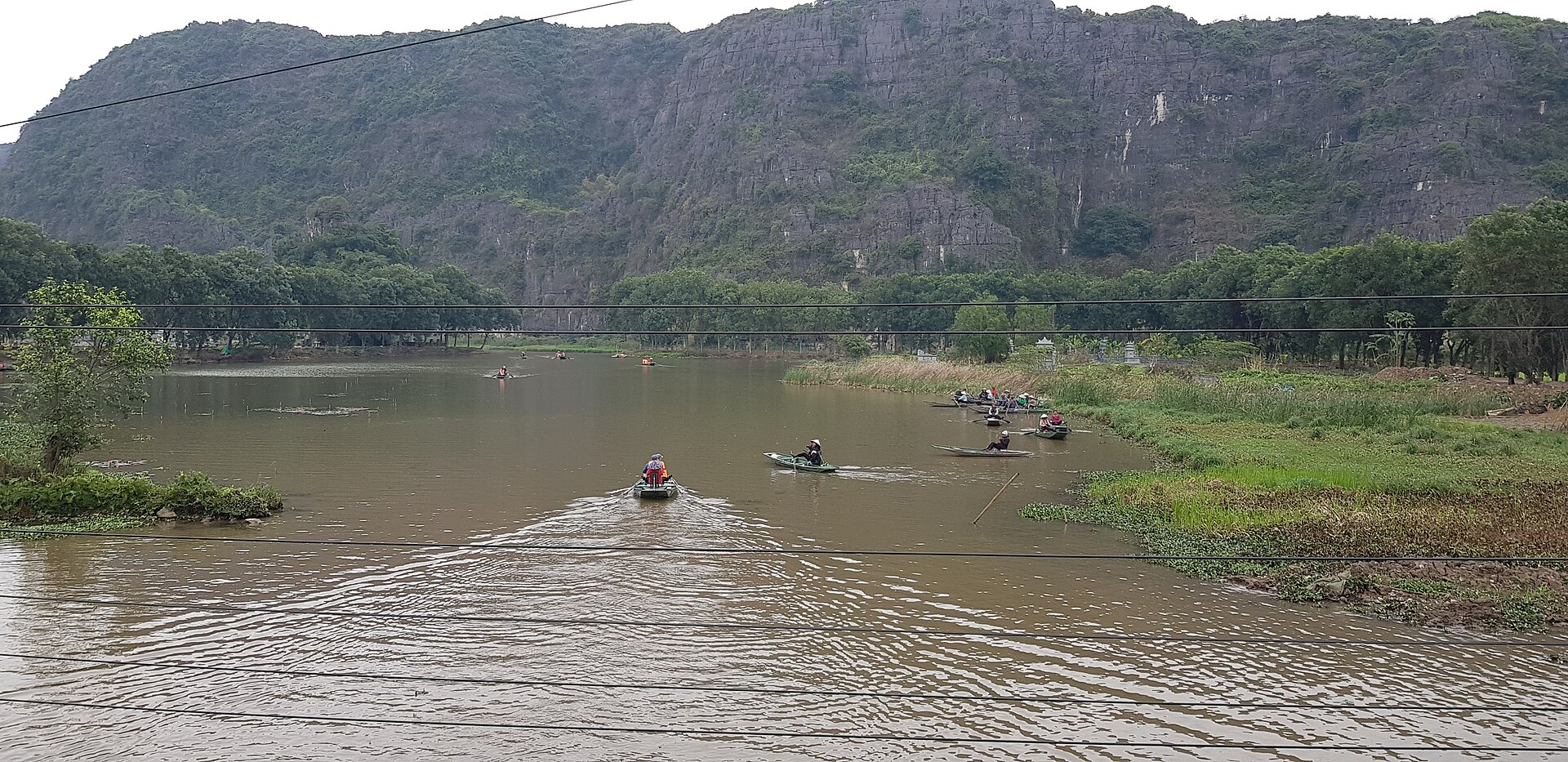
Save the day’s big climb for late afternoon. Mua Cave (Hang Mua) is less about the cave at its base than the staircase above it: roughly 500 stone steps up Lying Dragon Mountain to a ridge crowned with a stone dragon, looking down over the whole Tam Coc valley and the river bending through the paddies. Entry is about 150,000 VND. Sunset light is superb, but if you want the viewpoint nearly empty, repeat the climb at sunrise on Day 2 instead — one of the real dividends of staying overnight. If you would rather have the logistics handled on a first day, the small-group Ninh Binh day tour covering Hoa Lu, a Trang An or Tam Coc boat ride and Mua Cave is the best-rated version of this circuit, with a choice of boat ride built in.

Day 2: Trang An by Boat and Hoa Lu, the First Capital
Today is the headline act. The Trang An Landscape Complex was inscribed by UNESCO in 2014 as a mixed cultural and natural World Heritage site — rare in Southeast Asia — recognised both for its karst geology and for evidence of human habitation stretching back tens of thousands of years. The boat ride (about 300,000 VND, roughly three hours depending on route) is longer and more varied than Tam Coc: rowers take you through a chain of lagoons and low caves, stopping at temples on tiny islands. Choose Trang An over Tam Coc if you only do one long boat ride; do both, on different days, if boats are your thing — they are genuinely different, caves and temples here, open rice fields there.
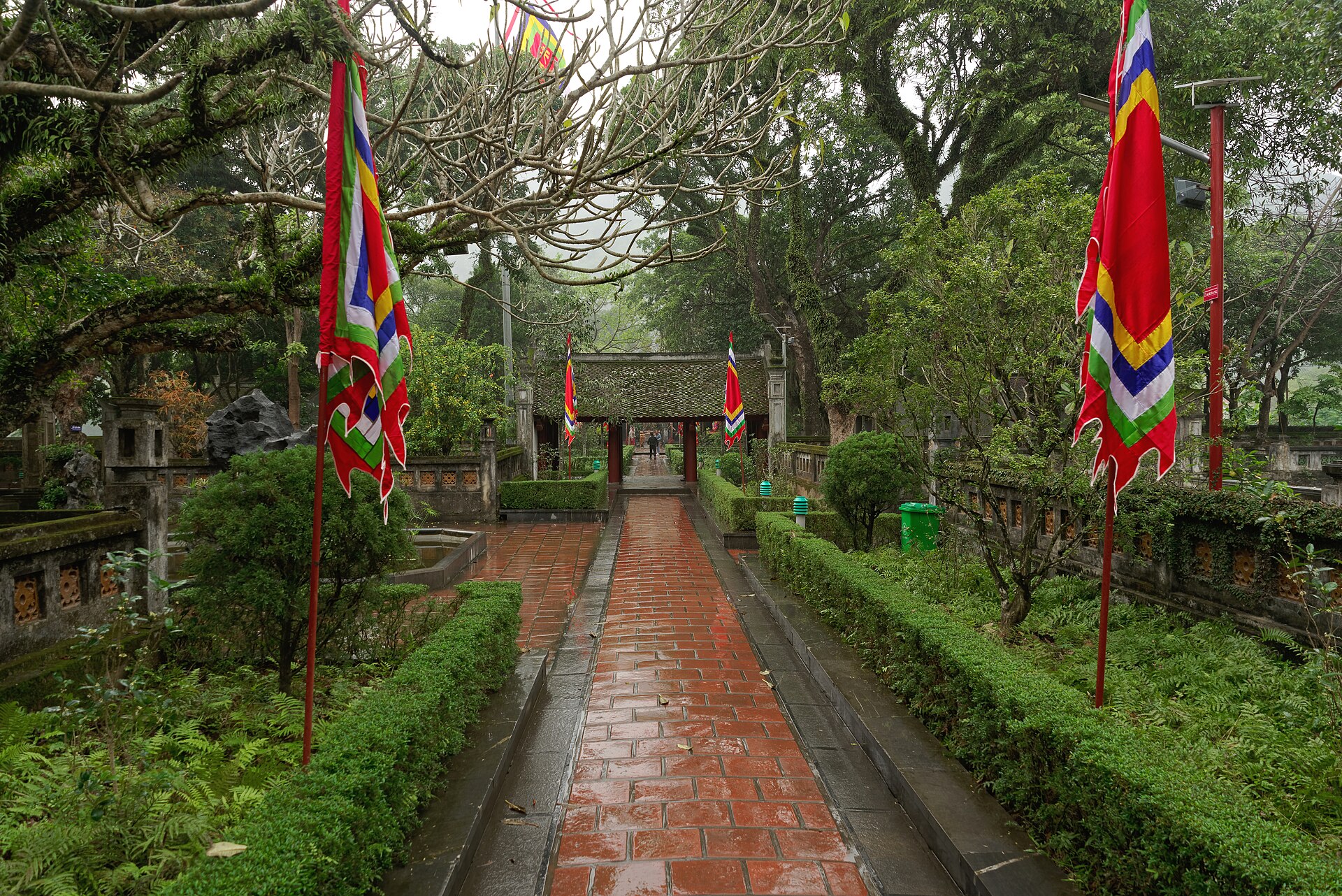
Ten minutes away stands Hoa Lu, Vietnam’s capital from 968 to 1009 under the Dinh and early Le dynasties, before the court moved to what is now Hanoi. Little of the palace survives, but the temples to Emperor Dinh Tien Hoang and Emperor Le Dai Hanh — rebuilt in later centuries on the old grounds — sit in a walled valley beneath the karsts, and a good guide (or a slow hour with the site panels) turns two temple courtyards into the founding story of an independent Vietnam. Pair it with the guided version if history is your priority: the Bai Dinh, Trang An and Mua Cave day tour covers this northern cluster in one well-reviewed day, though staying locally lets you split it at a gentler pace.
Day 3: Cuc Phuong, Vietnam’s First National Park
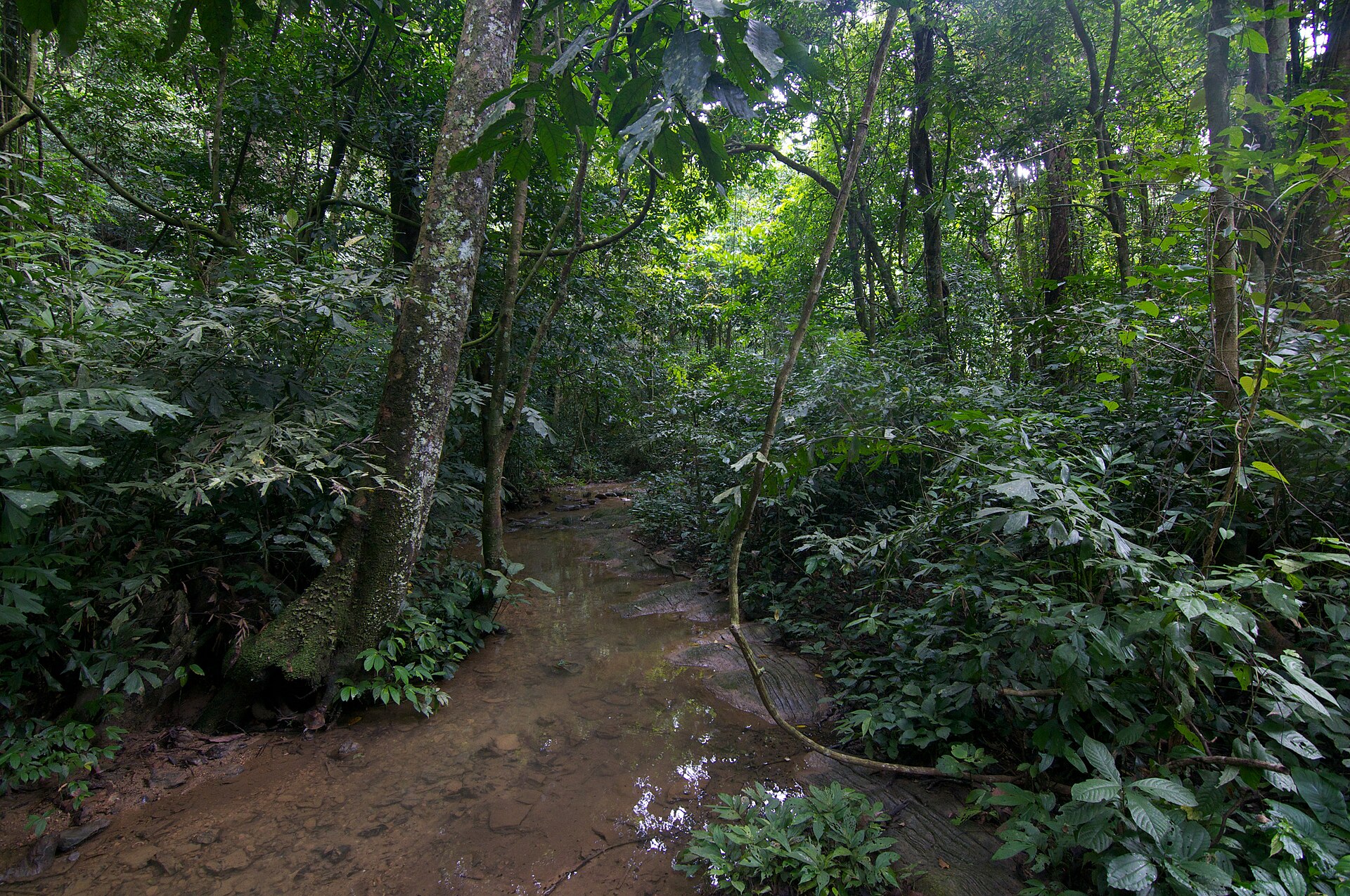
Change the scenery completely. About 45 kilometres west of Ninh Binh city, Cuc Phuong was established in 1962 as Vietnam’s first national park — some 22,000 hectares of tropical forest growing over limestone hills. Start at the Endangered Primate Rescue Center, home to more than 150 primates from around 15 endangered species, including Delacour’s langurs, gibbons and lorises, where keepers explain the rescue, breeding and release work. Then visit the Cave of Prehistoric Man, where remains and tools dating back roughly 7,000–12,000 years were found, and walk the forest trail to the park’s great ancient tree. The small-group Cuc Phuong jungle hike day tour, with pickup in Ninh Binh, Tam Coc or Trang An, strings all three together with a local guide — useful here, because the park is spread out and the wildlife interpretation is the point. Wear long trousers and closed shoes, and bring insect repellent: in the wet months the forest trails can mean leeches.
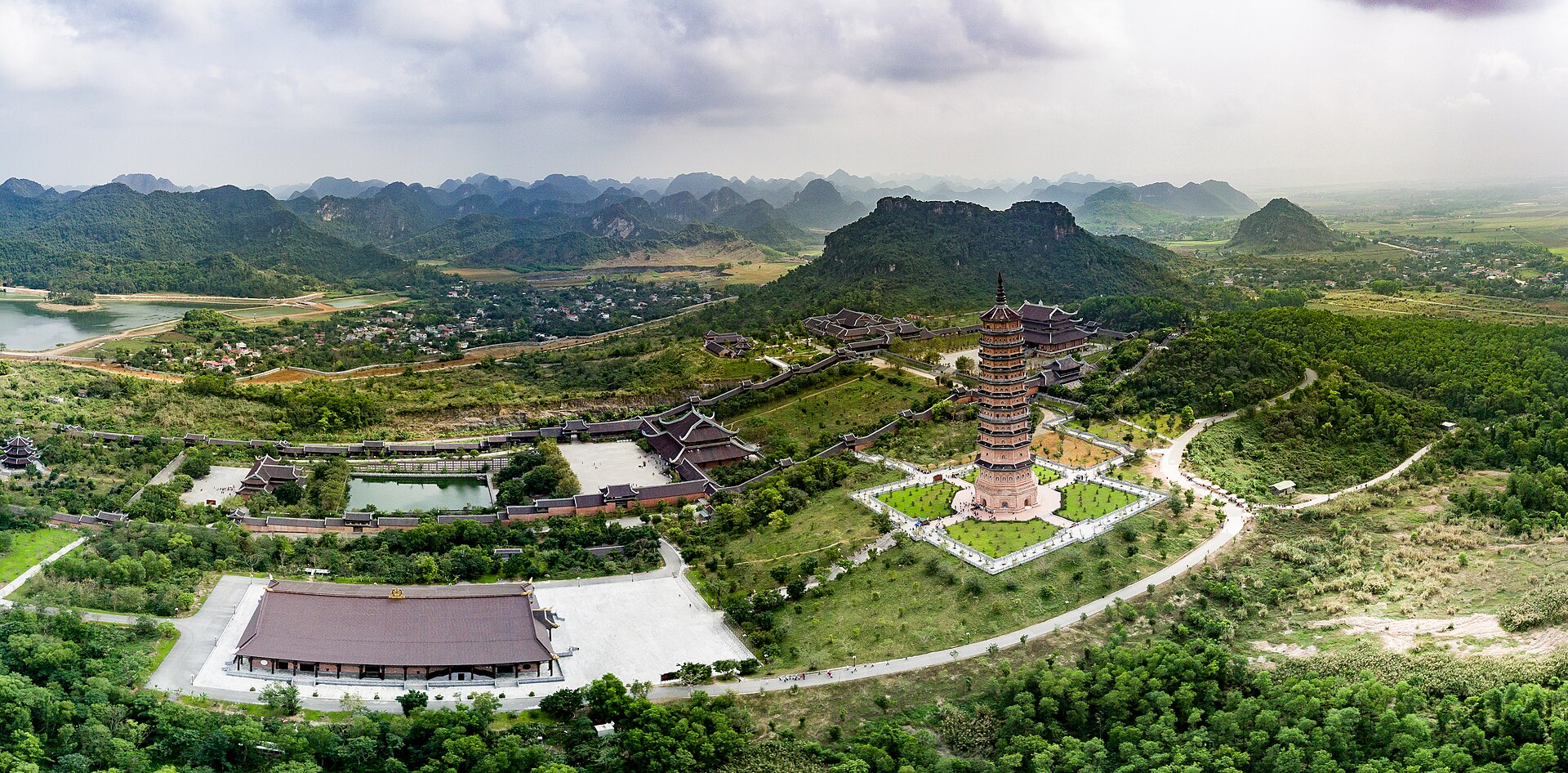
The swap option: if temples matter more to you than jungle, trade Day 3 for Bai Dinh Pagoda, about 15 kilometres from Ninh Binh city. It is Vietnam’s largest Buddhist complex: an ancient cave pagoda founded in the 11th century below a vast modern complex built from 2003, with a corridor of 500 stone arhat statues, a 36-tonne bronze bell and a 10-metre, 100-tonne bronze Buddha. Entry to the grounds is free; you pay for the electric cart and any tower entry. Give it two to three hours, not forty minutes.
Practical Tips That Make the Trip
Cash and tickets. Boat, cave and parking fees are mostly cash in Vietnamese dong, and prices at the main sites have risen in steps in recent years — treat the figures above as current guide prices and check the counter on the day. Boats. Trang An is the more organised system; at Tam Coc, keep small notes handy and politely decline mid-river sales pitches. Getting around. Cycle between Tam Coc, Bich Dong and Mua Cave; use taxis or a hired car for Trang An, Hoa Lu, Bai Dinh and Cuc Phuong, which spread wider. Food. Ninh Binh’s signature dish is goat (dê núi), served grilled, in hotpot or with the local crispy-rice speciality, cơm cháy — Tam Coc’s main street is the easy place to try both. Onward travel. Ninh Binh sits on the north–south railway, so sleeper trains south toward Hue and Da Nang are a natural next step, while buses and vans return to Hanoi throughout the day.
The Bottom Line
Ninh Binh rewards anyone who gives it nights instead of hours. Three days lets you ride both rivers at their quietest, climb for the valley view twice if you want it, stand where Vietnam’s first emperors ruled, and walk in the country’s oldest national park — all two hours from Hanoi. It pairs beautifully with the capital and with the mountains of the north in my Sapa in 3 Days itinerary, and you will find both in our growing Vietnam guides collection. Go in the golden weeks of late May or the clear days of autumn, start early, and let the day-trippers have the midday crowds.