
Sapa does not hand you its best days from the town square. The terraces, the summit and the great Sunday market all sit beyond the last guesthouse — down muddy valley trails, up a 6.3-kilometre cable car, or three hours away on mountain roads. The best tours in Sapa are the ones that solve those logistics honestly: a local guide on the trails that cross private farmland, a bundled ticket for the peak that disappears into cloud by noon, and a driver for the market that only exists one morning a week.
Never forget a thing before you fly. My free 8-page Travel Planning Checklist walks you through the whole trip — 6 planning timelines, 36 checks, from booking windows to travel-day basics. One email, no spam, unsubscribe anytime.
This guide compares the three Sapa tours I would actually book in 2026 — the Fansipan cable car trip, the classic Muong Hoa Valley village trek, and the Bac Ha Sunday market day trip. Each was re-checked for live availability, ratings and price before it made this list. If you are planning the wider trip, pair this with my Sapa in 3 Days itinerary and my guide to where to stay in Sapa — a town-centre base makes every one of these early starts easier.
Disclosure: This post contains affiliate links. If you book through one of these links, I may earn a commission at no extra cost to you.
How to Choose a Tour in Sapa
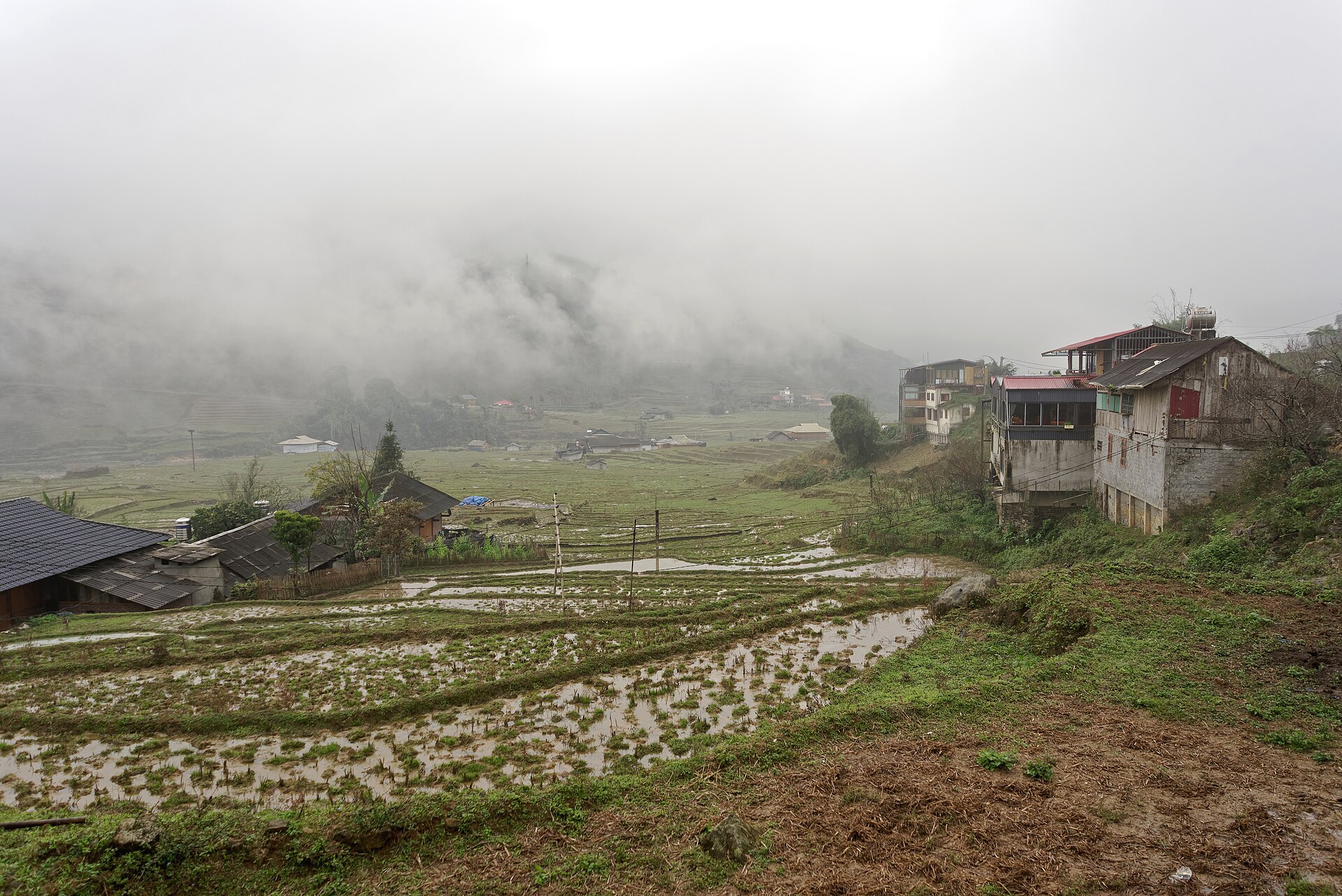
Start with the calendar, not the brochure. Bac Ha market happens on Sundays only, so if your Sapa stay includes a Sunday, that day decides itself. Fansipan is a weather bet: the summit clears most often early in the morning, and in the foggy December-to-February season it can stay hidden for days — book the cable car for the clearest forecast morning of your stay, and favour tours with free cancellation so you can swap days. The valley trek runs in almost any weather, but the trails turn properly slippery after rain, and the scenery changes completely with the rice calendar: flooded mirror terraces from late April into June, deep green in July and August, and the famous gold from late August to mid-October.
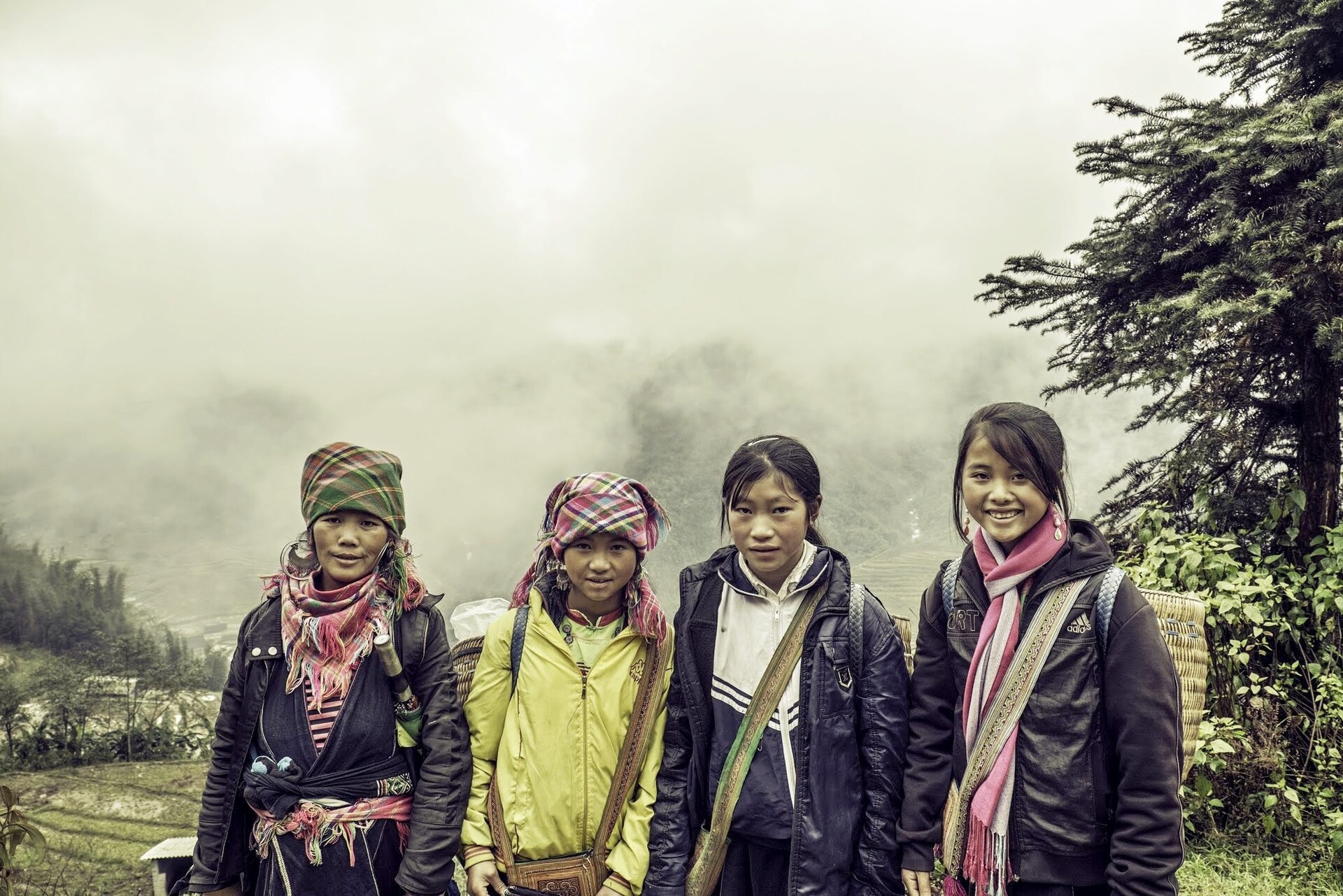
One more principle: in the Muong Hoa Valley, a guide is not an upgrade. The paths cross Hmong, Dao and Giay farmland and village land, fog can erase a trail in minutes, and guiding fees go directly to the communities you are walking through. Book the guided version.
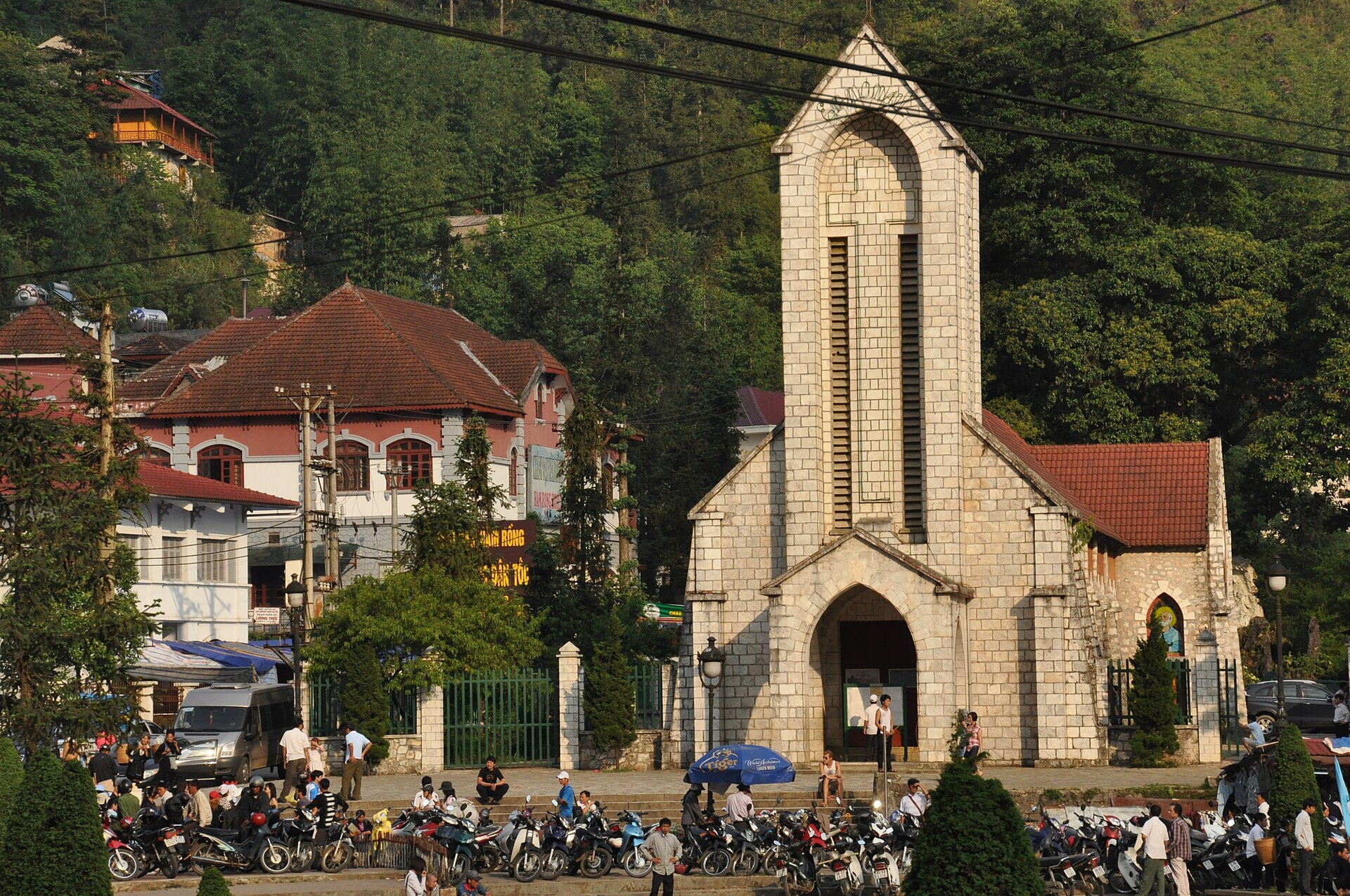
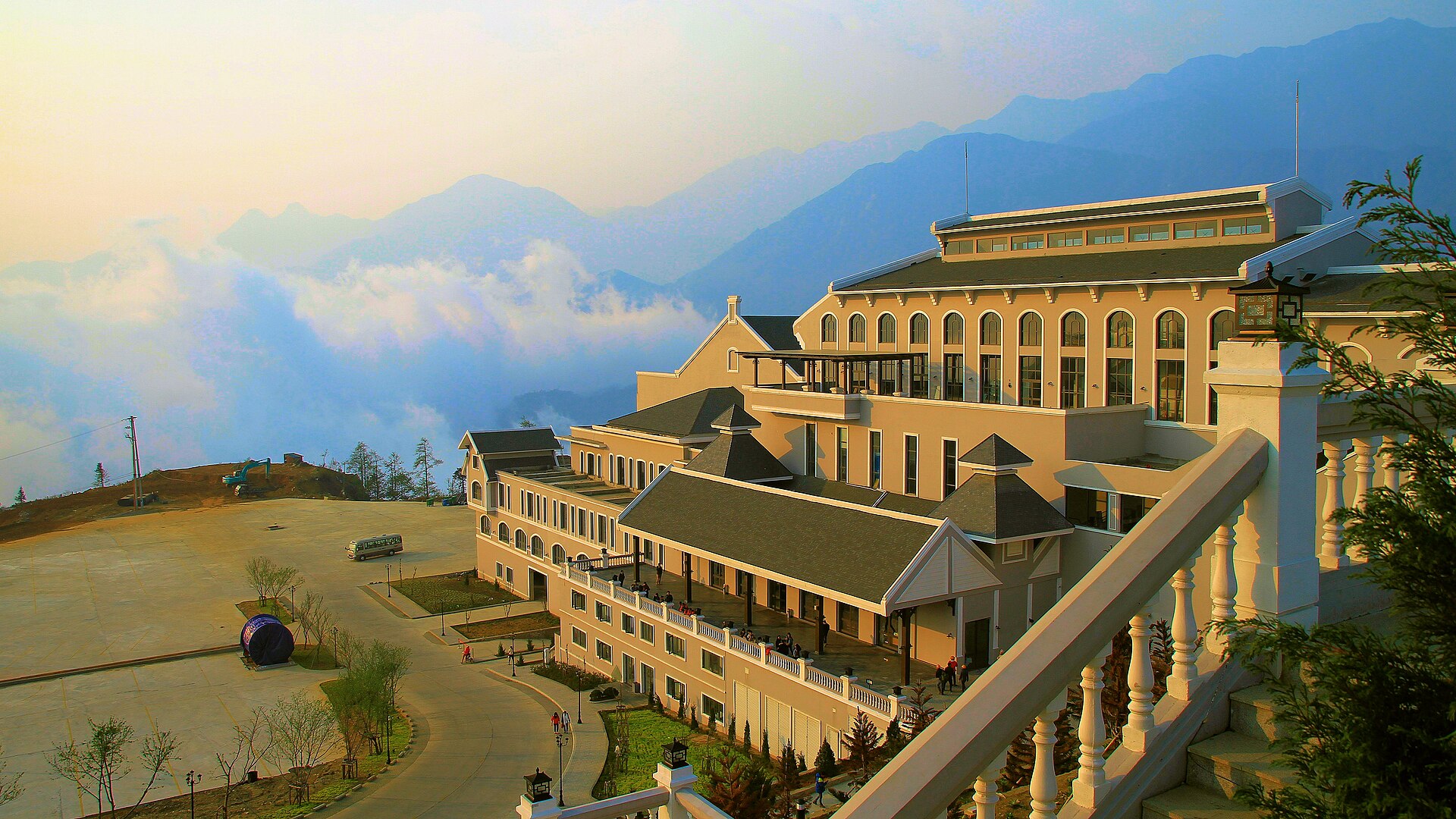
1. Fansipan Cable Car and Spiritual Complex — Best Way to Reach the Roof of Indochina
Fansipan stands 3,143 metres high by the figure on its summit marker (3,147.3 metres by the modern survey) — the highest point in Vietnam, Laos and Cambodia combined. Climbing it on foot is a one-to-two-day expedition. The cable car does it in fifteen to twenty minutes, and the Fansipan cable car ride and spiritual complex tour is the tidy way to take it: a four-hour small-group trip (maximum ten people) rated 4.7 out of 5, priced at about $65 per person with the return cable car ticket included, free cancellation up to 24 hours ahead, and a reserve-now-pay-later option.
The ticket inclusion matters. A return cable car ticket bought on the day costs 850,000 VND on its own, before the funicular from Sun Plaza in the town centre and the optional summit funicular on top — so a headline tour price that excludes the cable car is not the bargain it looks like. This tour bundles return transport from Sapa, the cable car ticket and a local guide, who earns their keep in the summit complex: a sequence of temples and statues above the clouds, finishing with roughly 600 stone steps (or the short summit funicular, paid locally) to the marker itself. Review numbers are still modest, so book it for the inclusions and the flexibility rather than a long track record. Go on the first clear morning you get, dress for a summit that is cold and windy even when Sapa town is mild, and be back down by lunch.
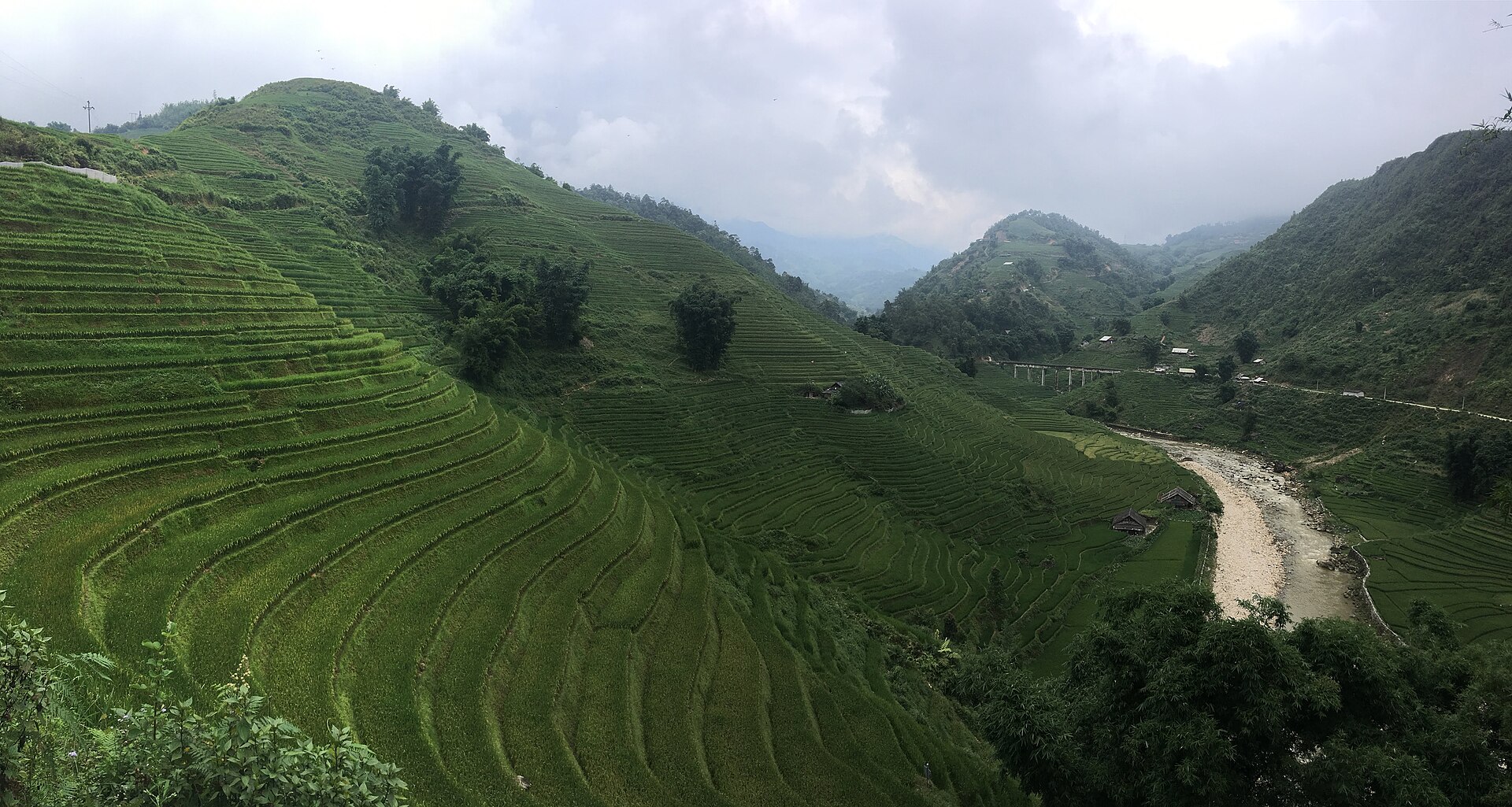
2. Muong Hoa Valley Trek Through Y Linh Ho, Lao Chai and Ta Van — Best Overall Tour in Sapa
If you book only one tour in Sapa, book this one. The Sapa full-day trekking adventure through local villages walks the classic Muong Hoa Valley route — dropping from town through Y Linh Ho, crossing the Muong Hoa stream, and following the valley floor through Lao Chai, the largest Black Hmong village on the route and the usual lunch stop, to Ta Van, a Giay village with Hmong and Dao families besides. It is rated 4.8 out of 5 across more than 400 reviews, runs six to seven hours, starts from around $25 per person, and offers free cancellation up to 24 hours ahead — the strongest combination of rating, review depth and price of any Sapa trek I compared.
Expect ten to fourteen kilometres of walking in total: a net descent, but with steep, muddy sections that demand broken-in trekking shoes with real grip, not trainers. Your local guide sets the pace, explains the single-crop rice calendar you are walking through, and handles the etiquette that makes the day work — ask before photographing people, dress modestly in the villages, take your shoes off when invited into a home, and buy crafts from the person who made them. Lunch in Lao Chai is part of the rhythm of the day, not a rushed add-on. In the golden weeks of September and early October this valley is, quite simply, one of the great walks in Vietnam.
3. Bac Ha Sunday Market Day Trip — Best Cultural Tour
Bac Ha, about 100 kilometres from Sapa, hosts the largest highland market in the region every Sunday morning — and only on Sunday morning. The Bac Ha Sunday market day tour from Sapa is rated 4.54 out of 5 from 86 reviews and costs about $35 per person, with pickup from Sapa town hotels between about 6:50 and 7:30am. That early start is the point: the drive takes two and a half to three hours each way on mountain roads, and the market is at its best between 8am and 11am.
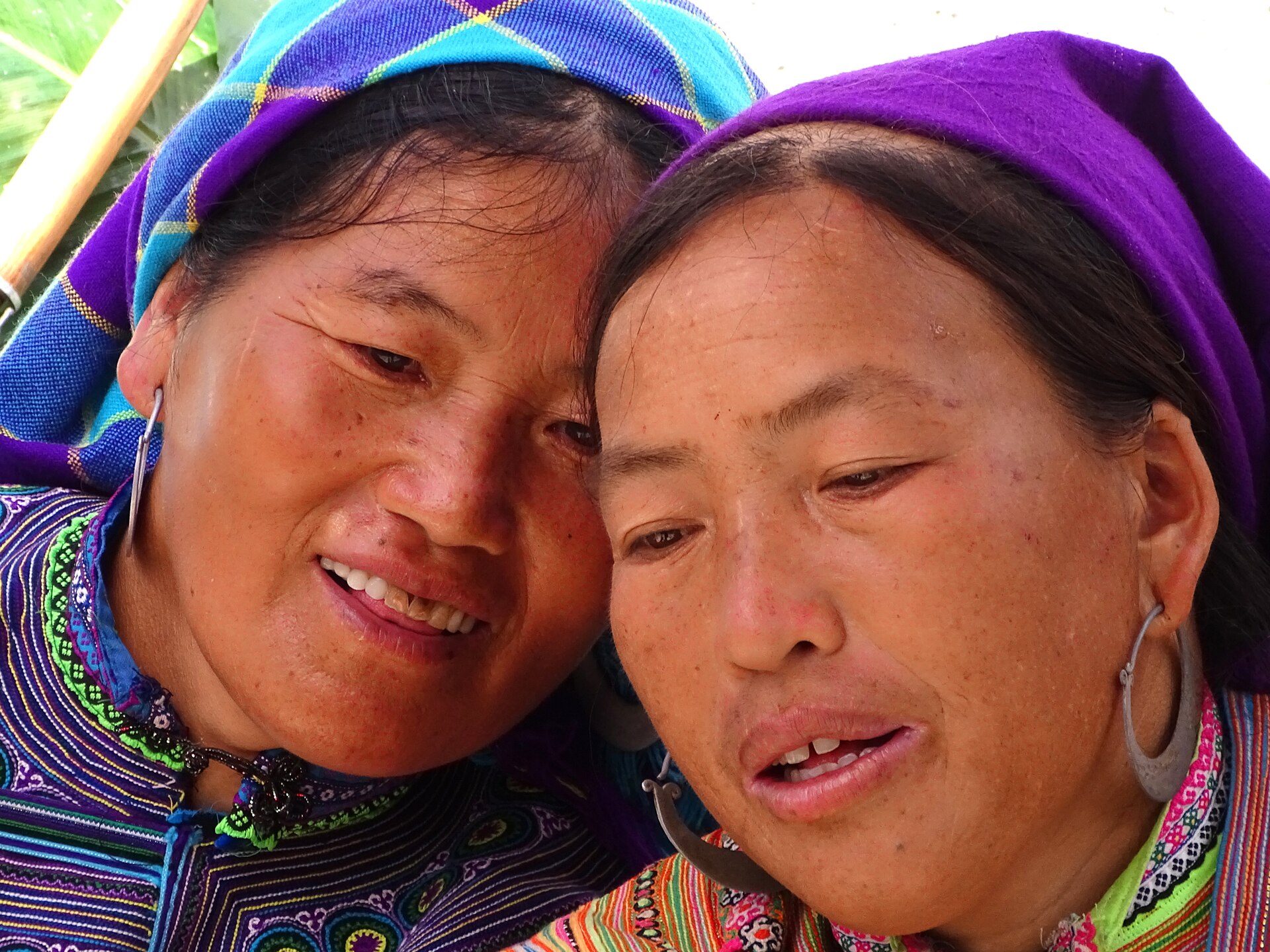
What you get for the early alarm is the most colourful morning in northern Vietnam. Flower Hmong traders in brilliant embroidered dress sell brocade, livestock, farm goods and corn wine; there are food stalls for breakfast, a buffalo market on the edge of town, and — on this tour — a walk in a Flower Hmong village after the market. Be clear-eyed about the shape of the day: it is a long one, most of it on winding roads, so motion-sickness tablets are a wise pocket item. But if your Sapa dates include a Sunday, this is the cultural experience the region is known for, and no weekday substitute comes close. If your Sunday is already claimed by Fansipan weather, the waterfalls west of town — Silver Waterfall, about 12 kilometres out, and the forest walk to Love Waterfall beyond it — make a good half-day fallback you can do on your own.
The Tour You Can Skip: Cat Cat Village
Not everything in Sapa needs a guide. Cat Cat, a Black Hmong village two to three kilometres below town, is a ticketed village (about 150,000 VND for adults — check the current price at the gate) with indigo dyeing and hemp weaving workshops, the Tien Sa waterfall and an old French hydroelectric station on a clear, well-trodden path. Walk down in the late afternoon when the day-trip crowds have thinned, take your time at the workshops, and save your tour budget for the three trips above, where transport, tickets and local knowledge genuinely change the day. The walk back up to town is steep — that part, at least, is free exercise.
Practical Tips for Booking Sapa Tours
Book Fansipan and the trek a few days ahead in the September–October golden season and around Tet, when Sapa fills up; at other times, a day or two ahead is usually fine, and the free-cancellation terms on the Fansipan and trek tours above let you react to the weather forecast. Keep one morning unbooked as a weather spare if you can — Sapa fog is the main thing that ruins itineraries here. Carry small-denomination cash for village crafts, market food and tips, download an offline map before you leave town, and pack layers plus a waterproof jacket in every season: town, valley and summit can be three different climates on the same day.
However you split your days, these three tours cover Sapa’s essential triangle — the summit, the valley and the market. For the full plan, see my Sapa in 3 Days itinerary, my Sapa hotel and neighbourhood guide, and the wider collections in the best Vietnam guides and the best Southeast Asia guides — Hanoi pairs with Sapa on almost every northern Vietnam route.