
Disclosure: This post contains affiliate links. If you book through one of these links, I may earn a commission at no extra cost to you.
Never forget a thing before you fly. My free 8-page Travel Planning Checklist walks you through the whole trip — 6 planning timelines, 36 checks, from booking windows to travel-day basics. One email, no spam, unsubscribe anytime.
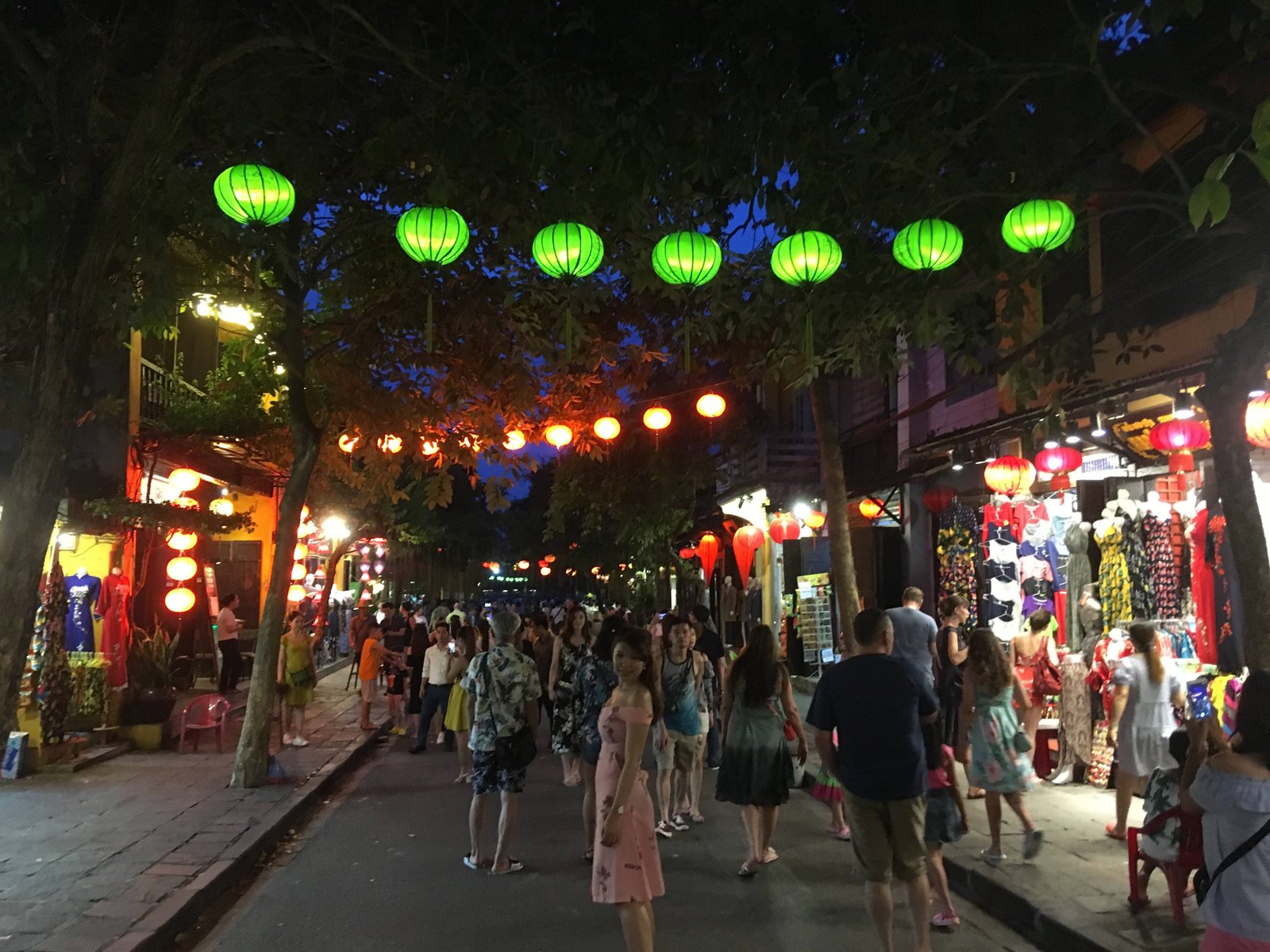
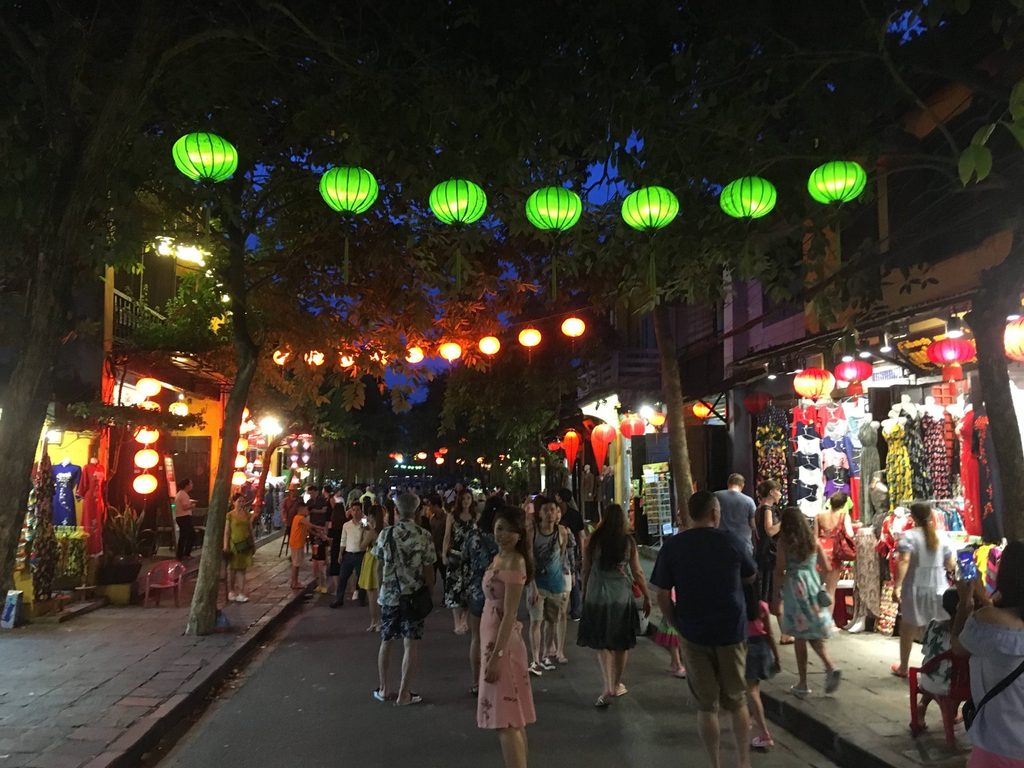
Hoi An is the stop in Vietnam that slows everybody down. This small town on the Thu Bon River, about 30 kilometres south-east of Da Nang, was one of Southeast Asia’s busiest trading ports from the 15th to the 19th century — and its Ancient Town, a UNESCO World Heritage Site since 1999, still looks the part: ochre-washed shophouses, Chinese assembly halls, a covered bridge built by Japanese merchants, and silk lanterns strung over almost every lane.
Three days is the sweet spot. One day belongs to the Ancient Town itself, one to the countryside and beach that surround it, and one to the jungle temples of My Son. This itinerary sequences them so you see the old streets early and late — when they are at their best — and escape the midday heat the way locals do.
Before You Go: The Practical Basics
Getting there: Hoi An has no airport. Fly into Da Nang International Airport, roughly 45 minutes away by car; hotels and private transfers run the route all day, and the drive follows the coast past Marble Mountains.
The Ancient Town ticket: International visitors pay 120,000 VND for the Ancient Town ticket, which covers entry to a selection of heritage sites — old merchant houses, assembly halls, small museums, and the Japanese Covered Bridge or Quan Cong Temple. Buy it at the booths on the edge of the old quarter and keep the coupons; attendants punch them at each site.
When to go: February to April is the most comfortable window — dry and warm without the fierce summer heat. May to August is hotter but best for the beach and boat trips. October to December is the rainy season on the central coast, and the riverside streets can flood, sometimes for days — if you visit then, build in flexibility.
Getting around: The Ancient Town is flat, compact, and largely closed to cars; walk it. For the beach, herb villages, and countryside, rent a bicycle — many hotels lend them free — or use taxis and ride-hailing for short hops.
Day 1: The Ancient Town, Site by Site
Start early. The tour groups arrive mid-morning, but at 7am the yellow lanes belong to residents, market vendors, and photographers.
Morning: Heritage Houses and Assembly Halls
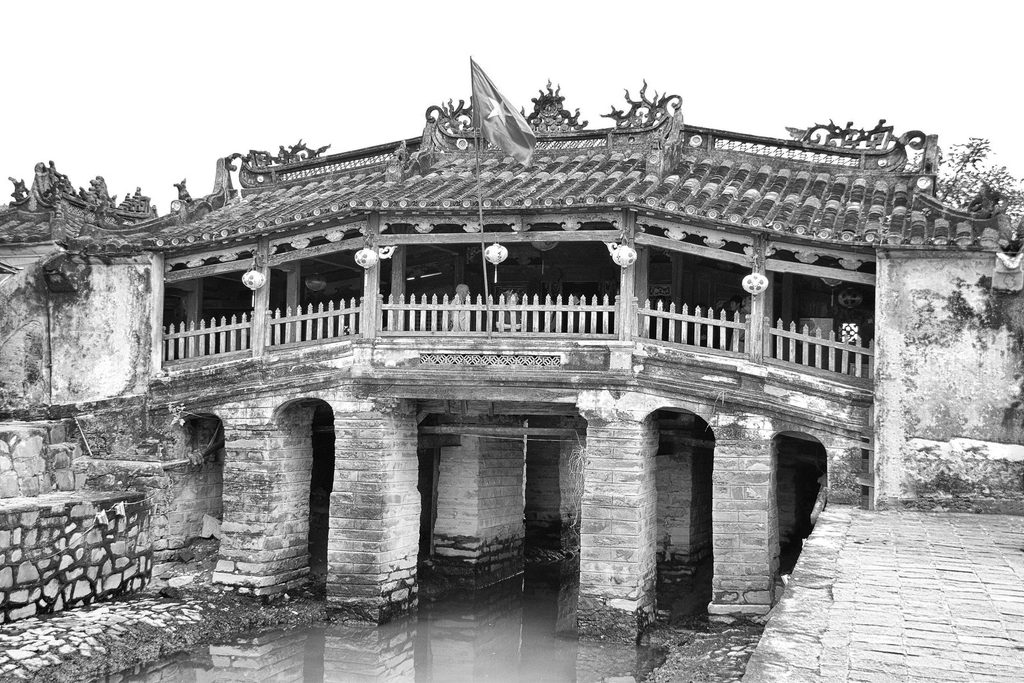
Begin at the Japanese Covered Bridge (Chua Cau), Hoi An’s symbol — so emblematic it appears on Vietnam’s 20,000-dong note. Japanese merchants began building it in the 1590s to link their quarter with the Chinese neighbourhoods across the canal; the small temple built into its northern side honours a weather deity credited with protecting the town. Come back after dark, too — lit up, it is the town’s best night photograph.
Then spend your remaining ticket coupons deliberately. The Old House of Tan Ky shows how a wealthy merchant family lived, with Japanese, Chinese, and Vietnamese design layered into one narrow house. The Fujian Assembly Hall (Phuc Kien) is the most ornate of the Chinese congregation halls, all incense coils and courtyard gardens. If you have one museum coupon, the Museum of Trade Ceramics tells the port story — Hoi An’s ceramics reached Japan, China, and beyond — better than any plaque.
Afternoon: Tailors, Coffee, and a Lantern of Your Own
Hoi An’s tailor shops are famous for a reason: hundreds of them can turn around custom clothing in 24 to 48 hours. If you want anything made, order on Day 1 so there is time for a fitting on Day 2 and adjustments on Day 3 — and agree the fabric, lining, and price before any cutting starts.
Afterwards, slow down in a cafe, then make the souvenir this town is known for. A foldable lantern-making class takes about 90 minutes: you choose the silk, stretch it over a bamboo frame, and leave with a lantern that folds flat into your luggage. It is a gentle, genuinely local craft — lanterns hung outside a home are said to bring luck, happiness, and wealth.
Evening: Lanterns on the River
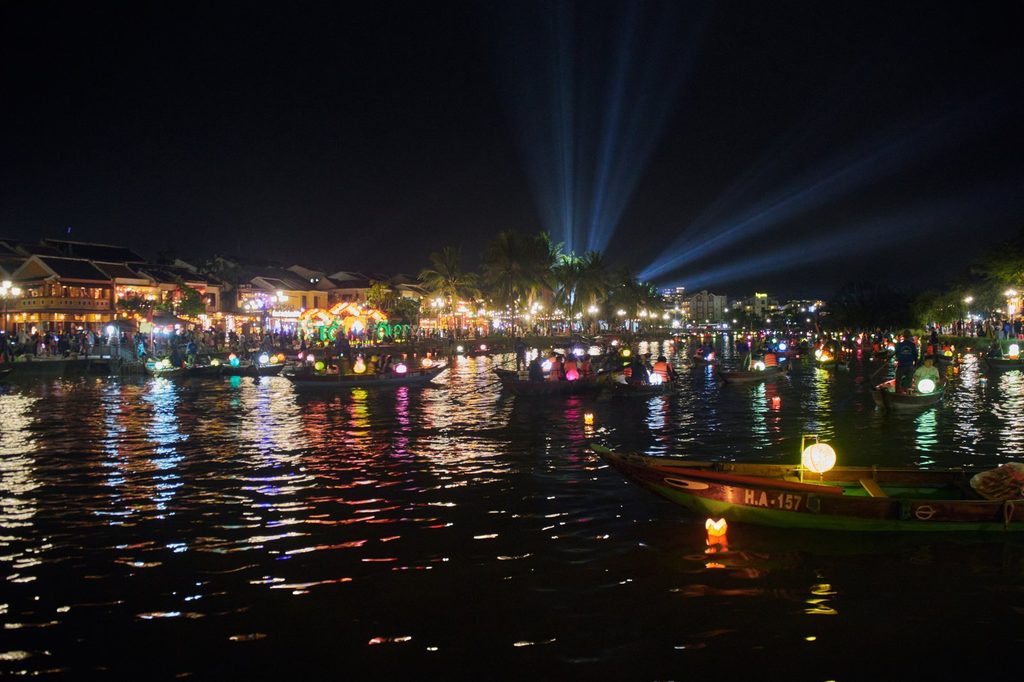
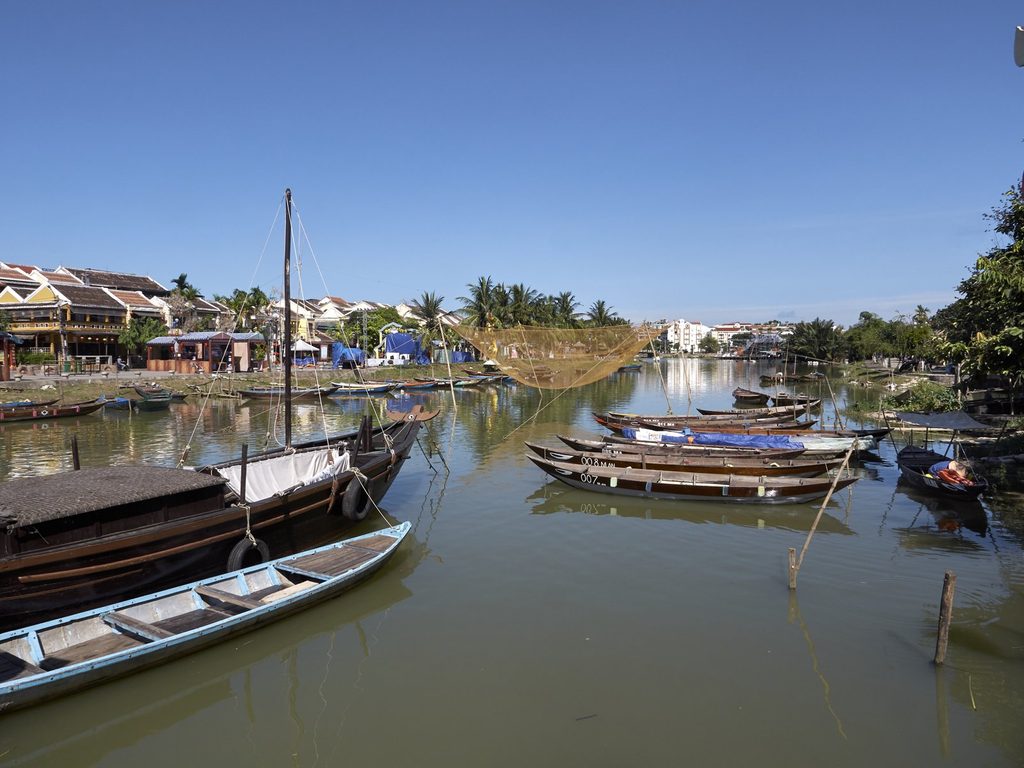
At dusk the whole town changes. Electric lights dim, thousands of silk lanterns glow, and the riverfront fills with small wooden boats offering short rides on the Hoai River — the branch of the Thu Bon that runs past the Ancient Town — where you can float a candle-lit paper lantern of your own. Cross to An Hoi islet for the night market’s food stalls, then eat dinner back on the old-town side: look for Hoi An’s signature dishes, cao lau noodles (made, legend says, only with water from one ancient well), white rose dumplings, and mi Quang.
If your trip lands on the 14th day of a lunar month, you get the full-moon lantern night — the next one falls on 22 November 2026 — when the old quarter leans into candlelight and the river is at its most crowded and most beautiful. Arrive before sunset to enjoy it without the squeeze.
Day 2: Herb Villages, Basket Boats, and the Beach
Morning: Tra Que and Cam Thanh
Cycle about 3 kilometres north-east to Tra Que Vegetable Village, where farmers have grown herbs for centuries using seaweed from the nearby lagoon instead of chemical fertiliser. The entry fee is small (around 35,000 VND on the official 2026 price list), the basil and mint rows are photogenic in morning light, and some families offer foot-soak and farming experiences.
Continue to Cam Thanh, the water-coconut village on the town’s eastern edge (entry around 30,000 VND). Local rowers take visitors through the Bay Mau coconut forest in round bamboo basket boats — a bouncy, funny, surprisingly peaceful ride, with net-casting demonstrations along the way.
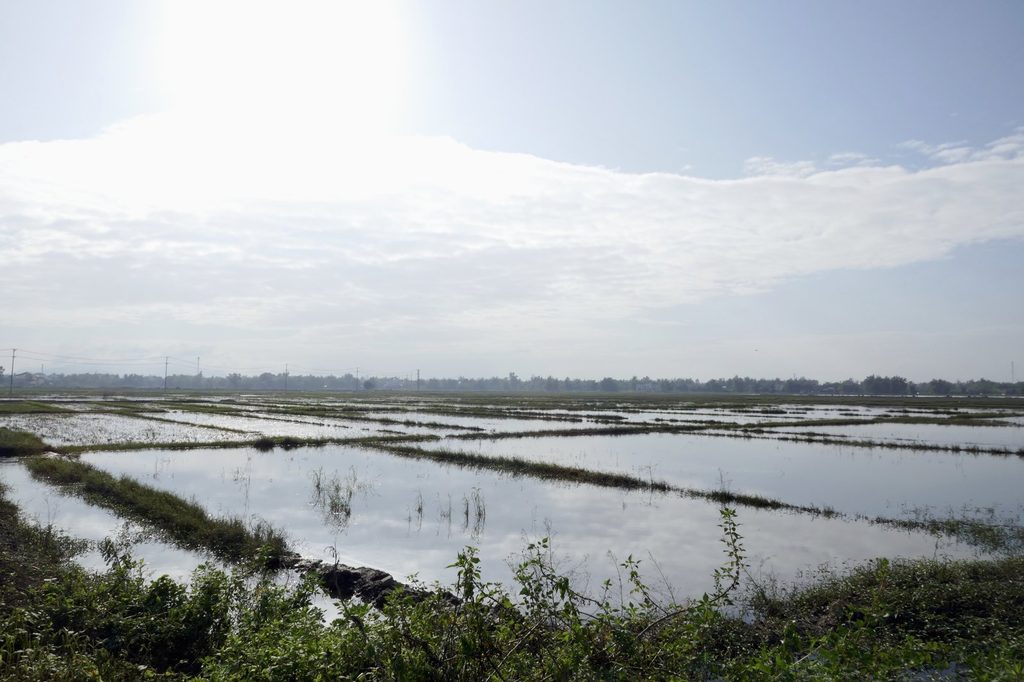
The easiest way to combine both villages with lunch is a small-group cooking class with a market visit and basket boat ride: you shop for ingredients at a local market, ride the basket boats, then cook four Vietnamese dishes — papaya salad, spring rolls, a clay-pot main, and crispy banh xeo pancakes — and eat what you made. It is one of the best-reviewed half-days in town, and it teaches you what you have been eating all trip.
Afternoon: An Bang Beach
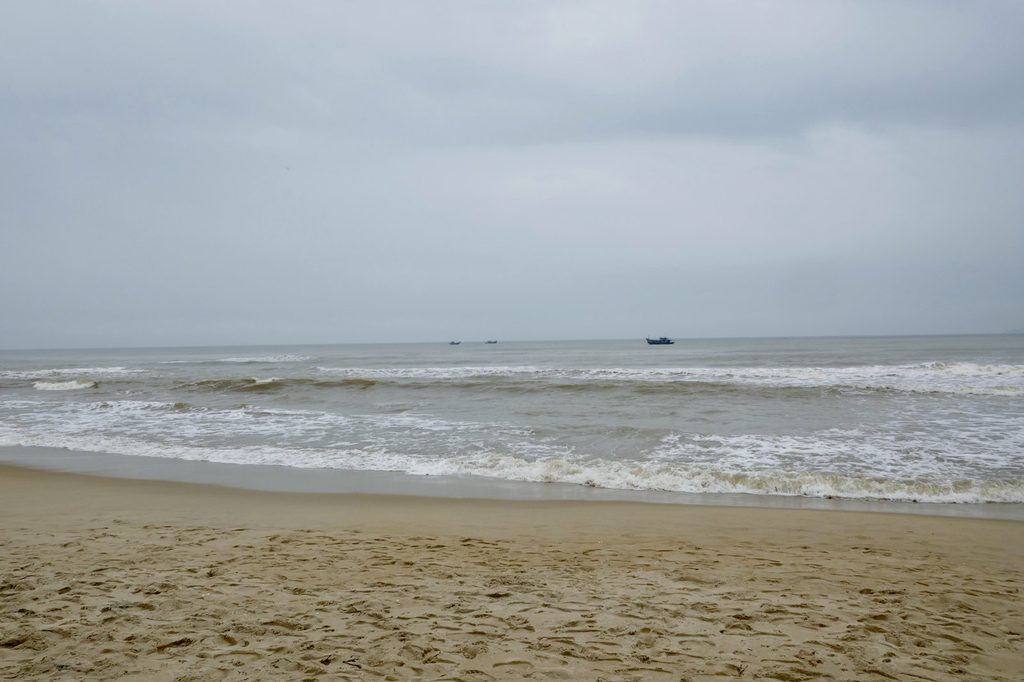
After lunch, ride or taxi about 4 kilometres north to An Bang Beach — a long, relaxed stretch of sand with beach bars, loungers, and seafood shacks. Access is free; you pay for your lounger and lunch. Swim in the morning or late afternoon in the hotter months, and note that the sea is calmest from spring to late summer; in the rainy months it can be rough, so treat a beach afternoon then as a walk-and-cafe plan rather than a swim.
Evening: Fitting, Then Dinner in the Old Town
Back in town, do your tailor fitting while the light is good, then take a second, slower evening walk. The Ancient Town rewards a repeat visit — streets you rushed at noon are quiet and lantern-lit by eight. Travellers pairing Hoi An with Cambodia’s temples will find the same slow-evening magic in our Siem Reap in 3 Days itinerary.
Day 3: My Son Sanctuary — or the Cham Islands
Option A (Year-Round): My Son at Opening Time
About 40 kilometres south-west of Hoi An, in a jungle valley under Cat’s Tooth Mountain, stand the brick towers of My Son Sanctuary — the spiritual centre of the Champa kingdom, whose Hindu temples were built between the 4th and 13th centuries. It is a UNESCO World Heritage Site, partly ruined by time and by bombing during the war, and it needs a guide: without one, the towers blur together; with one, the carvings, the Shiva worship, and the kingdom’s rise and fall come into focus. Entry for international visitors is 150,000 VND.
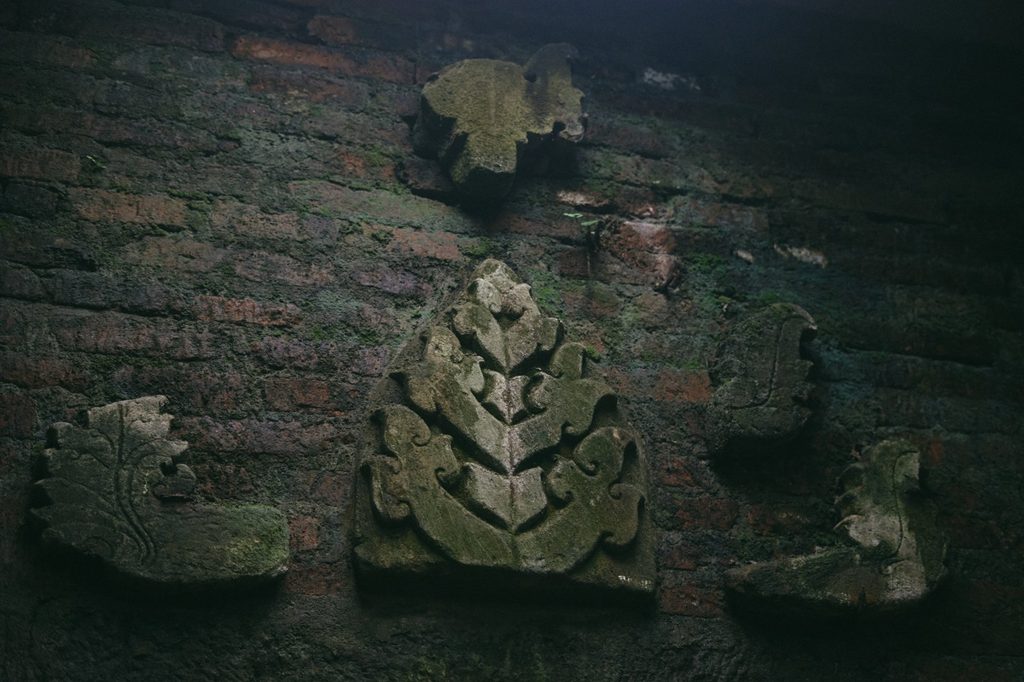
Go early. The valley heats up fast and the day-trip buses arrive from about 9am. An early or morning small-group tour to My Son gets you there in the cool of the day, adds a traditional food stop and rice-paper making on the way back, and returns you to Hoi An by boat in time for lunch — leaving the afternoon free for final fittings and packing.
Option B (Spring to Late Summer Only): The Cham Islands
If you visit between roughly April and August, when the sea is calm, swap My Son for a boat day to the Cham Islands (Cu Lao Cham), a UNESCO Biosphere Reserve about half an hour by speedboat from Cua Dai pier. Day trips combine a fishing-village visit, snorkelling over coral, and a seafood lunch (island fees are around 70,000 VND plus a 20,000 VND sanitation fee, on top of boat costs). Boats do not run in rough weather, which is why this is a fair-season option only — in the rainy months, choose My Son instead.
Final Afternoon: Pickup and a Last Riverside Coffee
Collect your tailoring (try everything on before you pay the balance), pick up your folded lantern, and give yourself one last unhurried hour on the riverfront. Hoi An is not a town to conquer — it is a town to drift through, and three days paced this way lets it work on you.
Where This Fits a Bigger Trip
Hoi An pairs naturally with Da Nang (45 minutes away) and Hue (about three hours north over the Hai Van Pass), and it slots into a longer Vietnam route between Hanoi and Ho Chi Minh City. For the full regional picture — stays, itineraries, and tours across eleven destinations — browse our Southeast Asia guides hub, and keep an eye out for the Hoi An stay and tours guides joining this itinerary soon.
Go in the dry months if you can, start your days early, and save your evenings for the river. That is Hoi An at its best.